



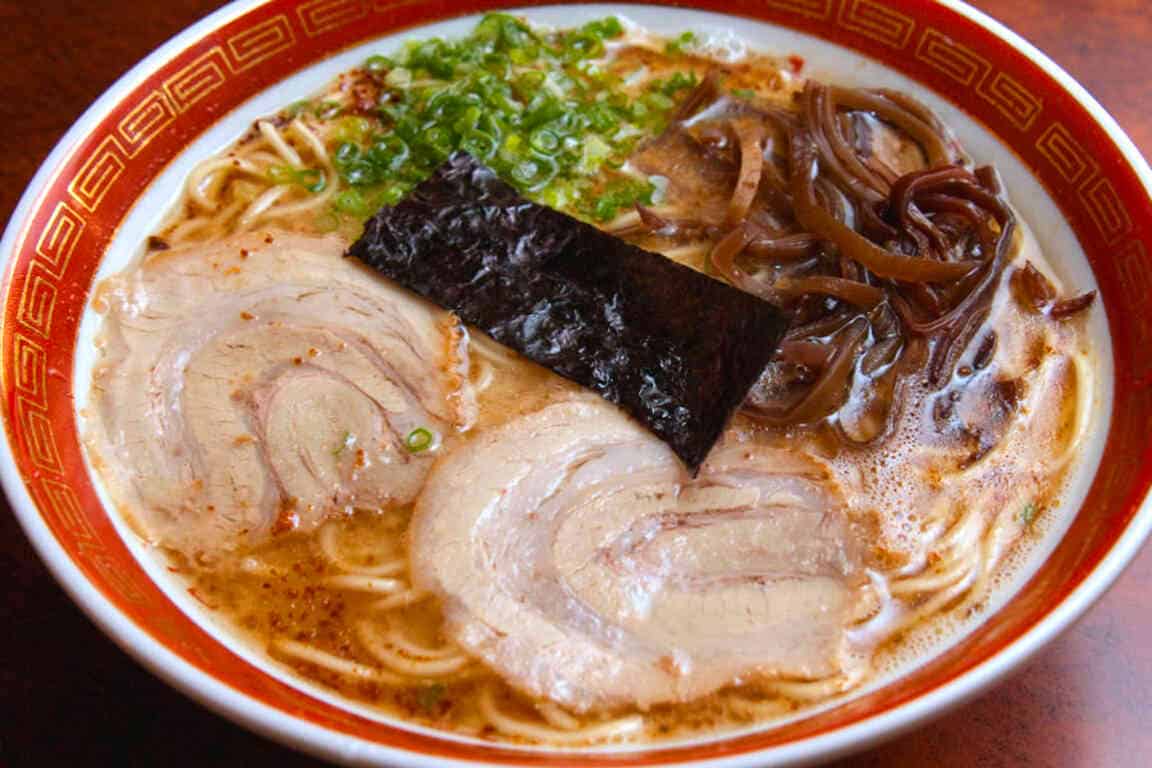
Kumamoto ramen is a tonkotsu ramen style from Kumamoto Prefecture. Cooks blend pork bones with chicken bones, then finish each bowl with mayu, a black garlic oil. That combination sets it apart from Hakata ramen and other Kyushu tonkotsu styles.
The result is a milder, less oily bowl with medium-thick straight noodles. This guide covers what Kumamoto ramen is, its history, how it differs from Hakata ramen, a home recipe, and the best shops to try it in Kumamoto City.
What Is Kumamoto Ramen?
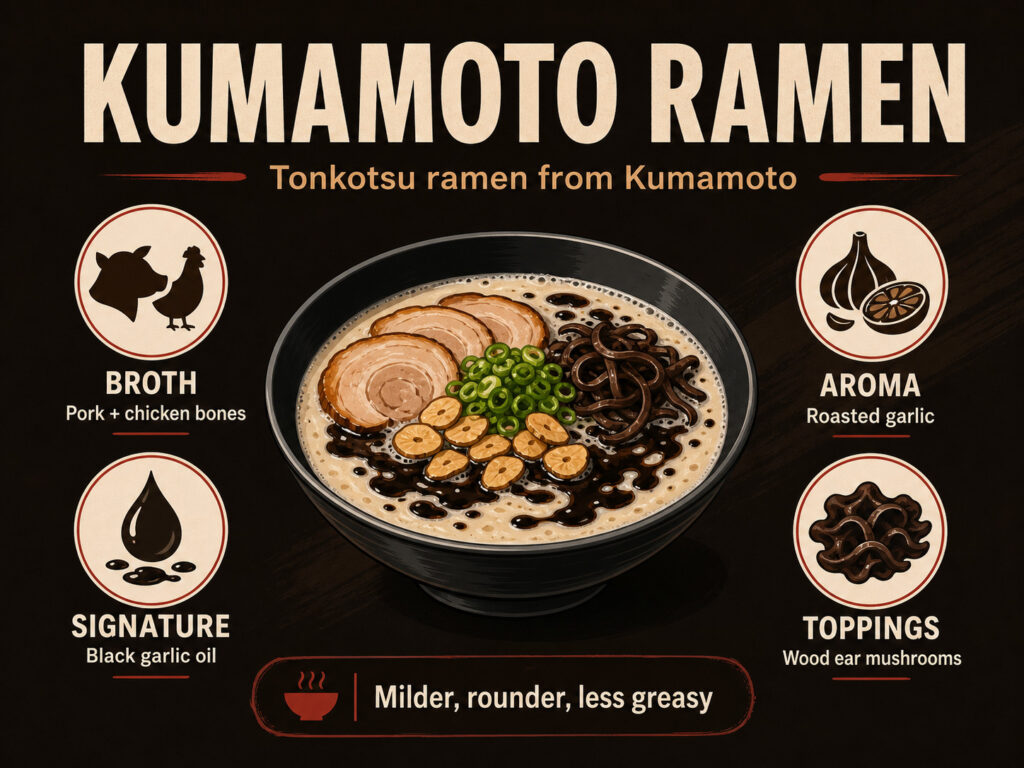
Kumamoto ramen is a type of tonkotsu ramen from Kumamoto Prefecture. Cooks simmer pork bones and chicken bones together to build the soup. That blend gives the broth a creamier, rounder taste than pure pork-bone versions.
Shops top each bowl with roasted garlic chips and mayu, a black garlic oil made by slowly cooking crushed garlic in oil. Kikurage, or wood ear mushrooms, appear in nearly every bowl. That combination gives Kumamoto ramen its dark, fragrant surface.
The soup also stays milder than many tonkotsu styles. It works well for diners who find heavier pork broths overwhelming. Despite the oil on top, the overall bowl feels less greasy than it looks.
The Aroma of Roasted Garlic
The bowl greets you with a roasted garlic scent before you even lift your chopsticks. That aroma sharpens the appetite ahead of the first bite. It feels rich, warm, and genuinely inviting.
What the Broth Feels Like
The broth manages to feel both rich and light at once. It carries real umami, yet it never feels heavy. Wood ear mushrooms add a quiet, earthy note underneath. Many diners find themselves reaching for one more sip.
Who Kumamoto Ramen Suits
This style suits people who find heavy tonkotsu broths too rich. Garlic lovers will enjoy the roasted aroma on every bowl. If you prefer a rounder, milder taste over Hakata’s thin-noodle intensity, Kumamoto ramen is worth seeking out.
History of Kumamoto Ramen
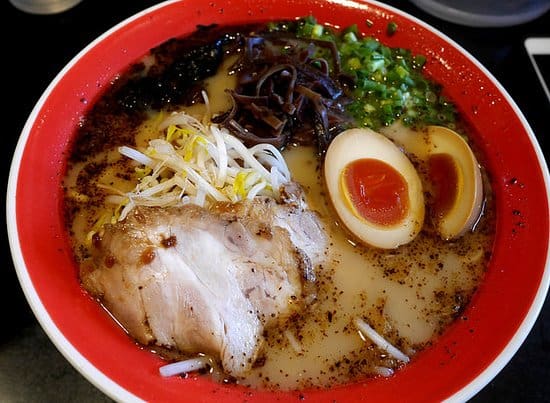
Kumamoto ramen is a local dish of Kumamoto City. Even so, it has a deep connection to ramen from other parts of Kyushu. Its style grew out of a longer chain of tonkotsu ramen development.
Influence of Kurume Ramen
Many food historians point to Kurume ramen as the origin of tonkotsu ramen. Cooks simmer the pork bone soup with water for a long time. Then they add more water and simmer it again.
When a Kurume ramen shop opened in Tamana City, it spread by word of mouth. The popularity soon reached people in Kumamoto City. From there, it shaped ramen across the wider Kyushu region.
Kumamoto was no exception. Local cooks built a ramen close to Kurume’s style, then refined the noodles and soup further. Famous shops like Ajisen and Komurasaki trace their roots to this Tamana-influenced tonkotsu tradition. Both later opened branches across the Kanto region.
Why Mayu Became Kumamoto’s Signature
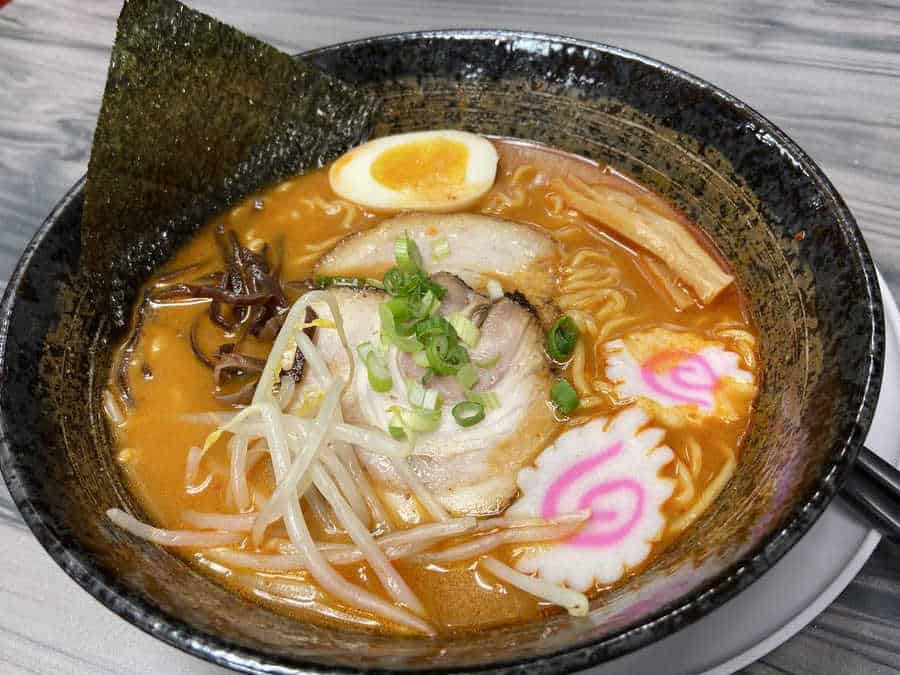
Mayu grew popular as a way to soften the strong pork smell in tonkotsu broth. Cooks found that slowly roasting garlic in oil added a nutty, smoky note. That aroma covered the heavier pork scent that some diners disliked.
Local shops in Kumamoto embraced the idea early, and it became a defining feature of the city’s ramen. Today, nearly every Kumamoto ramen shop uses some form of mayu or roasted garlic chips. It remains one of the clearest ways to spot the style.
Kumamoto Ramen vs Hakata Ramen
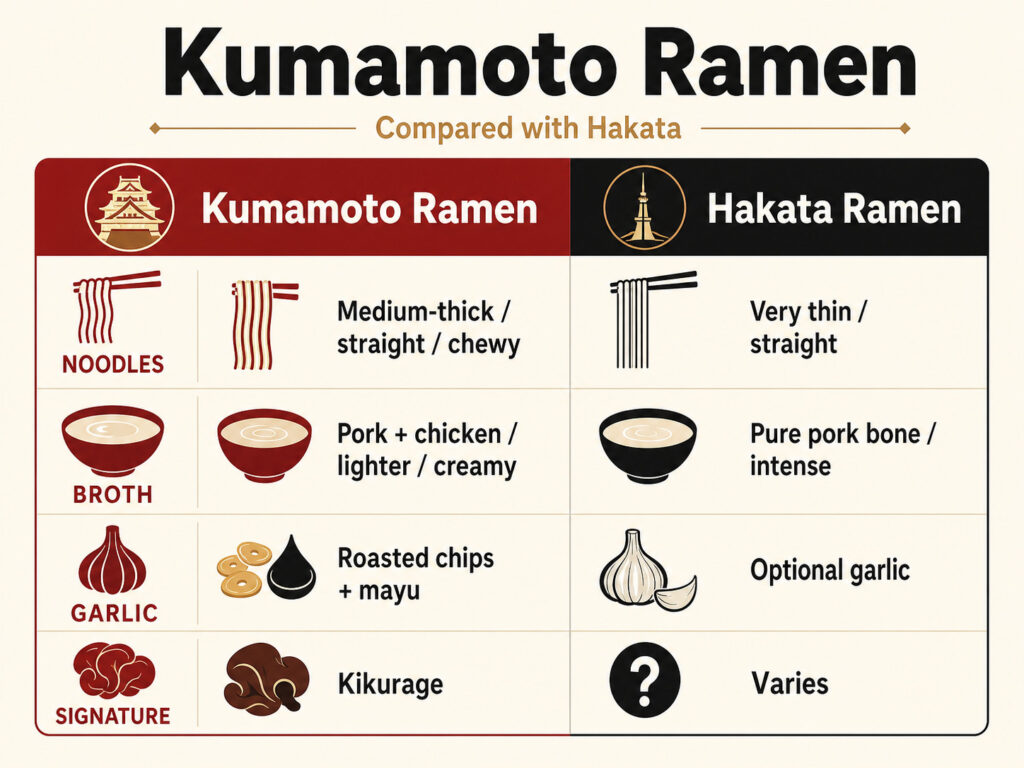
Both dishes come from the island of Kyushu, yet Hakata ramen and Kumamoto ramen have very different personalities. People sometimes assume they are the same. In practice, the two have clear differences.
| Kumamoto Ramen | Hakata Ramen | Kurume Ramen | |
|---|---|---|---|
| Soup | Pork and chicken bone, milder | Pure pork bone, intense | Pork bone, thick and strong |
| Noodles | Medium-thick, straight, chewy | Very thin, straight | Thick, straight, firm |
| Garlic | Roasted chips and mayu (black oil) | Optional, raw or grated | Light garlic, less emphasized |
| Kaedama | Uncommon | Standard, expected | Available, less central |
| Toppings | Chashu, kikurage, scallions, nori | Chashu, beni shoga, varies by shop | Chashu, kikurage, marinated egg |
The noodles show the clearest difference. Kumamoto shops use chewy, medium-thick straight noodles. Hakata’s noodles stay very thin, so shops need a smaller portion per bowl.
Both styles start from a mild pork bone broth. However, Kumamoto shops add chicken bone broth on top. As a result, the soup turns lighter and creamier than Hakata’s pure tonkotsu base.
Many Kumamoto shops finish the broth the same day. This keeps the flavor fresh and helps control the porky smell. Roasted garlic chips and mayu then round out the aroma even further.
Kikurage appears in nearly every Kumamoto bowl as a defining ingredient. Hakata shops vary more here, so wood ear mushrooms show up at some shops but not others. That small detail often separates the two styles at a glance.
Kumamoto Ramen Ingredients
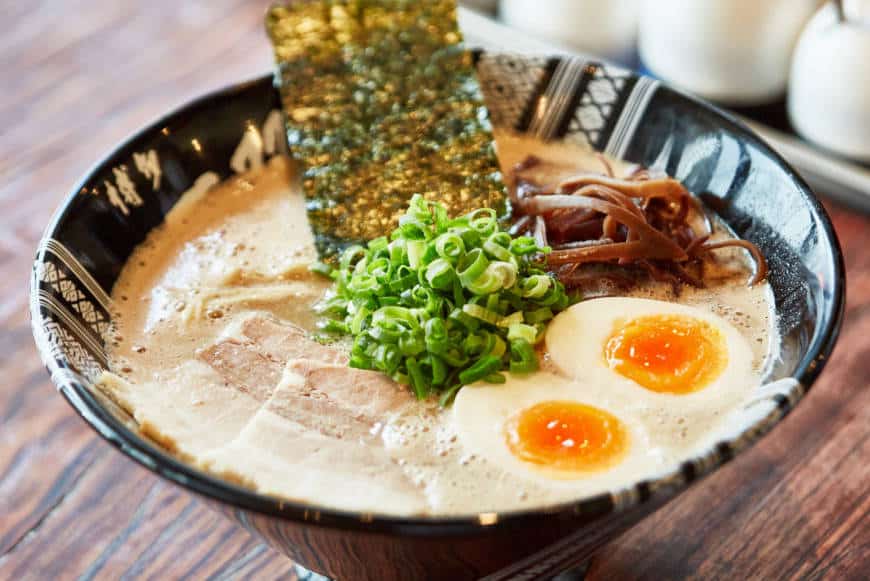
Like Hakata ramen, this style starts with mild pork bone soup. Kumamoto shops then add chicken bone soup, which softens the broth further. The table below lists the ingredients for a home batch.
| Ingredient (serves 6) | Amount |
|---|---|
| Pork bones | 900 g |
| Chicken bones | 900 g |
| Garlic | 2 cloves (plus extra for mayu) |
| Sesame oil | 60 g |
| Canola oil | 28 g |
| Soy sauce | 120 g |
| Mirin | 240 g |
| Sake | 240 g |
| Sugar | 100 g |
| Ginger | 15 g |
| Shallot | 30 g |
| Leeks | 250 g |
| Mushrooms | 170 g |
| Scallions | 100 g |
| Bean sprouts | 200 g |
| Pork fatback | 450 g |
| Medium-thick noodles | 600 g |
| Water | 8 to 10 cups |
| Wood ear mushrooms (kikurage) | As needed |
| Nori | 6 small strips |
Kumamoto Ramen Recipe
This full version takes most of an afternoon, mainly for the broth. If you are short on time, see the quick version at the end of this section.
Broth
Mix water, soy sauce, mirin, sake, garlic, ginger, shallot, scallions, and sugar in a large pot.
Submerge the pork bones in the liquid. Cover loosely, then simmer in a low oven for about 3 hours.
Remove the pot, then add the chicken bones. Cook for another hour, until both meats turn tender.
Skim off the scum. Add mushrooms, leeks, scallions, and pork fatback, then simmer briefly. Slice the fatback thin and set it aside.
Mayu (Black Garlic Oil)
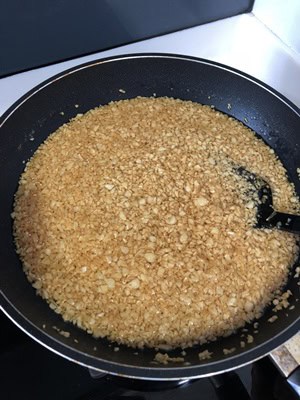
Sauté garlic in sesame oil until fragrant. Set this batch aside for topping later.
Sauté another batch of garlic in canola oil. Simmer on low heat for about 10 minutes, until deep brown to black.
Blend the roasted garlic oil with the sesame oil batch until it turns thick and dark.
Toppings and How to Assemble
Cook each portion of noodles separately. Stir with chopsticks so the strands do not stick together.
Add a spoon of mayu to each bowl. Place the noodles on top, then pour in hot broth.
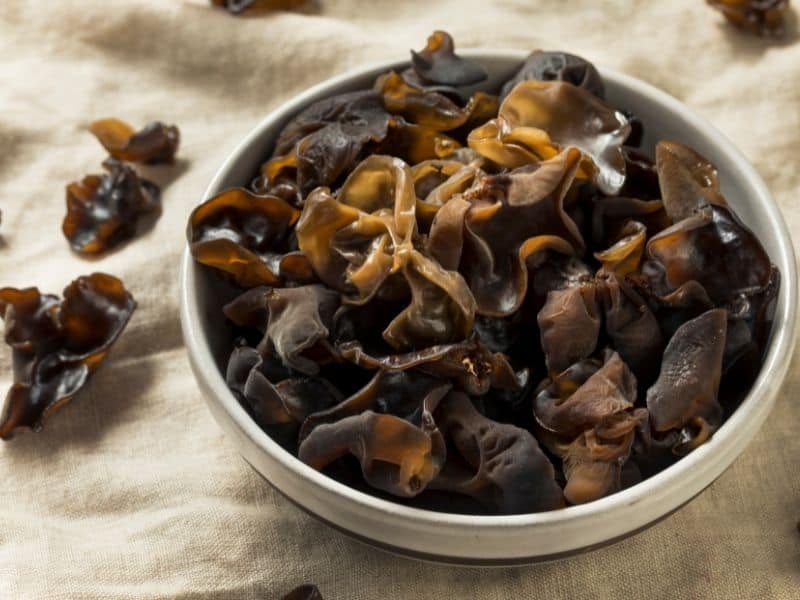
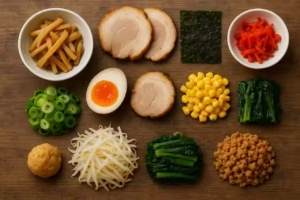
Top with sliced chashu, kikurage, bean sprouts, scallions, roasted garlic chips, and a strip of nori. Serve right away.
Quick Home Version
Short on time? Use store-bought pork and chicken broth instead of simmering bones from scratch. A pressure cooker also cuts the broth time to about 90 minutes. The mayu and toppings stay the same either way.
Common Mistakes
- Burnt garlic: mayu turns bitter if the garlic chars too far. Watch the heat closely.
- Skipping the skim: leftover scum makes the broth taste muddy. Strain it well.
- Cold bowls: warm your serving bowls first, so the broth stays hot longer.
- Soggy noodles: noodles keep cooking in hot broth. Prepare bowls and toppings before draining them.
- Old broth: tonkotsu soup loses freshness fast. Use it the same day for the best flavor.
Best Shops to Try Kumamoto Ramen
A bowl typically costs about 800 to 1,100 yen. Kaedama, or noodle refills, are far less common here than in Hakata. Expect a wait at the most popular shops, especially around lunch.
| Shop | Best For | Access | Line? |
|---|---|---|---|
| Kokutei | Beginners, light broth | Near Kumamoto Station | Often, at peak times |
| Komurasaki | Old-established history | Kamitori, city center | Sometimes |
| Keika Ramen | Strong mayu flavor | Hanabatacho | Sometimes |
| Sansui-tei | Homemade everything | Kamitori, city center | Rarely |
| Tengaiten | Generous chashu portions | Near Shimotori Arcade | Often |
Kokutei
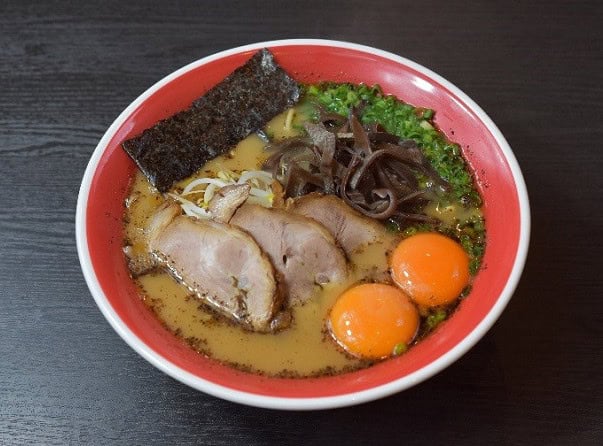
Kokutei is known for its homemade noodles and homemade pork broth. The ramen here tastes light and easy for most palates. It sits just a few minutes from Kumamoto Station, so expect long lines at lunch and dinner.
Komurasaki
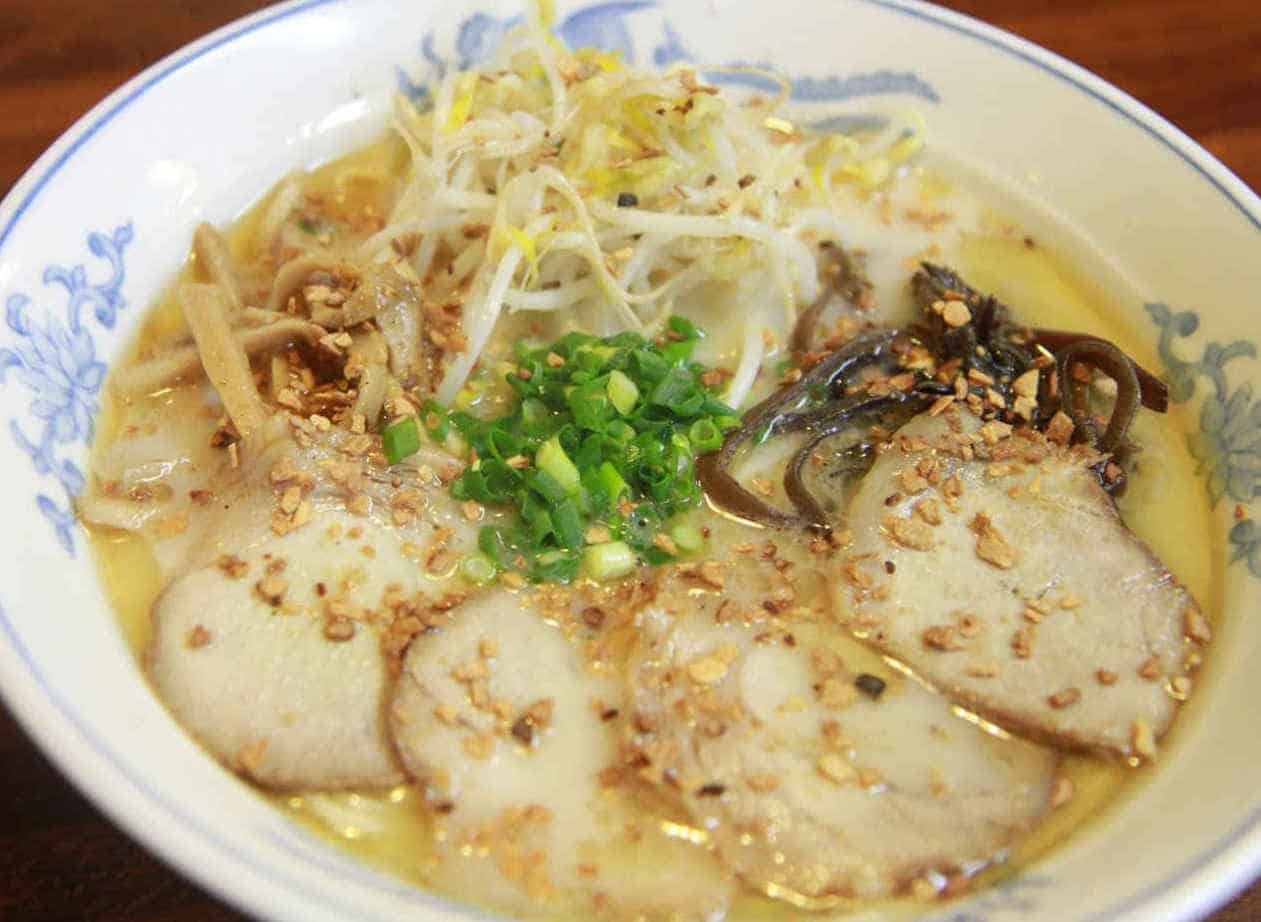
Komurasaki is one of the oldest Kumamoto ramen shops in the city. The owner opened it in 1954, and it still serves a thick yet light soup. Its “King Ramen,” priced around 700 yen, remains a bestseller.
Keika Ramen
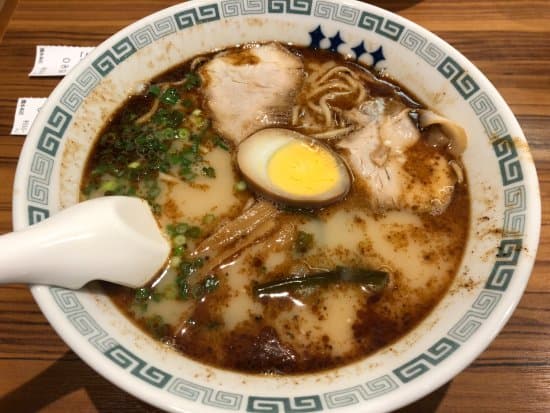
Keika claims to be the first shop to serve fragrant mayu alongside its soup. The broth tastes thick yet gentle, almost milky. Instead of regular chashu, Keika uses “taro,” a thicker cut of meat.
Sansui-tei
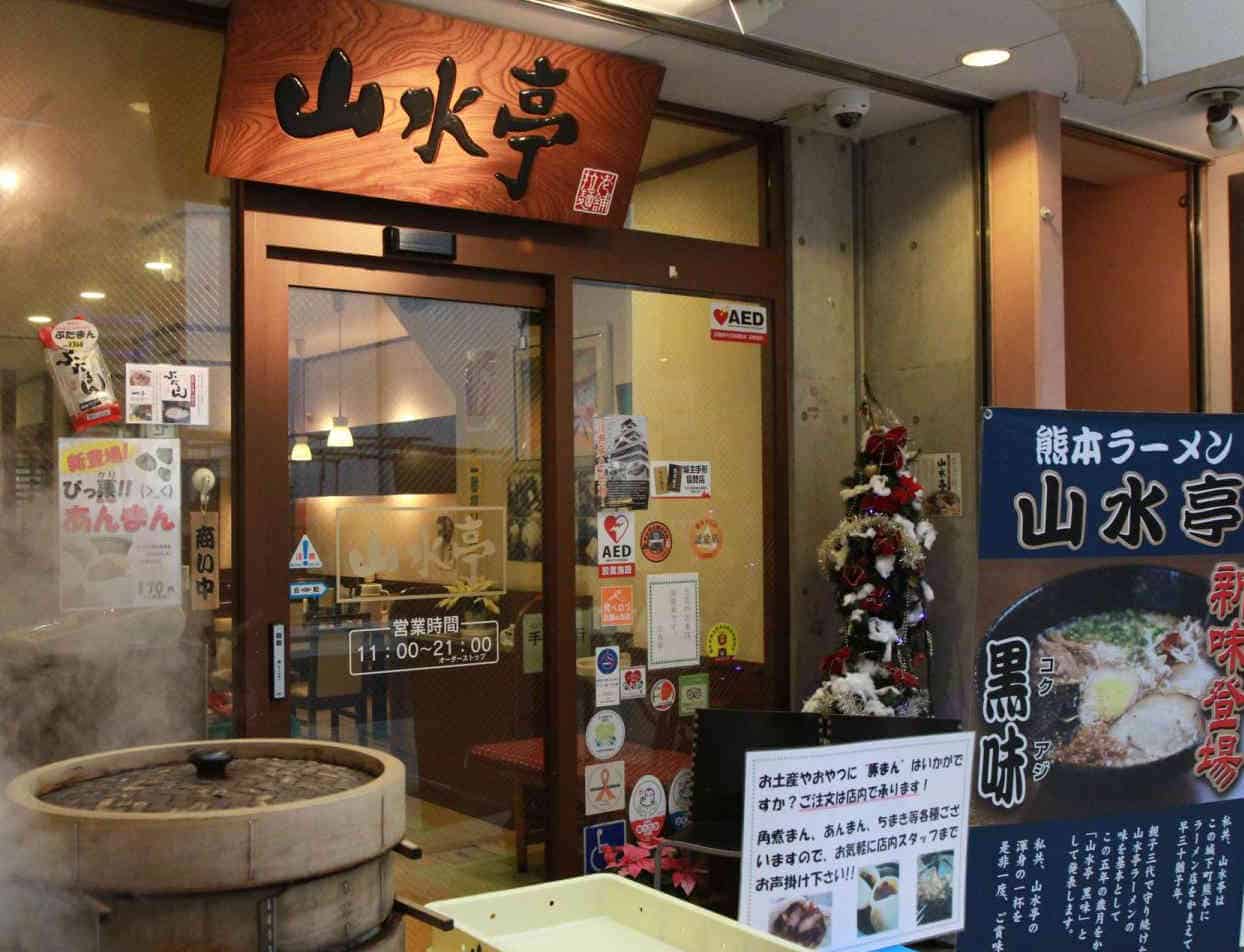
Sansui-tei makes about 90 percent of its ingredients in house. The shop has served three generations of customers already. Its ramen stays simple, yet it wins over adults and children alike.
Tengaiten
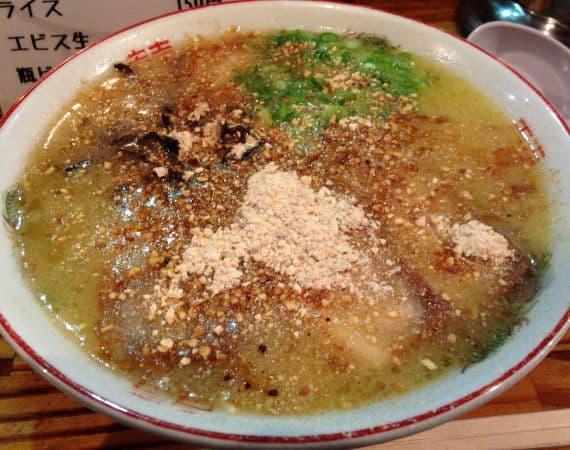
Tengaiten ranks among the most popular shops in town. Many locals stop by whenever they are near the city center. Its bowl carries a generous amount of chashu, alongside a creamy yet light soup.
Conclusion
Kumamoto ramen is a milder, more everyday take on tonkotsu than Hakata’s version. Roasted garlic and mayu give every bowl its signature aroma. The medium-thick noodles and chicken-pork broth round out a comforting, approachable dish.
If you enjoyed learning about this style, explore its neighbors too. Compare it directly with Hakata ramen, trace its roots through Kurume ramen, or read the wider tonkotsu ramen guide for the full Kyushu picture.
Kumamoto Ramen FAQ
What is Kumamoto ramen?
Kumamoto ramen is a regional tonkotsu ramen from Kumamoto Prefecture. Cooks blend pork and chicken bone broth, then top it with mayu, a roasted black garlic oil. Kikurage mushrooms and medium-thick noodles round out the bowl. The result is milder than most tonkotsu styles.
How is it different from Hakata ramen?
Kumamoto shops use thicker, chewier noodles than Hakata’s thin ones. They also blend chicken stock into the pork broth, which lightens the soup. Roasted garlic and mayu add a signature aroma. Hakata ramen, by contrast, stays purely pork-based and offers kaedama refills.
What is mayu?
Mayu is a dark, aromatic oil made by slowly roasting crushed garlic in oil until it turns black. Cooks stir it into the broth or drizzle it on top. It adds a smoky, nutty flavor to the bowl. Most Kumamoto shops treat it as an essential finishing touch.
Does the broth smell strong?
Not usually. The chicken bone stock and roasted garlic oil work together to soften the heavy pork smell found in other tonkotsu styles. Many first-time diners find it easier to enjoy than pure Hakata tonkotsu. Some aroma still comes through, especially from the garlic.
Can I get kaedama (noodle refills)?
Most traditional Kumamoto ramen shops do not offer kaedama. Shops tend to serve a larger initial portion instead. This differs from Hakata, where noodle refills are standard practice. A few modern shops may offer it, so it is worth asking.
Is Kumamoto ramen vegetarian?
No, traditional Kumamoto ramen is not vegetarian. Cooks build the broth entirely from pork bones, chicken bones, and pork fat. The mayu itself is oil-based, but the soup base still relies on meat stock. Vegetarian diners should look for other Japanese noodle dishes instead.
What are the standard toppings?
Most bowls include sliced chashu pork, scallions, kikurage mushrooms, and a strip of nori. Roasted garlic chips sit on top for crunch and aroma. Some shops add bean sprouts as well. Toppings stay fairly consistent across Kumamoto shops compared with other regions.
Is the broth cloudy?
Yes, the broth stays cloudy and milky white from the long-simmered bones. It often looks darker than Hakata ramen, though, because the black mayu floats on the surface. That contrast is one of the easiest ways to spot the style. The color also hints at the roasted garlic flavor underneath.
Will eating it cause garlic breath?
Yes, likely. The generous roasted and fried garlic in most bowls leaves a noticeable scent afterward. Travelers with plans right after their meal may want to keep this in mind. A mint or gum can help afterward.
References
- Kumamoto Prefecture Official Tourism Site, Kumamoto Ramen, https://kumamoto.guide/brand/foods/foods_01.html (Surveyed: June 2026)
- Kumamoto City Tourism Guide, Kumamoto Ramen Navi, https://kumamoto-guide.jp/ramen_navi/ (Surveyed: June 2026)
- Kokutei, Official Site, https://www.kokutei.co.jp/ (Surveyed: June 2026)
Related Articles
- Hakata Ramen (博多ラーメン) (Surveyed: June 2026)
- Kurume Ramen (久留米ラーメン) (Surveyed: June 2026)
- Tonkotsu Ramen (豚骨ラーメン) (Surveyed: June 2026)



Comments