




Convenience store onigiri is one of Japan’s easiest meals to try. Sold at Seven-Eleven, FamilyMart, Lawson, and other konbini, these Japanese rice balls pair seasoned rice with a filling and crisp nori seaweed. This guide explains the most useful choices for first-time visitors, how the major chains differ, and how to open the wrapper without making a mess.
What Is Convenience Store Onigiri?
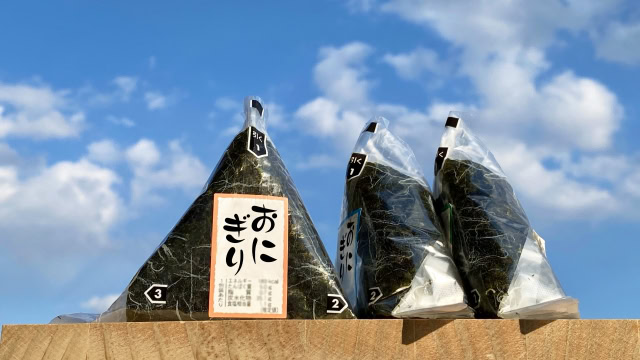
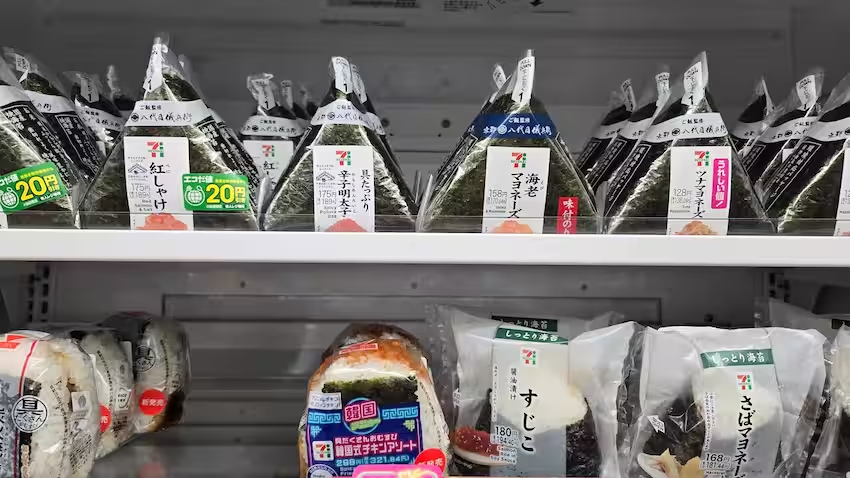
Convenience store onigiri is a packaged Japanese rice ball sold at konbini chains such as Seven-Eleven, FamilyMart, and Lawson. It usually contains rice, a filling, and nori seaweed kept separate from the rice until opening. It is quick to buy, easy to carry, and available at convenience stores throughout Japan. Prices vary by chain, region, filling, and promotion, so check the shelf label when you choose.
You will spot it near the entrance or along a dedicated rice ball shelf, often next to bento boxes and sandwiches. Commuters grab one on the way to work. Students pick one up between classes. Travellers rely on it because it needs no cooking and barely any Japanese to order. This mix of convenience and flavor variety is exactly what makes onigiri fillings worth exploring in detail.
A Short History of Convenience Store Onigiri
Onigiri itself is old. Rice balls wrapped for travel appear in Japanese records from centuries ago, long before refrigeration existed. But the version sold at konbini today is a modern invention, and it is younger than you might think.
Seven-Eleven Japan introduced the first packaged onigiri line in 1978 [web:868]. The real breakthrough was not the rice or the filling. It was the wrapper. Engineers designed a plastic film that kept the nori seaweed separated from the moist rice until the last second, so the seaweed stayed crisp instead of turning soggy on the shelf [web:858]. That packaging trick is still used today, and it is why the wrapper feels a bit fiddly the first time you try it.
Once that packaging problem was solved, other chains followed quickly. By the 1980s, onigiri had become a daily staple rather than a homemade lunch item, and convenience stores started competing on filling quality instead of just shelf life. That competition never really stopped, and it is part of why the format keeps expanding decades later.
Types of Convenience Store Onigiri Fillings
Classic Fillings
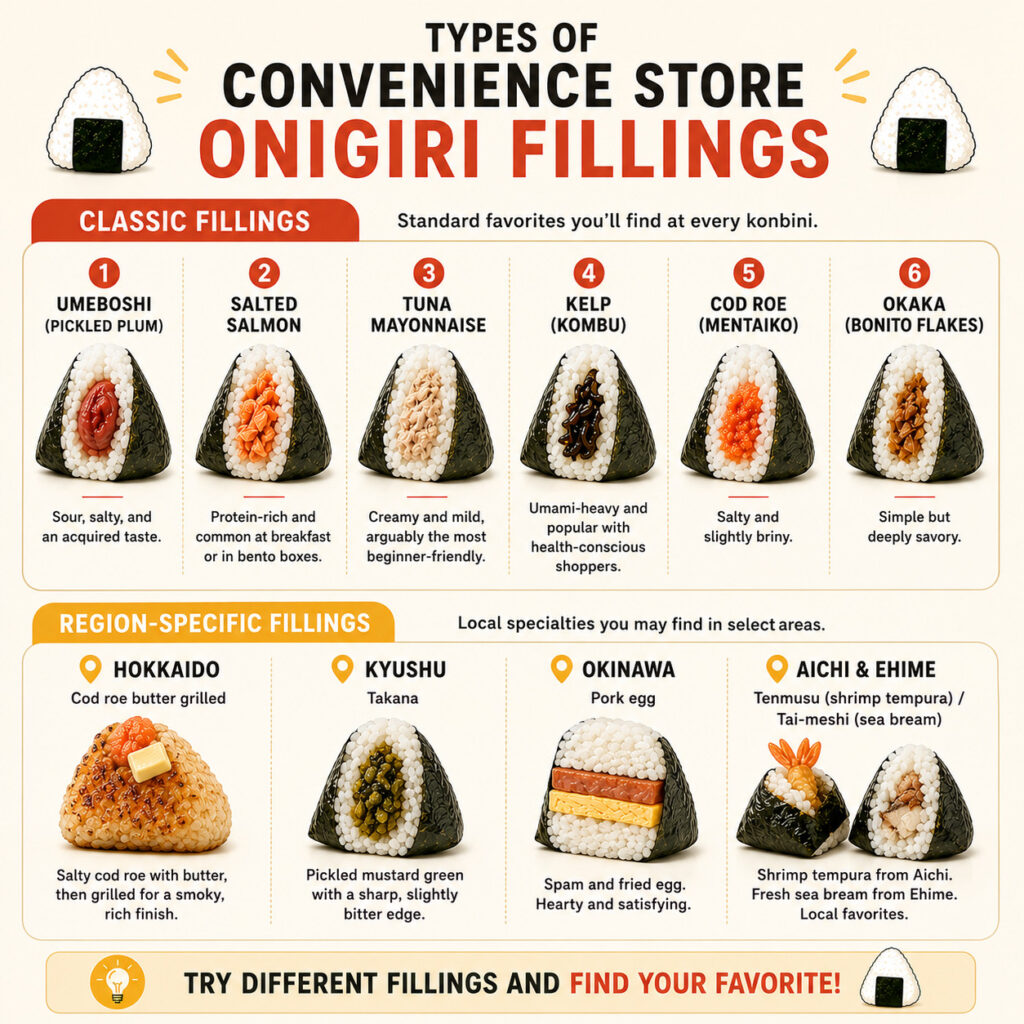
These are the fillings most Japanese shoppers grew up with. Every konbini carries a version of most of these.
- Umeboshi (pickled plum) – sour, salty, and an acquired taste for some visitors
- Salted salmon – protein-rich and common at breakfast or in bento boxes
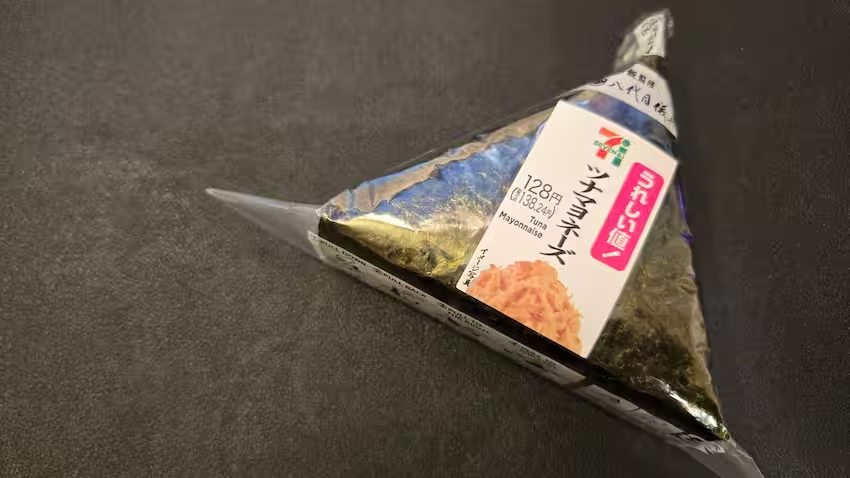
- Tuna mayonnaise – creamy and mild, arguably the most beginner-friendly option
- Kelp (kombu) – umami-heavy and popular with health-conscious shoppers
- Cod roe (mentaiko’s milder cousin) – salty and slightly briny
- Bonito flakes with soy sauce (okaka) – simple but deeply savory
Region-Specific Fillings
Japan’s regional food culture shows up on the onigiri shelf too. Local specialties often appear only in their home prefecture, or as limited runs elsewhere.
Hokkaido
Cod roe butter grilled onigiri pairs salted cod roe with butter, then grills the rice ball for a smoky finish. It is rich, and it is not shy about it.
Kyushu
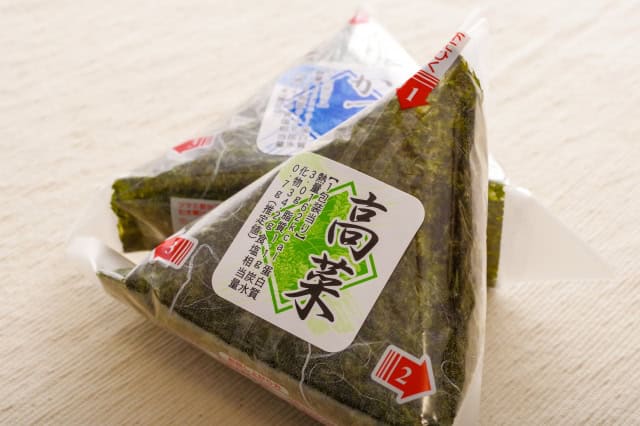
Takana, a pickled mustard green, shows up here as a filling with a sharp, slightly bitter edge that regulars swear by.
Okinawa
Pork egg onigiri uses spam and fried egg, and it plays a similar role to Hawaii’s spam musubi. It is heartier than most other varieties on this list.
Aichi and Ehime
Tenmusu from around Nagoya uses shrimp tempura as its filling. Tai-meshi from Ehime uses fresh sea bream from the Seto Inland Sea, and it reads as a slightly luxurious option next to the everyday classics.
New Trend and Health-Conscious Fillings
Newer additions keep the format from feeling stale. Mentaiko, a spicy version of cod roe, has become a favorite among younger shoppers. Ebi mayonnaise brings shrimp texture into the creamy mayo format that tuna mayo made popular. Cheese grilled onigiri adds a Western twist, grilling cheese directly onto soy-seasoned rice.
Health-focused shoppers now have real options too. Brown rice onigiri swaps in whole grain rice for extra fiber. Tofu crumble fillings keep calories low. Plain salt onigiri, with nothing but rice and a pinch of salt, remains the simplest and often the cheapest choice on the shelf.
What Are Common Convenience Store Onigiri Fillings?
Tuna mayonnaise is one of the most widely stocked and familiar convenience store onigiri fillings. Salted salmon, umeboshi, mentaiko, and okaka are also standard choices at many chains. Popularity varies by retailer, region, and season, so it is more useful to treat the shelf as a chance to compare than as a fixed national ranking.
| Filling | Flavor Profile |
|---|---|
| Tuna mayonnaise | Creamy and mild |
| Salted salmon | Savory and fish-forward |
| Umeboshi (pickled plum) | Sour and salty |
| Mentaiko | Spicy and briny |
| Okaka (bonito flakes) | Smoky and savory |
Types of Flavors
Beyond the filling itself, the seasoning on the rice and seaweed changes the whole experience. Here is a quick rundown.
- Salt – the most basic seasoning, letting the rice’s own sweetness come through
- Soy sauce – adds aroma and a familiar savory edge
- Miso – deeper and saltier, more common in Eastern Japan
- Spicy – wasabi or chili versions, like FamilyMart’s wasabi seaweed-wrapped onigiri
- Sweet – teriyaki chicken or grilled eel fillings lean this way
- Sour – pickled plum or pickle-based fillings
- Umami – seafood fillings like cod roe or Lawson’s aged raw cod roe onigiri
Rice quality and seaweed grade matter more than people expect. A premium seaweed sheet genuinely tastes different from a basic one, and chains know this, which is part of why some onigiri cost more than others.
Which Convenience Store Has the Best Onigiri in Japan?
There is no single best chain for every shopper. Seven-Eleven offers a broad range of standard and premium choices, FamilyMart is known for filling combinations and distinctive formats, and Lawson sells its own premium rice-ball lines. Product ranges change often, so compare the current shelf at more than one chain if you have time.
| Chain | Typical Price Range | Signature Filling | Known For |
|---|---|---|---|
| Seven-Eleven | Check current shelf label | Salmon and tuna mayonnaise varieties | Standard and premium lines |
| FamilyMart | Check current shelf label | Hearty meat and mayonnaise combinations | Distinctive filling combinations |
| Lawson | Check current shelf label | Premium rice-ball lines and seafood fillings | Seasonal and premium options |
Seven-Eleven Onigiri
Seven-Eleven uses both hand-rolling and machine-rolling depending on the product, aiming for the right texture in each case. Their flavored seaweed is a small but noticeable touch. It smells slightly toasted even before you open the wrapper.
Newer items keep appearing too, like a generously filled tuna mayonnaise hand-rolled version and a mochi barley onigiri with pickled plum and kelp. The rice preparation gets a lot of quiet attention here. Careful milling brings out natural sweetness, which becomes the base for everything else.
Check here for Seven-Eleven Onigiris

FamilyMart Onigiri
FamilyMart leans into generous portions. Their char siu mayonnaise onigiri and egg-filled rice balls are built for bigger appetites, not delicate snacking. A sandwich-style onigiri reimagines the whole format, folding the filling differently than the standard triangle.
They also cover regional and dietary variety well. Pork ginger onigiri and Hawaiian-style SPAM musubi sit alongside wasabi seaweed-wrapped versions for people who want heat. Brown rice and mixed grain options are there too, if you are trying to eat a bit lighter.
Check here for FamilyMart Onigiri
Lawson Onigiri
Lawson’s golden rice onigiri series is where they put their premium effort. Soy sauce-marinated salmon roe and grilled salmon belly show up here, paired with carefully selected rice that costs a bit more but tastes noticeably different.
They also cover the health-conscious side, with low-calorie options and mixed grain rice balls. Seasonal limited editions rotate often, so the shelf rarely looks the same twice. The seaweed here tends to be on the crispier end, which some regulars specifically seek out.
Convenience Store Onigiri vs Homemade Onigiri
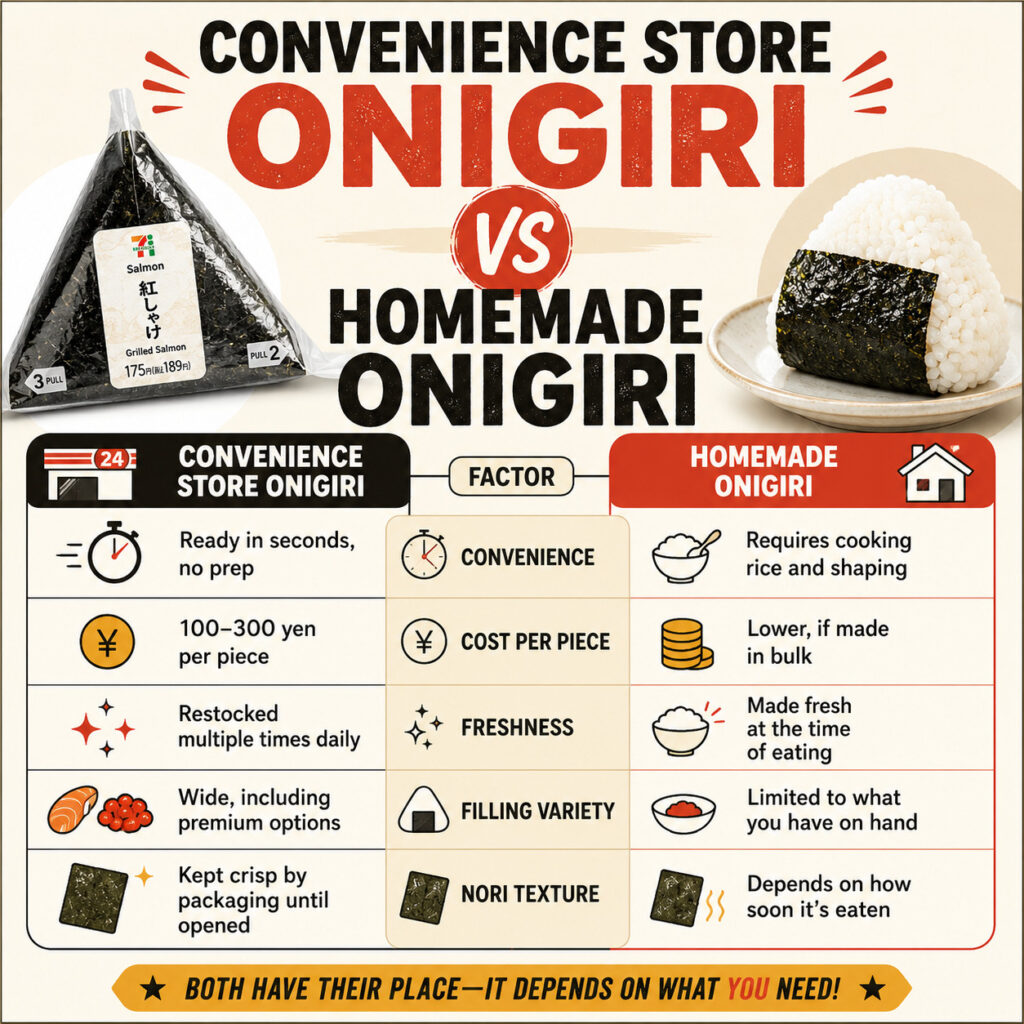
Both versions have their place, and neither one really beats the other across the board. It depends on what you need at the moment.
| Factor | Convenience Store Onigiri | Homemade Onigiri |
|---|---|---|
| Convenience | Ready in seconds, no prep | Requires cooking rice and shaping |
| Cost per piece | 100-300 yen | Lower, if made in bulk |
| Freshness | Restocked multiple times daily | Made fresh at the time of eating |
| Filling variety | Wide, including premium options | Limited to what you have on hand |
| Nori texture | Kept crisp by packaging until opened | Depends on how soon it’s eaten |
If you are curious about making it yourself, our full Onigiri guide walks through the recipe, ingredients, and traditional shaping method step by step.
Is Convenience Store Onigiri Healthy?
It can fit into a balanced meal, depending on the product and portion size. Published calorie databases list examples such as kombu at 183 kcal, mentaiko at 183 kcal, and salmon at 191 kcal, while tuna mayonnaise may be higher. Nutrition varies by manufacturer and recipe, so use the package nutrition label when calories, protein, sodium, or allergens matter to you.
Brown rice onigiri adds fiber and micronutrients that white rice versions lack. It is not a huge nutritional upgrade, but it is a noticeable one if you eat onigiri often. Sodium is the thing to actually watch, since fillings like umeboshi and okaka can be quite salty.
Vegetarian and Vegan Onigiri Options
Many classic fillings contain fish, meat, egg, or mayonnaise, but umeboshi, kombu, takana, and plain salt are possible vegetarian or vegan options. Recipes can include stock, seasoning, or other animal-derived ingredients, however. Check the package ingredient and allergen information every time, especially if you follow a strict vegetarian or vegan diet.
Plain salt onigiri may be the simplest option, but it is still important to check the label. Package information is the only reliable way to confirm the ingredients of a specific product.
How to Buy Convenience Store Onigiri in Japan
Buying one is easier than it looks, even without much Japanese. Onigiri usually sit on an open shelf near the entrance or close to the bento section, often with a small paper sign showing the filling name.
- Pick your onigiri from the shelf and check the expiration time printed on the label.
- Bring it to the register, where staff may ask if you want it heated. A simple yes or no works fine.
- Pay by cash, card, or IC card such as Suica or Pasmo, all widely accepted.
- Eat it soon after buying, since konbini food is meant for same-day consumption.
How to Open a Convenience Store Onigiri Package
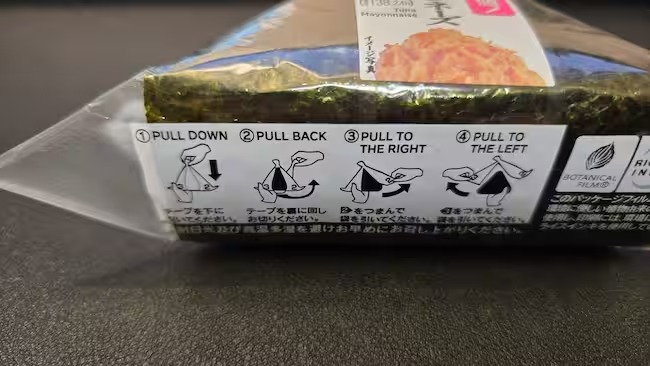
The wrapper looks confusing the first time, but it follows a clear three-step logic. Rushing it is the main reason people tear the seaweed.
- Step 1: Hold the top of the package steady and peel the sealed tab at the bottom away from the rice ball, not toward it.
- Step 2: Pull the middle strip straight out to the side. This separates the plastic layers so the nori can touch the rice.
- Step 3: Remove the remaining plastic on both sides gently, then take your first bite. The seaweed should now feel crisp and stay in place.
If it goes wrong, do not panic. A torn wrapper does not ruin the taste, it just makes eating slightly messier.
Onigiri in Everyday Japanese Life
Onigiri shows up everywhere in daily routines, not just as tourist food. Commuters buy one on the way into the office when there is no time for a sit-down breakfast. Students grab one between classes, often the cheapest filling option to stretch a small allowance.
During hanami, the spring cherry blossom viewing season, families often pack onigiri instead of a full bento because it travels well and needs no utensils. Travellers also buy it before train journeys because it is compact and easy to eat. It is humble food, but it carries a lot of everyday meaning.
For more on how this simple food became a national icon, our article on Onigiri: The Story Behind Japan’s Most Iconic Portable Meal traces its journey from samurai rations to convenience store shelves.
Summary of Convenience Store Onigiri
Convenience store onigiri packs a surprising amount of variety into something this small and cheap. Seven-Eleven, FamilyMart, and Lawson each bring their own strengths, so trying all three is worth the effort. Next time you walk into a konbini, skip the usual snack and pick an onigiri filling you have not tried yet. You might find a new favorite by accident.
Convenience Store Onigiri FAQ
Can you eat convenience store onigiri cold?
Yes. Most convenience store onigiri are made to eat cold or at room temperature. Some grilled or spicy varieties also taste good warmed. Ask at the register if you would like the store to heat one.
How long does convenience store onigiri last?
Eat it before the use-by date and time on its package. This period varies by product, season, region, and retailer. Keep it under the stated storage conditions. Do not rely on a general shelf-life estimate.
Is convenience store onigiri healthy?
It can be part of a balanced meal, but nutrition depends on the filling and portion size. Salmon, kombu, and plain rice balls differ from mayonnaise-rich choices. Check the label for calories, protein, sodium, and allergens. Add soup, fruit, or vegetables for a more complete meal.
Are there vegetarian or vegan onigiri options?
Possible options include umeboshi, kombu, takana, and plain salt onigiri. However, recipes may contain fish stock, seasoning, or other animal-derived ingredients. Read the ingredient and allergen label for every product. Do not assume a filling is vegan from its name alone.
How much does convenience store onigiri cost?
Current official listings show individual products from roughly 149 to 398 yen, depending on the chain and item. Plain rice balls are usually cheaper than premium seafood or large specialty versions. Regional products can also differ. Check the shelf label for the final price.
Can the store heat my onigiri?
Usually, yes. Take the item to the register and ask for it to be warmed, or say “atatamete kudasai.” Warming works especially well for grilled rice balls and hearty fillings. The service normally takes only a few seconds.
Why is the onigiri wrapper difficult to open?
The wrapper keeps the nori separate from the rice until opening. That design preserves the seaweed’s crisp texture. Follow the numbered tabs in order, starting with the center strip. A torn wrapper is messy, but the onigiri is still fine to eat.
References
- Harvard University – Rice Ball Rivalries: Japanese Convenience Stores and the Franchise Contract (Accessed July 2026)
- Seven-Eleven Japan – Corporate Profile and History (Accessed July 2026)
- Seven-Eleven Japan – Onigiri Product Lineup (Accessed July 2026)
- FamilyMart – Omusubi Product Lineup (Accessed July 2026)
- Lawson – Original Rice Ball Lineup (Accessed July 2026)
- Seven-Eleven Japan – Sales Deadlines for Onigiri and Prepared Foods (Accessed July 2026)
- Calories in Japanese Foods – Onigiri Calorie Reference (Accessed July 2026)
Related Articles
- Onigiri (Surveyed: July 2026)
- Onigiri: The Story Behind Japan’s Most Iconic Portable Meal (Surveyed: July 2026)
- Japanese Convenience Store Food: A Traveller’s Guide (Surveyed: July 2026)
- Pork Tamago Onigiri (Surveyed: July 2026)
- Japanese Rice Dishes (Surveyed: July 2026)




Comments