





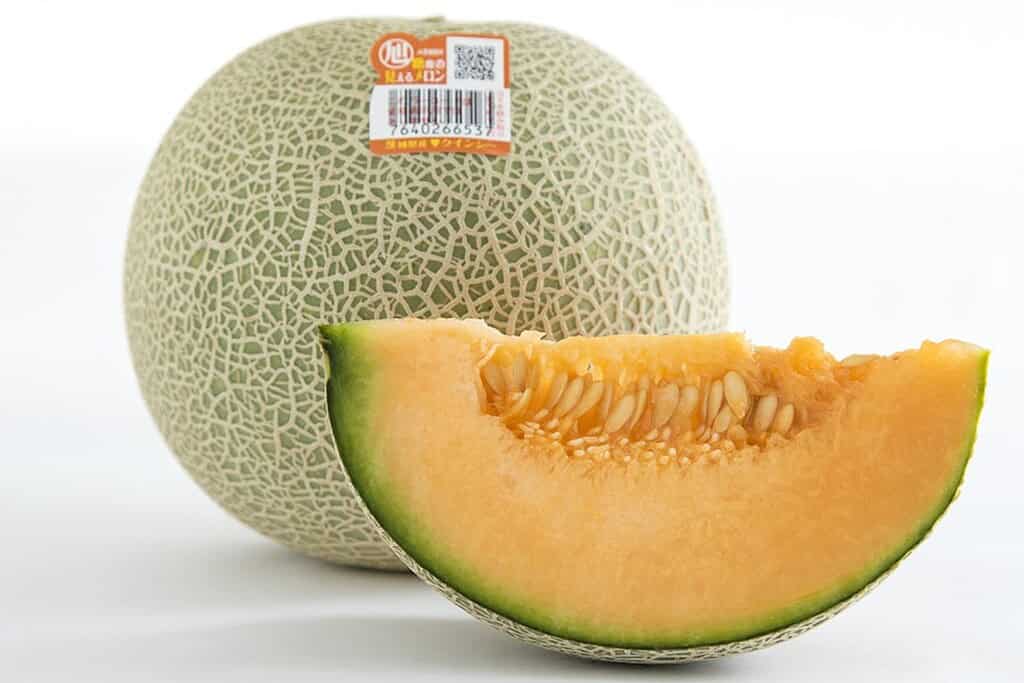
If you’ve ever walked through a Japanese supermarket in summer, you’ve probably seen it. A round, netted melon with a warm amber rind. It sits quietly on the shelf, modestly priced. That’s the クインシーメロン — the Quincy melon.
So, what is Quincy melon, exactly? It’s a red-flesh melon variety developed and grown in Japan. It’s juicy, mildly sweet, and surprisingly affordable for a Japanese melon. And once you try it, you’ll understand why it has loyal fans all over the country.
What Is Quincy Melon?
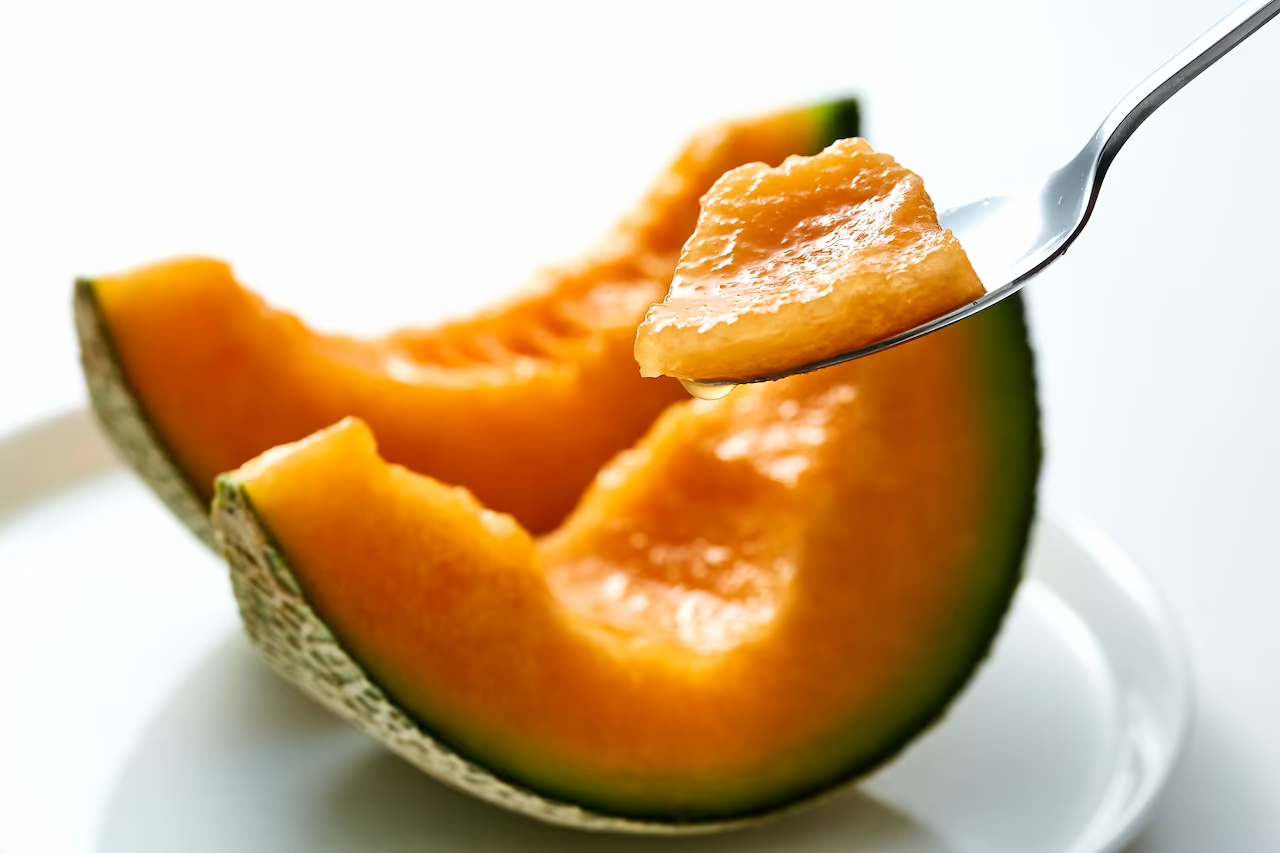
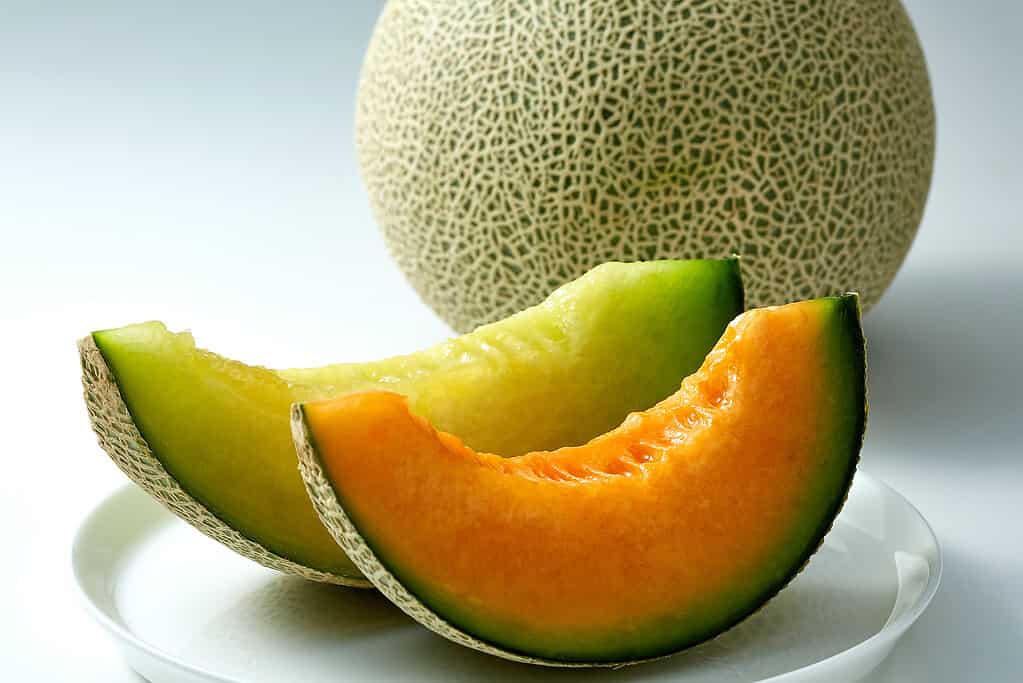
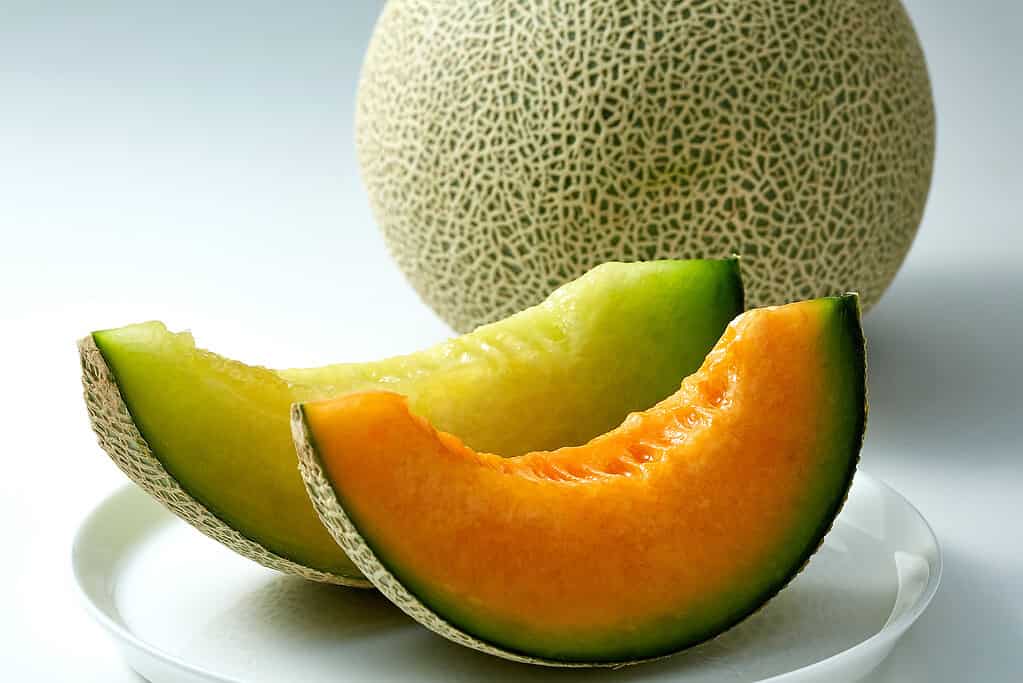
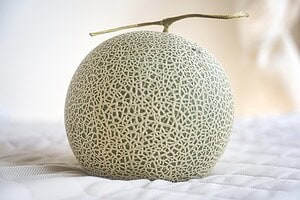
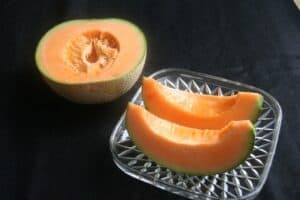
The Quincy melon is a type of Japanese melon with vibrant orange flesh. It belongs to the muskmelon family, botanically classified as Cucumis melo. The rind features fine, lace-like netting in shades of tan and dark green. Inside, the flesh is dense, smooth, and deeply colored.
The name “Quincy” is said to come from two words: “queen” and “healthy.” That combination feels intentional. This is a melon designed to be both beautiful and nourishing. And it delivers on both.
One question people often ask: is it the same as a cantaloupe? Not quite. The flavor is milder and more refined. Think of a cantaloupe with the rough edges smoothed out.
The History Behind the Quincy Melon
The story begins in the late 1980s. At that time, 赤肉メロン (red-flesh melons) existed in Japan, but they had a problem. Many of them had a strong, unusual odor. Consumers found it off-putting.
Yokohama Ueki Co. set out to fix this. In 1988, they developed the Quincy melon through careful crossbreeding. The process started with Bolero and Earl’s Summer No. varieties. These were crossed further with Super Tachib and a cultivar called Fukamidori. The result was a red-flesh melon with a mild, pleasant aroma and sweet flesh.
By 1989, the Quincy melon was released to the commercial market. It was one of the first red-fleshed melons in Japan that smelled inviting rather than pungent. This was a turning point. Consumers embraced it quickly. By the early 1990s, it had become a recognized seasonal Japanese fruit across the country.
Today, the Quincy melon is mainly grown in three prefectures: Ibaraki, Kumamoto, and Yamagata. Among these, Ibaraki Prefecture is particularly well-known for melon farming. It’s reportedly the largest melon-producing region in Japan, harvesting roughly 40,000 tons annually. The Quincy is central to that identity. The Ibaraki Melon page covers this regional heritage in more detail.
What Does Quincy Melon Taste Like?
This is the question most visitors to Japan want answered.
The flavor is sweet and clean. It’s not overpowering. There’s a gentle floral note underneath, almost like a soft fragrance rather than a strong perfume. The flesh is thick and juicy, with a smooth texture that melts easily.
The sugar content is high. Premium Quincy melons can reach a Brix level of around 15, which makes them genuinely high-sugar melons. Some labels in Japanese supermarkets display the sugar percentage right on the packaging. That kind of transparency is part of what makes buying fruit here such a different experience.
Compared to the ultra-luxury Yubari Melon from Hokkaido, the Quincy is more subtle. It doesn’t hit you with an intense perfume. Instead, it charms you slowly. Some people actually prefer it for that reason. It feels approachable.
Chilled and sliced on a hot summer afternoon, it’s one of those foods that just makes sense. Simple, honest, and quietly excellent.
Why Is Quincy Melon So Popular in Japan?
Several things explain why the Quincy melon is popular in Japan.
First, the price. Most premium Japanese melons are expensive. A gift-quality muskmelon can easily cost 5,000 yen or more. The Quincy melon, however, is one of the more affordable varieties. In season, you can often find one in a regular supermarket for around 800 to 1,500 yen. That’s real value for a sweet and juicy melon of this quality.
Second, the nutrition. The deep orange color of the flesh comes from beta-carotene. This is the same antioxidant pigment found in carrots. The body converts it into vitamin A. The Quincy melon is also rich in vitamins C, E, and K, along with potassium and fiber. It’s a high-sugar melon that also happens to be genuinely good for you.
Third, the storage. Unlike some delicate premium melons, the Quincy holds up well after harvest. Its firm flesh means it can be sold for longer periods and even exported. This practical advantage helped it become a commercial success.
Finally, there’s the visual appeal. Japan’s fruit culture places great value on appearance. The Quincy’s fine netting and rich amber tone look beautiful in a fruit bowl. And when sliced open, the brilliant orange flesh is striking.
When Is Quincy Melon in Season?
Timing matters with Japanese fruit. So when is Quincy melon in season?
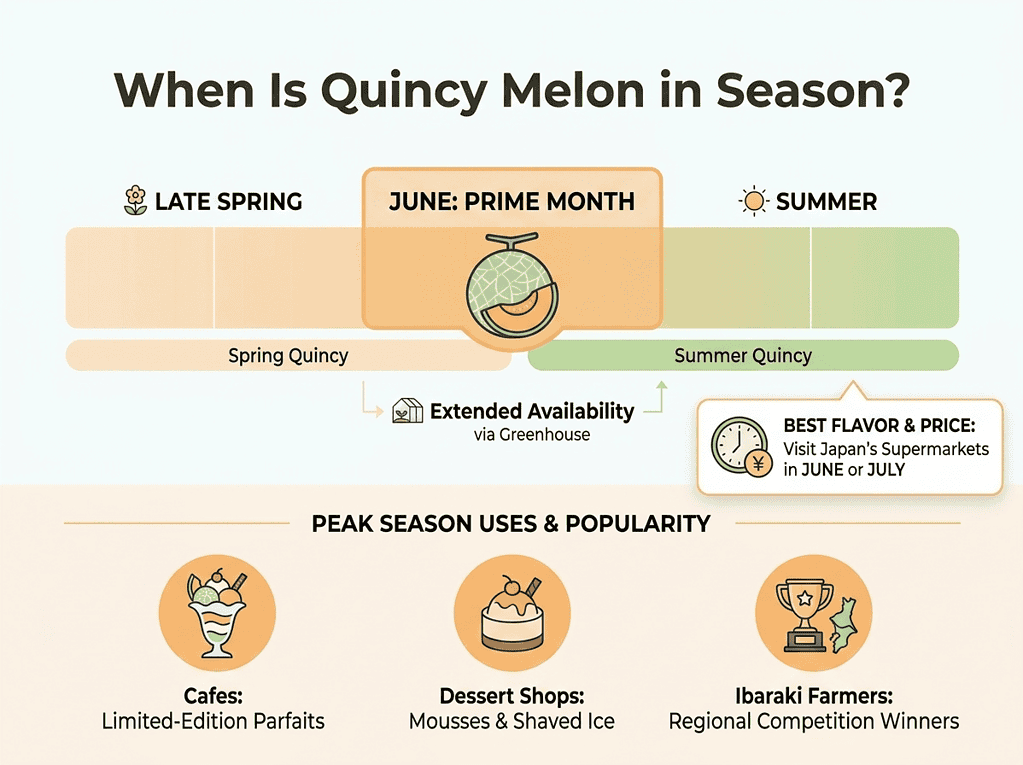
The peak season runs from late spring through summer, with June being the prime month. You’ll also find Spring Quincy and Summer Quincy varieties labeled differently depending on when they’re harvested. Some growers use greenhouse facilities to extend availability into other months. But if you want the best flavor at the best price, visit Japan’s supermarkets in June or July.
During peak season, the Quincy appears in everything. Cafes create limited-edition melon parfaits. Dessert shops use them in mousses and shaved ice. Local farmers in Ibaraki have entered Quincy-based creations into regional dessert competitions, and won.
Where to Buy Quincy Melon in Japan
Where to buy Quincy melon in Japan depends on what you’re looking for.
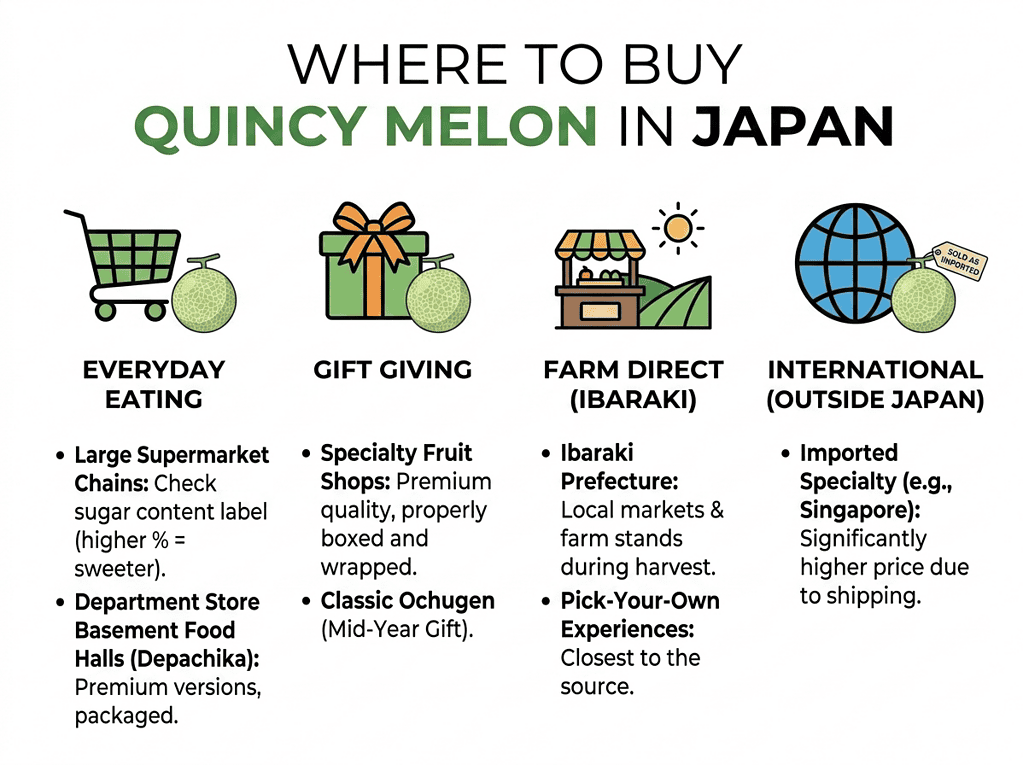
For everyday eating, any large supermarket chain carries them during summer. Look for the labeled sugar content on the packaging; higher percentages mean sweeter fruit. Department store basement food halls (depachika) often carry premium versions, beautifully packaged.
If you want to buy a Quincy as a gift, a specialty fruit shop is the better choice. They’ll box and wrap it properly, which matters in Japanese gift-giving culture. Melons are a classic ochugen (mid-year gift) item.
Visitors to Ibaraki Prefecture can also find Quincy melons at farm stands and local markets during harvest season. Some farms offer pick-your-own experiences. That’s about as close to the source as you can get.
Outside Japan, the Quincy melon is occasionally sold as an imported specialty in places like Singapore. The price is significantly higher due to shipping and handling costs. If you’re outside Japan and curious, it may be worth seeking out just to understand what the fuss is about.
Quincy Melon Today
The Quincy has settled comfortably into Japan’s fruit landscape. It’s not the flashiest melon on the shelf. It won’t auction for millions of yen. But it holds a steady, respected place in the everyday fruit market. That’s arguably a harder thing to achieve.
New seasonal varieties continue to emerge under the Quincy name. Growers keep refining cultivation techniques to push sugar content higher and improve shelf life. The melon that started as a solution to an odor problem has evolved into a genuine icon of Japanese premium melon culture.
If you’re exploring Japanese food by type for the first time, fruit is a great place to start. The Quincy melon is accessible, delicious, and deeply connected to the rhythms of the Japanese season. Try it chilled, on its own, and let it speak for itself.
References
- Specialty Produce – Quincy Melons Information and Facts: https://specialtyproduce.com/produce/Quincy_Melons_22644.php
- MomoBud – Japanese Quincy Red Melon: https://momobud.sg/product/japanese-quincy-red-melon/
- Live Japan – Why Japanese Melons Are Must-Eat Fruits in Japan: https://livejapan.com/en/article-a0004880/





Comments