





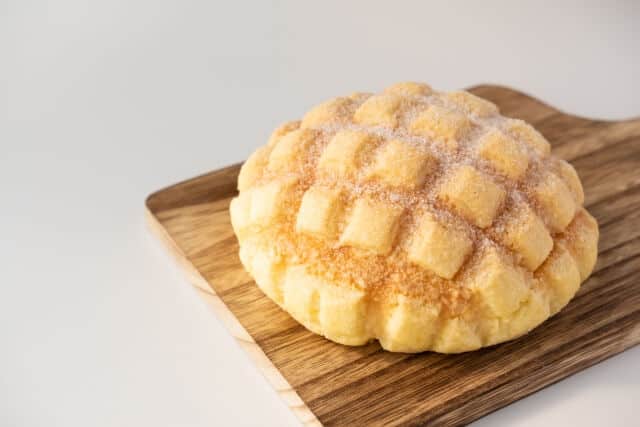
Melon pan is a Japanese sweet bread with a crisp cookie crust and a soft, fluffy center. It usually does not taste like melon. You can find it in bakeries, convenience stores, and supermarkets across Japan.
Melon pan (メロンパン) is a bakery classic, loved by children and adults alike. This guide covers its taste, history, name origin, recipe, and where to buy it in Tokyo. Each bakery has its own style, so trying different versions is part of the fun.
What Is Melon Pan (Japanese Sweet Bread)?
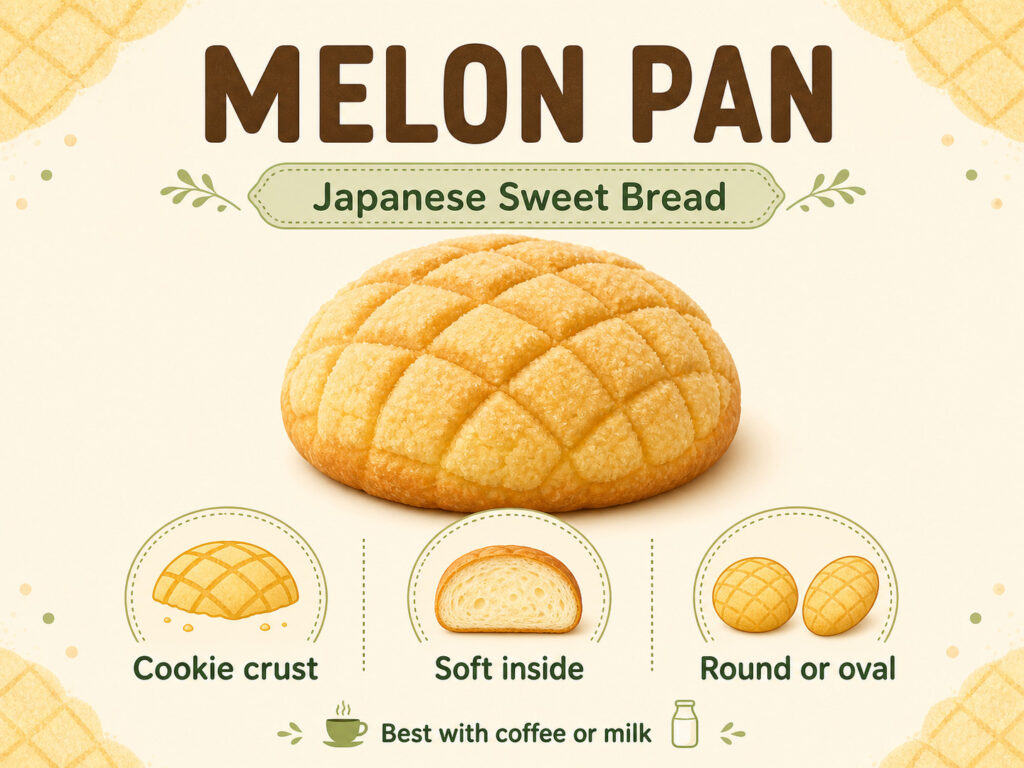
Melon pan is a Japanese sweet bread topped with a cookie crust. Bakers layer sweet biscuit dough over a soft bread base. The biscuit dough forms a thick top layer. This cookie crust defines the bread.
You will notice the contrast right away. The outside is crisp, while the inside stays soft and airy. It comes in two main shapes: round, and a spindle or rugby-ball form. Many people enjoy it with coffee or milk.
Taste and Texture
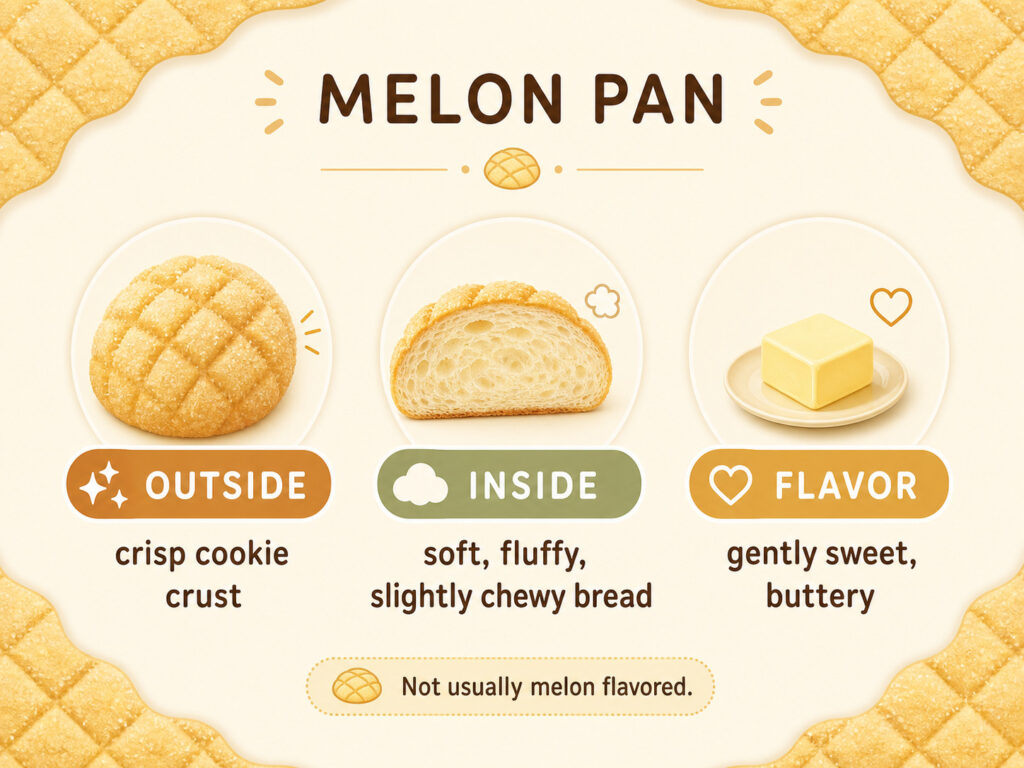
The appeal of melon pan is its contrast. Three parts stand out in every bite.
- Outside: a crisp, lightly crunchy cookie crust.
- Inside: soft, fluffy, slightly chewy bread.
- Flavor: gently sweet and buttery, sometimes vanilla-like.
I will admit, the name once made me expect a fruity taste. It surprised me. Most melon pan does not taste like melon at all. Instead, the joy comes from the crunchy-soft contrast and the mild, comforting sweetness.
Why Is It Called Melon Pan?
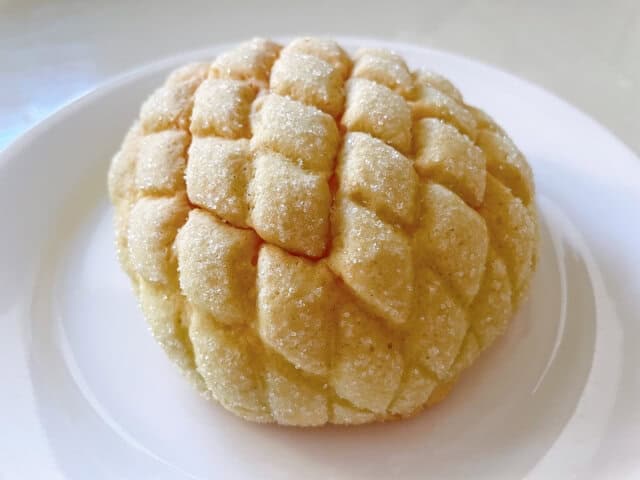
The name puzzles many first-timers. After all, the bread rarely contains melon. There are three main theories.
- Grid pattern: the crust’s lines resemble a melon’s rind.
- Luxury appeal: melon was a high-class fruit, so the name added prestige.
- Meringue link: “meringue bread” may have shifted to “melon bread” over time.
Most accounts lean toward the pattern theory. The grid simply looks like a melon. Still, the luxury-fruit idea likely helped the name stick.
Melon Pan History in Japan
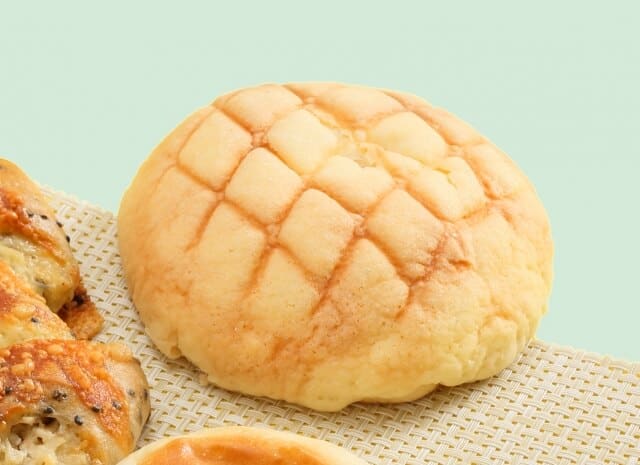
Many writers trace melon pan to the late Taisho and early Showa eras. The dish grew from Western baking ideas brought into Japan. Its exact start is debated, but a few milestones stand out.
Several theories exist about its exact origin. One popular account credits an Armenian baker at the Imperial Hotel, who adapted a French galette. Other theories link it to the Mexican “concha” or German streuselkuchen. Indeed, the concha looks almost identical to melon pan.
In 1930, Komagome Kimuraya in Tokyo registered a method for cookie-topped buns. The shop then sold round melon pan in the early Showa period. Around the same time, greenhouse melons became a popular luxury fruit. As a result, the melon name caught on through the Showa years.
Key Ingredients of Melon Pan
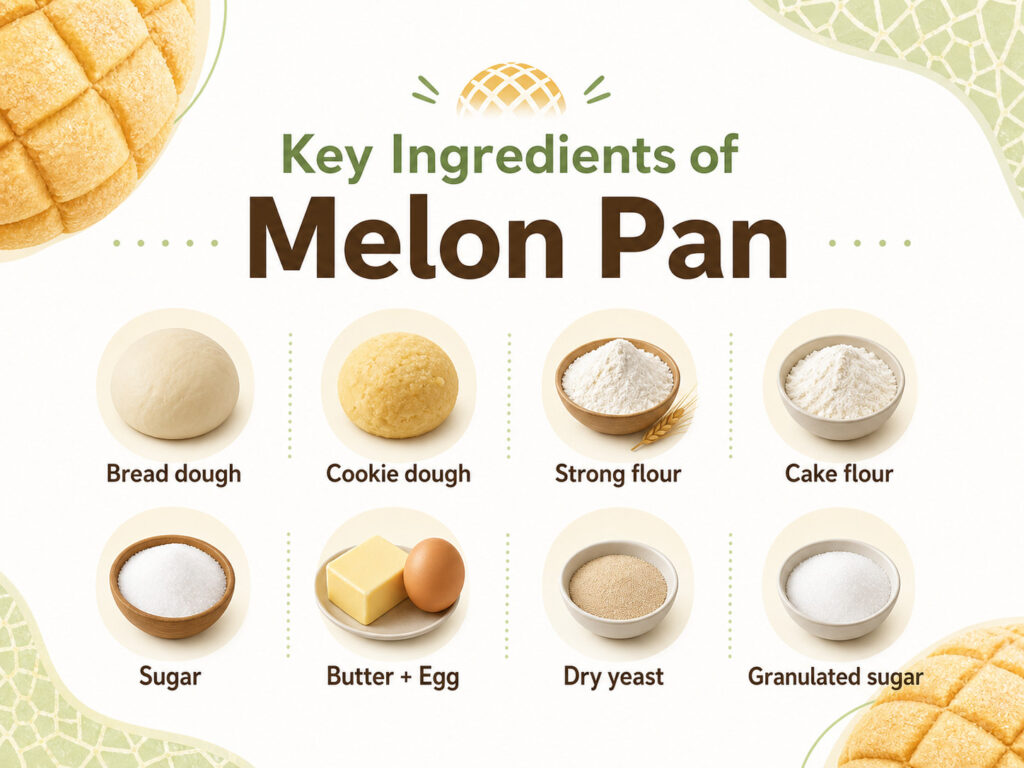
Melon pan needs two doughs: bread and cookie. The basic ingredients are simple.
- Strong flour: builds the soft, chewy bread base.
- Cake flour: makes the cookie crust tender.
- Sugar: sweetens both doughs.
- Butter and egg: add richness and structure.
- Dry yeast: helps the bread rise.
- Granulated sugar: dusts the crust for extra crunch.
Melon Pan Recipe
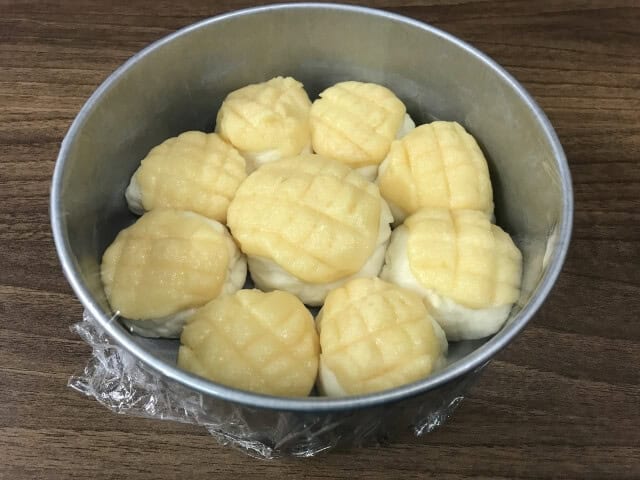
This recipe makes about eight melon pan. The bread and cookie doughs come together separately, then combine. Take your time with the rises.
Ingredients
| Ingredient | Amount |
|---|---|
| Strong flour | 200 g |
| Cake flour (cookie dough) | 130 g |
| Sugar | 60 g |
| Granulated sugar (topping) | 20 g |
| Salt | 3 g |
| Dry yeast | 4 g |
| Egg (medium) | 40 g |
| Warm water | 110 g |
| Unsalted butter | 70 g |
Steps
- Make the bread dough. Mix the bread ingredients, then knead in butter until smooth.
- First rise. Ferment at 40°C for about 30 minutes.
- Make the cookie dough. Cream butter and sugar, add egg, then fold in cake flour. Chill 20 minutes.
- Shape. Divide both doughs into eight. Wrap each bread ball in cookie dough.
- Add the pattern. Dust with granulated sugar, then score a grid with a scraper. Rest 10 minutes.
- Bake. Bake at 180°C for 10 minutes, then lower to 160°C until crisp.
How to Eat Melon Pan
There is no single right way to enjoy it. Here are three popular options.
- Eat it plain. Fresh from the bakery, the crust is at its crispiest.
- Warm it slightly. A quick toast revives the crunch and aroma.
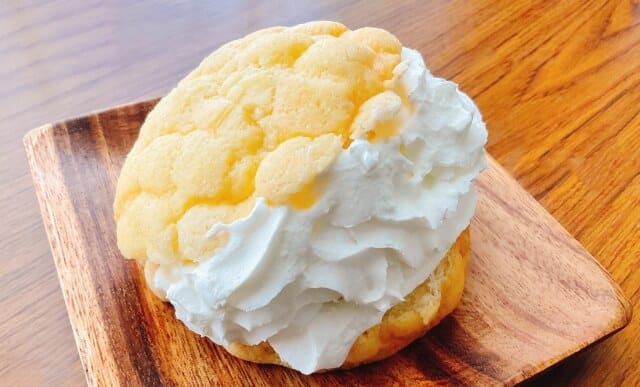
- Add a filling. Slip in ice cream or whipped cream for a treat.
A cup of coffee or cold milk pairs well with any of these. For more sweet bread ideas, see our Japanese sweet bread (kashipan) guide.
Modern Variations
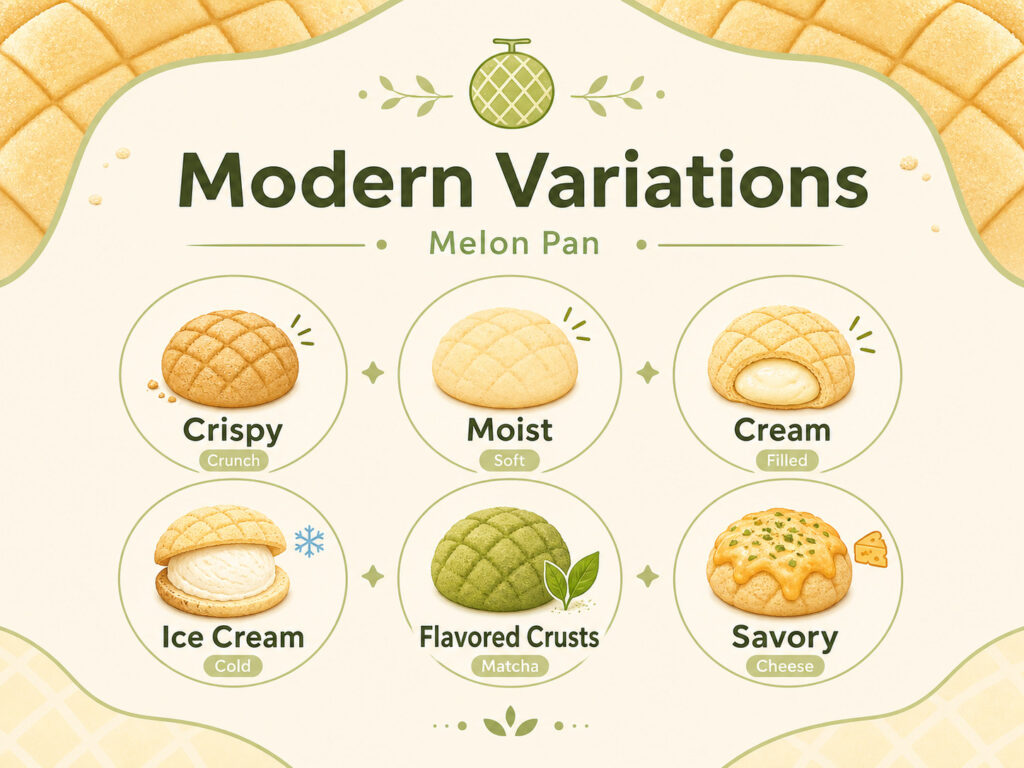
Bakeries love to experiment with melon pan. The classic is just the start.
- Crispy type: extra-thick cookie crust for maximum crunch.
- Moist type: softer crust that avoids crumbs.
- Cream or custard: filled with whipped cream, custard, or chocolate cream.
- Ice cream melon pan: warm bread around cold ice cream.
- Flavored crusts: matcha, chocolate chip, maple, milk, or lemon.
Some shops even add real melon flavor. Others go savory, with brown sugar or cheese. So there is almost always a new version to try.
Regional Shapes and Names
Melon pan is not the same across Japan. In Tokyo and most regions, the round, dome shape is standard. Yet western Japan tells a different story.
In parts of Kansai and the Seto Inland area, “melon pan” means a spindle, rugby-ball shape. This version often holds white bean paste or custard, with no cookie crust. There, the round, cookie-topped bun is called “sunrise” instead. So the same name can point to two different breads.
Melon Pan vs Pineapple Bun
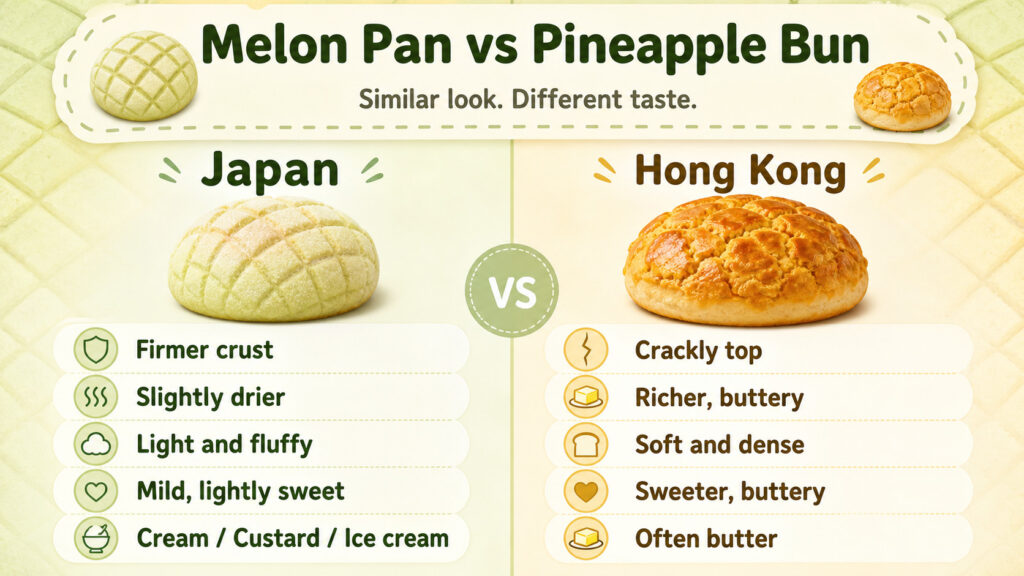
People often compare melon pan with Hong Kong’s pineapple bun. They look alike, yet they differ. Neither one contains the fruit in its name. The table sums up the contrast.
| Melon Pan | Pineapple Bun | |
|---|---|---|
| Origin | Japan | Hong Kong |
| Crust | Firmer, grid-scored | Crackly, golden top |
| Moisture | Slightly drier | Richer, more buttery |
| Texture | Light and fluffy | Soft and dense |
| Flavor | Mild, lightly sweet | Sweeter, buttery |
| Common fillings | Cream, custard, ice cream | Often a slab of butter |
Where to Buy Melon Pan in Tokyo
Tokyo offers melon pan everywhere. You can find it in four main places: famous specialty shops, neighborhood bakeries, convenience stores, and depachika food halls. Here are a few standout shops.
Asakusa Kagetsudo
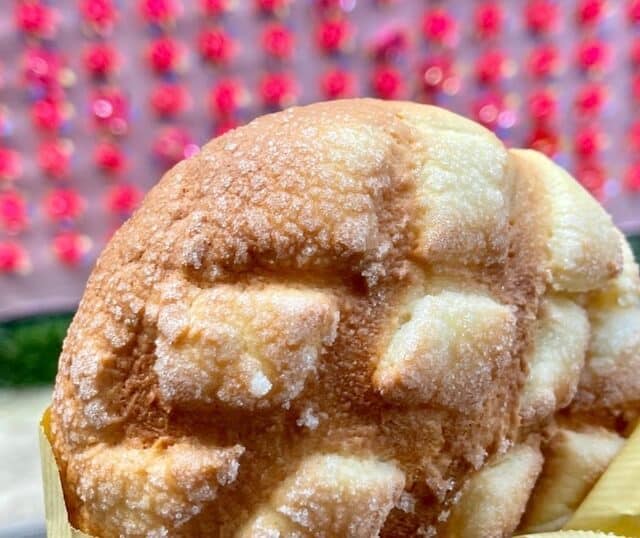
Asakusa Kagetsudo opened in 1945. Its famous “Jumbo Melon Pan” is bigger than an adult’s palm. The soft, crisp dough comes from a triple-fermentation method. Visitors often eat it warm on the spot.
- Area: Asakusa, Tokyo.
- Known for: oversized jumbo melon pan.
- Best for: a warm, fresh bite near Senso-ji.
Arteria Bakery (Asakusa)
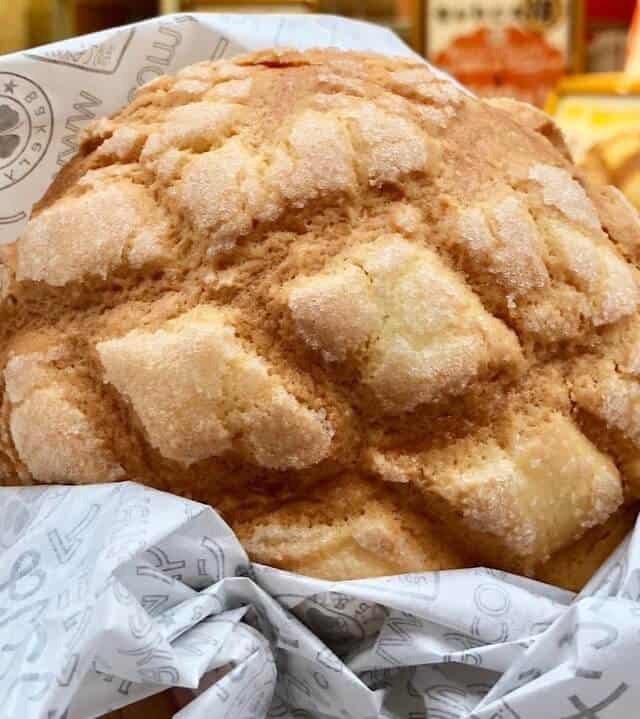
Arteria Bakery draws daily lines. Its “whipped melon pan” holds a generous layer of sweet cream. The shop also sells a light melon pan rusk. The sweetness stays modest and easy to enjoy.
- Area: Asakusa, Tokyo.
- Known for: whipped-cream melon pan.
- Best for: a creamy, dessert-like version.
Tokyo Melonpan (Jimbocho)
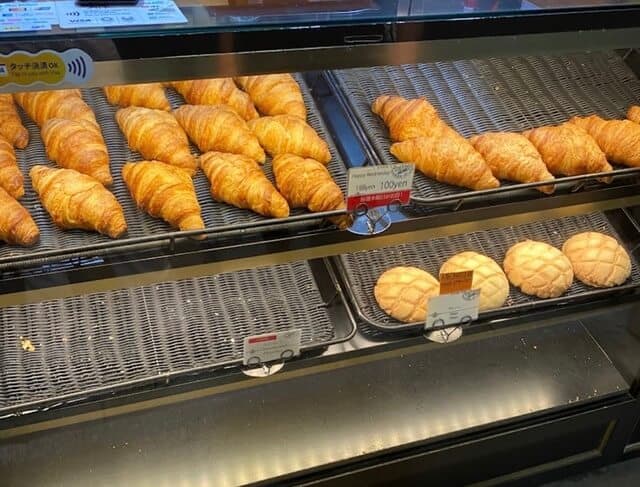
Tokyo Melonpan runs several shops across the city. Each location keeps five to six types on the shelf. The chocolate melon pan, made with cocoa cookie dough, is a favorite. Its low-sweet, crunchy crust is hard to resist.
- Area: Jimbocho, Tokyo (multiple branches).
- Known for: chocolate and seasonal flavors.
- Best for: trying several types at once.
Price Range
Melon pan is budget-friendly. A standard one usually costs about 150 to 400 yen. Specialty versions, like jumbo or cream-filled, run higher. Convenience-store melon pan sits at the lower end. Overall, it is an easy, cheap treat to try.
Conclusion
Melon pan remains one of Japan’s most familiar sweet breads. It is easy to find, fun to compare, and deeply tied to modern bakery culture. The crisp crust and fluffy center keep people coming back.
Try it in Tokyo bakeries, then compare it with other Japanese sweet breads. If you enjoy soft Japanese sweet breads, try cream bread too. For a savory option, sample curry bread next.
Melon Pan FAQ
Does melon pan taste like melon?
Usually, no. The classic version tastes mildly sweet and buttery, not fruity. The name comes from its melon-like look, not its flavor. That said, some modern shops do add real melon flavor.
Why is it called melon pan?
The grid-scored crust looks like a melon’s rind. Melon was also a prized luxury fruit, so the name added appeal. A third theory links it to “meringue bread.” The pattern theory is the most common explanation.
How should I store it?
Eat it the same day for the best crust. Otherwise, wrap it well at room temperature for a day. For longer storage, freeze it, then toast to refresh. A quick warm-up brings back the crunch.
How many calories does it have?
A standard melon pan has roughly 300 to 400 calories. The cookie crust and butter raise the count. Cream-filled or jumbo types have more. It is a treat, so enjoy it in moderation.
How is it different from a pineapple bun?
Both have a cookie-topped crust, yet they differ. This Japanese bread is lighter, fluffier, and a touch drier. Hong Kong’s pineapple bun is richer and often holds a slab of butter. Neither contains the fruit in its name.
Where can I buy it in Tokyo?
You can find it almost everywhere. Specialty shops like Asakusa Kagetsudo are famous. Neighborhood bakeries, convenience stores, and depachika halls also sell it. Each spot offers a slightly different style.
Is melon pan eaten warm or cold?
Both work well. Many people eat it at room temperature. A light toast revives the crisp crust and aroma. Ice-cream versions, of course, are best enjoyed cold.
References
- Asakusa Kagetsudo, Official Site, https://asakusa-kagetudo.com/ (Surveyed: June 2026)
- Arteria Bakery, Official Site, https://arteria-bakery.com/ (Surveyed: June 2026)
- Tokyo Melonpan, Official Site, http://tokyo-melonpan.net/ (Surveyed: June 2026)
Related Articles
- Kashipan (菓子パン) (Surveyed: June 2026)
- Cream Bread (クリームパン) (Surveyed: June 2026)
- Curry Bread (カレーパン) (Surveyed: June 2026)



Comments