




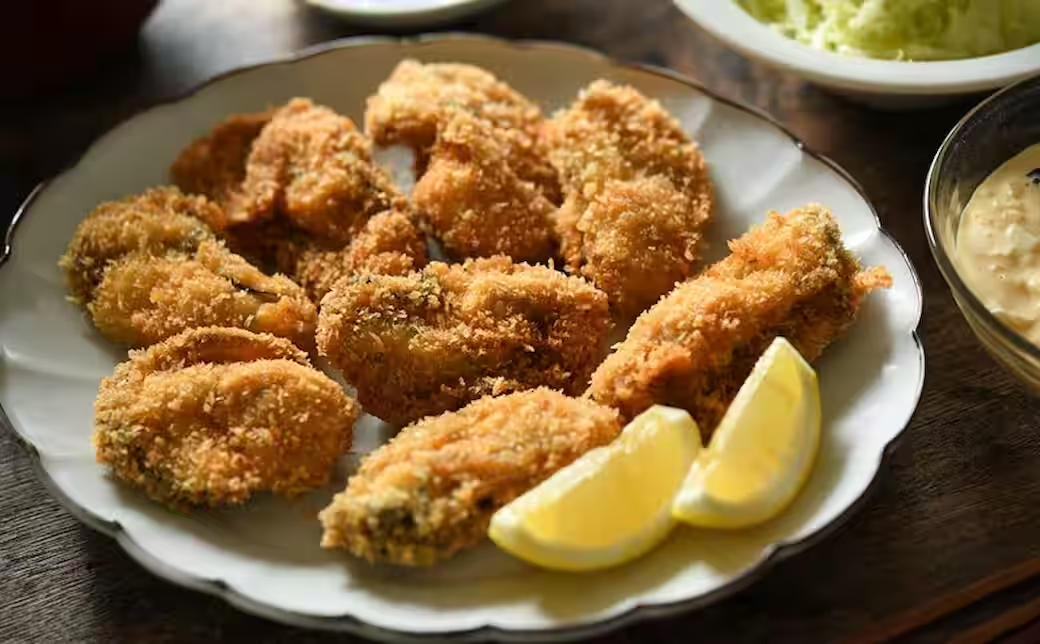
Hello, food lovers! Today we are talking about a warm, crunchy, and very popular dish from Japan called Kaki Fry (カキフライ). If you visit Japan in the winter, you will see this “yummy” treat on many menus. It is the perfect comfort food for a cold day.
What is Kaki Fry?
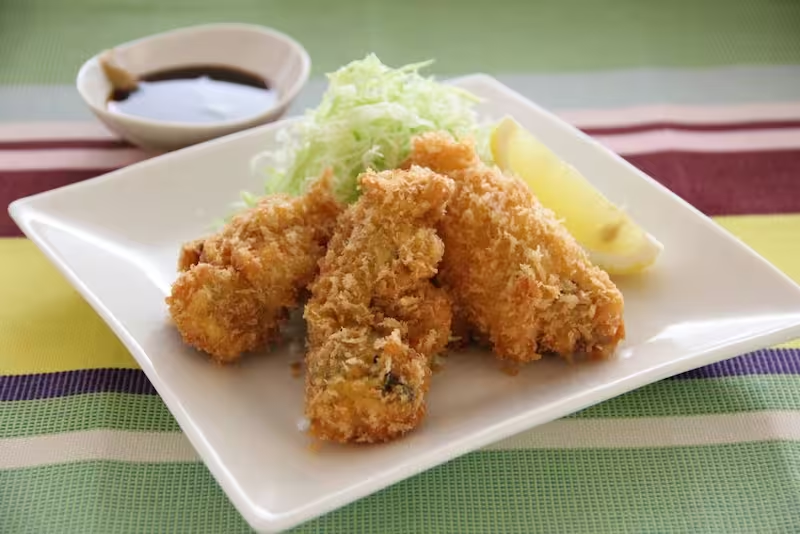
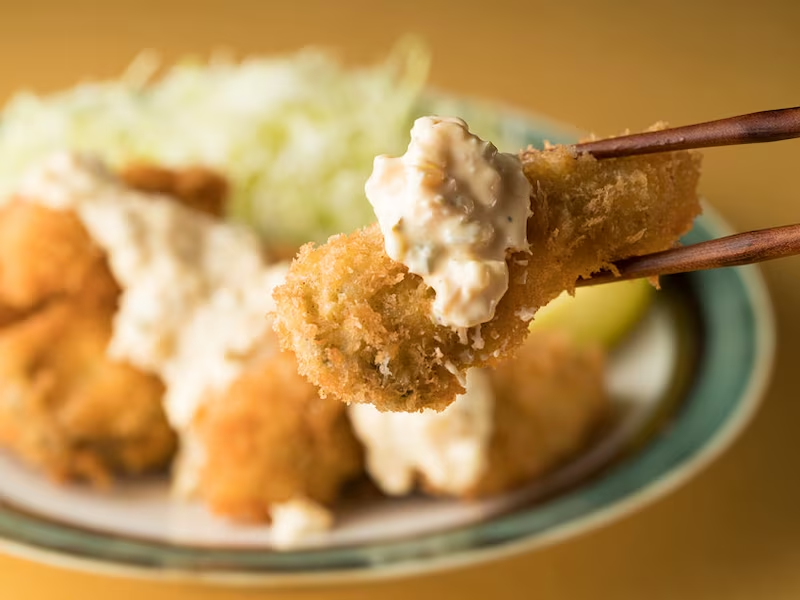
Kaki Fry is simply a deep-fried oyster. To make it, chefs take fresh, raw oysters and coat them in flour and beaten eggs. Then, they roll them in panko, which are light and airy Japanese breadcrumbs. The oysters are deep-fried for about two minutes until the outside is golden and very crispy. When you take a bite, the outside is crunchy, but the inside stays soft and juicy. People usually eat them with a squeeze of fresh lemon and a side of tartar sauce or a thick, sweet brown sauce called tonkatsu sauce.
A Story of Old Tokyo
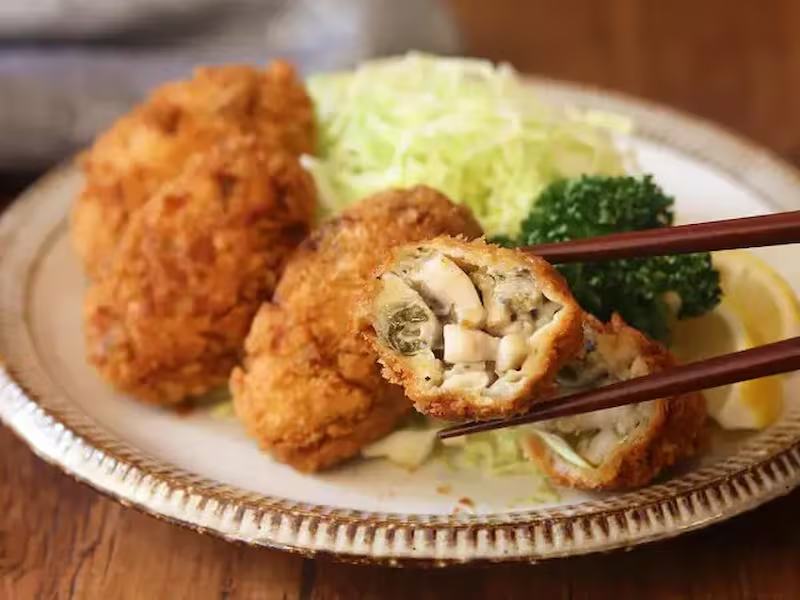
Even though Kaki Fry uses Western frying styles, it was actually born in Japan! It is part of a food group called yoshoku, which means Western-style Japanese food.
History tells us that this dish first appeared at a famous restaurant called Rengatei in the Ginza area of Tokyo around the year 1899. During this time, Japan was opening up to the world and trying new ways of cooking from Europe. Since then, Kaki Fry has become a beloved classic that families enjoy at home or in restaurants every winter.
Healthy Treasures from the Sea
Oysters are not just tasty; they are also very good for you! In Japan, they are often called the “milk of the sea” because they are full of nutrients.
- Zinc: Oysters have a lot of zinc, which helps your immune system stay strong.
- Vitamin B12: This vitamin is great for your brain and helps you feel more energetic.
- Omega-3 Fats: These are healthy fats that are good for your heart and brain health.
- Protein: They provide high-quality protein to help your body repair itself.
Where to Eat?
Rengatei (銀座 煉瓦亭)
If you want to try the original version, you should visit the place where it all started. Rengatei was founded in 1895 and is one of the oldest Western-style restaurants in Japan.
When you walk into Rengatei, you will feel like you have traveled back in time to old Japan. The restaurant has a very “retro” and nostalgic feel, with vintage furniture and classic paintings on the walls. It even uses a very old cash register that has been there for over 40 years! This restaurant is famous for “inventing” many popular Japanese dishes like pork cutlets (tonkatsu) and omelet rice (omurice). Eating here is like enjoying a delicious piece of history in the middle of modern Tokyo.
Summary
Kaki Fry is a wonderful Japanese dish that brings together the fresh taste of the sea with a satisfying golden crunch. It has a long history in Tokyo and offers many health benefits like vitamins and minerals. Whether you eat it with tartar sauce or just a bit of lemon, it is a must-try for any seafood fan!
If you enjoyed learning about Kaki Fry, we would like for you to try Tonkatsu, Korokke, and Ebi Fry.
Kakifurai FAQ
What is Kakifurai?
It is a seasonal seafood dish from Japan. Chefs coat fresh oysters in panko breadcrumbs and deep-fry them until golden. Food lovers know it for its crispy crust and creamy, oceanic interior.
Where does Kakifurai come from?
This fried delicacy originates from Tokyo. Western-style Japanese restaurants (yoshoku-ya) invented it during the late 19th century to make raw oysters more appealing to local diners.
What does Kakifurai taste like?
It has a savory, briny, and rich umami flavor. The texture feels incredibly crunchy on the outside and milky soft inside. Diners often compare it to a crispy ocean-flavored cream croquette.
Where can I eat Kakifurai in Japan?
You will find the best plates in Hiroshima and Miyagi prefectures during winter. Famous areas include local oyster farms and specialized seafood diners. Many family restaurants and izakaya pubs also serve it nationwide.
How much does Kakifurai cost?
A standard set meal typically costs between 1,000 and 1,500 yen. Prices vary depending on the restaurant and the specific oyster size.
Is Kakifurai vegetarian or vegan friendly?
Traditional recipes contain fresh seafood and eggs in the batter. Vegans and vegetarians cannot eat this specific dish, but they can easily order plant-based vegetable tempura instead.
What are the main ingredients in Kakifurai?
The main ingredients include fresh raw oysters, flour, egg, and panko breadcrumbs. The plump winter oyster gives the dish its distinctive creamy richness.
Can I make Kakifurai at home?
Yes, you can easily cook it at home. Japanese grocery stores stock fresh shucked oysters in convenient water-filled packs. Home cooks coat the seafood and fry it quickly in hot oil.
What is the difference between Kakifurai and regular fried fish?
The main difference involves the internal texture and flavor. This winter specialty features a soft, almost liquid-like briny center, while regular fried fish offers a firm, flaky, and mild white meat.
Is Kakifurai popular outside Japan?
It enjoys moderate popularity outside Japan. You will easily find it at authentic Japanese izakaya pubs in North America and Asia. Global seafood lovers eagerly order this crispy appetizer during the cold months.



Comments