





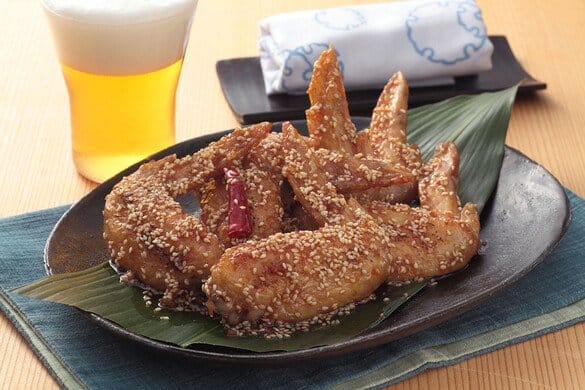
Tebasaki are Nagoya’s famous double-fried chicken wings, glazed in a sweet-savory soy sauce and finished with white pepper and sesame. In fact, people in Nagoya often call them “Nagoya Chicken,” and they are one of the most recognizable dishes in Nagoya meshi culture. You find them at izakayas, specialist restaurants, and takeout counters across Aichi Prefecture. If you have never tried them, the combination of crispy skin, bold glaze, and that hit of pepper is hard to forget.
What Is Tebasaki?
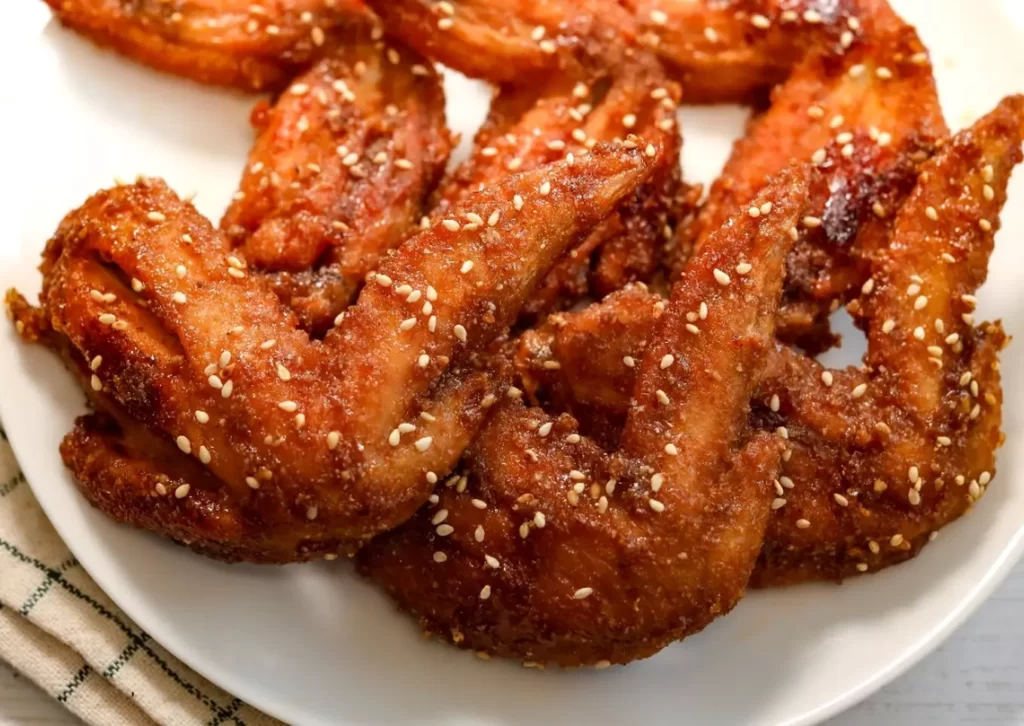
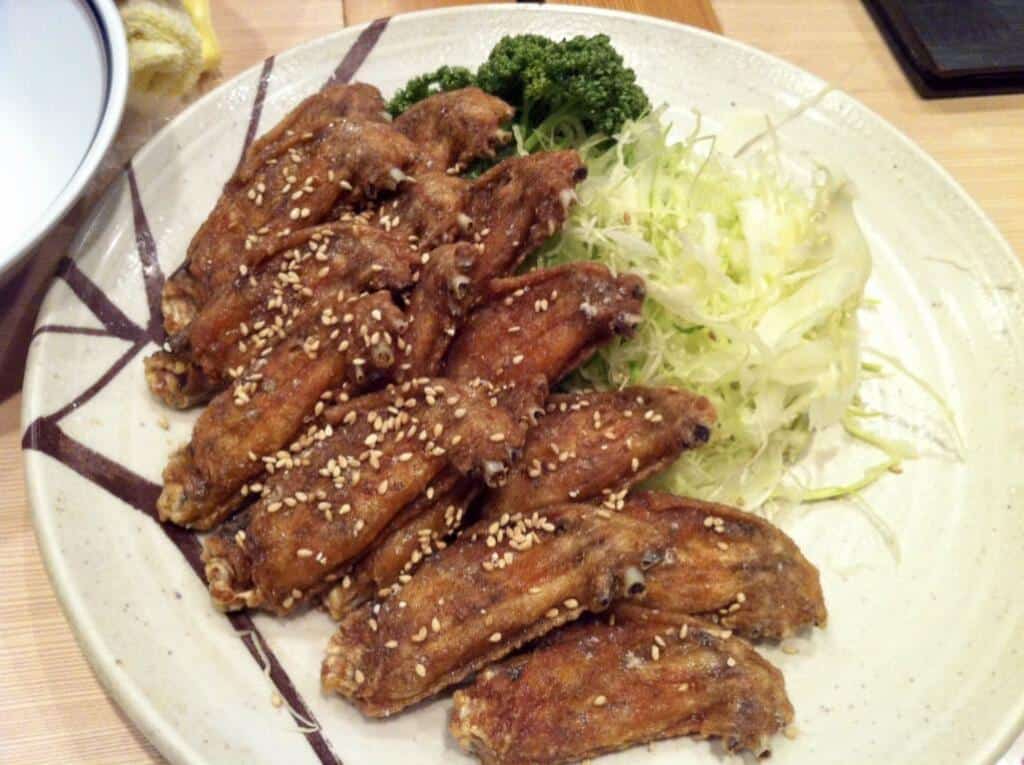
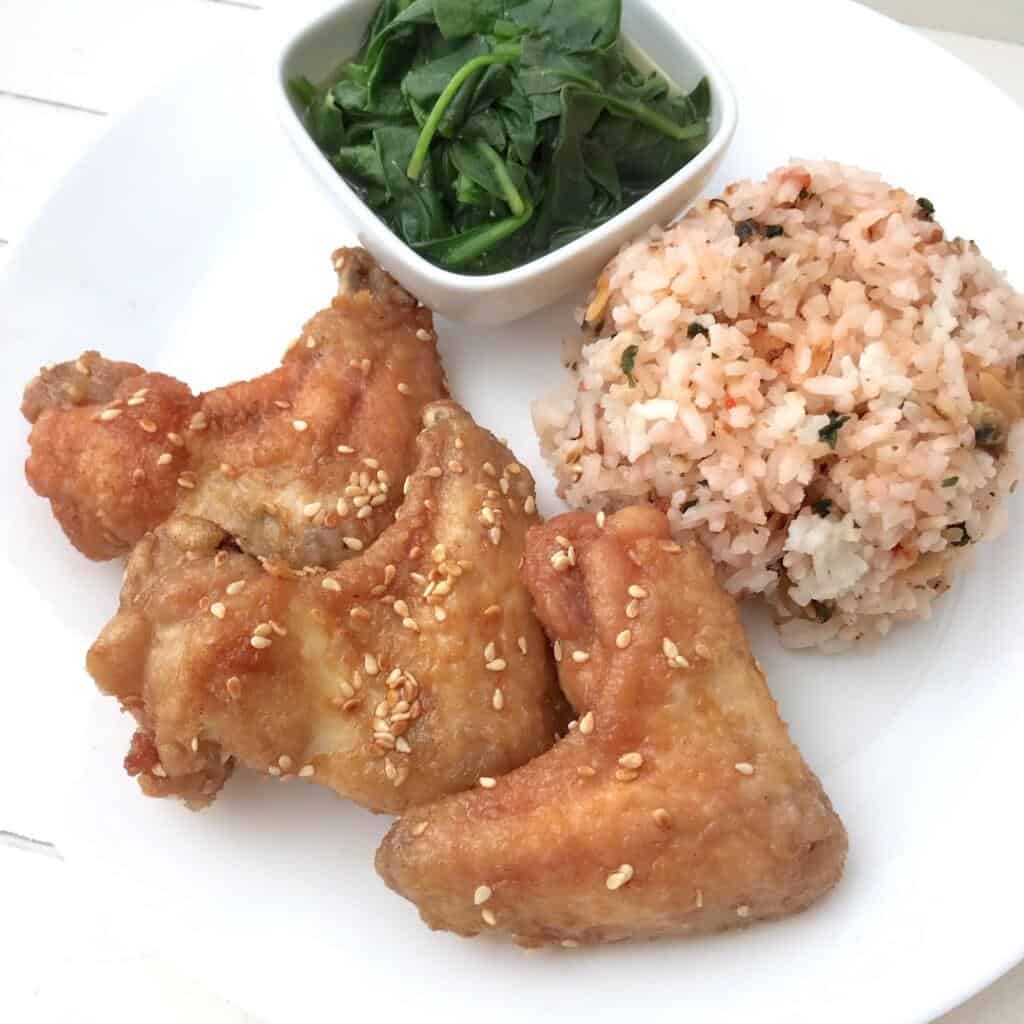
Tebasaki (手羽先) means “chicken wings” in Japanese. But in Nagoya, the word carries a very specific meaning. These wings use a thin coat of flour and fry twice in oil: first at a lower temperature to cook through, then again at a higher heat to crisp the skin. After frying, the wings go straight into a sweet soy sauce glaze while still hot. White pepper and sesame seeds finish the dish. The result is crispy on the outside, juicy inside, and deeply seasoned throughout.
Notably, what makes Nagoya-style tebasaki different is that the seasoning happens after frying, not before. This keeps the skin shatteringly crisp while locking in the flavor of the glaze. Most recipes skip the marinade step entirely. The double-fry technique does the structural work, and the sauce does the flavor work.
Tebasaki Taste Profile
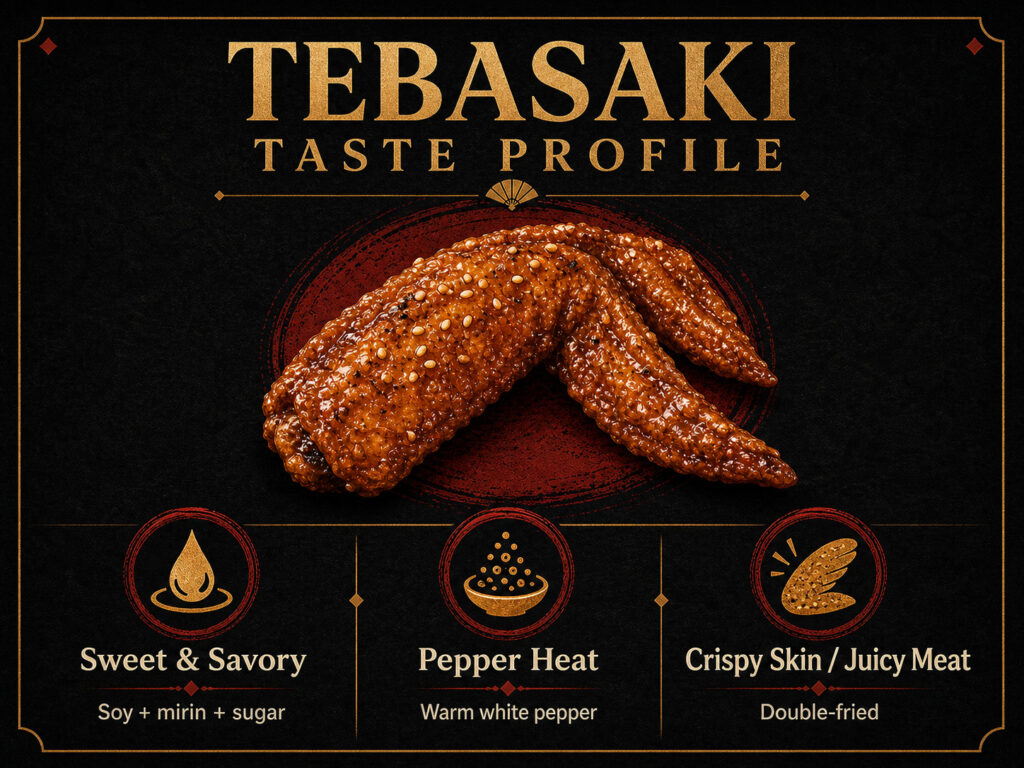
- Sweet and savory: The glaze combines soy sauce, mirin, and a touch of sugar. It coats every surface of the wing with a sticky, caramelized finish.
- Pepper heat: White pepper is generous here, not just decorative. It adds warmth without the sharpness of chili, and it balances the sweetness of the sauce.
- Crispy skin, juicy meat: The double-fry method keeps the skin rigid even after glazing. The interior stays moist because the first fry is gentle, around 160°C, before the second at 180°C seals everything in.
History of Tebasaki
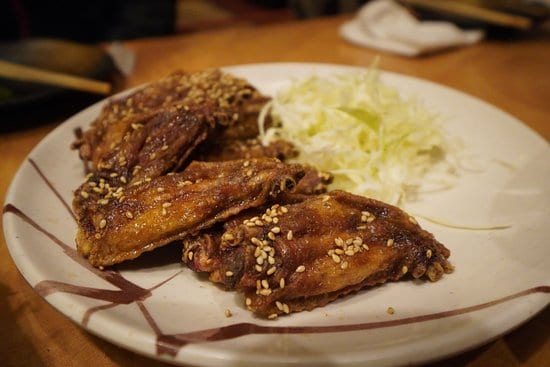
The dish traces back to 1963 and a Nagoya restaurant called Furaibo. The owner, later known as Kitakyushu-san, originally served a different chicken dish called Tarzan-yaki. One day, a regular supply of his preferred chicken cut ran out. He substituted chicken wings, a cheaper and less popular part at the time, and paired them with his house sauce. Customers ordered more wings than anything else on the menu.
From there, Furaibo refined the recipe and began specializing in wings. Other Nagoya restaurants followed. By the 1970s and 1980s, tebasaki had become embedded in the city’s food identity. Today it sits comfortably alongside miso katsu and hitsumabushi as one of Nagoya’s defining dishes. What started as a practical substitution became a deliberate culinary signature.
Tebasaki vs. Karaage vs. Yakitori: What Is the Difference?
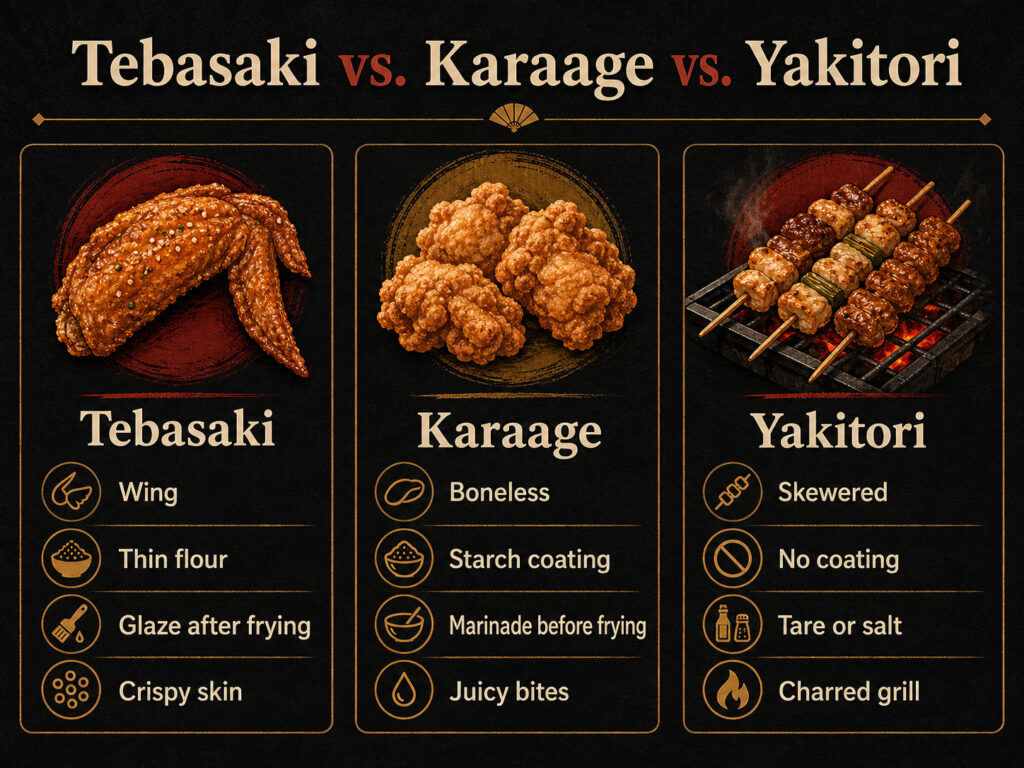
If you are new to Japanese fried chicken, tebasaki can seem similar to other dishes. Here is how they actually compare.
| Dish | Cut | Coating | Flavoring | Texture | Setting |
|---|---|---|---|---|---|
| Tebasaki | Whole wing, bone-in | Thin flour, no batter | Glaze applied after frying | Shatteringly crisp skin | Izakaya, Nagoya restaurants |
| Karaage | Boneless thigh/breast | Thick starch or flour | Marinade before frying | Juicy, chunky bites | Everywhere in Japan |
| Yakitori | Skewered pieces | No coating | Tare sauce or salt during grilling | Charred, smoky | Izakaya, yakitori bars |
The key difference with tebasaki is the bone-in wing format and the post-fry glaze. In contrast, karaage is boneless and marinaded ahead of time, which gives it a very different texture and eating experience. Meanwhile, yakitori is grilled, not fried. For anyone who enjoys messy, hands-on wing eating, tebasaki is the most satisfying of the three.
Where to Eat Tebasaki in Nagoya
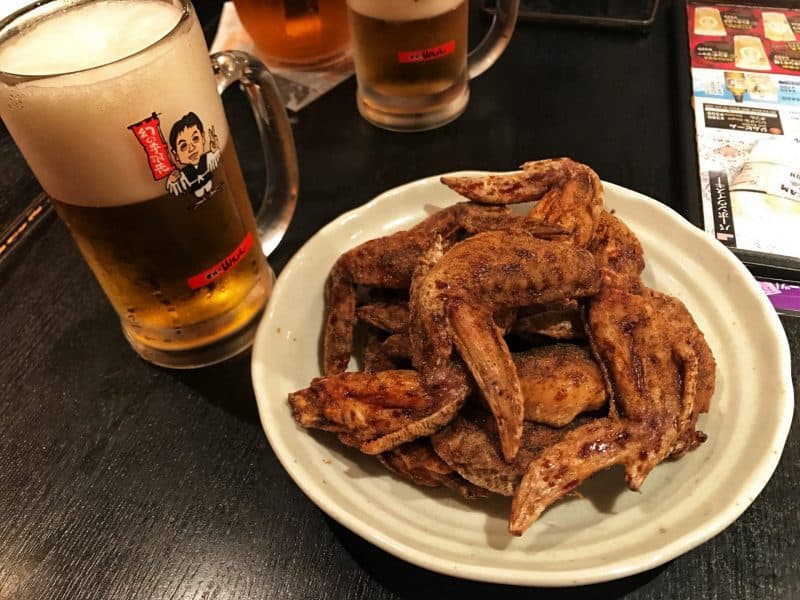
Most serious tebasaki eating happens at an izakaya, ideally after work on a Friday with a cold beer within reach. The wings arrive hot on a small plate, still glistening from the sauce. In fact, the pepper smell reaches you before the food does. You pick one up with your fingers, there is really no other way, and the skin cracks audibly. That is the moment locals live for. The fact that your fingers get sticky is not a flaw. It is part of the ritual.
Sekai no Yamachan (世界の山ちゃん)
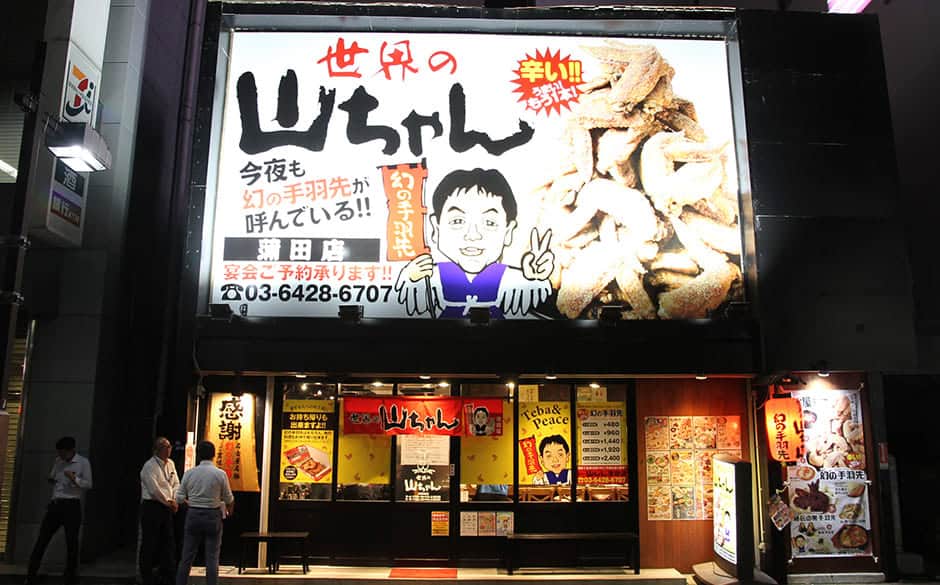
Yamachan is the most famous tebasaki chain in Nagoya. Locals pack the tables after work, particularly on weekends. The wings here have a distinctly spicy version of the glaze, which sets them apart from milder styles. An English menu is available, making it accessible for first-time visitors. Private rooms are available for larger groups. Expect a wait during peak hours.
Torigin Honten (鳥銀本店)
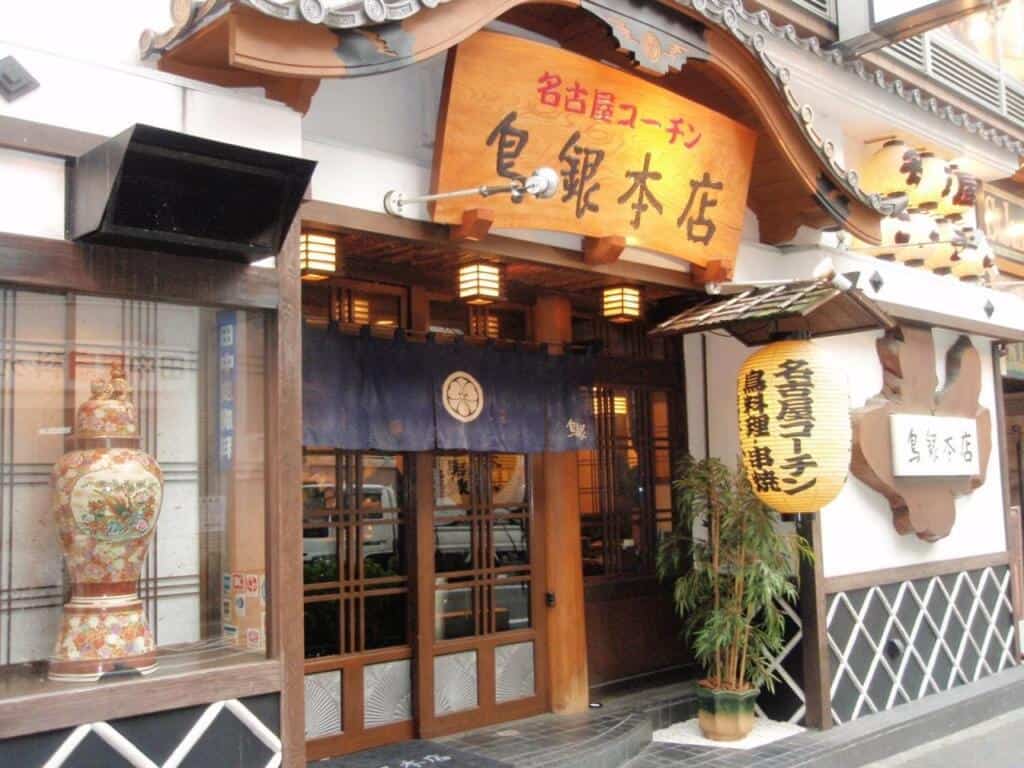
One minute from Sakae station, Torigin Honten specializes in Nagoya Cochin chicken, which gives its tebasaki a noticeably richer, more umami-forward character than standard wings. The shop draws a loyal local crowd, and their crispy, spicy version pairs especially well with draft beer. Well known through Aichi regional TV, it is a genuine neighborhood institution rather than a tourist spot.
Garakuta Bunko (我楽多文庫)
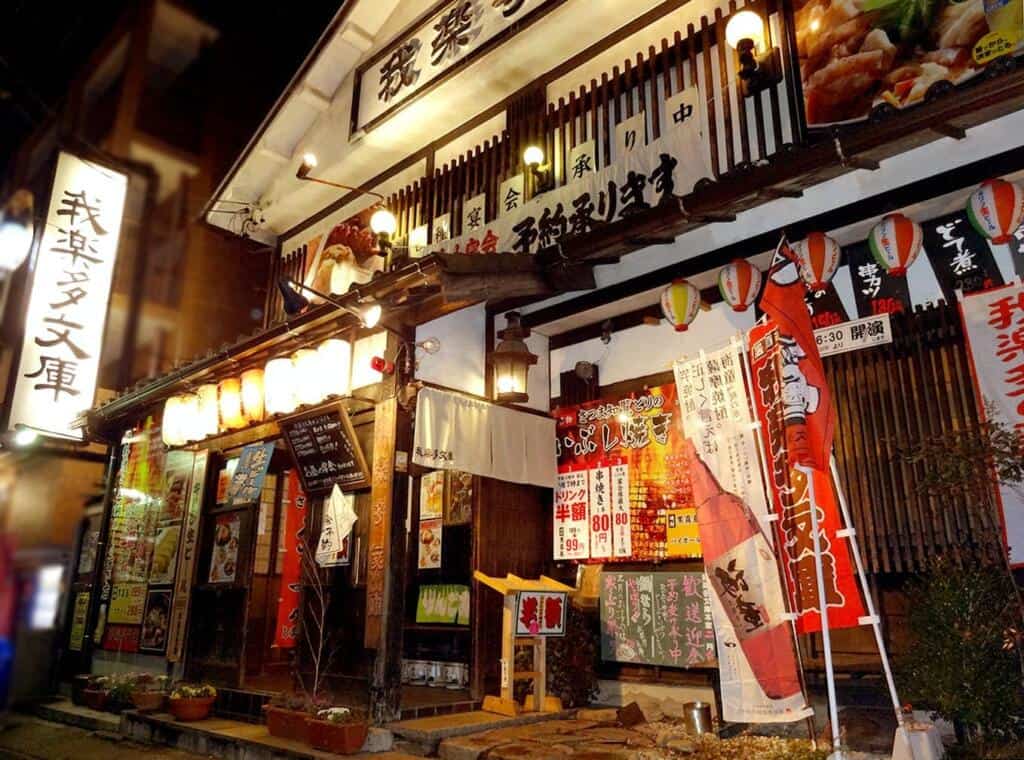
Garakuta Bunko has been serving tebasaki for over 40 years in the Sakae area. The atmosphere is retro and relaxed, the kind of izakaya that feels lived-in. Portions are generous, and the house sauce has built a strong following among regulars. A good choice if you want to eat wings alongside other classic izakaya dishes in a low-key setting.
Where to Buy Tebasaki in Japan
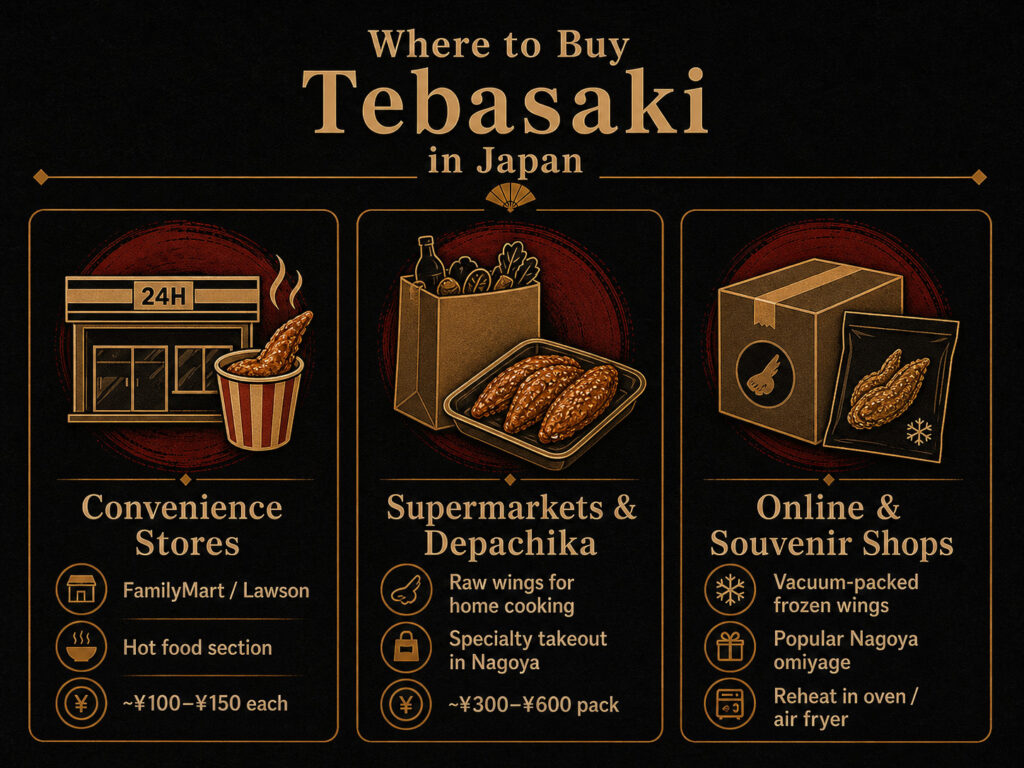
You do not need to visit a restaurant to try tebasaki. Several formats make it accessible outside the izakaya setting.
Convenience stores (konbini): For a quick and affordable introduction, FamilyMart and Lawson often stock prepared tebasaki in the hot food section, especially in Aichi Prefecture. Quality varies, but it is a reasonable introduction to the style for around ¥100–¥150 per wing.
Supermarkets and department store food halls (depachika): Pre-marinated raw wings for home cooking appear regularly in Aichi supermarkets. Some depachika in Nagoya and other major cities sell specialty versions from established brands like Yamachan as takeout items. Prices typically run ¥300–¥600 for a small pack.
Online and souvenir shops: Sekai no Yamachan sells vacuum-packed frozen tebasaki for home delivery throughout Japan. These make a popular omiyage (souvenir) from Nagoya. The frozen version heats well in an oven or air fryer.
Price Guide
Tebasaki is one of the more affordable dishes in Nagoya meshi. At a standard izakaya, a plate of five to six wings typically costs ¥500–¥800. Specialist restaurants charge slightly more, usually ¥800–¥1,200 for a similar serving. Many places offer a tebasaki and beer set for ¥1,000–¥1,500, which is a reasonable entry point for first-timers. Meanwhile, takeout pricing from konbini runs around ¥100–¥150 per wing, while depachika portions cost more but offer better quality.
Calories and Nutrition
The calorie count shifts depending on the size of the wings and how much sauce goes on them. A rough estimate for five average tebasaki is around 400–550 kcal. The skin and frying oil account for most of that. The sweet soy glaze adds some sugar calories on top. Compared to heavier fried chicken styles, tebasaki uses a very thin flour coat with no thick batter, which keeps the overall calorie load lower than, say, American-style buffalo wings. Protein content is reasonable for bone-in wings: roughly 20–25g per five pieces. Additionally, the sesame seeds and white pepper add minimal calories but contribute to the flavor significantly.
How to Make Tebasaki at Home
The recipe is more approachable than it looks. Three steps cover the whole process: marinate lightly, first fry, second fry and glaze. Furthermore, the ingredients are easy to find in most Asian grocery stores, and many are pantry staples.
Ingredients (Serves 2)
| Ingredient | Amount |
| Chicken wings | 450g |
| Sake | 2 tbsp |
| Soy sauce | 2 tbsp |
| Mirin | 2 tbsp |
| Salad oil (for frying) | enough to deep fry |
| Salt | 1/2 tsp |
| Sugar | 1 tsp |
| Grated garlic | 1 tsp |
| Grated ginger | 1 tsp |
| Sesame seeds | 1 tbsp |
| Cake flour | 1 tbsp |
| White pepper | 1/2 tsp (plus more for finishing) |
Step-by-Step Method
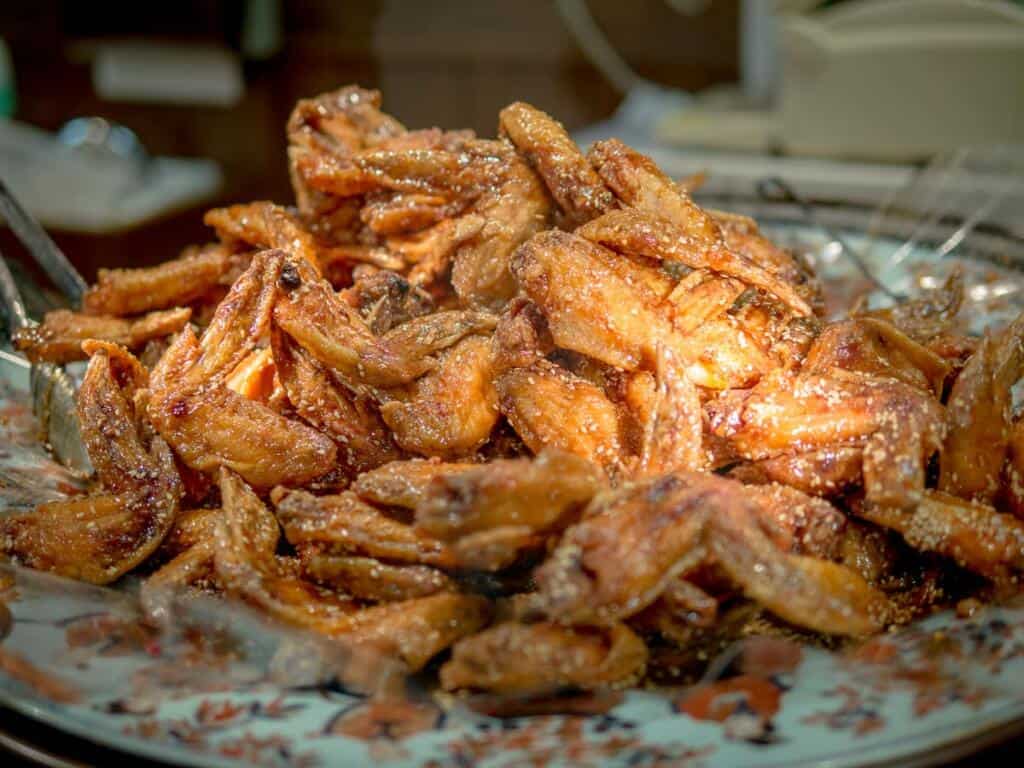
Wash the chicken wings and pat them thoroughly dry with paper towels. Moisture is the enemy of crispy skin, so take your time here. Coat each wing lightly in cake flour, shaking off any excess. A thin, even coat is all you need.
Combine soy sauce, mirin, sake, sugar, grated garlic, grated ginger, salt, and white pepper in a small saucepan. Bring to a low simmer, stir until the sugar dissolves, then set aside. Do not let it reduce too much at this stage.
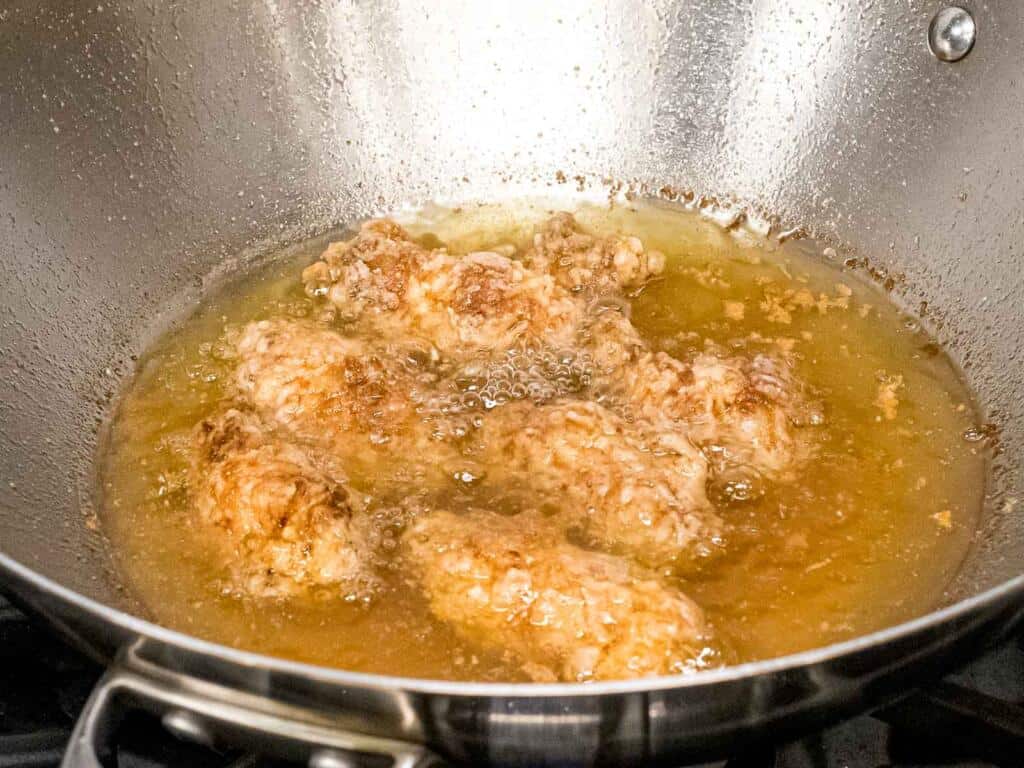
Heat oil in a deep pot or frying pan to around 160°C. Fry the wings in batches for about 6–7 minutes until pale gold and cooked through. Transfer to a wire rack and let them rest for 2–3 minutes. This first fry is about cooking the meat gently, not achieving full crispiness yet.
Raise the oil temperature to 180°C. Return the wings one by one and fry for another 2–3 minutes until deep golden and visibly crisp. While the second fry runs, toast sesame seeds in a dry pan over low heat until lightly browned. Keep a close eye on them; they burn fast.
Remove the wings from the oil and toss them immediately in the glaze while still hot. Work quickly so every surface gets coated. Transfer to a plate, sprinkle generously with white pepper and toasted sesame seeds. Serve at once. These wings do not hold well; the skin softens within a few minutes of sitting.
Common Mistakes When Making Tebasaki
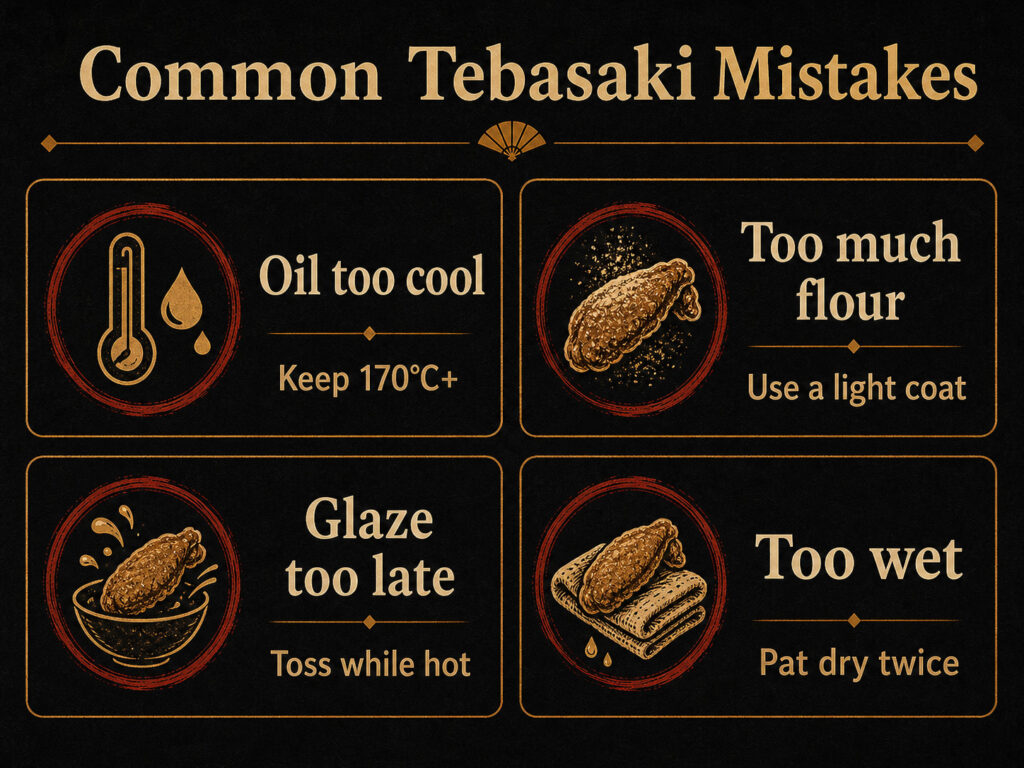
Most home cooks run into one of a few predictable problems. Knowing them in advance saves a lot of frustration.
Oil too cool in the second fry: For example, if the temperature drops below 170°C during the second fry, the skin steams instead of crisping. The result is soggy rather than shatteringly crisp. Fry in smaller batches to keep the temperature stable.
Another common mistake is too much flour: A heavy coat of flour creates a thick, bready crust that hides the skin texture. Use the thinnest possible dusting, shake off the excess, and keep it there.
Additionally, glazing too late: The glaze needs to hit the wings while they are still very hot. If you wait more than a minute after frying, the sauce will not adhere properly and the skin will soften from the inside as it cools. Toss immediately.
Finally, wings not dry enough: Surface moisture causes splattering and prevents crisping. Pat the wings dry twice if needed, once before flouring and once after. This step makes a bigger difference than many cooks expect.
How to Eat Tebasaki Like a Local
Tebasaki is bone-in, so there is a method that makes eating easier. Locals in Nagoya learn this early. It sounds involved, but it takes about ten seconds once you get the feel for it.
Hold the wing firmly and bend it at the middle joint to separate the two bones slightly. You should feel a small give. This is the starting point for pulling the bones cleanly.
Grip the thinner of the two bones (the radius) and rotate it while pulling gently toward you. With the joint already loosened, it should come free with minimal resistance, bringing the cartilage with it.
With the thinner bone gone, the larger bone (the ulna) comes out easily. Pull it straight toward you. What remains is a boneless piece of chicken wing that you can eat in one or two satisfying bites. Yes, your fingers will be sticky. That is correct.
What to Pair with Tebasaki
Beer is the classic pairing, and for good reason. Indeed, the bitterness cuts through the sweetness of the glaze cleanly. Most Nagoya izakaya pour draft beer cold enough to leave condensation on the glass immediately. The combination of cold lager and hot peppery wings is one of those pairings that works every time.
Rice is a natural second option. The glaze has enough saltiness to work well as a rice side, and the wings become a satisfying main course rather than a snack. Additionally, a simple Japanese salad, cucumber with sesame dressing for instance, helps balance the richness of the sauce.
For a full Nagoya meshi evening, pair tebasaki with miso katsu or miso nikomi udon. To explore further, the broader Chubu food guide covers other regional dishes worth combining into a single trip.
Final Thoughts
Tebasaki started as a practical workaround when better chicken cuts ran out. It became the most recognizable dish in one of Japan’s most distinctive food cities. The double-fry technique, the post-fry glaze, the white pepper finish: each step is deliberate, and the result is a wing that rewards attention. Whether you try it at a packed Nagoya izakaya or make a batch at home this weekend, the combination of crispy, sweet, savory, and peppery is genuinely hard to argue with. For a deeper look at what else Nagoya does well, the What to Eat in Nagoya guide is a good place to continue.
FAQ
What is tebasaki?
Tebasaki are Nagoya-style fried chicken wings. Cooks fry them twice, first at 160°C and again at 180°C, then toss them in a sweet soy glaze while still hot. White pepper and sesame seeds finish the dish. The double-fry method produces a shatteringly crisp skin that holds up even after glazing.
Is tebasaki Japanese?
Yes. Tebasaki originates from Nagoya, Japan. A restaurant called Furaibo created the style in 1963 after the owner substituted chicken wings for a more expensive cut. Today, people across Japan recognize the dish, but Nagoya remains the home of the authentic version.
Is tebasaki spicy?
Tebasaki has warmth from white pepper, but most versions are not fiery. The dominant flavors are sweet and savory from the soy-mirin glaze, with pepper adding a background heat. Some restaurants, including Sekai no Yamachan, offer a spicier version for those who prefer more intensity.
How many calories are in tebasaki?
Five average-sized wings contain roughly 400–550 kcal, depending on wing size and how much glaze the shop applies. The thin flour coat keeps the calorie count lower than battered fried chicken, but the sweet soy glaze adds sugar. Eating five to six pieces alongside beer and rice at an izakaya puts the full meal at around 800–1,000 kcal.
Where can I buy tebasaki in Japan?
Specialist izakaya and chicken restaurants in Nagoya serve the best versions. Convenience stores in Aichi Prefecture often stock hot tebasaki in the prepared food section. Supermarkets sell pre-marinated raw wings for home cooking. Sekai no Yamachan sells frozen tebasaki online for delivery across Japan.
Is tebasaki gluten-free?
Traditional tebasaki uses cake flour as a light coating and soy sauce in the glaze. Both contain gluten, so the standard version is not gluten-free. Home cooks can substitute rice flour for the coating and tamari for the soy sauce to make a gluten-free version, though results may vary slightly in texture.
How do you reheat tebasaki?
An oven or air fryer works best. Reheat at 200°C for 5–7 minutes until the skin crisps again. A microwave reheats the meat but turns the skin soft, so avoid it if crispiness matters. Tebasaki tastes best fresh, but a properly reheated wing is still quite good.
References
Ministry of Agriculture, Forestry and Fisheries (MAFF) – Regional cuisine database, Aichi entry (Surveyed: 2024 December)
Nagoya City Official Website – Local food and tourism information (Surveyed: 2024 December)
Japan National Tourism Organization (JNTO) – Nagoya destination food guide (Surveyed: 2024 December)
Related Articles
What to Eat in Nagoya: 20 Must-Try Foods for Every Visitor (Surveyed: June 2025)
Miso Katsu (Surveyed: June 2025)
Miso Nikomi Udon (Surveyed: June 2025)
Karaage (Surveyed: June 2025)
Yakitori (Surveyed: June 2025)
10 Local Dishes You Absolutely Must Eat in the Chubu Region (Surveyed: June 2025)



Comments