



Search results for “tokyo”
-
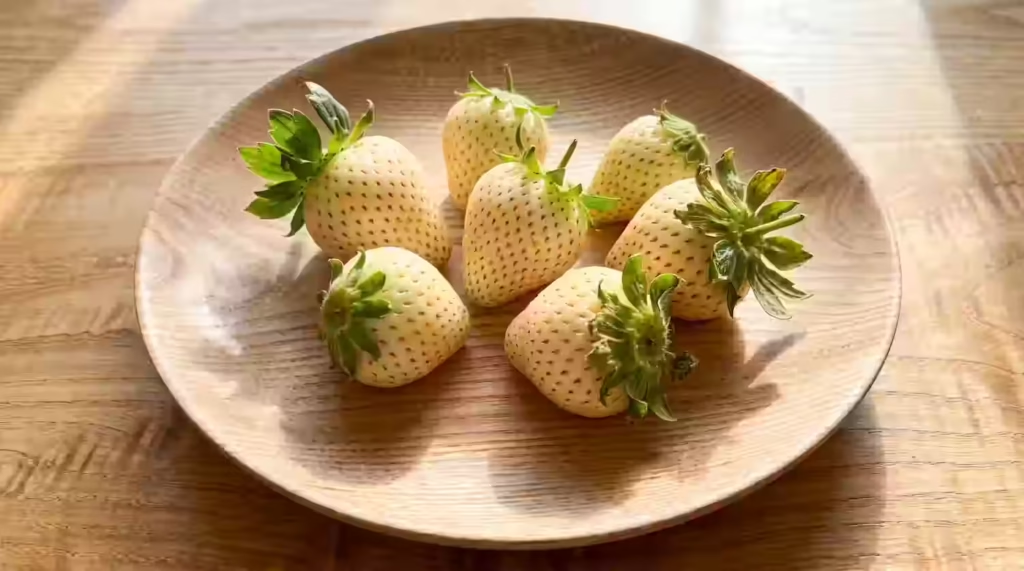

Milky Berry (ミルキーベリー)
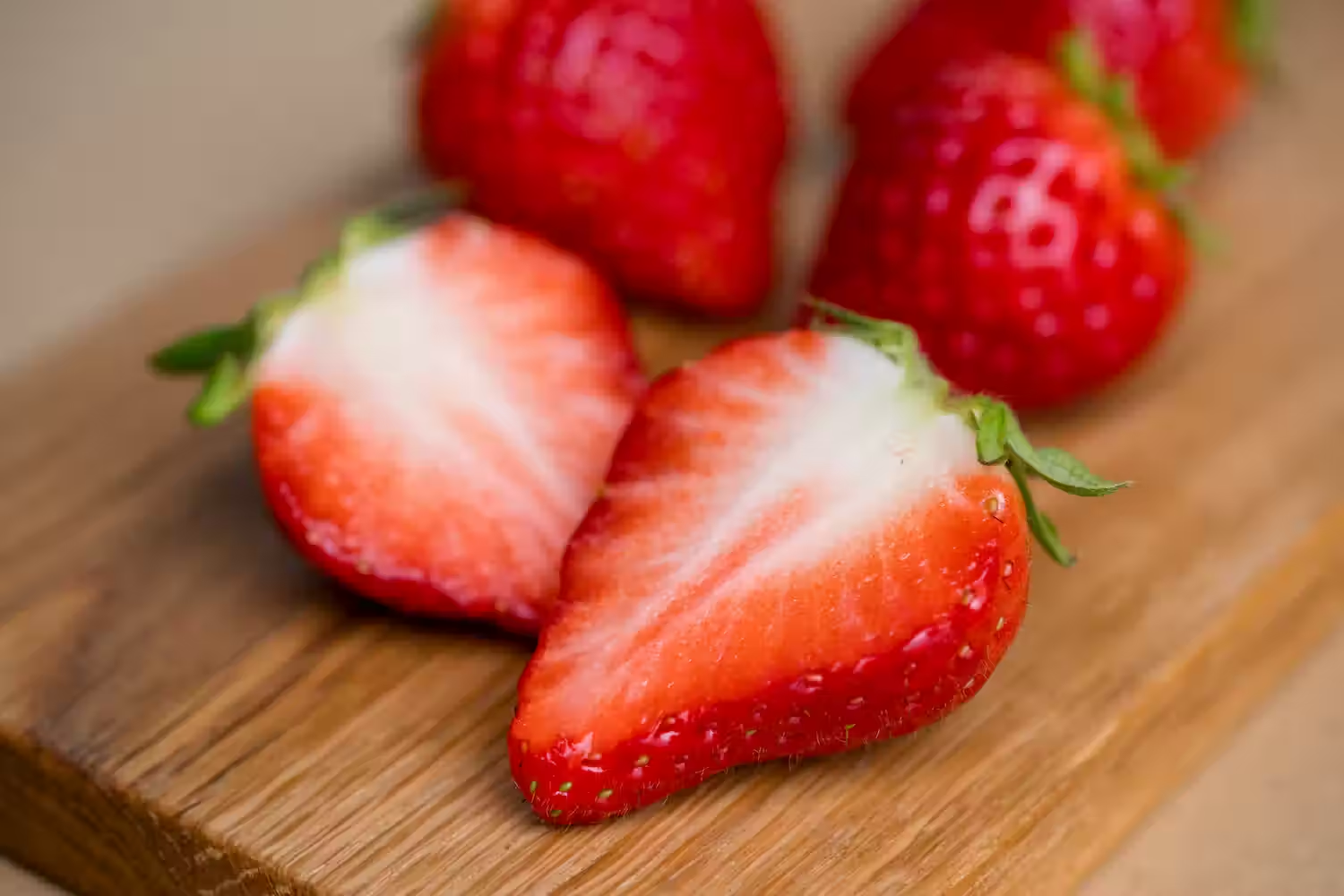
Imagine a strawberry that looks almost like porcelain, pale and creamy, dotted with tiny red seeds. That is the Milky Berry strawberry (ミルキーベリー), a Japanese white strawberry from Tochigi Prefecture. It is not an unripe red berry. ... -
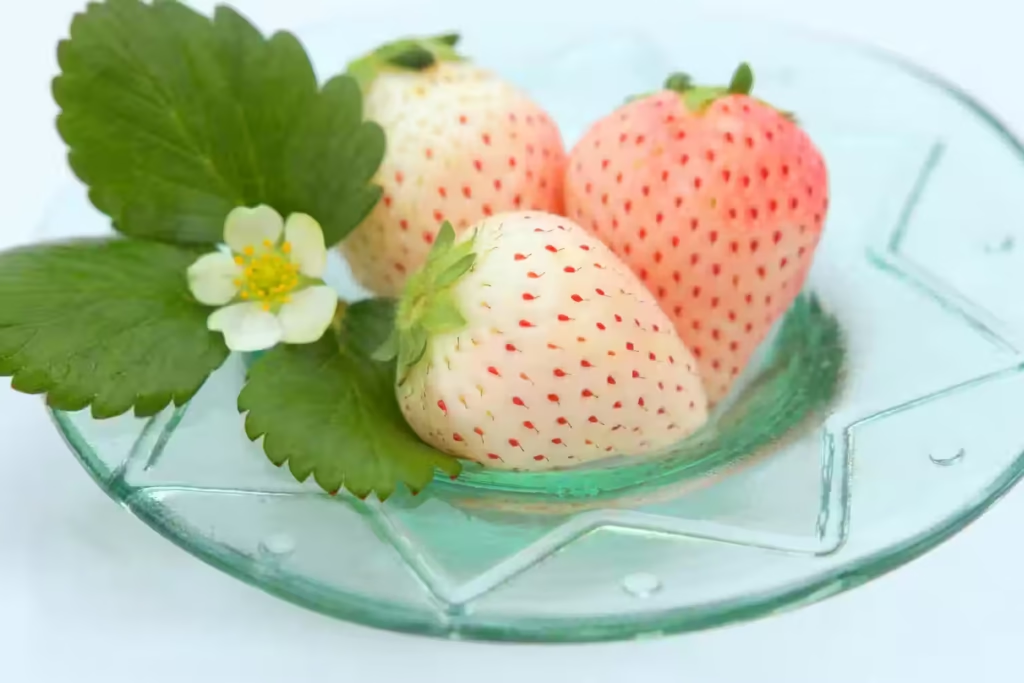

Hatsukoi no Kaori (初恋の香り)
Most strawberries turn bright red when they ripen. Hatsukoi no Kaori (初恋の香り) does the opposite. This rare Japanese white strawberry stays snowy pale with only a touch of pink. Beside an ordinary berry, it looks almost unreal. Yet fa... -
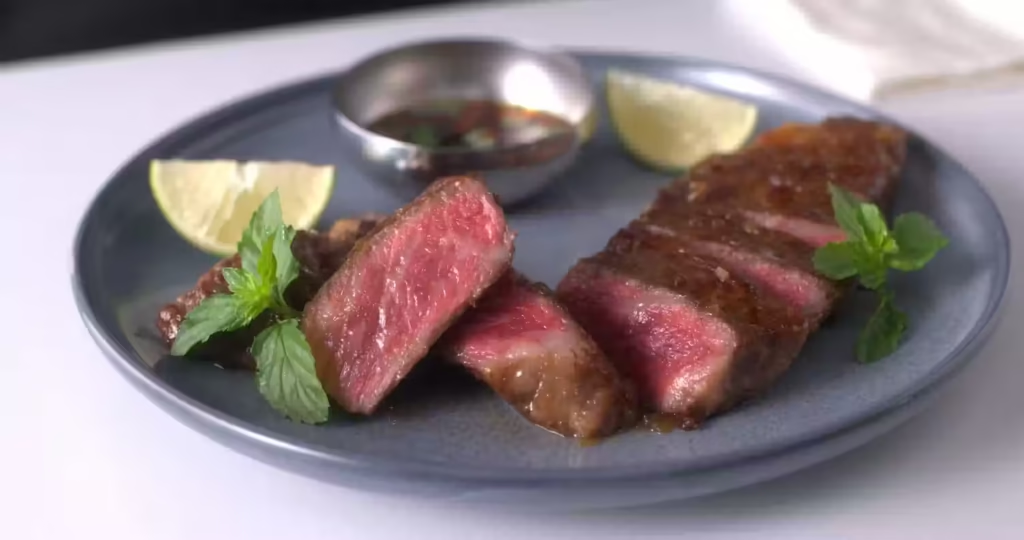

Oita Wagyu: A Guide to Oita’s Premium Japanese Beef
Oita Wagyu (おおいた和牛) is a premium certification for selected Oita Bungo Beef from Oita Prefecture, on the island of Kyushu. It is not a separate breed. To qualify, the beef must reach meat quality Grade 4 or 5. It must also come fro... -
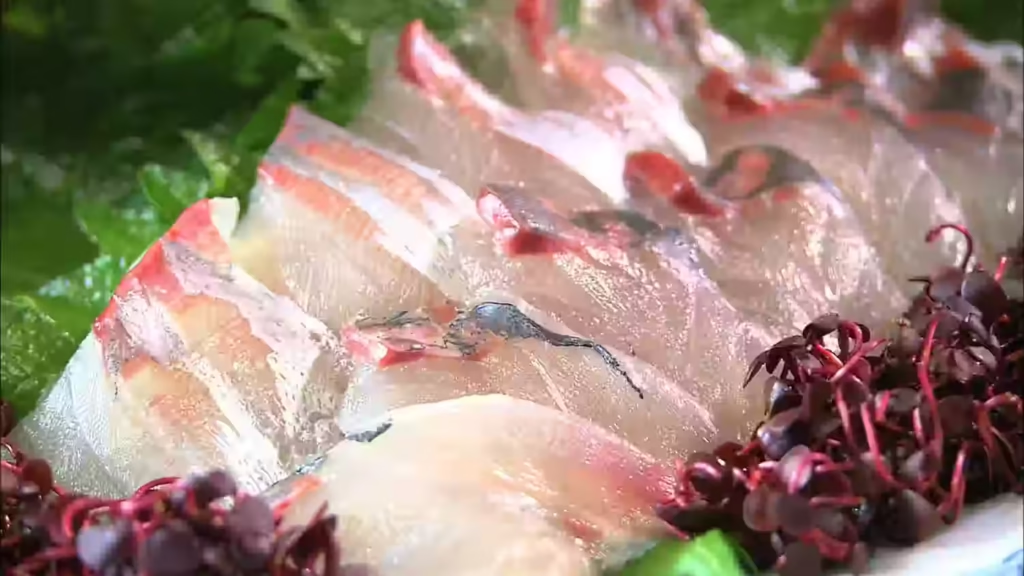

Sekiaji: Japan’s Premium Seki Horse Mackerel
Sekiaji (Seki horse mackerel, 関あじ) is a branded Japanese jack mackerel from Saganoseki, in Oita Prefecture on the island of Kyushu. It is not a separate species. Only fish caught individually by hook and line, known as ippon-zuri (一... -
Kome no Megumi Pork (米の恵み)
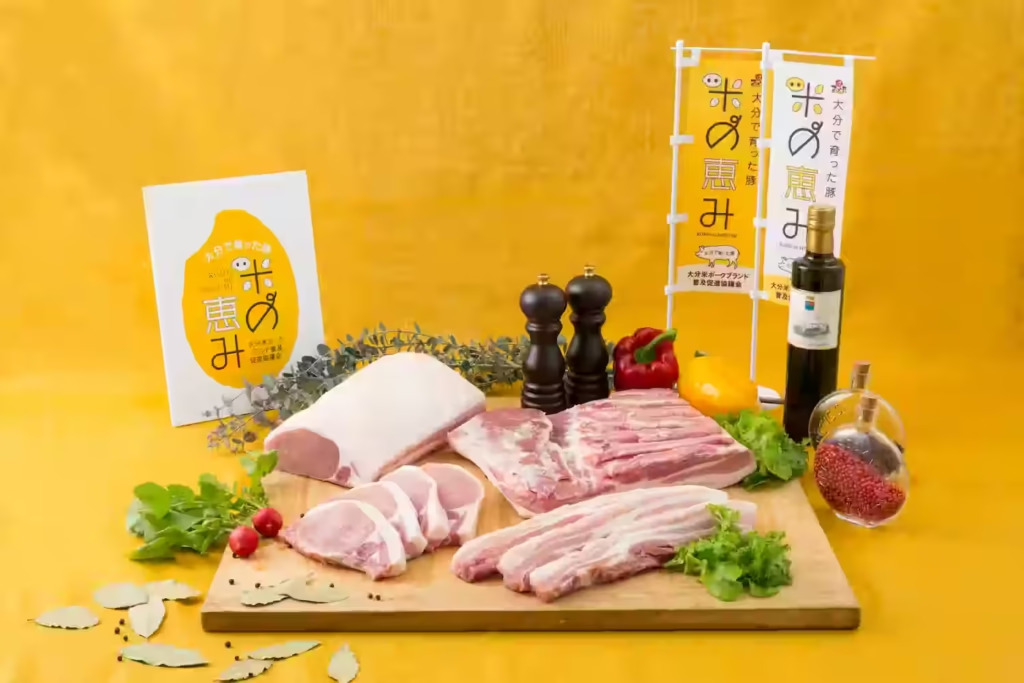
In Oita, some pigs eat rice before they reach the table. That simple detail sits behind Kome no Megumi pork (米の恵み), the prefecture's unified pork brand. The name means “blessing of rice,” and it covers pork from pigs given feed with ... -

Shiroshita Karei (城下かれい)
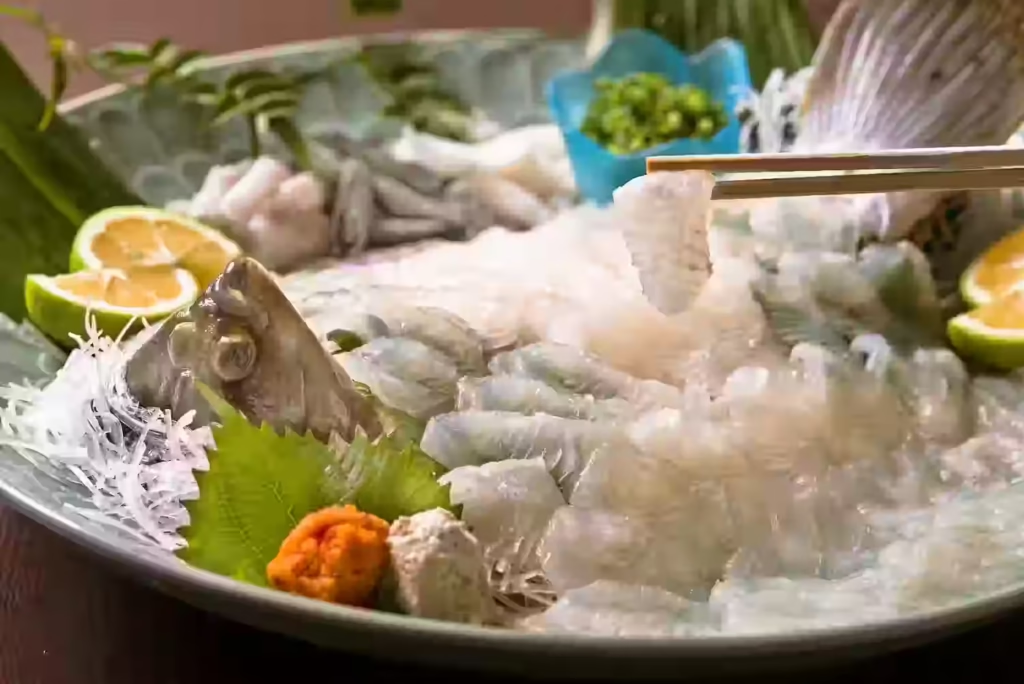
Below the ruins of a castle on Beppu Bay, fresh water seeps up through the seabed. Hiji Town in Oita Prefecture gives its local marbled flounder a name of its own: Shiroshita Karei. It is not a separate species, but a regional name shape... -
Kubota Sake: The Niigata Brand That Redefined Dry Japanese Sake
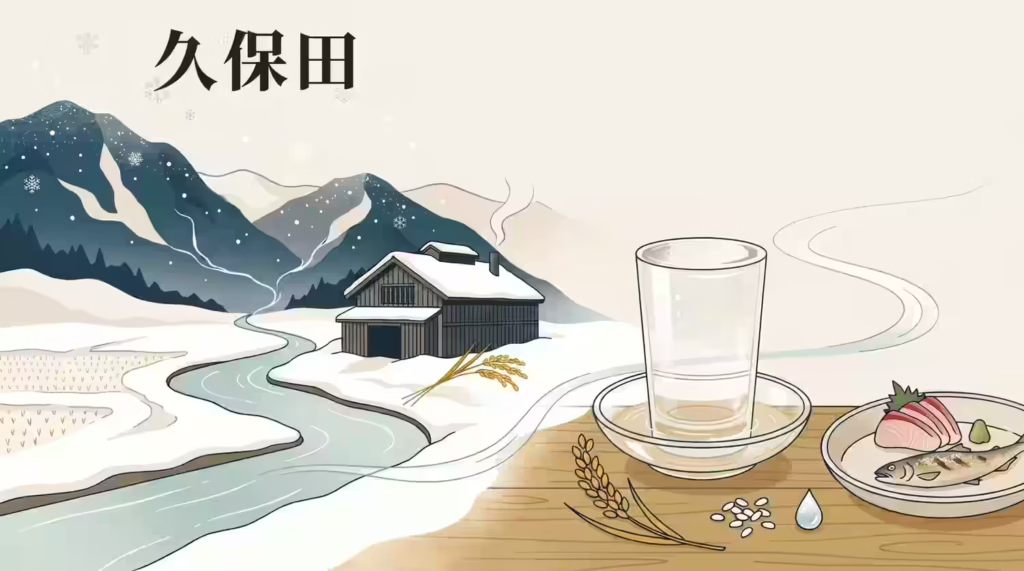
Order Kubota at an izakaya, a casual Japanese pub, and you will usually get a restrained, smooth sake with a clean, quick finish. Kubota sake is a Niigata brand made by Asahi-Shuzo and first released in 1985. It became one of the best-kn... -

Sake Glasses and Cups: A Guide to Japanese Sake Vessels
Pour the same sake into three vessels: a small ceramic cup, a straight-sided glass and a wine glass. Then smell each one. The sake has not changed, yet the three pours may not seem the same. One might seem quieter, another brighter. This... -

Kakimaze (かきまぜ)
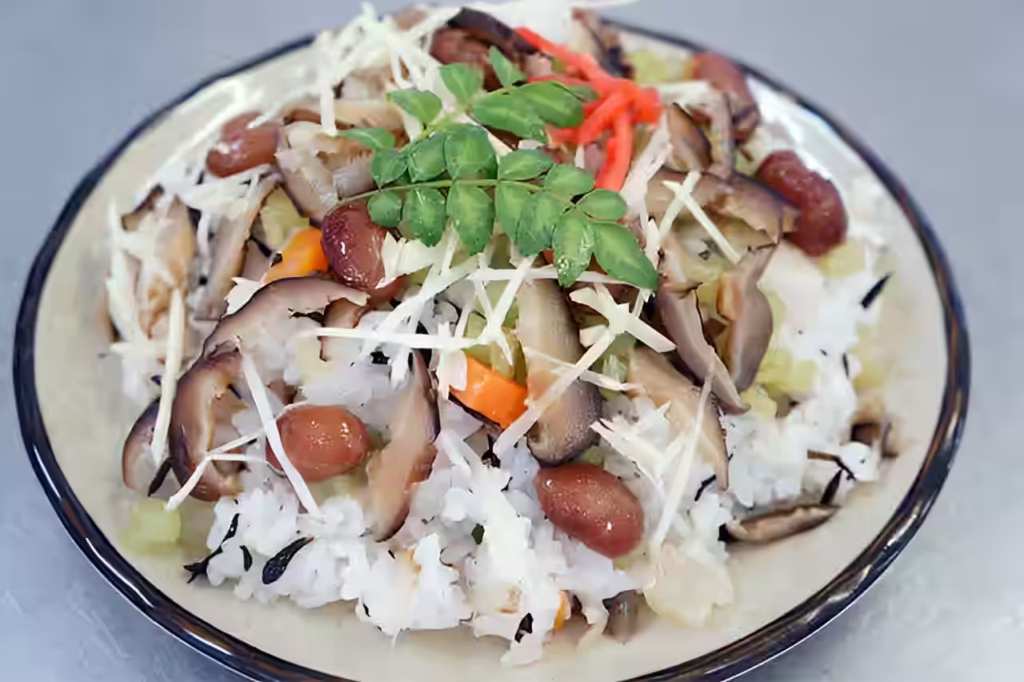
Kakimaze is Tokushima's festival rice dish, a mixed sushi rice loaded with simmered vegetables and, unusually, sweet red kidney beans. Locals also call it barazushi, gomoku-zushi, or mazekuri depending on the town. In the yuzu-growing so... -


Meiji Era Sake: How Tax and Science Modernized Japanese Brewing
In 1899, Japan's liquor tax overtook the land tax as the largest source of national revenue. In other words, brewing changed enormously in a single generation. Meiji era sake, the nihonshu brewed between 1868 and 1912, still began with r...