



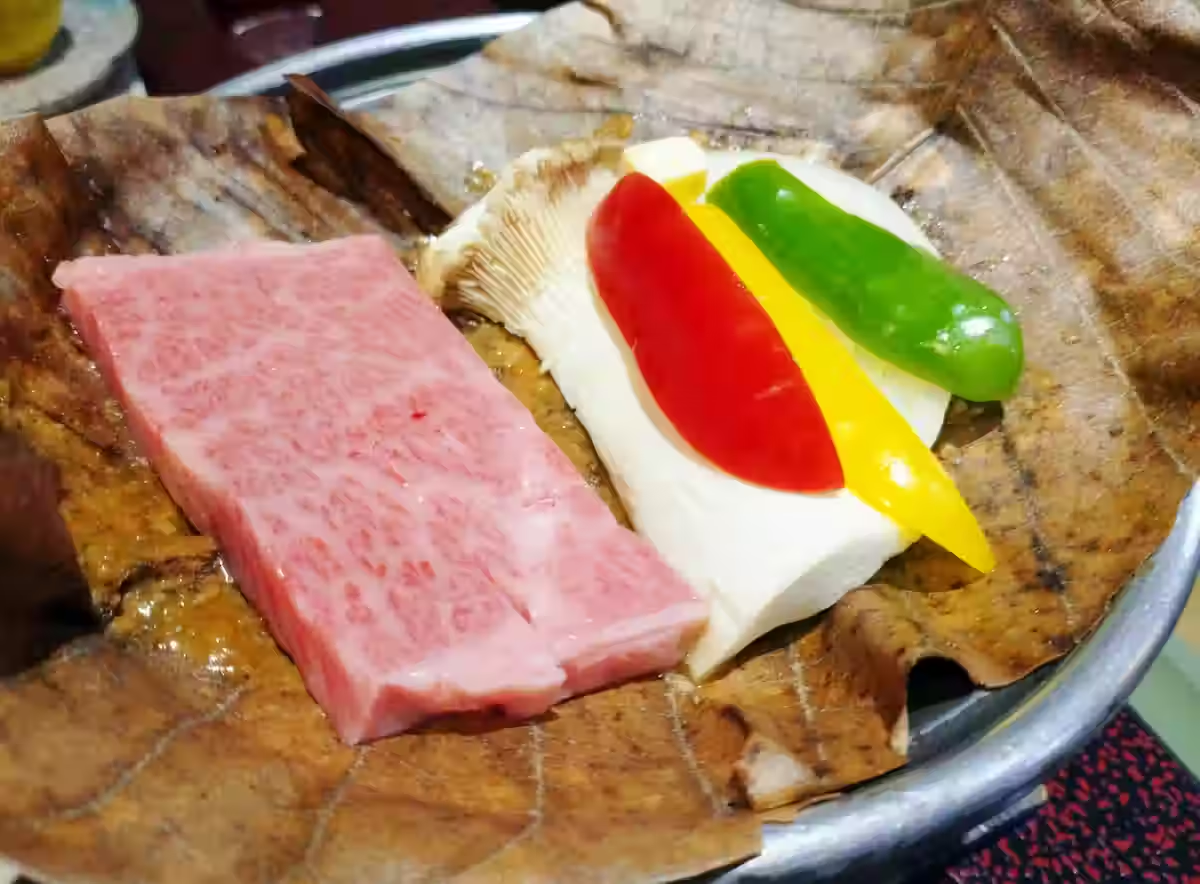
Some Japanese beef brands are famous worldwide. Kobe and Matsusaka come to mind immediately. Koshu beef from Yamanashi Prefecture deserves a place in that conversation too.
What Is Koshu Beef?
Koshu beef is a branded Japanese wagyu from Yamanashi Prefecture. Only cattle graded 4 or 5 on Japan’s official beef grading scale qualify for the name. That strict standard separates it from ordinary wagyu right away.
The cattle raised for Koshu wagyu are Japanese Black breed, known in Japanese as Kuroge Wagyu. Yamanashi’s mountain climate and clean water contribute to the quality of the animals. The environment shapes the meat in ways that are hard to replicate elsewhere.
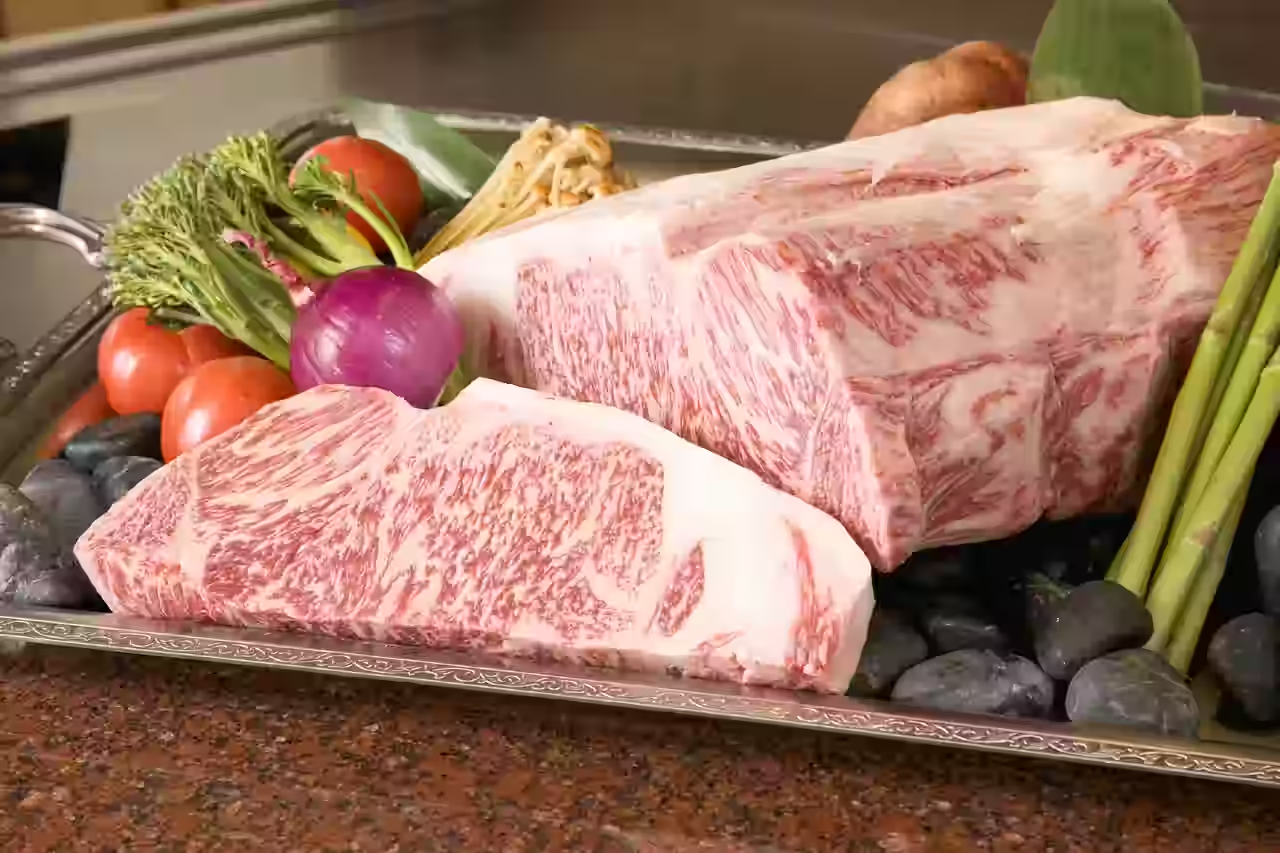
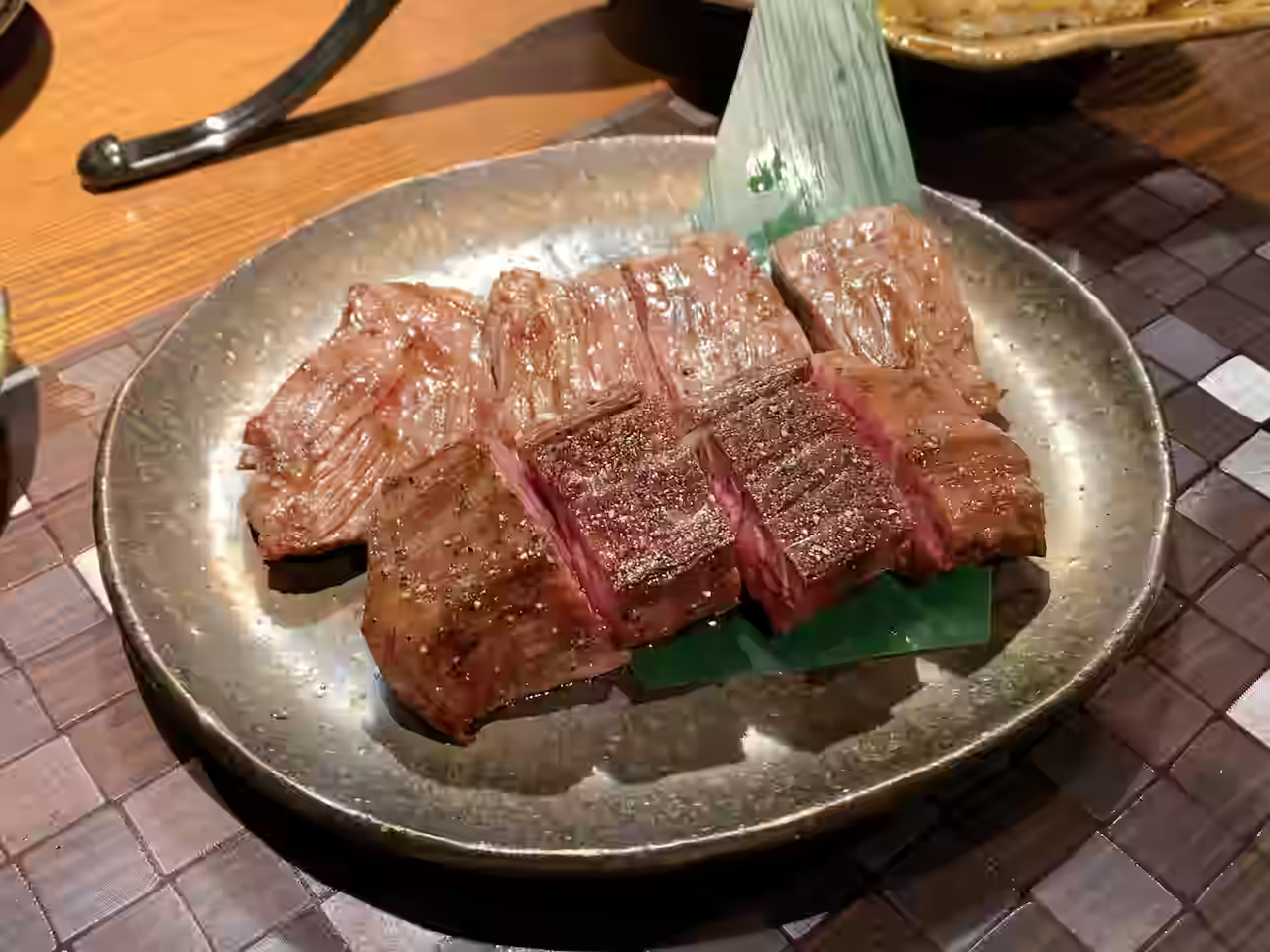
Koshu beef carries a bright red color with finely distributed marbling throughout. The fat melts at low temperatures, which gives each bite an unusually soft, almost silky texture. Rich umami flavor follows every mouthful.
Why Is Koshu Beef Famous?
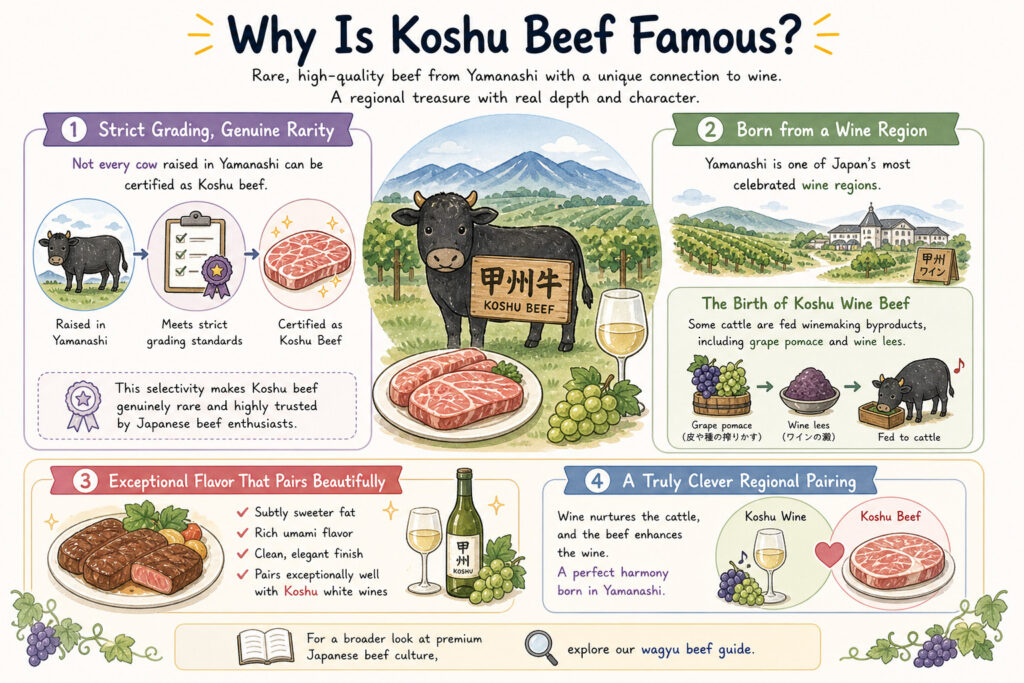
Strict grading requirements make Koshu beef genuinely rare. Not every animal raised in Yamanashi earns the label. That selectivity gives the brand real credibility among Japanese beef enthusiasts.
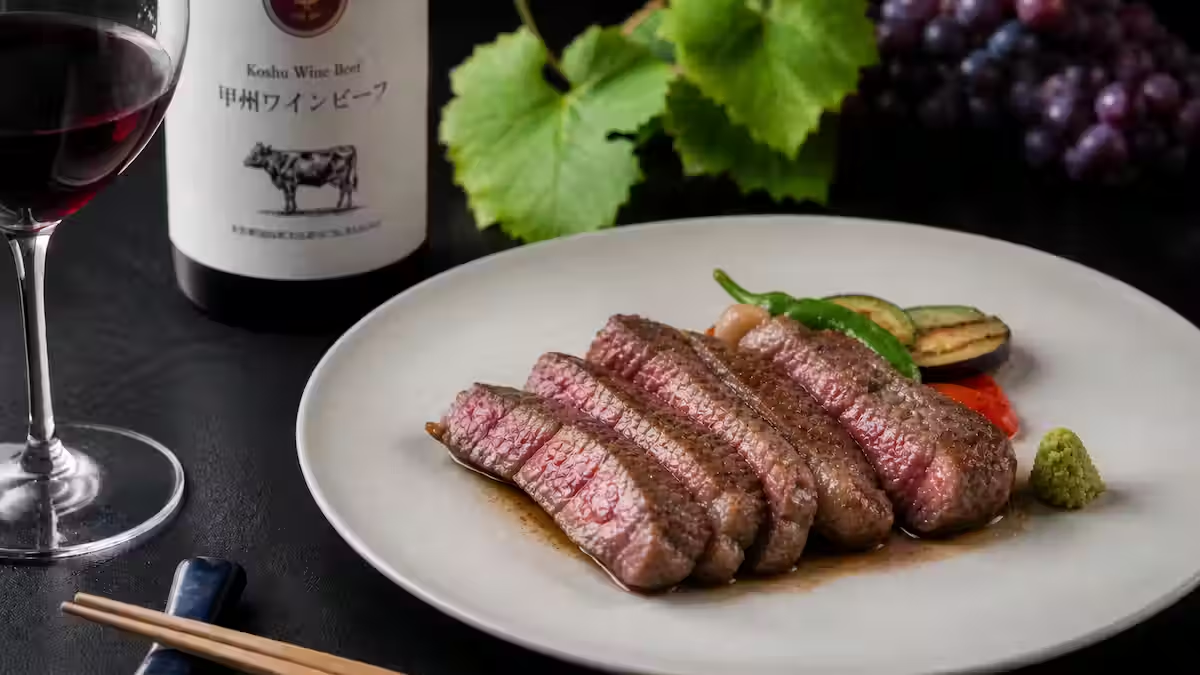
Yamanashi Prefecture is also one of Japan’s most celebrated wine regions. This connection inspired something rather interesting: Koshu Wine Beef. Some cattle raised for this sub-brand receive feed derived from winemaking byproducts, including grape pomace and wine lees.
The result is meat with a subtly sweeter fat profile and a flavor that pairs exceptionally well with local Koshu white wines. It is a genuinely clever regional pairing. For a broader look at premium Japanese beef culture, explore our wagyu beef guide.
Koshu Beef Characteristics and Flavor
Describing Koshu beef flavor in a single sentence feels almost unfair. The taste is rich and layered, with a clean finish that does not feel heavy. Many people find it more approachable than heavily marbled wagyu varieties.
The fat distribution in Koshu wagyu sits at a balanced level. Some ultra-premium wagyu can feel overwhelming after a few bites. Koshu beef avoids that problem while still delivering genuine depth.
Tenderness is another standout quality. The muscle fibers in Grade 4 and 5 cattle break down with minimal effort. Cooking Koshu beef steak to medium-rare lets the marbling work at its best.
Shabu-shabu and sukiyaki also highlight the meat’s qualities beautifully. Thin slices in hot broth cook in seconds and carry the broth’s flavors while keeping their own character intact.
Koshu Beef vs. Other Japanese Wagyu Brands
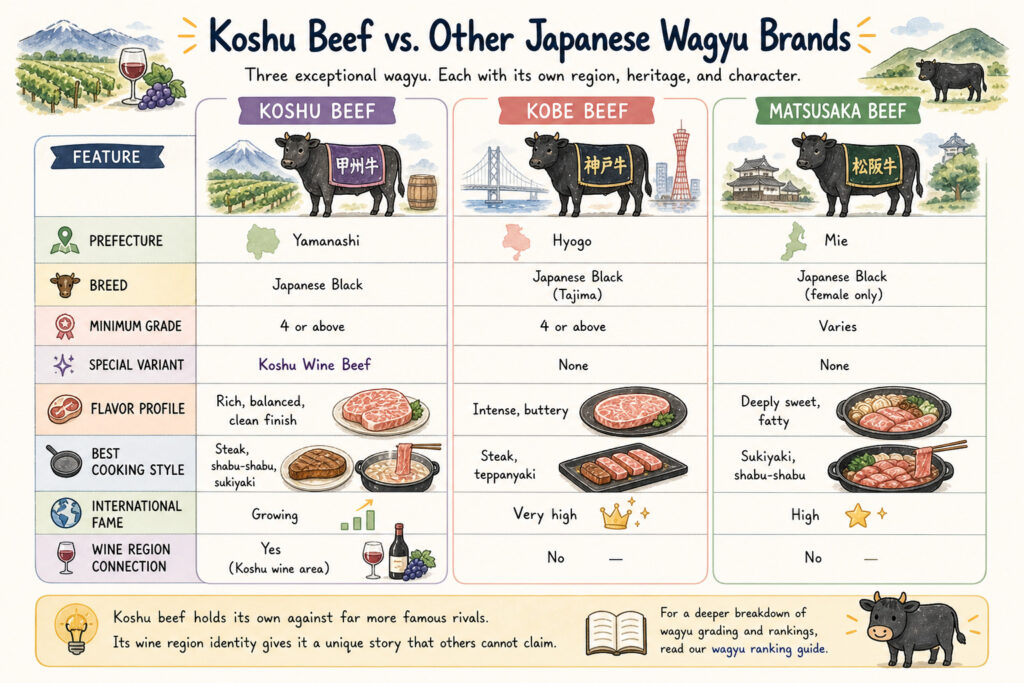
| Feature | Koshu Beef | Kobe Beef | Matsusaka Beef |
|---|---|---|---|
| Prefecture | Yamanashi | Hyogo | Mie |
| Breed | Japanese Black | Japanese Black (Tajima) | Japanese Black (female only) |
| Minimum Grade | 4 or above | 4 or above | Varies |
| Special Variant | Koshu Wine Beef | None | None |
| Flavor Profile | Rich, balanced, clean finish | Intense, buttery | Deeply sweet, fatty |
| Best Cooking Style | Steak, shabu-shabu, sukiyaki | Steak, teppanyaki | Sukiyaki, shabu-shabu |
| International Fame | Growing | Very high | High |
| Wine Region Connection | Yes (Koshu wine area) | No | No |
Koshu beef holds its own against far more famous rivals. Its wine region identity gives it a unique story that others cannot claim. For a deeper breakdown of wagyu grading and rankings, read our wagyu ranking guide.
The History of Koshu Beef
Cattle farming in Yamanashi has roots stretching back several centuries. Mountain communities relied on draft cattle for farming on steep terrain. These animals were not raised for beef initially.
The shift toward beef production accelerated during the Meiji era in the late 19th century. Japan opened to Western food culture during this period, and demand for beef began growing steadily. Yamanashi farmers recognized the quality potential of their locally raised animals.
Formal branding of Koshu beef developed during the latter half of the 20th century. The Yamanashi Meat Industry Association worked to establish consistent quality standards. Strict grading requirements took shape gradually through this process.
The Koshu Wine Beef concept emerged more recently, likely gaining traction during the 2000s and 2010s. Yamanashi’s identity as a wine-producing region provided the creative foundation. Linking two of the prefecture’s signature products made immediate sense to local producers.
Today, Koshu beef appears on menus at restaurants across Yamanashi and in specialty beef restaurants throughout Japan. Export interest has grown slowly but steadily. Awareness among international food travelers continues to build each year.
How to Enjoy Koshu Beef in Yamanashi
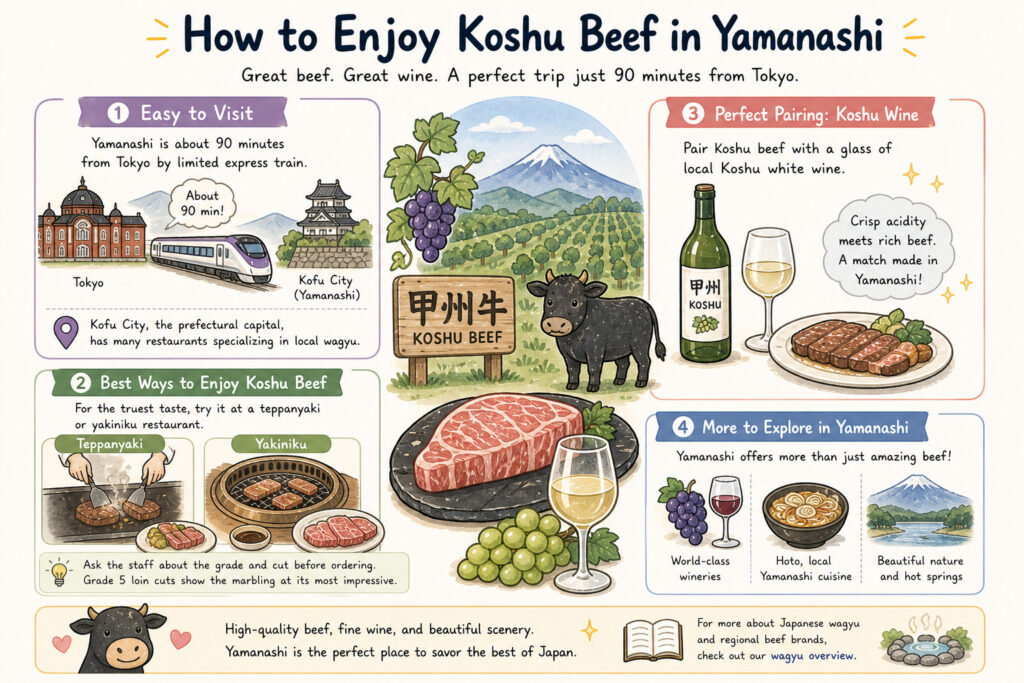
Visiting Yamanashi specifically for Koshu beef is not as unusual as it might sound. The prefecture sits about 90 minutes from Tokyo by limited express train. Kofu City, the prefectural capital, has multiple restaurants specializing in local wagyu.
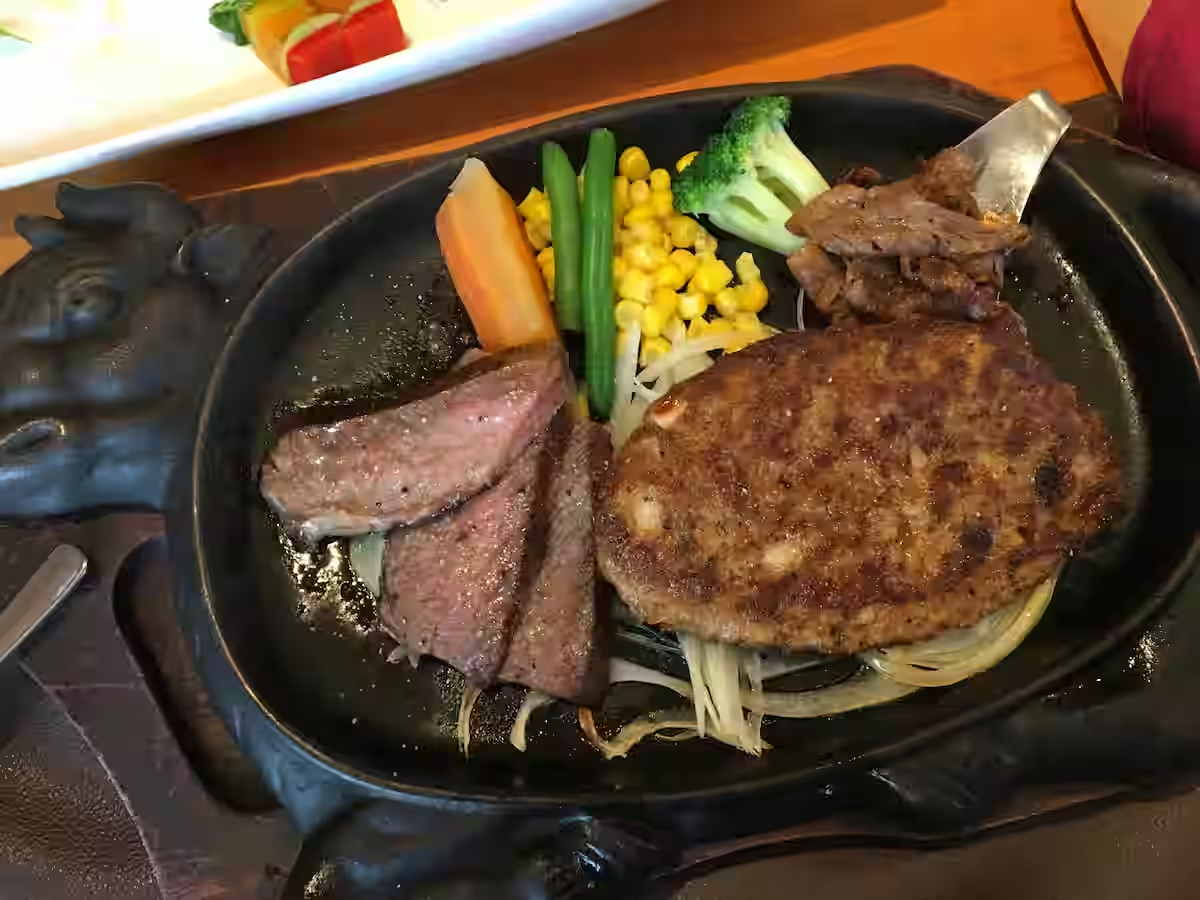
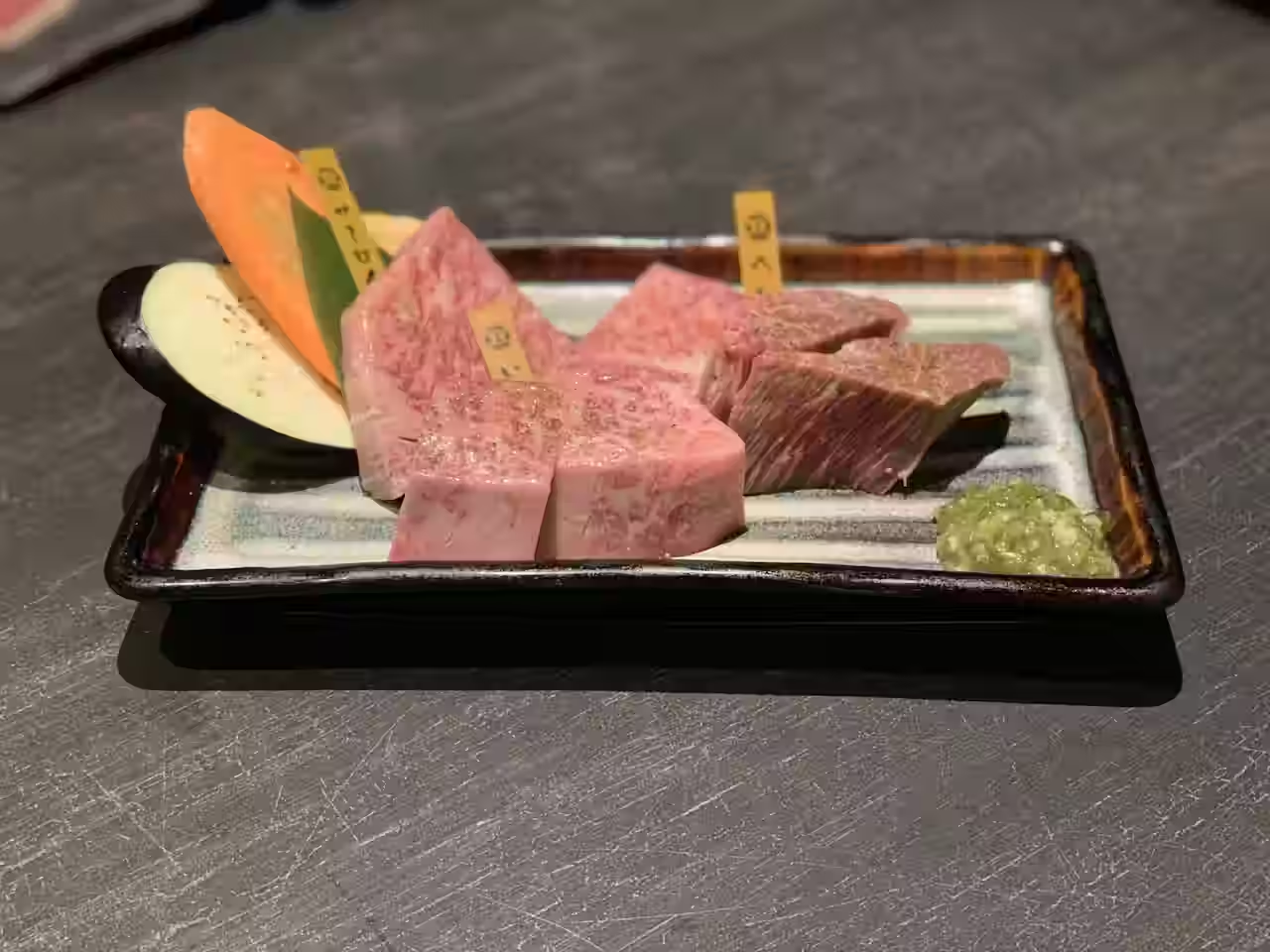
Ordering a Koshu beef steak experience at a teppanyaki or yakiniku restaurant gives you the clearest sense of the meat’s quality. Ask the staff about the grade and cut before ordering. Grade 5 loin cuts tend to show the marbling at its most impressive.
Pairing Koshu beef with a glass of local Koshu white wine feels almost mandatory in Yamanashi. The wine’s crisp acidity cuts through the richness of the beef cleanly. It is one of those regional food and drink pairings that just works.
For visitors wanting to explore more of what Yamanashi’s food scene offers, our Japanese wagyu overview covers a wide range of regional beef brands worth knowing.
Related Articles
Japanese Wagyu: Everything You Need to Know
Grades, breeds, regional brands, marbling explained for beginners and enthusiasts.
→
Yamanashi Beef
Koshu Beef FAQ
What is Koshu Beef?
It is a premium Wagyu beef from Yamanashi Prefecture. Farmers raise the black cattle using high-quality local water and feed. Food lovers know it for its rich marbling and soft texture.
Where does Koshu Beef come from?
This luxury meat originates from Yamanashi Prefecture. Local farmers have cultivated this specific regional brand since the late 20th century to rival other famous Japanese beef.
What does Koshu Beef taste like?
It has a deeply savory and sweet umami flavor. The texture feels incredibly tender and melts instantly. Diners often compare it to eating rich, savory butter.
Where can I eat Koshu Beef in Japan?
You will find the best cuts right in Yamanashi Prefecture. Famous areas include Kofu City and the Fuji Five Lakes region. High-end steakhouses and hot spring ryokans also serve this premium wagyu.
How much does Koshu Beef cost?
A high-quality steak dinner typically costs between 8,000 and 20,000 yen per serving. Prices vary greatly depending on the restaurant and the specific cut you select.
Is Koshu Beef vegetarian or vegan friendly?
This ingredient consists entirely of animal meat. Vegans and vegetarians cannot eat this specific product, but they can easily order local vegetable dishes at the same restaurants.
What are the main ingredients in Koshu Beef dishes?
The main ingredients in a classic steak dinner include the premium meat, sea salt, and fresh local wasabi. The highly marbled fat gives the dish its distinctive melt-in-your-mouth richness.
Can I cook Koshu Beef at home?
Yes, you can easily cook it at home. Premium butchers in Yamanashi sell these high-quality cuts. Home cooks grill the meat perfectly with just a hot pan and a little salt.
What is the difference between Koshu Beef and Kobe Beef?
The main difference involves the farming location and brand recognition. Farmers raise the Yamanashi specialty near Mount Fuji, while Hyogo farmers produce the famous Kobe variety.
Is Koshu Beef popular outside Japan?
It remains relatively unknown outside Japan compared to other famous Wagyu brands. You will rarely find this specific regional meat at restaurants in North America or Europe. This rare ingredient successfully maintains its exclusive status completely within Japan.
References
- Yamanashi Prefecture Agricultural Marketing Division – Koshu Beef Brand Standards and Production Data (2023): https://www.pref.yamanashi.jp
- Japan Meat Grading Association – Beef Carcass Grading Standards Overview (2023): https://www.jmga.or.jp
- Ministry of Agriculture, Forestry and Fisheries Japan – Branded Wagyu Regional Production Report (2022): https://www.maff.go.jp
- Yamanashi Wine and Grape Research Center – Koshu Wine Beef Development Background (2022): https://www.yamanashi.ac.jp
- Japan Food Journal – Regional Wagyu Brand Profiles and Market Trends (2023): https://www.japanfoodjournal.com




Comments