




Tucked deep in the mountains of Yamanashi Prefecture, there is a fermented food that most people outside Japan have never heard of. It does not get the global fame of miso or soy sauce. Yet Shoyu no Mi quietly holds a special place in the food culture of the Asahiyasu area in Minami Alps City. It is humble. It is honest. And once you taste it, it is hard to forget.
What Is Shoyu no Mi?
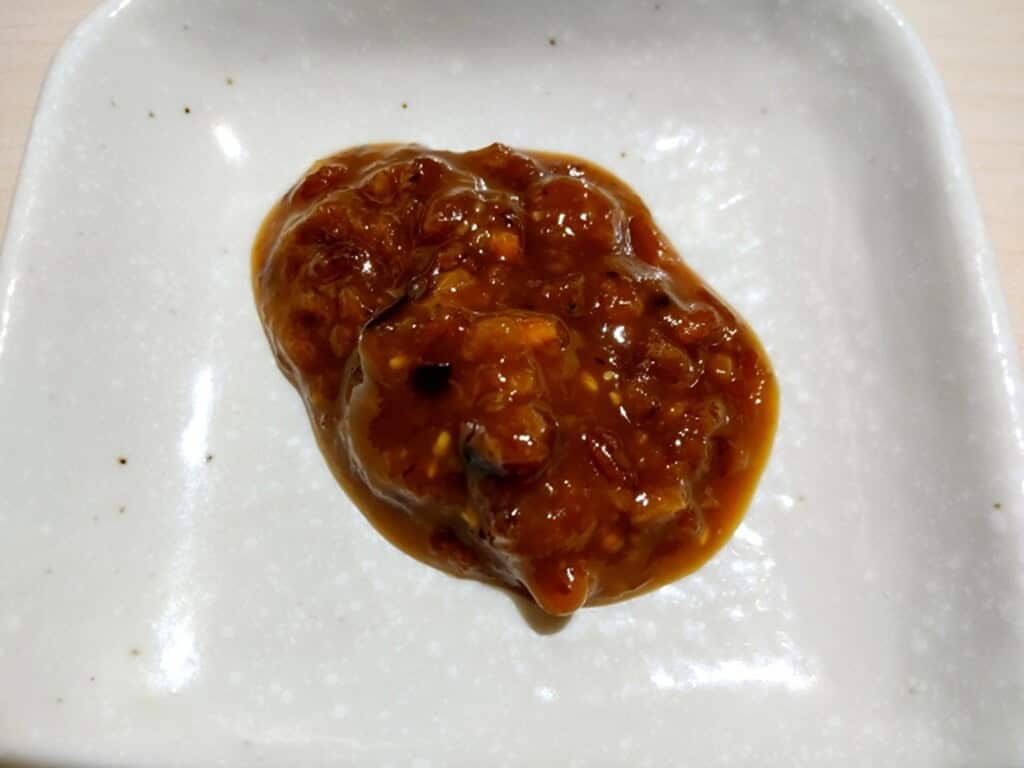
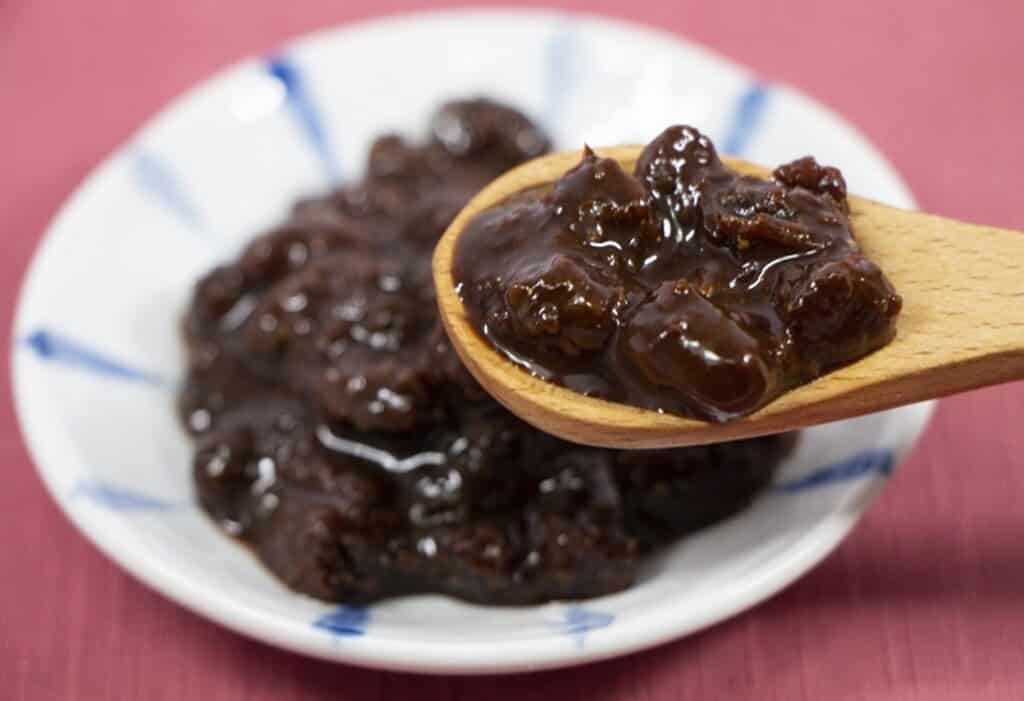
Shoyu no Mi (しょうゆの実) is a traditional Japanese fermented soybean food from the Asahiyasu district of Minami Alps City in Yamanashi Prefecture. The name literally translates to “soy sauce beans” or “seeds of soy sauce.” Interestingly, that name hints at its origin — families once made it as a byproduct of homemade soy sauce production.
The basic process starts with boiling soybeans until soft. Next, cooks mix in wheat koji (fermentation starter). The beans then rest in a straw-lined wooden box, wrapped in towels and blankets to keep the temperature around 20°C (68°F). Over several days, white and then black mold blooms on the beans. Once the beans dry fully, they become shelf-stable. To eat them, you rehydrate the beans in water and a splash of sake, add a pinch of salt, and wait about a week. The result is something deeply savory, earthy, and satisfying.
You might wonder: is it like natto? Not quite. Shoyu no Mi has no stickiness at all. The umami is rich, but the texture is firm and grainy. In other words, think somewhere between a dense miso and a seasoned whole soybean.
Why Is Shoyu no Mi Famous in Yamanashi?
Asahiyasu sits in a steep, high-altitude valley where flat farmland is rare. The terrain and cold climate made rice cultivation difficult. However, soybeans and barley thrived in those conditions. As a result, families relied on whatever the land could give them. Soybeans became a protein staple. Making soy sauce at home was common, and consequently, the leftover fermented beans became a food in their own right.
The name “shoyu no mi” stuck. Families ate it on top of barley rice, kept it through long winters, and shared it at family tables. In short, Shoyu no Mi was not a luxury. It was necessity turned into tradition.
Today, fewer households make it from scratch. The process demands careful daily temperature management. For instance, Yoshiko Natori of a local minshuku (family inn) called Natoriya — who has made it for over 20 years — describes the attention required as being like raising a newborn: constantly adjusting what covers the box depending on the indoor and outdoor temperature. That kind of care grows harder to maintain as the local population ages.
Even so, the tradition has not disappeared. Local inns still serve it. Moreover, the Yamanashi prefectural government now certifies it as part of “Yamanashi no Shoku” (Yamanashi’s Heritage Foods). Food travelers, too, are beginning to seek it out.
Shoyu no Mi vs. Other Fermented Soybean Foods
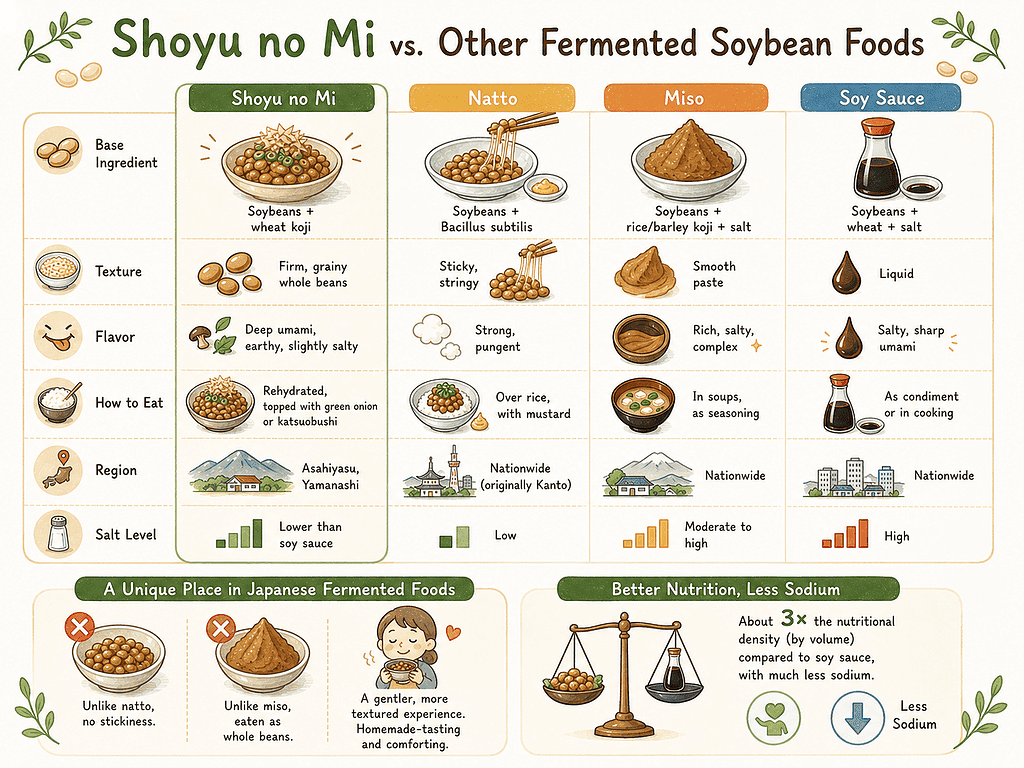
If you already know Japanese fermented foods, the comparison below will help place Shoyu no Mi in context.
| Feature | Shoyu no Mi | Natto | Miso | Soy Sauce |
|---|---|---|---|---|
| Base ingredient | Soybeans + wheat koji | Soybeans + Bacillus subtilis | Soybeans + rice/barley koji + salt | Soybeans + wheat + salt |
| Texture | Firm, grainy whole beans | Sticky, stringy | Smooth paste | Liquid |
| Flavor | Deep umami, earthy, slightly salty | Strong, pungent | Rich, salty, complex | Salty, sharp umami |
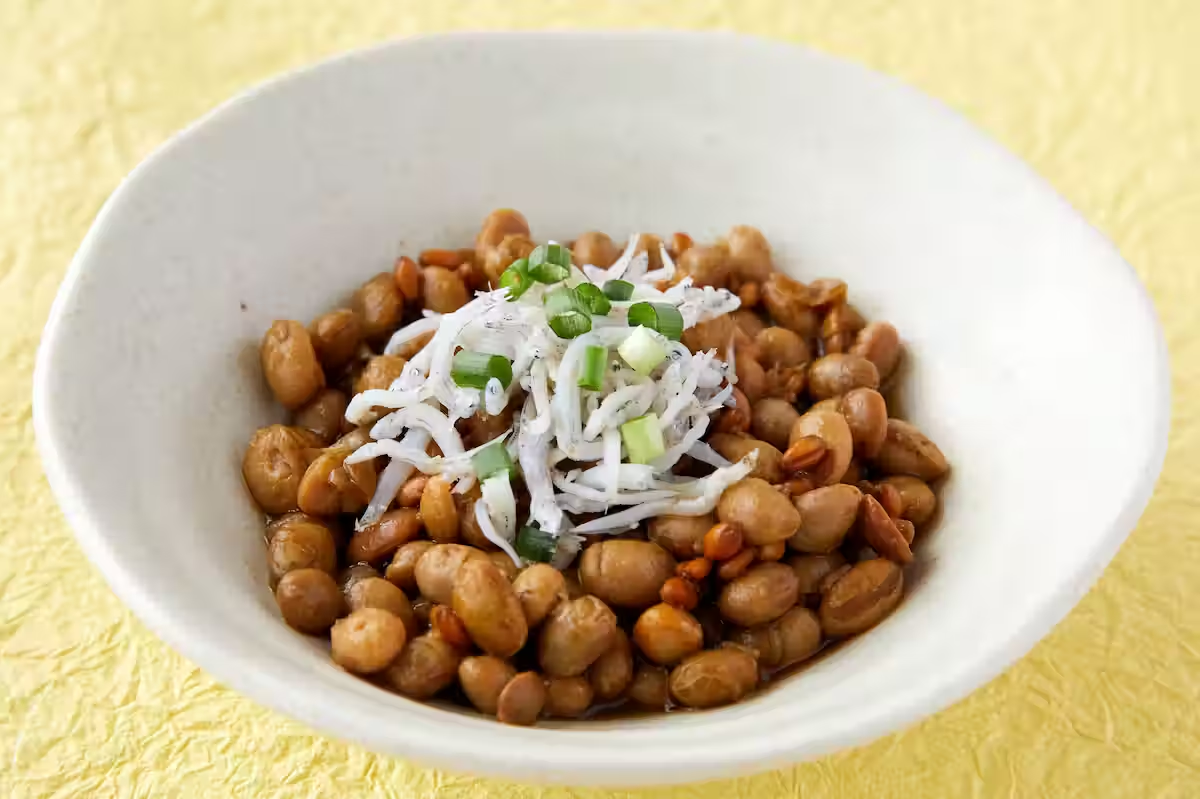
| How to eat | Rehydrated, topped with green onion or katsuobushi | Over rice, with mustard | In soups, as seasoning | As condiment or in cooking |
| Region | Asahiyasu, Yamanashi | Nationwide (originally Kanto) | Nationwide | Nationwide |
| Salt level | Lower than soy sauce | Low | Moderate to high | High |
The table makes one thing clear. Shoyu no Mi occupies a unique space in the Japanese fermented food landscape. Unlike natto, it carries no stickiness. In contrast to miso, you eat it as whole beans, not as a paste. Some describe it as a gentler, more textured fermented experience. Others simply call it the most “homemade-tasting” fermented soy food they have ever tried.
Furthermore, the nutritional angle deserves attention. Compared to soy sauce, Shoyu no Mi reportedly delivers roughly three times the nutritional density by equivalent volume, with significantly lower sodium. Therefore, for health-conscious eaters — or those reducing salt intake — this difference is a real advantage.
Taste, Texture, and How to Eat It
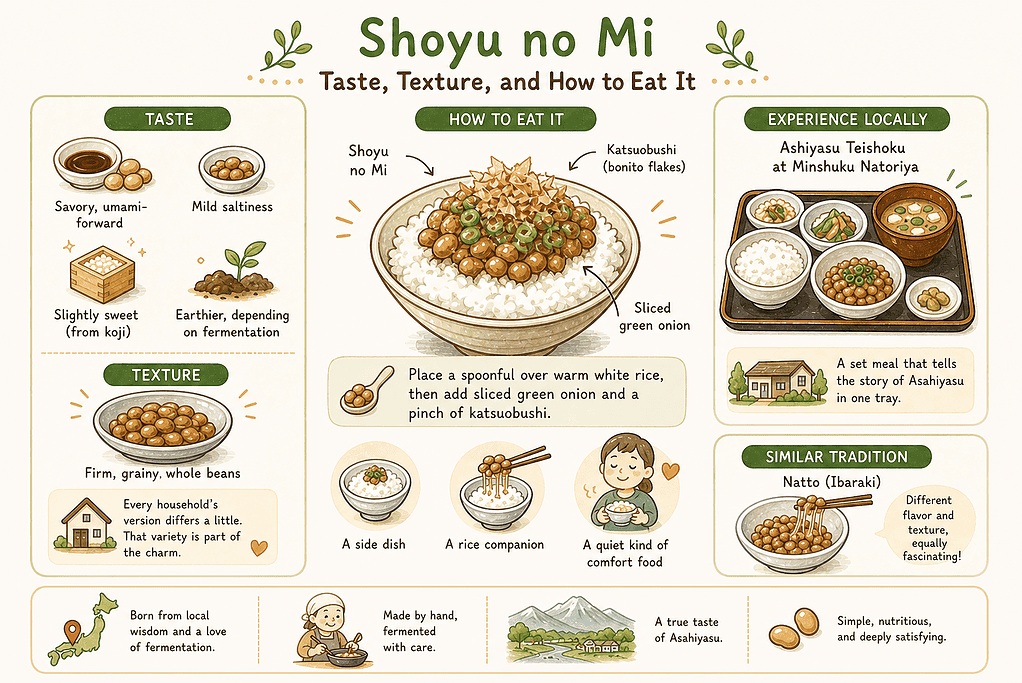
The rehydrated beans carry a subtle soy sauce-like aroma. The taste is savory and umami-forward, with a mild saltiness that does not overwhelm. Some batches lean slightly sweet because of the koji activity. Others turn earthier, depending on how long fermentation runs. Every household’s version differs a little. That variety, in fact, is part of the charm.
The most traditional way to eat Shoyu no Mi is refreshingly simple. Place a spoonful over warm white rice, then add sliced green onion and a pinch of katsuobushi (bonito flakes). That combination — the soft salty beans, the fresh bite of green onion, the smoky shaved fish — captures the local everyday experience well. It is a side dish, a rice companion, and a quiet kind of comfort food all at once.
At the minshuku Natoriya in Asahiyasu, guests can order “Ashiyasu Teishoku” — a set meal with Shoyu no Mi as a featured dish. For a food traveler, that meal tells an entire regional story on one tray.
Additionally, for those interested in exploring similar fermented soybean traditions from Japan, natto from Ibaraki offers a fascinating comparison point, though the flavor profile and texture are quite different.
The History of Shoyu no Mi
Shoyu no Mi traces its roots to a time when mountain villages made their own soy sauce at home. Families in Asahiyasu would soak and ferment soybeans for soy sauce production. After pressing out the liquid to create shoyu, they did not discard the remaining fermented beans. Instead, people ate them, seasoned them, and passed them around at the table. Gradually, the beans themselves became the tradition — arguably more central than the liquid they once supported.
Historically, the food belonged to the broader Kochu region’s culinary culture. Over time, however, it became concentrated in Asahiyasu, where families still make it by hand today. Yamanashi Prefecture has since added it to its regional heritage foods database, specifically to preserve culinary knowledge that might otherwise vanish within a generation.
Production season starts around mid-October, when soybean harvests begin. It naturally aligns with the onset of cold weather — precisely the same period when mountain communities historically needed preserved foods most. That seasonal rhythm still shapes the practice today.
Shoyu no Mi for Visitors and Food Travelers
If you plan a trip into the mountains of Yamanashi — especially toward the Minami Alps or the nearby hot spring area — Asahiyasu sits within easy reach. Local minshuku meals remain the best way to taste Shoyu no Mi as people intend it. Commercially, the food does not travel well, although occasional small-batch producers do sell dried versions.
Notably, vegans and vegetarians will find Shoyu no Mi a natural fit. In its traditional form, it contains only soybeans, wheat koji, water, and salt. As fermented plant-based protein sources gain global attention, Shoyu no Mi fits naturally into that wider conversation — even though people in Asahiyasu have eaten it that way for generations without any particular fanfare.
There is something meaningful about a food this old that people still make by hand in their own kitchens. Families did not design it for export or social media. They built it for a cold mountain winter and a bowl of steaming rice. That simplicity is, arguably, its greatest quality.
References
- Ministry of Agriculture, Forestry and Fisheries of Japan — “Uchi no Kyodo Ryori” (Our Regional Cuisine): Shoyu no Mi, Yamanashi (2020) https://www.maff.go.jp/j/keikaku/syokubunka/k_ryouri/search_menu/menu/shouyu_nomi_yama_nashi.html
- Yamanashi Prefectural Government — Yamanashi no Shoku Database: Shoyu no Mi (2023) https://www.pref.yamanashi.jp/shokuhin-st/shokuiku/yamanashinoshoku/shouyunomi.html
- Minami Alps Tourism Association — “Asahiyasu Fermented Preserved Food: Shoyu no Mi” (2018) https://minami-alpskankou.jp/?p=1943
- Yahoo! Japan News / YBS Yamanashi Broadcasting — “Traditional Regional Food Shoyu no Mi: Passing Down Local Food Culture in Minami Alps City” (2024) https://news.yahoo.co.jp/articles/55b9827e21dfb661aa1dfeb4467c241dfd6d37a5




Comments