




If you think Italy holds a monopoly on great pasta, think again. Deep in Gunma Prefecture, about 90 kilometers northwest of Tokyo, sits a city called Takasaki. And Takasaki has a secret. Locals call it the “pasta city” of Japan. That label might sound strange at first. But once you understand the history, it starts to make a lot of sense.
This article covers everything about 高崎パスタ (Takasaki pasta). What it is, why it exists, and what makes it worth a detour.
What Is Takasaki Pasta?
Takasaki pasta is not a single dish. It is a local food culture. The term refers to Japanese Western-style pasta dishes served at restaurants throughout Takasaki City. These dishes tend to be hearty. They lean on local ingredients. And they come in portions that many first-time visitors find surprisingly large.
A standard plate of Takasaki pasta often weighs 150 to 200 grams of noodles. Regular pasta portions in Japan typically hover around 100 grams. So yes, you will leave full. In fact, that generosity is a deliberate part of the culture, not just a happy accident.
If you enjoy exploring Japanese local food culture, Takasaki pasta offers a fascinating example of how regional identity can grow around an unexpected dish.
Why Is Takasaki Called the Pasta City in Japan?
Here is the question most visitors ask first. Why pasta? Japan has ramen, soba, udon. Why would a mid-sized city in landlocked Gunma become famous for Italian-style noodles?
The answer starts with wheat.
Gunma Prefecture is one of Japan’s leading wheat-producing regions. Farmers here have practiced double-cropping for generations, growing wheat in winter alongside rice. The dry northern winds and well-drained soil create excellent conditions. This strong wheat culture naturally encouraged a broader “flour food” tradition across the region. Udon, yaki-manju (roasted sweet buns), and eventually pasta all grew from that same root.
Still, wheat alone does not explain everything. The city of Takasaki also benefited from its position as a commercial hub. It sits at a major rail junction. Post-war prosperity came relatively quickly here. That prosperity created appetite, both literally and figuratively, for Western-style dining. Restaurants opened. Competition grew. A culture took shape.
The History of Takasaki Pasta: It Started in 1968
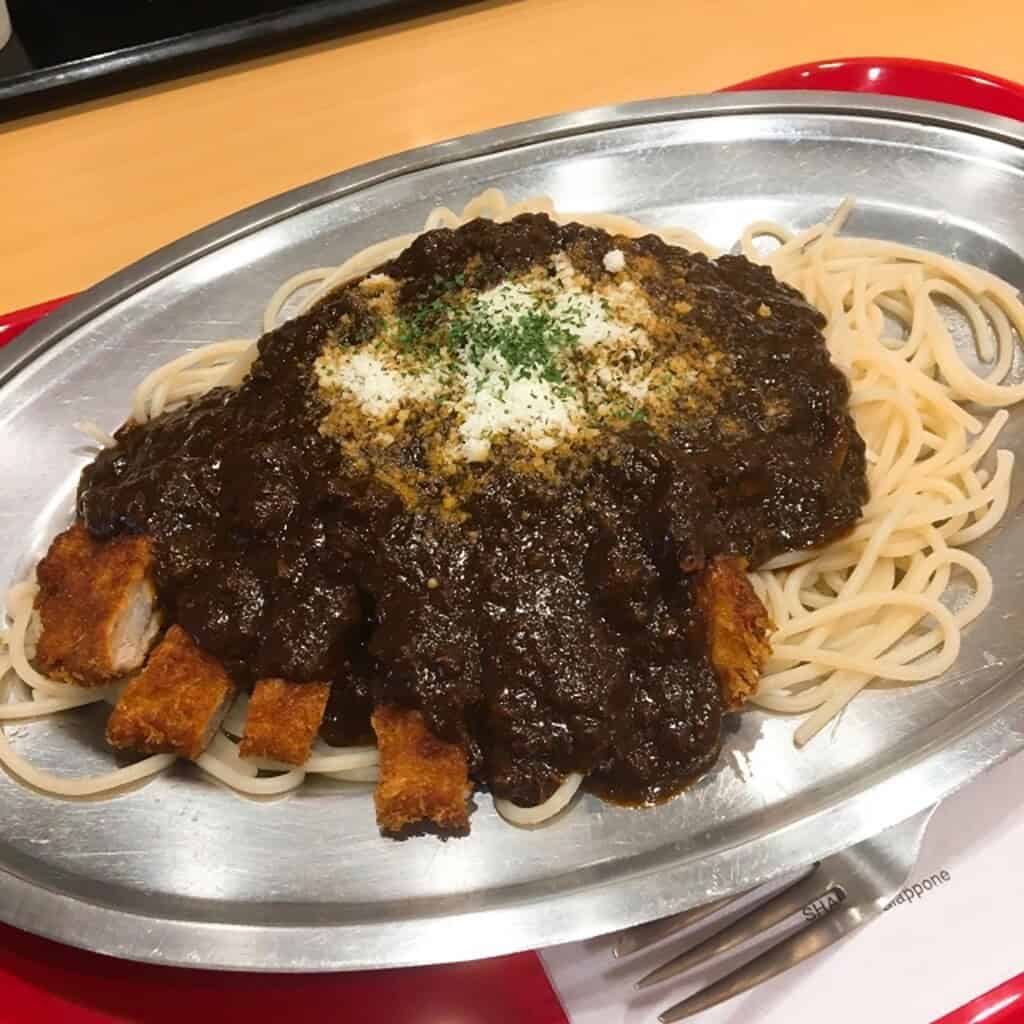
The story has a clear starting point. In 1968, a man named Shoichiro Sekizaki opened a spaghetti and curry restaurant in Takasaki. The restaurant was called Shango (シャンゴ). It would change the city forever.
Sekizaki had lived through the food shortages of World War II. That experience left a mark. When he opened his restaurant, he made a deliberate choice: every plate would be generous. Not just filling, but abundant. His portions became famous. Customers came back. Word spread.
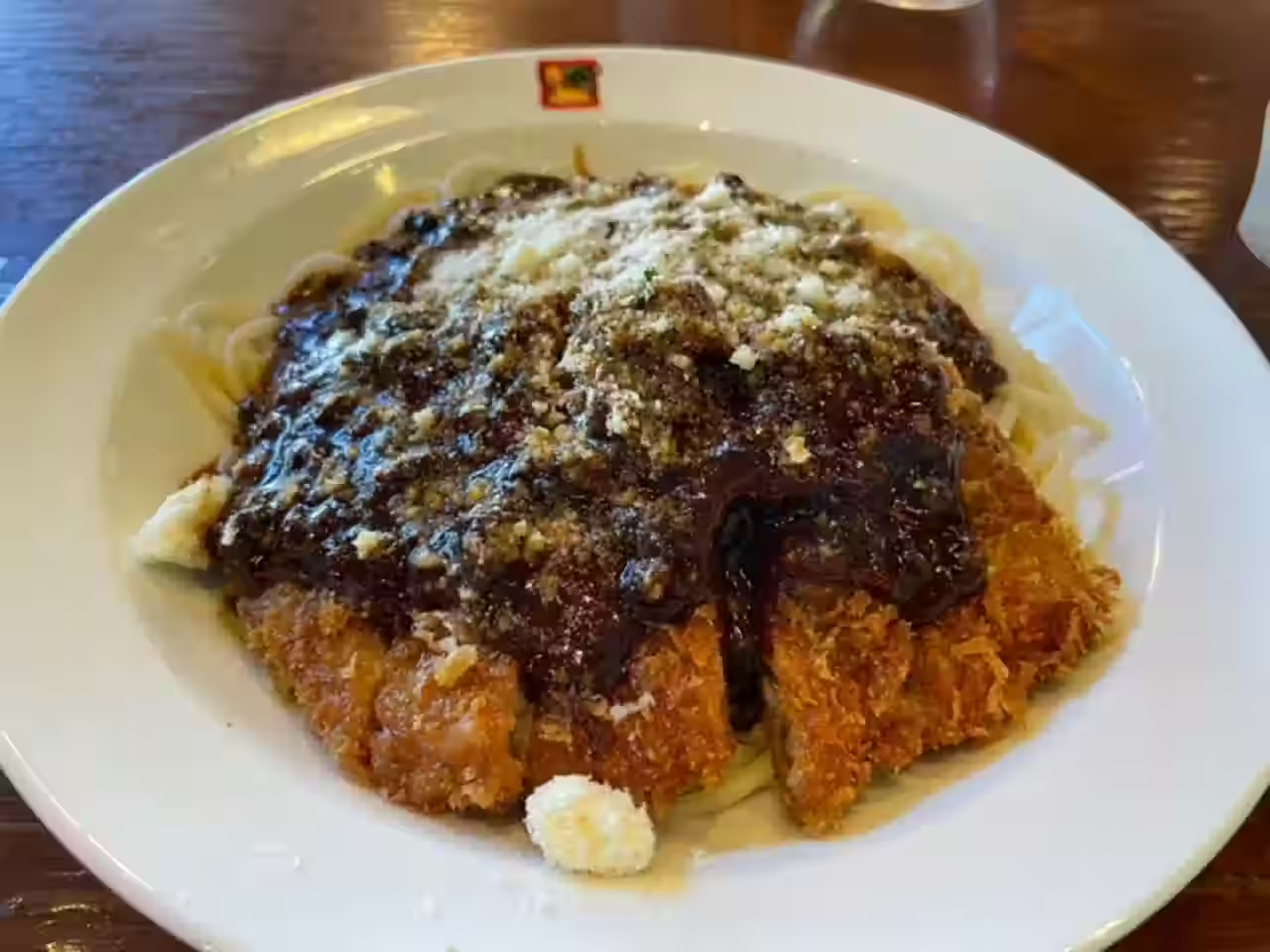
The “Shango-style spaghetti” became iconic. It features a thick, rich meat sauce piled on a large bed of pasta. On top sits a crisp, juicy pork cutlet. It sounds heavy. It is. But somehow it works, and it works well.
Other restaurants followed Shango’s lead. Some were trained by Sekizaki himself. Others developed their own versions. The Takasaki pasta scene grew organically, one restaurant at a time. By the time anyone thought to count, the city had more pasta restaurants per capita than almost anywhere else in Japan.
You can read more about the broader influence of Western-style food in Japan and how cities like Takasaki helped shape it.
What Makes Takasaki Pasta Different?
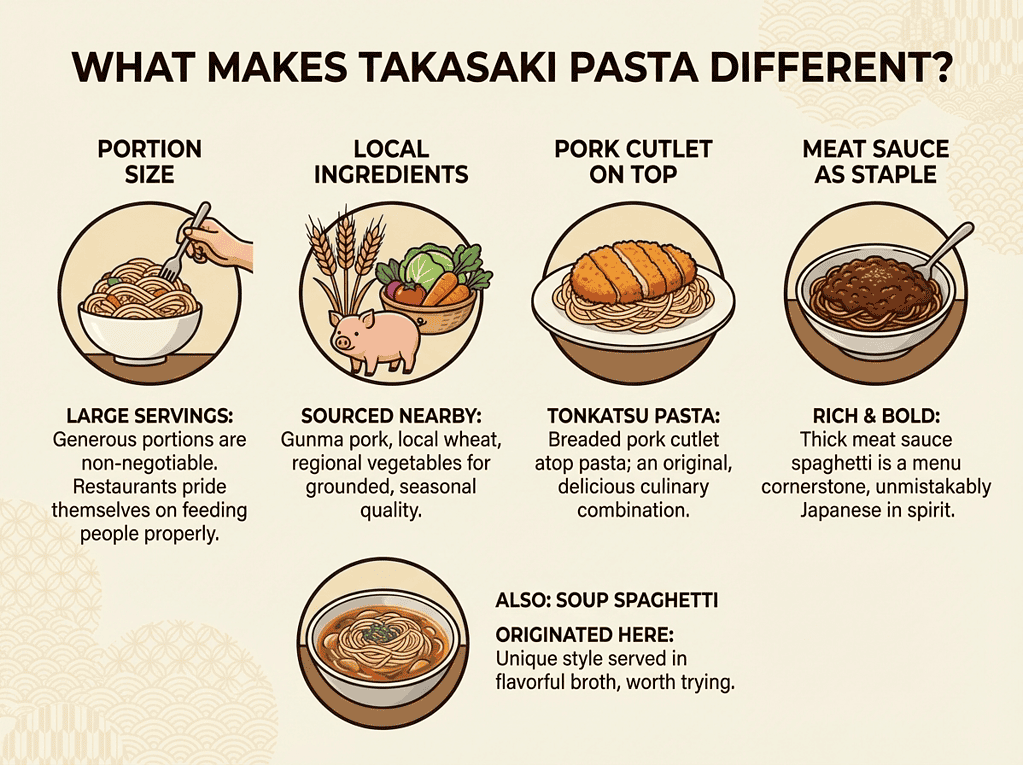
Four things stand out when you sit down to a plate of Takasaki pasta.
Portion size. As mentioned, the servings are large. This is non-negotiable. Restaurants here take pride in feeding people properly.
Local ingredients. Gunma’s famous pork, local wheat, regional vegetables: the best Takasaki pasta restaurants source ingredients nearby. This gives the dishes a grounded, seasonal quality.
Pork cutlet on top. The pork cutlet pasta, or tonkatsu pasta, is arguably the most distinctive feature. Placing a breaded cutlet atop a pasta dish sounds like culinary madness. But this combination is genuinely delicious, and it originated here.
Meat sauce as a staple. Rich, thick meat sauce spaghetti is a cornerstone of the menu at most restaurants. It is not the delicate bolognese of a Florentine trattoria. It is something bolder, richer, unmistakably Japanese in spirit.
One more dish deserves mention: soup spaghetti. Takasaki is credited as the origin of this style, where pasta is served in a flavorful broth rather than a dry sauce. Unusual by any standard. Worth trying.
The King of Pasta Event
Since 2009, Takasaki has hosted an annual competition called the “King of Pasta.” It takes place every November. Pasta restaurants from across the city compete. Each one presents a signature dish made from local Gunma ingredients. Customers vote. A champion is crowned.
The event has become a major draw. It brings visitors from Tokyo and beyond. It also pushes restaurants to innovate each year. The result is a constantly evolving local food scene that rarely feels stagnant.
Dishes using local Gunma pork, like “Joshu Mugibuta” (barley-fed pork), have appeared as winning entries. This pork is raised on a diet heavy in barley, which reduces the gamey smell and produces a cleaner, more delicate flavor. Paired with cream sauce pasta and a splash of sudachi citrus, it is the kind of meal that lingers in memory.
For food lovers planning a trip, checking the event dates is worth it. The local food events in Japan page has more on similar gatherings across the country.
Where to Eat Takasaki Pasta in Gunma
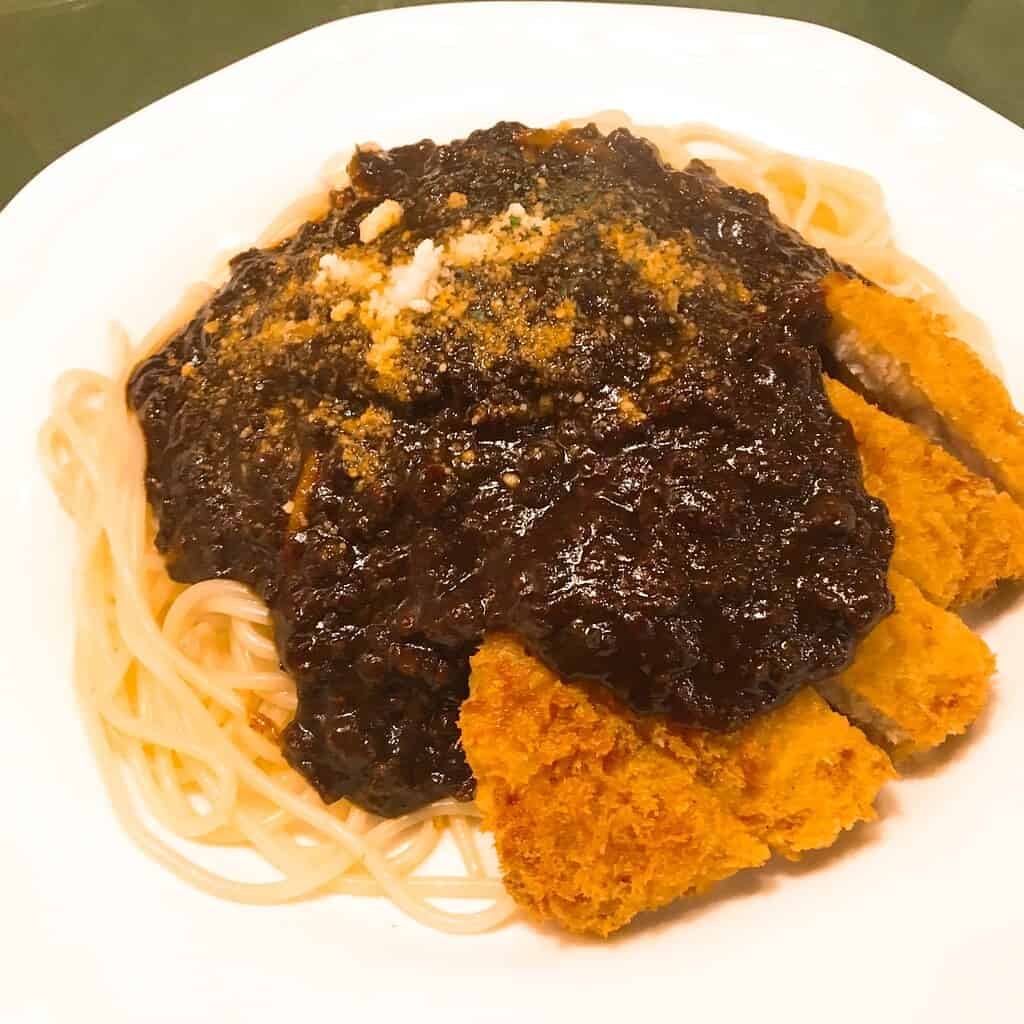
Starting with Shango makes sense for first-timers. The original Tonyamachi branch sits a short walk from a local station. It is the restaurant that started everything. Arrive hungry.
Beyond Shango, Delmundo is a beloved spot run by a Shango-trained chef. The ham bourgeois dish, a hamburger patty over spaghetti in meat sauce, is a local favorite. Casual, filling, and reasonably priced.
Dozens of other restaurants fill Takasaki’s downtown area. The concentration is genuinely surprising for a city of this size. Walking around, you will spot pasta shops between convenience stores and izakayas. It becomes clear, quickly, that pasta here is not a trend. It is simply what people eat.
Takasaki is easily accessible from Tokyo by Shinkansen. The ride takes under an hour. Pair a pasta lunch with a visit to Haruna Shrine or the nearby Ikaho onsen for a full day trip.
Takasaki Pasta Today
The culture shows no signs of fading. New restaurants continue to open. Younger chefs are experimenting with ingredients while keeping the generous portions and local spirit intact. The King of Pasta event grows in attendance each year.
There is also growing interest from outside Japan. Food travelers and journalists have started paying attention. The idea that a mid-sized Japanese city developed its own deeply rooted pasta culture, independent of Italian influence, is a compelling story. It turns out it is also a delicious one.
Whether you approach it as culinary history or simply as a very good meal, Takasaki pasta rewards the curious. It is one of those rare local foods that genuinely could not exist anywhere else.
References
- Visit Gunma Prefecture Official Tourist Guide: https://www.visitgunma.jp/en/sightseeing/detail.php?sightseeing_id=151
- Gunma Official Tourist Guide (Tasting Gunma): https://www.visit-gunma.jp/en/discover/stories-and-guides/gunma-authentic-local-cuisine/
Takasaki Pasta FAQ
What is Takasaki Pasta?
Takasaki Pasta is a hearty Italian-style noodle dish from Gunma Prefecture. Chefs make it with large portions of spaghetti and rich, flavorful sauces. Food lovers know it for its massive serving sizes and creative soup-style broths.
Where does Takasaki Pasta come from?
Takasaki Pasta originates from Takasaki City. Local Italian restaurants have developed these unique, heavy pasta dishes since the 1960s.
What does Takasaki Pasta taste like?
Takasaki Pasta has a rich, savory, and highly comforting flavor. The texture feels satisfyingly chewy due to the perfectly boiled noodles. Diners often compare it to classic Italian-American soul food but with a unique Japanese twist.
Where can I eat Takasaki Pasta in Japan?
You will find the best Takasaki Pasta right in Takasaki City. Famous areas include the downtown district around Takasaki Station. Many specialized local diners serve these generous portions throughout the city.
How much does Takasaki Pasta cost?
Takasaki Pasta typically costs between 1,000 and 1,500 yen per serving. Prices vary slightly depending on the restaurant and the meat or seafood toppings you order.
Is Takasaki Pasta vegetarian or vegan friendly?
Traditional Takasaki Pasta often contains pork, beef, or seafood broths. Vegans and vegetarians can easily find tomato-based or garlic-oil options by asking the chef to remove the meat ingredients.
What are the main ingredients in Takasaki Pasta?
The main ingredients in Takasaki Pasta include dry spaghetti, rich tomato or soy-based sauces, garlic, and local pork. The massive portion of noodles gives the dish its distinctive filling character.
Can I make Takasaki Pasta at home?
Yes, you can easily make Takasaki Pasta at home. Grocery stores stock the key ingredients — dry spaghetti and rich meat sauces. Home cooks master these large, soup-style pasta bowls quickly with just a deep pan.
What is the difference between Takasaki Pasta and regular Italian pasta?
The main difference involves the serving size and the sauce volume. Takasaki Pasta features huge portions drowning in a rich, soup-like sauce, while regular Italian pasta relies on smaller portions lightly coated in sauce.
Is Takasaki Pasta popular outside Japan?
Takasaki Pasta remains relatively unknown outside Japan. You will rarely find it at Japanese or Italian restaurants in North America or Europe. This unique pasta culture successfully maintains its beloved local status exclusively within Gunma Prefecture.




Comments