




Have you ever spotted an amber, dense block in a Japanese specialty shop? It was probably tofu misozuke. It looks nothing like regular tofu. The smell is different too. One taste explains why people have made it for over 800 years. This guide covers what it is, how it tastes, its history, and where to find it.
What Is Tofu Misozuke?
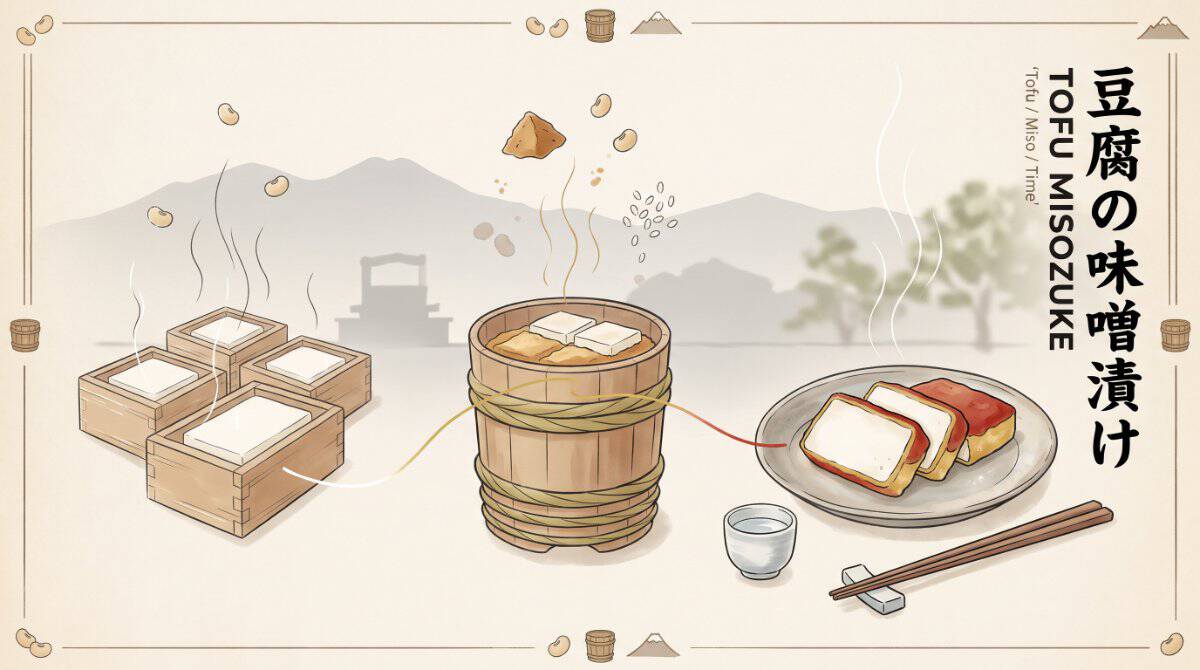
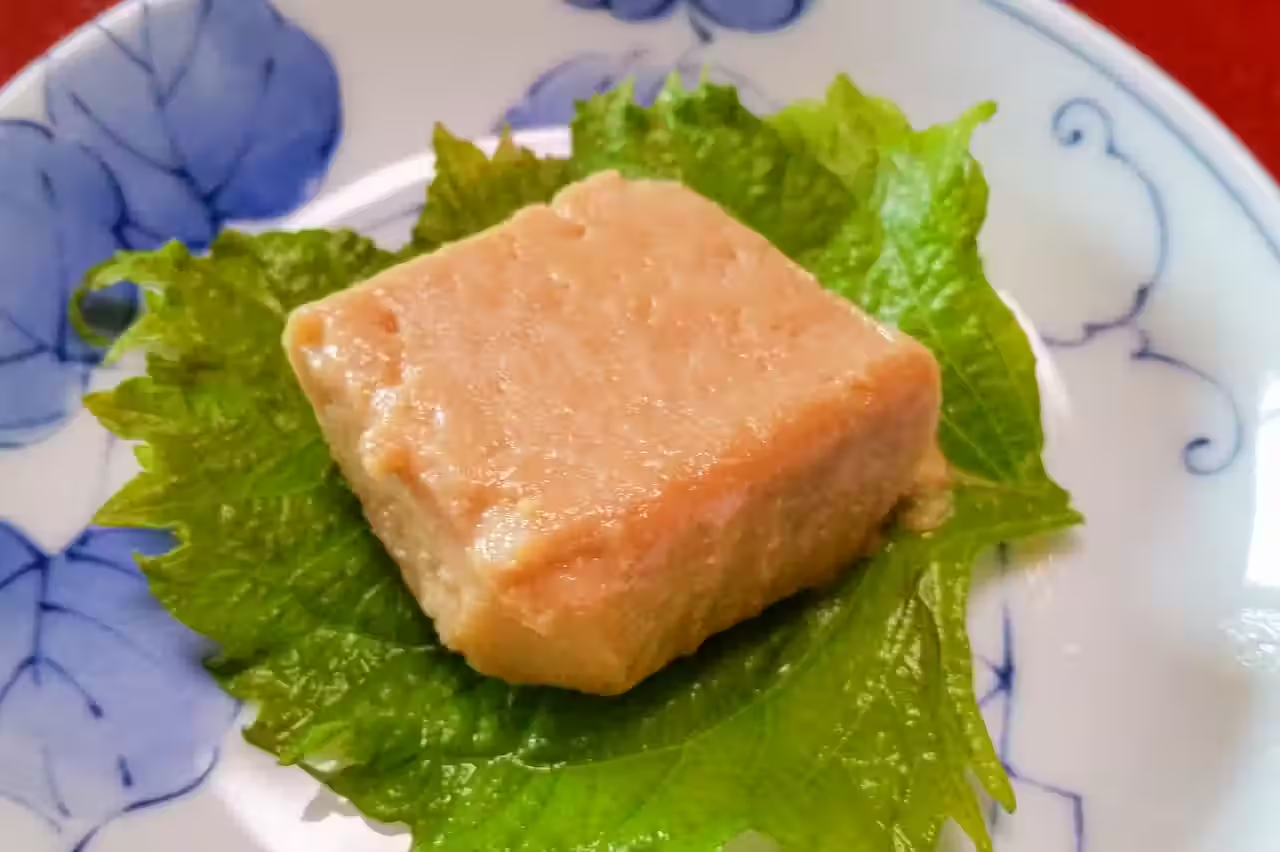
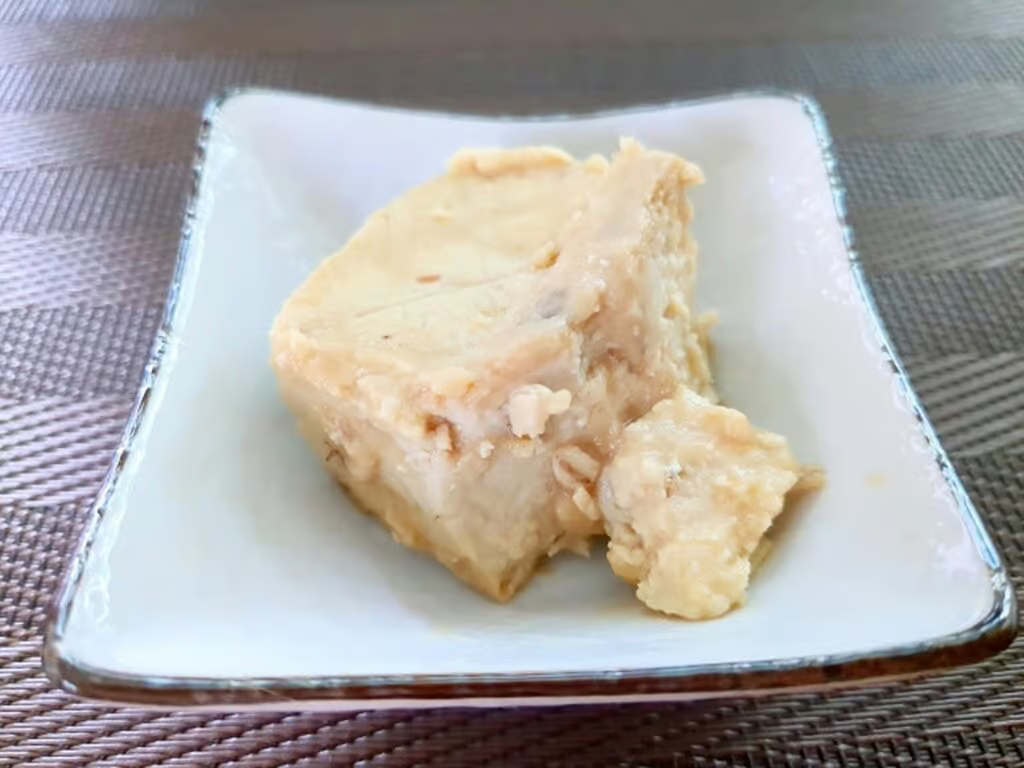
Tofu misozuke (豆腐の味噌漬け) is firm tofu aged in miso paste. “Misozuke” simply means “miso-pickled.” Many Japanese vegetables are preserved this way. Applied to tofu, though, the result is remarkable. The miso slowly draws moisture out of the tofu. It pushes umami and salt deep into the block. The result no longer resembles mild supermarket tofu. It becomes firm, concentrated, and intensely flavorful. Many people compare it to cream cheese or brie. Others say it recalls sea urchin.
The marinade typically combines miso, mirin, and sake. Some versions use moromi miso, a coarser, pungent style with whole grains. Others use sweet white miso for a gentler result. Aging ranges from a few days at home to six months commercially.
Why Is Tofu Misozuke So Highly Regarded?
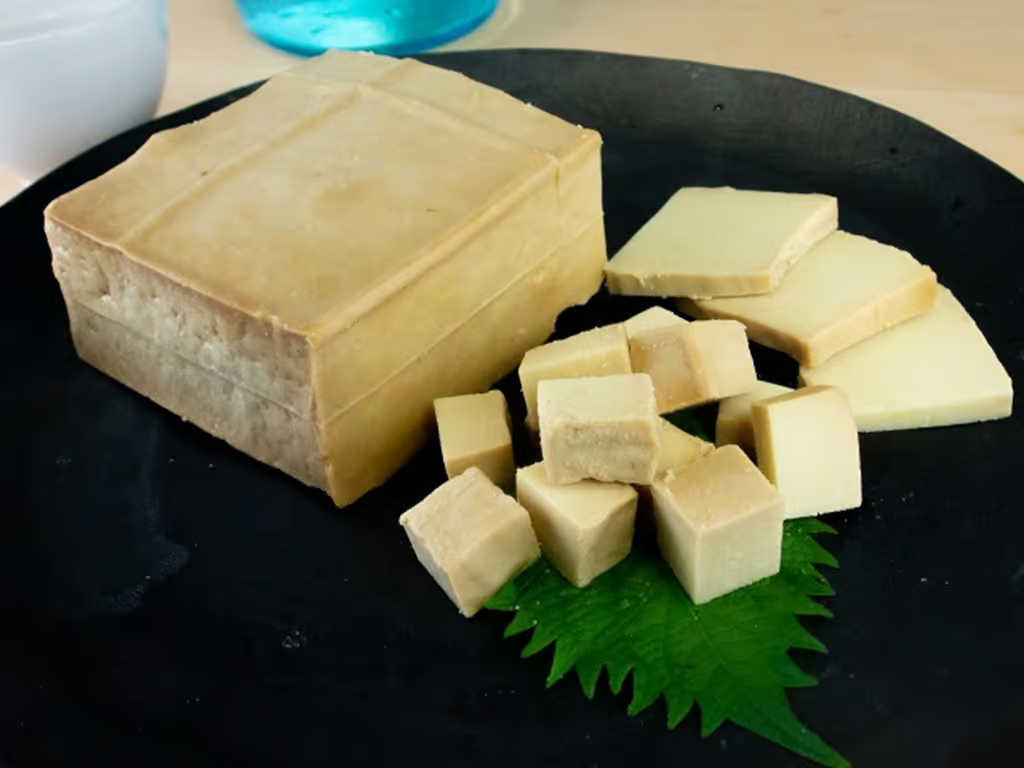
Fermented foods are common in Japan. So why does tofu misozuke stand out? Part of the answer is nutritional. Tofu is already protein-rich. Fermentation creates free amino acids, deepening the savory flavor. It is like what happens with aged cheese or cured meat. The result is a protein-rich food with genuinely complex taste.
History matters too. Tofu misozuke was never a luxury. It was survival food, born from necessity. That origin gives it a kind of quiet dignity. And the flavor itself is genuinely surprising. People who have eaten tofu all their lives do a double-take. The transformation is that dramatic. Japan’s Ministry of Agriculture now recognizes it as a heritage dish of Kumamoto’s Yatsushiro and Kuma areas.
What Does Tofu Misozuke Taste and Feel Like?
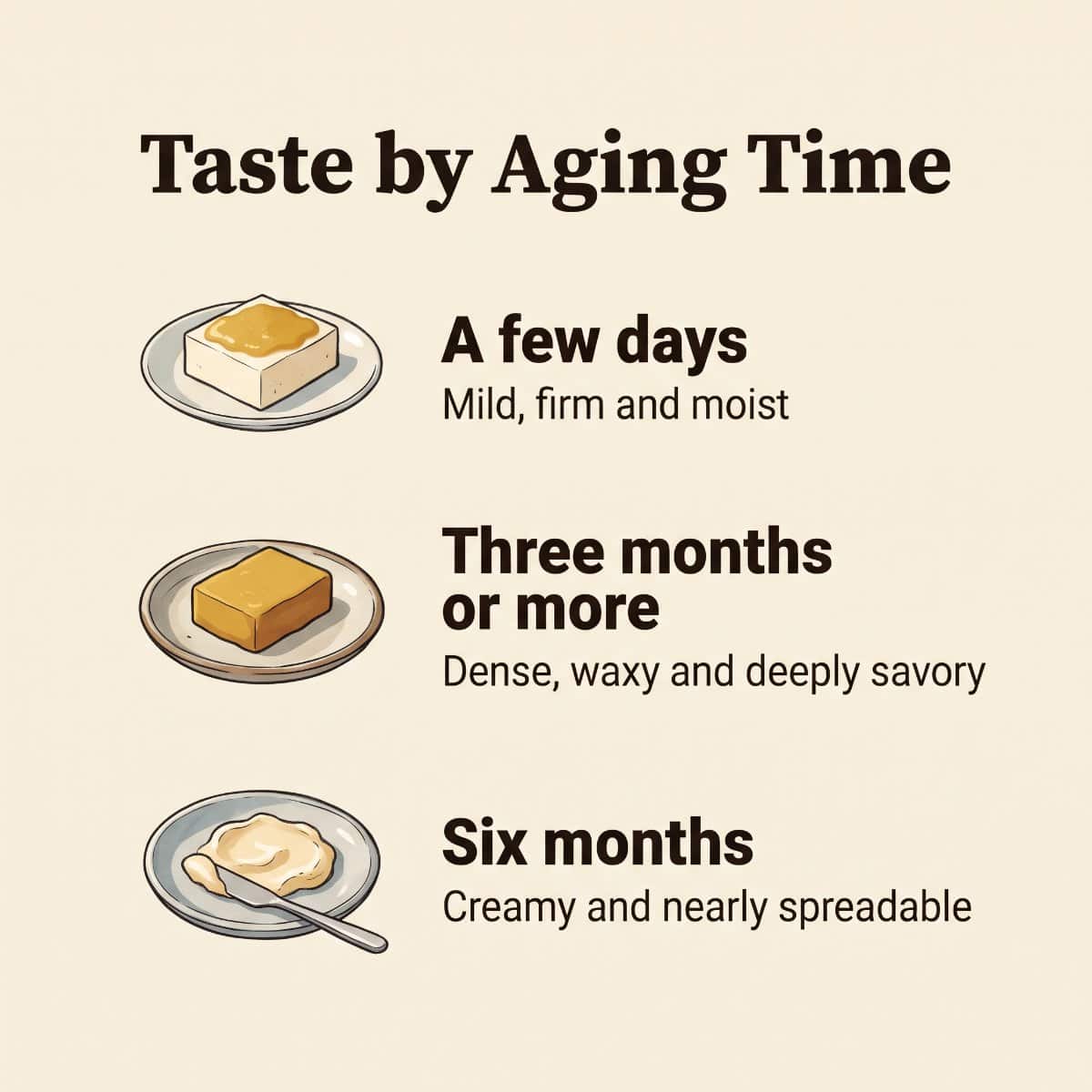
The answer depends on how long it has been aged. A younger misozuke, just a few days old, is mild. The miso flavor sits on the surface. The texture is firm but moist. It resembles a lightly seasoned fresh cheese.
Age it for three months or more, and everything shifts. The texture grows denser, almost waxy. The umami builds into something genuinely addictive. This is the version that earns the sea urchin comparison. Good aged misozuke melts slightly on the tongue. It is creamy despite containing no dairy at all.
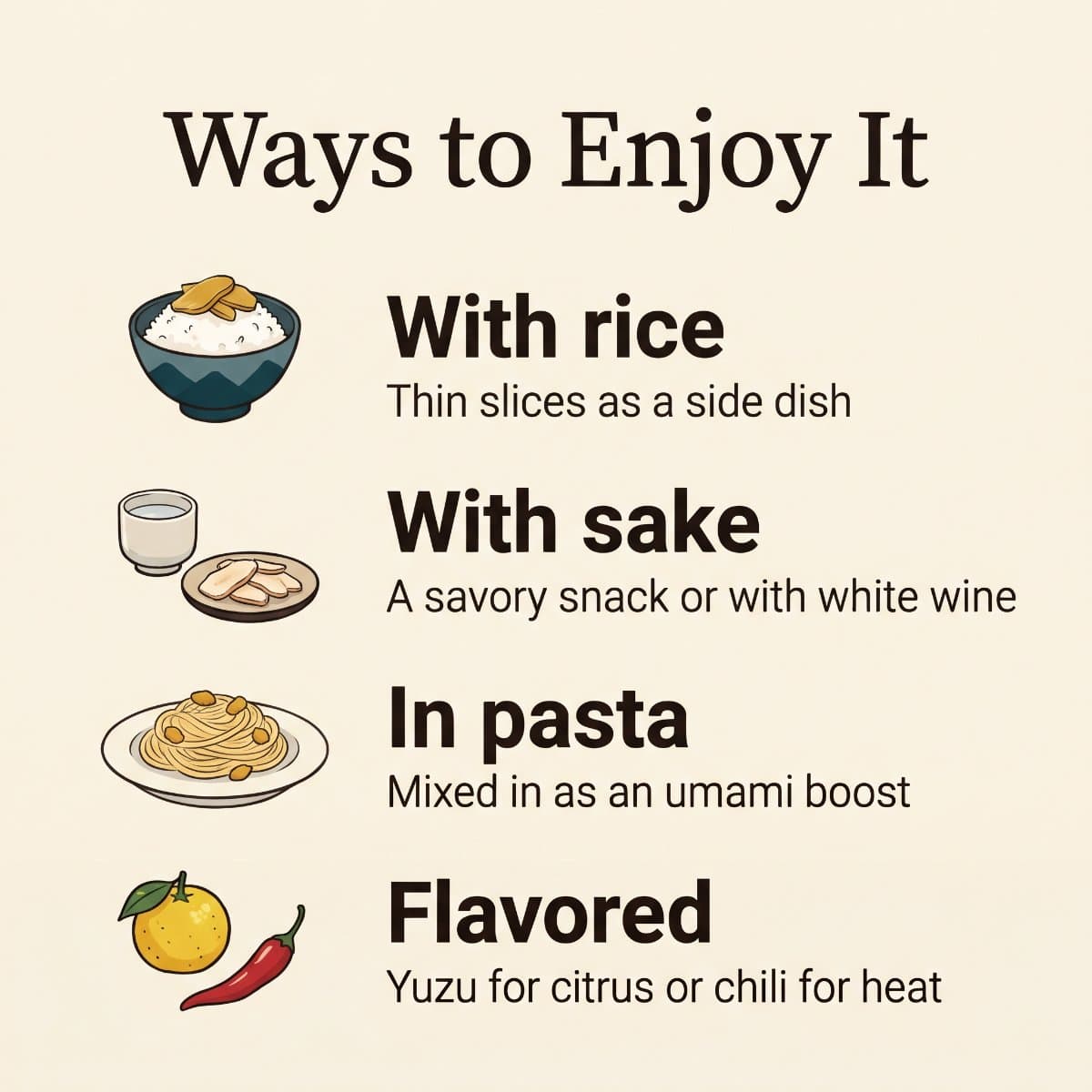
Salt is present but should never dominate. The best versions are balanced: savory, slightly sweet, with a lingering fermented depth. Yuzu variations add bright citrus. Chili versions bring warm heat. Eat it thinly sliced with rice, or as a snack with sake or white wine. Some people mix it into pasta as an umami boost.
The History of Tofu Misozuke: From Survival Food to Specialty
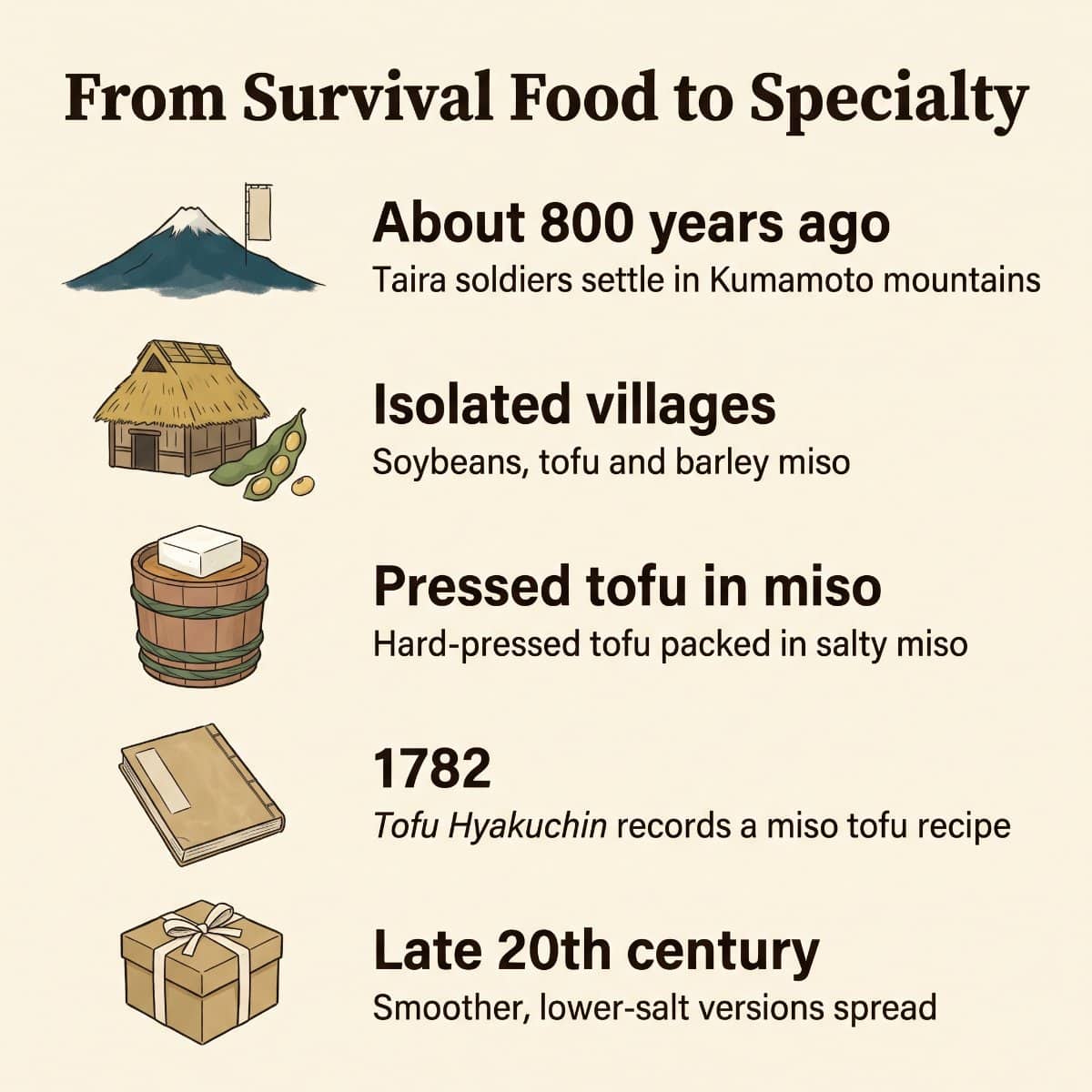
The story starts about 800 years ago in the mountains of Kumamoto, southern Kyushu. According to tradition, Taira clan soldiers fled there after defeat in the Genpei War. They settled in isolated areas like Gokasho and Itsuki Village. Supply routes were nearly nonexistent. These communities grew soybeans and made their own tofu and barley miso.
Refrigeration did not exist. Fresh tofu spoiled within days. They solved this by pressing tofu hard to remove moisture. Sometimes they dried it over low heat. Then they packed it in high-salt miso for long preservation. The “kazura tofu” of Yatsushiro’s Ayugaeri district became especially well known. It was pressed so firmly it could be tied with vine ropes and carried.
Tofu misozuke was not unique to Kyushu, though. A 1782 recipe book called “Tofu Hyakuchin” includes a miso-marinated tofu recipe. This suggests the dish was appreciated across Japan during the Edo period. Modern commercial production grew in the late 20th century. Producers developed smoother, lower-salt versions using moromi miso. These became popular gifts and souvenirs nationwide.
Tofu Misozuke Today
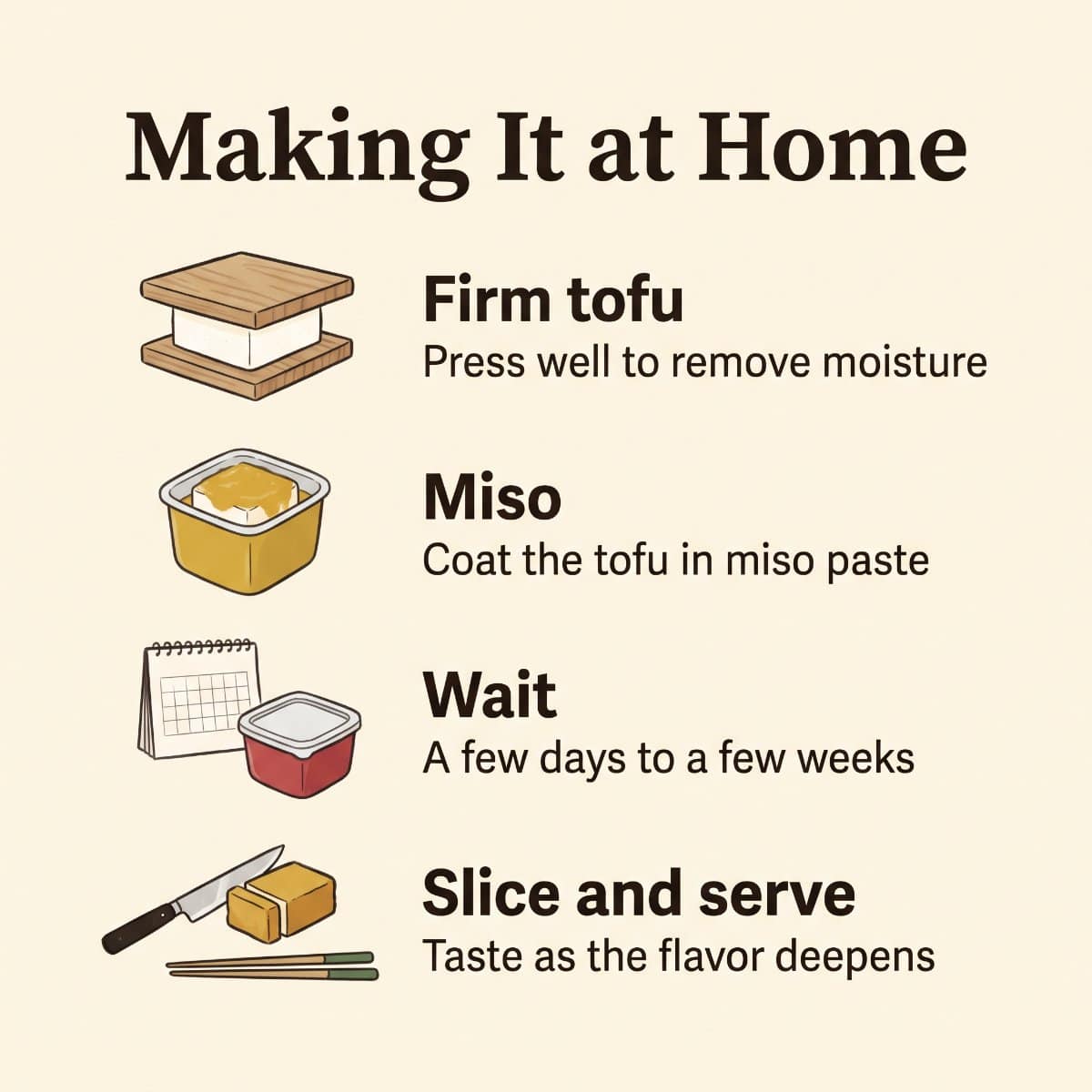
The tradition has evolved considerably. Traditional versions still use hard-pressed tofu, high-salt miso, and long aging. They remain beloved by those who grew up with them. The commercial mainstream now leans toward something gentler. Products like “yamau-ni tofu,” pioneered in Itsuki Village, use moromi miso and six months of low-temperature aging. The salt is lower and the texture almost spreadable. These products reach a much wider audience.
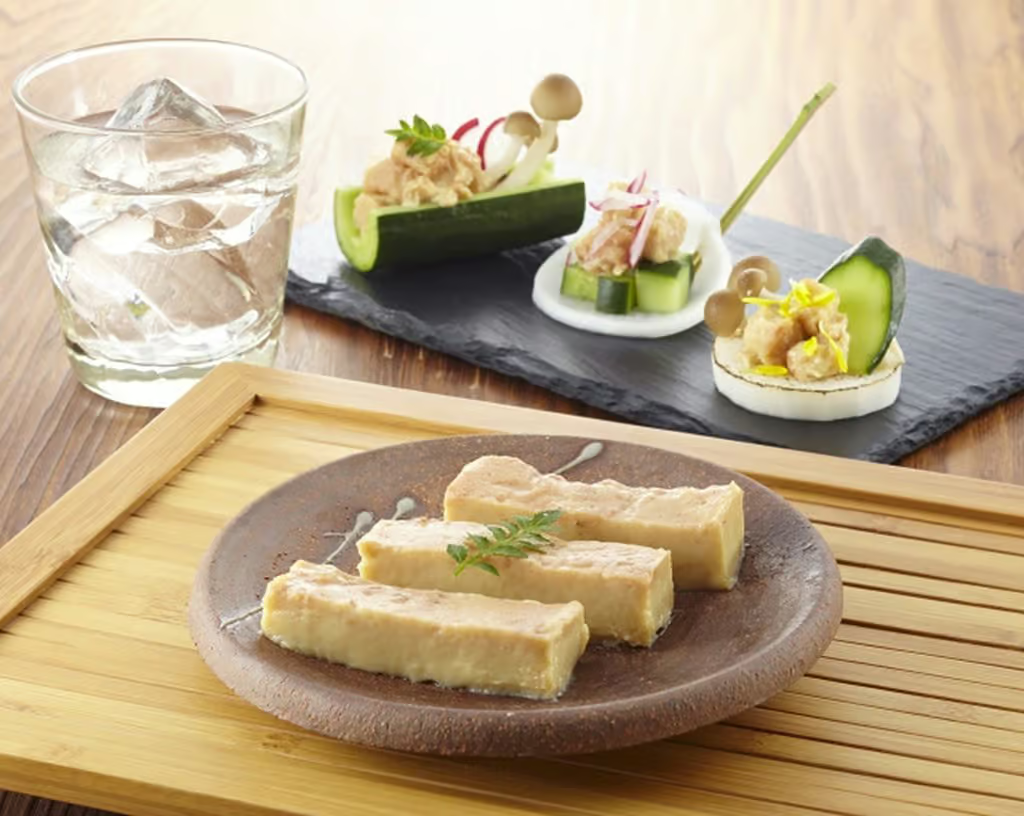
Tofu misozuke is now sold at farmers’ markets, roadside stations, and online throughout Japan. Home production is also quietly reviving. You need only firm tofu, miso, and patience. A few days produces something genuinely good. A few weeks produces something better.
5 Recommended Shops for Tofu Misozuke
These five producers are among the best places to try or purchase tofu misozuke.
1. Itsukiya Honpo (五木屋本舗)
Perhaps Japan’s most recognized tofu misozuke producer. Their “Yamau-ni Tofu” uses 100% Kyushu soybeans aged six months in proprietary moromi miso. The result is silky and deeply savory. Flavors include yuzu, shiso, ginger, chili, and mentaiko. A perfect introduction to the world of aged tofu misozuke.
2. Takeuchi (有限会社たけうち)
A traditional producer in Mizukami Village, Kuma region. Their tofu is lightly grilled before packing into moromi miso. This adds a subtle smoky depth. The texture is firmer than most modern versions, closer to the historical style. Featured on the popular TV program “Himitsu no Kenminsho.”
3. Yamauchi Honten / Hibi Koujiya (やまうち本店 / 日々麹舎)
One of Kyushu’s oldest fermentation companies, founded in 1751. Their “Hiden Tomin” is aged over six months at low temperature. Well-developed koji cultures create a mellow, slightly sweet profile. Their Kikuyo Town facility offers tastings and factory tours. A rare chance to see fermentation heritage up close.
4. Kojoan (珍味 古じょう庵)
Making Kumamoto chinmi (delicacies) since 1951. Their tofu misozuke uses moromi miso blended with ginger, konbu, and soy sauce. The result is smooth, creamy, and well-rounded. Products are available at SAKURA MACHI Kumamoto and Kumamoto Station. Easy to pick up as a travel souvenir.
5. Shokusai no Sato Fushimino (食彩の里ふしみの)
Known for a full three-month moromi miso aging process. The tofu becomes creamy and nearly spreadable. Fans describe it as “Eastern cheese.” Sold online and through select gift retailers across Japan. Popular among those who appreciate the depth of longer aging.
Summary: Why Tofu Misozuke Is Worth Your Attention
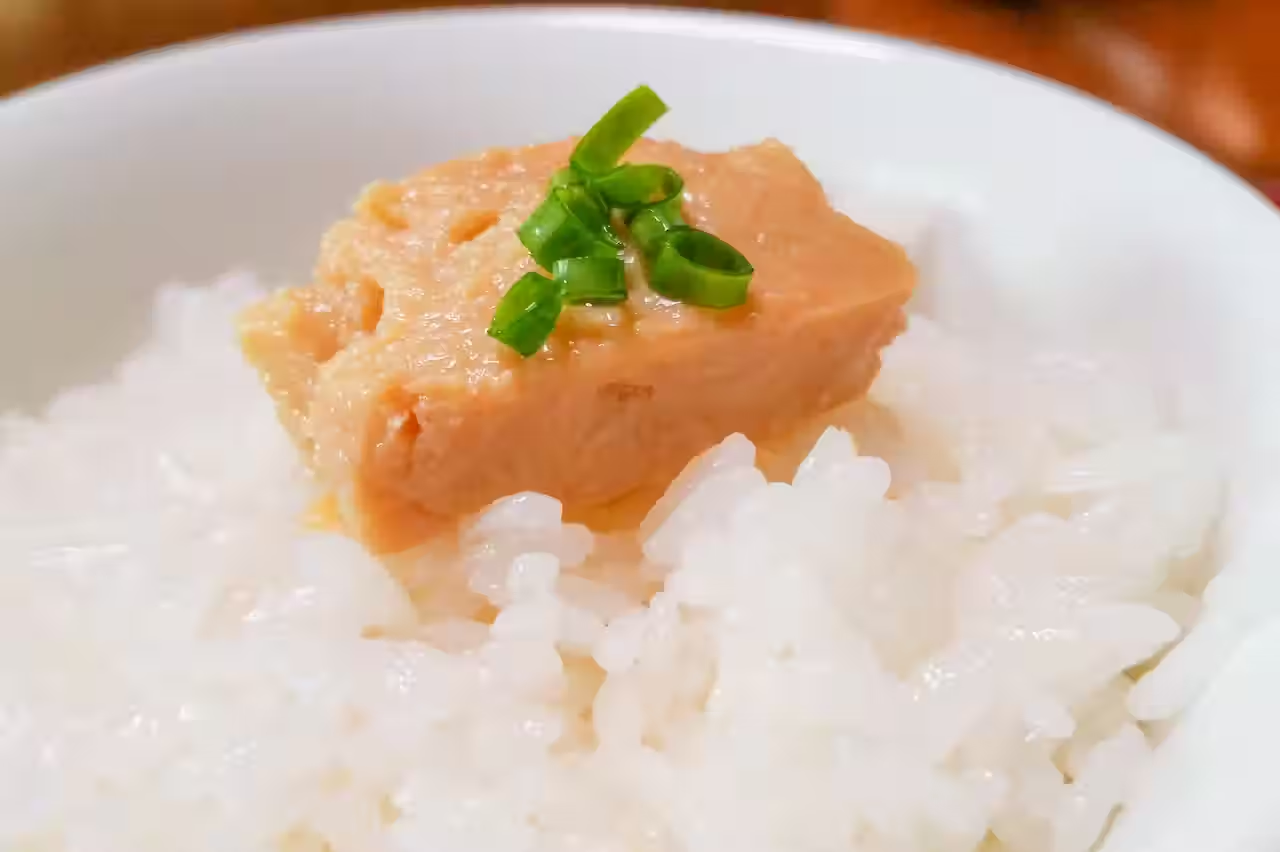
Tofu misozuke rewards curiosity. It looks simple. Yet months of careful fermentation create something genuinely complex. It is protein-rich, plant-based, and deeply flavorful. Processed foods rarely reach that kind of depth. The connection to Kumamoto’s past adds meaning too. This food was born from hardship and shaped over centuries. You can make it at home with firm tofu and miso. Wait a few weeks and the flavor evolves remarkably. For the full experience, seek out a properly aged version from a regional producer. The gap between a freshly made and fully aged misozuke is extraordinary. It is not a flashy food. But it is one that tends to stay with you.
References
Show all 4 references
- Ministry of Agriculture, Forestry and Fisheries (MAFF) – Tofu no Misozuke, Kumamoto (Uchi no Kyodo Ryori)
- Saikyo Miso Co., Ltd. – Tofu no Misozuke (Hitosara no Omiso)
- Satonoyuki Co., Ltd. – Tofu no Misozuke Recipe
- Itsukiya Honpo – Product information for Tofu no Misozuke
Related Articles
 Japanese Pickles
Miso zuke (味噌漬け)
December 2025
 Miso
Koshu Miso (甲州味噌)
September 2026
 Tofu, Soy & Eggs
Silken Tofu (絹ごし豆腐)
February 2023
 Gifu
Komo tofu (こも豆腐)
January 2026




Comments