'/%3E%3Cpath%20fill='%23b2b2b2'%20d='M241%20382q0%2016%2017%2026%2017%2011%2042%2011t42-11q16-11%2017-26V269H241'/%3E%3Cpath%20fill='%239f7e00'%20d='M241%20379q0%2014%208%2023%209%209%2021%209%2014%200%2021-9%209-9%209-23V269h-59'/%3E%3Cpath%20d='M241%20339v-70h59v110q0%2014-9%2023l-6%205v-68h-15v72q-8%200-14-4v-68zm59%2040c0%2022%2015%2032%2029%2032%2021%200%2030-18%2030-32v-40h-59'/%3E%3Cpath%20fill='%239f7e00'%20d='M266%20277v5h2v12h-3v-5h2v-5h-9v5h2v5h-4v9h3v18h-5v10h34v-10h-5v-18h3v-9h-4v-5h2v-5h-9v5h2v5h-3v-12h2v-5zm42%20101q0%2010%206%2017%206%206%2015%207%2010-1%2016-7%206-7%206-17v-29h-43'/%3E%3Ccircle%20fill='%230044ad'%20cx='329.5'%20cy='372'%20r='6'/%3E%3Cellipse%20fill='%230044ad'%20cx='300'%20cy='340'%20rx='16'%20ry='21'/%3E%3C/svg%3E)


'%3E%3Cpath%20stroke='%23000'%20stroke-width='4'%20d='m-35-37-13%2020m5%203%2013-20m5%203-13%2020m63%2042%206-9m1-2%206-9m5%203-6%209m-1%202-6%209m5%203%206-9m1-2%206-9m-96%200%2013%2020m5-3-6-9m-1-2-6-9m5-3%2013%2020m63-42-6-9m-1-2-6-9m5-3%2013%2020m5-3-6-9m-1-2-6-9'/%3E%3Ccircle%20r='24'%20fill='%23cd2e3a'/%3E%3Cpath%20fill='%230047a0'%20d='M0%200a12%2012%200%201%201%2020%2013%2024%2024%200%201%201-40-26A12%2012%200%201%200%200%200'/%3E%3C/g%3E%3C/svg%3E)


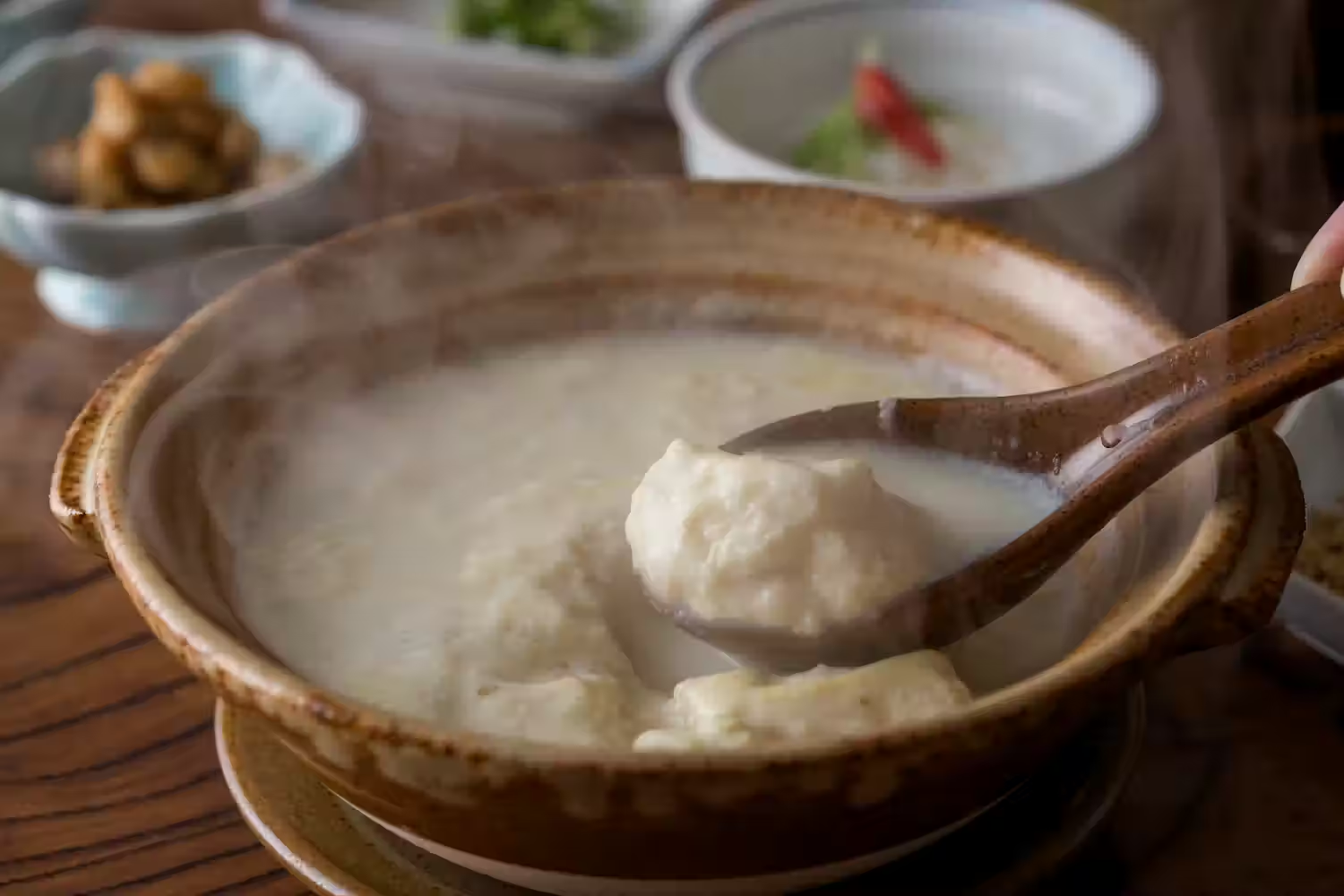

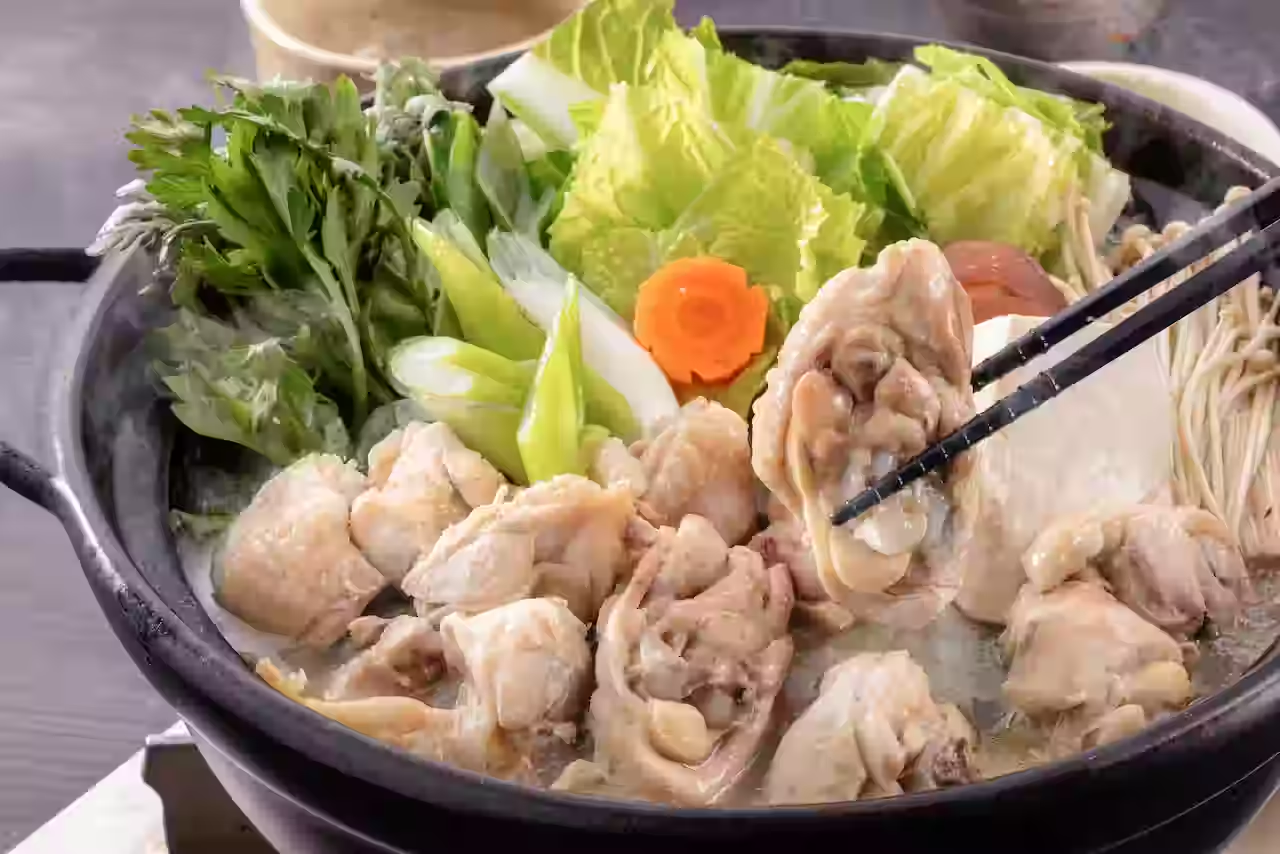
水炊き Mizutaki is 博多水炊き Hakata’s most celebrated hot pot. Bone-in chicken simmers in plain water. As it cooks, the broth becomes rich and silky. That pure chicken flavor defines mizutaki. You drink the broth first, then eat the ingredients with ponzu. It looks simple, but the broth leaves a lasting impression.
Mizutaki is a traditional chicken hot pot from Fukuoka. Chefs simmer bone-in chicken in plain water to create a rich chicken broth. Diners then season each bite with ponzu, salt, or yuzu kosho. The meal ends with zosui, a rice porridge cooked in the leftover broth.
- What it is: Hakata-style chicken hot pot, cooked in plain water only.
- What makes it special: the broth is the star, and you season each bite yourself.
- Where to try it: Hakata and Tenjin in Fukuoka City, at specialists like Suigetsu and Toriden.
What Is Mizutaki?
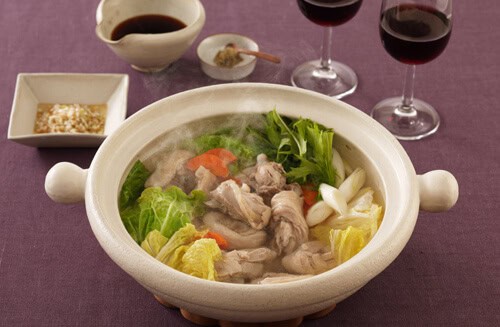
Mizutaki (水炊き) literally means “cooked in water.” The name is accurate. Bone-in chicken pieces go into a pot with plain water and nothing else. No soy sauce, no mirin, and no salt at this stage. The chicken simmers slowly, releasing collagen, fat, and umami into the liquid.
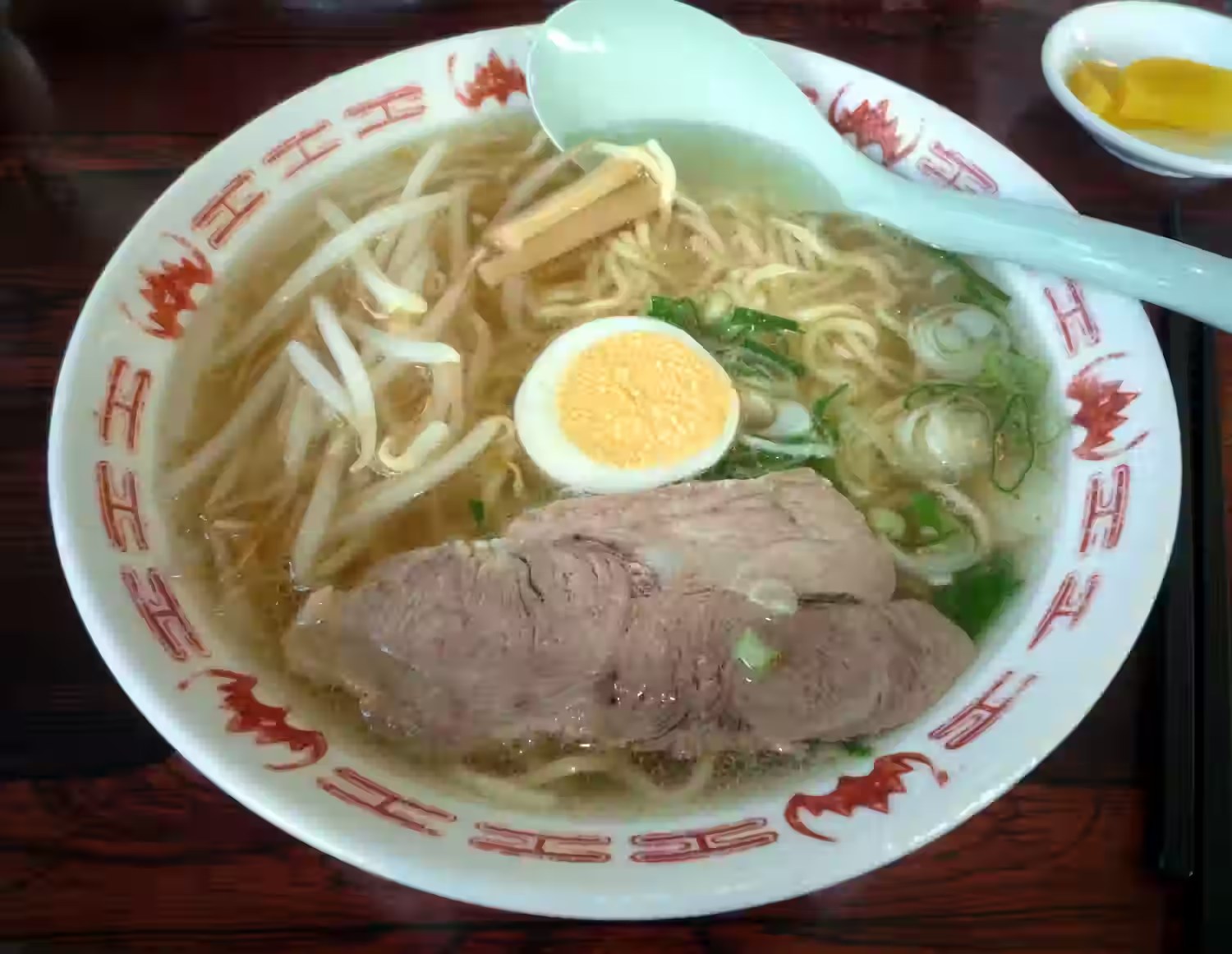
It belongs to the nabemono family, or one-pot dishes cooked at the table. Alongside Tokyo’s Gunji Nabe, Kyoto’s Kashiwa Nabe, and Akita’s Kiritampo Nabe, it counts as one of Japan’s four major chicken hot pots. Among them, Hakata mizutaki is the most famous Fukuoka hot pot by far. Together with Hakata Ramen, it anchors the city’s food identity.
Why Is Mizutaki Cooked in Plain Water?
This is the detail that surprises people most. Most Japanese hot pots start with a seasoned broth: dashi, miso, soy sauce, or some blend. Mizutaki does not. The pot starts with chicken and water alone.
The flavor develops during cooking, purely from the bird itself. Bones contribute gelatin and body. Skin releases fat and depth. As a result, the broth tastes clean yet rich in a way seasoned broths rarely achieve.
Seasoning happens at the table, individually. Each diner dips their pieces in ponzu, salt, or yuzu kosho. In short, the broth is not a vehicle for seasoning. It is the point of the dish.
What Does Mizutaki Taste Like?
The broth feels silky and slightly viscous, thanks to gelatin from the bones. The flavor is deeply savory, yet never sharp or heavy. Honestly, I expected something bland the first time. Instead, the richness kept building with every sip.
The condiments then change the game. Ponzu adds bright acidity that cuts the richness. Salt strips the chicken back to its essence, while yuzu kosho brings heat and citrus fragrance. At Suigetsu, the ponzu even uses hand-squeezed daidai citrus from Itoshima, aged a year before blending. Finally, the zosui gathers everything into one gentle, concentrated bowl. That last course is what most people remember.
How to Eat Mizutaki: The Full Experience
The way you eat mizutaki matters as much as the ingredients. There is a set sequence, and following it makes a real difference.
Step 1: Drink the broth first
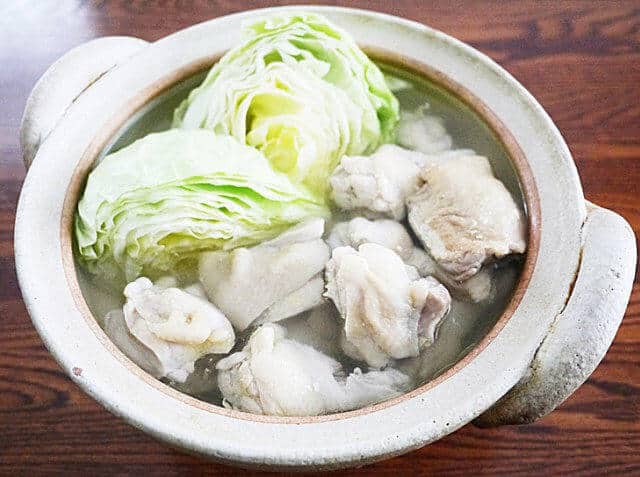
Before anything else goes in, the server ladles a small cup of pure broth for each diner. You drink it with only a pinch of salt. First-timers often expect something thin. The reality is the opposite: that quiet cup carries hours of chicken flavor.
Step 2: Cook and eat the ingredients
Chicken pieces, tofu, cabbage, and mushrooms then cook gently in the broth. You eat each piece dipped in ponzu, salt, or yuzu kosho. Trying the same piece with different dips is part of the fun.
Step 3: Finish with zosui
When the ingredients are mostly gone, cooked rice and beaten egg go into the remaining broth. The rice absorbs everything the meal has built. The result is zosui, a porridge that feels like the whole dinner in one bowl. If you somehow still have room afterward, Yaki Ramen is another Hakata specialty worth hunting down.
Mizutaki Broth: Why It Tastes So Rich
The science is simple, yet the result feels out of proportion. Collagen in the cartilage breaks down into gelatin during a long simmer. That gelatin gives the broth its silky body. Meanwhile, fat from the skin emulsifies into the liquid, which turns a clear broth milky white.
Hakata specialists prepare the broth for several hours before service begins. Many use male birds from Miyazaki or Kagoshima, chosen for firm meat and pronounced flavor. The broth also carries protein, B vitamins, and minerals, without added fats. Still, mizutaki is a meal, not a supplement. The best reason to eat it is that it tastes genuinely good.
A Brief History of Mizutaki
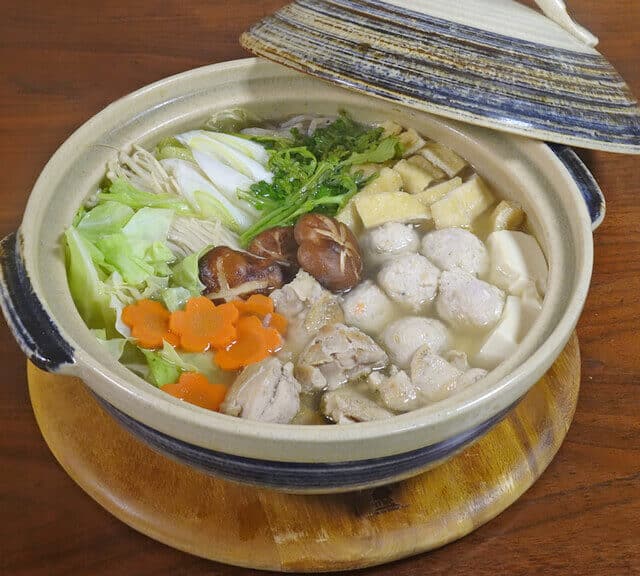
The roots run deeper than most people expect. A 1643 cookbook, the Ryori Monogatari, already records a chicken dish simmered in water. That style reached Nagasaki as a nanban dish and stayed a local home food into the Edo period. From there, it is said to have traveled to Hakata in the early Meiji era.
The modern dish, though, came from a cultural encounter. In 1897, Heisaburo Hayashida left Nagasaki for Hong Kong at age fifteen. He lived with a British family and learned cooking there. He studied Western consomme and Chinese chicken soup side by side.
After returning to Japan, he settled in Hakata. There, he blended both techniques with local ingredients, completing Hakata Mizutaki in 1905. He then opened Suigetsu in the Susaki district. As the folklorist Einosuke Obiya once noted, Hakata has a talent for adopting outside food and making it feel local. Mizutaki is exactly that: a foreign idea turned into a Fukuoka icon.
Mizutaki vs Shabu-Shabu vs Motsunabe
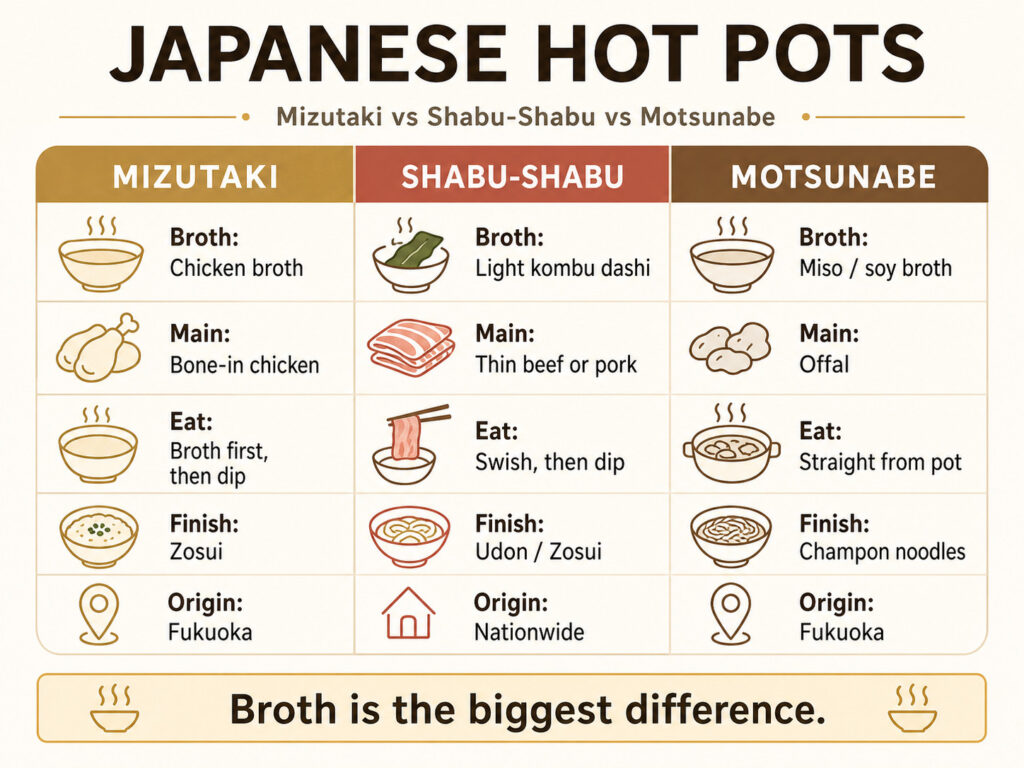
Travelers often mix up Japan’s hot pots. The table clears up the three most relevant ones.
| Mizutaki | Shabu-Shabu | Motsunabe | |
|---|---|---|---|
| Broth | Unseasoned chicken broth | Light kombu dashi | Seasoned miso or soy broth |
| Main ingredient | Bone-in chicken | Thin-sliced beef or pork | Beef or pork offal |
| How you eat it | Broth first, then dip pieces | Swish meat, then dip | Eat straight from the seasoned pot |
| The finish | Zosui rice porridge | Udon or zosui | Champon noodles |
| Origin | Fukuoka, 1905 | Nationwide | Fukuoka, postwar |
The biggest difference sits in the broth. Mizutaki builds flavor from scratch during cooking, while the others start seasoned. For Fukuoka’s other great pot, read our guide to Motsunabe in Fukuoka. Both belong on the same trip.
Key Ingredients of Mizutaki
Bone-in chicken is non-negotiable, since the bones build the broth. Many shops add tsumire, soft chicken meatballs that soak up the soup. Regular cabbage is standard in Hakata, not napa cabbage. Cabbage releases less water, so the broth stays concentrated instead of diluting.
Tofu, shiitake, enoki, and green onions round out the pot. Some shops add chrysanthemum greens for a bitter accent. For dipping, ponzu leads, with salt and yuzu kosho beside it. The vegetables support; the chicken broth does the heavy lifting.
Common Substitutions at Home
- Cabbage: napa cabbage works at home; just expect a slightly lighter broth.
- Mushrooms: any variety is fine; shimeji and oyster mushrooms both work well.
- Tofu: firm tofu holds together; silken tofu works if you add it gently.
- Yuzu kosho: mix lime zest, green chili, and salt for a close substitute.
- Ponzu: combine soy sauce with fresh lemon or lime juice in a pinch.
How Much Does Mizutaki Cost in Fukuoka?
Prices vary by setting more than by recipe. Lunch sets at accessible specialists start around 1,500 to 3,000 yen. Toriden’s lunch course, for example, starts from about 2,750 yen. Dinner courses at famous shops usually run 4,000 to 7,000 yen per person. Formal ryotei settings like Shinmiura climb higher, especially with private tatami rooms. Casual izakaya versions cost less, though the broth rarely reaches specialist depth.
Best Time to Eat Mizutaki in Fukuoka
Most people assume hot pot means winter. In Fukuoka, that assumption is wrong. Locals eat mizutaki all year, and each season adds its own reason.
- Spring: early-harvest cabbage arrives, and restaurants wait for it eagerly.
- Summer: mizutaki is a traditional food during the Hakata Gion Yamakasa festival in July.
- Autumn: cooler evenings bring the first proper hot pot cravings.
- Winter: the classic season, when reservations get hardest to secure.
Visit in July and you will still find packed mizutaki restaurants. The broth is considered restorative in any season. It is a year-round food culture, not a seasonal one.
Where to Eat Mizutaki in Fukuoka
Fukuoka’s concentration of mizutaki specialists has no match in Japan. The table helps you choose fast; details follow below.
| Shop | Broth style | Area | Budget | Reservation |
|---|---|---|---|---|
| Suigetsu | Clear (original) | Hirao, near Tenjin | Mid-high | Recommended |
| Shinmiura | Cloudy, formal ryotei | Hakata | High | Required |
| Nagano | Clear and cloudy | Hakata | Mid | Book well ahead |
| Iroha | Cloudy | Kawabata, Hakata | Mid | Recommended |
| Toriden | Rich cloudy | Near Hakata Station | Mid; lunch friendly | Easiest for first-timers |
Hakata Mizutaki Original Suigetsu: The Origin Point
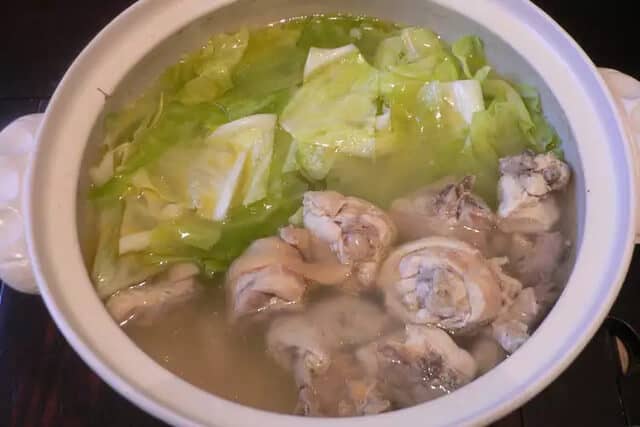
Suigetsu is where Hakata mizutaki began, founded by Heisaburo Hayashida himself. The 1945 Fukuoka bombing destroyed most shops that served the clear-broth version. Suigetsu survived, and the third generation now runs it. For the dish’s origin story in a bowl, start here.
Ryotei Shinmiura: 100+ Years of Cloudy Broth
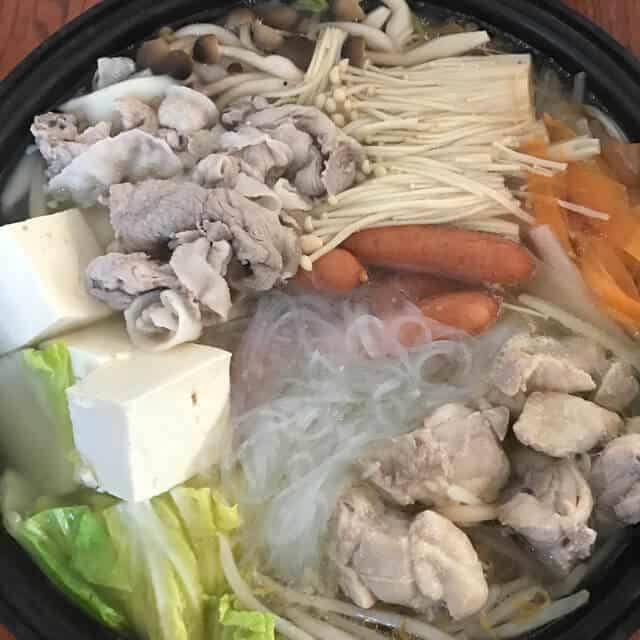
Established in 1897, Shinmiura has served the same cloudy broth for over a century. Tatami rooms suit formal meals and celebrations. Choose it when you want the full traditional setting, not just the food.
Mizutaki Nagano: The Hard-to-Book Local Favorite
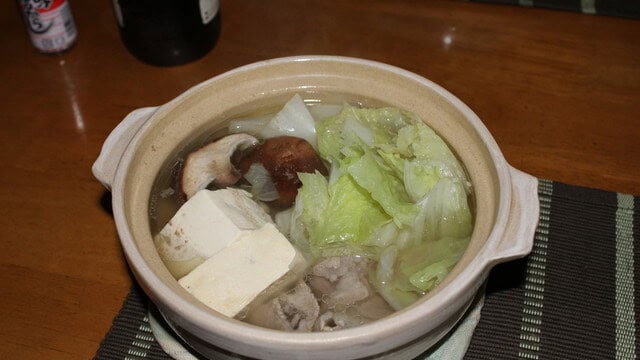
Nagano fills immediately after opening, and locals return constantly. Unusually, it offers both clear and cloudy versions. The pot arrives with the broth already built up. Book well in advance, or you will not get in.
Hakata Ajidokoro Iroha: The Local Institution
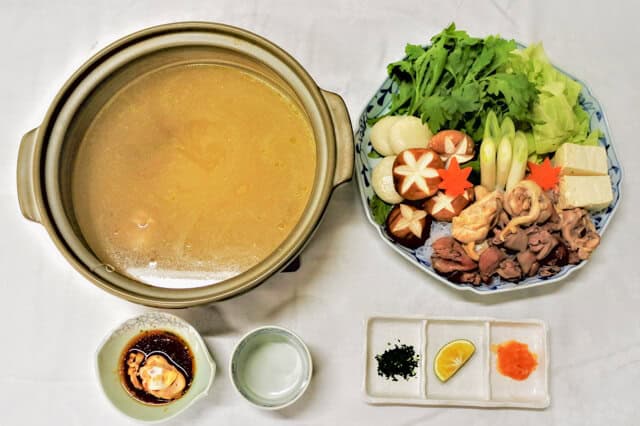
Iroha has cooked the same recipe since 1953. The opaque broth and secret minced chicken define it. True to classic Hakata style, it uses regular cabbage, never napa. Its reputation grew steadily, without hype.
Toriden Hakata Main Store: Best for First-Timers
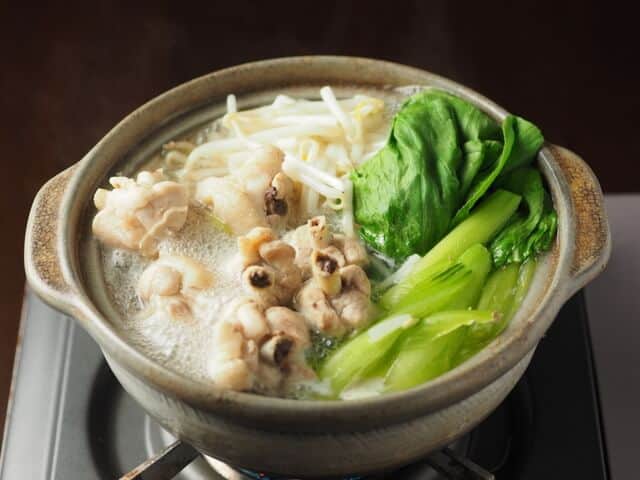
Toriden opens from lunchtime, a few minutes from Hakata Station. The broth is notably rich, and the chicken plump. Regulars say it barely needs ponzu. For first-timers who want the full experience without reservation stress, this is the pick.
How to Make Mizutaki at Home
Home mizutaki needs no rare ingredients, only bone-in chicken and patience. Follow the steps in order; each one exists for a reason.
Why this step matters: blanching removes blood and impurities that would turn the broth murky. Use bone-in thighs and drumsticks. Boil them for one to two minutes, discard the water, then rinse under cold water.
Why this step matters: time, not seasoning, creates the flavor. Simmer the cleaned chicken in fresh water for one to two hours. A vigorous simmer gives a milky broth; the gentlest heat keeps it clear. A small piece of kombu adds depth if you like.
Why this step matters: bones alone carry the collagen, so a second simmer extracts more body. Remove the chicken after an hour, strip the meat, and return the bones to the pot. Shred the meat to add back during the meal.
Why this step matters: the serving order is the Hakata experience. Ladle a cup of broth for each person first, with a pinch of salt. Then add cabbage, tofu, mushrooms, and chicken to the pot. Set out ponzu, salt, and yuzu kosho for dipping.
Why this step matters: the rice captures every flavor the meal produced. Add cooked rice to the remaining broth, stir in beaten egg, and let it set over low heat. Season lightly with salt, then serve as the final course.
Can You Buy Mizutaki at Home or Online?
Yes, and it makes a great souvenir. Several famous Hakata specialists, including Toriden, sell take-home and nationwide delivery sets through their online shops. These usually include broth, chicken, tsumire, and ponzu. Department store food halls and Hakata Station shops also stock chilled and frozen sets. Availability changes by season, so check each shop’s online store before ordering.
Final Thoughts
水炊き Mizutaki earns its reputation through simplicity. The unseasoned broth is not a limitation; it is the entire point. Cook chicken with nothing but water and time, and you learn what the ingredient truly tastes like. Hakata has refined that idea for well over a century.
If you enjoy Japanese hot pot, Motsunabe in Fukuoka is the other great local nabe and worth eating on the same trip. For broader comparisons, shabu-shabu and sukiyaki take very different approaches to the same communal format.
Exploring Japanese nabe? Browse the full nabe collection and other Kyushu food guides on Food in Japan.
Mizutaki FAQ
What is mizutaki?
This dish is a traditional chicken hot pot from Fukuoka. Cooks simmer bone-in chicken in plain water to build a rich broth. Diners season each piece at the table with ponzu, salt, or yuzu kosho. The meal ends with zosui rice porridge.
Why is mizutaki cooked in plain water?
The plain water is the point. It lets the chicken’s own collagen and fat build the flavor. Any added seasoning would mask that purity. Each diner then adjusts the taste with dipping sauces instead.
How do you eat mizutaki?
Start with a small cup of pure broth and a pinch of salt. Next, cook and eat the chicken and vegetables with ponzu or yuzu kosho. Finally, add rice and egg to the leftover broth for zosui. The order matters, so follow it.
Where can I eat the best mizutaki in Fukuoka?
Hakata holds the highest concentration of specialists. Suigetsu serves the original clear broth, while Shinmiura and Iroha carry century-old cloudy styles. Nagano is the hard-to-book local favorite. Toriden near Hakata Station suits first-timers, since it opens for lunch.
Can I make mizutaki at home?
Yes, easily. You need bone-in chicken, water, and one to two hours of simmering. Blanch the chicken first for a clean broth. Serve with cabbage, tofu, mushrooms, and ponzu for dipping.
Is mizutaki only a winter dish?
Not in Fukuoka. Locals eat it in every season, even midsummer. Spring cabbage and the July Yamakasa festival both keep it on menus. The broth is considered restorative all year.
What is the difference between clear and cloudy mizutaki?
Heat level decides it. A gentle simmer keeps the broth clear, which is the original style. A vigorous boil emulsifies fat and collagen, turning it milky white. Both are authentic, and Suigetsu still serves the clear version.
References
- MAFF (Ministry of Agriculture, Forestry and Fisheries), Our Regional Cuisines: Wakadori no Mizutaki (Fukuoka), https://www.maff.go.jp/j/keikaku/syokubunka/k_ryouri/search_menu/menu/mizutaki_fukuoka.html (Surveyed: July 2026)
- Fukuoka City, Marugoto Fukuoka Hakata (Cultural Column on Mizutaki, citing folklorist Einosuke Obiya), https://showcase.city.fukuoka.lg.jp/column/clm0031.html (Surveyed: July 2026)
- Tetsuya Ecchu, Nagasaki no Seiyo Ryori: Yoshoku no Akebono (The Dawn of Western Food in Nagasaki), Daiichi Hoki Publishing, 1983 (ISBN 978-4474070424)
- Hiroshi Kobayashi, Yomu Shokujien: Nihon Ryori Kotoba Zukushi, Dobun Shoin, 1996 (ISBN 4-8103-0027-7); cited for the 1643 Ryori Monogatari record
- Hakata Mizutaki Original Suigetsu, Official Site (Origins and History), https://www.suigetsu.co.jp/ (Surveyed: July 2026)
Related Articles
- Motsunabe (もつ鍋) (Surveyed: July 2026)
- Hakata Ramen (博多ラーメン) (Surveyed: July 2026)
- Yaki Ramen (焼きラーメン) (Surveyed: July 2026)
- What to Eat in Fukuoka: 20 Must-Try Foods (Surveyed: July 2026)



Comments