





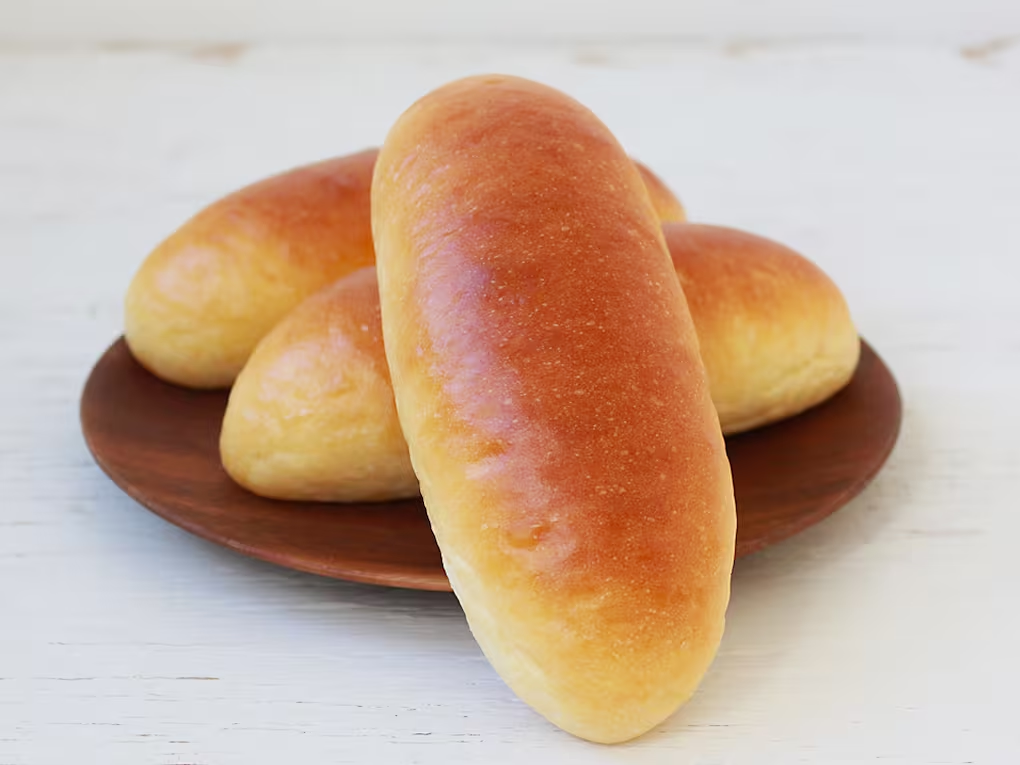
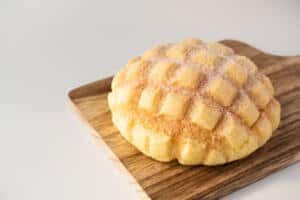
If you visit a bakery in Japan, you will surely see a soft, oval-shaped bun that looks like a rugby ball. This is Koppe Pan. It is a very simple bread, but it is one of the most loved snacks in the country. Because it has a mild taste, you can fill it with almost anything, from sweet jams to savory fried noodles!
What is Koppe Pan?
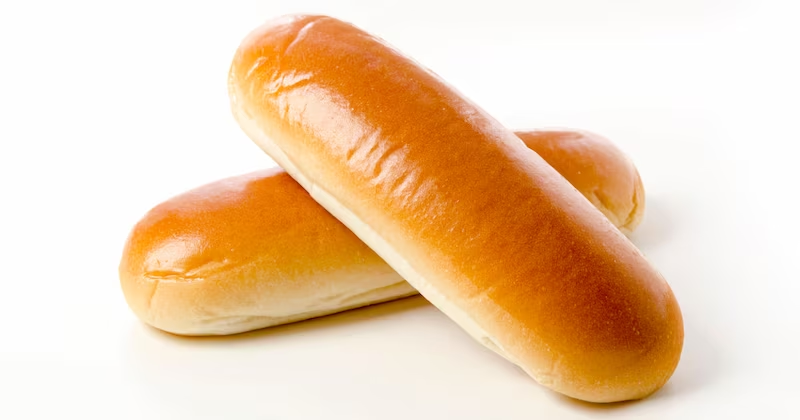
In Japan, Koppe Pan is a uniquely original bread. It is shaped like an oval with a flat bottom. The outside is a light brown color, and the inside is white and very fluffy. Unlike hot dog buns in other countries, Koppe Pan is usually thicker and holds its shape better when you add heavy fillings. This “kindness” of the bread makes it the perfect partner for many different flavors.
A Story of History and Schools
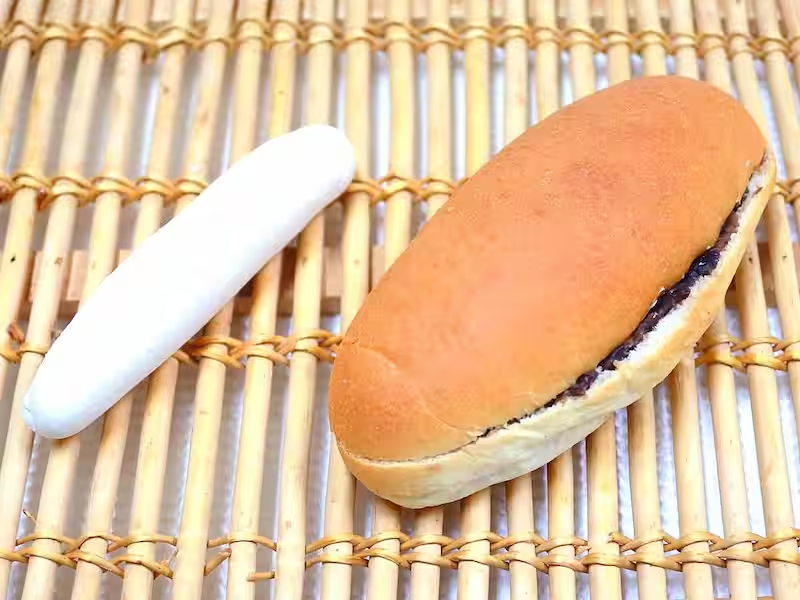
The history of this bread started in 1919. A baker named Genpei Tanabe wanted to create a bread that was easy for soldiers to carry and eat. Later, in 1923, it became a hero after a big earthquake in Tokyo. It was given to people as a fast and easy meal because it did not need to be cooked like rice.
Most Japanese people remember Koppe Pan from their school lunches. After World War II, the bread was served in schools to help children grow strong and healthy. It was often paired with a bottle of milk. Even today, many people feel a warm sense of nostalgia when they see this simple bun.
The name “Koppe” is a mystery! Some people think it comes from the French word “coupe,” which means “cut”. Others think it comes from the German word “Koppe,” which means a “mountain top”. No matter where the name came from, it is now a true part of Japanese culture!
Nutritional Content of Koppe Pan
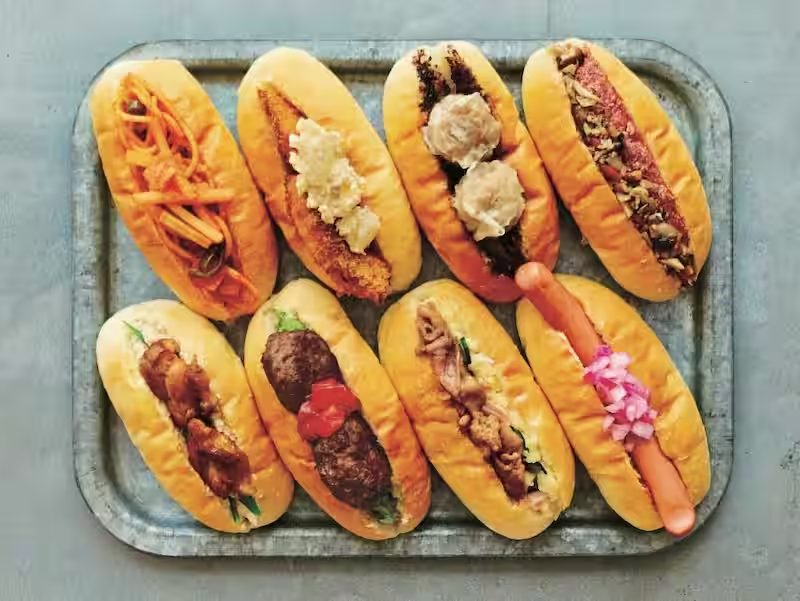
Koppe Pan is a great source of energy for kids and adults alike!
- Energy for Your Brain: The wheat flour provides carbohydrates that help your body and brain stay active all day.
- Protein and Fiber: Many people fill their bread with red bean paste (Anko). This is a superfood! Red beans are full of plant protein and fiber, which helps your stomach stay happy.
- Heart-Healthy Fats: Peanut butter is another favorite filling. It has healthy fats called oleic acid and Vitamin E, which protect your heart and keep your skin glowing.
A Legendary Shop for Koppe Pan
Fukuda Pan (福田パン)
If you want to taste the king of all Koppe Pan, you must travel to Fukuda Pan in Morioka City. This bakery was started in 1948 with a wish to help students eat a big meal for a low price.
The shop looks like a cute, old-fashioned school building. Inside, it feels very busy and exciting! There is a long glass case with over 50 different ingredients. You can choose two fillings to mix inside one giant bun. The staff will spread them right in front of you!
The most famous choice is “An-Butter” (red bean paste and creamy butter). The bun is huge—about the size of a large sandwich—but it only costs around 100 to 400 yen. It is truly a “soul food” for the local people.
Conclusion
Koppe Pan is a beautiful classic that has fed the people of Japan for over 100 years. It is a healthy, filling, and affordable meal that connects the memories of school days to the tasty treats of today. Whether you choose a sweet cream filling or a savory chicken katsu, every bite is a soft hug from the Japanese countryside.
I hope you have a wonderful time tasting these fluffy buns, and don’t forget to also try Melon Pan, Yakisoba Pan, and Age-pan for a perfect bread adventure!
Koppe-pan FAQ
What is Koppe-pan?
It is a classic soft bread roll from Japan. Bakers make it with wheat flour, milk, and yeast. Food lovers know it for its pillowy texture and incredibly versatile sweet or savory sandwich fillings.
Where does Koppe-pan come from?
This nostalgic bread originates from all across Japan. The Japanese government introduced it to school lunch programs nationwide during the post-war Showa period.
What does Koppe-pan taste like?
It has a mild, slightly sweet, and buttery flavor. The texture feels incredibly soft, fluffy, and light. Diners often compare it to an American hot dog bun but with a much softer and richer profile.
Where can I eat Koppe-pan in Japan?
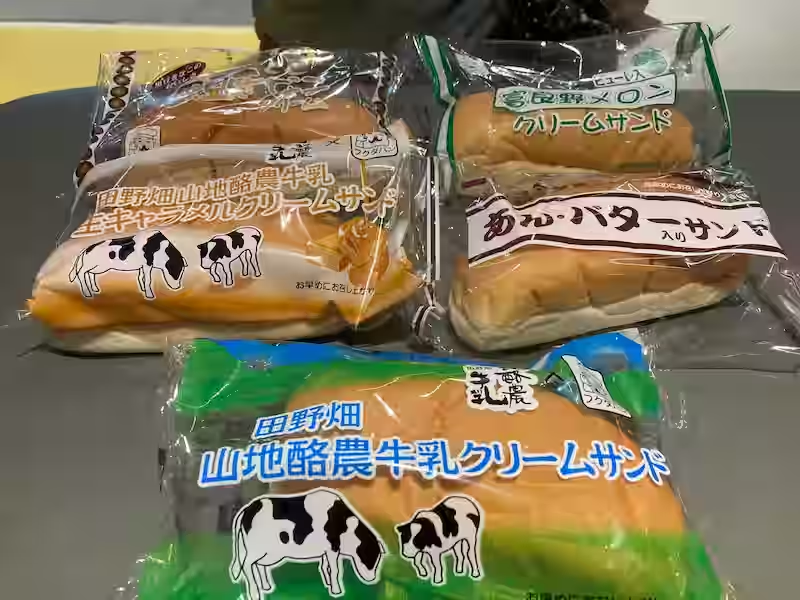
You will find the best ones at specialized bakeries all over Japan. Famous spots include historic shops in Morioka City and modern specialty bakeries in Tokyo. Convenience stores also sell these stuffed rolls everywhere.
How much does Koppe-pan cost?
A single stuffed roll typically costs between 150 and 400 yen. Prices vary depending on the bakery and the specific gourmet fillings you select.
Is Koppe-pan vegetarian or vegan friendly?
The standard dough contains milk and butter. Vegans must check the bakery ingredients, but vegetarians can easily enjoy these rolls filled with sweet red bean paste (anko) or fruit jams.
What are the main ingredients in Koppe-pan?
The main ingredients include wheat flour, yeast, sugar, milk, and butter. The generous amount of milk gives the dough its distinctive fluffy and pillowy character.
Can I make Koppe-pan at home?
Yes, you can easily bake this bread at home. Grocery stores stock the key ingredients — bread flour, yeast, and butter. Home bakers knead and shape these simple oval rolls quickly with just a little practice.
What is the difference between Koppe-pan and a regular hot dog bun?
The main difference involves the dough’s richness and the filling variety. The Japanese roll features a sweeter, softer, milk-enriched dough ready for endless sweet or savory fillings, while a standard hot dog bun relies on a drier dough meant strictly for sausages.
Is Koppe-pan popular outside Japan?
It remains relatively rare outside Japan. You will occasionally find this specific bread at authentic Japanese bakeries in North America or Asia. This humble school-lunch classic successfully maintains its nostalgic charm primarily within the Japanese domestic market.



Comments