



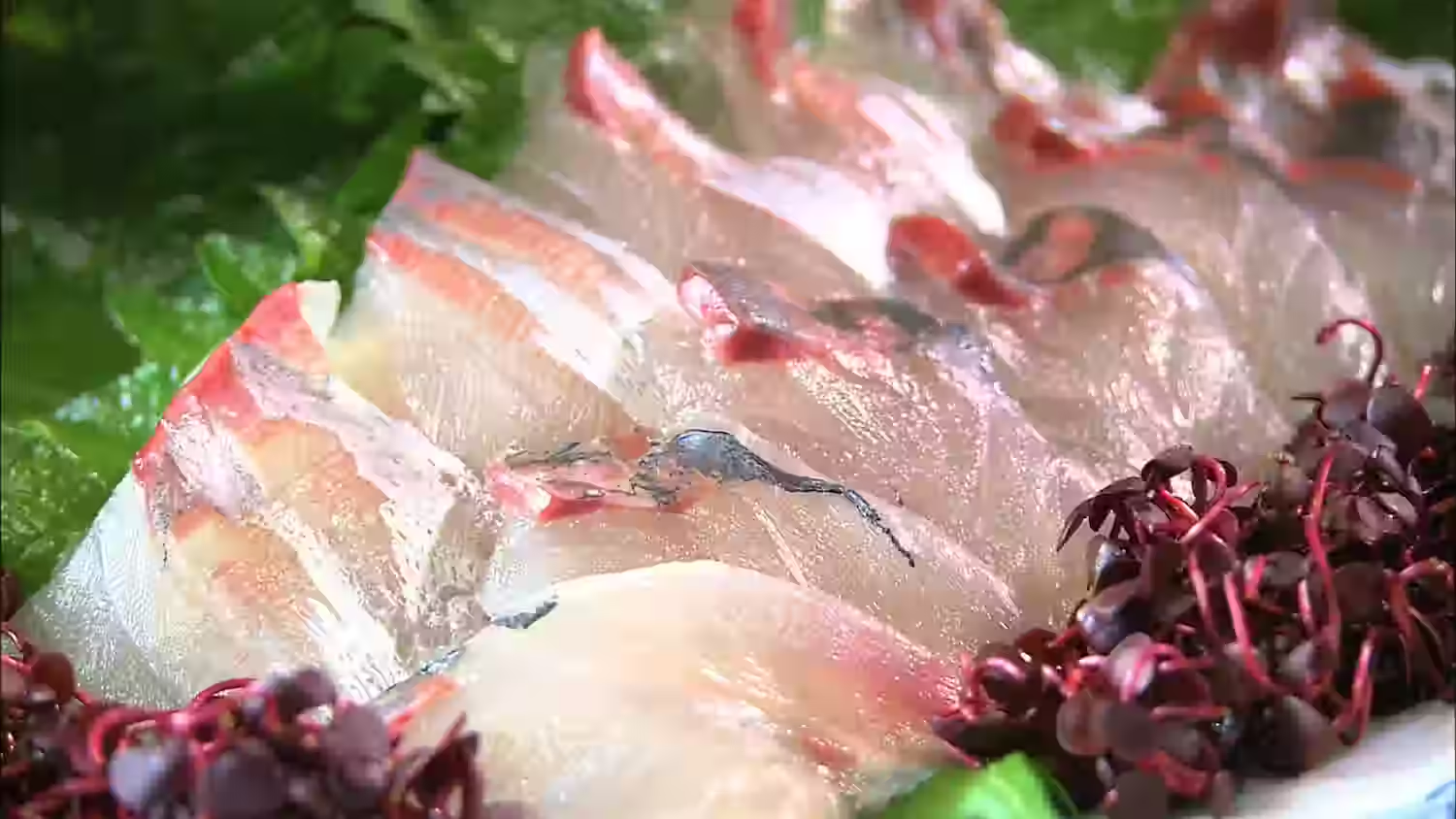


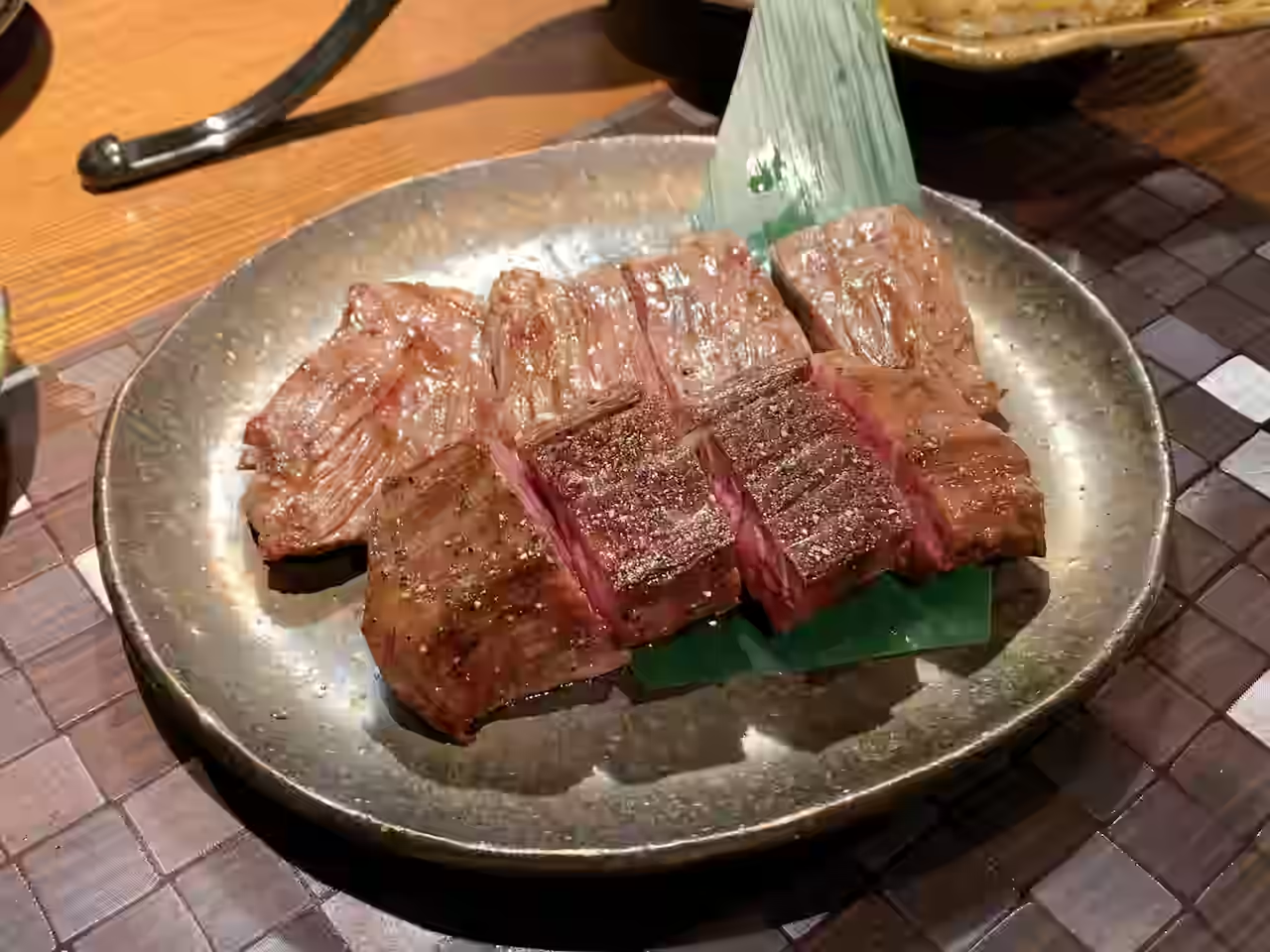
There’s a moment, somewhere between your first bite and the second, when you realize this isn’t like other beef. The fat is different. The flavor lingers in a way that’s hard to explain. That’s 能登牛 Noto beef, and once you understand where it comes from, the experience starts to make a lot more sense.
Japan has over 300 branded beef varieties. Most people know Kobe. Some know Matsusaka. But Noto Wagyu is something else entirely. It’s quieter. Rarer. And arguably more interesting for exactly those reasons.
What Is Noto Beef?
Noto beef is a brand of Japanese Wagyu beef raised in Ishikawa Prefecture, specifically along the Noto Peninsula. The cattle are Japanese Black (Kuroge Washu), the same breed behind most of Japan’s premium marbled beef.
To be certified as 能登牛 Noto beef, the cattle must meet strict quality standards. Only Kuroge Wagyu raised in Ishikawa and graded at a high level qualifies. The branding system was officially established in 1995 by the Noto Beef Branding Promotion Association. That makes it relatively young as Japanese beef brands go. But its roots go back much further.
One thing worth knowing upfront: Noto beef is genuinely rare. Production is small. Almost all of it is consumed locally within Ishikawa. If you want to try it, you really do need to go there.
Why Noto Beef Is Special
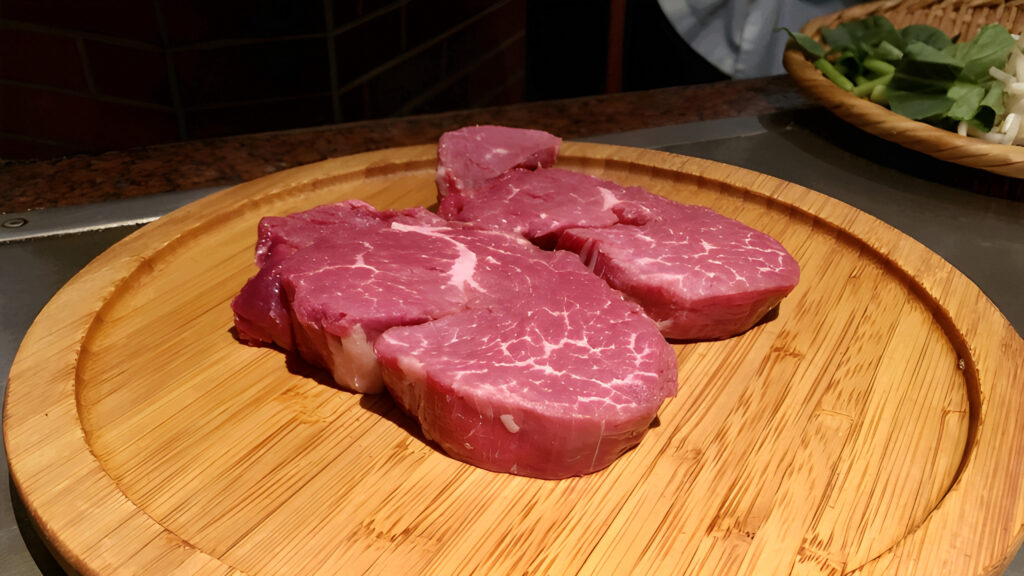
Several things set this 石川県の和牛 Japanese Wagyu beef apart from other regional brands.
First, the environment. The Noto Peninsula is a UNESCO-designated Globally Important Agricultural Heritage System area. That recognition isn’t just a title. It reflects centuries of traditional farming practices carried out in harmony with the landscape. The sea breeze off the Sea of Japan, the mineral-rich coastal air, the open pastureland — all of this shapes the cattle and, eventually, the meat.
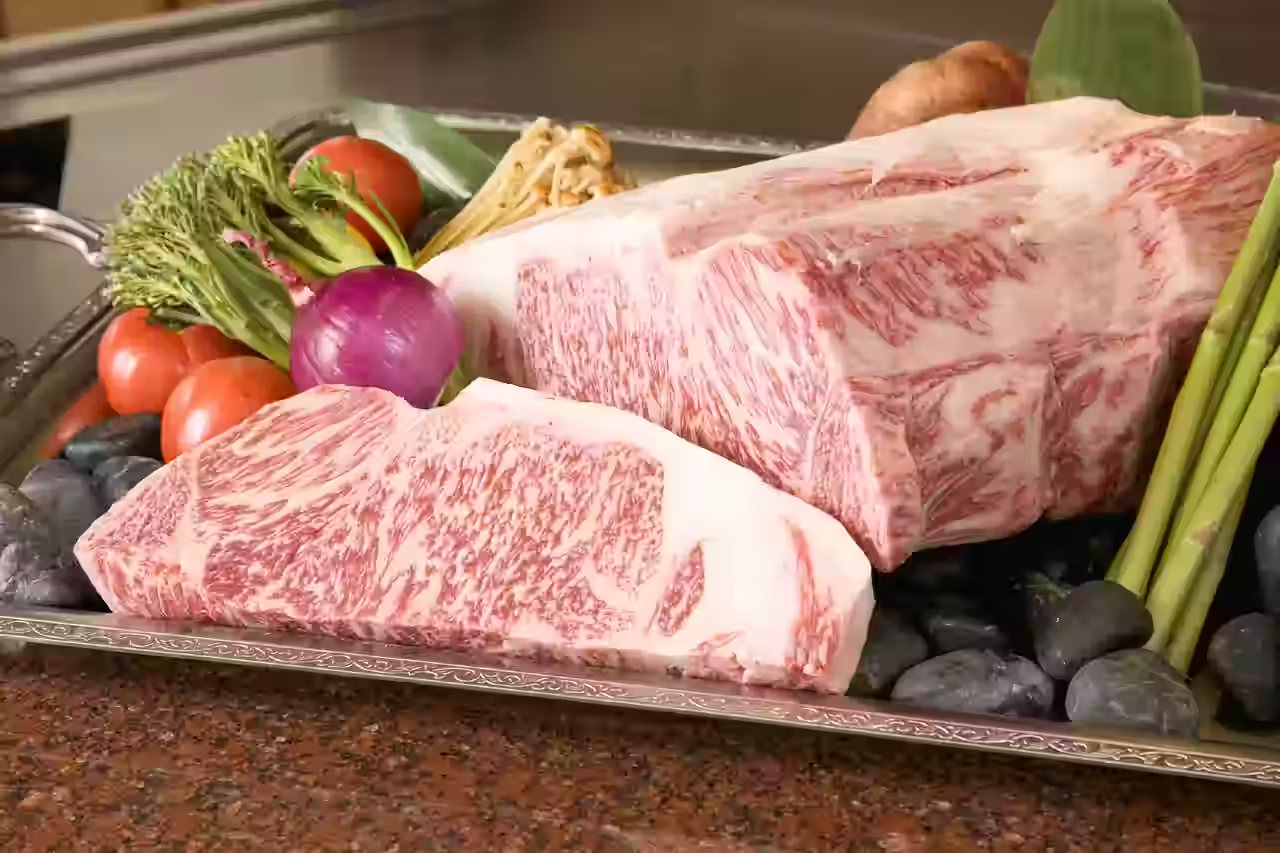
Second, the fat quality. Noto beef has an unusually high oleic acid content. This is the same healthy fat found in olive oil. It’s what gives the beef its distinctive melt and its cleaner aftertaste. At the 9th National Wagyu Beef Competition, often called the Olympics of Japanese Wagyu, Noto beef won a Special Award specifically for its oleic acid content and fat quality. That’s not a minor distinction.
Third, the texture. Unlike some highly marbled Wagyu that can feel almost too rich, Noto beef has a slightly firmer bite. There’s structure to it. The fat is present but not overwhelming. This makes it more versatile and, honestly, more satisfying over a full meal.
You can explore Japanese Wagyu more broadly, but Noto stands in its own category.
The History Behind Noto Beef
The story starts in the Meiji Period. Along the western coast of the Noto Peninsula, the salt industry was thriving. That industry needed firewood. That firewood needed to be carried. And that meant draft cattle.
Local farmers began bringing breeding cattle from Tajima District in Hyogo Prefecture. Later, in the Taisho Period, cattle from Tottori Prefecture were also introduced. These crossbreeds were selected for strong legs suited to the rugged terrain. But something unexpected happened along the way.
The first generation of hybrids turned out to be excellent in both size and marbling. As crossbreeding continued over decades, the size gradually decreased, but the meat quality stayed. The red meat, which has slightly less marbling than other Japanese beef brands, became a defining characteristic. Rather than being seen as a flaw, it became a feature. Consumers came to appreciate its balance.
By the early Showa Period, local producers were already proud of what they were raising. The Teraoka Butcher in Shika Town, which opened in 1904, built its entire business around this beef. That shop still exists today as part of the Teraoka Livestock Group.
The formal brand, however, didn’t come until 1995. That year, the Noto Beef Branding Promotion Association established the certification criteria that define 能登のブランド牛 premium Japanese beef standards for the region.
Today, producers like Noto Ranch & Co., Ltd., established in 2014 in the northeastern part of the peninsula, have won the Ishikawa and Fukui Beef Competition grand championship five consecutive times. The scale is deliberately small. The quality is consistently high.
What Does Noto Beef Taste Like?
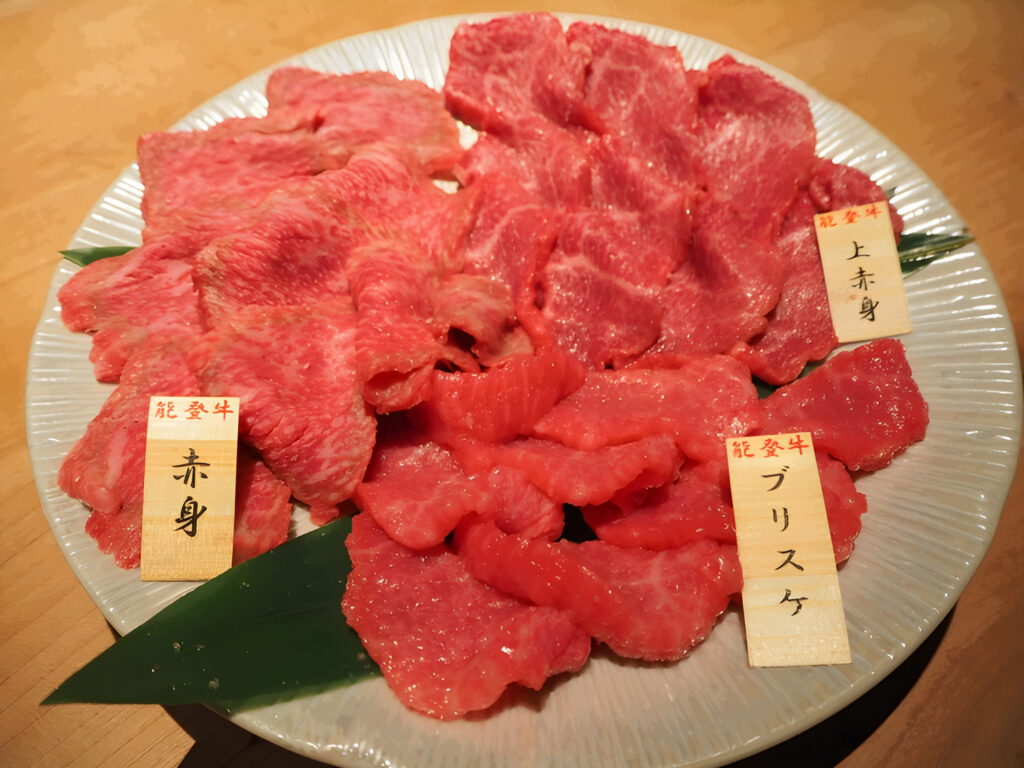
This is the question people ask most. And it’s a fair one.
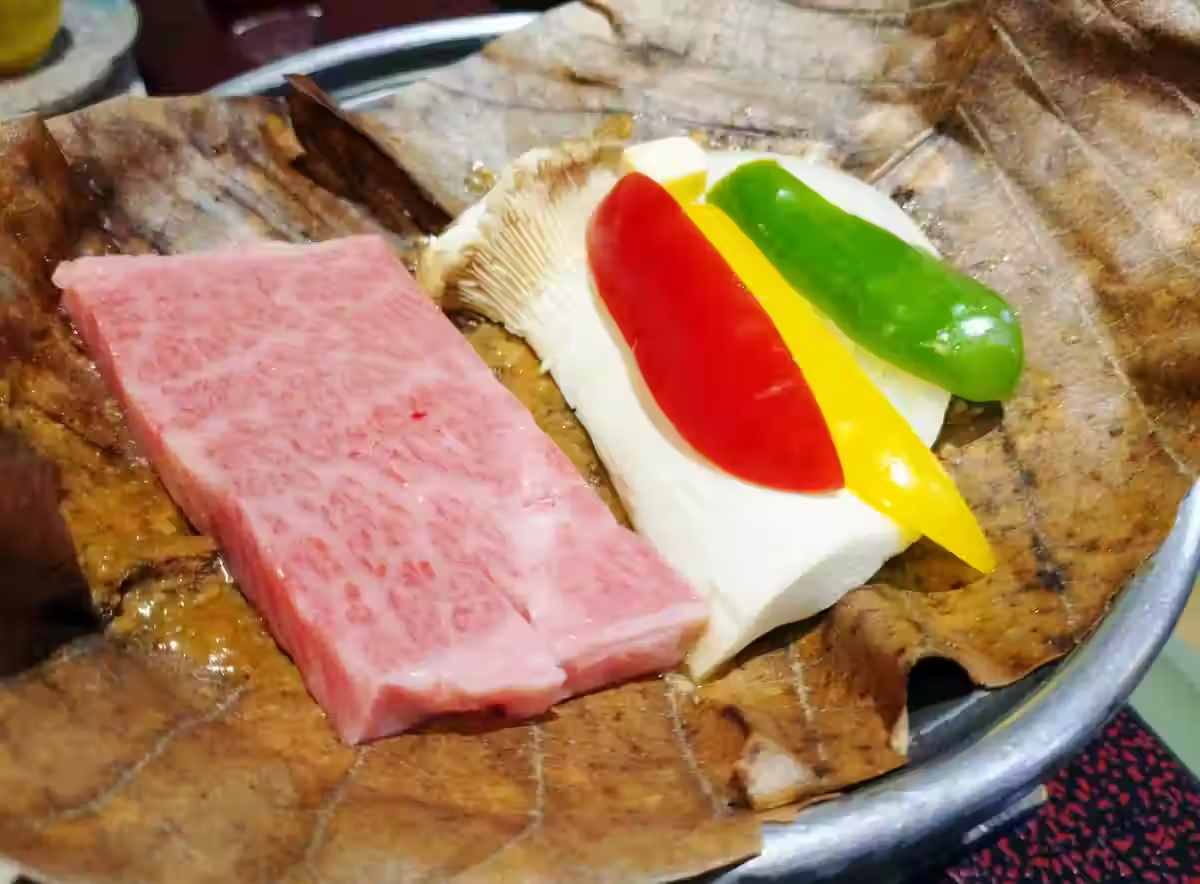
The flavor is rich but refined. There’s a caramel-like sweetness from the fat, with a deeper, nutty undertone that develops as you chew. The high oleic acid content means the fat feels smooth rather than heavy. It melts at a lower temperature, so you notice it quickly.
Compared to something like Kobe or Matsusaka beef, Noto Wagyu has slightly more textural presence. Some find this more satisfying. It doesn’t disappear immediately. There’s something to actually eat. The umami is genuine and clean, without that cloying richness that can sometimes come from extremely high-marbled cuts.
You might also notice this pairs naturally with Ishikawa’s food culture. The region’s cuisine leans toward subtlety and precision. This beef fits right into that tradition.
Best Ways to Eat Noto Beef
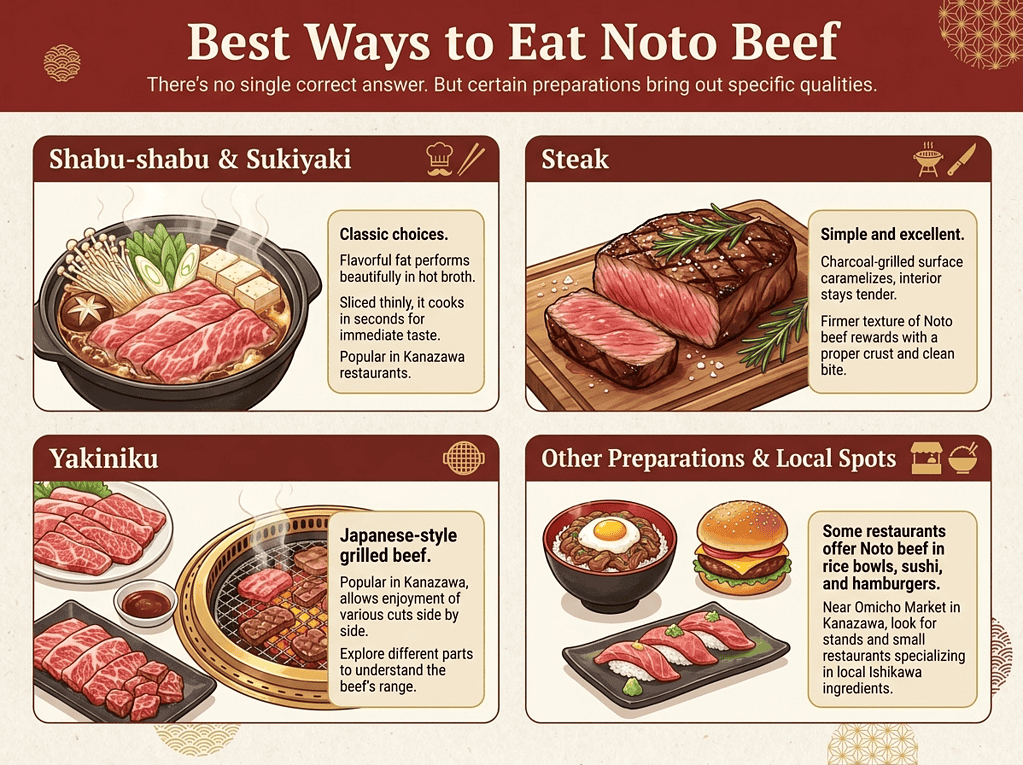
There’s no single correct answer. But certain preparations bring out specific qualities.
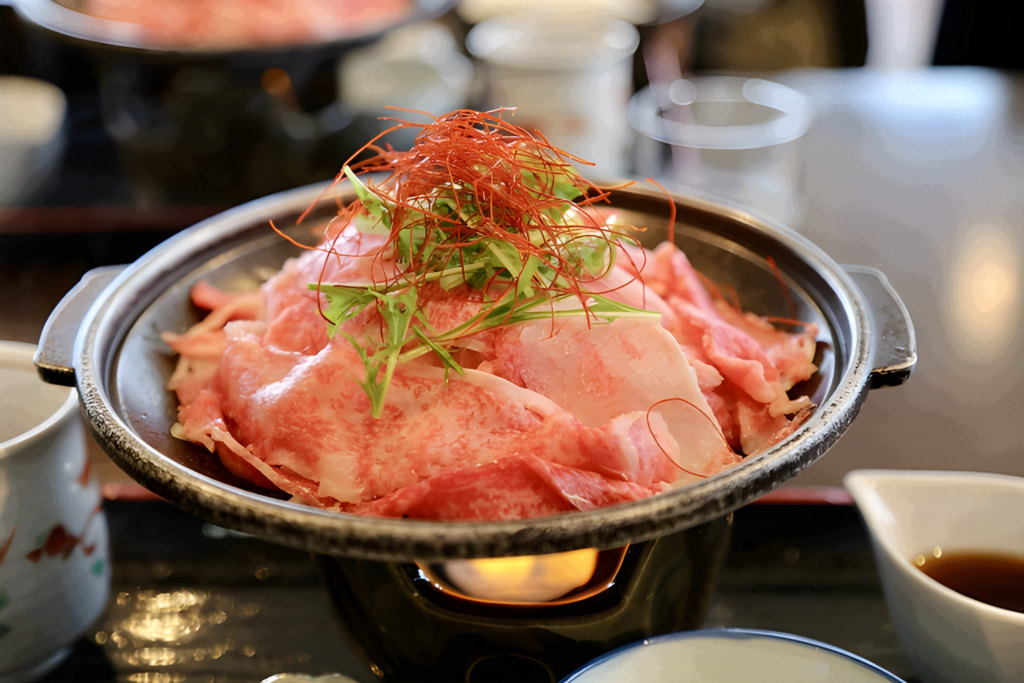
Shabu-shabu and sukiyaki are classic choices. The flavorful fat performs beautifully in hot broth. Sliced thinly, it cooks in seconds and the taste is immediate. Many restaurants in Kanazawa serve it this way.
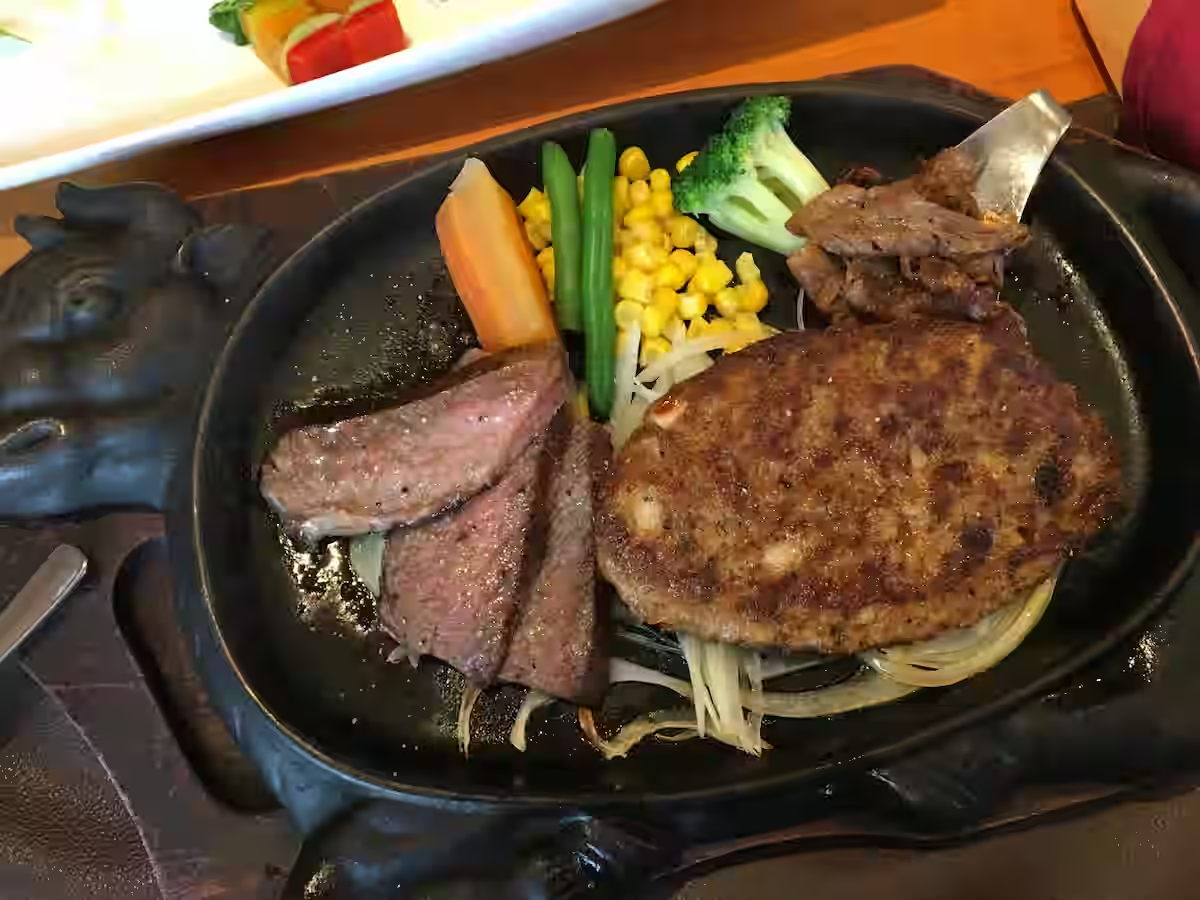
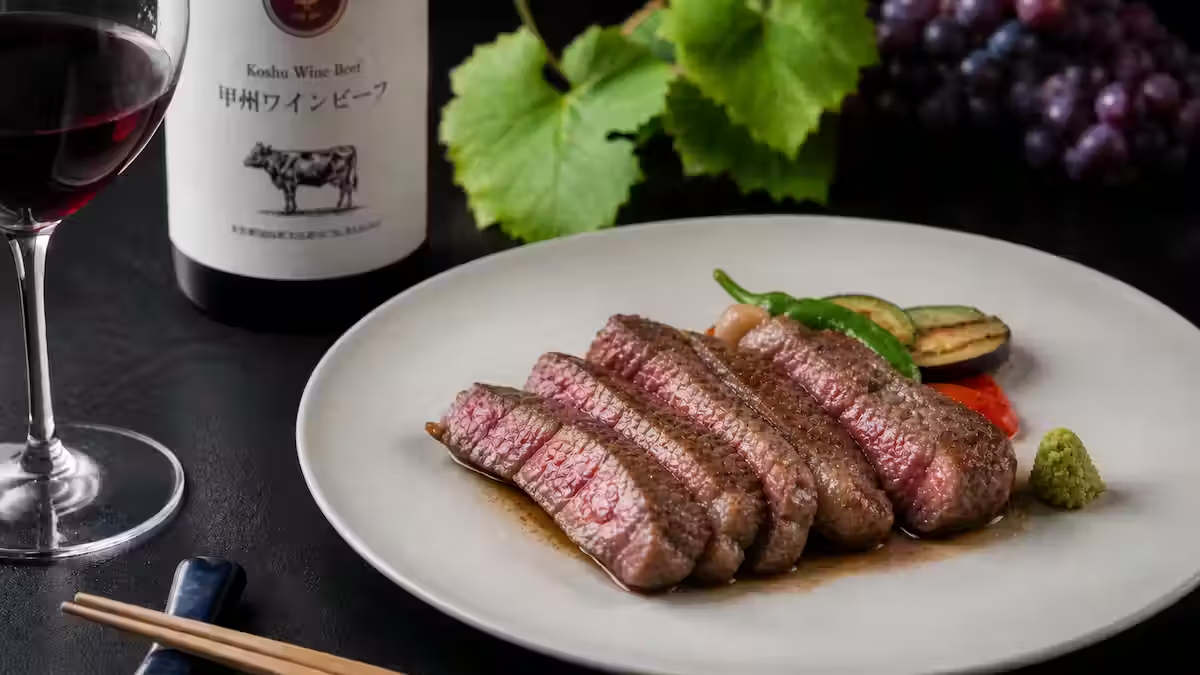
A simple steak is also excellent. Charcoal-grilled, the surface caramelizes and the interior stays tender. The slightly firmer texture of Noto beef makes steak particularly rewarding. You get a proper crust and a clean bite.
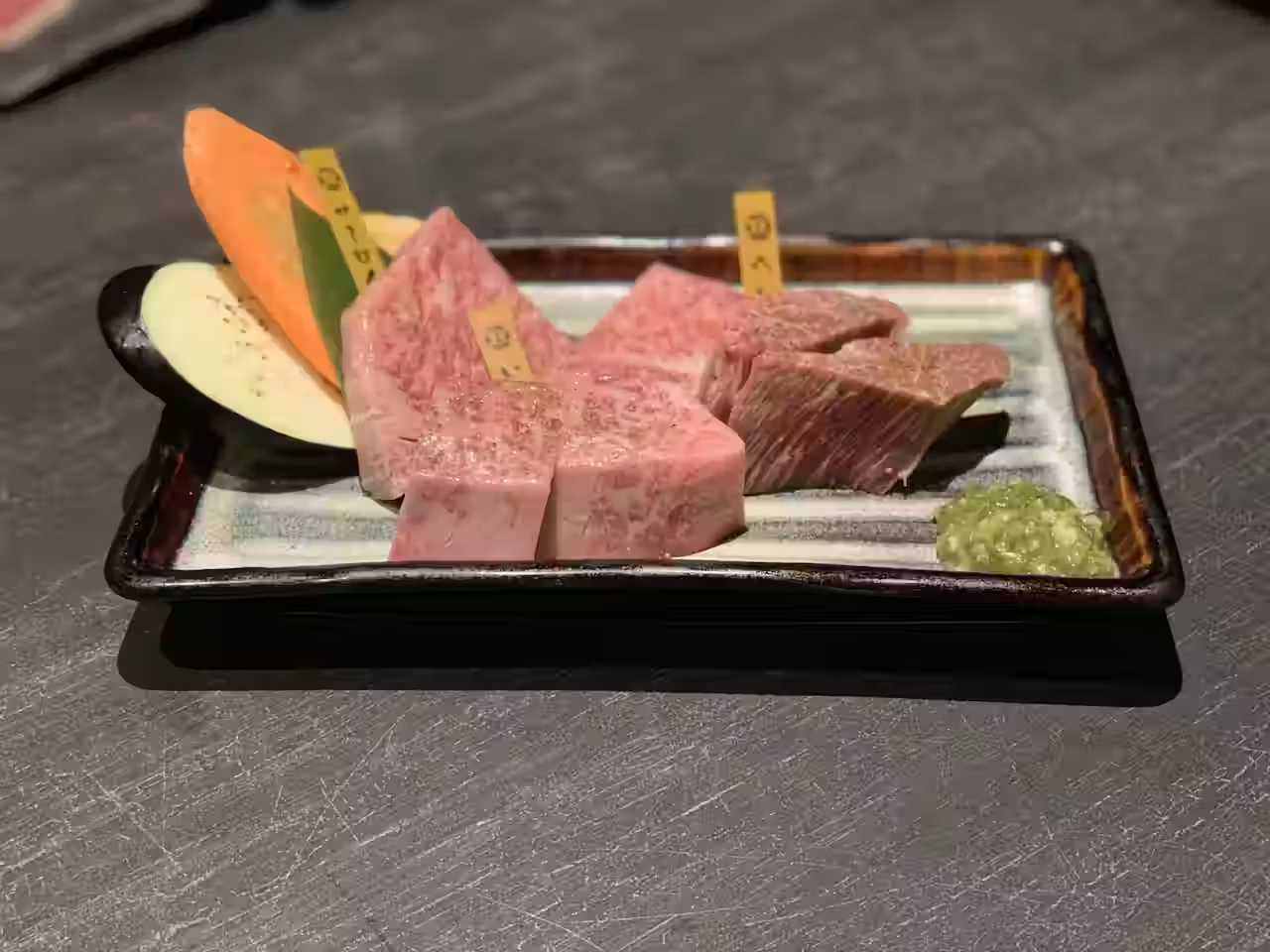
Yakiniku, Japanese-style grilled beef, is popular in Kanazawa restaurants and a natural way to enjoy various cuts side by side. It’s worth trying different parts to understand the range of the beef.
Some restaurants also offer Noto beef in rice bowls, sushi, and even hamburgers. If you find yourself near Omicho Market in Kanazawa, look for the stands and small restaurants that specialize in local Ishikawa ingredients.
Where to Try Noto Beef in Japan
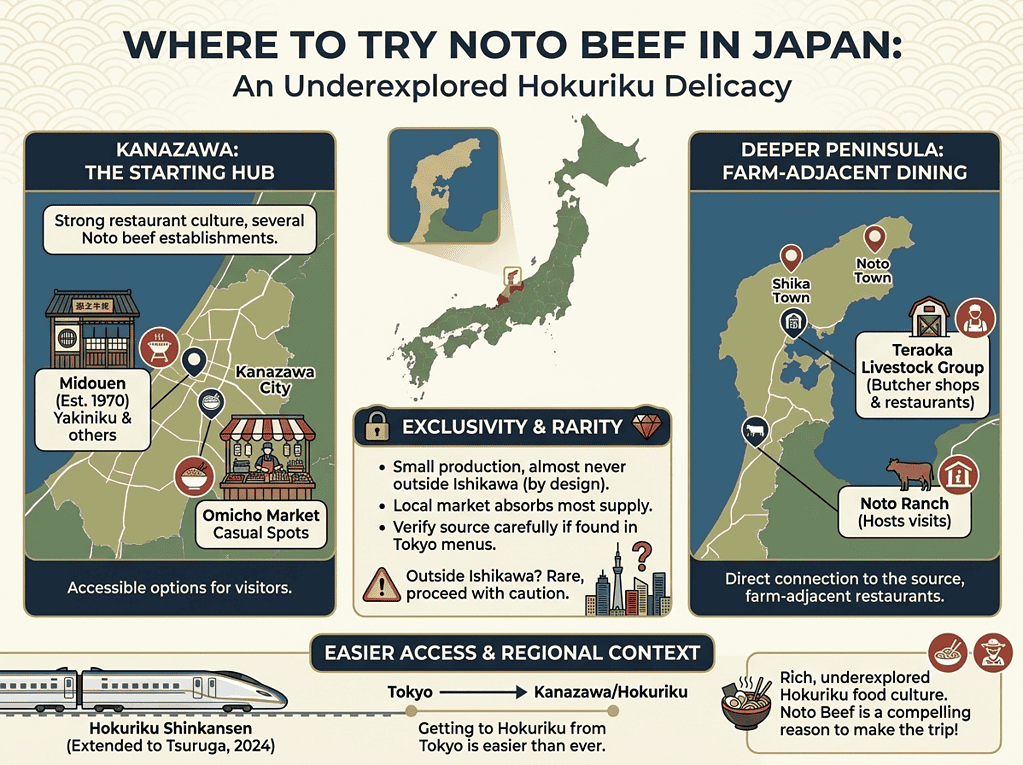
Kanazawa is the obvious starting point. The city has a strong restaurant culture and several establishments specifically built around Noto beef. Yakiniku restaurants like Midouen, founded in 1970, and casual spots near Omicho Market are accessible options.
If you’re traveling deeper into the peninsula, farm-adjacent restaurants in Shika Town and Noto Town offer the most direct connection to the source. The Teraoka Livestock Group runs butcher shops and restaurants in the area. Noto Ranch also hosts visits.
It’s worth noting that outside of Ishikawa, this beef almost never appears. That’s by design. Production is small and the local market absorbs it. If you see it on a menu in Tokyo, verify the source carefully.
The Hokuriku food culture is rich and often underexplored by visitors. Noto beef is one of the most compelling reasons to make the trip. And now, with the Hokuriku Shinkansen extended to Tsuruga in 2024, getting to this region from Tokyo is easier than it’s ever been.
Noto Beef Today
The 2024 Noto earthquake caused significant damage to the peninsula and its communities. Some farms were affected. Some producers faced serious setbacks. Recovery is ongoing, and supporting Ishikawa’s food culture now, including its beef, carries real meaning beyond the culinary experience.
The Noto Wagyu story isn’t finished. It’s still being written, largely by small-scale producers who choose quality over volume. That commitment is part of what makes 能登牛 Noto beef worth seeking out.
If you’re building a picture of what regional Japanese beef can be, this is an essential chapter. It’s not the most famous. It may be the most honest.
For a broader understanding of Japan’s premium beef tradition, the Japanese Wagyu overview and Wagyu category on this site offer useful context.
References
- Ishikawa Foodishbook – Noto Beef Report: https://ishikawafood.com/en/report/812/
- Wagyu Sommelier – Noto Ushi: A Coastal Wagyu from Ishikawa: https://wagyusommelier.com/noto-ushi-wagyu-ishikawa-japan/
- MAFF Hokuriku – Noto Beef (PDF): https://www.maff.go.jp/hokuriku/food/export/attach/pdf/sake_e_f2.pdf
- Savor Japan – Restaurants in Kanazawa for Noto Beef: https://savorjapan.com/contents/discover-oishii-japan/not-only-seafood-enjoy-wagyu-5-restaurants-kanazawa-ishikawa




Comments