

Japanese Snacks– Traditional Snacks, Dagashi Candy, Rice Crackers & Popular Japanese Treats –
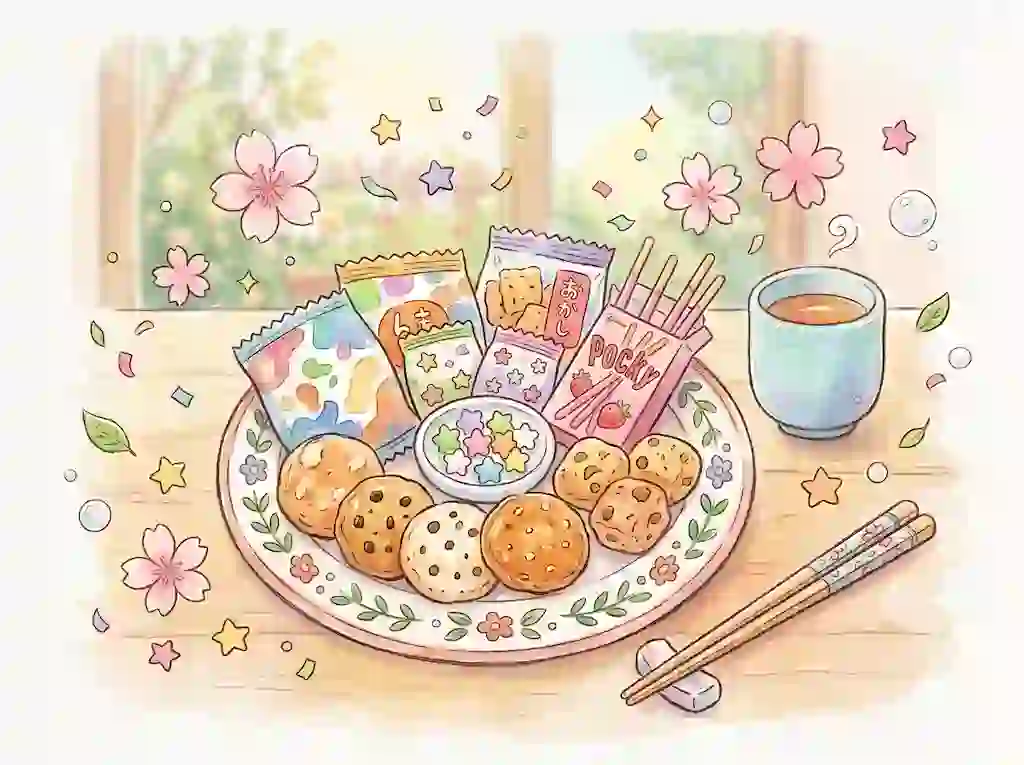
Japanese snacks are an essential part of everyday food culture in Japan. From traditional rice crackers and wagashi sweets to modern convenience store treats and nostalgic dagashi candy, Japan offers a wide variety of snacks enjoyed between meals.
Many Japanese snacks focus on simple ingredients such as rice, soy sauce, seaweed, and sugar, creating flavors that range from savory and crispy to sweet and delicate. Classic snacks like senbei rice crackers, karinto, and mochi sweets have been enjoyed for generations, while modern snacks have become popular both in Japan and around the world.
Dagashi, inexpensive candy and snacks often sold in small neighborhood shops, are also an important part of Japanese snack culture. These colorful treats are loved for their playful packaging and nostalgic flavors.
In this category, explore traditional Japanese snacks, regional treats, and popular everyday snacks that reflect Japan’s unique food culture.
-
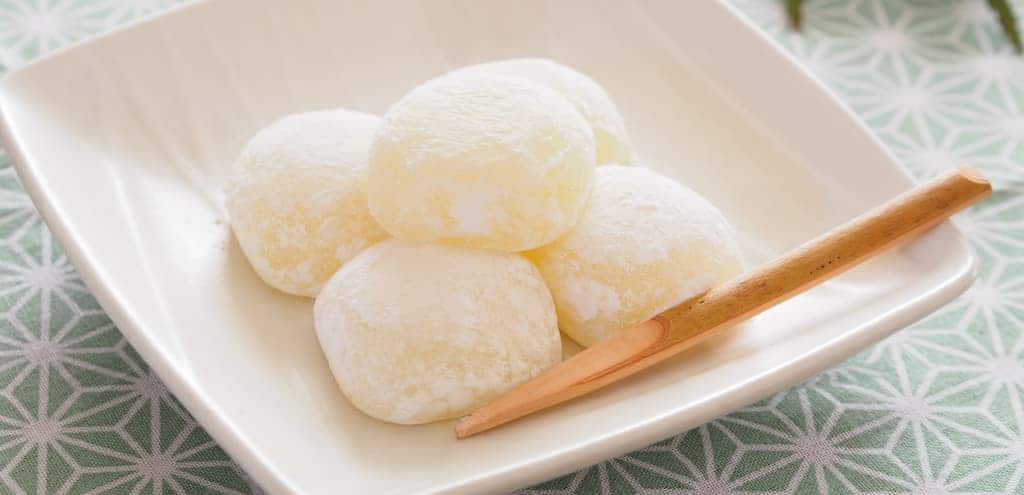

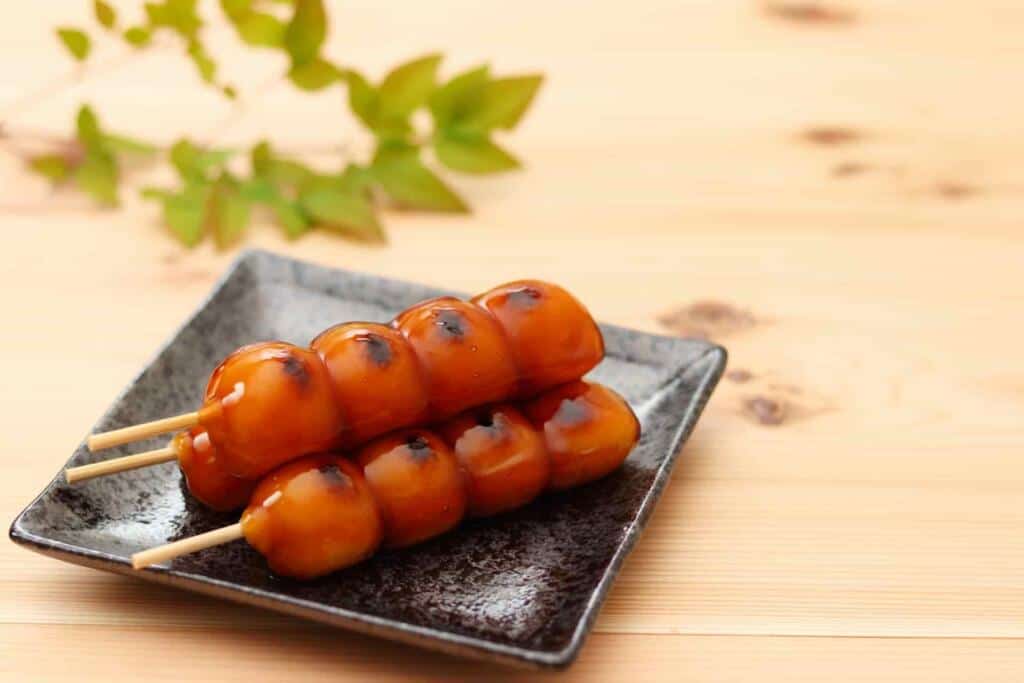
Kibi Dango (きびだんご)
きびだんご Kibi dango is a traditional Japanese sweet dumpling from Okayama Prefecture, and one of the most famous wagashi souvenirs in western Japan. Small, soft, and lightly sweet, each dumpling is made from millet or glutinous rice fl... -
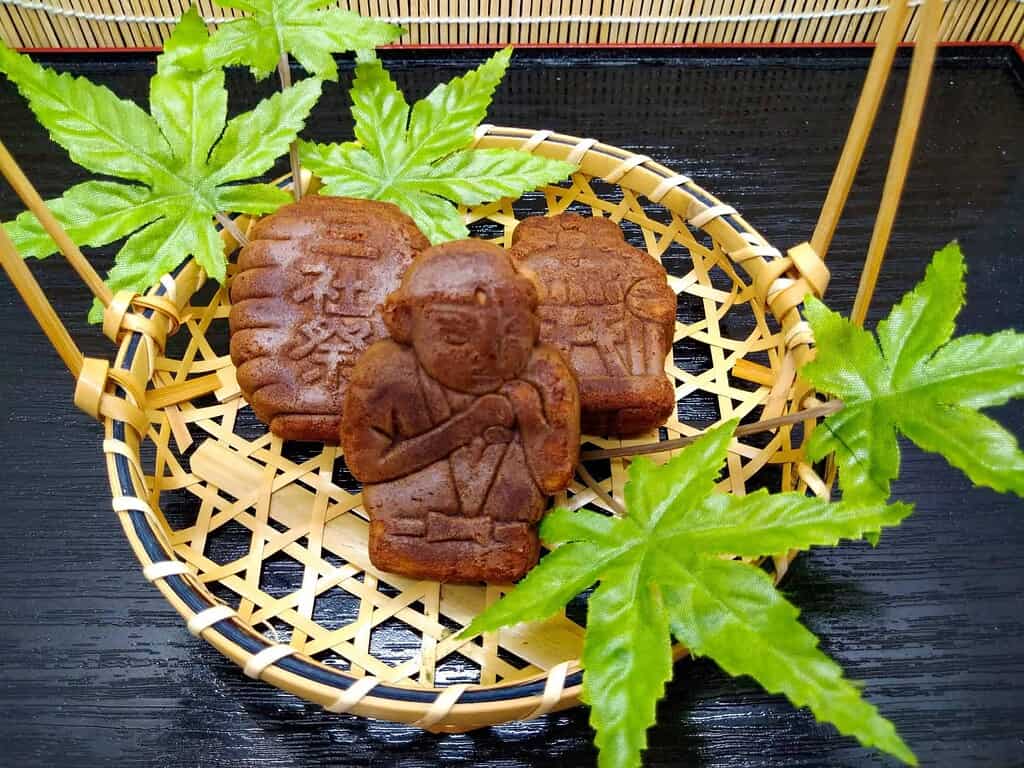

Ningyo yaki (人形焼)
Ningyo-yaki (人形焼) is a small, soft baked sweet from Tokyo. Each cake hides a filling of sweet red bean paste inside a fluffy sponge shell. These bite-sized treats are especially famous in Asakusa, sold warm near Senso-ji Temple. The n... -
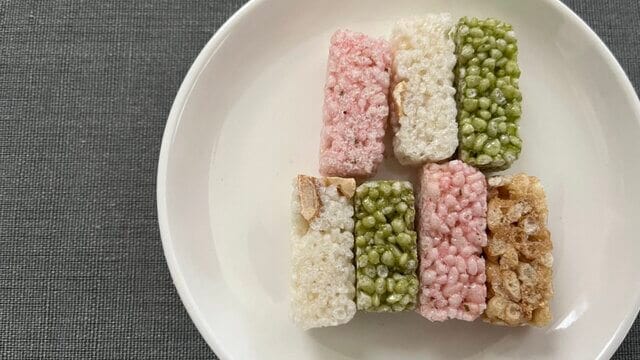

Kaminari Okoshi (雷おこし)
If you come to visit Asakusa, there are so many good souvenirssaminari Okoshi is a well-known specialty of Asakusa (Tokyo). In Japanese, Kaminari means "thunder". But why is it called “thunder”? Is it because it makes a crunching so... -
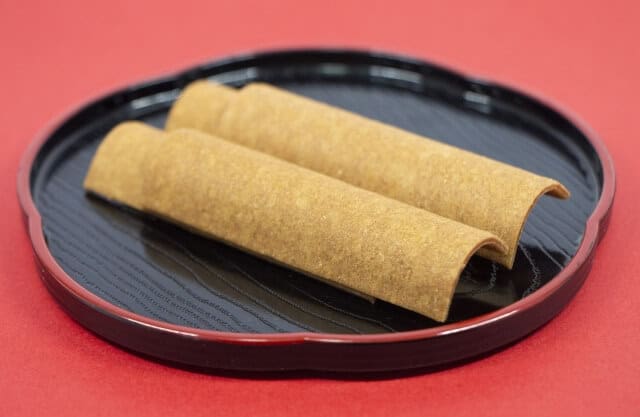

Yatsuhashi (八ツ橋)
Speaking of sweets that represent Kyoto, you can't miss Yatsuhashi. It has a very long history and is said to have been born in the second year of Genroku (1689). Then what is the story behind the birth of this sweet? Let's find out... -
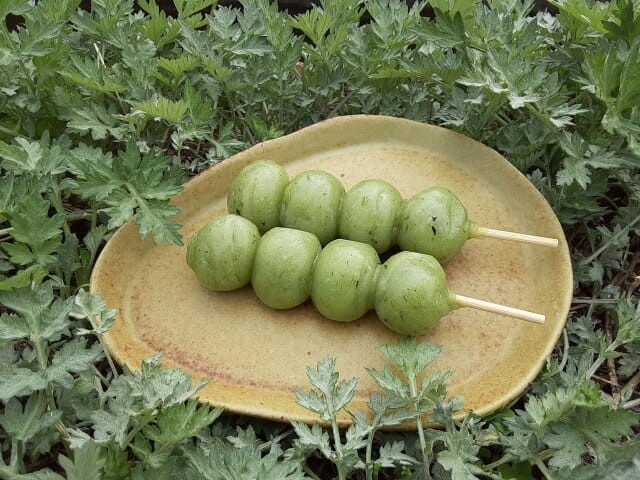

Kusa mochi (草餅)
What is Kusa mochi? Kusa mochi (草餅) is one of the Japanese sweets also known as "kusamochi or yomogi mochi (蓬餅)." Locals made it using mochi and yomogi (known as Japanese mugwort) leaves. In fact, this Kusa Mochi is the Yomogi Moch... -
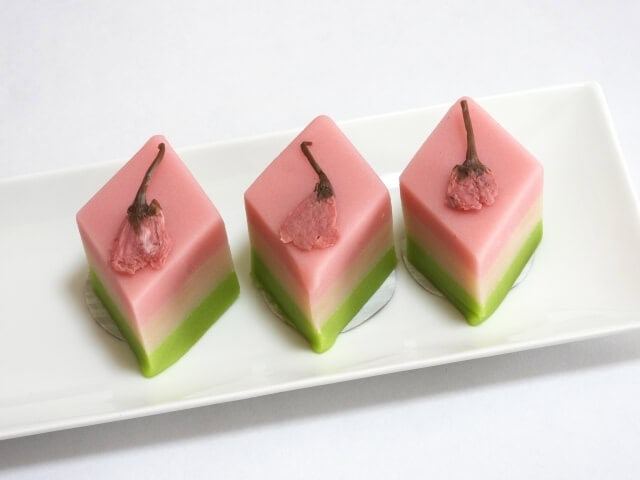
Hishi mochi (菱餅)
Introduction to Hishi MochiIn Japan, they have this custom or festival in which they celebrated it for the growth of girls. They call it "Hinamatsuri" and they always held it on March 3rd. One of the indispensable items on this day is th... -
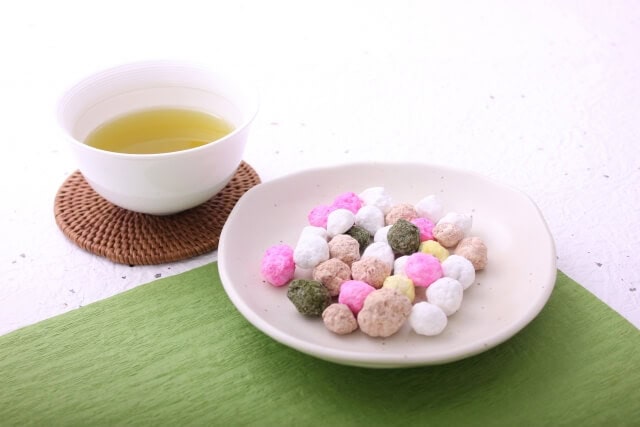

Hina-arare (ひなあられ)
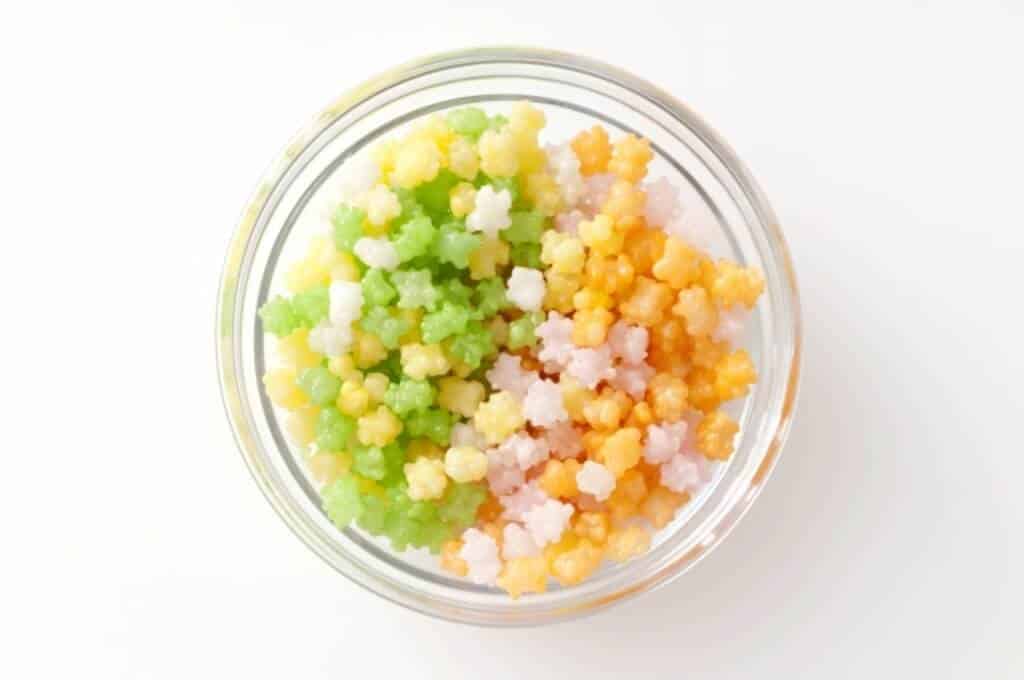
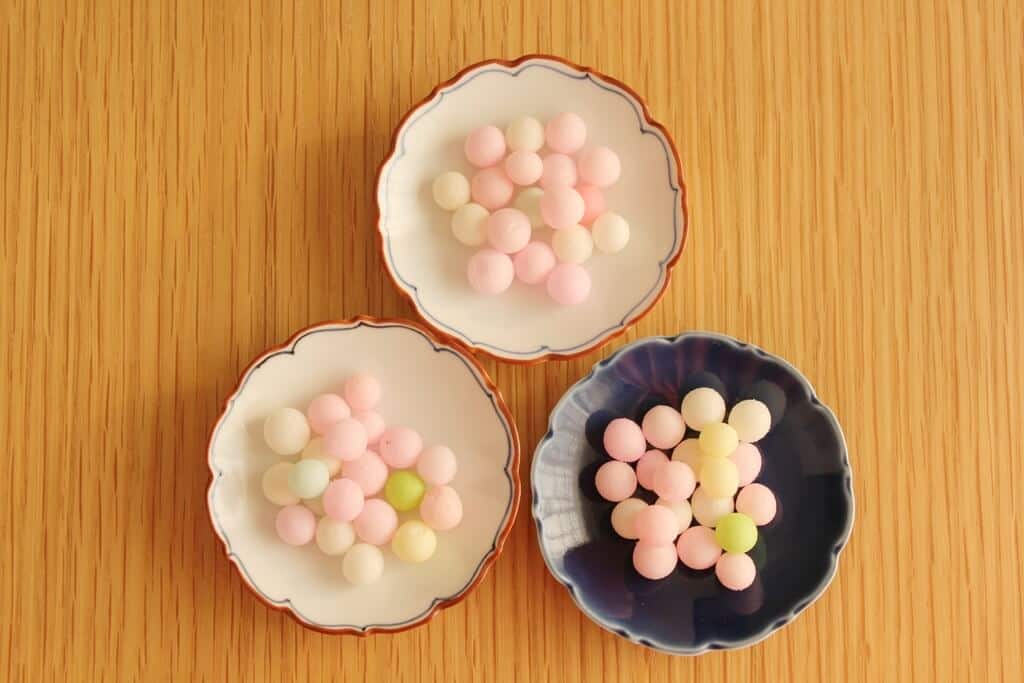
Hinaarare (雛あられ) are small, bite-sized Japanese rice crackers or puffed rice sweets traditionally eaten during Hinamatsuri (Girls' Day Festival) on March 3rd. They come in pink, white, and green colors representing the three seasons,... -
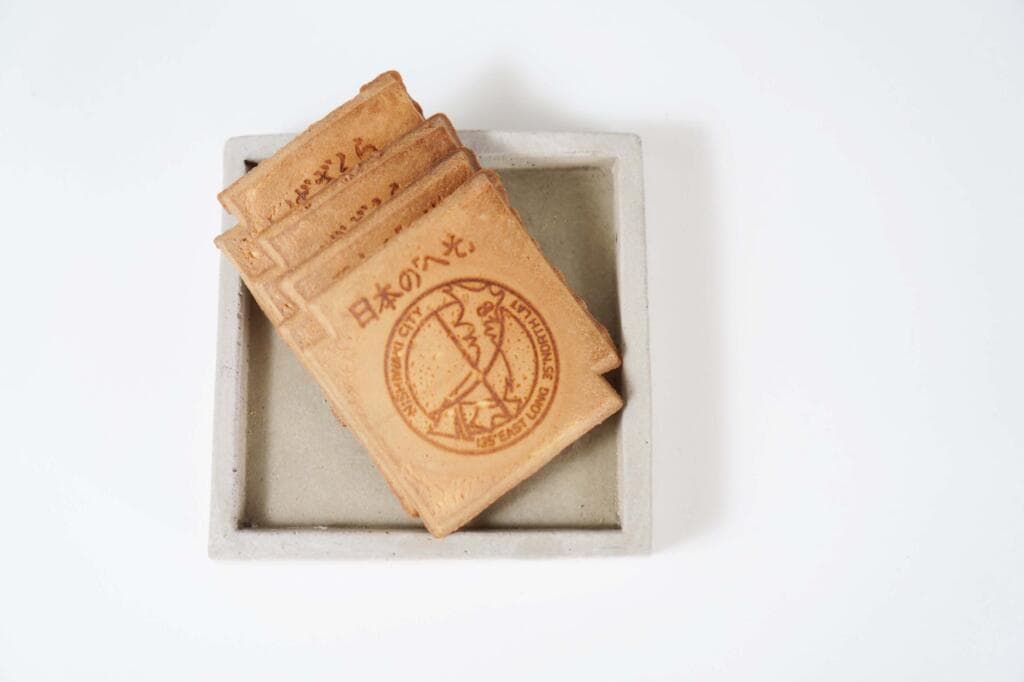

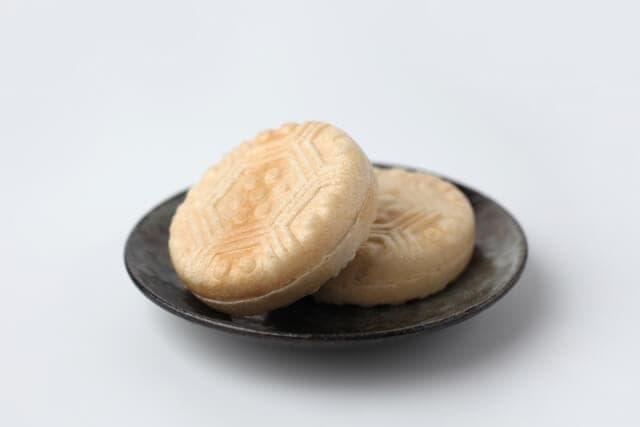
Kawara senbei (瓦せんべい)
Have you ever heard of Kawara senbei? The subtle sweetness of this cracker has a nostalgic taste. It is a baked confectionery that has been popular for a long time as a "Japanese cookie" with a slightly high-quality taste. Today, we... -
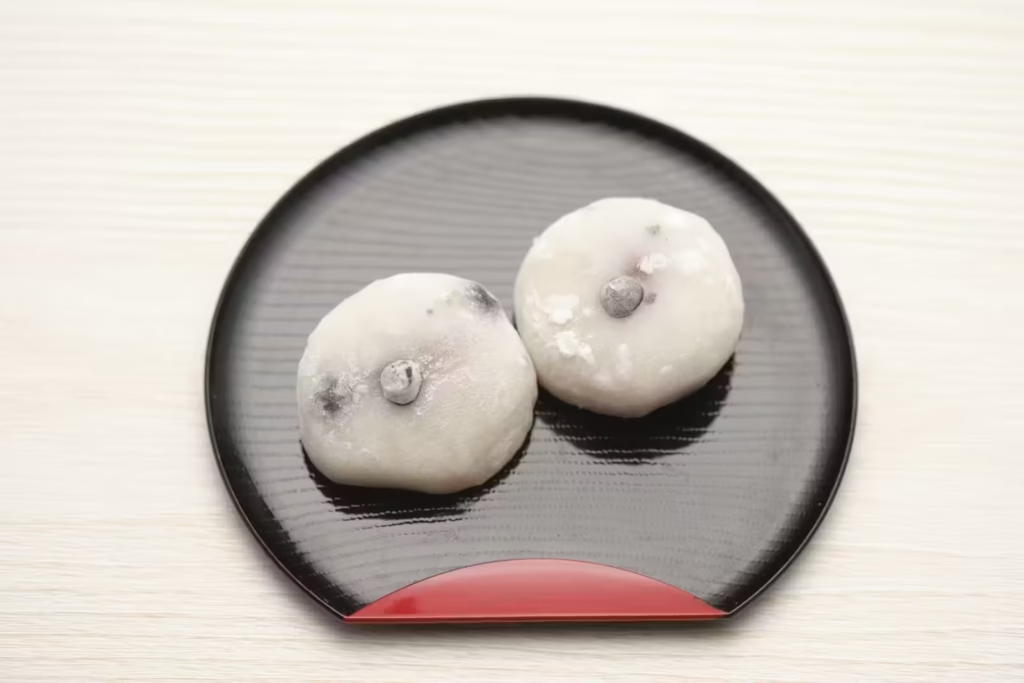

Daifuku (大福)
Daifuku is a traditional Japanese mochi sweet filled with anko, or sweetened red bean paste. You will find it in convenience stores, supermarkets, and long-established wagashi shops across Tokyo. The best pieces, though, come from small ... -
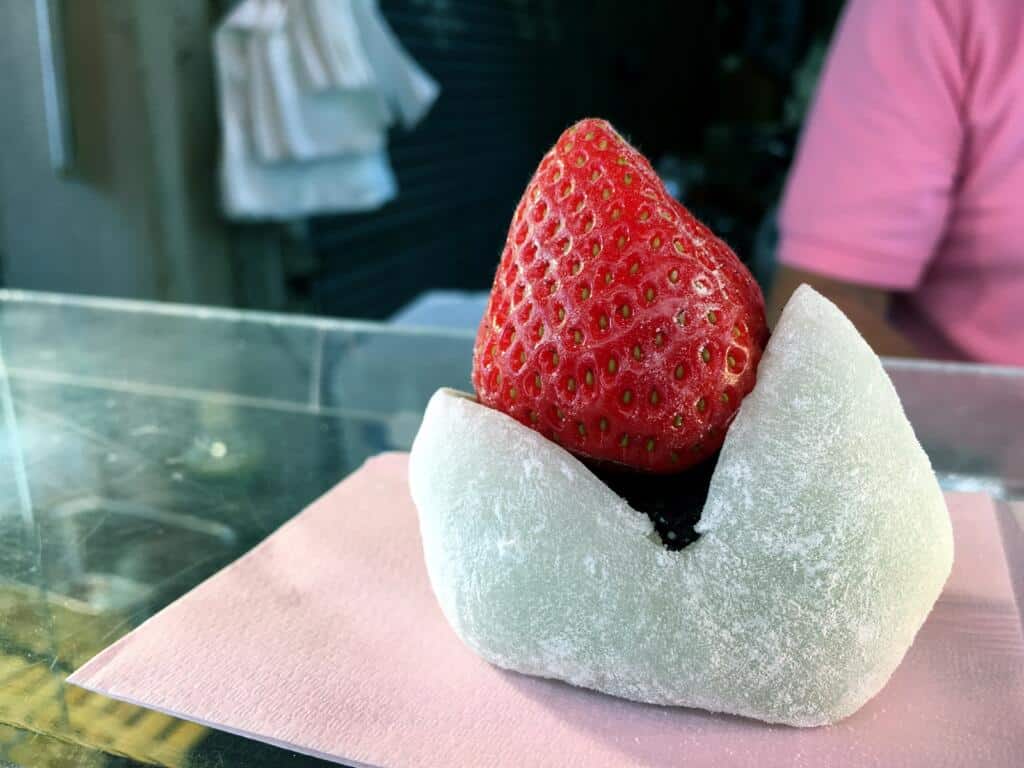
Ichigo Daifuku (いちご大福)
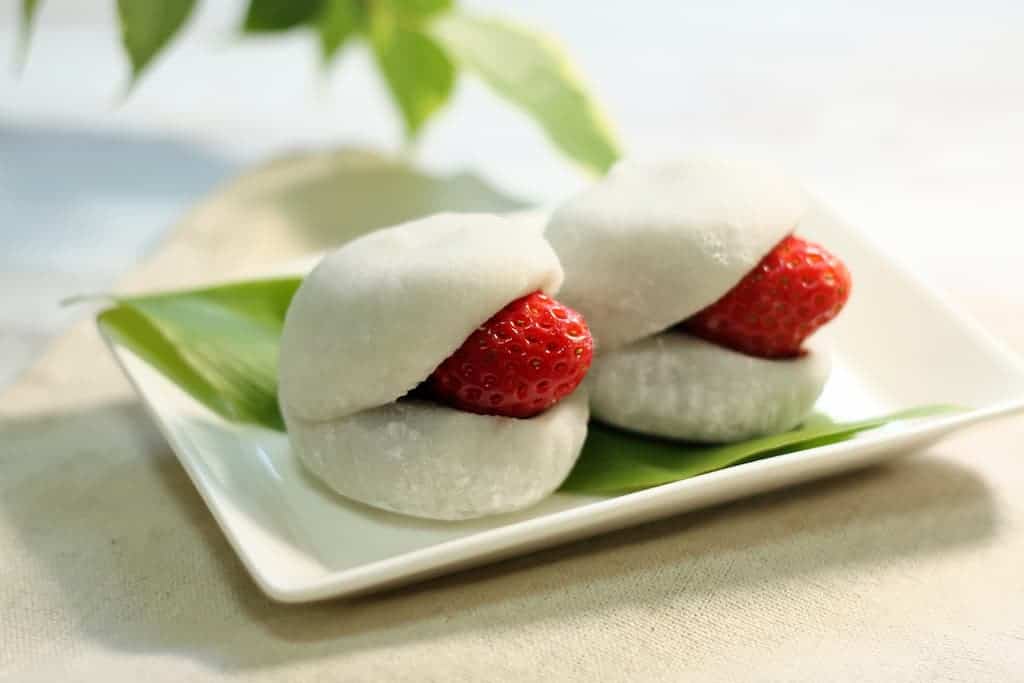
Introduction to Ichigo Daifuku Ichigo daifuku is a very popular spring dessert. It is another type of sweet Japanese snack with strawberry and sweet red bean paste, also known as strawberry mochi. It is one of the most interesting and un...