


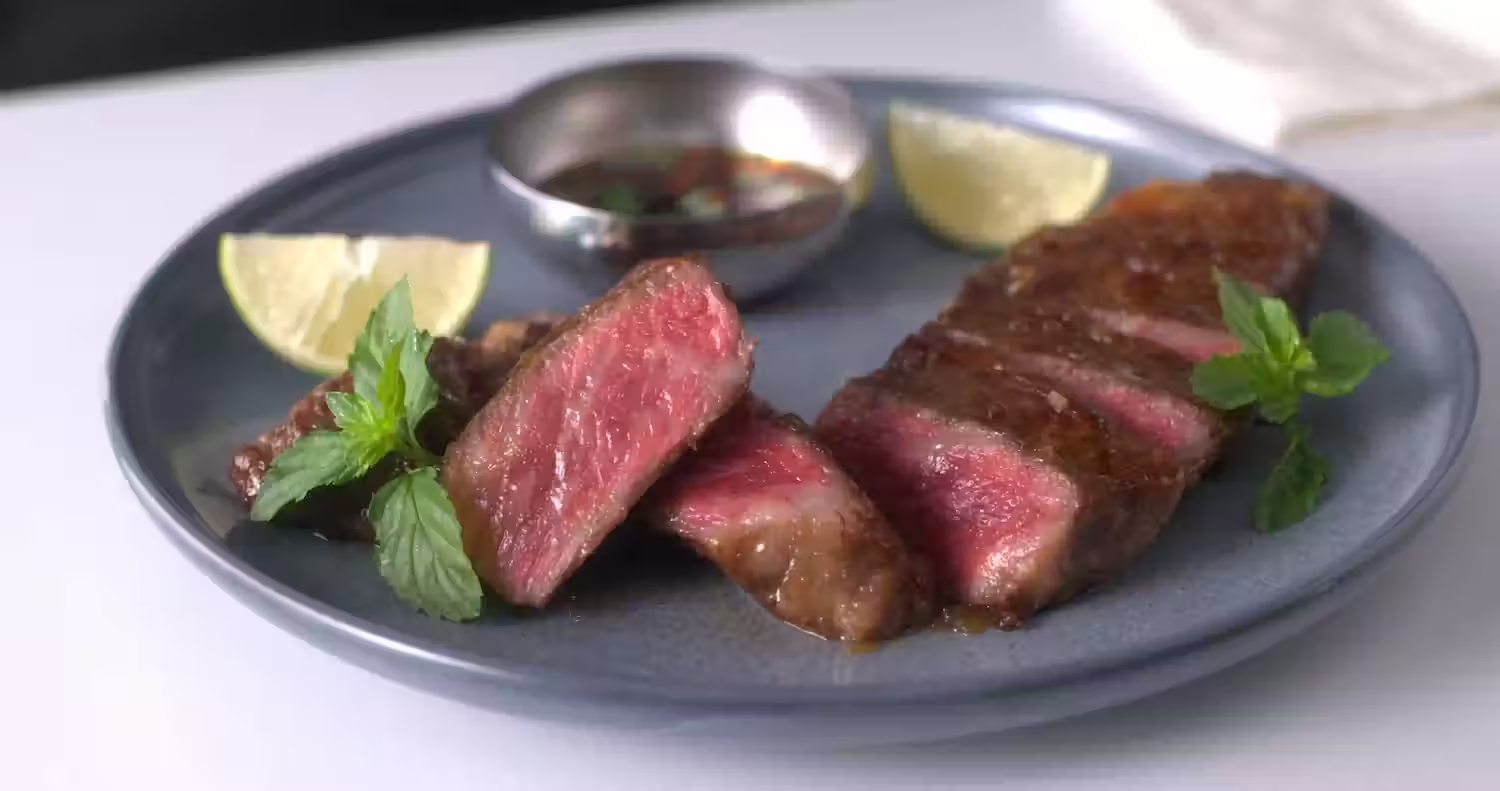

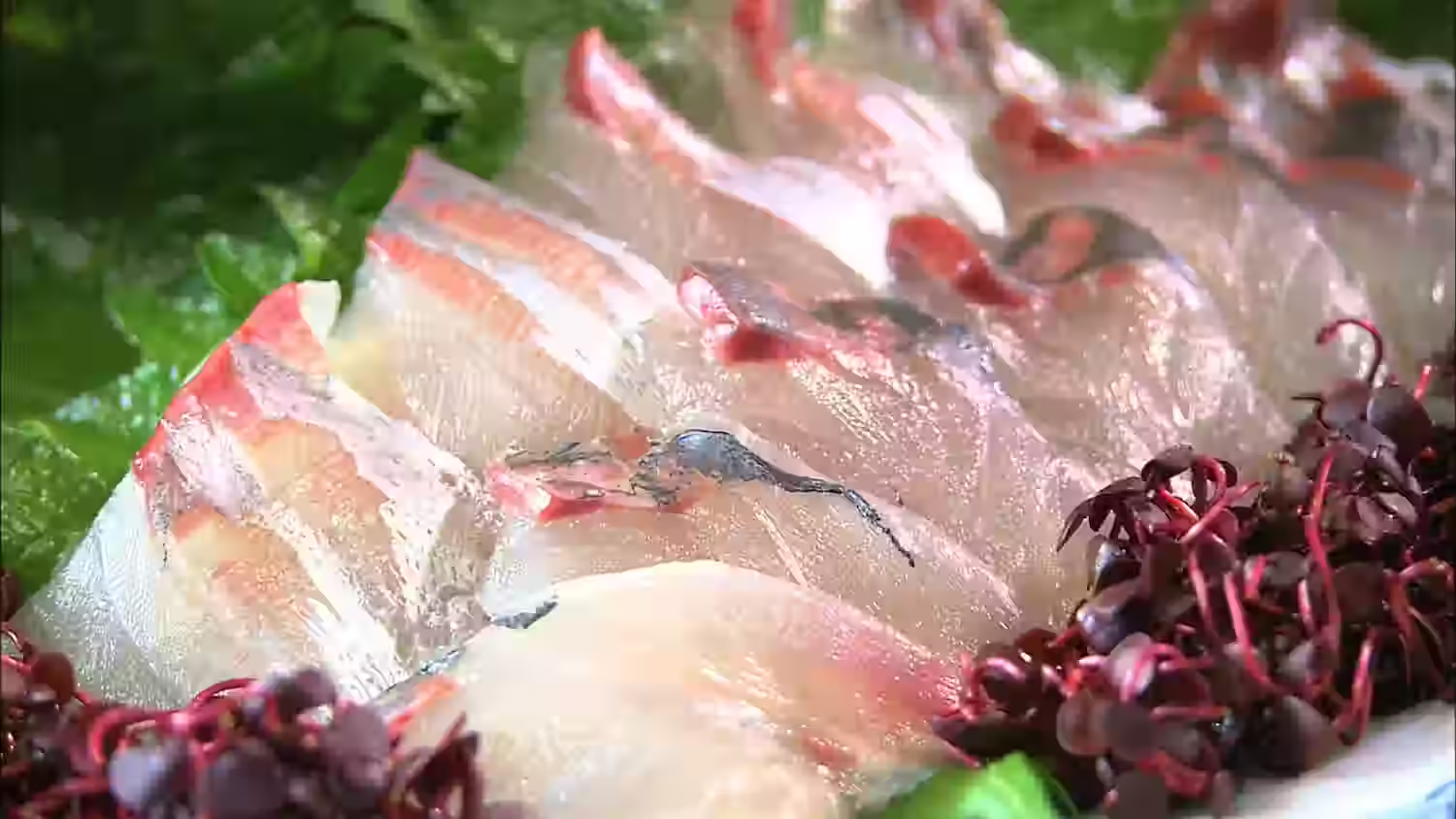


Yakumi are small Japanese flavor accents that brighten, balance, and refresh a dish. Think of them as Japanese garnishes with purpose. They are not the main ingredient. Instead, they are the finishing touch that makes everything click. From the sharp heat of wasabi on sashimi to the crisp green onion floating in ramen broth, yakumi quietly do the heavy lifting. This guide covers what yakumi are, why they matter, and how to recognize them the next time you sit down to a Japanese meal.
What Is Yakumi? A Clear Definition
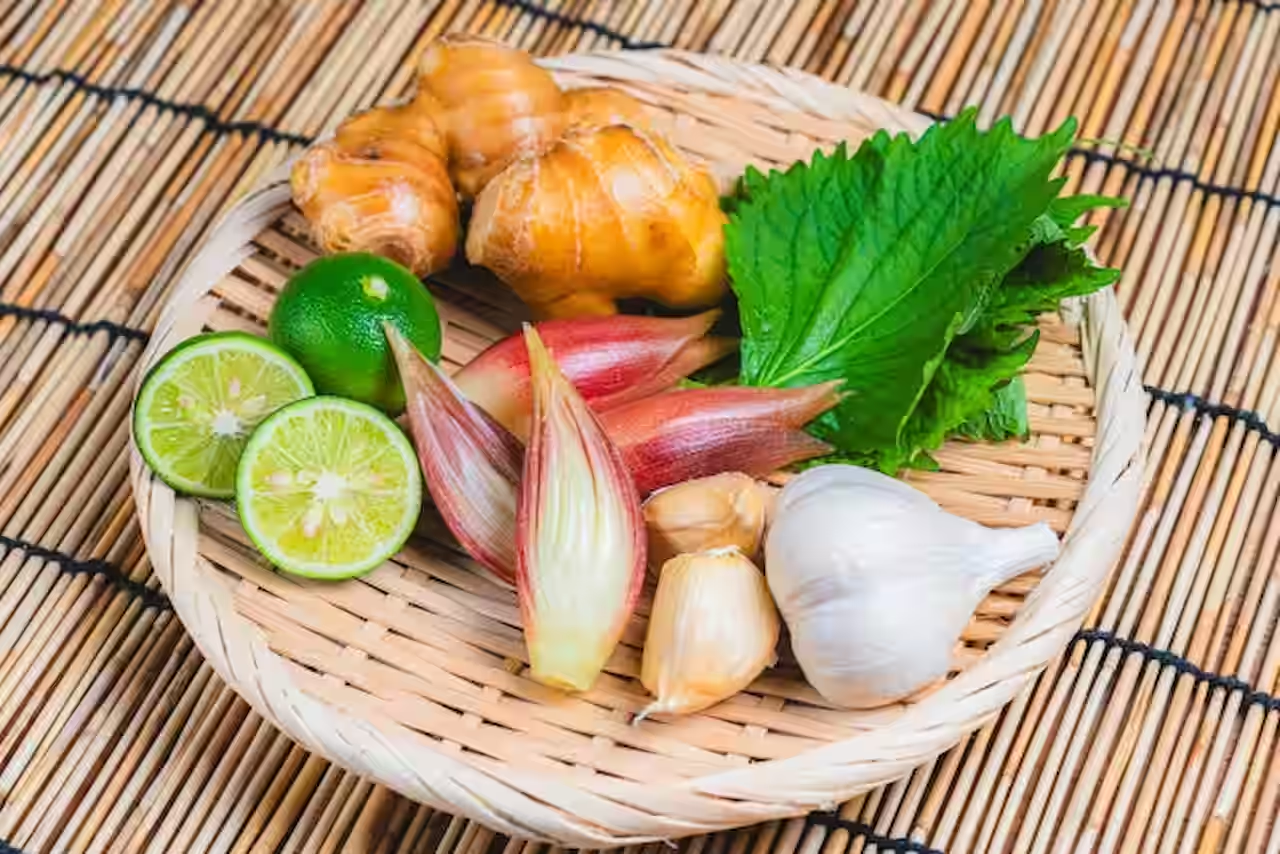
Yakumi (薬味) are aromatic vegetables, herbs, and spices served in small amounts alongside a main dish. The word itself breaks down into two kanji: “yaku” (薬), meaning medicine, and “mi” (味), meaning flavor. In other words, yakumi literally translates as “medicinal flavor.” That name is not accidental. These Japanese condiments carry a long history rooted in the idea that food and medicine share a common purpose.
The concept traces back to traditional Chinese medicine and an ancient text called the “Shennong Ben Cao Jing,” which described five core flavors: sweet, salty, sour, bitter, and spicy. Each flavor carried a specific medicinal function. Japanese cooks absorbed this philosophy and built it into everyday cooking. As a result, yakumi became far more than decoration.
So what do yakumi actually do? They serve at least four distinct roles. First, they add aroma and flavor contrast. Second, they stimulate appetite. Third, they neutralize the smell of raw fish and meat. Fourth, and perhaps most importantly, many yakumi carry real antibacterial properties. That last point was especially critical before refrigeration existed.
Yakumi vs. Regular Condiments: What Is the Difference?
Many people wonder how yakumi differ from ordinary seasonings or spices. The distinction is actually quite specific. Here is a quick comparison to make it clear.
| Feature | Yakumi | Regular Condiments / Spices |
|---|---|---|
| Form | Fresh, raw, whole or grated | Often dried or processed |
| Quantity used | Small accent amount | Larger seasoning amount |
| When added | At the table, after cooking | During cooking |
| Primary role | Flavor accent, aroma, health | Base seasoning or flavoring |
| Examples | Wasabi, negi, shiso, myoga | Soy sauce, miso, salt, sugar |
The key distinction is timing and intention. Yakumi arrive at the end. They sharpen, lift, or contrast with the dish rather than build its foundation. Think of soy sauce as the main seasoning and wasabi as the yakumi that makes the fish sing.
Types of Yakumi: A Categorized List
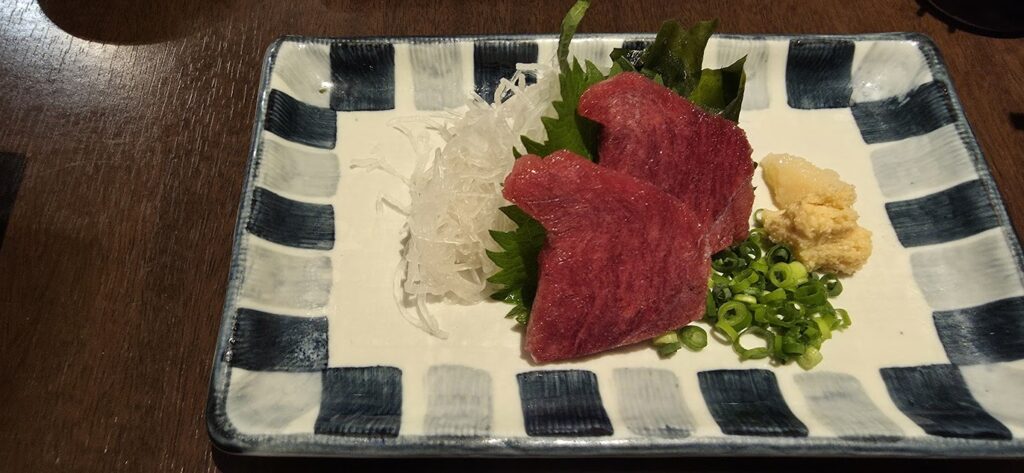
Yakumi fall into several natural categories. Understanding these groups helps you recognize them quickly in any Japanese meal.
Vegetables
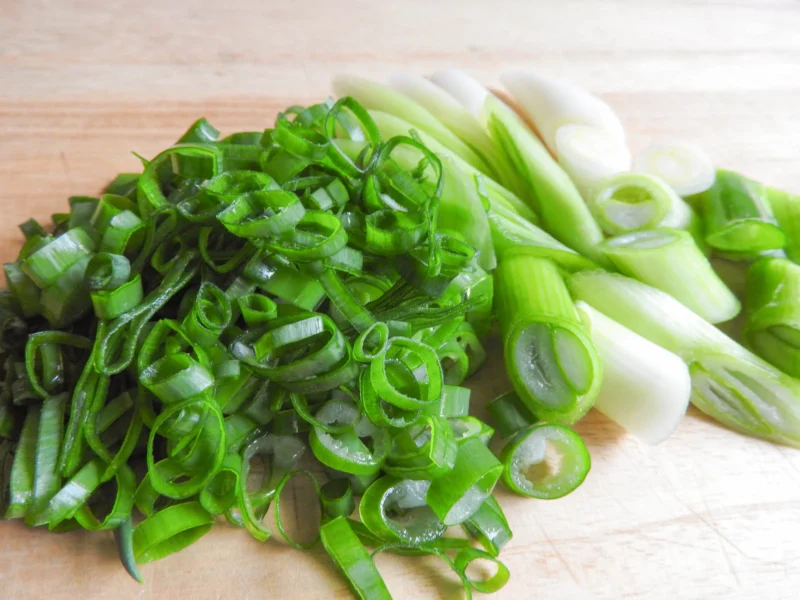
Green Onion (Negi) is probably the most common yakumi in Japan. Its sharp, fresh aroma comes from allicin, a compound with powerful antibacterial effects. Beyond flavor, negi helps the body absorb vitamin B1 and supports blood circulation. You will find it on top of almost every noodle bowl, cold tofu dish, and miso soup.
Myoga Ginger (Myoga) has a crisp texture and a herbal, faintly spicy bite. Its essential oil, alpha-pinene, stimulates digestion and appetite. Myoga is a warm-weather yakumi. In summer, it appears on somen noodles, cold tofu, and miso soup, lending a seasonal freshness that feels genuinely refreshing.
Daikon Radish (grated) is mild and cleansing. It contains diastase, a digestive enzyme that breaks down starches and eases digestion. Grated daikon alongside tempura or grilled fish is not just traditional — it is genuinely practical.
Herbs
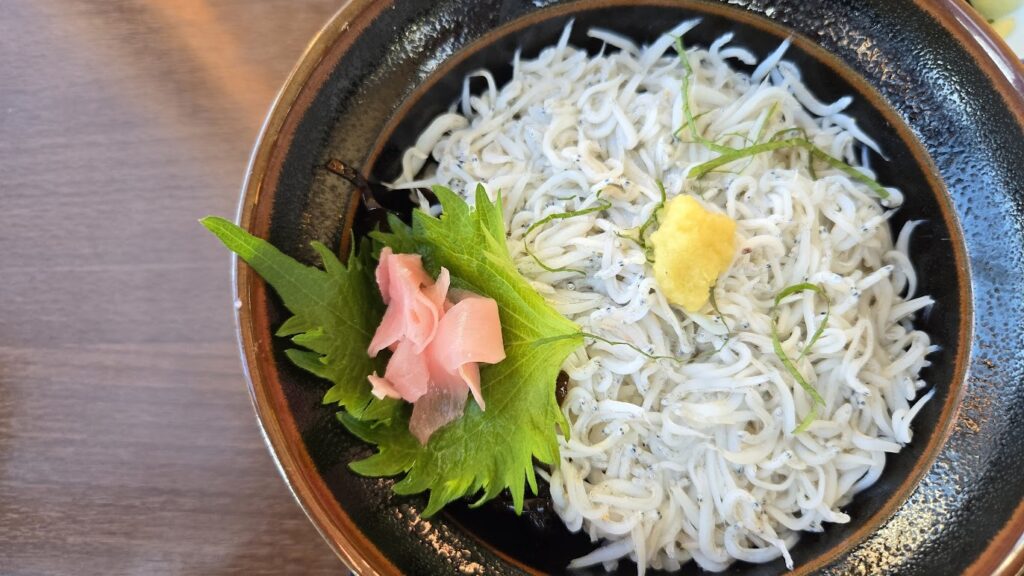
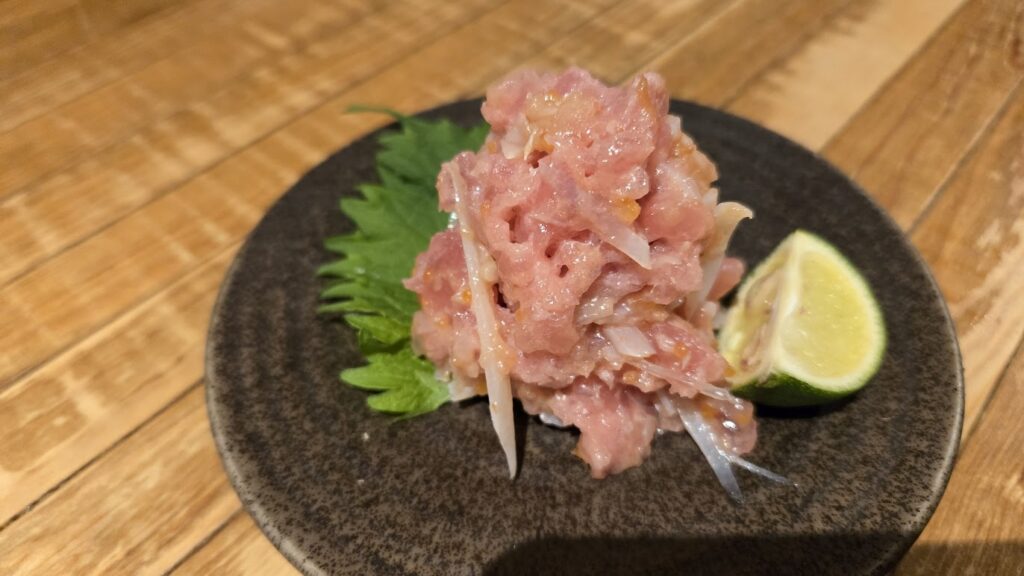
Shiso (Ōba Leaf) carries a clean, mintlike fragrance with a slightly bitter edge. Its active compound, perillaldehyde, has antiseptic properties. Chefs place shiso under sashimi not just for color but because it genuinely slows bacterial growth. It also pairs well with pasta, grilled meats, and cold noodles.
Mitsuba (Japanese Parsley) offers a delicate, celery-like aroma. It works best as a finishing herb on clear soups, chawanmushi (steamed egg custard), and donburi rice bowls. Add it at the very last moment — heat destroys the fragrance quickly.
Spices and Roots
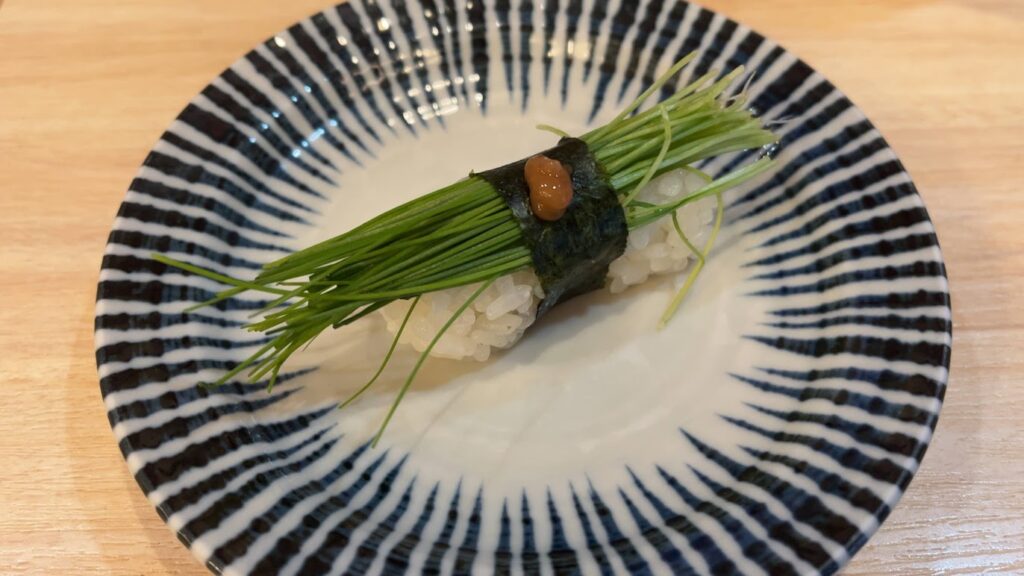
Wasabi delivers a sharp, nasal heat that fades quickly. The burn comes from allyl isothiocyanate, which also carries strong antibacterial power. That dual function — flavor and food safety — is why wasabi and raw fish became inseparable. Interestingly, most wasabi served outside Japan (and even at many restaurants inside Japan) is actually a blend of horseradish, mustard, and green dye. Real fresh-grated wasabi has a smoother, more complex heat.
Ginger (Shoga) brings a refreshing warmth. Its active compounds, gingerol and shogaol, promote circulation, reduce nausea, and carry antibacterial properties. Fresh ginger goes with cold tofu and sashimi. Gari, the pickled version, cleanses the palate between sushi pieces.
Sansho Pepper creates a tingling, numbing sensation rather than burning heat. Sanshool, its active compound, stimulates the digestive system. Sansho appears on grilled eel (unagi), where it cuts through the richness of the fat with surprising precision.
Chili Pepper (Tōgarashi) adds direct heat through capsaicin, which boosts metabolism and warms the body. In Japan, you will often see it in blended form as shichimi togarashi — a seven-spice mix common on udon, yakitori, and hot pots.
Garlic (Ninniku) is pungent and bold. Like negi, its allicin content supports immunity and energy metabolism. Garlic features in stir-fries, pasta-style Japanese dishes, and as a raw sliced garnish on katsuo no tataki (seared bonito).
Citrus
Yuzu delivers a floral, tart citrus fragrance unlike any Western fruit. Its peel contains vitamin C at roughly four times the concentration of a lemon. Even a small strip of yuzu zest floating on a clear soup transforms the entire experience. Its juice also forms the base of ponzu, one of Japan’s most versatile dipping sauces.
Seeds
Sesame Seeds (Goma) offer a gentle nuttiness and satisfying crunch. Sesamin, their key antioxidant, supports liver function and helps protect against cholesterol oxidation. Sesame seeds suit salads, dressed greens, and grilled dishes equally well.
Preserved Fruits
Pickled Plum (Umeboshi) is intensely sour and salty. Its citric acid content aids recovery from fatigue by helping break down lactic acid in the body. Beyond onigiri fillings, chefs use finely chopped umeboshi as a sauce for grilled fish and cold noodles.
The History of Yakumi in Japan
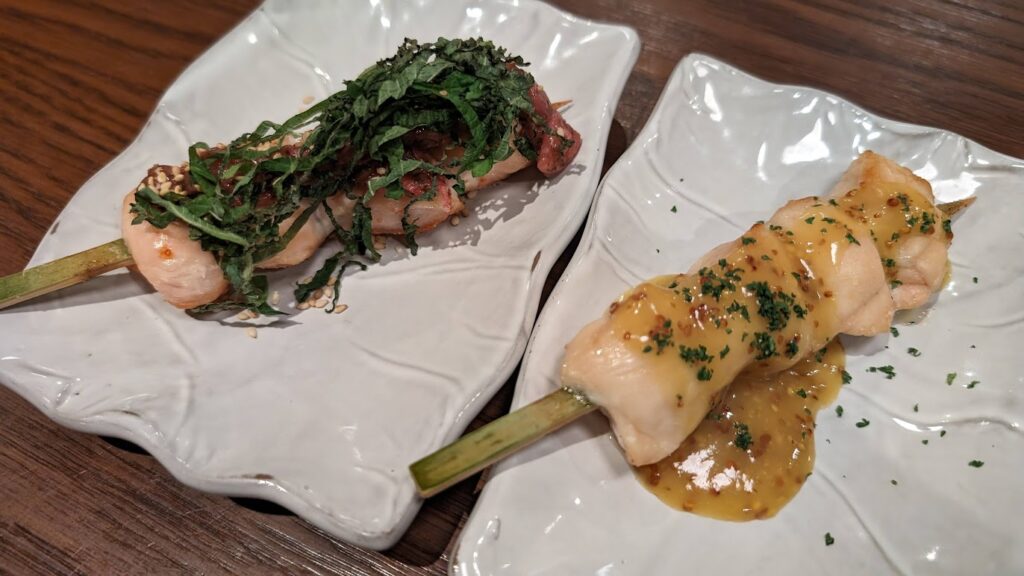
Yakumi have a surprisingly long history in Japan. Records from the Nara period (710–794) already document the use of sansho pepper and ginger as food accompaniments. During the Heian period (794–1185), aristocrats added yuzu zest to soups, and cooks used water pepper (tade) to counter the smell of raw fish.
The Edo period (1603–1868) brought a turning point. As urban food culture exploded in cities like Edo (present-day Tokyo), yakumi evolved alongside popular dishes. Udon first paired with black pepper, then with shichimi togarashi as chili peppers spread across Japan. Soba embraced wasabi and grated daikon. Nigiri sushi, which emerged around the 1820s, cemented the trio of wasabi, gari, and soy sauce as essential Japanese condiments for raw fish.
Refrigeration did not exist in that era. Consequently, the antibacterial properties of wasabi, ginger, and shiso were not merely pleasant additions — they were practical food safety tools. That historical logic still shapes how Japanese cuisine uses yakumi today, even if most diners no longer think about it consciously.
Yakumi in Japanese Dishes: What Goes with What
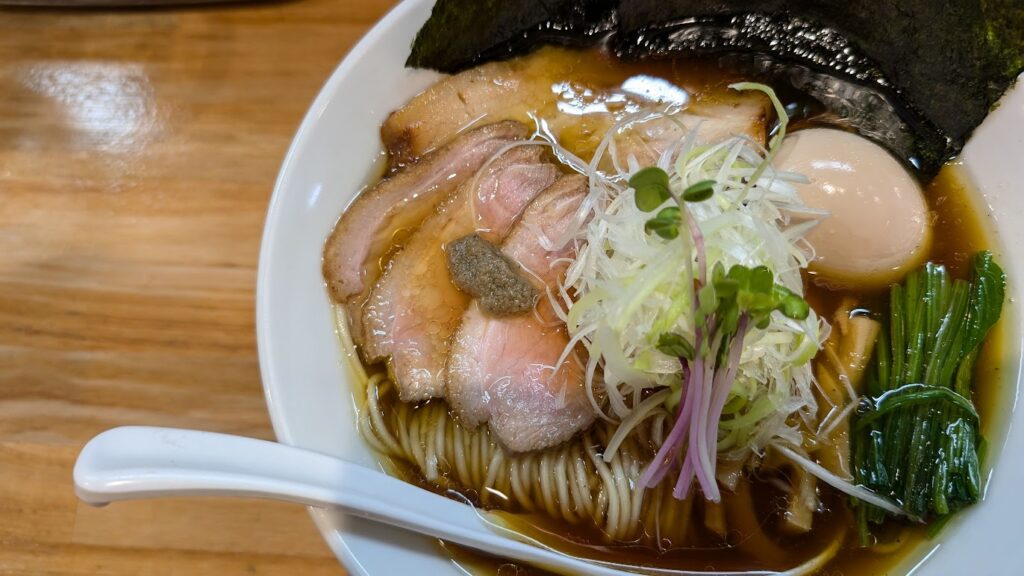
Understanding which yakumi suit which dishes makes navigating a Japanese menu much easier. Here are the most common pairings you will encounter.
Soba traditionally pairs with wasabi, negi (green onion), and grated daikon. The wasabi sharpens the dipping broth. The daikon cleanses the palate. Together, they balance the earthy, slightly bitter flavor of buckwheat noodles.
Udon works well with negi, shichimi togarashi, and grated ginger. The warm broth welcomes the mild sweetness of cooked negi. A pinch of shichimi on top adds heat and complexity without overwhelming the soup’s clean flavor.
Sashimi and Sushi rely on wasabi, shiso, and gari. Wasabi provides antibacterial protection and a sharp counterpoint to the fatty richness of fish. Shiso adds a herbal note. Gari resets the palate between pieces.
Cold Tofu (Hiyayakko) pairs beautifully with negi, grated ginger, and myoga. The tofu has almost no inherent flavor on its own. As a result, these yakumi do the entire flavor work, turning a plain block of soy into something genuinely satisfying.
Ramen most often features negi as a finishing garnish. Depending on the region and style, you might also find sesame seeds, grated ginger, or sliced myoga. Each one lifts the richness of the broth in a slightly different direction.
Nabe (Hot Pot) and washoku set meals frequently use yuzu peel, ponzu with grated daikon, and yuzu kosho (a paste of yuzu and green chili). These citrus-forward yakumi cut through the fattiness of simmered meats and vegetables.
Yakumi for Sushi: A Closer Look
Sushi has arguably the most well-developed yakumi system of any Japanese dish. The three-part combination of wasabi, gari, and soy sauce took shape during the late Edo period, roughly around 1818–1830. Each element has a clear function.
Wasabi’s antibacterial compounds actively inhibit food poisoning bacteria. Before refrigeration, this mattered enormously for raw fish. Even now, the practice continues because the flavor logic still holds: the sharp heat of wasabi creates a vivid contrast against the cool, fatty richness of tuna or salmon.
Gari (pickled ginger) primarily serves as a palate cleanser. Its mild acidity and gentle spice reset the mouth between bites. Furthermore, ginger’s natural antibacterial properties add another layer of food safety.
Soy sauce, particularly the dark “koikuchi” style that developed in the Kanto region, brings saltiness and deep umami. It ties the vinegared rice and fresh fish together into a unified flavor. Without it, the balance would feel incomplete.
Health Benefits of Yakumi
The health benefits of yakumi are not marketing language. They reflect genuine phytochemical activity documented in modern research. Below are some of the most well-supported effects.
Antibacterial protection is the most historically significant benefit. Wasabi, shiso, ginger, and garlic all contain compounds that inhibit bacterial growth. This function explains why these Japanese flavor enhancers appear alongside raw fish so consistently across centuries of Japanese cooking.
Digestive support comes primarily from daikon, ginger, and myoga. Daikon’s diastase enzyme breaks down carbohydrates. Ginger stimulates gastric acid production. Together, they make heavy or rich meals easier to process.
Circulation and warming effects appear in ginger, garlic, negi, and sansho. These ingredients promote blood flow and body temperature regulation, which explains their prominence in Japanese winter cooking.
Antioxidant activity is well documented in yuzu, sesame, and wasabi. Yuzu peel contains hesperidin, a polyphenol that supports capillary health. Sesame’s sesamin compound protects against cholesterol oxidation in the liver.
Appetite stimulation is a subtler benefit, but one most Japanese diners experience intuitively. The aroma of negi, myoga, or yuzu triggers saliva and gastric acid production before you even take a bite. That is the “medicine” part of “medicinal flavor” at work.
Are Yakumi Vegan and Vegetarian Friendly?
Yes, essentially all traditional yakumi are plant-based. Negi, wasabi, shiso, myoga, ginger, yuzu, daikon, sansho, sesame, and umeboshi contain no animal products in their natural form. For vegans and vegetarians exploring Japanese cuisine, yakumi offer a reliable way to add depth and complexity to dishes without animal ingredients. That said, some condiment blends (like certain bottled ponzu) may contain fish-derived dashi. Always check the label when buying processed yakumi products.
Conclusion
Yakumi are not afterthoughts. They are one of the clearest expressions of how Japanese cuisine thinks about food — as something that should nourish the body, stimulate the senses, and respect the seasons all at once. Each small pinch of wasabi, each curl of yuzu peel, each scatter of negi carries centuries of practical and culinary wisdom.
Next time a bowl of soba arrives with a small mound of wasabi and green onion on the side, or a plate of sashimi comes framed by shiso leaves, take a moment to notice them. They are doing more work than they look like they are. And that, ultimately, is what makes yakumi so distinctly Japanese.
References
Ministry of Agriculture, Forestry and Fisheries of Japan — “Washoku: Traditional Dietary Cultures of the Japanese” (2013): https://www.maff.go.jp/e/policies/env/attach/pdf/index-6.pdf
J-STAGE / Japan Society for Bioscience, Biotechnology, and Agrochemistry — “Antibacterial activity of wasabi (Wasabia japonica)” (2004): https://www.jstage.jst.go.jp
National Agriculture and Food Research Organization (NARO) Japan — “Functional properties of traditional Japanese spices and condiments” (2019): https://www.naro.go.jp/english/
Kikkoman Food Culture Institute — “The History of Yakumi in Japanese Cuisine” (2021): https://www.kikkoman.com/en/foodculture/
Yakumi FAQ
What is yakumi in Japanese cuisine?
Yakumi are small aromatic accents served alongside Japanese dishes to add flavor, aroma, and health benefits. Common examples include wasabi, green onion, grated ginger, shiso leaves, and myoga. They are not main ingredients. Rather, they act as finishing touches that sharpen, balance, or refresh the dish.
Is wasabi a yakumi?
Yes, wasabi is one of the most well-known yakumi in Japan. Its sharp nasal heat and powerful antibacterial properties make it the classic pairing for sashimi and sushi. In traditional Japanese cooking, wasabi serves both a flavor and a food safety function.
What is the purpose of yakumi?
Yakumi serve four main purposes: adding aroma and flavor contrast, stimulating appetite, neutralizing unpleasant odors from fish and meat, and providing antibacterial protection. The Japanese concept of “ishoku dogen” — food and medicine share the same origin — underpins the entire yakumi tradition.
What are common yakumi examples?
The most common yakumi include green onion (negi), wasabi, grated ginger, shiso leaves, myoga ginger, grated daikon radish, yuzu zest, sansho pepper, sesame seeds, and pickled plum (umeboshi). Each one suits different dishes and carries its own distinct flavor and health profile.
Are yakumi healthy?
Yes. Many yakumi carry documented health benefits. Wasabi and shiso have antibacterial properties. Ginger supports digestion and circulation. Daikon contains digestive enzymes. Yuzu provides high levels of vitamin C and polyphenols. These benefits reflect the historical Japanese view of yakumi as edible medicine.
What yakumi goes with soba?
Traditional soba yakumi include wasabi, sliced green onion (negi), and grated daikon radish. Wasabi sharpens the dipping broth. Daikon cleanses the palate between bites. Green onion adds brightness and aroma to the bowl.
What yakumi goes with cold tofu (hiyayakko)?
Cold tofu typically pairs with green onion, grated ginger, myoga, and sometimes bonito flakes. Since tofu has a mild flavor on its own, these yakumi carry the entire sensory experience. The ginger warms, the myoga refreshes, and the negi adds a satisfying sharpness.
How is yakumi different from Western herbs and spices?
The main differences are form and timing. Yakumi tend to be fresh, raw, and added at the table after cooking, while Western spices are more often dried and incorporated during cooking. Yakumi also carry a stronger medicinal philosophy behind their use, rooted in the ancient concept of food as medicine.
Can I use yakumi at home?
Absolutely. Most yakumi ingredients are widely available at Asian grocery stores and increasingly at mainstream supermarkets. Green onion, ginger, sesame seeds, and shiso are particularly easy to find. Simply slice, grate, or scatter them over your finished dish right before serving.
Are yakumi vegan?
Yes, all traditional yakumi are plant-based. Negi, wasabi, shiso, myoga, ginger, yuzu, daikon, sansho, sesame, and umeboshi contain no animal products in their natural form. However, some processed condiment products made with yakumi (such as certain ponzu sauces) may include fish-based dashi, so checking labels is a good habit.






Comments