Japan has built one of the most celebrated food cultures on the planet, and seafood sits at the very heart of it. Walk into any traditional Japanese kitchen and you will find a cook who treats fish with the same care a French chef gives to a perfect roast. The good news is that most of these dishes do not require professional training. They require good ingredients, a little patience, and the right guidance. Whether you are new to Japanese cooking or looking to push your skills further, there are a handful of seafood dishes that belong on every home cook’s list.
Japanese seafood cooking is built around freshness, simplicity, and balance. Dishes like grilled mackerel, sashimi, and clam miso soup are accessible to home cooks once you understand the fundamentals. Sourcing fresh fish, storing it correctly, and using a few key techniques will take you far. This guide walks through the essential dishes, with practical tips along the way.
TOC
Why Japanese Seafood Cooking Feels Different
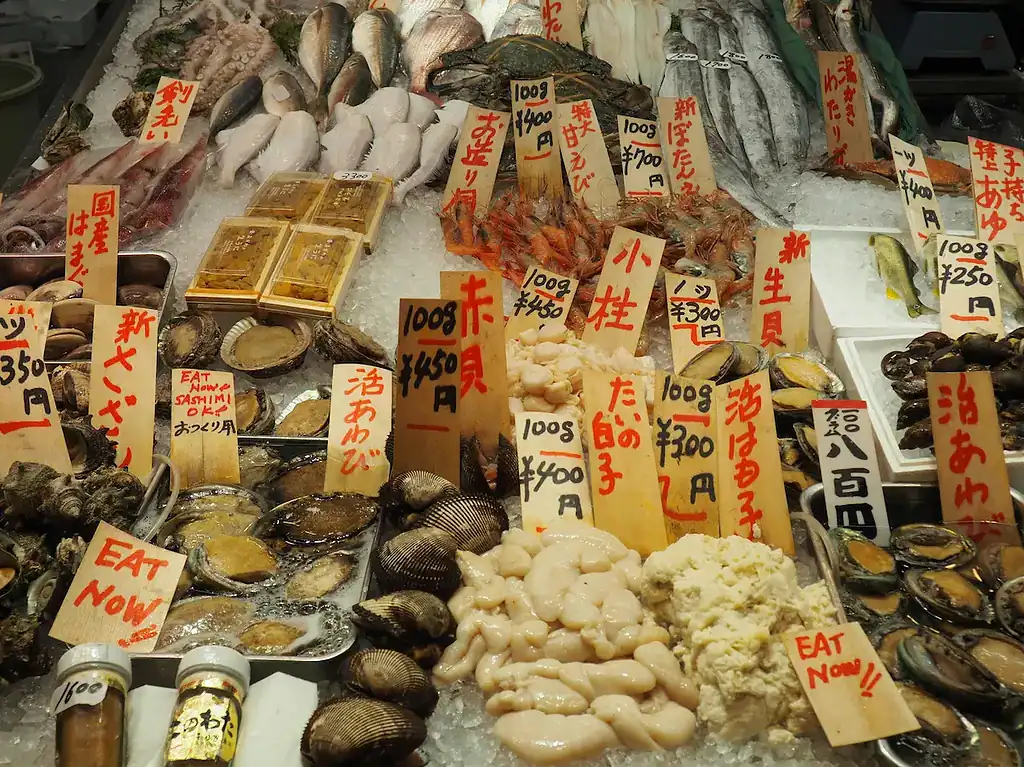
A vibrant seafood market scene in Japan with fresh shellfish, highlighting local seafood and market culture.
Most Western seafood cooking leans on bold flavors to carry a dish. Butter, heavy sauces, and strong herbs tend to dominate. Japanese cooking takes a different approach. The goal is to highlight the natural flavor of the fish, not hide it. Salt, sake, mirin, soy sauce, and dashi are the building blocks. They support the seafood rather than compete with it.
This restraint is not about being minimal for the sake of it. It is about trust. Japanese cooks trust that a perfectly fresh piece of fish needs very little help. That philosophy changes how you shop, how you store, and how you cook. Once you internalize it, your relationship with seafood changes entirely.
Grilled Mackerel: The Weeknight Champion
Saba, or mackerel, is one of the most popular fish in Japan for a reason. It is affordable, widely available, and incredibly flavorful. When grilled properly, the skin crisps up into something almost crackling-like, while the flesh stays moist and rich.
How to Prepare It
Score the skin lightly with a knife to prevent curling during cooking.
Salt the fish generously on both sides and let it rest for 15 to 20 minutes.
Pat dry before placing under a broiler or on a grill pan.
Cook skin-side up first until the skin is deeply golden and blistered.
Flip once and cook for another three to four minutes.
Serve with grated daikon and a small dish of soy sauce. The daikon cuts through the richness of the mackerel in a way that is completely satisfying.
The key mistake most home cooks make with mackerel is undersalting. Japanese cooks are not shy with salt. It draws out moisture, firms the flesh, and seasons the fish all the way through.
Sashimi at Home: Simpler Than You Think
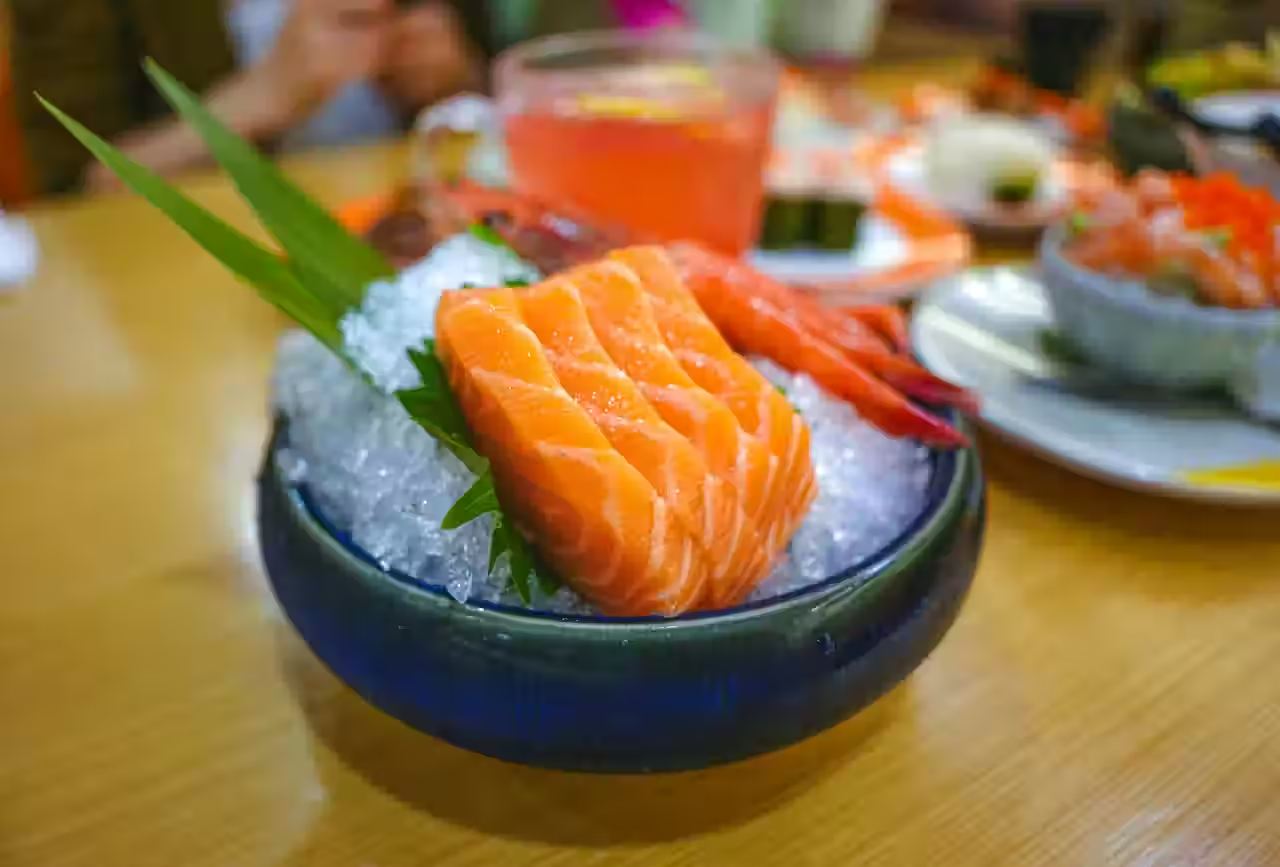
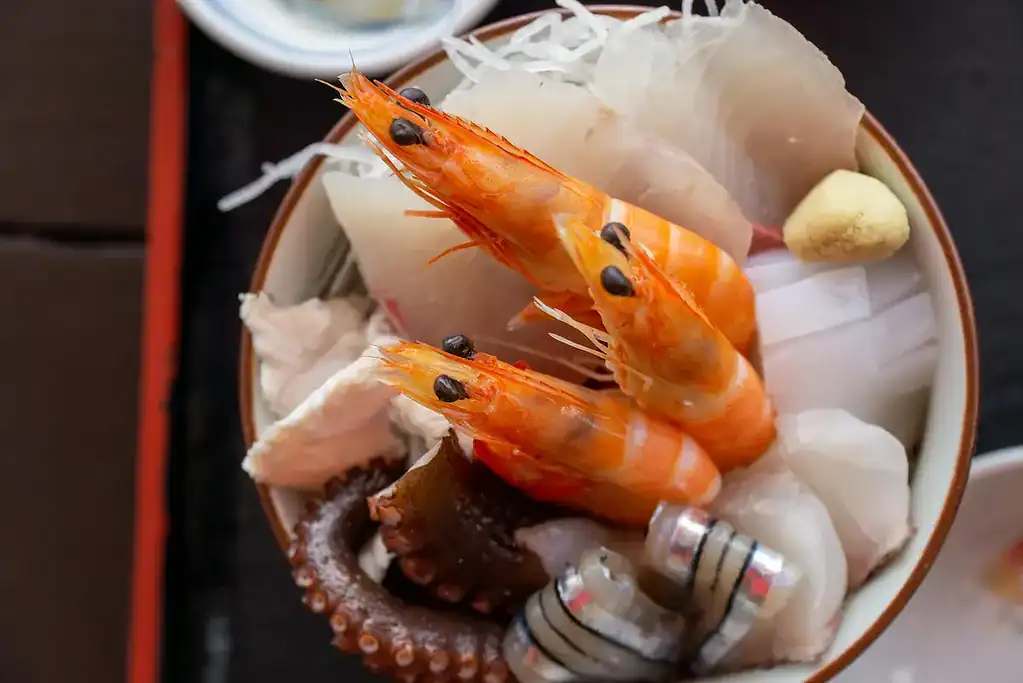
Enjoy a traditional Japanese seafood platter with shrimp, octopus, and sashimi, highlighting authentic flavors and fresh ingredients.
Many home cooks are nervous about preparing sashimi. Raw fish feels risky. But sashimi is one of the most approachable preparations in Japanese cooking once you understand two things: sourcing and knife technique.
Sourcing: You need fish that has been labeled sushi-grade or sashimi-grade. This designation means the fish has been handled and frozen to food safety standards that reduce parasite risk. Buy from a reputable fishmonger or Japanese grocery store, never from a standard supermarket fish counter unless it is explicitly labeled.
Knife technique: A sharp knife is non-negotiable. A dull blade tears the flesh rather than cutting cleanly. For salmon or tuna, slice against the grain in smooth single strokes. Aim for pieces around half a centimeter to one centimeter thick. Do not saw back and forth.
A simple sashimi platter might include:
Sake (salmon): Mild, buttery, and beginner-friendly
Maguro (bluefin tuna): Rich and deeply savory
Hamachi (yellowtail): Clean and slightly sweet
Ika (squid): Tender when sliced thin, with a delicate flavor
Arrange the slices on a bed of shredded daikon. Add a few shiso leaves if you can find them. Serve with soy sauce and fresh wasabi if available.
Keeping Raw Fish Fresh: What You Need to Know
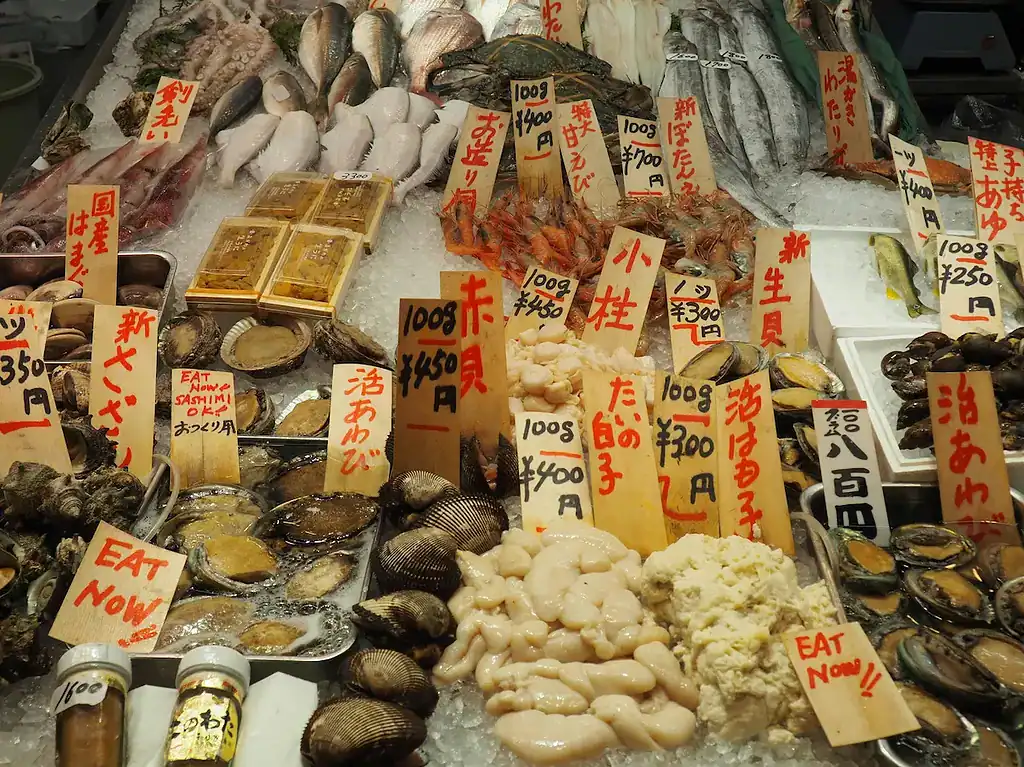
Assorted fresh seafood including shellfish and fish at a Japanese market, highlighting local marine delicacies.
Handling raw fish at home is one area where many cooks slip up. Seafood has a much shorter shelf life than meat. A piece of salmon that smells fine in the morning can be questionable by evening if it has not been stored correctly.
Here are the core rules:
Keep raw fish at the coldest part of your refrigerator, ideally below 2 degrees Celsius.
Place it on a plate lined with a paper towel and cover loosely, not airtight.
Use sashimi-grade fish within 24 hours of purchase.
Never freeze fish that has already been thawed.
When in doubt, do not use it.
For home cooks who buy fish ahead of time or keep a variety of perishables, a simple expiration reminder can help you track what needs to be used first. Seafood has tight windows and it is easy to lose track when the fridge is full.
One underrated habit is buying fish the day you plan to use it. Japanese home cooks typically shop daily or every other day for a reason. Freshness is not a preference, it is the whole point.
Clam Miso Soup: Comfort in a Bowl
Asari no miso shiru, or clam miso soup, is one of those dishes that tastes like it took hours but comes together in under fifteen minutes. The clams release their own briny, oceanic liquid into the dashi base, creating a depth of flavor that is genuinely hard to beat.
What You Need
Fresh Manila or littleneck clams, purged of sand in salted water for 30 minutes
Dashi stock, either homemade or from a good instant packet
White or red miso, depending on how robust you want the flavor
Optional: a small splash of sake added with the clams
How to Make It
Bring the dashi to a gentle simmer.
Add the clams and a splash of sake.
Cover and cook until the clams open, about three to four minutes.
Discard any clams that have not opened.
Remove from heat. Dissolve miso paste into the broth using a ladle and fine mesh strainer. Do not boil after adding miso as it damages the flavor.
Serve immediately.
The result is a soup that is salty, savory, and deeply satisfying. It pairs naturally with plain steamed rice and grilled fish as part of a traditional Japanese breakfast or dinner set.
Building Out Your Seafood Knowledge
Once you have tried mackerel and sashimi at home, you will start to see Japanese seafood cooking as a system rather than a collection of isolated recipes. Techniques carry across dishes. Knowing how to salt and grill a mackerel teaches you the fundamentals that apply to grilled yellowtail, sardines, and salted salmon. Knowing how to slice sashimi opens the door to chirashi bowls and hand rolls.
If you want to keep building, a well-organized library of seafood recipes is one of the most practical tools you can have. It gives you something to return to when you want to branch out beyond the dishes covered here.
The Broth Road: Japanese Soups Worth Your Time
Clam miso soup is just the beginning of what Japanese broth-based cooking has to offer. Japan has a rich tradition of simmered and stewed dishes that center seafood in deeply flavorful broths. Tonjiru-style soups with seafood, kabocha and fish stews, and various regional nabe (hot pot) preparations are all worth adding to your cooking list.
If you find yourself drawn to the comfort and depth of that clam miso soup, the broader world of soups and stews is a natural place to continue. Broth-based cooking rewards patience and it is some of the most forgiving cooking you can do at home.
What Japanese Seafood Teaches You About Cooking
The real value of learning Japanese seafood dishes is not the recipes themselves. It is the underlying principles they teach. Respect for ingredients. Minimal interference. Precision without fussiness. Trust in freshness.
A cook who has made clean, well-sliced sashimi at home will never look at fish the same way again. Someone who has grilled mackerel with good salt and patience will think twice before drowning a piece of fish in sauce. And anyone who has made clam miso soup from scratch will understand why the Japanese have been doing it this way for centuries.
Start with one dish. Get that right. Then move to the next. Japanese seafood cooking is not a rush, it is a practice. And the more you practice, the better your table gets.













Comments