


840-620b.avif)


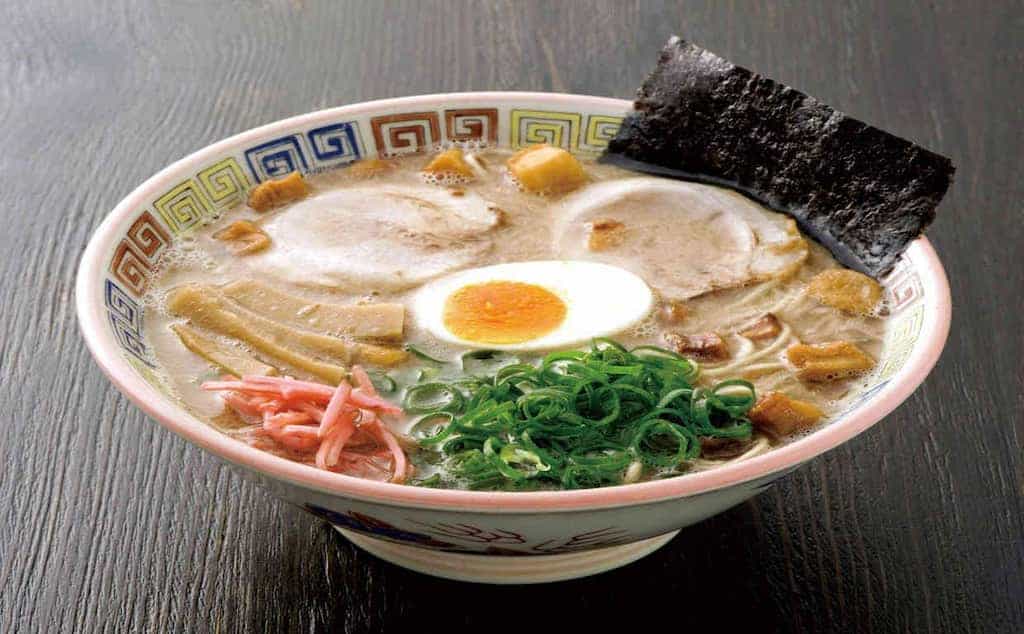
Kurume ramen is a rich, intensely porky tonkotsu ramen from Kurume City in Fukuoka Prefecture. It is widely considered the birthplace of cloudy pork-bone broth ramen in Japan. The style features a thick, dark soup, a bold pork aroma, and a traditional broth method called “yobimodoshi” that sets it apart from every other regional style.
If you have ever wondered where tonkotsu ramen actually came from, this is your answer.
What Is Kurume Ramen?
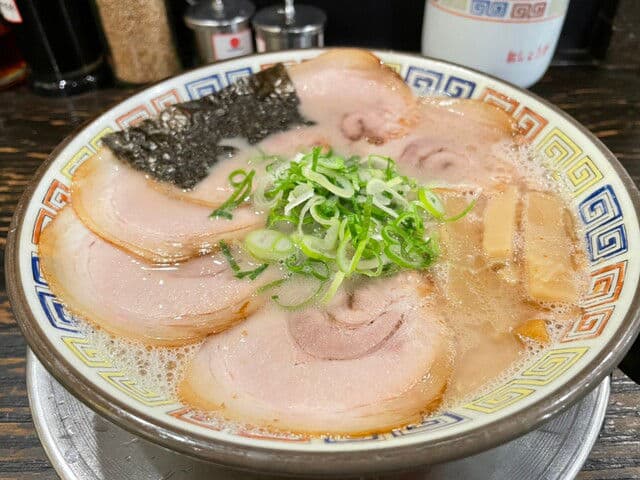
Kurume ramen is a tonkotsu ramen exclusive to Kurume City. The broth is thicker and darker than most other pork bone ramen styles. Locals often describe it as “kotteri,” meaning deeply rich and heavy in the best possible way.
The noodles are slightly thicker and straighter than Hakata ramen. Toppings include chashu pork, wood ear mushrooms, scallions, nori strips, and often a marinated egg called ajitama. Some bowls come with crispy fried pork lard bits, called kari-kari, scattered on top for texture.
One thing to know before your first bowl: the pork aroma is unmistakable. It drifts out of the shop before you even open the door. Some people find it intense. Regulars find it irresistible. That smell is part of the identity here.
According to Japan Food Research Laboratories, the umami level of Kurume ramen broth measures 17 mg per 100 grams of soup. That is roughly 2.8 times higher than standard ramen soup.
Kurume Is the Birthplace of Tonkotsu Ramen
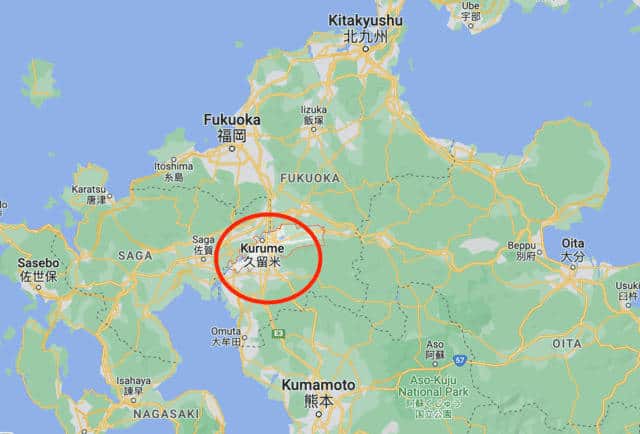
This is the part most people do not know. Kurume, not Hakata, is where tonkotsu ramen began.
In 1945, a man named Tokio Miyamoto opened a food stall called Nankin Senryo in Kurume City. He had traveled to the Kanto region and tasted Sina Soba, a soy sauce-based noodle soup made with chicken and pork bones popular in Tokyo and Yokohama at the time. Back in Kurume, he adapted the recipe using lard and pork bones. After many trials, he settled on simmering pork bones alone. That decision produced the first version of tonkotsu ramen.
The cloudy white broth came later, and entirely by accident.
How the Cloudy Broth Was Born
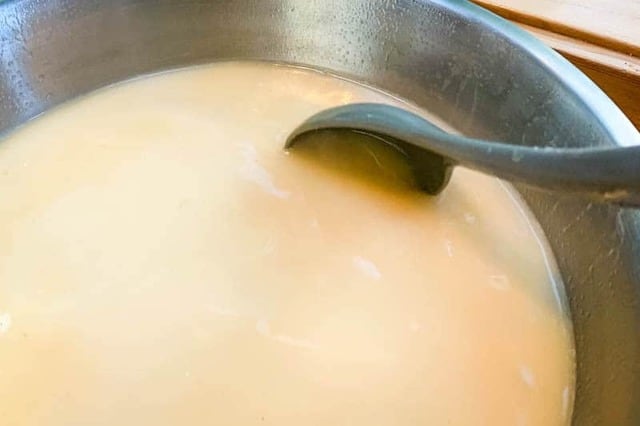
In 1947, a stall called Sankyu was operating in Kurume. The owner, Katsumi Sugino, normally made clear pork bone soup by boiling it on low heat. One day he left the shop, and his mother kept the fire going. She boiled the broth far too long at much higher heat.
Sugino returned to find a thick, cloudy, dark soup waiting for him. His first instinct was to throw it away. Instead, he seasoned it and tasted it. The flavor was deeper and richer than anything he had made before. He served it to customers that day, and they loved it.
That accident became the foundation of modern tonkotsu ramen. Kyushu as a whole, including Hakata and Kumamoto, traces its tonkotsu tradition directly back to this moment in Kurume.
What Is the Yobimodoshi Method?
This is what truly separates Kurume ramen from everything else. The yobimodoshi method is the practice of never emptying the broth pot.
When the soup level drops, cooks add fresh pork bones and water to the same pot. The base broth keeps building. Day after day, the flavors layer and deepen. At some well-known Kurume shops, the master broth has been developing for decades.
The result is a soup with extraordinary depth. Each bowl carries the history of every batch that came before it. Some bowls also contain tiny particles of crushed pork bone called zuikotsu at the bottom. That is not a flaw. For many regulars, it signals an authentic bowl.
This method also explains why the aroma at a traditional Kurume shop is so powerful. The intensely porky, savory scent that reaches you from outside is a direct product of years of cumulative simmering.
Kurume vs. Hakata vs. Nagahama: Key Differences
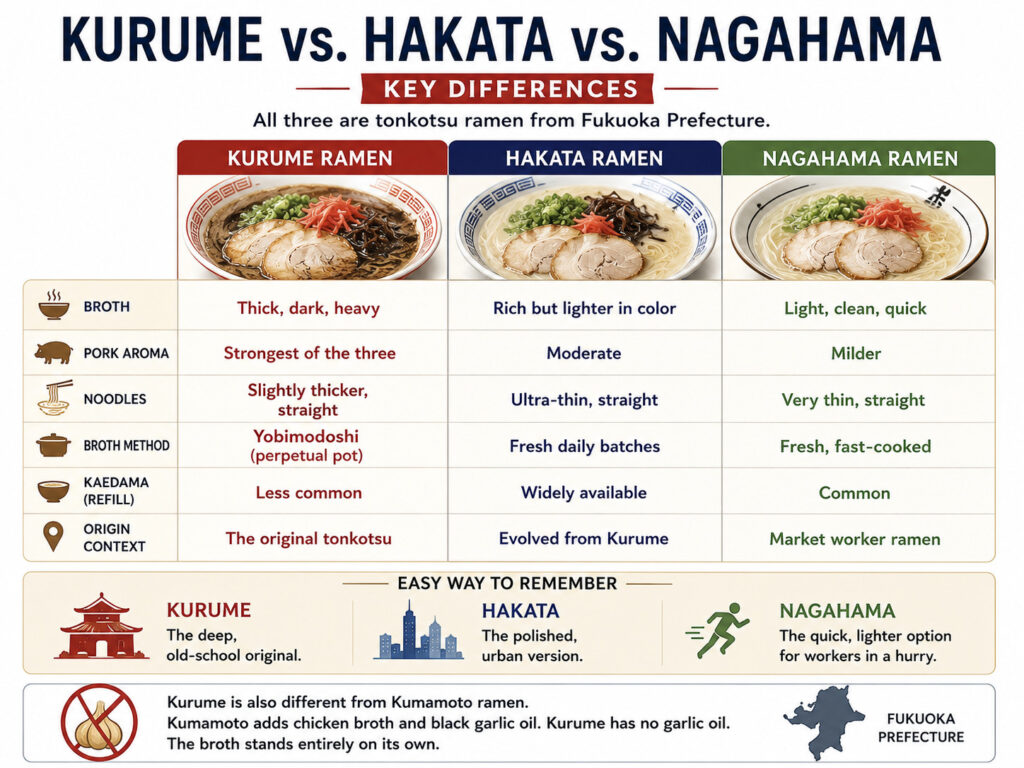
All three are tonkotsu ramen from Fukuoka Prefecture. Each has a distinct character, though. Once you understand the differences, choosing between them becomes easy.
| Feature | Kurume Ramen | Hakata Ramen | Nagahama Ramen |
| Broth | Thick, dark, heavy | Rich but lighter in color | Light, clean, quick |
| Pork aroma | Strongest of the three | Moderate | Milder |
| Noodles | Slightly thicker, straight | Ultra-thin, straight | Very thin, straight |
| Broth method | Yobimodoshi (perpetual pot) | Fresh daily batches | Fresh, fast-cooked |
| Kaedama (refill) | Less common | Widely available | Common |
| Origin context | The original tonkotsu | Evolved from Kurume | Market worker ramen |
A simple way to remember it: Kurume is the deep, old-school original. Hakata is the polished, urban version. Nagahama is the quick, lighter option built for workers in a hurry.
Kurume also differs from Kumamoto ramen, which adds chicken broth and topped with black roasted garlic oil. Kurume has no garlic oil. The broth stands entirely on its own.
Flavor Profile: What Does Kurume Ramen Actually Taste Like?
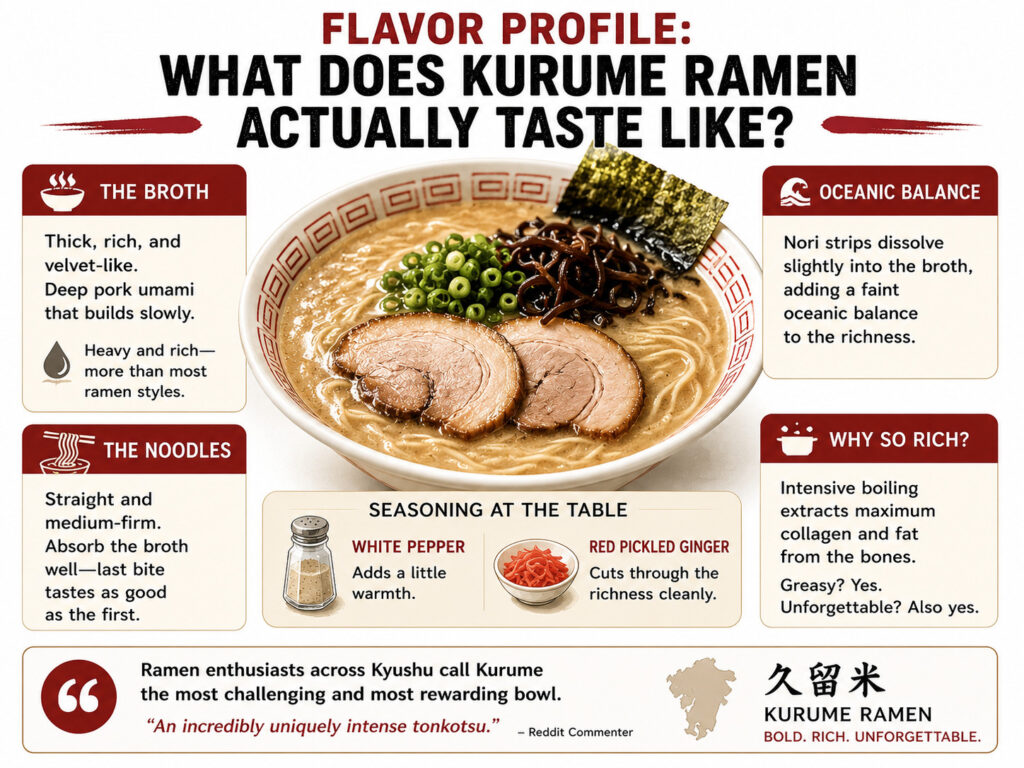
The broth hits first. It is thick, coating the mouth with a velvet-like pork richness. The umami builds slowly as you drink. The nori strips dissolve slightly into the broth, adding a faint oceanic balance to the heaviness.
Is it greasy? Honestly, yes, more than most ramen styles. The intensive boiling extracts maximum collagen and fat from the bones. Some people need a moment to adjust. Others take one sip and never want anything lighter again.
The noodles are straight and medium-firm. They absorb the broth well, which means the last bite tastes just as good as the first. Adding white pepper at the table brings a little warmth. Red pickled ginger cuts through the fat cleanly.
Ramen enthusiasts who have eaten their way across Kyushu often describe Kurume as the most challenging and most rewarding bowl on the route. One Reddit commenter called it “an incredibly uniquely intense tonkotsu.” That feels accurate.
Simple Kurume Ramen Recipe
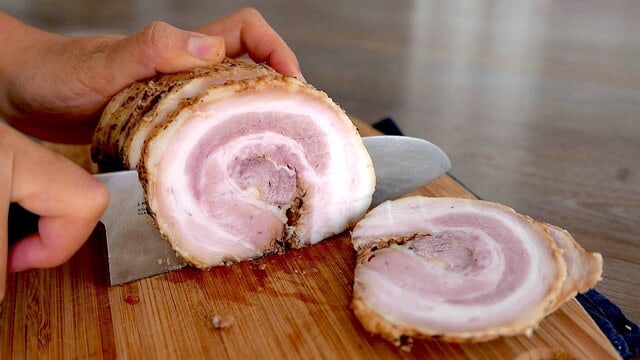
Making Kurume ramen at home takes time, but it is deeply satisfying. The recipe below serves 5 to 6 people.
Pork Bone Broth
| Ingredient | Amount |
| Pork bones | 1 kg |
| Sake | 240 g |
| Mirin | 240 g |
| Soy sauce | 120 g |
| Sugar | 100 g |
| Ginger | 7 g |
| Garlic | 30 g |
| Shallot (skin on) | 30 g |
| Scallions (chopped) | 100 g |
Tonkotsu Sauce
| Ingredient | Amount |
| Pork bone broth | 300 cc |
| Kelp slices | 4 pcs |
| Fish sauce | 300 cc |
| Mirin | 100 cc |
| Light soy sauce | 300 cc |
| Umami seasoning | 20 g |
| Garlic heads | 3 pcs |
Toppings and Noodles
| Ingredient | Amount |
| Dry ramen noodles (thick, straight) | 300 g |
| Char siu (chashu pork) | 12 slices |
| Wood ear mushrooms | 170 g |
| Nori strips | 12 pcs |
| Ajitama (marinated egg) | 6 pcs |
| Scallions (chopped) | 360 g |
| Roasted sesame oil | 60 g |
| Lard (or vegetable oil) | to taste |
| Red pickled ginger | 20 g (optional) |
| White pepper | 20 g |
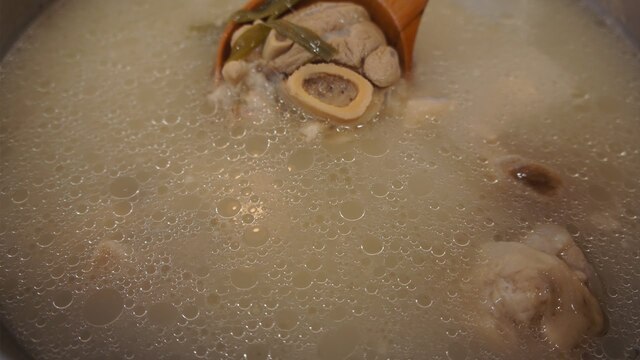
How to Cook It
Tie the pork bones with kitchen twine to keep them intact. Place all broth ingredients into a covered pot. Submerge the pork bones and cook for at least 3 hours. When the liquid drops, add fresh water and simmer for another one to two hours. This step mirrors the yobimodoshi method in spirit.
Combine all sauce ingredients in a separate pot. Bring to high heat briefly, then reduce and simmer for 10 to 15 minutes. Let the sauce cool completely before straining out the solids. Set aside until serving.
Cook noodles in separate portions for clean plating. Pour broth and tonkotsu sauce into each bowl. Add toppings: chashu, ajitama, nori strips, wood ear mushrooms, and scallions. Unlike Kumamoto ramen, no charred garlic goes on top.
Where to Eat Kurume Ramen in Fukuoka
Kurume City sits about 40 minutes from Hakata Station by express train. The trip is worth it for serious ramen fans. These three shops represent the soul of the style.
Nankin Senryo Ramen (南京千両 本家)
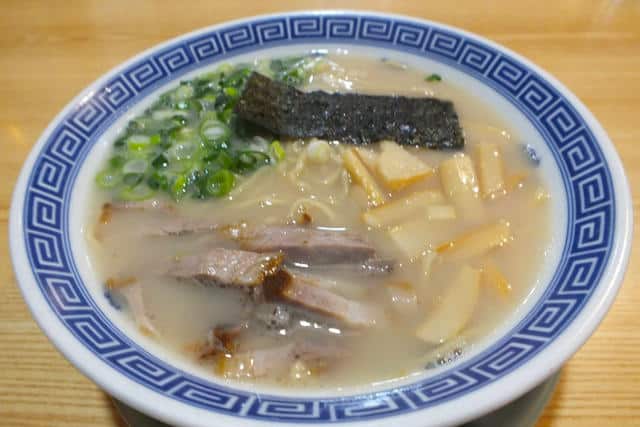
This is where it all started. Nankin Senryo is widely credited as the originator of Kurume ramen, tracing its roots directly to 1945. The broth here is surprisingly refreshing for its age, with no visible pork fat floating on the surface. Noodles are medium-thick and house-made. For anyone tracing the origin story of tonkotsu ramen, this is the essential first stop.
Taiho Ramen Main Store (大砲ラーメン 本店)
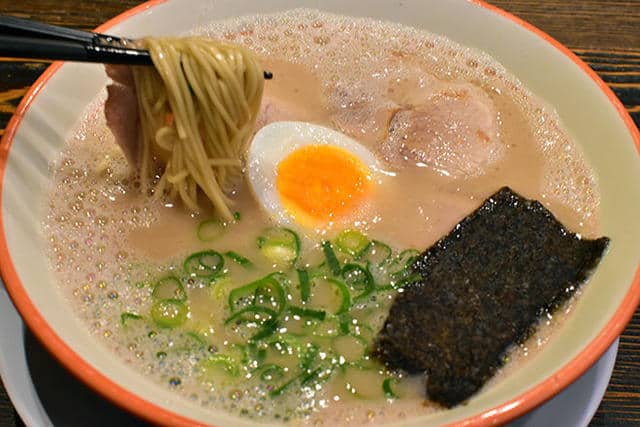
Taiho Ramen has more than 12 locations across Kyushu. The main store in Kurume is where their famous “Old Ramen” (Mukashi Ramen) lives. Crispy fried lard balls sit on top alongside chashu and nori, creating a bowl that feels genuinely indulgent. This shop leans hard into the kotteri tradition and makes no apology for it.
Ramen Kurume Honda Shoten Main Store (拉麺 久留米 本田商店 久留米本店)
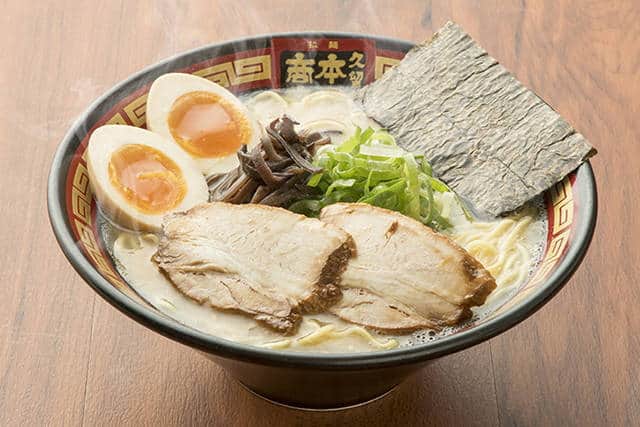
Honda Shoten adds spicy miso and garlic to their Kurume ramen, pushing the flavor in a bolder direction than the classic shops. The noodles are one hundred percent house-made and medium-thin. For visitors who enjoy some heat alongside their pork richness, this shop delivers something a little different from the traditional approach.
Exploring Fukuoka’s food scene beyond ramen? Read the full guide to what to eat in Fukuoka for everything from mentaiko to motsunabe. And if you are a Japanese ramen enthusiast, check other regional ramen styles across Japan.
References
Japan Food Research Laboratories, Umami content in ramen soup (2019): https://www.jfrl.or.jp
Saketimes, “Tonkotsu Ramen History and Origins” (2021): https://en.sake-times.com
Kurume Ramen FAQ
What is Kurume ramen?
Kurume ramen is a rich tonkotsu ramen from Kurume City in Fukuoka Prefecture. It features a thick, dark pork bone broth, slightly thicker straight noodles, and a strong porky aroma developed through the yobimodoshi broth method.
Is Kurume really the birthplace of tonkotsu ramen?
Yes. Tonkotsu ramen originated in Kurume City in 1945 at a stall called Nankin Senryo. The cloudy pork broth that defines all tonkotsu styles was accidentally created in Kurume in 1947. Hakata and Kumamoto ramen both trace their origins back to this city.
What is the yobimodoshi method?
Yobimodoshi means the broth pot is never fully emptied. Cooks continually add fresh bones and water to the existing base, building layers of flavor over time. At some Kurume shops, the master broth has been developing for decades.
How is Kurume ramen different from Hakata ramen?
Kurume ramen has a thicker, darker, and heavier broth with a stronger pork aroma. The noodles are slightly thicker than Hakata’s ultra-thin noodles. Kaedama noodle refills are also less common in traditional Kurume shops.
Why does the soup smell so strong?
The yobimodoshi method builds up concentrated pork marrow and bone compounds over years of continuous simmering. That accumulation is what produces the unmistakable, deeply savory aroma that escapes the shop before you enter.
What are the sandy bits at the bottom of the bowl?
Those are zuikotsu, tiny crushed pork bone particles that settle at the bottom. They are considered a sign of an authentic Kurume bowl and add subtle texture and depth to the final sips.
Is Kurume ramen spicy?
No, the base broth is savory and creamy rather than spicy. White pepper and red pickled ginger are available at the table for those who want some heat or acidity to cut through the richness.
Comments