



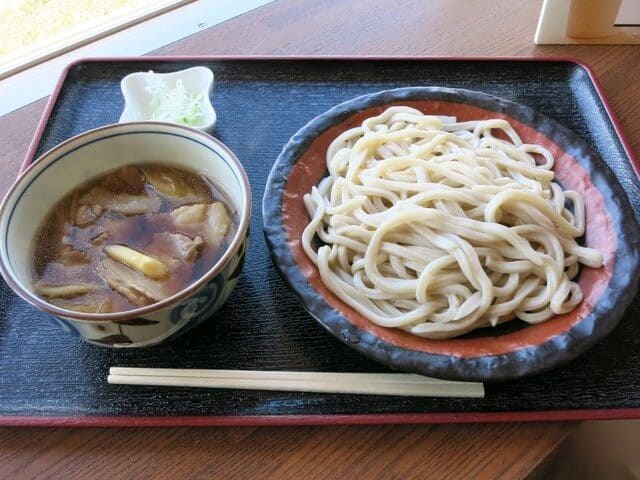
Along with Kagawa prefecture, which is known as “Udon Prefecture”, Saitama Prefecture is also the “Udon Kingdom”. The production volume is the second largest in Japan. Since ancient times, udon has been eaten in various situations in the prefecture, from daily meals to events such as ceremonial occasions. There are more than 20 types of large and small types! From traditional hand-made udon noodles to B-grade gourmet food loved by locals. Saitama’s udon culture has developed in a variety of ways. Today, we would like to introduce Kumagaya Udon.
Origin of Kumagaya Udon
This is a traditional Japanese to-go dish, that is very popular among both locals and foreigners. Kumagaya is one of Japan’s leading producers of wheat for more than five hundred years. At the end of the Edo period, a man named Gonda Aisan, anguished by the hunger of Kumagaya’s inhabitants, vastly contributed to the production increase of wheat.
It is the main dish in this area. It is told that it has its roots in Musashino udon.
This is not the only dish that originates from Kumagaya, but it’s definitely the one that’s the oldest and the most popular. The locals are very proud of it because it’s connected to the revitalization of the town, as a representative dish, and that is probably how it originated. In 2008, around 19 special udon stores have got authorized, and they are all in this prefecture.
Why is Kumagaya Udon so special?
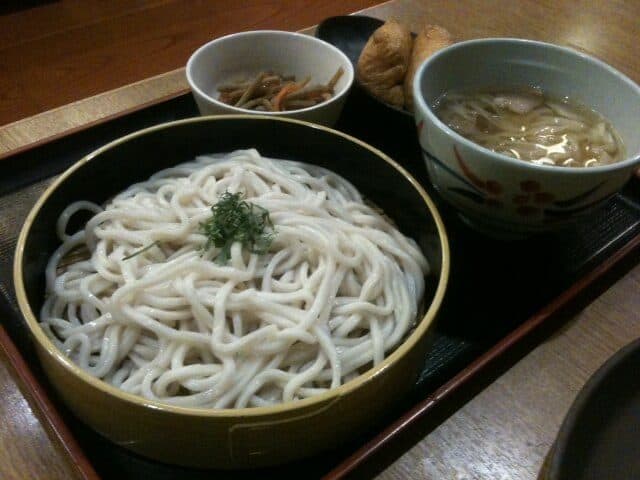
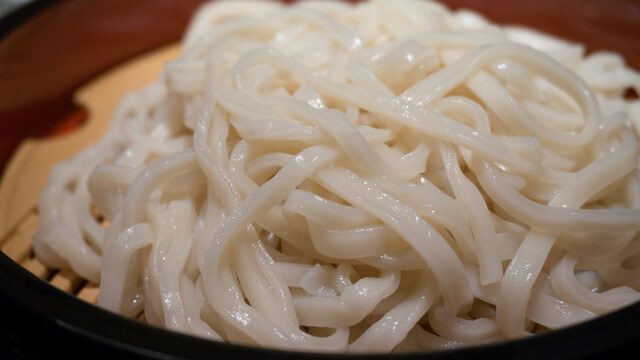
The reason lies in its incredible viscosity and smoothness, because of the flour that is made of. Although there are shops where you can find ones made of mixed types of flour, the best one is made of pure kumagaya wheat. What makes this udon so special is its very unique texture and fragrance, which cannot be found in any regular pasta. They are very sticky and mouth-filling. If you are a pastry lover, then you should definitely expand your experience by trying this dish.
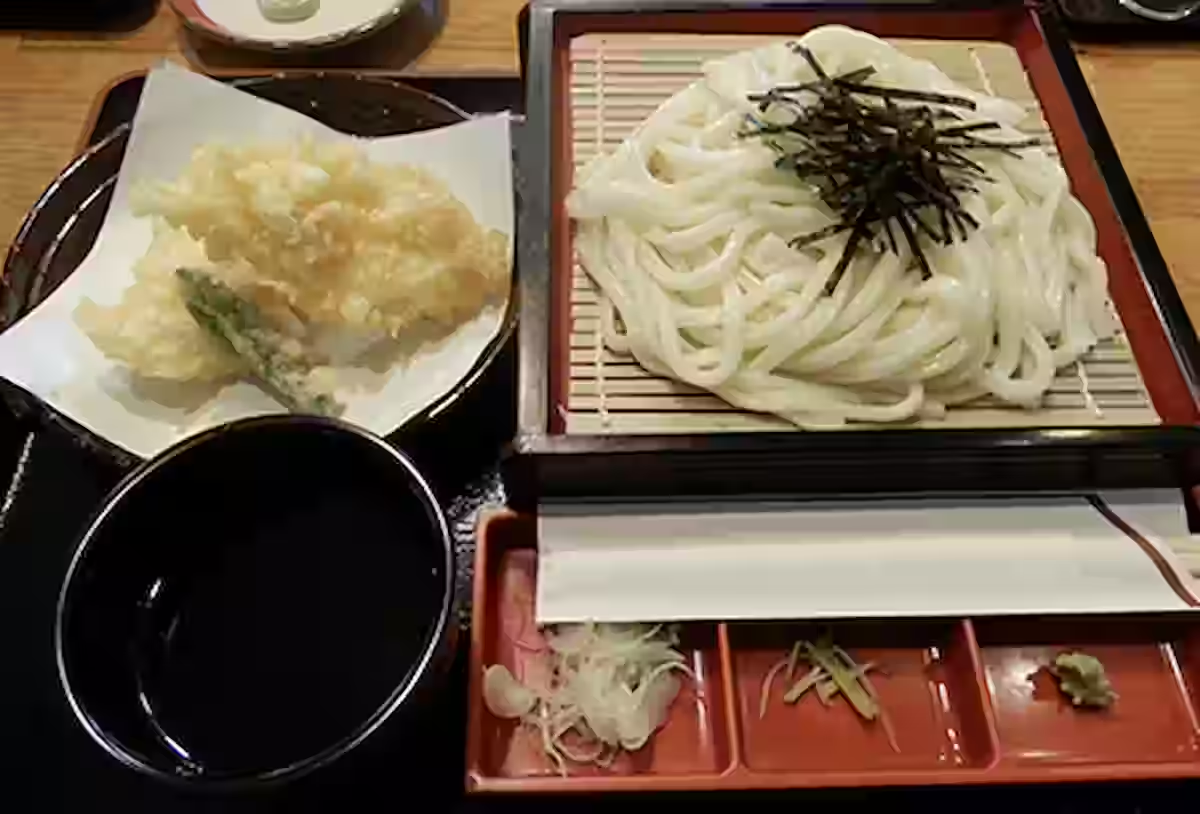
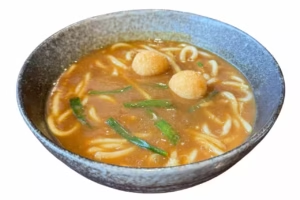
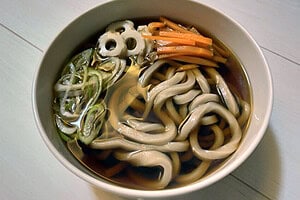
When its broth is in question, there are many types of it. It’s usually pretty simple, with fresh vegetables like leek or eggplant in it. It is usually served hot, while udon is served cold. It can be a meat broth as well, and even curry can be put in it.
How Kumagaya Udon’s made
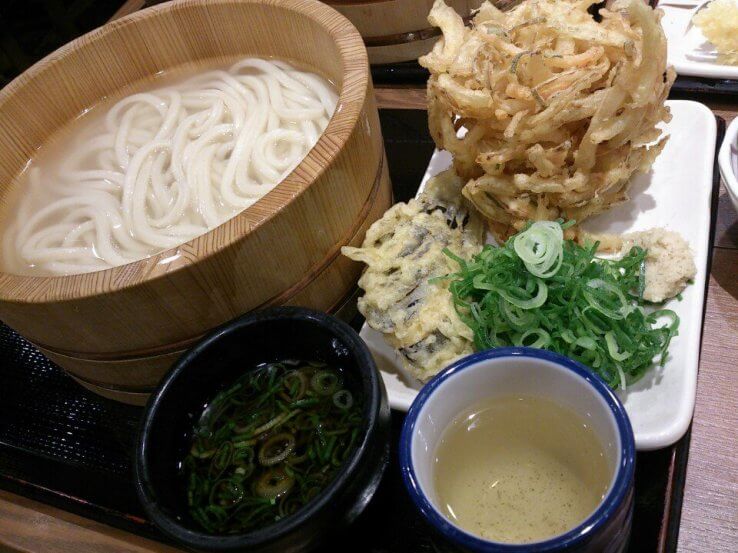
The ingredients are simple: locally produced flour and salted water. First, the dough is made and flattened. After that, it’s cut into the noodles. This process lasts for about an hour.
There are not many rules when making kumagaya udon is in question, but it has to contain kumagaya wheat.
Where should you try it?
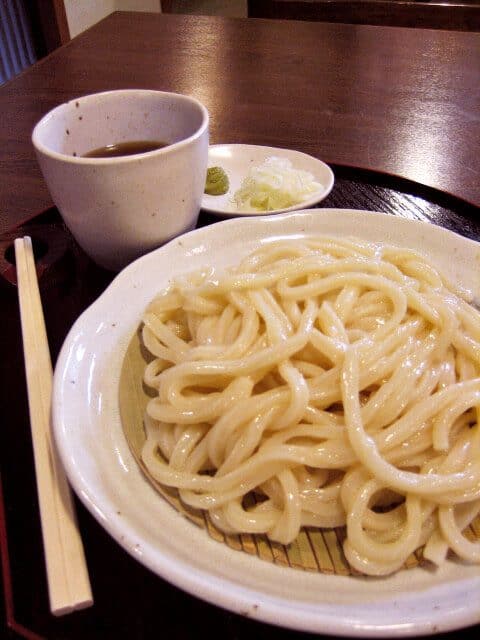
If you are lucky to visit Japan during the national udon summit that’s held in Saitama prefecture, you can even try it there. If you are able to travel to Kumagaya, you should try it there, because it’s usually locally produced for local consumption. Usually, summer is the best time for eating any udon, but I honestly think that you will miss nothing even if you try it during any other season.
Yorimichiya (CLOSED)
If you would like to experience the taste of a true, homemade Kumagaya udon, then I highly recommend this place. It’s not very capacious, but it compensates with its coziness. It’s very close to the famous King Ambassador Kumagaya Hotel, and it’s 5 minutes’ walk from the Kumagaya train station. although it opened in October 2018 (not so long ago) it has already gained a significant amount of popularity. If you don’t want to sit inside or if you are in a hurry, that should not worry you, since this place also has a takeout option. The price for the udon is around 600 JPY.
Kumatamaya (熊たまや)
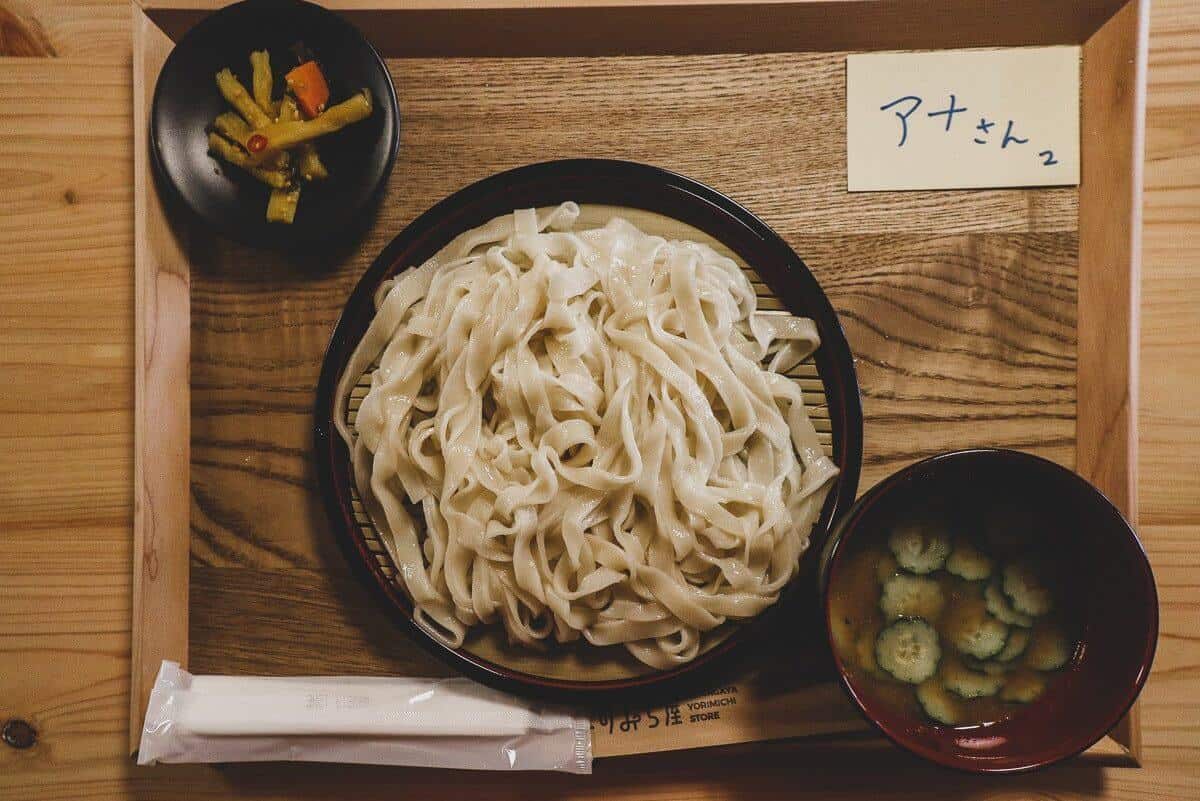
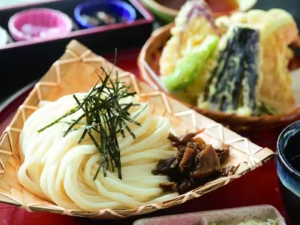
It’s located right inside Kumagaya train station, and because of that, it’s fairly popular among locals since 2009, when it opened. By far, this is one of the best restaurants in this region. The ingredients are always fresh, the ambient is calming and guests are always pleased with its personnel and service. If you order udon here, you will get fresh, homemade udon made of pure kumagaya wheat, with delicious and rich broth with mushrooms in it, coupled with a cup of rice and an egg, for the price of only 650 JPY. As you can see, the prices are convenient here. The approximate price for a meal here is around 900 JPY, though. Usually, kumagaya udon is the most frequent order in kumatamaya. The only possible drawback of this restaurant is that there are no smoking areas within it.
Kimuraya
This restaurant has been around for more than a hundred years. It’s also very close to the train station entrance. It’s quite popular, and the prices are completely upright. People who have tried kumagaya udon here claim that it’s really made of 100% homegrown kumagaya wheat. Moreover, apart from regular udon, you can even order the specific, flat-shaped udon.
Ganso Kumagaya Udon Fukufuku
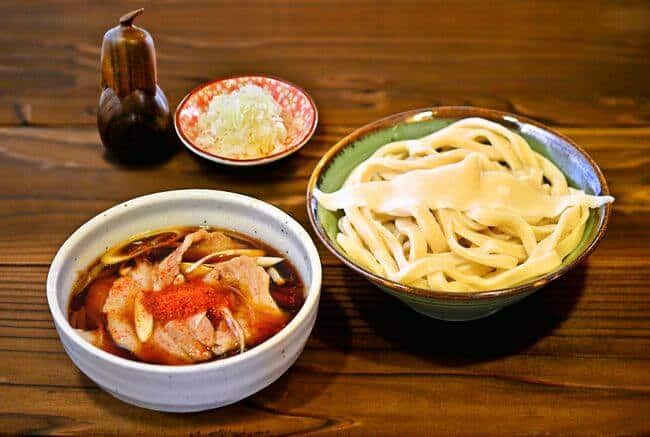
It’s a very stylish place with a cozy ambient, where you can relish one of the best udon of this region. It’s highly recommended by people who have ordered it here. There are so many different types of kumagaya udon so even though you might have a specific taste, I am more than certain that you will be pleased if you choose this restaurant. The prices vary, ranging from 650 up to 1000 JPY and the amount that you get is around 400g. The udon is natural, additive-free and made of pure kumagaya wheat. It’s chewy and smooth, and the broth is always fresh and fragrant.
Kumagaya Udon FAQ
What is Kumagaya Udon?
Kumagaya Udon is a traditional noodle dish from Saitama Prefecture. Chefs make it with locally grown Kumagaya wheat flour. Food lovers know it for its rustic appearance and highly chewy texture.
Where does Kumagaya Udon come from?
Kumagaya Udon originates from Kumagaya City in northern Saitama. Locals have enjoyed it as an everyday specialty since the Edo period.
What does Kumagaya Udon taste like?
Kumagaya Udon has a rich, earthy wheat flavor. The texture feels remarkably firm and pleasantly chewy. Diners often compare it to thick, homemade countryside noodles.
Where can I eat Kumagaya Udon in Japan?
You will find the best Kumagaya Udon right in Kumagaya City. Famous areas include the local streets around Kumagaya Station. Many family-owned noodle restaurants also serve it across northern Saitama.
How much does Kumagaya Udon cost?
Kumagaya Udon typically costs between 600 and 1,000 yen per serving. Prices vary depending on the restaurant and the extra toppings you order.
Is Kumagaya Udon vegetarian or vegan friendly?
Traditional Kumagaya Udon dipping broth contains pork slices and fish stock. Vegans and vegetarians can easily cook plant-based versions at home using mushroom broth instead of meat.
What are the main ingredients in Kumagaya Udon?
The main ingredients in Kumagaya Udon include local wheat flour, pure water, and sea salt. The high-quality local wheat gives the noodles their distinctive earthy aroma.
Can I make Kumagaya Udon at home?
Yes, you can easily make Kumagaya Udon at home. Japanese grocery stores stock the key ingredients — premium wheat flour and soy sauce. Home cooks knead the simple dough quickly with just a little practice.
What is the difference between Kumagaya Udon and Sanuki Udon?
The main difference involves the wheat sourcing and the serving style. Kumagaya Udon features locally milled Kanto wheat dipped in hot meat broth, while Sanuki Udon relies on a smoother texture and clear fish broth.
Is Kumagaya Udon popular outside Japan?
Kumagaya Udon remains relatively unknown outside Japan. You will rarely find it at Japanese restaurants in North America or Europe. This rustic noodle dish maintains its highly local status almost exclusively within Saitama Prefecture.





Comments