





Kayaku Meshi? Osaka’s Hearty Mixed Rice Cooked in Dashi
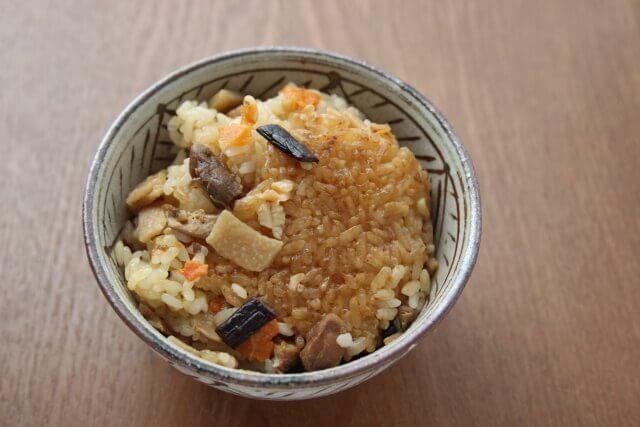
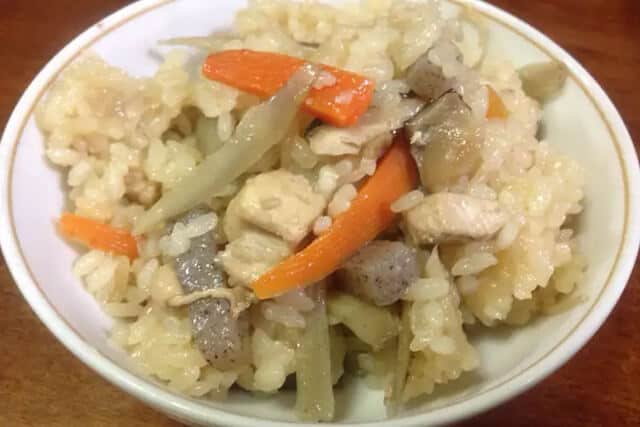
Kayaku meshi is a Japanese mixed rice dish from Osaka. Cooks simmer the rice together with vegetables, chicken, and a rich dashi flavor. As a result, you get a savory one-bowl meal that needs no side dish.
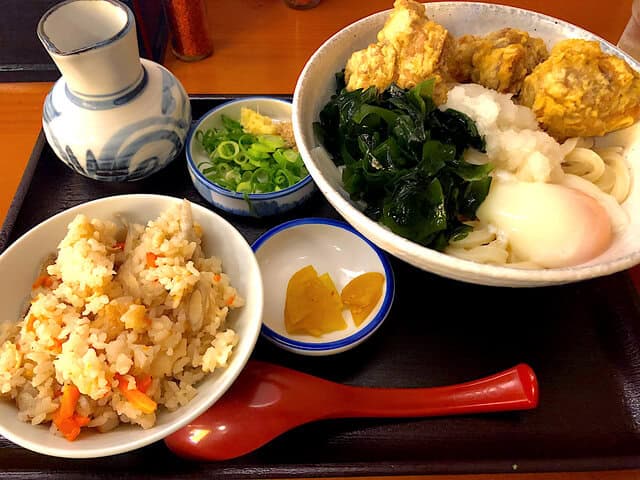
People in Osaka have loved this seasoned rice for generations. It sits firmly within Kansai cuisine, and locals still cook it at home today. You might also hear it called gomoku meshi or takikomi gohan.
Honestly, the first spoonful surprised me. Each grain carries the umami of the broth, yet nothing feels heavy. The vegetables stay tender, and the chicken adds a quiet depth.
Features of Kayaku Meshi
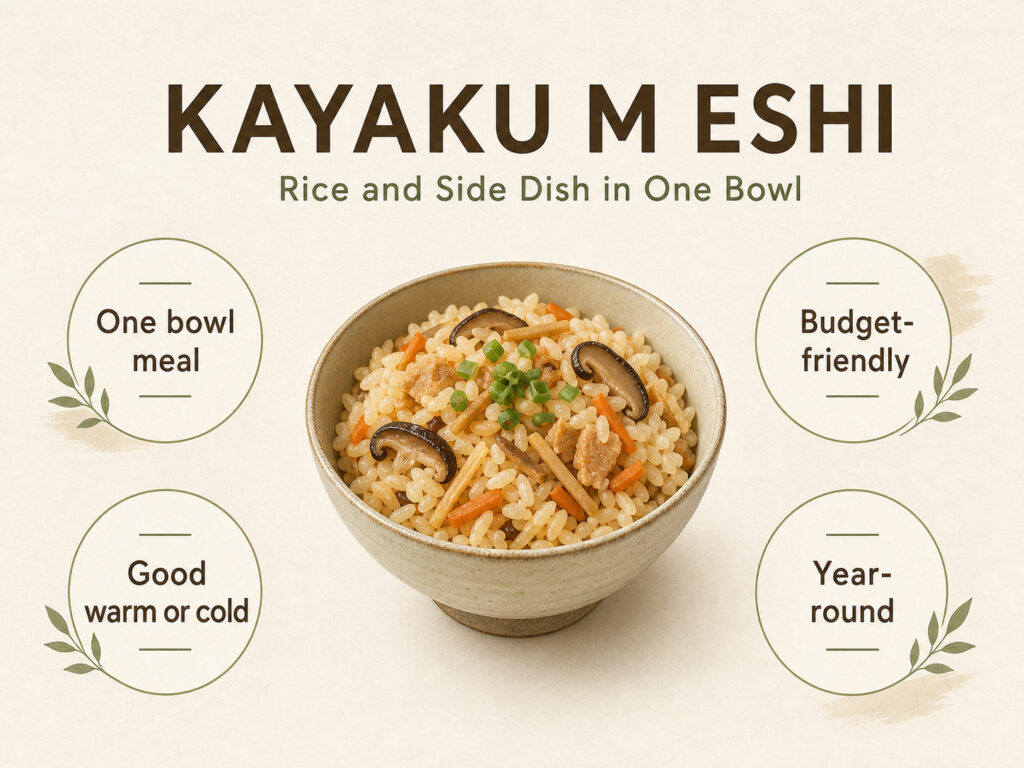
A Rice and Side Dish in One Bowl
Kayaku meshi works as both rice and a side dish. Because it holds many ingredients, the rice itself carries real flavor. You can eat it all year round, and it needs no rare items. On top of that, it stays cheap to make.
- One-bowl meal: the rice and vegetables cook together.
- Budget-friendly: it uses everyday ingredients and leftovers.
- Good warm or cold: the seasoning still holds after it cools.
- Year-round: no special season is required.
The Taste and Dashi Flavor
So what does it taste like? The dashi flavor leads, gentle but savory. Soy sauce and a splash of sake round it out. Burdock root brings an earthy note, while shiitake adds depth. Therefore, each bite feels balanced rather than rich.
Kayaku Meshi History
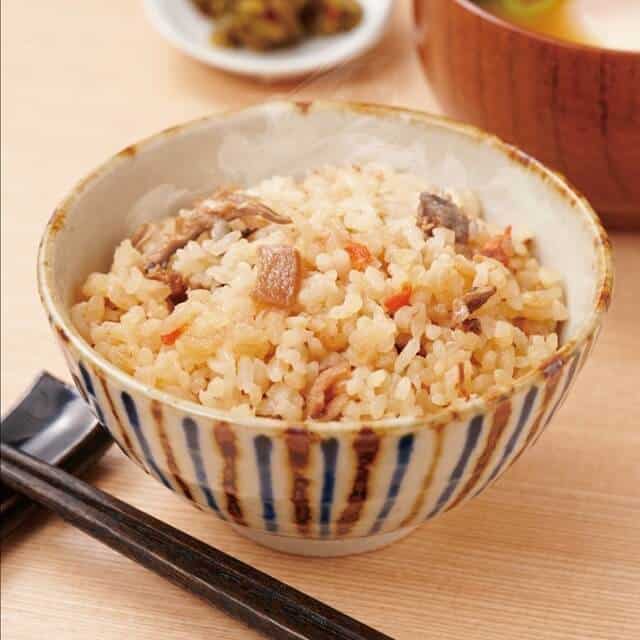
The story of seasoned rice goes back to the Nara period. Rice was scarce then, so people stretched it with millet. Later, cooks in Osaka and Kansai mixed in burdock and carrot. They called this simple dish “kayaku rice”.
Osaka grew rich as a merchant town, and its people valued thrift. They hated waste, so leftover vegetables became the perfect filling for rice. This frugal habit shaped the dish we know today. In fact, locals still praise it as a “rational” meal that tastes good even cold.
During the Muromachi period, the idea spread further. Monks and the upper classes ate seasoned vegetables over white rice, often with broth poured on top. Over time, that custom reached ordinary households. Today, kayaku meshi counts as one of Japan’s five great rice dishes, alongside Fukagawa-meshi in Tokyo.
Kayaku Meshi Ingredients and Their Roles
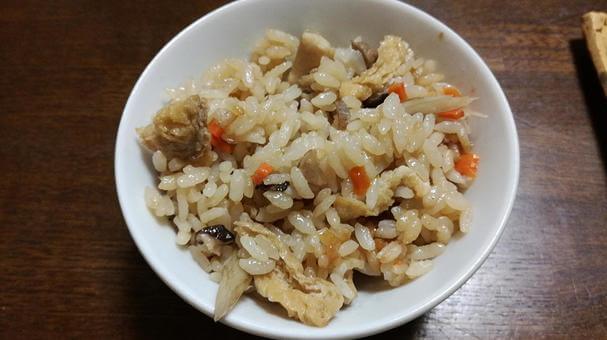
So what goes into kayaku meshi? The list stays flexible, but a few ingredients show up again and again. Here is what each one brings to the bowl.
- Dashi: the backbone of the whole flavor.
- Chicken: umami and a little richness.
- Burdock root (gobo): earthy aroma and a firm bite.
- Carrot: gentle sweetness and bright color.
- Aburaage (fried tofu): it soaks up the broth.
- Konnyaku: chewy texture and extra volume.
- Shiitake mushrooms: deep, savory notes.
- Hijiki seaweed: minerals and a hint of the sea.
- Seasonings: soy sauce, salt, sake, and stock.
You can swap items based on the season. Bamboo shoots suit spring, while mushrooms shine in autumn. For more on spring shoots, see our guide to takenoko. That flexibility is part of the charm.
How to Make Kayaku Meshi
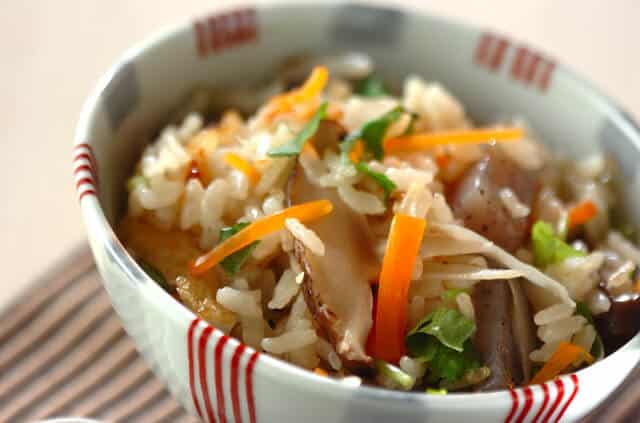
Making kayaku meshi at home is easier than it looks. You chop the ingredients, season the rice, then cook everything together. A rice cooker works fine, though a clay pot gives a nicer aroma.
Chop the chicken, burdock, carrot, fried tofu, and konnyaku into small pieces. Soak dried shiitake until soft, then slice them thin.
Add rice, dashi stock, soy sauce, sake, and a pinch of salt. Place the ingredients on top, then start the cooker. For a pot, bring it to a boil, then lower the heat for about 14 minutes.
Turn off the heat and let it steam for 10 minutes. Fluff the rice gently, then serve it warm.
One tip from experience: do not overfill the pot. Too many ingredients can leave the rice undercooked. Keep the balance, and the texture turns out just right.
Variations of Kayaku Meshi
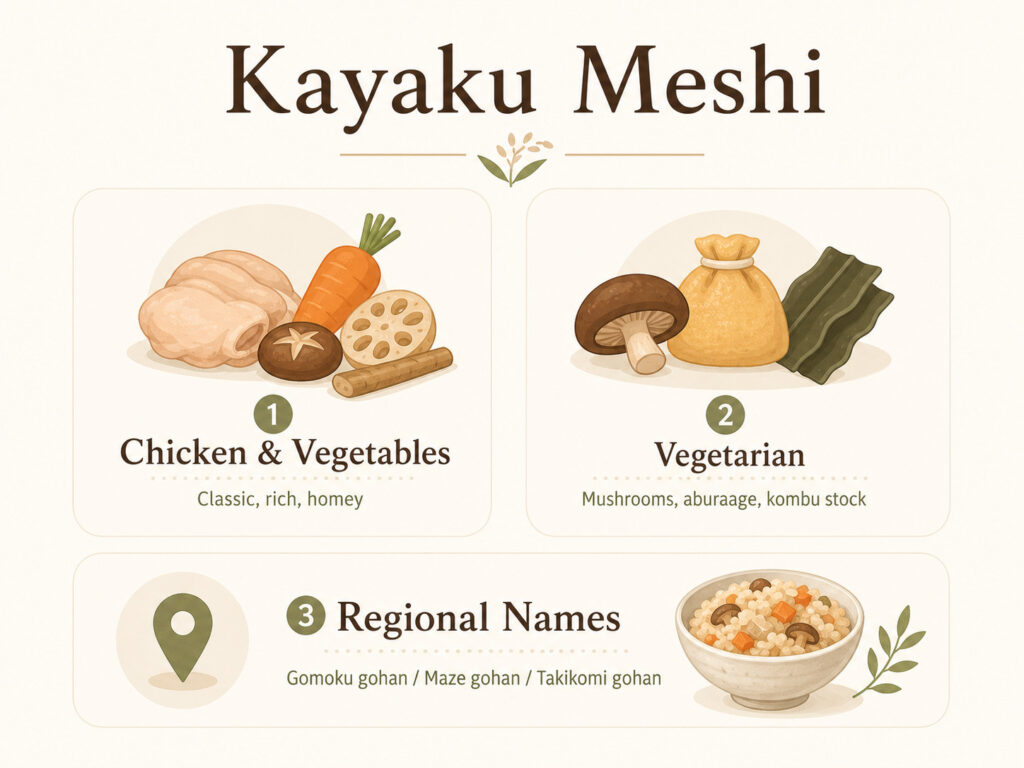
Chicken and Vegetable Version
The classic version pairs chicken with root vegetables. It tastes rich and homey, so most cooks start right here.
Vegetarian Version
You can skip the meat without losing much. Mushrooms, aburaage, and a kombu-based stock carry the flavor instead. Buddhist temple food, or shojin ryori, follows a similar idea. The result still tastes deeply savory.
Regional Names Across Kansai and Beyond
Names shift from place to place. People call it gomoku gohan, maze gohan, or takikomi gohan. Still, the base concept barely changes. It is always seasoned rice with mixed ingredients.
Kayaku Meshi vs Other Mixed Rice Dishes
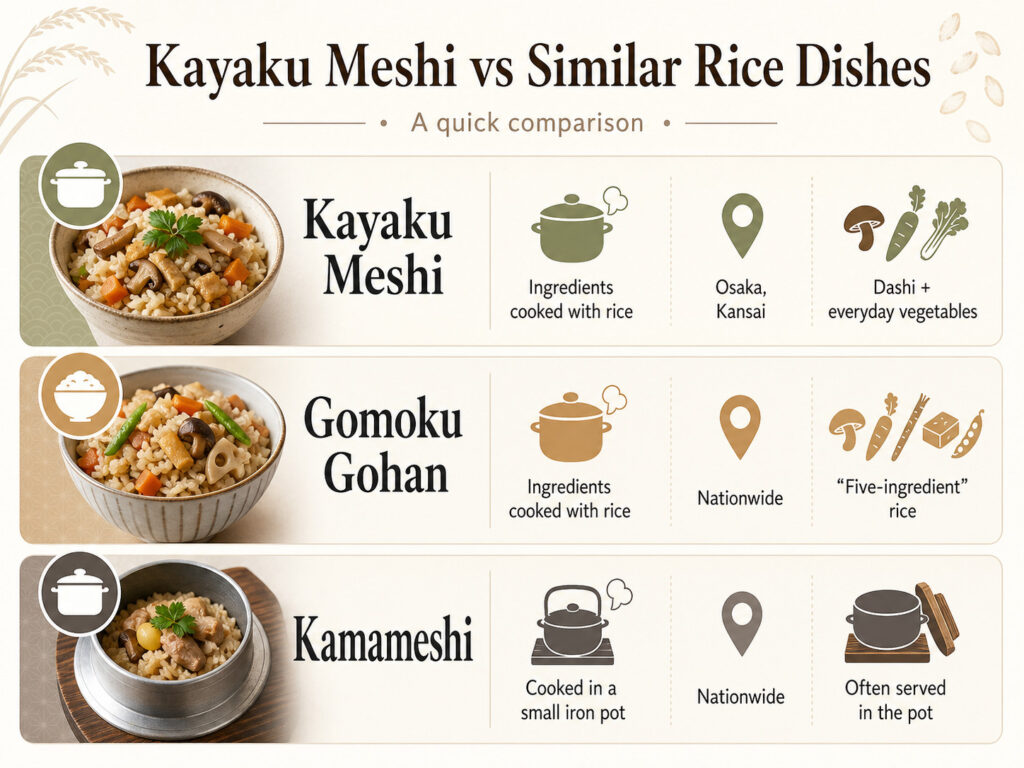
How does it differ from similar dishes? The line can blur, so here is a quick comparison.
| Dish | Cooking method | Region | Note |
|---|---|---|---|
| Kayaku meshi | Ingredients cooked with rice | Osaka, Kansai | Uses dashi and everyday vegetables |
| Gomoku gohan | Ingredients cooked with rice | Nationwide | “Five-ingredient” rice, very similar |
| Kamameshi | Cooked in a small iron pot | Nationwide | Often served in the pot itself |
Many cooks treat these names as interchangeable. Still, the cooking vessel and the region give each one a slightly different feel. If you want to compare them closely, read more about kamameshi.
Where to Eat Kayaku Meshi in Osaka
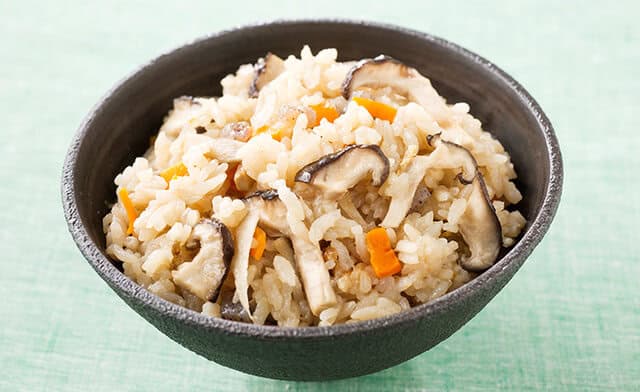
Where can you actually try it? In Osaka, you will find kayaku meshi at set-meal diners, prepared-food shops, and family kitchens. A bowl at a casual diner usually costs about 500 to 900 yen. Some specialty shops also sell it as rice balls or bento. For more local Osaka food, browse our Osaka food guide.
Daikoku
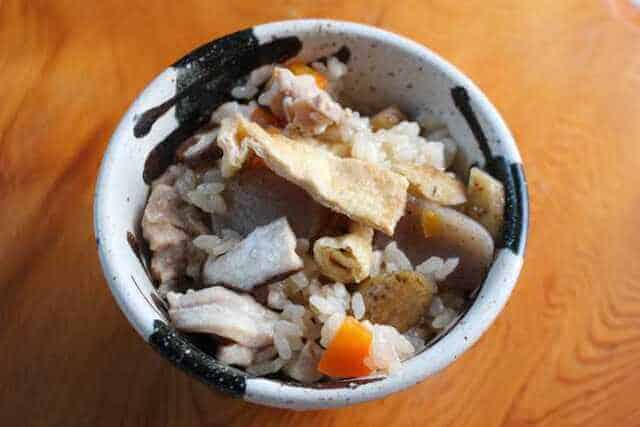
Daikoku is a long-established set-meal restaurant in Namba. Founded in 1902, it claims to be the very origin of kayaku meshi. Locals have loved the place for over a century. The kayaku set, with rice, soup, and side dishes, runs around ¥1,000 plus tax.
Kaoriya
Kaoriya specializes in kayaku rice packed with seasonal ingredients. It also sells rice balls and bento boxes. Two standards stand out here: chicken with gobo, and wagyu with burdock. The shop cooks its rice in a rich blend of bonito and kelp stock.
Conclusion
Kayaku meshi tells the story of Osaka in one bowl. It grew from a thrifty habit into a beloved comfort food. The dashi flavor, the tender vegetables, and the umami-rich rice come together simply. So if you visit Osaka, do try a bowl at a local diner. Better yet, cook it at home and make the recipe your own.
Frequently Asked Questions
What is kayaku meshi?
It is a seasoned rice dish from Osaka, cooked with vegetables, chicken, and dashi. Locals treat it as both rice and a side dish in one bowl. People across Kansai have enjoyed it for generations. You may also see it labeled gomoku meshi or takikomi gohan.
What does “kayaku” mean?
The word comes from Kansai dialect and points to the ingredients mixed into rice. In kanji, it once meant an auxiliary medicine that boosted nutrition. Over time, the meaning shifted to meat, fish, and vegetables added to rice or udon. So the name simply highlights the flavorful extras.
How is it different from takikomi gohan?
Honestly, the two overlap a lot. Takikomi gohan is the general term for rice cooked with ingredients and seasoning. The Osaka and Kansai name for that same style happens to be kayaku meshi. As a result, the cooking method stays basically identical.
Can I make a vegetarian version?
Yes, and it works beautifully. Swap the chicken for extra mushrooms and fried tofu. Use a kombu and shiitake stock instead of a fish-based one. The rice still turns out savory and satisfying.
Does it taste good cold?
It does, and that is part of its appeal. The seasoning holds even after the rice cools down. For this reason, many people pack it into bento boxes. Long ago, that quality made it handy for busy merchants and excursions.
How much does a serving cost in Osaka?
At a casual set-meal diner, expect roughly 500 to 900 yen. Prepared-food shops often sell single portions at similar prices. Specialty restaurants may charge more for a full set with soup and sides. Either way, it stays an affordable local meal.
Reference
- Ministry of Agriculture, Forestry and Fisheries (MAFF) – Our Local Cuisine: Osaka (Surveyed: June 2026)
- Wikipedia – Takikomi gohan (Surveyed: June 2026)
- Wikipedia – Kamameshi (Surveyed: June 2026)
Related Articles
- Kamameshi and Takikomi Gohan (Surveyed: June 2026)
- The Five Great Rice Meals of Japan (Surveyed: June 2026)
- Fukagawa Meshi (Surveyed: June 2026)
- Dashi: The Ultimate Guide to Japanese Stock (Surveyed: June 2026)
- Japanese Pickles (Tsukemono) (Surveyed: June 2026)



Comments