




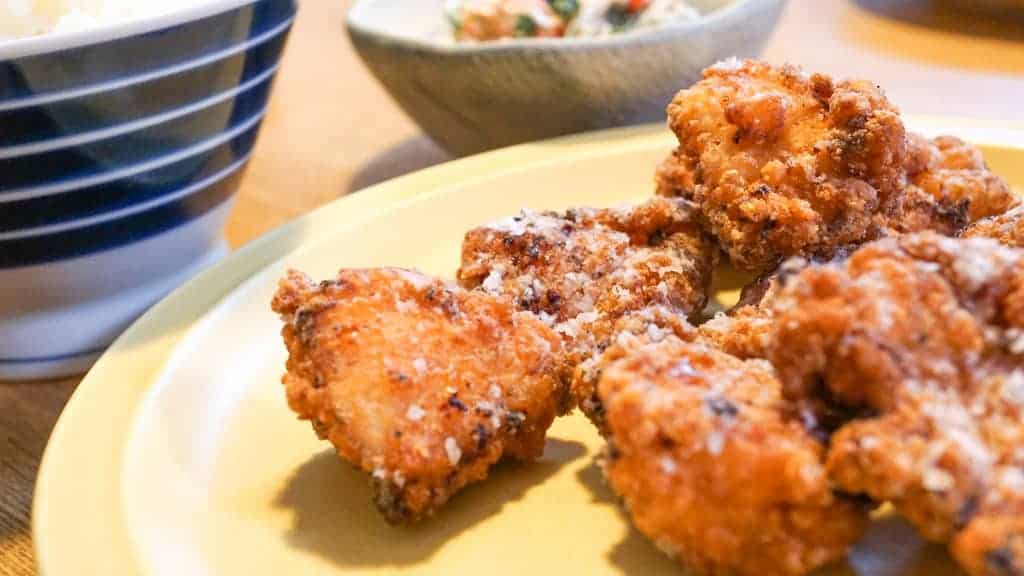
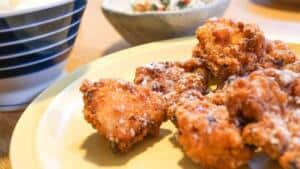
Tatsuta age is Japanese fried chicken marinated in soy sauce and ginger, coated with potato starch, and deep-fried. The coating fries up light and crisp, with little white flecks of starch. People love it hot, in bento boxes, and at izakaya.
Japan has many fried dishes. Tatsuta age is one of the most distinctive. Here is how it differs from karaage, and why people love it.
Quick Answers
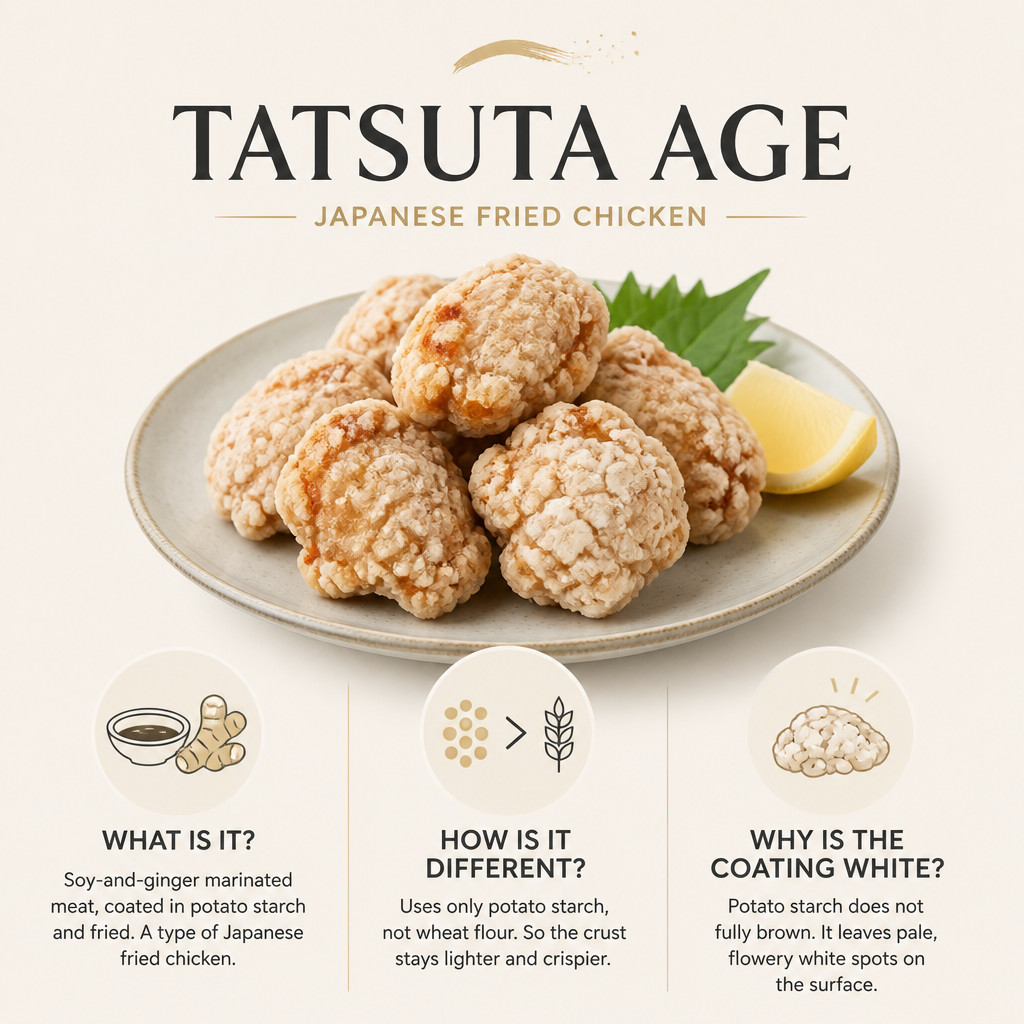
- What is it? Soy-and-ginger marinated meat, coated in potato starch and fried. It is a type of Japanese fried chicken.
- How is it different from karaage? It uses only potato starch, not wheat flour. So the crust stays lighter and crisper.
- Why is the coating white? Potato starch does not fully brown. It leaves pale, flowery white spots on the surface.
What Is Tatsuta Age?
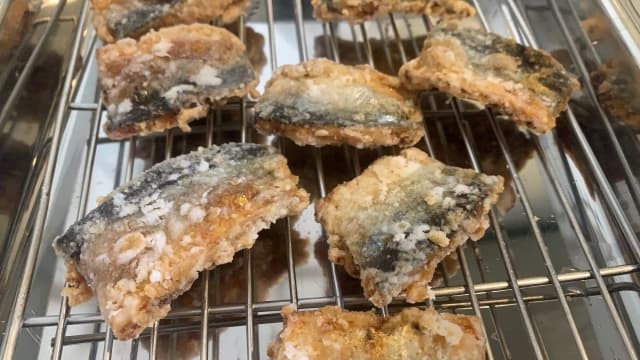
Tatsuta age is a deep-fried dish, usually made from chicken. Cooks marinate the meat in soy sauce and ginger. Then they coat it in potato starch and fry it. Besides chicken, tatsuta age can also be made with pork or fish such as Pacific saury.
It counts as a kind of Japanese fried chicken. In fact, some people simply call it karaage. Yet a few clear differences set the two apart, as we will see below.
What Does Tatsuta Age Taste Like?
The first bite is light and crisp. The starch crust shatters, not heavy at all. Underneath, the chicken tastes savory and deeply seasoned. Soy and ginger reach all the way in.
I will admit, I expected it to taste like plain fried chicken. It does not. The ginger gives a warm, slightly sweet edge. A squeeze of citrus, like sudachi, lifts it even more. It is the kind of dish you keep reaching for.
Tatsuta Age vs Karaage
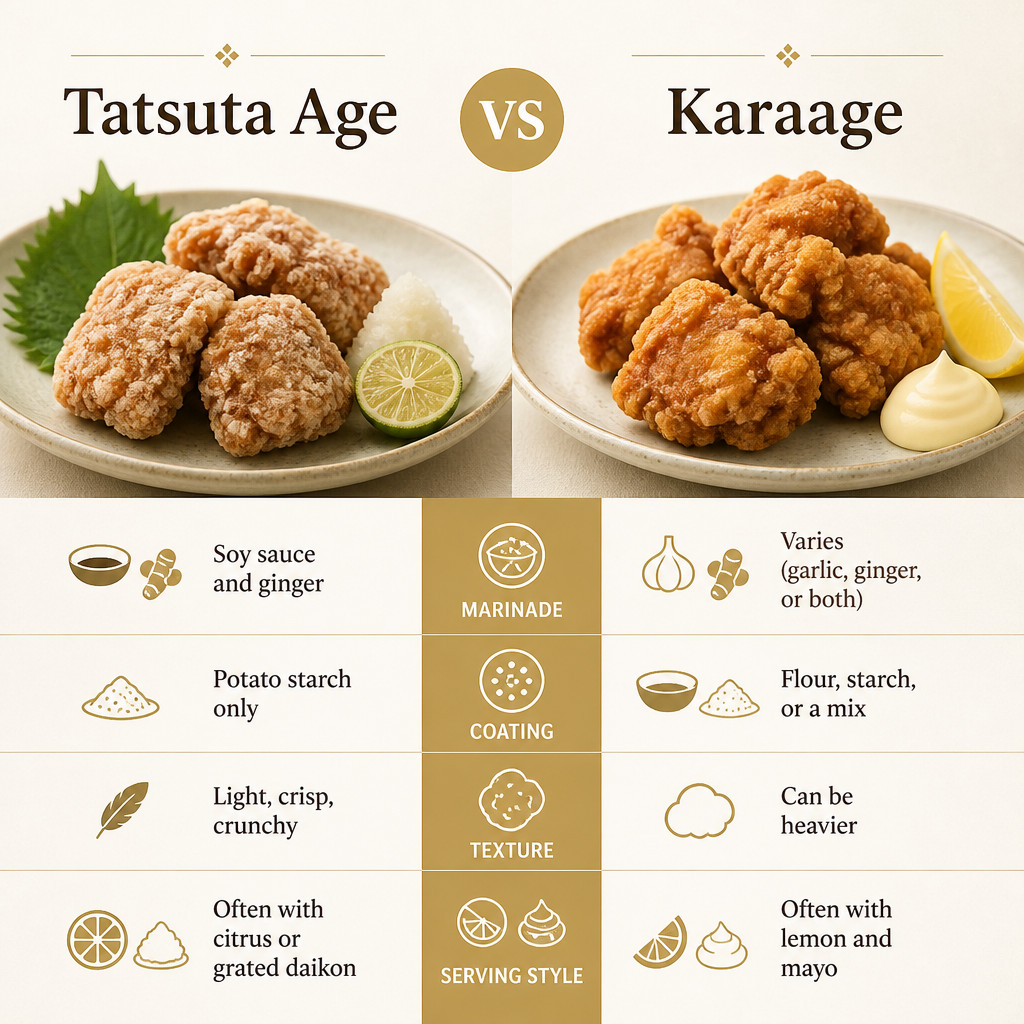
This is the most common question. The coating is the key difference. The table below sums it up.
| Tatsuta Age | Karaage | |
|---|---|---|
| Marinade | Soy sauce and ginger | Varies (garlic, ginger, or both) |
| Coating | Potato starch only | Flour, starch, or a mix |
| Texture | Light, crisp, crunchy | Can be heavier |
| Serving style | Often with citrus or grated daikon | Often with lemon and mayo |
The line is not always strict. Some households call a potato-starch version karaage too. Still, the soy-ginger marinade and starch crust mark the classic tatsuta age. To compare in detail, read about how tatsuta age differs from karaage.
Tatsuta Age vs Chicken Nanban vs Toriten vs Zangi
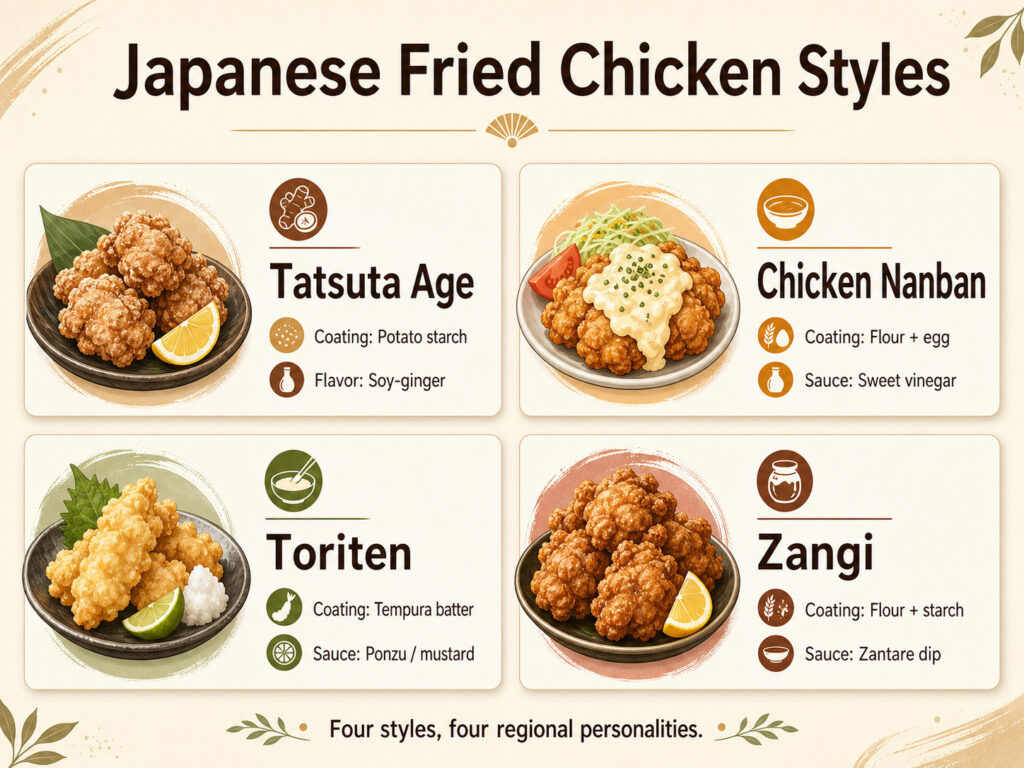
Japan has many fried chicken styles. They look alike but differ in real ways. Here is a quick comparison.
| Dish | Coating | Sauce | Region | Flavor |
|---|---|---|---|---|
| Tatsuta age | Potato starch | None needed | Nationwide | Soy-ginger, light |
| Chicken nanban | Flour and egg | Sweet vinegar + tartar | Miyazaki | Sweet and tangy |
| Toriten | Tempura batter | Ponzu or mustard | Oita | Light, fluffy |
| Zangi | Flour and starch | Zantare dip | Hokkaido | Bold, heavy |
Each one has its own home and character. Try Miyazaki chicken nanban, Oita toriten, or another Japanese fried chicken from Hokkaido.
History of Tatsuta Age
The exact origin stays uncertain. Still, fried chicken first appeared on restaurant menus in the early Showa period. Two main theories explain the name.
The Tatsuta River Theory
The word “Tatsuta” comes from the Tatsuta River in Nara. The area is a famous autumn foliage spot. The fried surface turns reddish brown, dotted with white starch. People named the dish after the river because its reddish color looked like autumn leaves on the water.
The Imperial Navy Ship Theory
Another story points to the sea. One theory says cooks served this fried chicken on the former Imperial Japanese Navy ship Tatsuta. They used potato starch instead of wheat flour. The dish proved popular, so the name stuck.
Early Showa Menus
Either way, the dish spread through early Showa dining. Fried chicken became an affordable restaurant item. Over time, tatsuta age settled into home kitchens too. Today it is a familiar comfort food.
Key Ingredients of Tatsuta Age
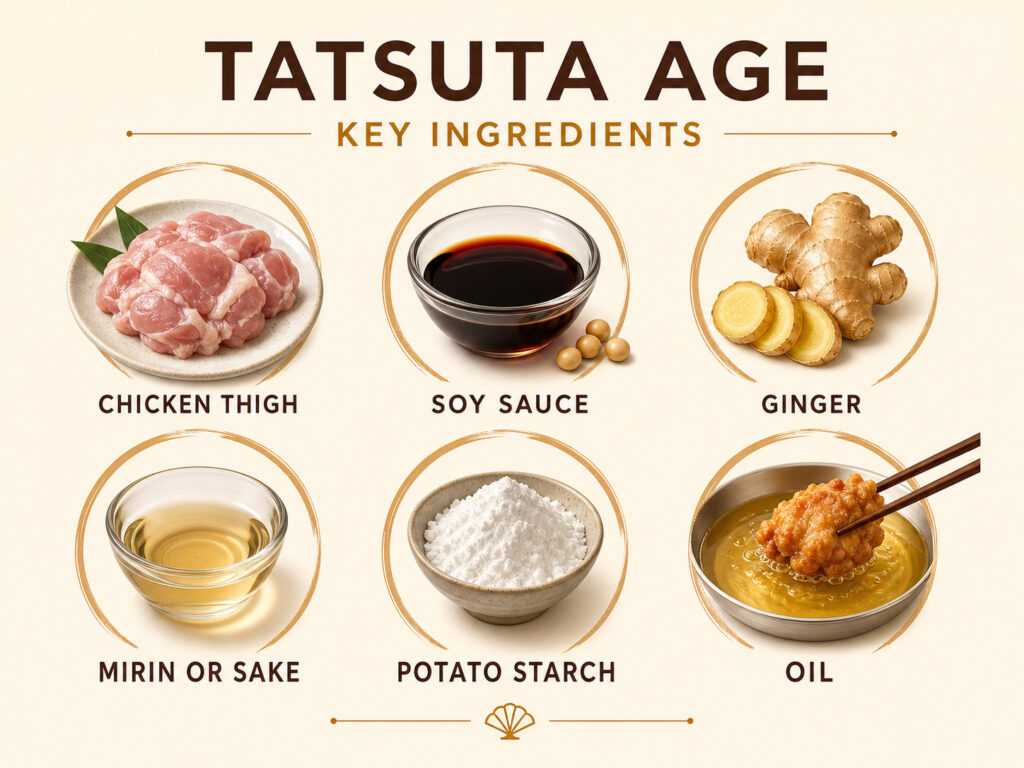
The ingredient list is short and purposeful. Each part plays a clear role.
- Chicken thigh: juicy and forgiving, the classic choice.
- Soy sauce: the savory base of the marinade.
- Ginger: adds warmth and cuts any heaviness.
- Mirin or sake: brings gentle sweetness and depth.
- Potato starch: the coating that fries up light and white.
- Oil: for deep-frying at a steady heat.
How to Make Tatsuta Age
Ingredients (2-3 Servings)
| Ingredient | Amount |
|---|---|
| Chicken thigh | 250 g |
| Soy sauce | 50 cc |
| Sake | 100 cc |
| Mirin | 25 cc |
| Grated ginger | 1 tsp |
| Potato starch | as needed |
| Salt | to taste |
| Sudachi (to serve) | 1 |
Steps
Mix the soy sauce, sake, mirin, and ginger in a bowl. Cut the chicken into bite-size pieces. Marinate it for about 20 minutes.
Pat the surface dry with kitchen paper. Then coat each piece in potato starch. Do this right before frying for the crispest result.
Heat the oil to 180°C and add the chicken. Fry until the loud crackling settles down. That sound is your cue it is nearly done.
Lift the pieces out and drain the oil. Plate them up while hot. Add a little salt and a wedge of sudachi.
How to Keep Tatsuta Age Crispy
- Dry the surface: blot the marinade off before coating.
- Coat right before frying: starch left waiting turns gummy.
- Do not crowd the pan: too many pieces drop the oil temperature.
- Hold 180°C: steady heat gives a light, crisp crust.
Nutrition Facts
| Per 100g | Chicken | Pork | Saury |
|---|---|---|---|
| Calories | 265 kcal | 311 kcal | 335 kcal |
| Protein | 12.05 g | 14.1 g | 12.76 g |
| Fat | 21.04 g | 22.62 g | 25.2 g |
| Carbs | 3.56 g | 9.63 g | 10.75 g |
Is Tatsuta Age Healthy?
It is fairly high in protein, which supports muscle and satiety. The thin starch coating keeps the carbs low. Still, deep-frying adds oil and calories. To lighten it at home, drain it well and fry in clean, hot oil. You can also use leaner cuts or shallow-fry.
Figures refer to the Food Composition Database (MEXT), Japan.
How to Eat Tatsuta Age
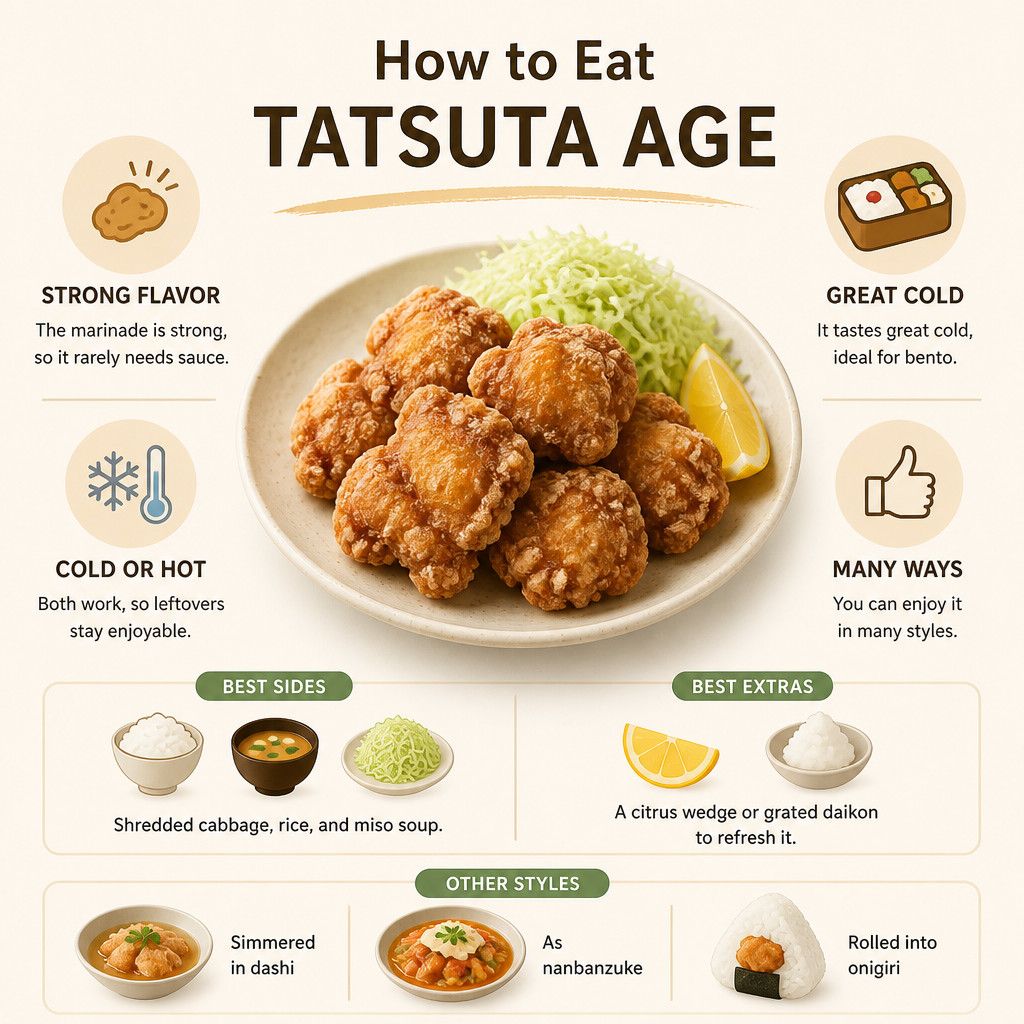
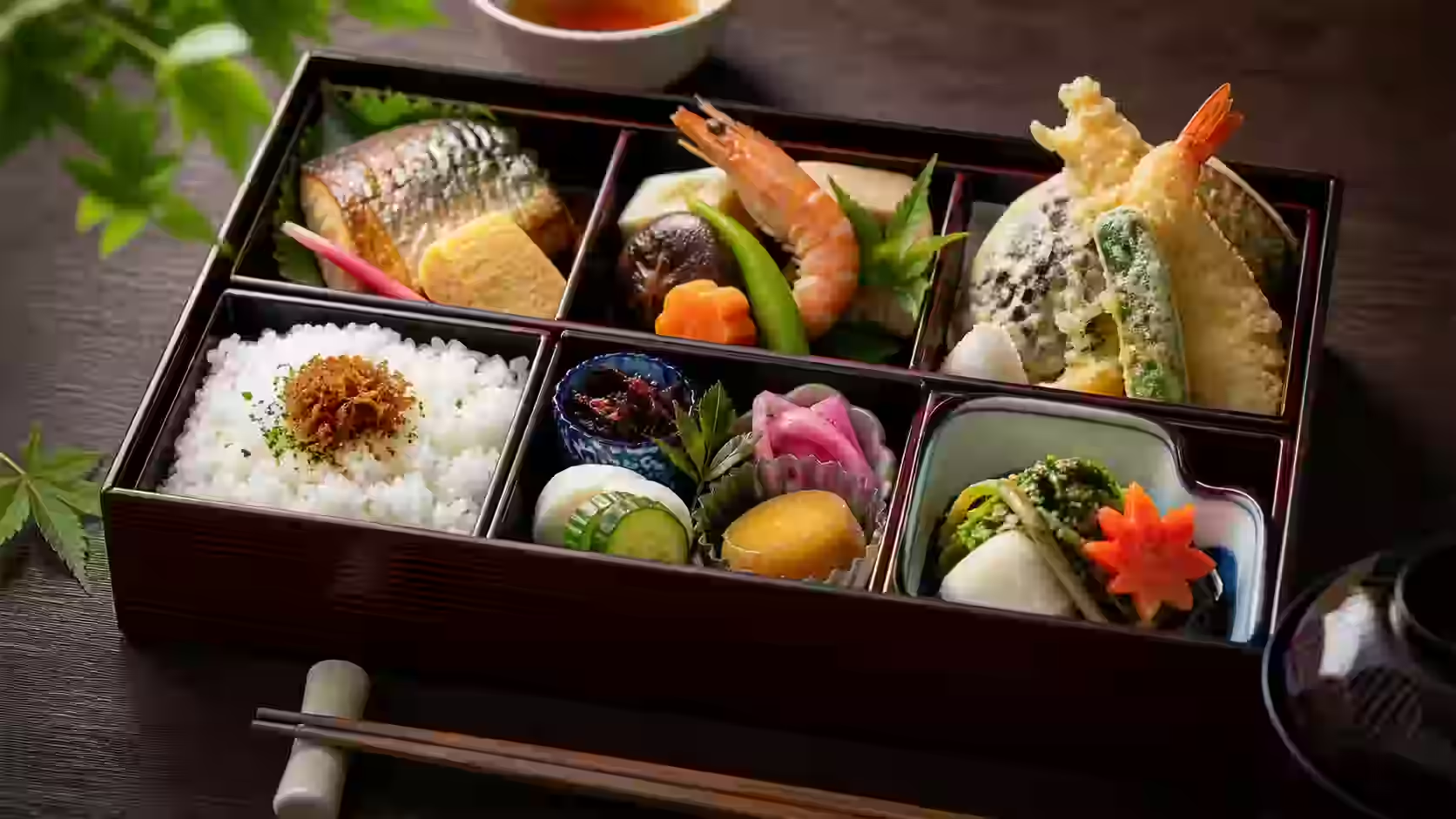
You can enjoy it many ways. The marinade is strong, so it rarely needs sauce. It also tastes great cold, which makes it ideal for bento.
- Best sides: shredded cabbage, rice, and miso soup.
- Best extras: a citrus wedge or grated daikon to refresh it.
- Other styles: simmered in dashi, as nanbanzuke, or rolled into onigiri.
- Cold or hot: both work, so leftovers stay enjoyable.
Where to Eat Tatsuta Age in Japan
You can find it almost everywhere. Convenience stores and supermarket deli counters sell it ready to eat. Izakaya and set-meal restaurants serve it hot. It is also a common bento and airport-lunch item.
Minami Aoyama Itoya
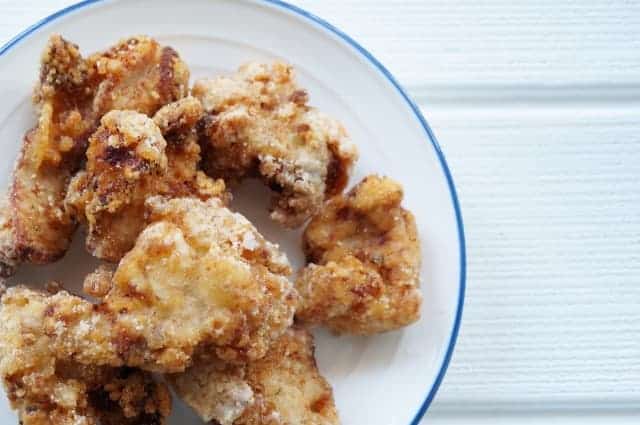
Itoya specializes in tatsuta age. The owner has appeared in TV shows and gourmet magazines. The kitchen blends Japanese cooking with global techniques. The result is a creative, evolving menu.
- Area: Minami Aoyama, Tokyo.
- Known for: a specialist, creative approach.
- Best for: a refined sit-down meal.
Hinadori
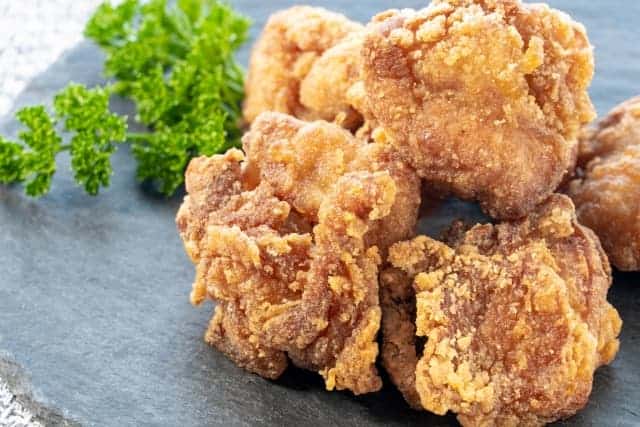
Hinadori is a popular chicken restaurant in Akasaka. People line up at lunchtime for its fried chicken. The tatsuta age is well seasoned with spices. Many rate it among the best in the area.
- Area: Akasaka, Tokyo.
- Known for: hearty, well-spiced chicken.
- Best for: a satisfying weekday lunch.
Toyoda
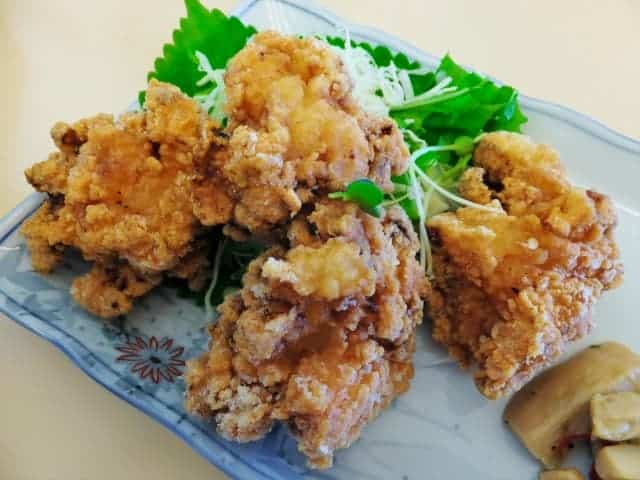
Toyoda has more than 40 years of history. It is known for its unusual fried chicken. The cooks fry it in very high-temperature oil. A signature dish is fried wings you can eat bones and all.
- Area: Midorigaoka, Meguro, Tokyo.
- Known for: a long-running, distinctive style.
- Best for: an evening with drinks.
Conclusion
Tatsuta age is a light, crisp take on Japanese fried chicken. The soy-ginger marinade and potato starch crust make it special. It tastes great hot, cold, or packed in a bento.
So try it at an izakaya, or cook it at home with chicken, pork, or fish. If you love fried chicken, compare it with karaage next. For more regional styles, explore toriten and zangi.
Tatsuta Age FAQ
What is tatsuta age?
Tatsuta age is a Japanese deep-fried dish, usually chicken. Cooks marinate the meat in soy sauce and ginger. Then they coat it in potato starch and fry it. The crust comes out light and crisp.
How does it differ from karaage?
The coating defines the difference. This dish uses only potato starch, while karaage may use wheat flour. The starch fries up lighter and crisper. It also leaves the signature white flecks.
Why is the coating white?
Potato starch does not brown fully when fried. So it leaves pale, powdery white spots. These flecks sit against the reddish-brown surface. That contrast inspired the dish’s name.
What does the name mean?
People named it after the Tatsuta River in Nara. The river is famous for red autumn leaves and white waves. The fried surface echoes those colors. Another theory links it to a navy ship of the same name.
Can it be made with fish?
Yes, fish versions are common. Mackerel (saba) and Pacific saury work well. The ginger and soy mask any fishy smell. Cooks also use tuna, pork, and even lamb.
Is it gluten-free?
Not usually. The potato starch coating is gluten-free on its own. However, the soy sauce marinade contains wheat. Use tamari or gluten-free soy sauce to adapt it.
Do I need a dipping sauce?
No, sauce is optional. The meat absorbs strong soy flavor while marinating. A squeeze of citrus is usually enough. Some people still enjoy a sweet-spicy sauce on the side.
Is it good cold?
Yes, it stays tasty at room temperature. The bold seasoning carries through even when cool. That is why it is a bento favorite. Reheating briefly restores some crispness.
Where can I buy it?
You can find it in many everyday places. Convenience stores and supermarket delis stock it. Izakaya and set-meal shops serve it fresh. It also appears in bento and airport lunches.
References
- MEXT, Food Composition Database, https://fooddb.mext.go.jp/ (Surveyed: June 2026)
- Kikkoman, Tatsuta-age Recipe, https://www.kikkoman.com/en/cookbook/ (Surveyed: June 2026)
Related Articles
- Karaage (から揚げ) (Surveyed: June 2026)
- Chicken Nanban (チキン南蛮) (Surveyed: June 2026)
- Toriten (とり天) (Surveyed: June 2026)
- Zangi (ザンギ) (Surveyed: June 2026)
Comments