





Japan is known around the world for its rich culinary heritage, including sushi, ramen, and premium wagyu beef. While traditional Japanese cuisine remains highly respected, the country is also home to a growing number of innovative food products that blend long-established techniques with fresh ideas. From visually striking creations to environmentally conscious inventions and entirely new dining experiences, these uniquely Japanese foods are attracting attention both at home and abroad.
Examples of food innovation from Japan are countless. So, for a quick introduction, here are five of the most recently fascinating.
1. Clear Soy Sauce
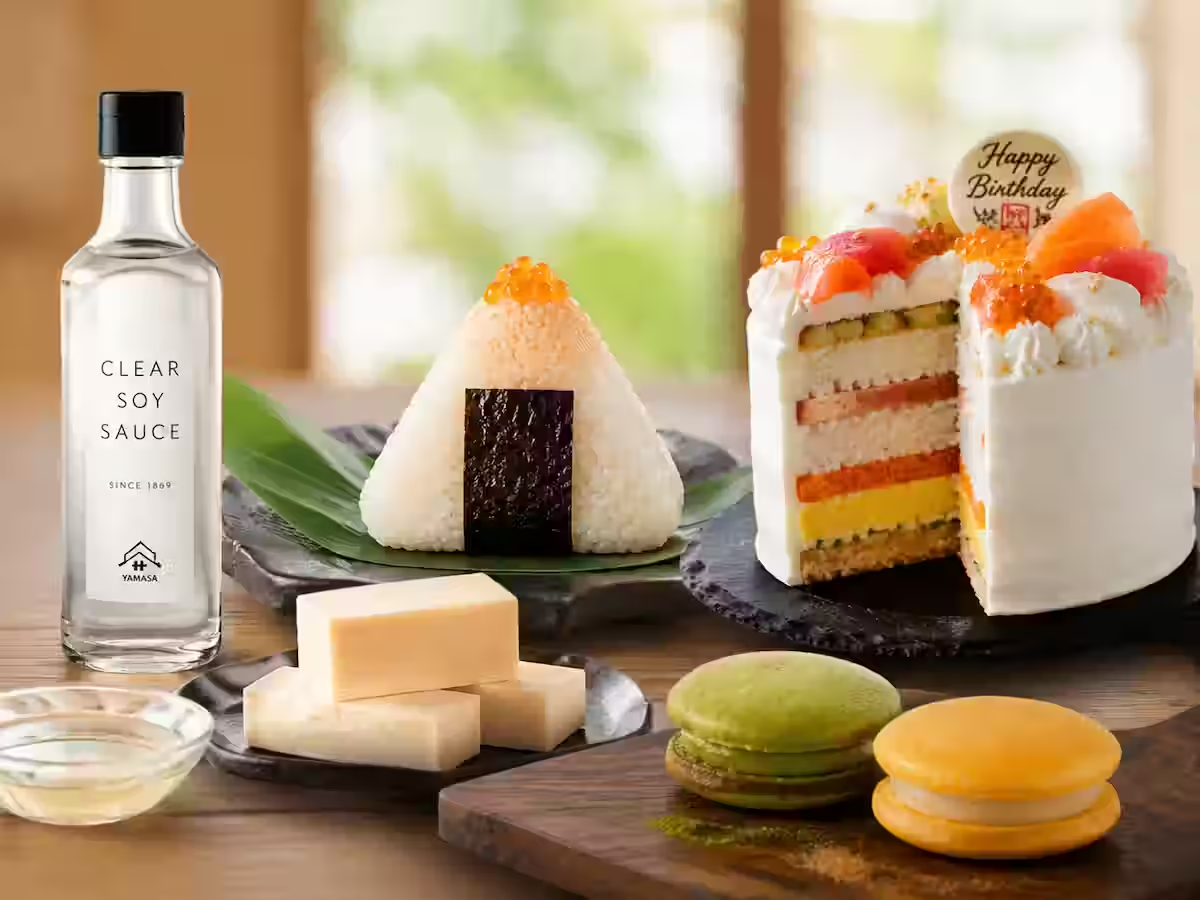
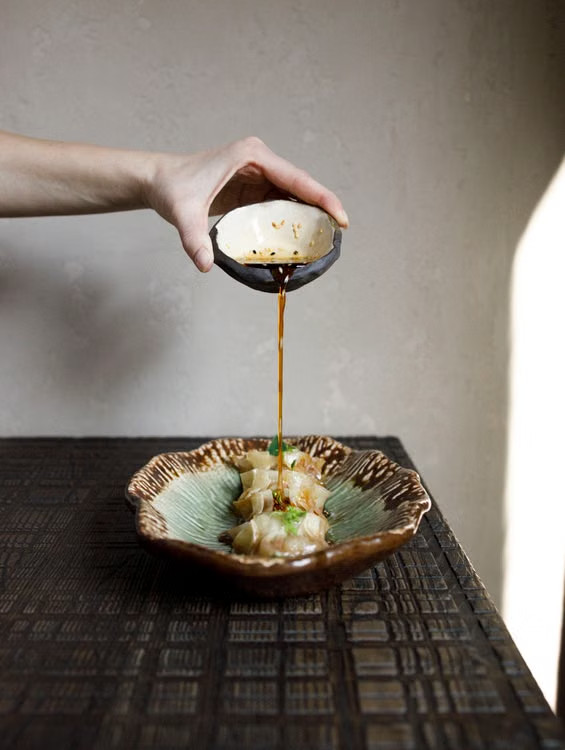
Soy sauce is a staple of Japanese cuisine, but its deep brown color can sometimes alter the appearance of delicate dishes, particularly those featuring white fish or clear broths. To solve this problem, Fundodai, a historic soy sauce producer in Kumamoto Prefecture, developed an innovative product called Clear Soy Sauce.
Using a proprietary distillation process, the company removes the color while preserving the familiar aroma and umami of traditional soy sauce. The result is a transparent liquid that looks like water but delivers the unmistakable flavor of soy sauce.
Clear Soy Sauce is especially popular in dishes where preserving the natural appearance of ingredients is important, including sashimi, sushi, carpaccio, and salads. Because it allows chefs to season food without affecting presentation, it has found a place in fine dining and creative cuisine.
The product has also attracted international attention as a seasoning that surprises people with its unusual appearance. It is a striking example of how Japan continues to reinvent traditional fermented foods for modern tastes.
2. Pacoon: The Edible Spoon
Disposable plastic cutlery remains a major environmental challenge worldwide. As awareness of sustainability grows, Japan has introduced a creative alternative: Pacoon, an edible spoon.
Developed by Kinroshoku Co., Ltd., Pacoon functions just like a conventional spoon, making it suitable for soups, desserts, and ice cream. The difference is that once the meal is finished, the spoon itself can be eaten as a snack.
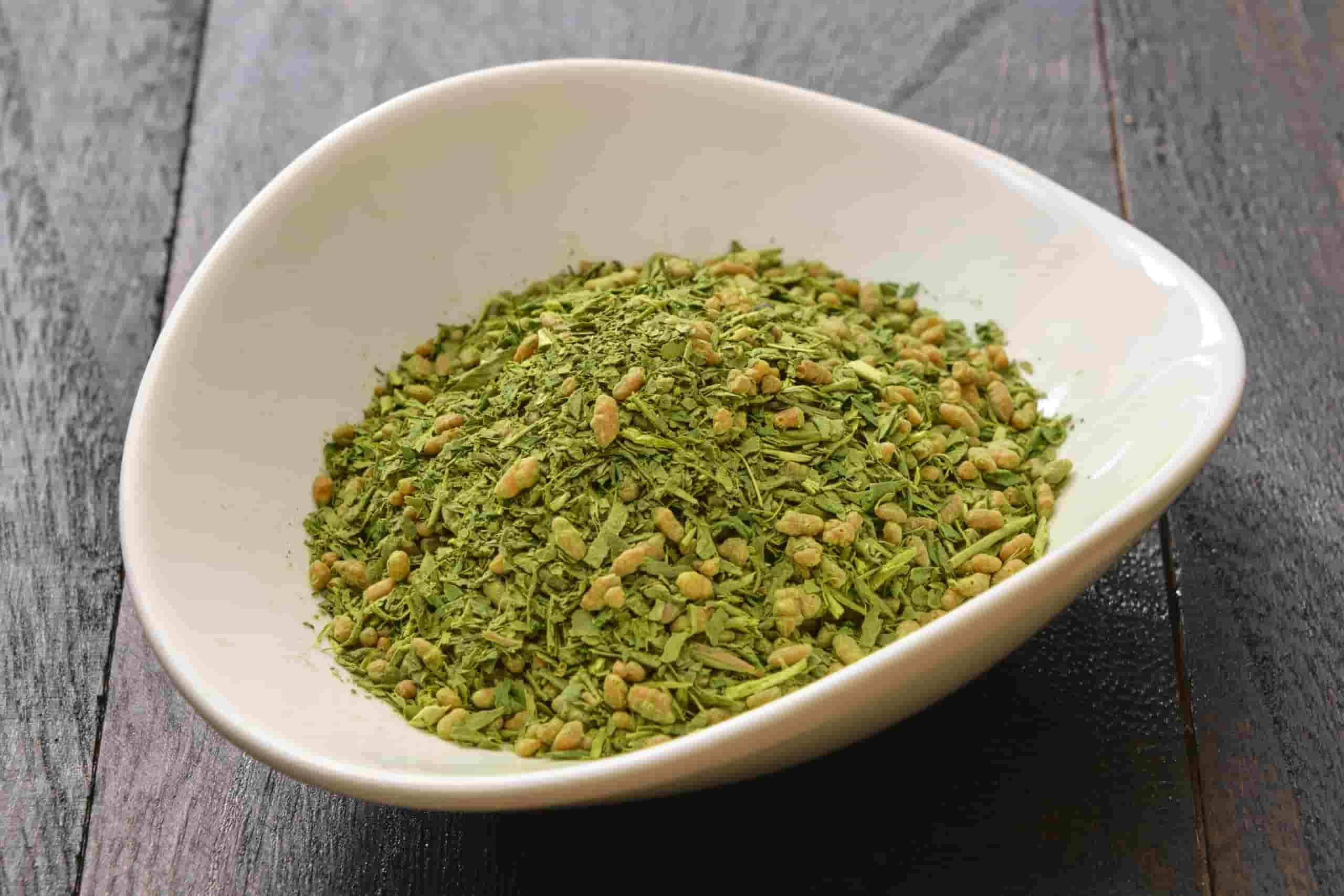
Made with domestically sourced vegetables, Pacoon comes in five flavors: pumpkin, matcha, beetroot, okara (soy pulp), and igusa (rush grass). Since nothing is thrown away after use, it helps reduce waste while offering a fun and memorable dining experience.
As businesses and consumers increasingly seek sustainable solutions, Pacoon has been adopted at events, schools, and tourist facilities across Japan. By combining environmental responsibility with culinary creativity, it represents a forward-thinking approach to food culture.
3. Acchicchi Bento: The Self-Heating Ekiben
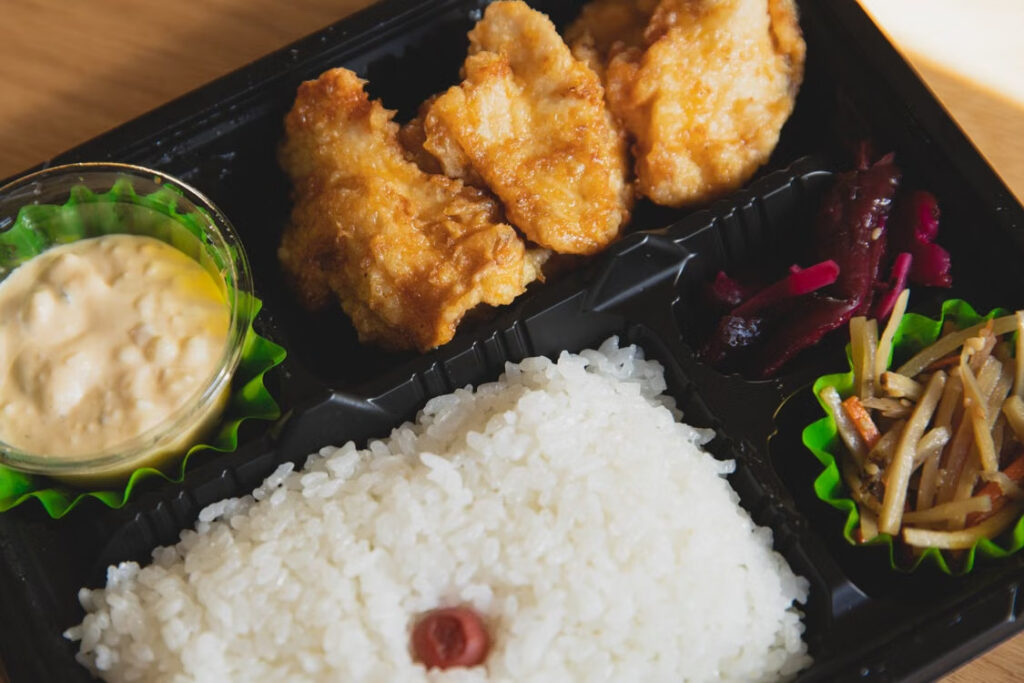
Japan’s railway stations are famous for ekiben, boxed meals that showcase regional specialties and local flavors. One of the most innovative examples is the Acchicchi Bento, developed by Awajiya, a long-established bento manufacturer in Hyogo Prefecture.
Its standout feature is a built-in self-heating system. By pulling a small cord attached to the package, a chemical reaction is activated, warming the meal within minutes.
The concept reflects Japan’s dedication to enjoying food at its best. While most boxed lunches are served cold, Acchicchi Bento allows travelers to enjoy a hot meal while on the move.
The sight of rising steam and the aroma of a freshly heated meal adds an extra sense of excitement to the journey. Many overseas visitors have praised the product for delivering a restaurant-quality meal on a train journey.
Combining Japan’s beloved ekiben culture with practical innovation, Acchicchi Bento offers a uniquely Japanese food experience.
4. OMUSUBI Cake
One of Japan’s most playful dessert creations is OMUSUBI Cake, a sweet treat from Osaka that combines the appearance of a traditional rice ball with the taste of cake.
At first glance, it looks exactly like the triangular onigiri commonly found in Japanese convenience stores. The section resembling seaweed is actually made from cocoa-flavored crepe, while the inside is filled with cream and fruit.
Even the packaging closely imitates that of a real rice ball, often leading people to mistake it for a savory snack. The surprise comes when the wrapper is opened to reveal a colorful dessert inside.
Beyond its visual appeal, OMUSUBI Cake is also known for its quality ingredients and flavor. It reflects Japan’s long-standing tradition of turning everyday food into something playful and entertaining, much like realistic food replicas and character-themed lunch boxes.
In the age of social media, its photogenic appearance has helped make it a popular attraction for both domestic and international visitors.
5. Caviar Soy Sauce
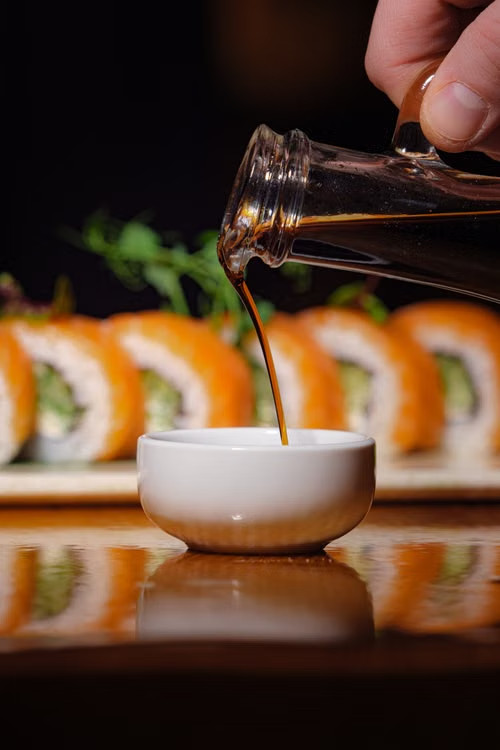
Combining one of Japan’s most familiar seasonings with one of the world’s most luxurious ingredients, Caviar Soy Sauce offers a unique twist on a classic condiment.
The product was developed by Japan Caviar, a company based in Miyazaki Prefecture, which is known for its domestic caviar production. Seeking to make caviar more accessible, the company infused its rich flavor into soy sauce, creating a product that can be used in everyday cooking.
The result is a seasoning that adds not only saltiness but also the deep umami characteristic of premium fish roe. It brings a touch of luxury to simple dishes while remaining easy to use.
One popular serving suggestion is tamago kake gohan (rice topped with raw egg), where the delicate flavors can be fully appreciated. It also pairs well with roast beef, carpaccio, and other dishes that benefit from an extra layer of savory richness.
Caviar Soy Sauce demonstrates how Japanese food culture continues to evolve by combining tradition with unexpected influences.
Conclusion
Japan’s food culture has always balanced respect for tradition with a willingness to innovate. While iconic dishes such as sushi and ramen remain essential parts of the country’s culinary identity, products like these showcase a different side of Japanese creativity.
For visitors looking to experience modern Japan through food, these innovations offer a fascinating glimpse into Japan’s dynamic culinary culture and deepen your appreciation of the country as a whole.









Comments