




Ekiben is a Japanese boxed meal sold at train stations and on some long-distance trains. Typically, it includes rice, fish or meat, pickles, and regional side dishes chosen to represent the local area. As a result, travelers buy it before boarding to enjoy local flavors during their journey, making it one of Japan’s most distinctive food traditions.
What Is Ekiben?
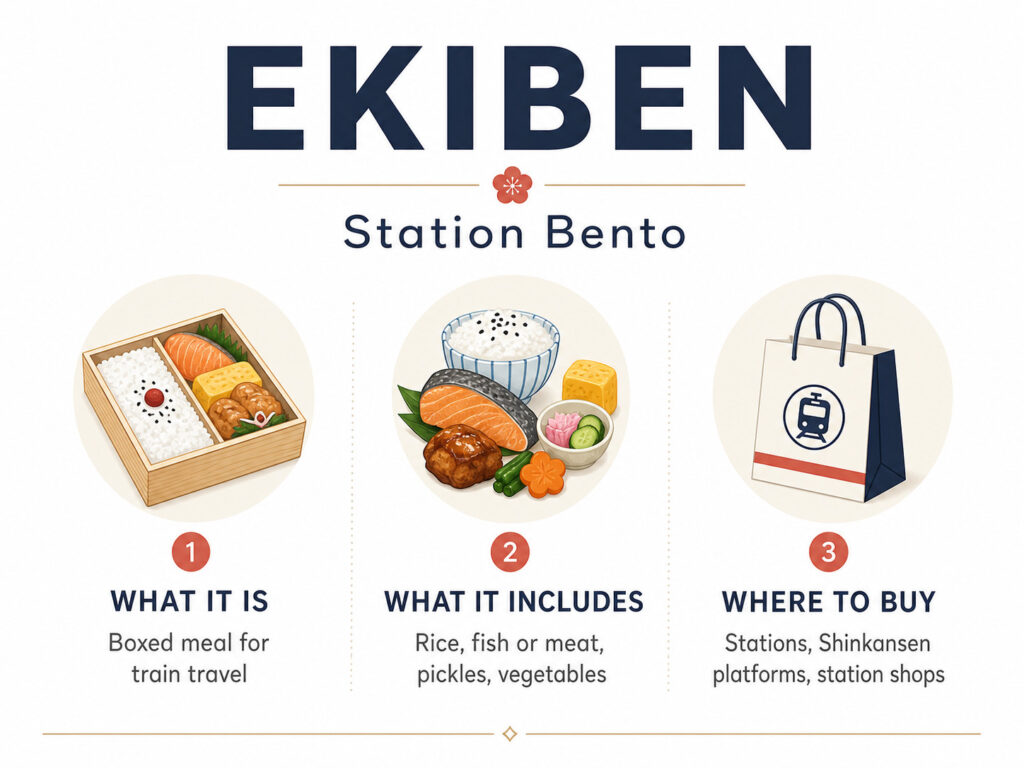
Ekiben (駅弁) combines two words. Eki (駅) means station, while ben is short for bento, a meal packed in a box. Specifically, vendors design each box so travelers can carry and eat it easily during a train journey, without needing utensils beyond the disposable chopsticks included inside.
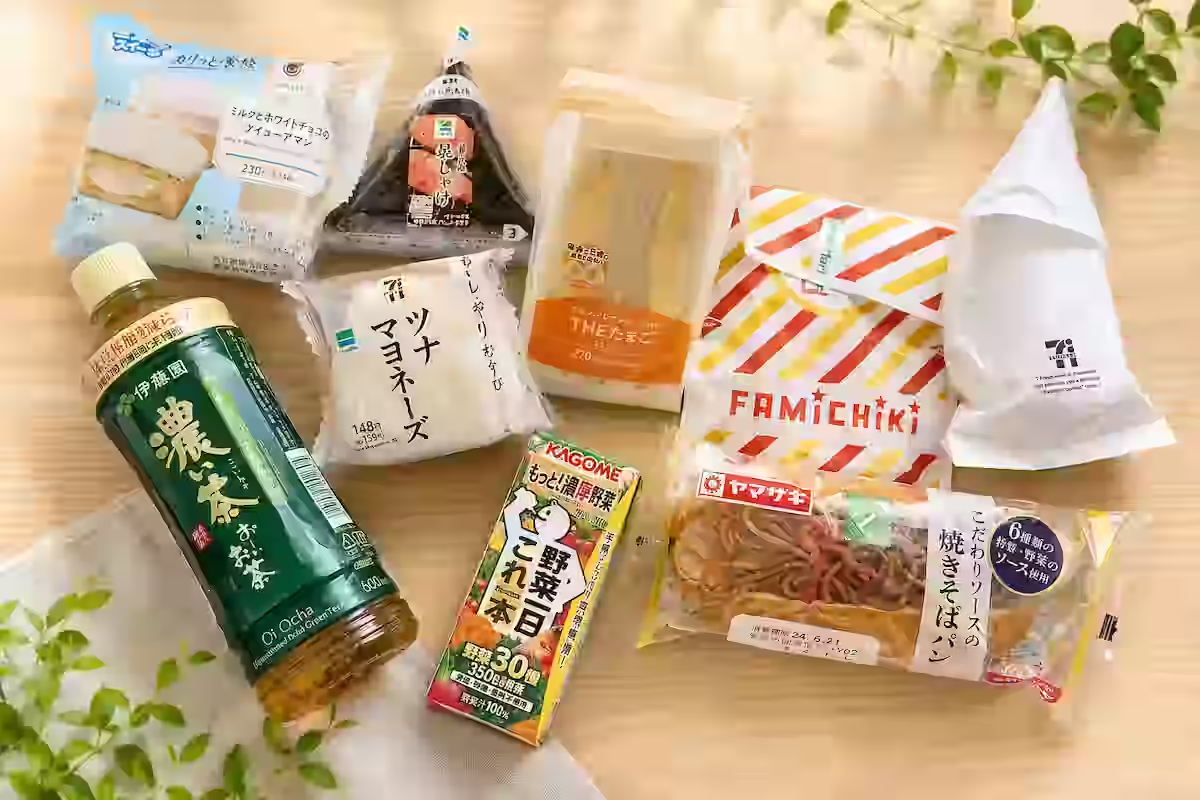
Most ekiben highlight regional specialties. For example, a box sold in Hokkaido might feature fresh seafood, while one from Yamagata leans on local beef. Because of this regional focus, ekiben stands apart from an ordinary Japanese bento culture lunch box bought at a convenience store.
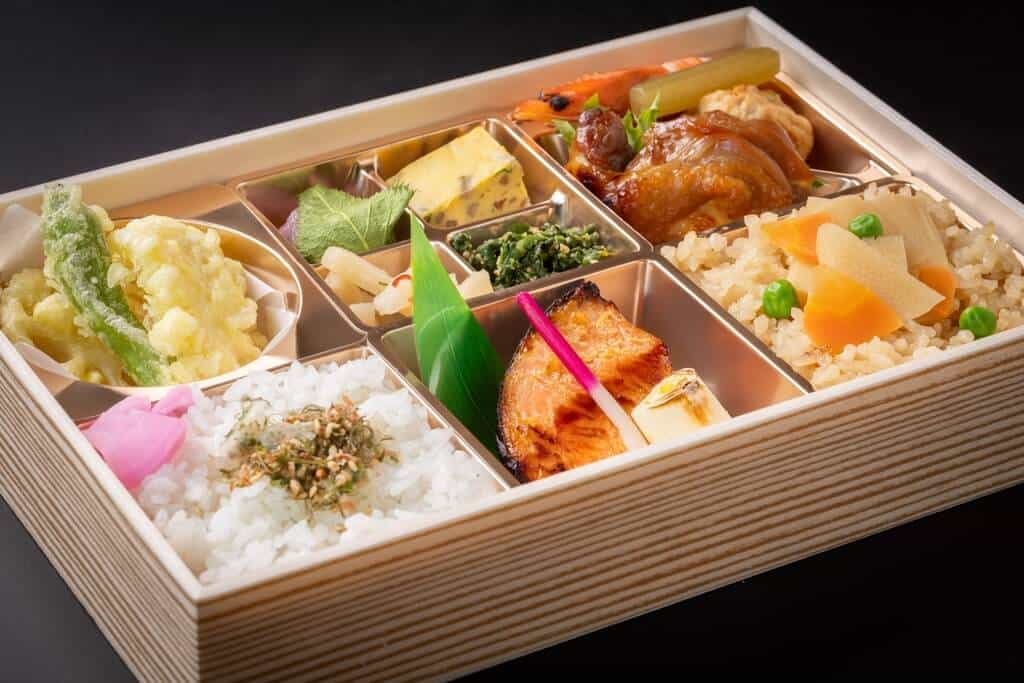
Generally, a typical ekiben includes rice, fish or meat, pickles, vegetables, and sometimes a small dessert. Everything sits neatly arranged in a disposable or reusable container. That arrangement matters, since presentation is part of the appeal.
Where can you buy one? Major train stations, Shinkansen platforms, and shops like Ekibenya Matsuri at Tokyo Station all sell ekiben. In addition, department store food halls and regional station kiosks carry them, often stocking boxes from other prefectures.
History of Ekiben
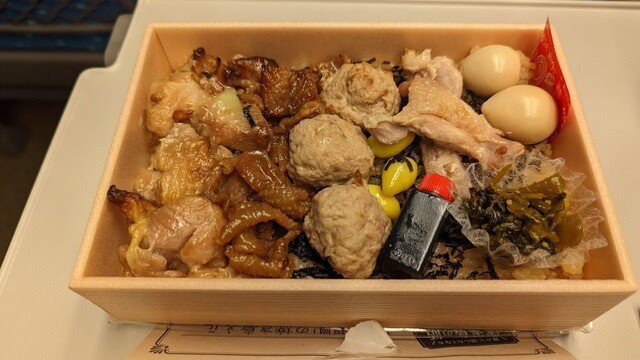
Ekiben has a history dating back to the late 19th century. Today, each box reflects local ingredients, food traditions, and careful craftsmanship built up over more than 130 years.
Historians point to a few different origin stories, and no single one is universally agreed upon. Most commonly, the earliest theory traces back to July 16, 1885, at Utsunomiya Station. According to this account, an inn called Shirakiya sold rice balls with pickled radish, wrapped in bamboo leaves, to Japan Railways passengers. That date is now celebrated as “Ekiben Anniversary” in Japan.
Alternatively, a second theory points to Himeji Station instead. Around 1889, a vendor there is said to have sold what became the first classic Makunouchi-style bento in ekiben form. Consequently, vendors packed it in a folding box, and this style later shaped the standard ekiben layout still used today.
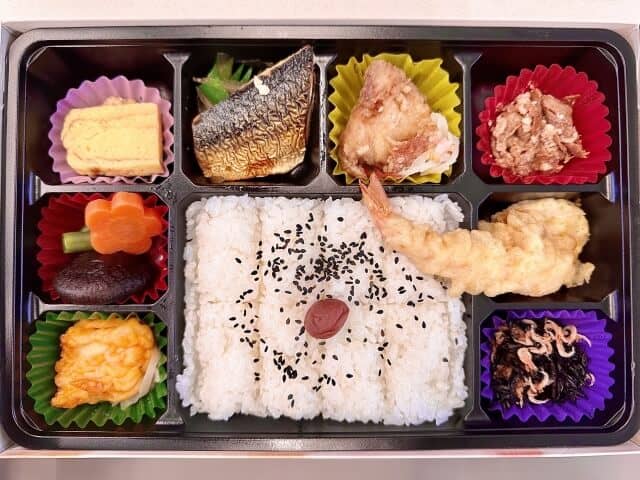
That early Himeji box reportedly included a wide mix of dishes. Specifically, sources describe the following items:
- Salt-grilled sea bream
- Date rolls and grilled kamaboko
- Dashimaki eggs
- Simmered soybeans with konbu
- Chestnut kinton and simmered burdock
- White rice topped with pickled plums and black sesame
Interestingly, ekiben also played an unexpected role during Japan’s military history. Before World War II, army units placed rush orders with ekiben vendors along their travel routes, a practice known as “gun bento.” As a result, vendors had to prepare large quantities fast while keeping troop movements confidential, and this steady demand helped many ekiben businesses grow.
During the war, shortages simplified the contents for a while. Afterward, though, ekiben culture recovered and expanded, eventually becoming the diverse regional tradition seen across Japan today.
Why Ekiben Is So Popular
Above all, ekiben offers travelers an easy way to taste regional Japan without leaving the station. For instance, national ekiben competitions showcase boxes from every prefecture, and some vendors even hand out fresh samples during these events.
These days, large specialty stores stock ekiben from dozens of regions in one place, making the format far more accessible than it used to be. Meanwhile, tourists have taken notice too, and demand from overseas visitors keeps growing each year.
Popular Ekiben by Region
Which ekiben should you try first? Based on national contests and station sales data, these five are consistently ranked among Japan’s most popular.
Ebi Senryo Chirashi (Niigata)
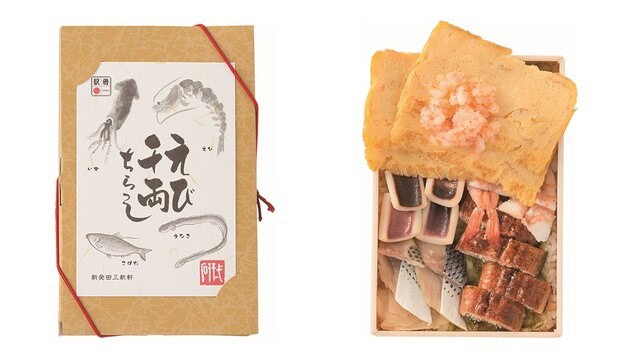
This Niigata favorite often tops national ekiben rankings. Underneath a layer of tamagoyaki, you’ll find eel, kohada, squid, and shrimp. Notably, walnuts give the rice a pleasant texture. Expect to pay around 1,300 to 1,600 yen, which suits travelers who want variety in a single box.
Masunosushi (Toyama)
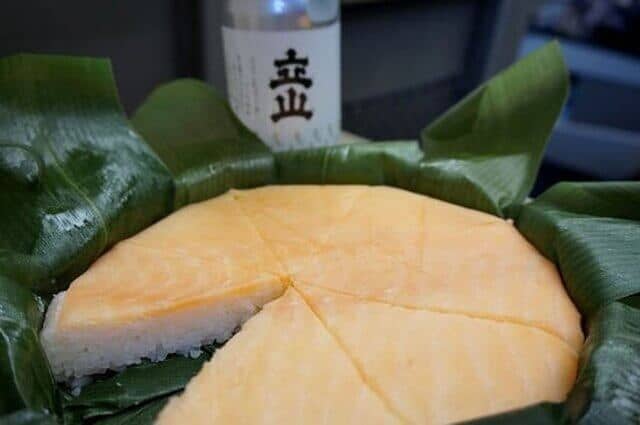
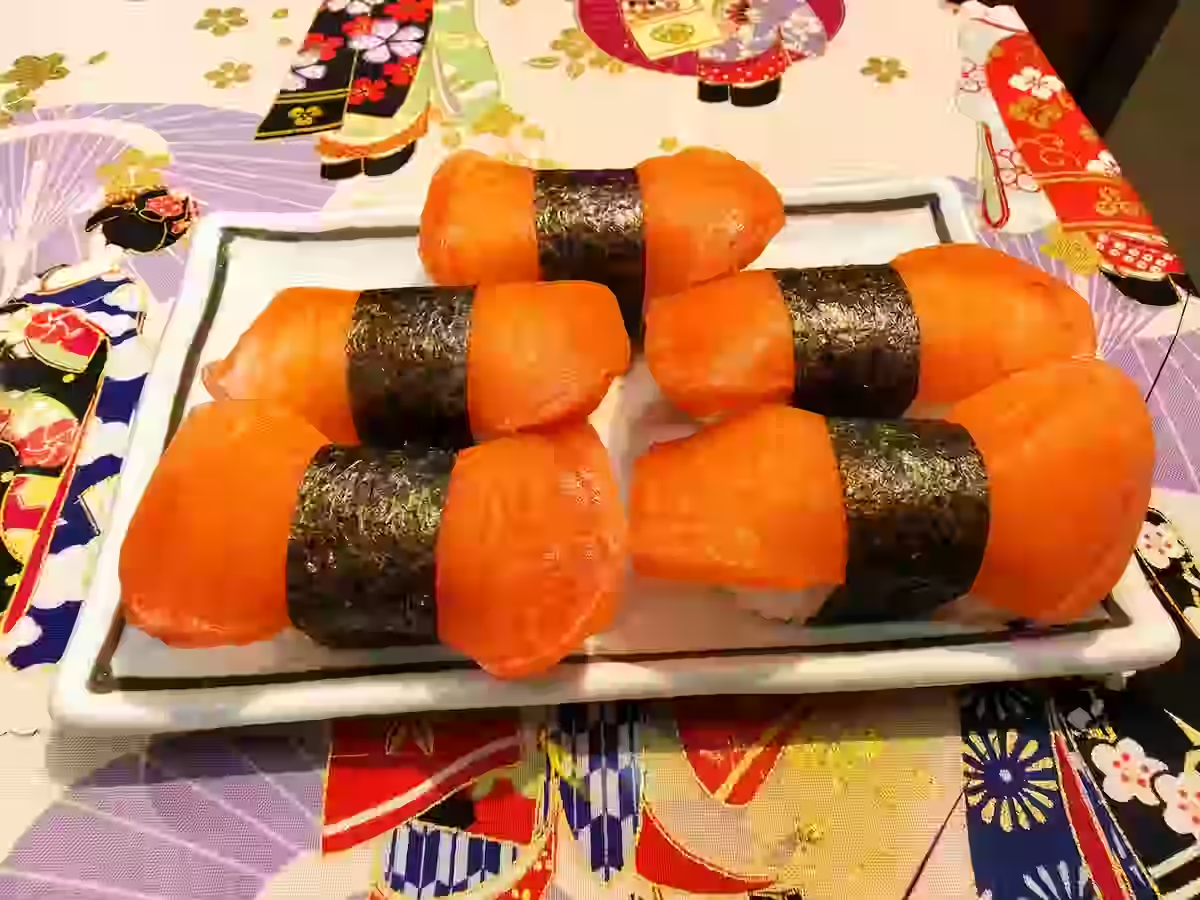
Masunosushi wraps fatty trout and vinegared rice in bamboo leaves, which add a subtle aroma. As a result, it regularly sells out at Ekibenya Matsuri in Tokyo Station. Prices run roughly 1,500 yen, and this one appeals especially to travelers who enjoy sushi-style ekiben over cooked options.
Toge no Kamameshi (Gunma)
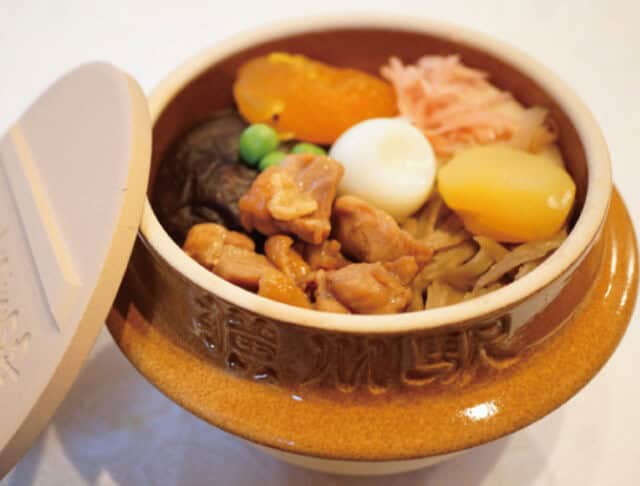
Sold since 1958, this kamameshi comes in a small Mashiko pottery pot rather than a paper box. Inside, chicken, bamboo shoots, and mushrooms simmer together over seasoned rice. At around 1,200 yen, it appeals to travelers who want a keepsake, since many keep the pot afterward.
Kiyoken Shumai Bento (Yokohama)
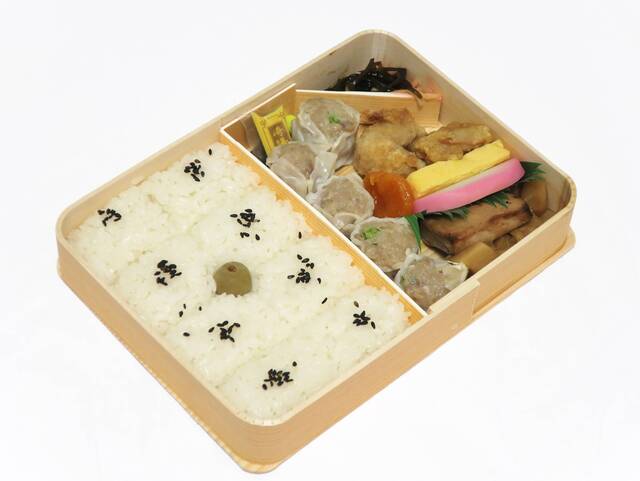
Kiyoken’s shumai bento pairs steamed dumplings with tuna teriyaki, fried chicken, and tamagoyaki. Cleverly, the wooden box absorbs excess moisture, keeping the rice from turning sticky. At about 1,000 yen, it works well for travelers who prefer savory variety over seafood.
Ikameshi (Hokkaido)
Ikameshi stuffs whole squid with seasoned rice, then simmers it in a sweet soy sauce. At around 900 yen, this Hokkaido specialty gives a chewy, savory bite that’s different from anything else on this list. Therefore, it suits adventurous eaters looking for something distinct.
Recommended for First-Time Travelers
Not sure where to start? Below, these five categories cover most tastes and budgets.
- Seafood ekiben: fresh or vinegared fish, good for travelers who enjoy sushi
- Beef ekiben: hearty and filling, popular on Tohoku and Yamagata routes
- Makunouchi-style ekiben: balanced small portions of many dishes at once
- Sushi-style ekiben: rice-forward, often lighter than cooked options
- Character ekiben: playful boxes shaped or decorated for kids and collectors
Ekiben vs Bento vs Makunouchi vs Konbini Bento
How does ekiben differ from a regular bento? Specifically, the table below breaks down where each type is sold, what it typically costs, and when to choose it.
| Type | Where Sold | Typical Price | Ingredients | Best Use Case |
| Ekiben | Train stations, Shinkansen platforms | ¥900-3,000+ | Regional specialties, seafood, meat | Long train journeys, souvenir meals |
| Bento (general) | Home, restaurants, offices | ¥500-1,500 | Rice, protein, vegetables | Everyday lunch |
| Makunouchi Bento | Department stores, theaters, stations | ¥800-2,000 | Small portions of many dishes | Balanced, formal-feeling meals |
| Konbini Bento | Convenience stores | ¥400-800 | Simple rice and protein combos | Quick, budget meals anywhere |
Where to Buy Ekiben
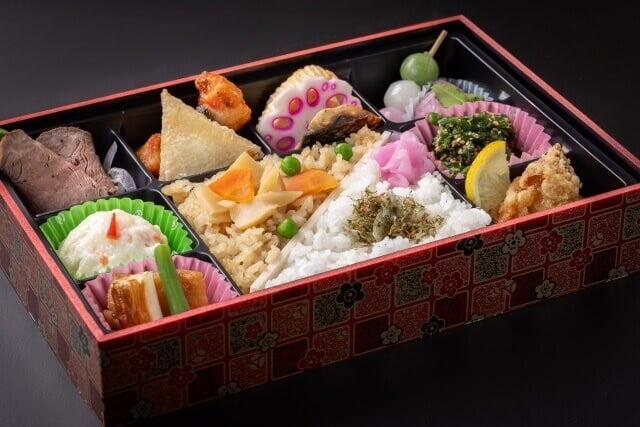
Tokyo Station is the easiest place to start. Located near the Marunouchi central gates, Ekibenya Matsuri stocks roughly 200 different ekiben from across Japan under one roof. As a result, you won’t need to travel to each region to try its specialty.
Elsewhere, regional stations sell their own local ekiben directly on the platform or in nearby kiosks. Shinkansen platforms often have small carts too, especially during peak travel hours. So, if you’re short on time, this is usually the fastest option.
Alternatively, Japanese department store food halls also carry ekiben, sometimes featuring limited-time regional collaborations. This works well if you want to browse without the pressure of a departing train.
Nowadays, special event pop-ups and online retailers sell certain ekiben too, though freshness and availability vary. Still, for the best experience, buying in person at the station remains the most reliable choice.
How Much Does Ekiben Cost?
Prices vary quite a bit depending on the box. Generally, budget options start around 300 to 700 yen for a small snack-style bento, while standard full-meal ekiben typically run 700 to 1,500 yen.
By comparison, premium seafood boxes can reach 1,500 to 3,000 yen, depending on the ingredients used. Occasionally, luxury regional collaborations exceed that range, sometimes selling for several thousand yen as limited-edition items.
Dietary and Allergy Considerations
Many ekiben contain fish, meat, dashi, or egg, and some hide seafood inside sauces or broths. Therefore, vegetarian, halal, or allergy-conscious travelers should check ingredient labels carefully or ask station staff before buying. Even with limited Japanese, pointing at a photo and asking “kore wa daijoubu desu ka?” (is this okay?) usually works well.
How to Enjoy Ekiben
Try to use all five senses when you eat ekiben. In particular, notice the colors, aroma, texture, packaging, and taste. Since each element is chosen deliberately, slowing down changes the experience.
Also, taste the local climate and ingredients. A seafood box from a coastal town tells a different story than a beef box from mountain country. In other words, eating an ekiben is not just about the food itself, it’s about connecting briefly with the region you’re passing through.
Experience Regional Travel Through Food
Ingredients, cooking methods, and presentation all reflect a region’s climate and culture. Consequently, ekiben lets you taste a place even if you only pass through its station for a few minutes.
Before departure, buy your ekiben. Then, open it beside the window and enjoy the meal while the scenery passes by. That simple sequence is part of why so many travelers remember their ekiben meals long after the trip ends.
Additionally, pay attention to the wrapping paper. It often carries small messages or illustrations that hint at the region’s character, adding a little extra charm before you even open the box.
Ekiben Etiquette on Trains
- Buy before boarding: Purchase your ekiben on the platform or in the station before your train departs.
- Check your supplies: Make sure chopsticks and a napkin are included, since not every box packs them the same way.
- Open on long-distance trains: Save strong-smelling boxes for Shinkansen or limited express trains, not crowded local commuter cars.
- Dispose of the box properly: Take your empty box off the train and dispose of it in a station bin, since trash cans on board are limited.
Ekiben and Local Producers
Ekiben does more than feed travelers. Indeed, each box supports local farmers, fishers, and small station vendors who supply the ingredients. So, buying a regional ekiben is a small way to support that local economy, even on a short trip.
Some stations lean on this connection heavily for tourism. For example, a wooden station over 120 years old in Kagoshima still sells a bento built entirely around local ingredients, drawing visitors who come just for the food.
Takeaway
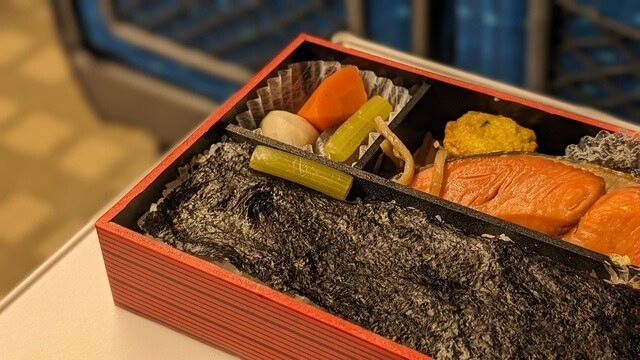
Ekiben suits any traveler curious about tasting Japan one region at a time. To start, first-timers should visit Tokyo Station’s Ekibenya Matsuri, where dozens of regional boxes sit side by side. From there, seafood or Makunouchi-style ekiben make an easy, approachable first choice.
Curious about more boxed meals? Browse our Japanese bento guide or learn about Makunouchi Bento for another classic style worth trying.
Ekiben FAQ
Can you eat ekiben on any train in Japan?
Yes, most trains allow eating, especially long-distance and Shinkansen routes. Many stations also provide benches where you can eat before boarding. However, avoid strong-smelling boxes on crowded local trains out of consideration for other passengers. Generally, Shinkansen cars are the most relaxed setting for enjoying a full ekiben.
What is the difference between ekiben and a regular bento?
Ekiben is sold specifically at train stations and designed around regional specialties. In contrast, a regular bento can be homemade, bought at a convenience store, or served at a restaurant, with no travel connection required. Consequently, ekiben also tends to cost more, since it uses higher-quality or harder-to-find local ingredients. Overall, the packaging and presentation are usually more elaborate too.
Can tourists buy ekiben without speaking Japanese?
Yes, most ekiben shops display boxes behind glass or on open shelves, so you can point at what you want. Typically, photos and prices are visible, making it easy to choose without conversation. Also, station staff are generally used to helping tourists and will assist if you gesture or show a translation app. In particular, Ekibenya Matsuri at Tokyo Station is tourist-friendly with clear displays.
Is ekiben eaten hot or cold?
Most ekiben are designed to taste good at room temperature or slightly cold, since they’re meant to be eaten hours after purchase. Specifically, rice and seasoning are balanced for this. That said, some modern boxes include self-heating containers activated by pulling a string, which warm the contents in a few minutes. If you prefer a hot meal, check the packaging for heating instructions.
How has ekiben evolved over time?
Originally, ekiben started as simple rice balls wrapped in bamboo leaves in the 1880s. Over the following century, it grew into elaborate boxes featuring regional and seasonal ingredients. Today, it’s considered a symbol of local pride, sold at specialty shops, department stores, and even limited online retailers. As a result, modern presentation and packaging have become just as important as the food itself.
What are the most famous types of ekiben?
Niigata’s Ebi Senryo Chirashi and Toyama’s Masunosushi consistently rank among Japan’s top ekiben in national contests. Likewise, Yokohama’s Kiyoken shumai bento and Gunma’s Toge no Kamameshi are long-time favorites. Each one represents its region through specific local ingredients and preparation methods. Overall, trying a few different regional boxes is the best way to understand ekiben’s variety.
References
- Wikipedia — Ekiben (Surveyed: July 2026)
- Plenus Kome Academy — The Story of Ekiben (Research Institute Source, Surveyed: July 2026)
- Agency for Cultural Affairs, Government of Japan — Examples of Food Culture Research and Initiatives (Academic Source, Surveyed: July 2026)
- Japan External Trade Organization (JETRO) — History of the Japanese Bento (Surveyed: July 2026)
- Japan National Tourism Organization — Experience Japan’s Local Ekiben Culture (Surveyed: July 2026)
- JR Pass — Tokyo Station Ekiben: Where to Find Japan’s Best Train Station Bento (Surveyed: July 2026)
- Kids Web Japan — The History of Bento (Surveyed: July 2026)
Related Articles
- Japanese Bento Culture (Surveyed: July 2026)
- Makunouchi Bento (Surveyed: July 2026)
- Depachika Guide: Japanese Department Store Food Halls (Surveyed: July 2026)
- Kiyoken Shumai Bento (Surveyed: July 2026)



Comments