



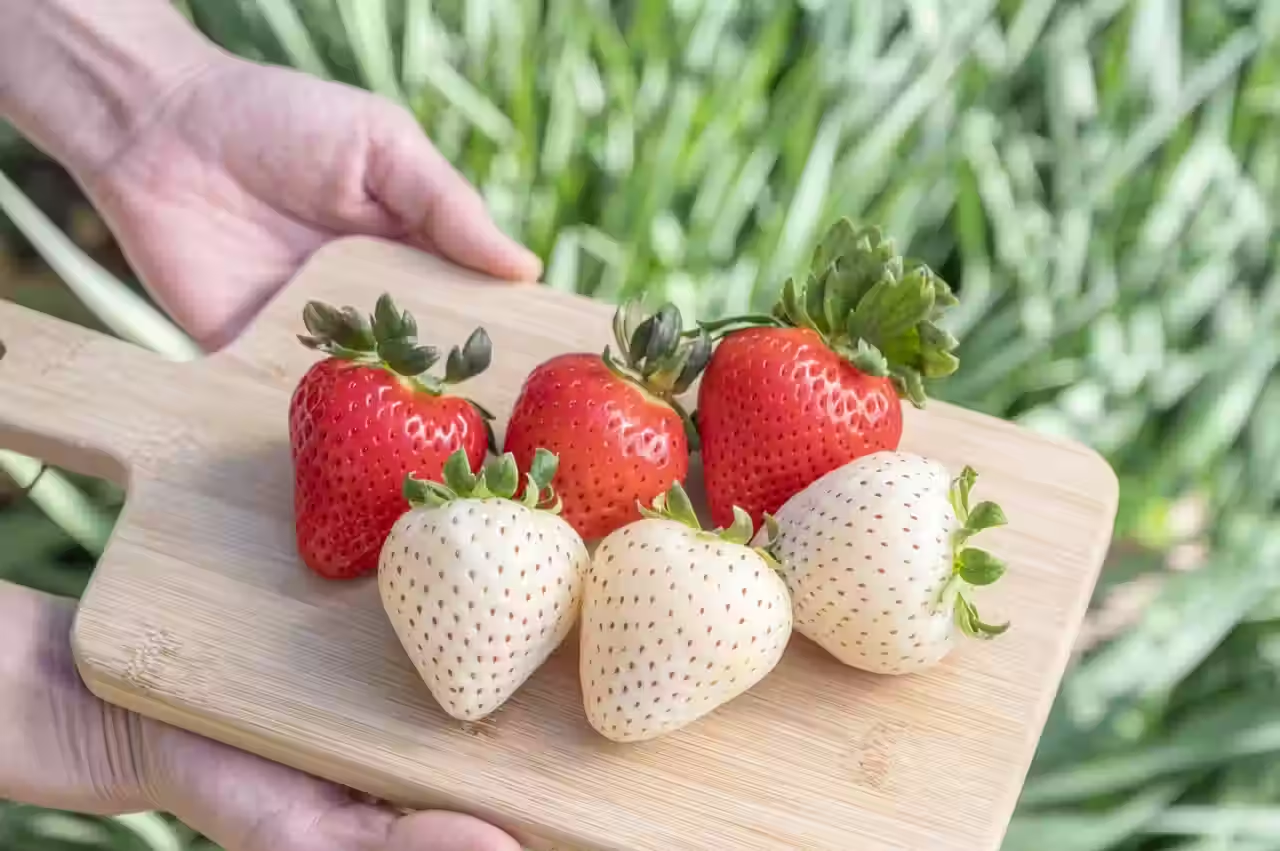
Awayuki (淡雪) is a rare white-pink Japanese strawberry from Kumamoto Prefecture. Farmers grow it in very small quantities on select farms in Kyushu. The skin ranges from creamy white to soft blush pink. Moreover, sugar content often reaches 12 to 15 degrees Brix, with acidity that stays exceptionally low. As a result, Japan’s luxury fruit market prizes this variety for its refined flavor, striking appearance, and genuine rarity.
Three things define Awayuki at a glance: the pale skin that looks like falling snow, the gentle sweetness with almost no tartness, and the limited production that makes each box genuinely hard to find. Farmers pick every berry by hand. Additionally, growing conditions require constant management throughout the season. That care shows in the flavor. And in the price tag.
What Are Awayuki Strawberries?
Awayuki strawberries belong to Japan’s wider tradition of luxury fruit cultivation. Researchers at the Kumamoto Agricultural Research Center developed this variety in the late 1990s. Their goal was a berry that looked visually unique and tasted delicately sweet. The word “awayuki” means “light snow” in Japanese. That name captures both the appearance and the feeling of eating one.
These strawberries appear in premium gift boxes, high-end patisseries, and seasonal hotel menus across Japan. However, what sets Awayuki apart from other celebrated Japanese luxury fruits is subtlety. The flavor does not announce itself loudly. Instead, it builds slowly, gently, and leaves a clean finish. First-time tasters often pause before reaching for a second berry. That reaction says a lot.
Characteristics of Awayuki Strawberries
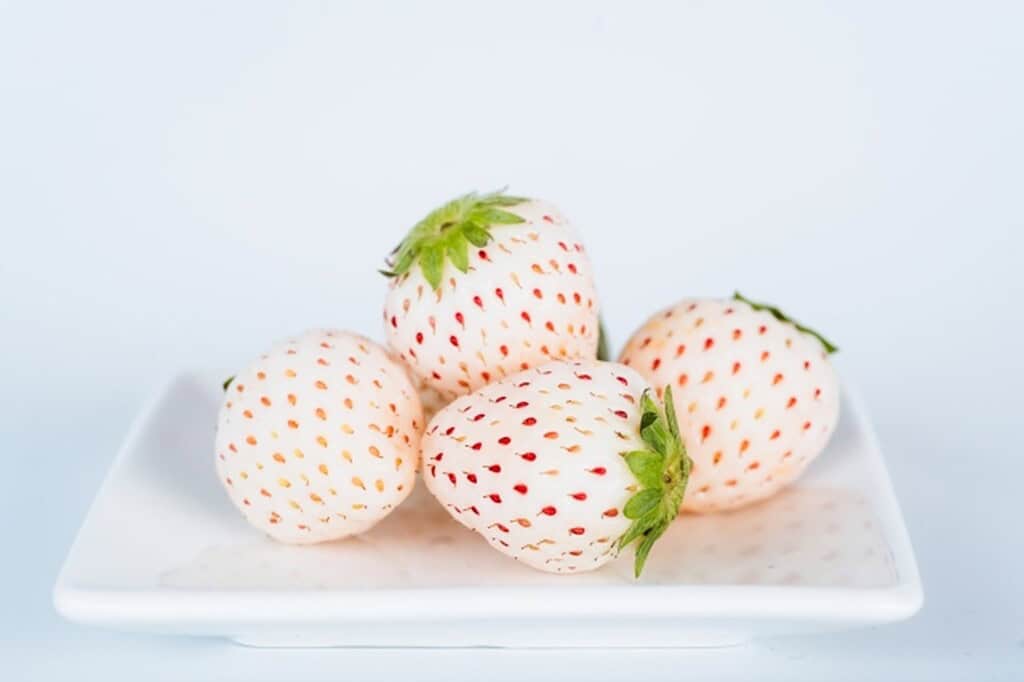
The Awayuki strawberry taste surprises most people on their first encounter. Sweetness arrives without any sharp edge. The flesh feels soft rather than snappy. Furthermore, a faint aroma, often described as peachy or lightly coconut-like, rises before the first bite even begins.
- Color: pale pink-white to soft creamy blush
- Sweetness: 12–15° Brix (naturally high sugar content)
- Acidity: very low, almost absent
- Texture: soft and slightly creamy, melts easily
- Aroma: gentle, with faint notes of peach or light coconut
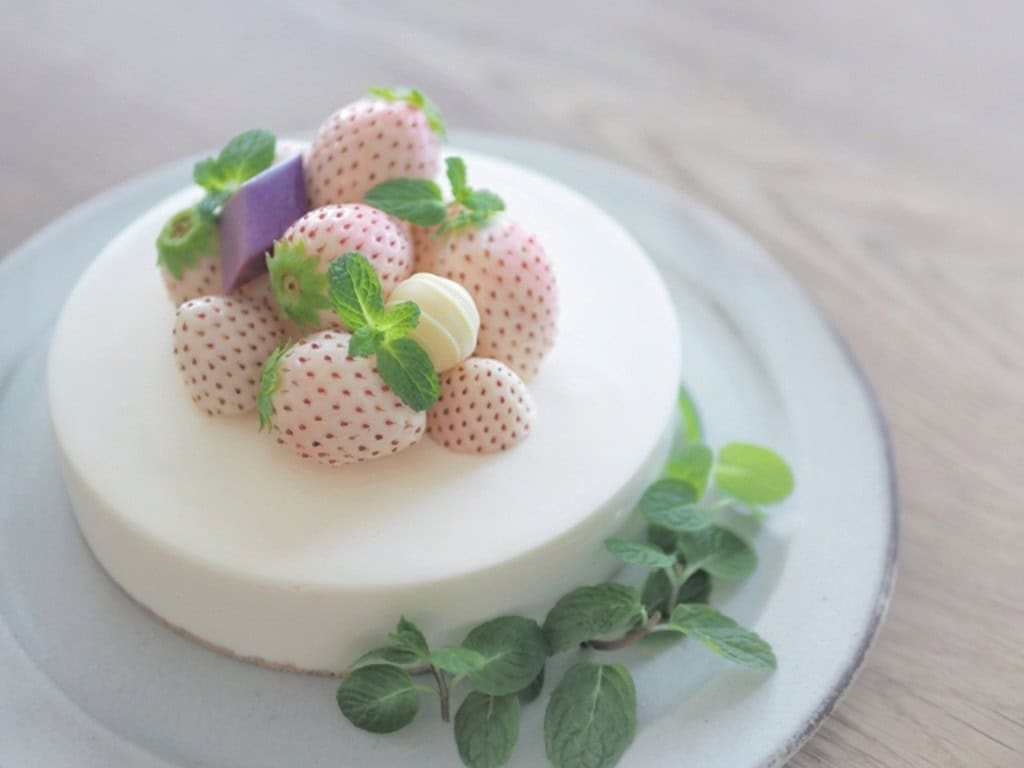
These qualities make Awayuki ideal for refined desserts. For example, the berry pairs naturally with fresh cream, mascarpone, and matcha. Chefs across Japan feature it in afternoon tea menus and spring parfaits. Eating it alongside cream deepens the sweetness in a way that feels almost unexpected. Overall, the balance is very precise and deliberate.
History and Development of Awayuki Strawberries
Origins in Kumamoto, Japan
The Awayuki story begins in Kumamoto Prefecture in the late 1990s. Researchers at the Kumamoto Agricultural Research Center set an ambitious goal: breed a strawberry that looked visually unique and tasted refined. Kumamoto already held a strong reputation for premium fruit production. For this reason, it became a natural starting point for that kind of work.
Scientific Breeding and Innovation
Selective breeding took several years of patient experimentation. Red strawberries develop their color from anthocyanins, the same compounds that create tartness. Consequently, researchers bred plants to reduce anthocyanin levels while keeping Brix values high. Early batches either lost sweetness or showed unexpected reddening. However, careful iteration eventually produced the balance they were looking for: pale skin, high natural sugar, and low acidity.
The Meaning Behind “Awayuki”
“Awayuki” means “light snow” in Japanese. That name fits the fruit exactly. Pale pink flesh against white skin recalls snow dissolving in early spring sunlight. Awayuki entered Japan’s markets in the early 2000s, and consumer reaction came quickly. As a result, the combination of unusual color, refined sweetness, and scarcity established it as a luxury item almost from the start.
A Symbol of Luxury and Rarity
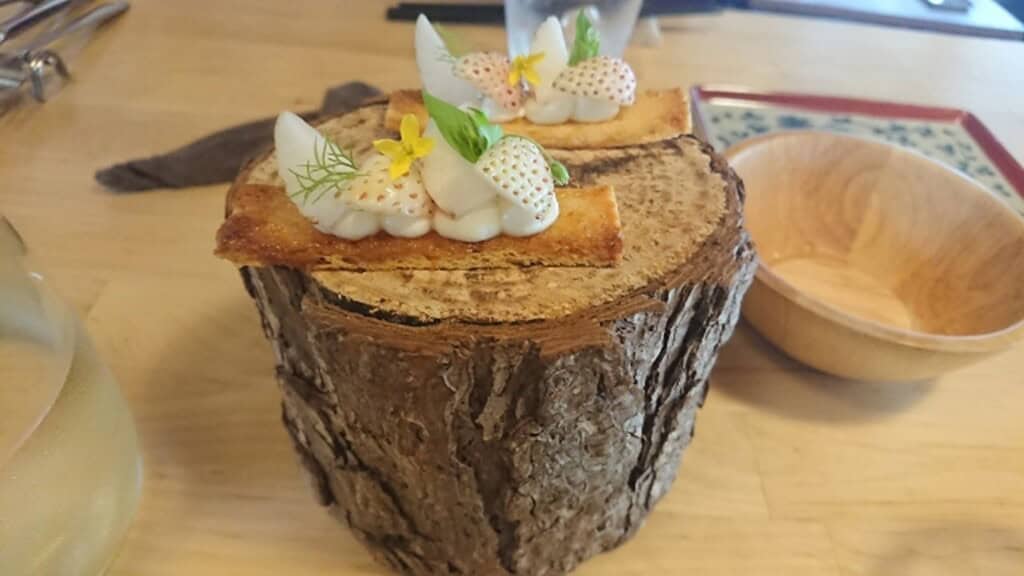
Awayuki earned its premium status through genuine difficulty and genuine scarcity. For instance, farmers grow it in limited quantities across Kyushu, and the berries bruise easily. Moreover, they cannot tolerate rough handling during harvest or transport. High-end fruit shops and hotel patisseries embraced it as an expression of Japanese agricultural craftsmanship. That reputation has grown steadily over two decades.
How Awayuki Strawberries Are Grown
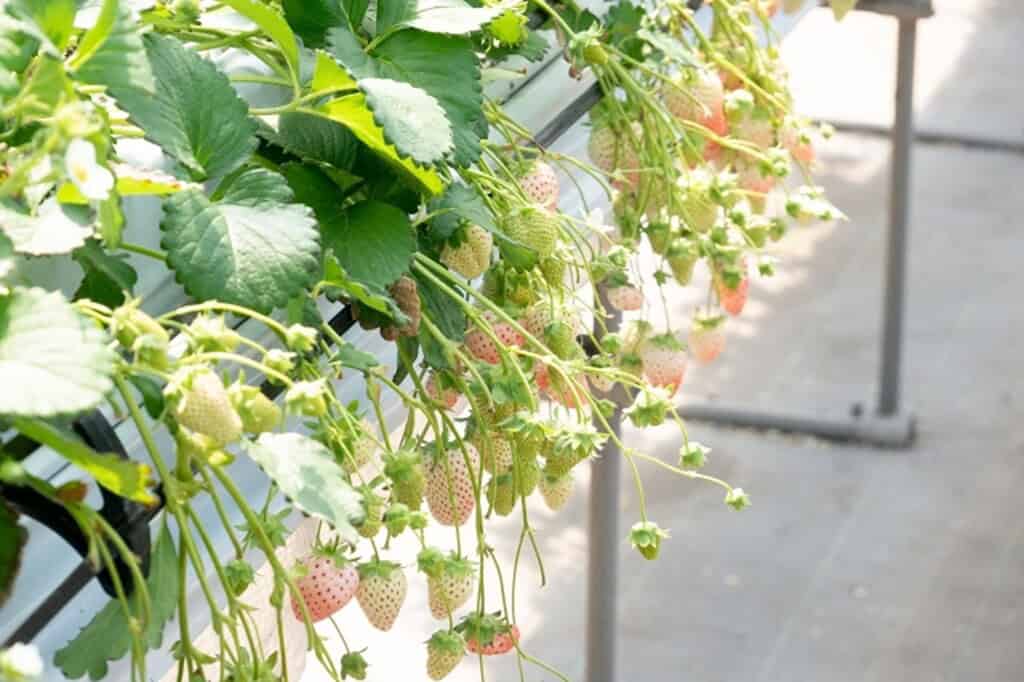
Growing Awayuki well is genuinely difficult. Farmers manage temperature and humidity inside growing houses throughout the season. Too much direct sunlight causes the skin to redden, destroying the signature pale color. On the other hand, too little light reduces sugar development. Getting that balance right requires daily attention, not just occasional checks.
Humidity control matters equally. Excess moisture leads to mold and surface damage. Each berry needs space and careful airflow around it. Furthermore, farmers pick every fruit individually, since even light pressure leaves visible marks on the delicate skin. Sorting and packing then require the same careful touch. All that effort per berry makes the high price understandable, even if it still feels surprising at a department store counter.
Season and Availability in Japan
The main Awayuki season runs from late December to April. Peak availability falls between January and March. This window overlaps with Valentine’s Day, which drives strong demand for premium gift packs. As a result, hotels and patisseries build spring dessert menus around exactly this period each year.
Finding Awayuki outside this window is genuinely difficult. Some farms produce a small autumn crop. However, supply is unreliable at that time. If you plan to visit Japan specifically to try Awayuki strawberries, January through March is your safest target. Early-season berries tend to be smaller. Waiting until February usually brings both larger fruit and wider choice at retailers.
Awayuki Strawberry Price Range
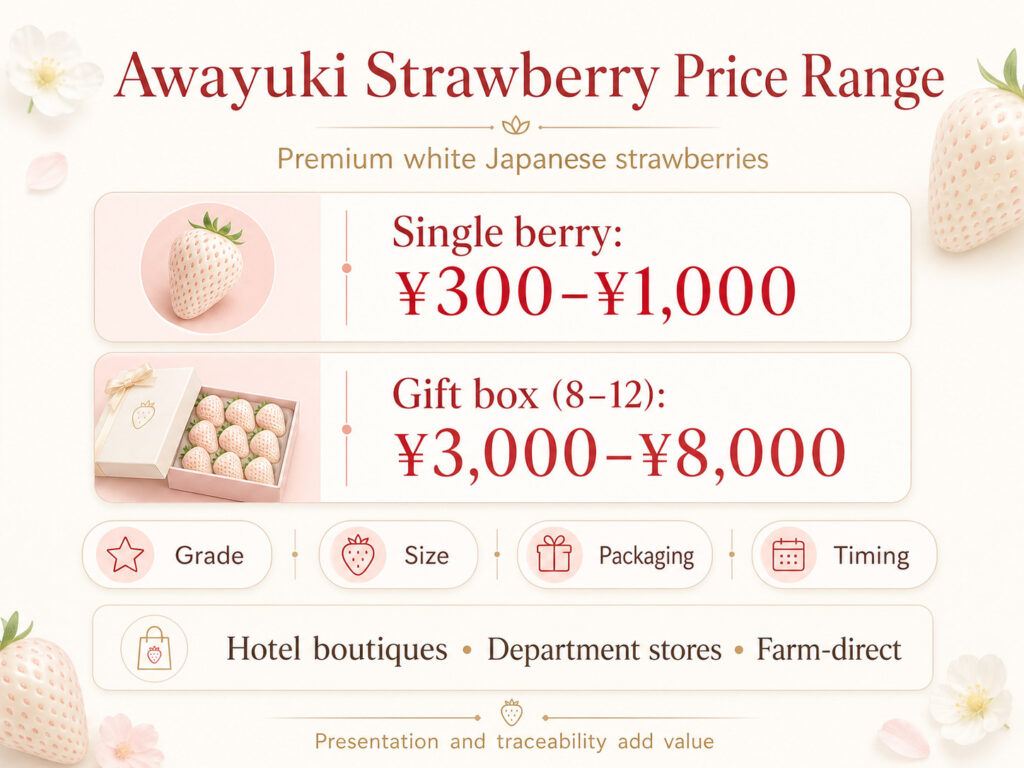
Individual berries at premium retailers cost between 300 and 1,000 yen each. A gift box of 8 to 12 berries typically runs from 3,000 to 8,000 yen. Several factors push the price up or down:
- Grade: perfectly shaped, evenly colored berries command the highest prices
- Size: larger berries carry higher per-piece cost
- Packaging: presentation gift boxes add significant markup
- Timing: early season and Valentine’s week carry premium pricing
- Retailer: hotel boutiques and department stores charge more than farm-direct shops
The price feels steep at first. However, when you consider what goes into producing each berry, it starts to make sense. A single box at a Tokyo department store often includes a handwritten note from the farm and details about growing conditions. That level of transparency and presentation is part of what the buyer receives.
Where to Buy Awayuki Strawberries
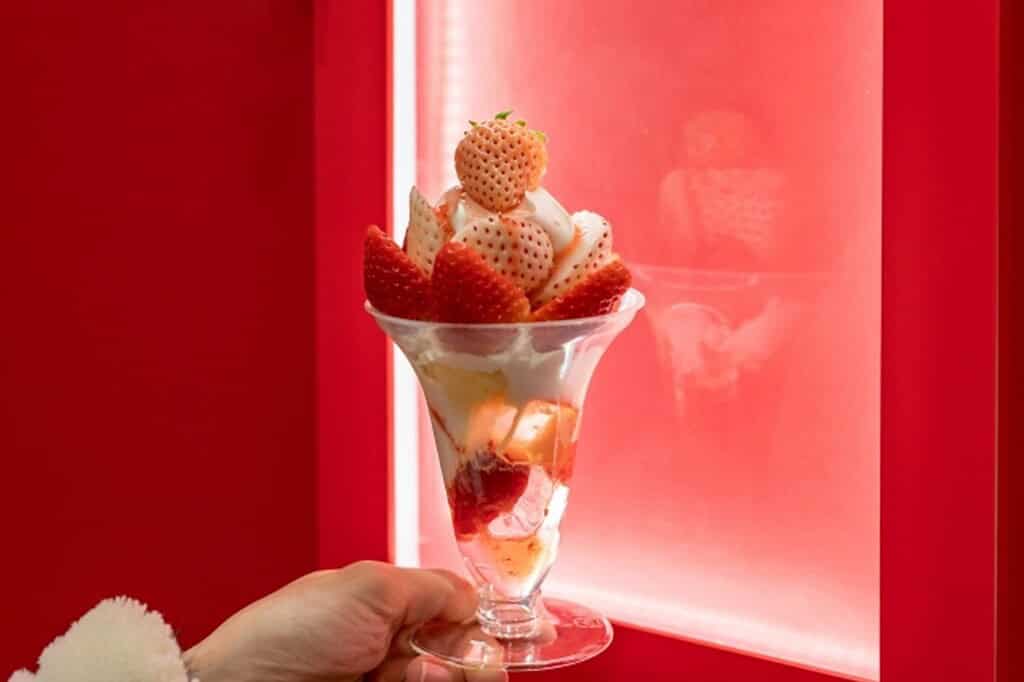
Shops and Department Stores
High-end fruit retailers are the most reliable source for Awayuki strawberries. In Tokyo, for example, shops like Sembikiya and Takano in Nihonbashi stock them during the main season. Additionally, department store food halls (depachika) at Isetan in Shinjuku, Mitsukoshi in Ginza, and Takashimaya in Shibuya carry them between January and March. Seasonal strawberry fairs at these stores offer a particularly good opportunity to browse a wide selection in one visit.
Buying Online
Farm-direct online purchasing offers another reliable route. Platforms like Rakuten Ichiba and Yahoo! Shopping list seasonal lots directly from Kumamoto producers. However, orders placed in early January tend to sell out quickly. As a result, acting early is strongly advisable if you want to secure the best selection.
How to Choose and Store Awayuki
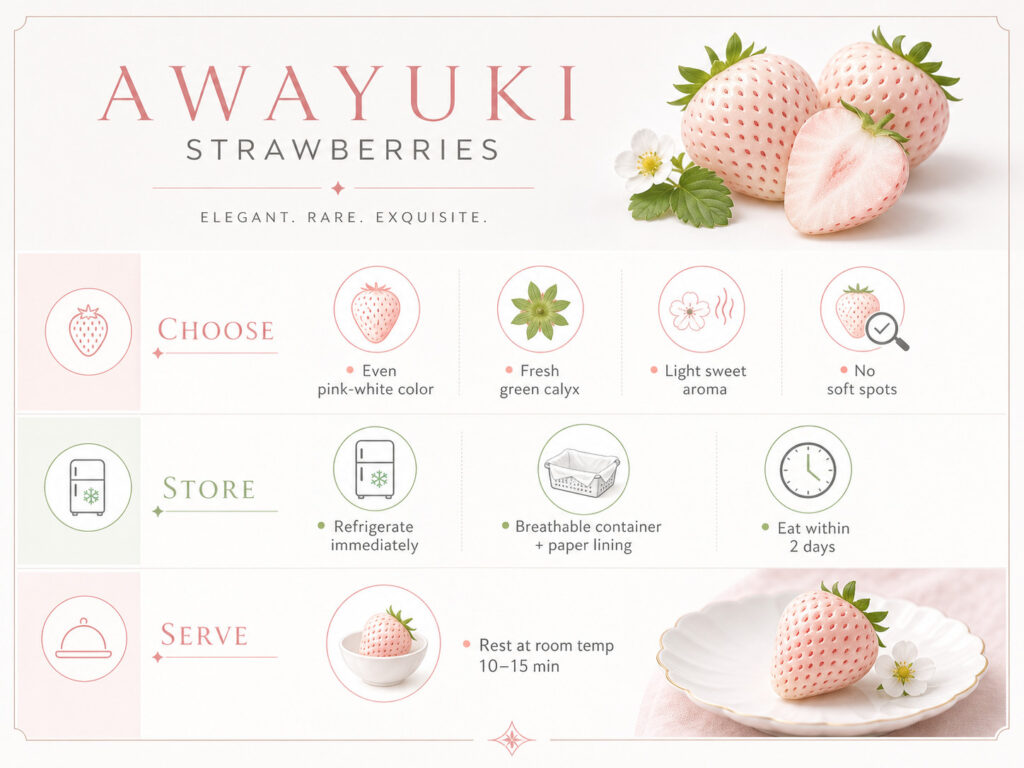
When choosing berries, look for the following signs of quality:
- Even pink-white coloring with no dark patches or blemishes
- Fresh, upright green calyx with no wilting at the tips
- A faint sweet fragrance when held close to the nose
- No soft spots or visible surface bruising
After purchase, refrigerate immediately in a breathable container lined with paper. Eat within two days, as the delicate skin deteriorates quickly. Before serving, bring the berries to room temperature for about 10 to 15 minutes. Cold suppresses the aroma and slightly flattens the sweetness, so this small step genuinely improves the experience.
Awayuki vs Tochi Otome vs Amaou
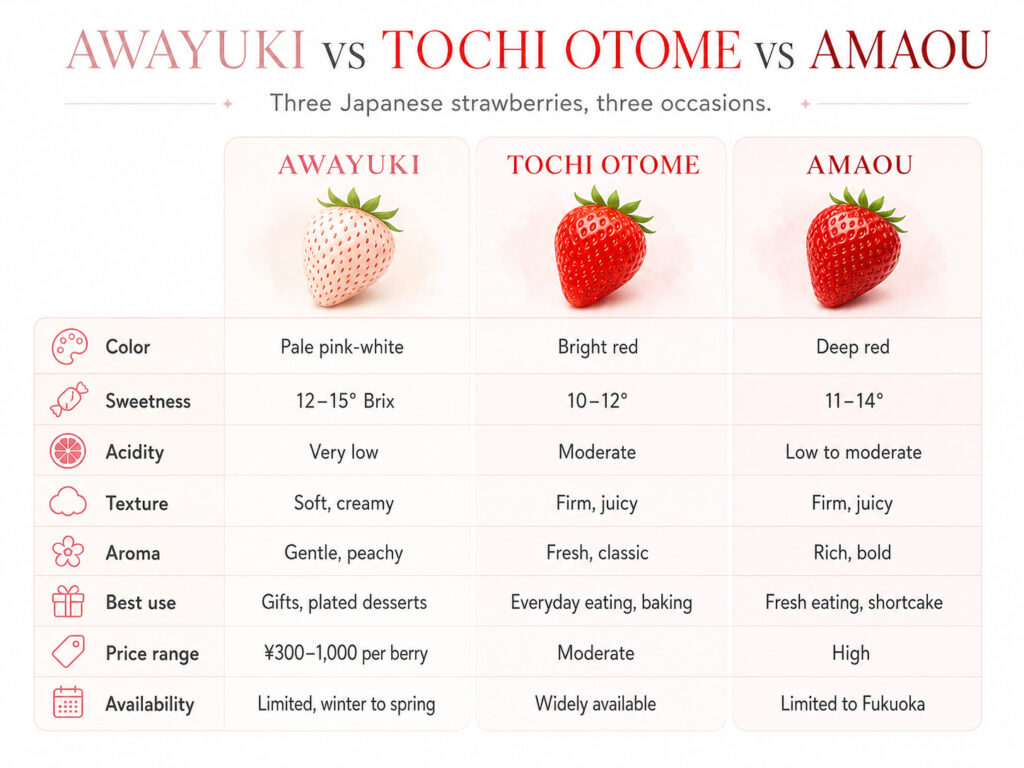
Awayuki stands apart from Japan’s two most popular red strawberries: Tochi Otome from Tochigi and Amaou from Fukuoka. Each variety suits a different eating occasion. For example, Tochi Otome suits everyday snacking and baking. In contrast, Amaou delivers bold flavor in desserts. Awayuki, on the other hand, works best when presentation and rarity matter most.
| Feature | Awayuki (Kumamoto) | Tochi Otome (Tochigi) | Amaou (Fukuoka) |
|---|---|---|---|
| Color | Pale pink-white | Bright red | Deep red |
| Sweetness (Brix) | 12–15° | 10–12° | 11–14° |
| Acidity | Very low | Moderate | Low to moderate |
| Texture | Soft, creamy | Firm, juicy | Firm, juicy |
| Aroma | Gentle, peachy | Fresh, classic | Rich, bold |
| Best use | Gifts, plated desserts | Everyday eating, baking | Fresh eating, shortcake |
| Price range | ¥300–1,000 per berry | Moderate | High |
| Availability | Limited, winter to spring | Widely available | Limited to Fukuoka |
Overall, choosing between them depends entirely on the occasion. All three, however, reflect the precision and care that defines Japanese strawberry cultivation at its best.
Restaurants Where You Can Enjoy Awayuki Strawberries
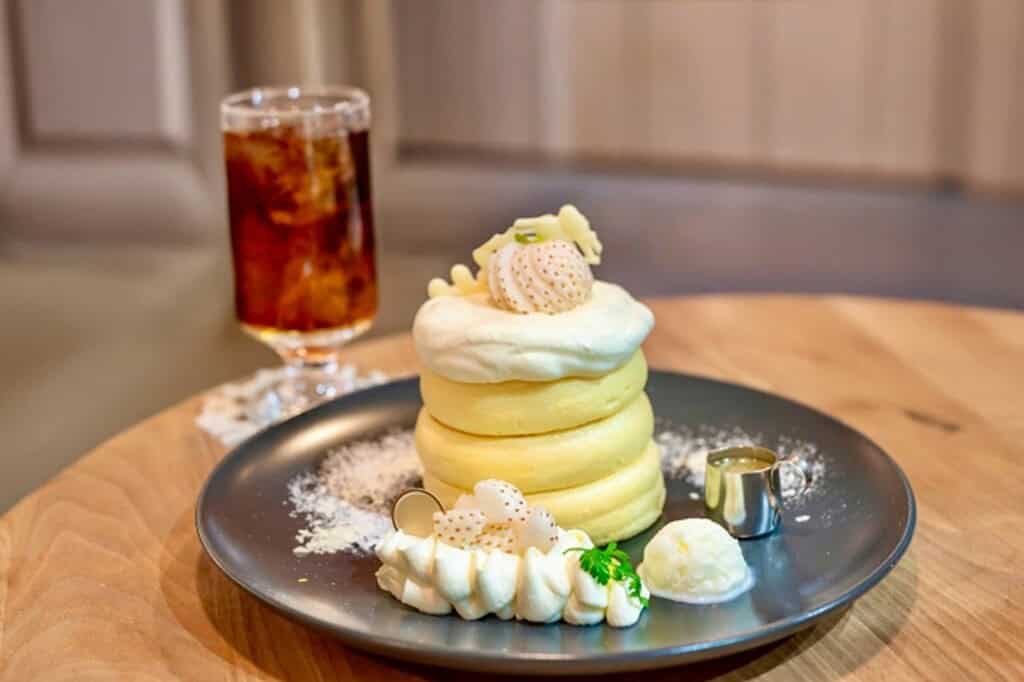
SALON BAKE & TEA (Tokyo, Shinjuku)
SALON BAKE & TEA sits inside NEWoMan Shinjuku and focuses on seasonal Japanese ingredients in its dessert menu. During spring, in particular, the café serves a Sakura & Awayuki Strawberry Parfait, pairing cherry blossom flavor with the gentle sweetness of Awayuki. The dessert arrives in GINORI porcelain, and presentation is very much part of the experience. As a result, both first-time visitors and regulars return for this dish during its short seasonal window.
FRUiT Midosuji (Osaka, Honmachi)
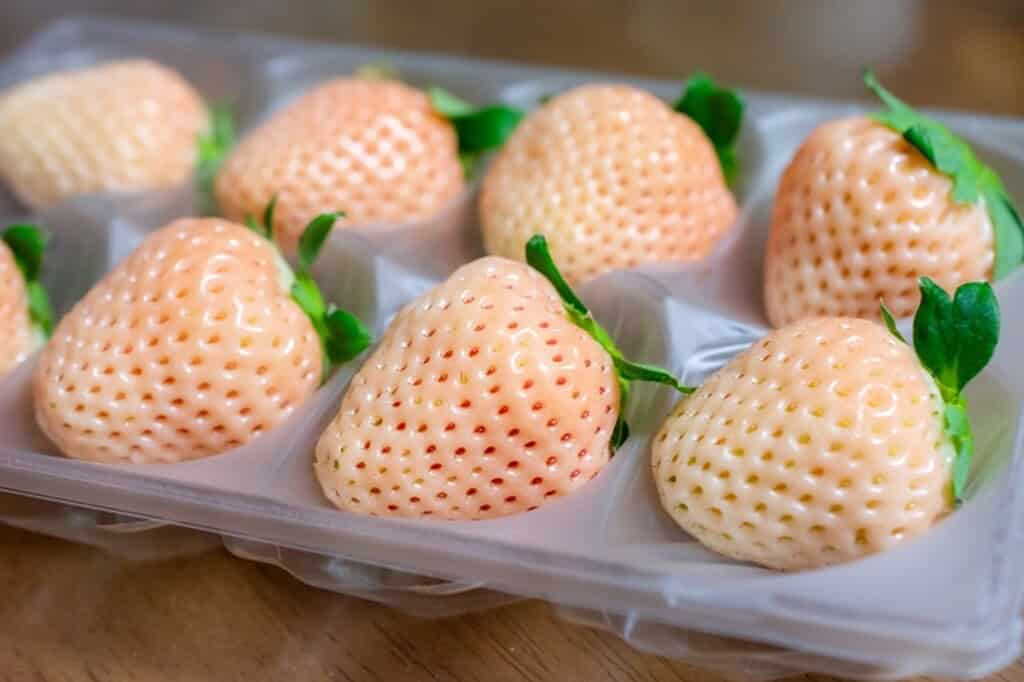
FRUiT Midosuji is a luxury fruit parlor in Osaka’s Midosuji district that specializes in seasonal Japanese fruit desserts. During spring, the restaurant offers an Awayuki Strawberry Afternoon Tea, combining rare Awayuki berries with sakura-inspired sweets and matcha. Furthermore, the presentation highlights the berry’s pale color against seasonal Japanese ingredients beautifully. It is, therefore, one of the more structured ways to experience Awayuki in a dedicated tasting format outside Tokyo.
Summary
Awayuki strawberries represent something specific in Japanese food culture: a fruit that carries meaning beyond flavor. The pale color, the careful cultivation, and the short season all contribute to something that feels considered rather than accidental. As a result, this variety earns its place among Japan’s finest luxury fruits through genuine difficulty and genuine refinement.
Tasting one takes some planning, since the season is short and supply is always limited. However, the experience stays with you. If you want to explore more of Japan’s strawberry culture, the red varieties offer their own rewards. Tochi Otome delivers everyday joy. Similarly, Amaou delivers bold, rich intensity. Awayuki, in contrast, offers something quieter. All three are worth knowing.
Japan’s strawberry season also brings other beloved desserts to life. For instance, Ichigo Daifuku, a mochi-wrapped fresh strawberry treat, is another wonderful way to experience Japanese strawberry culture during the winter and spring months.
Awayuki Strawberries FAQ
- What are Awayuki strawberries?
-
Awayuki strawberries are a rare Japanese luxury fruit developed in Kumamoto Prefecture in the late 1990s. Researchers bred them to combine pale pink-white skin with high natural sweetness (12–15° Brix) and very low acidity. The name means “light snow,” reflecting both the color and the delicate character of the fruit. Furthermore, farmers grow them in small quantities, primarily across Kyushu, making each season a genuinely limited event.
- What does Awayuki strawberry taste like?
-
The flavor is mildly sweet, soft, and almost completely free of tartness. Acidity stays very low, so the natural sugar comes through clearly without any sharp edge. Additionally, many people detect a faint peachy or coconut-like aroma. The texture melts gently rather than snapping, which makes it feel distinctly different from standard red strawberries.
- Why are Awayuki strawberries white or pale pink?
-
The pale color results from selective breeding that reduced anthocyanin levels in the skin. Anthocyanins are the compounds that make standard strawberries red and contribute to their tartness. In addition, farmers control sunlight exposure carefully, since too much direct light causes the skin to redden. As a result, managing light and temperature throughout the growing season is one of the main challenges of Awayuki cultivation.
- Why are Awayuki strawberries so expensive?
-
Production is very small and the cultivation process demands constant attention. Farmers manage temperature, humidity, and sunlight daily inside growing houses. Moreover, the berries bruise easily and require individual hand-picking, careful sorting, and gentle packing. Gift-grade boxes also carry significant packaging costs. All these factors combined make a single berry worth several hundred yen at premium retailers.
- When is the best season for Awayuki strawberries?
-
The main season runs from late December to April, with peak availability between January and March. This period overlaps with Valentine’s Day gift demand and spring café menus. However, finding these berries outside this window is genuinely difficult. Some farms produce a small autumn crop, but supply is not reliable, so winter and early spring remain the safest time to look.
- Where can I buy Awayuki strawberries in Japan?
-
High-end fruit retailers like Sembikiya and Takano in Tokyo carry them during the season. Additionally, department store food halls (depachika) at Isetan Shinjuku, Mitsukoshi Ginza, and Takashimaya Shibuya are reliable options between January and March. Farm-direct online shopping via Rakuten Ichiba or Yahoo! Shopping offers another route, especially for those outside major cities. As a result, early ordering is strongly advisable, since seasonal lots sell quickly.
- How should I store Awayuki strawberries?
-
Refrigerate them immediately after purchase in a breathable container lined with paper. Eat within two days, as the delicate skin deteriorates quickly. Before serving, however, bring the berries to room temperature for 10 to 15 minutes. Cold suppresses the aroma and mutes the sweetness slightly, so this short resting period genuinely improves the eating experience.
- How do I choose good Awayuki strawberries?
-
Look for even pink-white coloring with no dark patches or visible blemishes. In addition, the calyx (green leaves at the top) should stand upright and look fresh. Hold the berry close and check for a faint sweet fragrance. Avoid any berries with soft spots, bruised areas, or signs of moisture damage on the surface, as these small checks make a real difference in what you bring home.
- Are Awayuki strawberries natural or genetically modified?
-
These berries are entirely natural and the result of conventional selective breeding, not genetic modification. Researchers at the Kumamoto Agricultural Research Center developed them through traditional hybridization over many years. No GMO techniques were involved. Instead, the pale skin simply reflects a natural reduction in anthocyanin pigment, achieved through careful breeding and controlled growing conditions.
- Are Awayuki strawberries available outside Japan?
-
They remain very difficult to find outside Japan due to their fragility and short shelf life after harvest. Occasional exports to luxury fruit boutiques in parts of Asia and the United States do occur. However, supply is inconsistent and availability is never guaranteed. For the freshest and most authentic experience, therefore, visiting Japan during the January to March season remains the most reliable approach.
References
- Hanafru FRUIT — “Awayuki Strawberry Variety Profile” (accessed 2025, January)
- Kudamono Navi — “Awayuki (Strawberry Encyclopedia)” (accessed 2025, January)
- Kumamoto Prefecture Official Website — “Agricultural Research and Fruit Cultivation” (accessed 2025, February)
- Ministry of Agriculture, Forestry and Fisheries of Japan (MAFF) — “Strawberry Production Statistics in Japan” (accessed 2025, February)
Related Articles
- Food in Japan — “Tochi Otome: Discover Japan’s Favorite Strawberry”
- Food in Japan — “Amaou Strawberry: Japan’s King of Fruits”
- Food in Japan — “Tochihime: The Rare Strawberry Treasure of Tochigi Prefecture”
- Food in Japan — “Echigo Hime Strawberry: Niigata’s Premium Brand”
- Food in Japan — “Ichigo Daifuku: Japan’s Beloved Strawberry Mochi”
- Food in Japan — “Japanese Fruit Guide: Melon, Strawberry, Shine Muscat & Seasonal Picks”




Comments