



Japanese cuisine is deeply rooted in regional geography, history, and seasonal availability. While international perception often reduces the country’s culinary output to a few well-known staples, a well-planned journey reveals a complex tapestry of local flavors. A classic route through the major metropolises highlights these distinct culinary differences while seamlessly connecting local specialties, cultural traditions, and historical sights into one coherent journey. Travelers researching a Japan food tour, specifically what to eat in Tokyo, Kyoto, and Osaka, will quickly discover that each destination offers a completely different philosophy regarding ingredients and preparation. Navigating these regional nuances requires thoughtful itinerary design to ensure an authentic and balanced gastronomic experience.
The Capital of Refined Dining: Tokyo’s Culinary Landscape
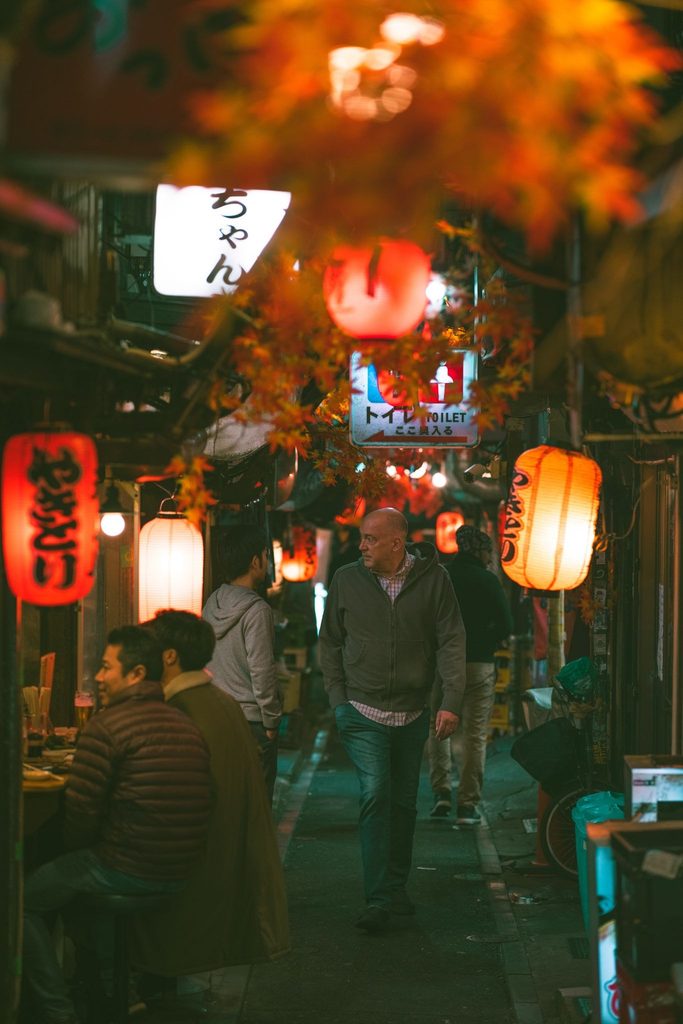
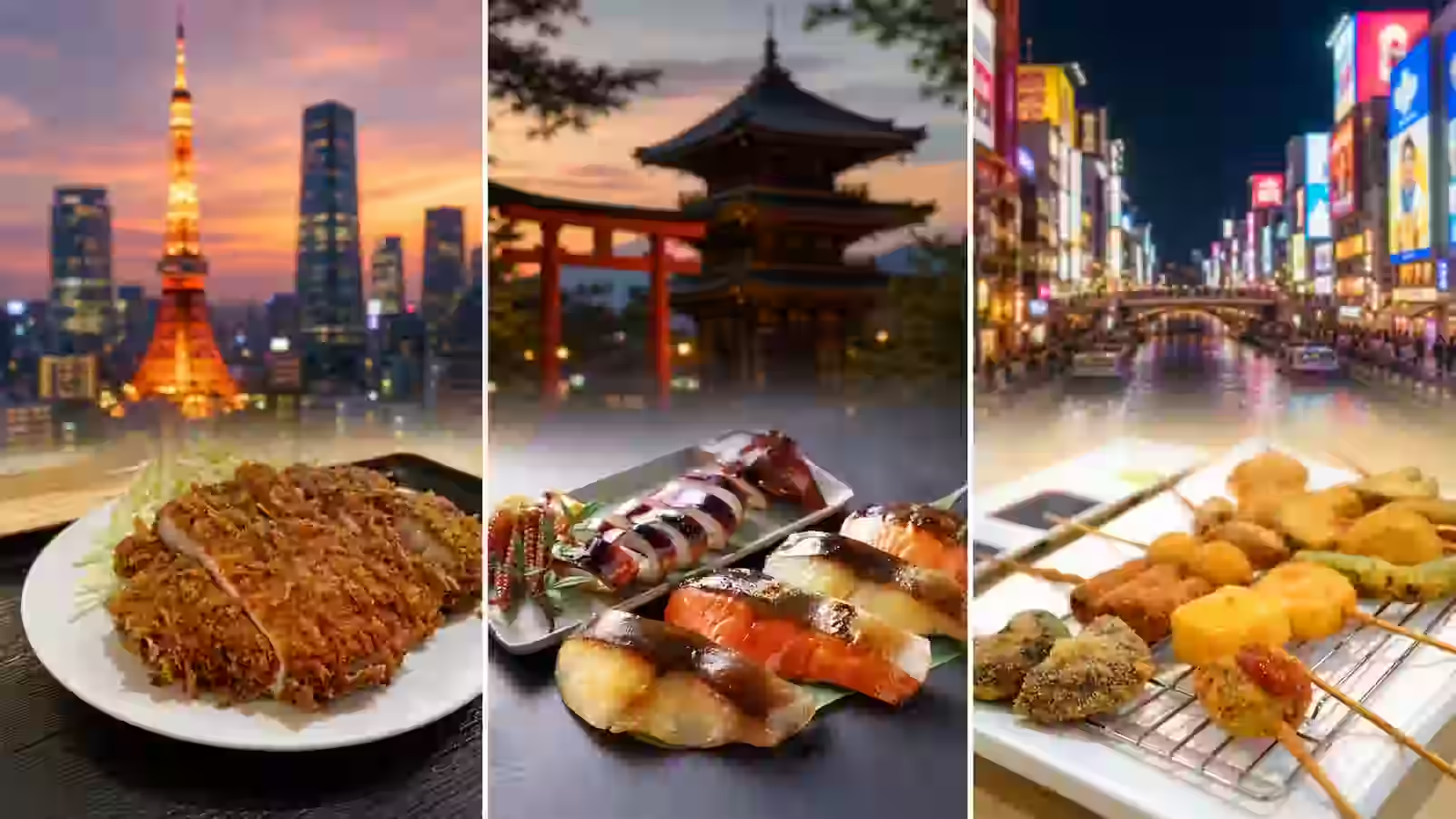
Tokyo represents the pinnacle of modern and traditional culinary precision. Historically known as Edo, the city developed a distinct style of food preparation that maximized the freshness of ingredients sourced directly from Tokyo Bay. Today, the metropolis boasts an unparalleled concentration of highly specialized establishments, making it the premier destination for refined dining.
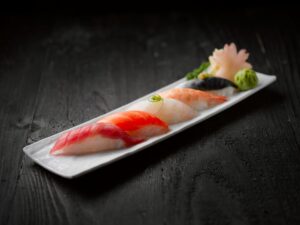
First-time visitors should prioritize Edo-mae sushi, a historical technique where chefs briefly cure or marinate fish to enhance its umami profile before serving it over seasoned rice. Alongside high-end sushi counters, Tokyo excels in specialized restaurants focusing exclusively on perfecting single dishes like tempura, artisanal soba noodles, or charcoal-grilled yakitori.
Navigating this vast and highly competitive culinary scene can be overwhelming without proper structuring. Professionally organized Japan round trips by Natürlich Reisen ensure that visitors experience the city’s gastronomic highlights without the stress of deciphering complex reservation systems. As a specialist tour operator, they carefully coordinate the route, travel pace, and access to exclusive dining experiences.
Expert Insight on Travel Pacing
From our experience as a tour operator, culinary experiences work best when they are integrated naturally into the itinerary rather than treated as a separate checklist. A carefully paced round trip through Tokyo, Kyoto and Osaka gives travellers enough time to discover regional cuisine, cultural highlights and local traditions without overloading each day.
Kyoto: Traditional Flavors and Temple Cuisine
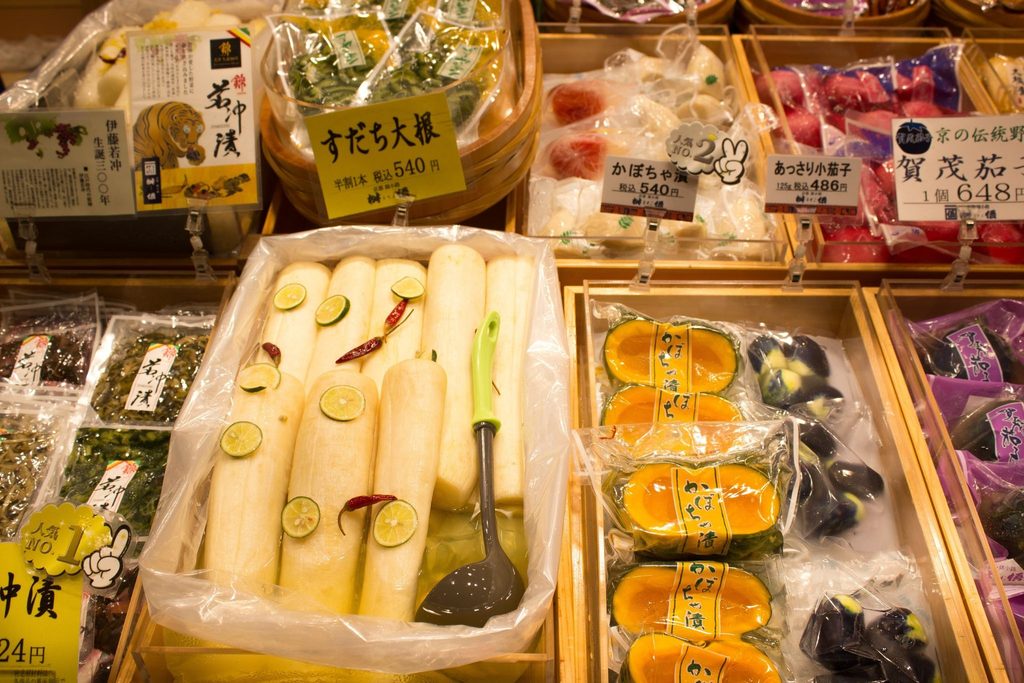
Moving west to Japan’s ancient capital, the culinary focus shifts from bustling metropolitan refinement to deep-rooted spiritual and seasonal traditions. Kyoto’s inland location historically limited access to fresh ocean fish, leading to the development of sophisticated vegetable, tofu, and preserved food cultures. The city is the undisputed center for traditional Japanese cuisine, particularly the multi-course Kaiseki dinner, which showcases seasonal aesthetics on carefully chosen ceramics.
A quintessential Kyoto experience involves dining on Yudofu (delicate tofu hot pot) near the scenic Arashiyama district or enjoying a meticulously prepared vegetarian meal known as Shojin Ryori at a local temple. These meals are deeply tied to Zen Buddhism and highlight the natural essence of seasonal vegetables. However, vegetarian and vegan travelers exploring broader Japanese cuisine must remain vigilant regarding dashi, the ubiquitous traditional cooking stock.
Dashi is fundamentally based on bonito flakes (cured fish) and is present in seemingly vegetarian dishes like tamagoyaki (omelet), miso soup, and most noodle broths. To explore authentic plant-based options without compromising dietary restrictions, utilizing resources that document regional food specialities and seeking out specialized vegan-friendly establishments is essential for international guests.
Osaka: The Undisputed Center of Street Food Culture
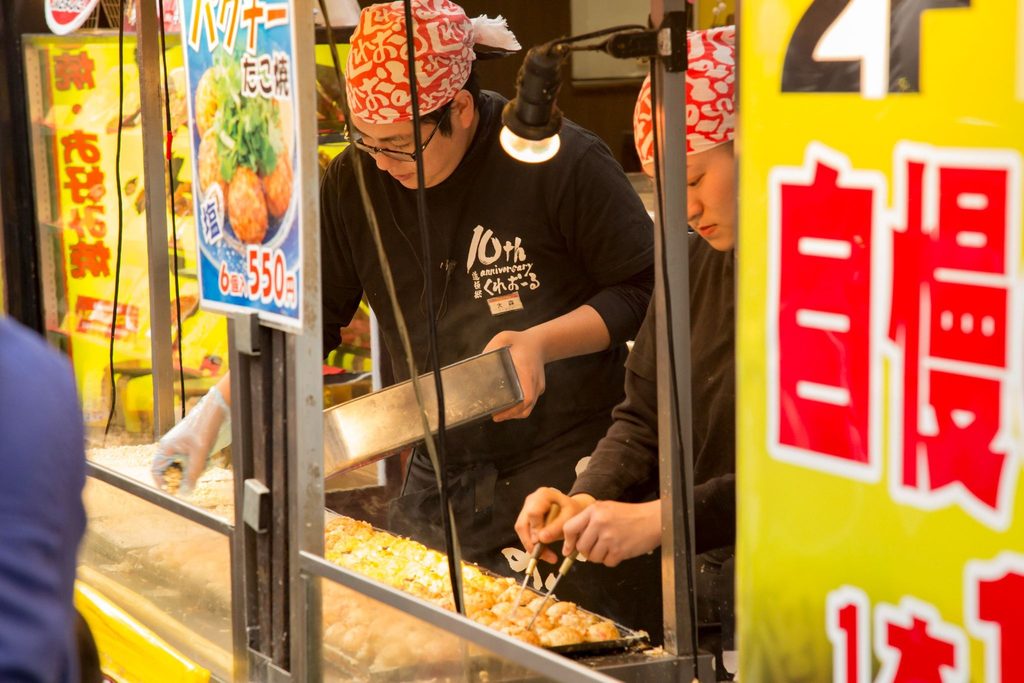
If Kyoto represents the traditional soul of Japan, Osaka represents its lively, unpretentious appetite. The city operates under the cultural philosophy of Kuidaore, which translates roughly to “eat until you drop.” Osaka is the ultimate destination for street food enthusiasts and boasts a vibrant, loud, and incredibly welcoming dining atmosphere, particularly around the neon-lit Dotonbori district.
The culinary landscape here is dominated by hearty, flavor-packed dishes meant to be consumed casually and convivially. Visitors must try Takoyaki, savory batter balls filled with diced octopus, brushed with a sweet-savory sauce, and topped with dancing bonito flakes. Similarly essential is Okonomiyaki, a savory cabbage pancake customized with various meats or seafood and grilled directly at your table.
Osaka’s food culture contrasts sharply with the quiet elegance of Kyoto and the high-end precision of Tokyo. Meals here are often interactive and communal. Engaging with local vendors and sampling freshly grilled skewers or deep-fried Kushikatsu provides a direct connection to the city’s historic role as the merchant capital of Japan.
Combining Sights, Pacing, and Dining Etiquette
A well-paced culinary round trip requires carefully allocating time to fully appreciate both the food and the cultural landmarks. Typically, an optimal itinerary designates four to five days for Tokyo’s vast urban sprawl, three to four days to absorb Kyoto’s historical temples, and two to three days to dive into Osaka’s vibrant street culture. This timeline prevents travel fatigue while allowing for genuine regional immersion.
Integrating food experiences directly with major sights is highly effective. In Tokyo, an early morning visit to the outer areas of the Tsukiji market pairs perfectly with a fresh sashimi breakfast. In Kyoto, a walk through the historic Gion district naturally leads to traditional tea houses offering ceremonial matcha and Wagashi (artisan sweets).
| Destination | Culinary Atmosphere | Signature Food Focus | Ideal Dining Setting |
|---|---|---|---|
| Tokyo | Highly refined, specialized | Edo-mae Sushi, Soba, Tempura | Intimate counter seating, high-end venues |
| Kyoto | Traditional, seasonal, spiritual | Kaiseki, Shojin Ryori, Matcha | Historic Ryokan, temple grounds, tea houses |
| Osaka | Energetic, casual, hearty | Takoyaki, Okonomiyaki, Kushikatsu | Street food stalls, lively izakayas |
International visitors must also be aware of fundamental food etiquette to show respect in local establishments. Chopsticks should never be left sticking vertically out of a bowl of rice, as this resembles funeral rites, nor should food be passed directly from one set of chopsticks to another. Additionally, slurping noodles is not only acceptable but encouraged, as it cools the broth and enhances the flavor profile.
The Strategic Advantage of Organized Gastronomic Travel
Exploring the depths of a Japan food tour regarding exactly what to eat in Tokyo, Kyoto, and Osaka reveals logistical complexities that independent travelers often underestimate. The country’s most celebrated culinary experiences are frequently hidden in unmarked commercial buildings, require Japanese-speaking contacts for reservations, or operate on strict seasonal schedules.
An organized round trip is particularly useful for bypassing these barriers. When planning a
high-quality gastronomic journey, certain reservations must be prioritized well in advance:
- Michelin-starred Edo-mae sushi counters in Tokyo with limited seating
- Historic Kaiseki establishments overlooking private gardens in Kyoto
- Exclusive tea ceremonies conducted in traditional wooden machiya houses
Professional tour designers secure these critical food experiences before the departure date, ensuring travelers do not miss out on highly coveted seats. Furthermore, guided itineraries strike the perfect balance between curated dining and independent exploration. While securing high-end traditional cuisine requires foresight, leaving evenings open in Osaka for spontaneous street food adventures creates a dynamic and authentic journey. The result is a seamless exploration of regional variations, linking specialized local ingredients directly to the cultural history of each city.




Comments