




If you are looking for a drink that truly captures the spirit of Japan, you must try Sakura cha. Also known as Sakurayu, this traditional herbal tea is made from real, hand-picked cherry blossoms. It is a beautiful experience, not just a drink or tea that has been a central part of Japanese celebrations and hospitality for hundreds of years.
What is Sakura Cha?
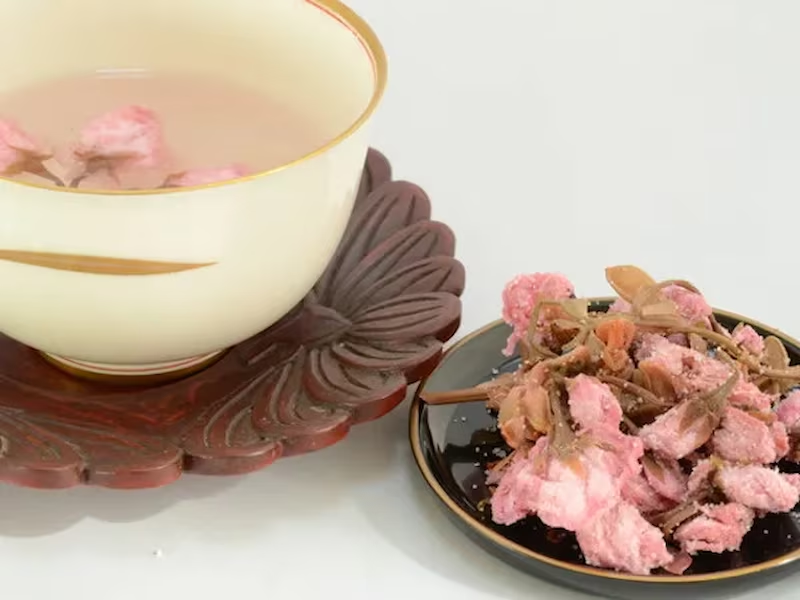
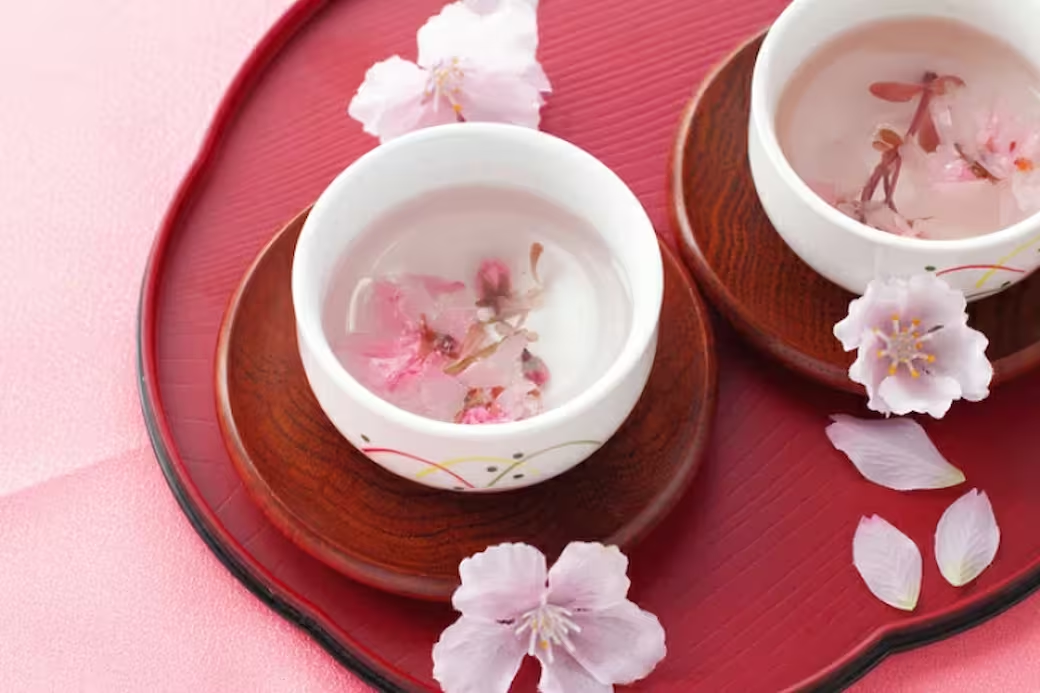
Sakura cha is made by pouring hot water over preserved cherry blossoms. Producers use a specific type of flower called the Yaezakura, which has many layers of thick petals. Locals carefully picked these flowers as buds and then kept them in a special mixture of salt and plum vinegar for several weeks. This lengthy process preserves them so they can be enjoyed even when the trees outside are no longer in bloom.
When you put the salted flower into hot water, it slowly “blooms” and opens up right before your eyes. It is a stunning sight to see in a clear cup. The taste is unique—it is a light mix of salty and sour, with a lovely floral aroma. This special fragrance comes from a natural chemical called coumarin that develops during the long salting process. Because the tea is clear and the flower looks so hopeful as it opens, often served at weddings to represent a bright, honest, and open future for the couple.
The Scent That Drifts Up Before the First Sip
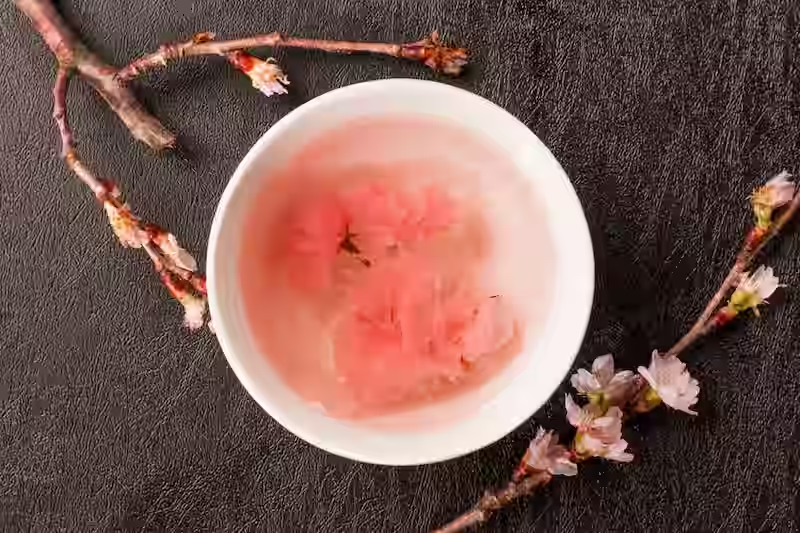
Sweet, Pickled, and Quietly Unlike Anything Else The blossoms carry a sweet, pungent scent from the salt and plum vinegar pickling, and the brewed cup turns a faint pinkish-yellow, lightly floral and faintly salty. Delicate, unhurried, and somehow deeply calming.
What the Tea Actually Tastes Like
Salty First, Then Something Softer Underneath The first taste arrives bright and sweet, then settles into a soft, savory finish that still carries the floral notes of the blossom throughout. It is a combination that sounds unusual, yet feels completely natural in the cup.
History of Sakura Cha
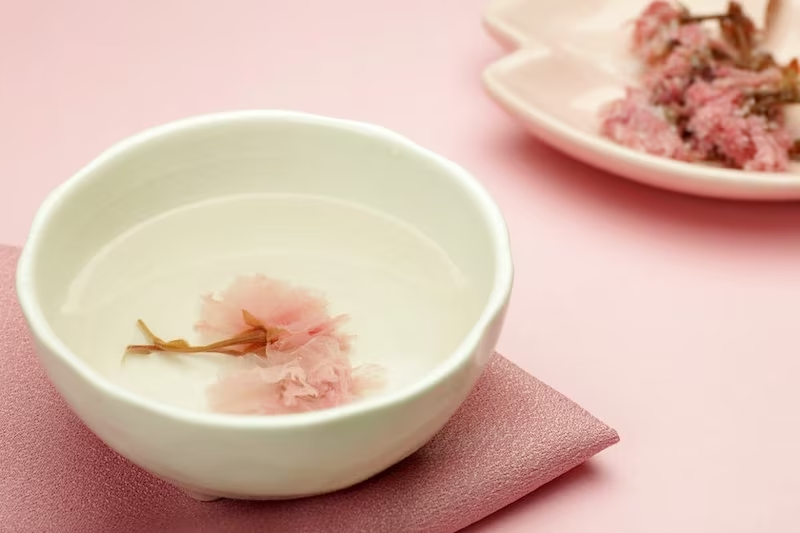
People began drinking these blossoms in the late Edo period. The tradition became popular in the Chimura district of Hadano City, where the climate was perfect for growing cherry trees. In those days, small tea houses along busy roads served this tea to welcome tired travelers. Today, Hadano City is still the main place where most of Japan’s salted blossoms are made.
Where to Try It?
Sakurai Japanese Tea Experience (櫻井焙茶研究所)
For a modern, calm way to enjoy this tea, visit the Sakurai Japanese Tea Experience in Tokyo. Located in the stylish Aoyama area, this tea house feels like a peaceful escape from the noisy, busy city outside. It is a small warm shop with only eight seats at a beautiful wooden counter, making every visit feel very personal.
The owner, Shinya Sakurai, is a master of blending and roasting Japanese plants. He prepares each cup with great care, making sure the water is at the perfect temperature to bring out the delicate floral notes without making the drink taste too salty or pungent.
Conclusion
Sakura cha is a wonderful part of Japanese life that brings the beauty of spring to your cup year-round. It is a symbol of luck and a lovely way to celebrate new beginnings with friends and family.
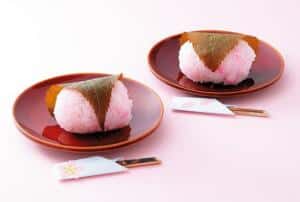
If you like the salty and floral taste of this tea, you might also enjoy other treats such as Sakura Mochi, Sakura Shiozuke, Sakura Gohan, Sakura Onigiri, and Sakura Daifuku.
Sakuracha FAQ
What is Sakuracha?
Sakuracha is a traditional floral tea from Japan. Producers make it with salt-pickled cherry blossoms and hot water. People know it for its delicate pink color and elegant salty-floral aroma.
Where does Sakuracha come from?
Sakuracha originates from traditional cultural centers like Kyoto and Kanagawa. Locals have enjoyed it as a special celebration drink since the Edo period.
What does Sakuracha taste like?
Sakuracha has a mildly salty, floral, and subtly sweet flavor. The texture feels light and smooth like clear hot water. Drinkers often compare it to a light herbal tea with a savory twist.
Where can I drink Sakuracha in Japan?
The best place to try Sakuracha is Kyoto. Famous areas include traditional tea houses in Gion or Arashiyama. Many wedding venues and upscale Japanese restaurants also serve it during the spring season.
How much does Sakuracha cost?
Sakuracha typically costs between 500 and 1,000 yen per cup. Prices vary depending on the tea house and the traditional Japanese sweets you order alongside it.
Is Sakuracha vegetarian or vegan friendly?
Traditional Sakuracha contains absolutely no animal products. Vegans and vegetarians can safely drink this 100% plant-based floral tea anywhere.
What are the main ingredients in Sakuracha?
The main ingredients in Sakuracha are salt-pickled cherry blossoms and hot water. The pickled cherry blossoms give the drink its distinctive salty-sweet flavor and beautiful blooming appearance.
Can I make Sakuracha at home?
Yes, you can easily make Sakuracha at home. Japanese grocery stores and tea shops sell the key ingredient — salt-pickled cherry blossoms. Home cooks prepare this elegant drink in seconds by simply washing off the excess salt and pouring hot water over the flowers.
What is the difference between Sakuracha and Sencha?
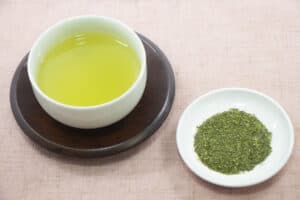
The main difference involves the ingredients and flavor profile. Sakuracha features pickled flowers yielding a salty-floral taste, while Sencha relies on steamed green tea leaves delivering an astringent, grassy flavor.
Is Sakuracha popular outside Japan?
Sakuracha enjoys growing popularity outside Japan during the spring season. You will find it at specialized Japanese tea shops in North America and Europe. Global tea enthusiasts increasingly buy the pickled blossoms online to experience Japanese spring culture.



Comments