




Gunma Food Guide
Wheat Noodles · Konnyaku · Hot Springs
Quick Facts — Gunma Local Food
| Prefecture | Gunma (群馬県) |
|---|---|
| Region | Kanto (landlocked) |
| Food Identity | Wheat noodles, konnyaku, mountain vegetables, hot spring cuisine |
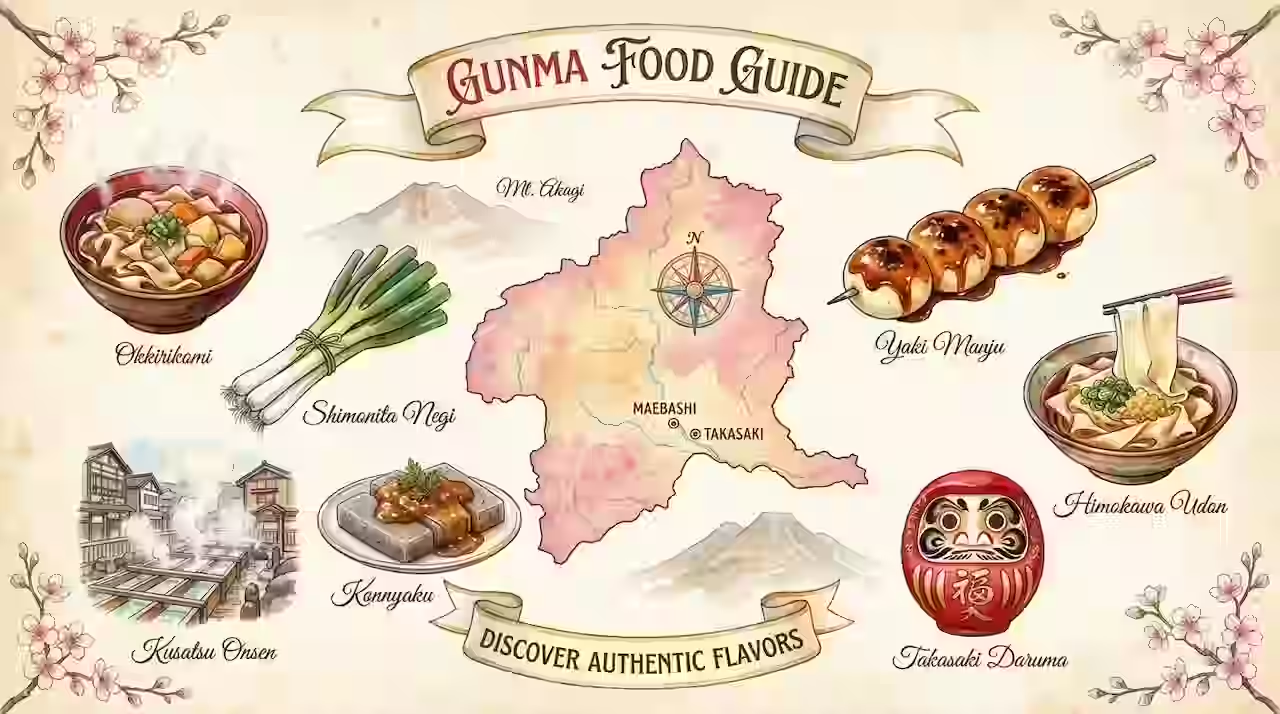
| Famous Dishes | Yaki manju, okkirikomi, himokawa udon, Takasaki pasta, Oota yakisoba |
| Signature Flavor | Earthy, miso-forward, savory-sweet, wheat-rich |
| Key Ingredients | Wheat flour, konnyaku, Shimonita negi, miso, mountain vegetables |
| Konnyaku | No. 1 producer in Japan (over 90% of national supply) |
| Best Known For | Wheat noodle culture · Japan’s konnyaku capital |
Gunma Local CuisineWhat Makes Gunma Food Unique?
Gunma sits northwest of Tokyo, completely landlocked by mountains. No coastline. No seaport. That sounds like a limitation — but it shaped something remarkable.
Cut off from fresh seafood, the prefecture leaned hard into wheat, mountain vegetables, and fermented flavors. The result is Gunma local cuisine: hearty, honest, and deeply satisfying. Think flat wheat noodles in rich miso broth. Think miso-glazed buns blackened on a grill. These are not subtle dishes. They stick with you.
Gunma is Japan’s top konnyaku producer — by a huge margin. Over 90% of Japan’s supply comes from here. Konnyaku appears in almost every traditional local dish in Gunma, from oden to simmered side dishes. Visitors are often surprised. They expect a garnish. They get a centerpiece.
The prefecture also produces some of Japan’s most unusual noodles. Himokawa udon from Kiryu can be 10 cm wide. That is not a typo. Flat, silky, and almost like a pasta sheet, it is unlike anything you will find in Tokyo. People travel specifically for this.
Then there is Takasaki pasta. Gunma’s biggest city became an unlikely pasta powerhouse. Hundreds of specialty pasta restaurants line the streets. It is quirky. It is distinctly Gunma. And honestly, it is delicious.
Wondering what food is Gunma famous for? Start with yaki manju. It is the one food everyone in Gunma agrees on. Soft wheat buns, sweetened miso glaze, open fire. Simple. Irreplaceable.
Best Local Dishes in Gunma
Must-try foods of the prefecture — 群馬名物
Noodles & Wheat Dishes — 群馬のご当地グルメ
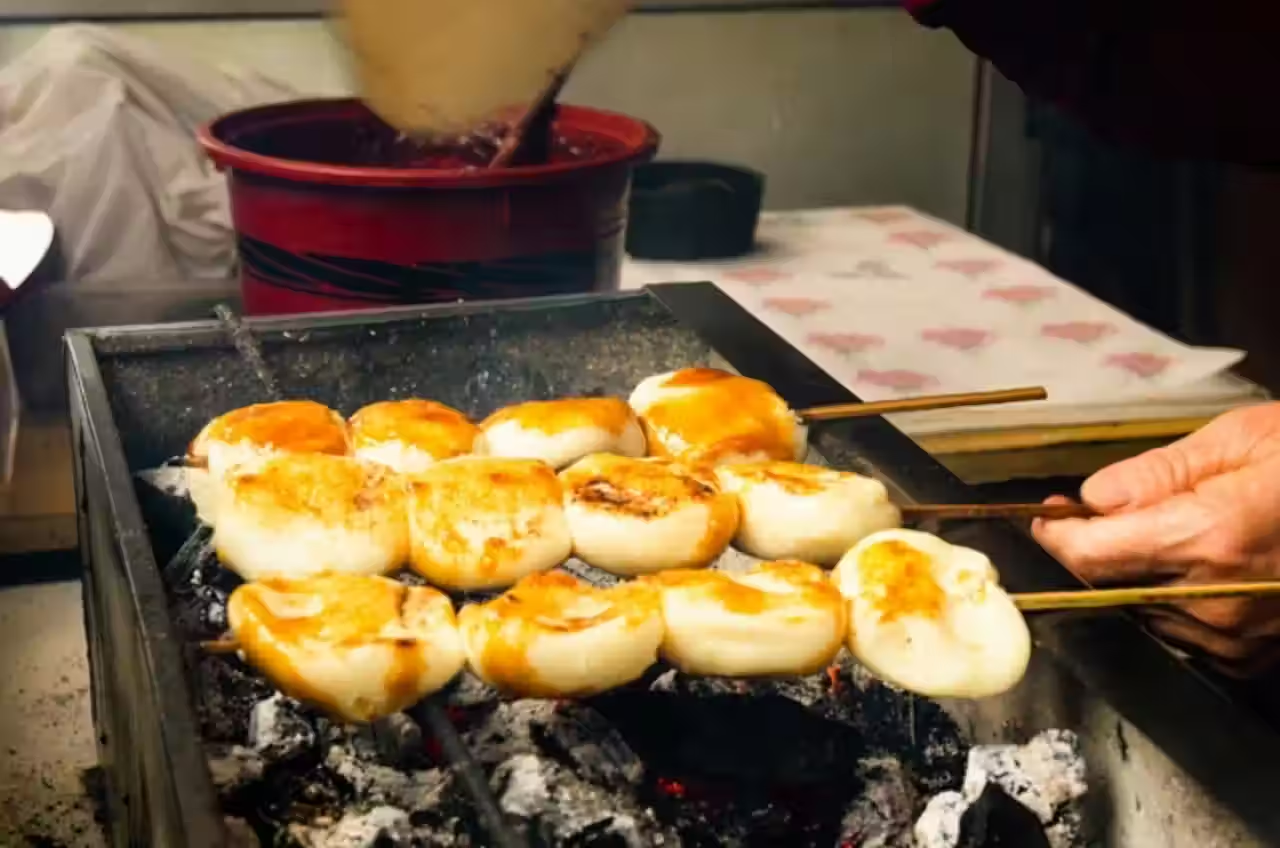 Signature
焼きまんじゅう · Grilled wheat buns · Gunma specialties
Soft, leavened wheat buns skewered on sticks and grilled with sweet miso glaze. This is the definitive Gunma specialty. The outside chars slightly. The inside stays pillowy. You will smell the stalls before you see them.
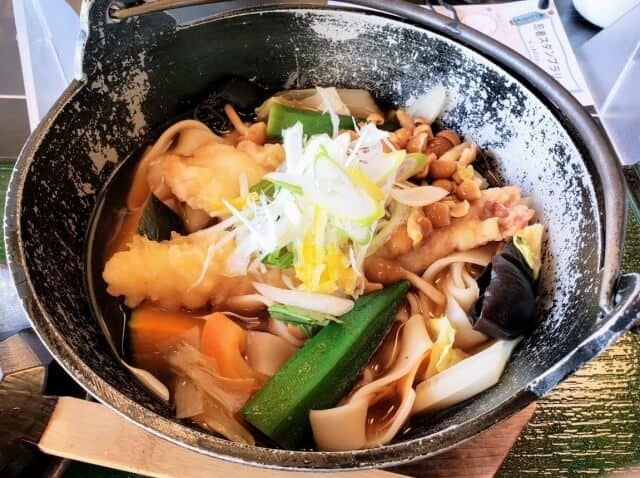
 Signature
おっきりこみ · Flat wheat noodle hot pot · traditional food from Gunma
Thick, hand-cut flat wheat noodles simmered directly in miso or soy-based broth with root vegetables. No pre-boiling — the noodles absorb the broth as they cook. This is traditional food from Gunma at its most authentic.
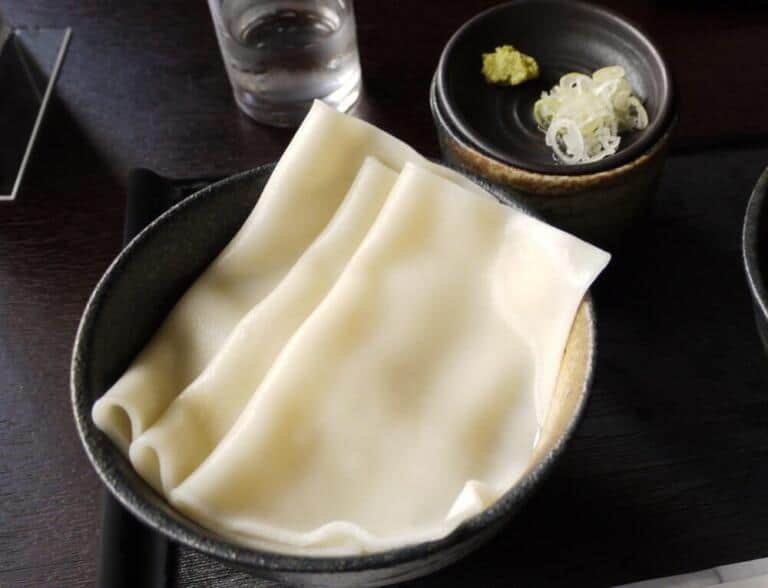
 Local
Localひもかわうどん · Extra-wide flat udon · Kiryu City
Possibly the widest noodle in Japan. Kiryu’s signature udon can reach 10 cm across — flat, silky, and strangely elegant. It is served in broth or sometimes chilled with dipping sauce. An unforgettable local dish in Gunma.
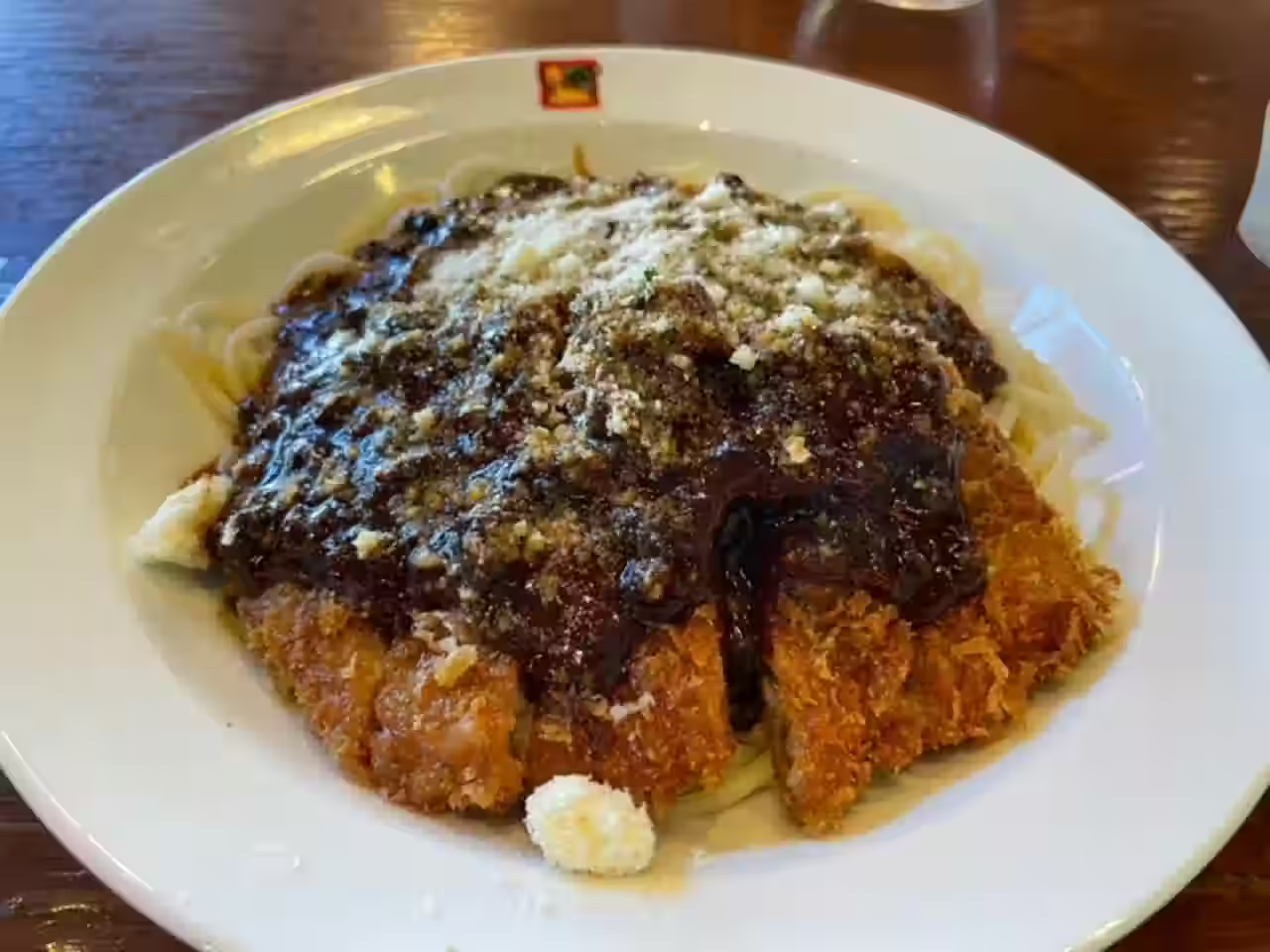 Local
Local高崎パスタ · Gunma gourmet · pasta city of Japan
Takasaki has more pasta restaurants per capita than almost anywhere in Japan. The city embraced Italian pasta and made it its own. Seasonal local vegetables, miso-inflected sauces, wagyu toppings. Unexpected. Completely worth it.
 Local
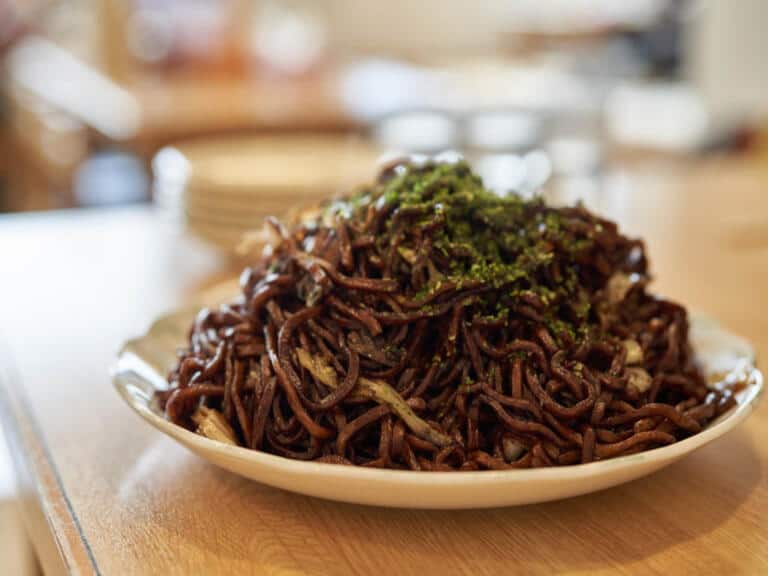
Local太田やきそば · Ota City · Gunma local food
Yakisoba from Ota City uses thicker noodles and a richer sauce than the national standard. It is a working-class favourite, born in a city of factories. No frills, but plenty of flavour. A proud entry in any Gunma food guide.
Konnyaku & Mountain Produce — 群馬グルメ
- Produce
Konnyaku (こんにゃく)
こんにゃく · Japan’s No.1 producer · Gunma specialties
Gunma produces over 90% of Japan’s konnyaku. This rubbery, near-calorie-free ingredient appears in oden, stir-fries, sashimi style, and simmered dishes across the prefecture. If you want to understand Gunma local food, start here.
 Produce
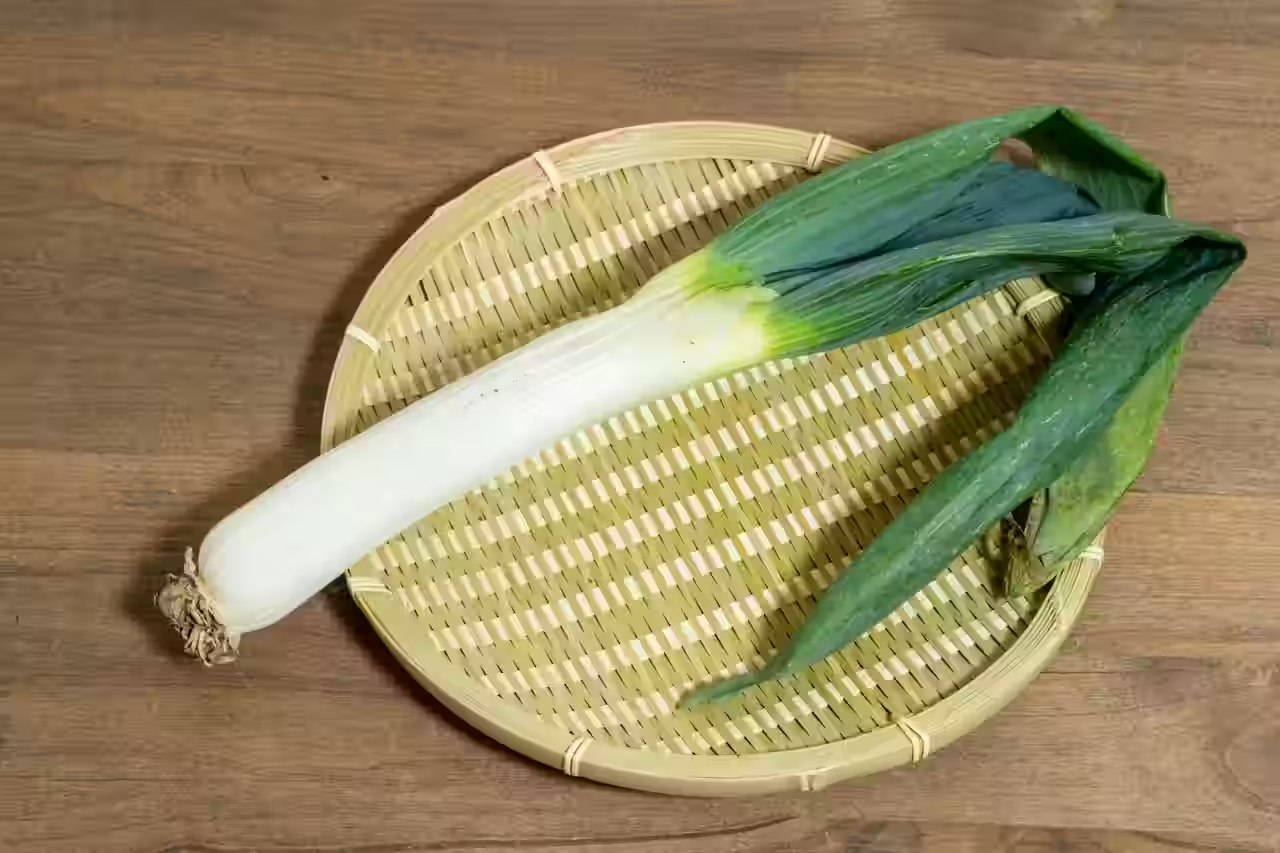
下仁田ネギ · Premium green onion · Shimonita Town
A thick, sweet green onion from Shimonita Town — nothing like the garnish you ignore on top of ramen. When grilled or simmered, it becomes almost creamy inside. Chefs pay serious money for it. It is one of the most celebrated Gunma specialties.
 Sweet
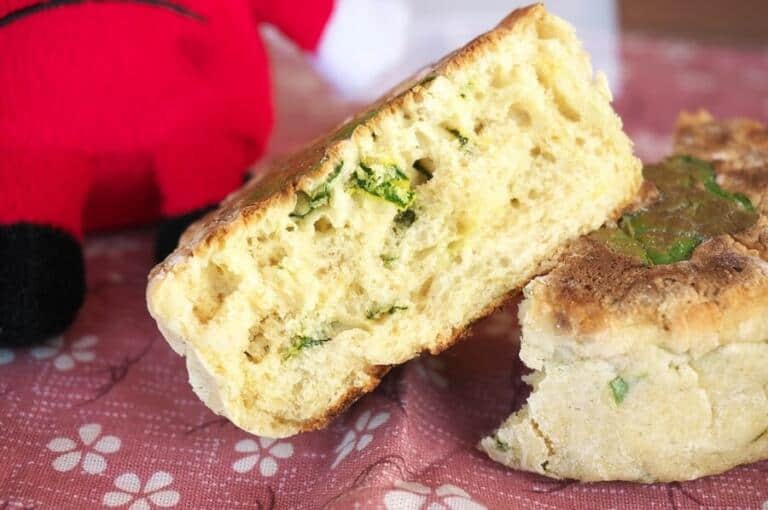
Sweetやきもち · Ikaho hot spring town · Gunma gourmet
A traditional wheat-flour snack from the hot spring town of Ikaho, different from mochi-based rice cakes. Slightly sweet, grilled until golden, and eaten fresh from the street stall. A perfect snack for must-eat regional food in Gunma lists.
 Local
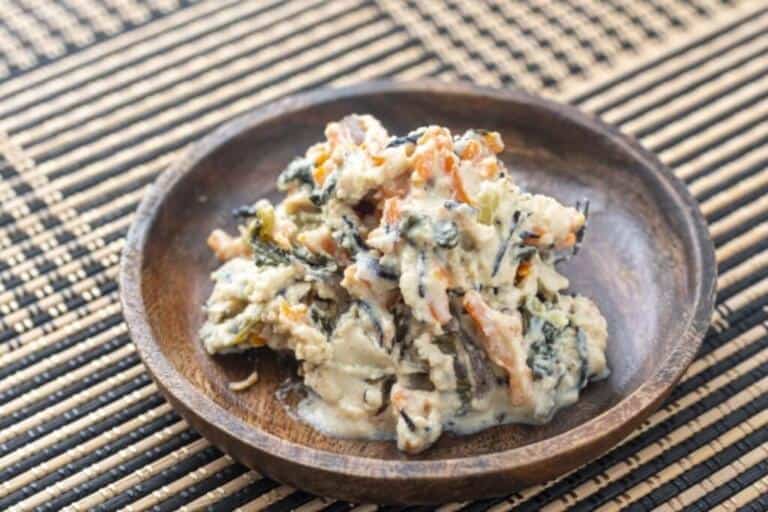
Local白あえ · Tofu dressing salad · Japanese regional food
A classic Japanese side dish of vegetables dressed in smooth mashed tofu, sesame, and miso. Gunma’s rich tofu culture makes this a natural local favourite. Quiet, delicate, and deeply satisfying. A great introduction to Japanese regional food.
Gunma Gourmet GuideWheat, Mountains, and a Culture of Making Do
You could call Gunma the wheat capital of the Kanto region. The mountains cut off trade routes for centuries. Farmers grew what the land could hold: wheat, buckwheat, millet, and konnyaku yam.
That history lives in the food today. Okkirikomi is the clearest example. The name roughly means “cut and throw in.” Housewives made thick noodles by hand and dropped them straight into boiling broth. No waste. No ceremony. Just good, filling food.
Yaki manju has a similar story. Wheat buns were cheap and filling. Sweet miso glaze made them appealing. Grilling over charcoal made them irresistible. The dish has barely changed in 200 years. Some things do not need fixing.
Hot springs shaped another side of Gunma local cuisine. Ikaho, Kusatsu, and Minakami are famous onsen towns. Visitors need snacks. Yaki mochi became the answer in Ikaho. Simple, warm, and easy to eat while wandering the stone-paved streets.
The modern additions are surprising. Takasaki became Japan’s “pasta city” partly by accident. A wave of Italian restaurants opened in the 1980s and 1990s and never stopped. Today, Takasaki has more pasta restaurants per capita than Tokyo. Locals are proud of this. They should be.
Gunma rarely tops “best food prefecture” lists. That may be changing. For travelers asking what to eat in Gunma prefecture, the answer is: more than you expect, and almost all of it worth trying.
When to VisitGunma Food by Season — Best Times for Local Dishes
- Spring (March to May):Mountain vegetables emerge. Fiddlehead fern and bamboo shoot dishes appear in local restaurants. Onsen towns are less crowded than in winter, and yaki mochi stalls reopen after cold months. A gentle, rewarding time to explore Gunma gourmet.
- Summer (June to August):Konnyaku takes on cool forms. Cold konnyaku sashimi, served with yuzu miso dipping sauce, is a popular summer dish. Himokawa udon is sometimes served chilled. The mountains offer relief from Tokyo heat, and the food follows the season well.
- Autumn (September to November):Root vegetables peak. Okkirikomi comes into its own, loaded with burdock, taro, and daikon. Shimonita negi season begins. This is arguably the best time of year for traditional food from Gunma. The mountain colours are stunning too.
- Winter (December to February):Hot pot season. Okkirikomi steams on every table. Onsen towns fill up. Yaki manju tastes even better in the cold. The combination of mountain snow, hot springs, and warming wheat dishes makes this the most atmospheric time for a Gunma food guide for tourists visit.
Frequently Asked QuestionsGunma Food Guide for Tourists
What food is Gunma famous for?
Gunma is most famous for yaki manju (grilled wheat buns with sweet miso), okkirikomi (flat noodle hot pot), himokawa udon (super-wide flat udon), konnyaku, and Shimonita negi. It is also Japan’s No. 1 konnyaku-producing prefecture, supplying over 90% of the national crop. The Takasaki pasta scene is a surprising modern highlight.
What are the must-try dishes in Gunma Japan?
Must-try dishes in Gunma include yaki manju, okkirikomi noodle hot pot, himokawa udon from Kiryu, Takasaki pasta, Oota yakisoba, yaki mochi from Ikaho, and Shimonita negi. For those wanting a complete Gunma food guide experience, combining onsen towns with local restaurants is ideal.
What is Gunma local cuisine like?
Gunma local cuisine (群馬グルメ) is defined by wheat noodles, miso-based flavours, konnyaku, and mountain vegetables. Landlocked by mountains, Gunma developed a hearty, self-sufficient food culture far from seafood. The flavours are bold and warming rather than delicate. This is Japanese regional food at its most distinctive.
Is Gunma worth visiting for food tourism?
Absolutely. Gunma sits just 90 minutes from Tokyo by Shinkansen and offers an authentic regional food experience far from tourist crowds. The combination of onsen towns, mountain scenery, and distinctive Gunma specialties makes it an excellent day trip or weekend visit. Yaki manju alone is worth the journey for curious food travellers.