




Obanzai is traditional Kyoto home-style cooking. It centers on small, seasonal side dishes made with local vegetables. Think of it as everyday Japanese comfort food, Kyoto style.
If you searched “what is obanzai,” here is the short answer. Obanzai means daily home-cooked meals, passed down through Kyoto families for generations. Each meal includes rice, soup, and several small side dishes.
The flavors are gentle. Portions are modest. But the cultural depth behind each dish runs surprisingly deep.
Key Features of Obanzai
Obanzai has a few defining qualities that make it unique. First, cooks source seasonal vegetables locally in Kyoto. Second, the cuisine relies on dashi-based, light seasoning. Third, the tradition prioritizes using every part of each ingredient.
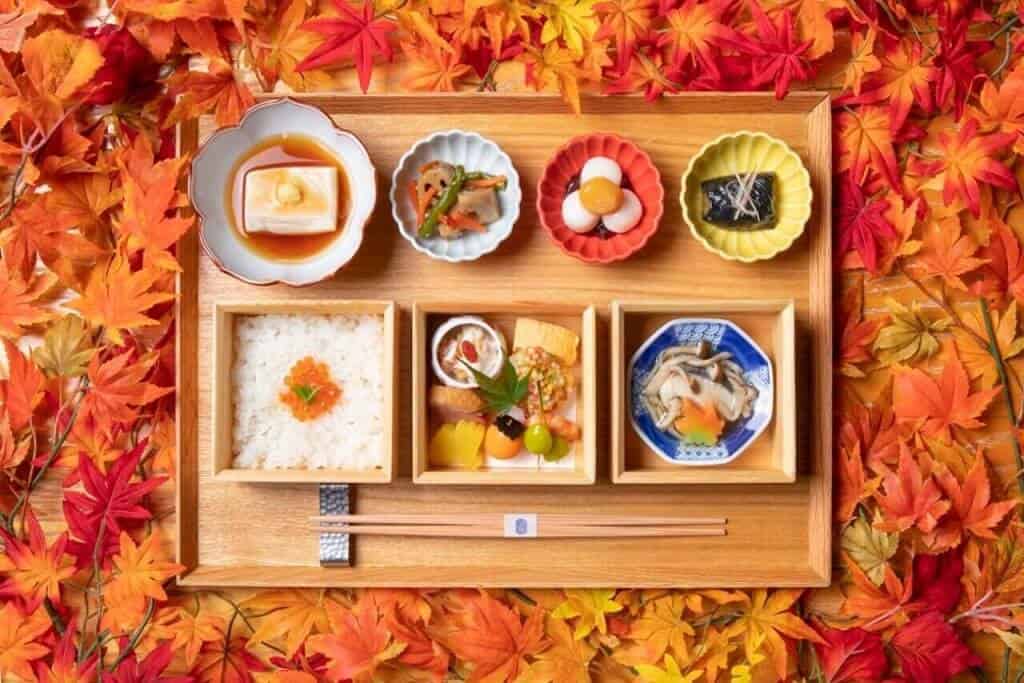
A typical obanzai spread includes one bowl of rice and one soup. Two or three small side dishes accompany these. Together, they create a balanced and nourishing everyday meal.
Kyoto’s light soy sauce (usukuchi-shoyu) is one key flavor. White miso (shiro-miso) adds gentle, layered depth. These two seasonings give obanzai its distinctive Kyoto character.
What Obanzai Dishes Actually Look Like
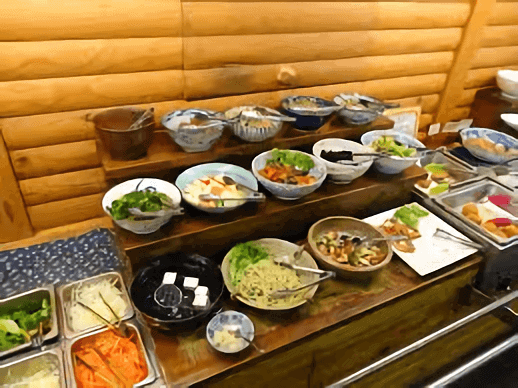
So what does obanzai actually look like on the table? The spread changes with the season. Here are some of the most common dishes you will encounter.
- Simmered pumpkin (kabocha no nimono)
- Hijiki seaweed salad
- Kinpira gobo (burdock root stir-fry)
- Dashimaki tamago (Japanese rolled egg omelet)
- Kyoto pickles (tsukemono)
- Simmered tofu with dashi broth
- Spinach with sesame dressing (horenso no goma-ae)
Each dish is small on its own. Together, they make something complete and satisfying. Some English speakers compare obanzai to “Kyoto-style Japanese tapas.” Others call it “Japanese home-style small plates.” Neither phrase fully captures it, but both help paint a clear picture.
The History of Obanzai
Obanzai has deep historical roots. The earliest written record dates to 1849, in a Kyoto document called Nenjū bansai roku. This text recorded everyday Kyoto household dishes in detail.
“Ban” (番) means daily. “Zai” (菜) means vegetables or side dish. Together, the word simply describes daily home cooking.
The modern pronunciation “obanzai” only gained wide use in the 1970s. That period saw Japanese tourism begin to flourish rapidly. A 1964 book first introduced the term to a broader audience.
Today, obanzai means far more than food. Many regard it as a living cultural heritage of Kyoto. It connects current generations to centuries of everyday kitchen tradition.
Why Obanzai Developed in Kyoto
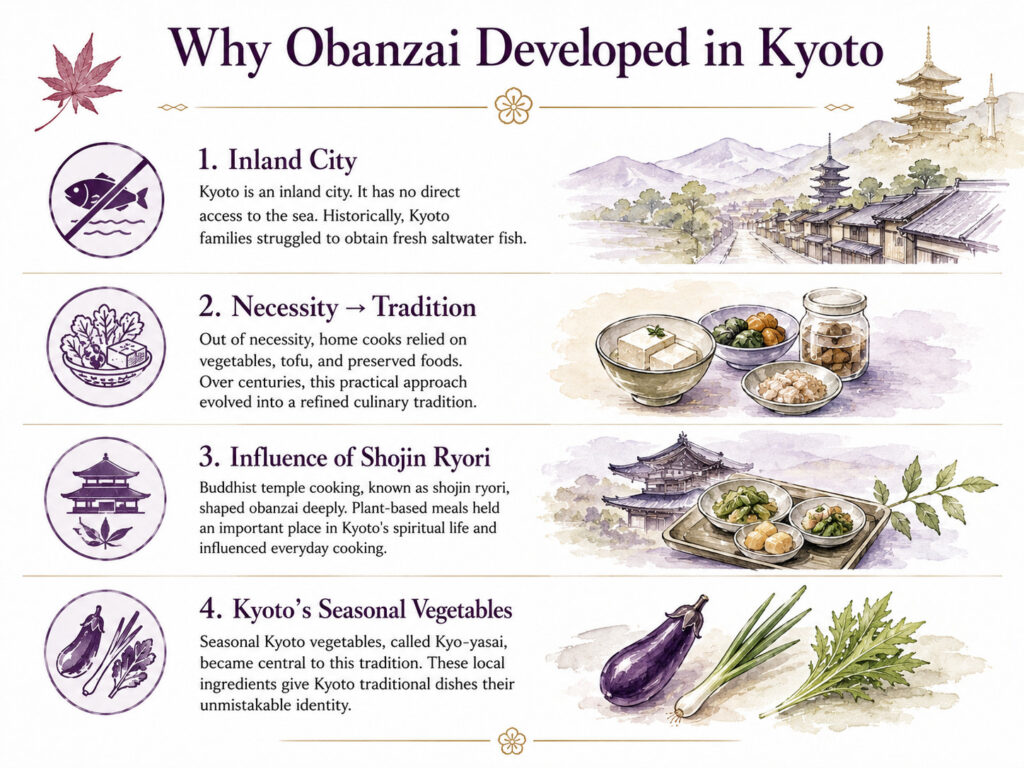
Kyoto is an inland city. It has no direct access to the sea. Historically, Kyoto families struggled to obtain fresh saltwater fish.
Out of necessity, home cooks relied on vegetables, tofu, and preserved foods. Over centuries, this practical approach evolved into a refined culinary tradition. Creative cooking with humble ingredients became an art.
Buddhist temple cooking, known as shojin ryori, also shaped obanzai deeply. Plant-based meals held an important place in Kyoto’s spiritual life. That influence spread naturally into everyday household cooking over generations.
Seasonal Kyoto vegetables, called Kyo-yasai, became central to this tradition. Varieties like Kamo eggplant, Kujo green onion, and Mizuna greens remain essential today. These ingredients give Kyoto traditional dishes their unmistakable local identity.
Obanzai vs Kaiseki: A Clear Comparison
Many visitors to Kyoto mix up obanzai and kaiseki. Both originate from Kyoto, but the two offer completely different experiences.
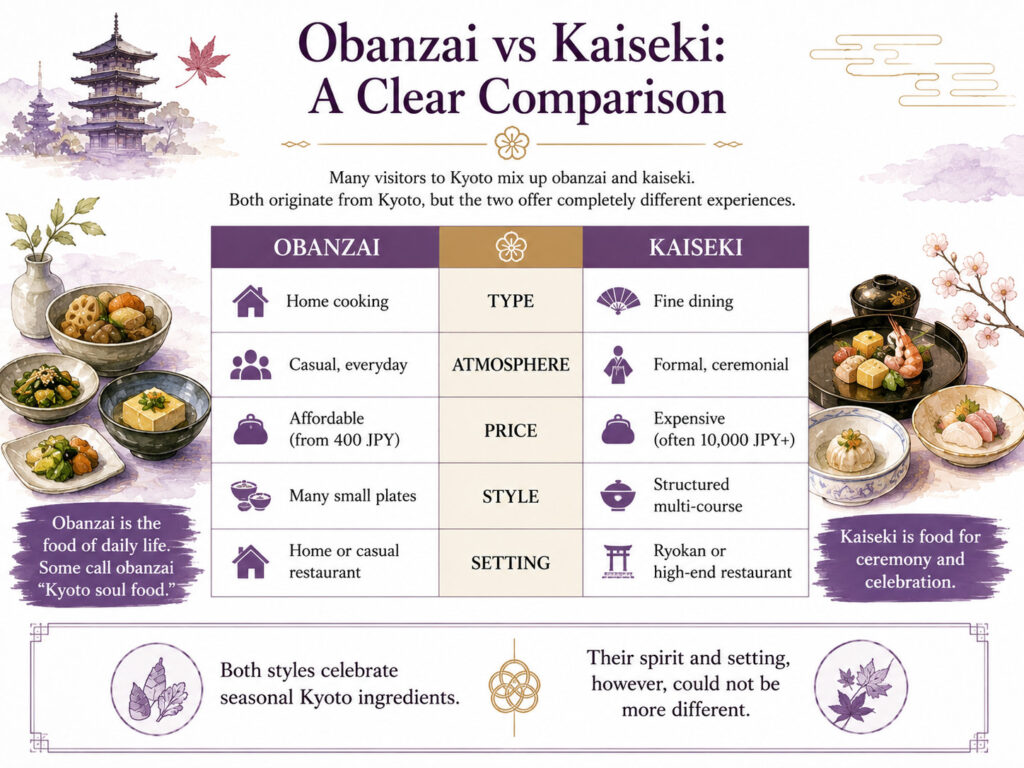
| Obanzai | Kaiseki | |
|---|---|---|
| Type | Home cooking | Fine dining |
| Atmosphere | Casual, everyday | Formal, ceremonial |
| Price | Affordable (from 400 JPY) | Expensive (often 10,000 JPY+) |
| Style | Many small plates | Structured multi-course |
| Setting | Home or casual restaurant | Ryokan or high-end restaurant |
Obanzai is the food of daily life. Kaiseki is food for ceremony and celebration. Some call obanzai “Kyoto soul food.” It lacks the formality of kaiseki but carries something deeply personal.
Both styles celebrate seasonal Kyoto ingredients. Their spirit and setting, however, could not be more different.
The Philosophy Behind Obanzai Cooking
Obanzai is not just a style of cooking. It carries a philosophy of daily life.
Shimatsu means using every part of each ingredient. Nothing goes to waste. Vegetable stems, peels, and scraps all find a place in the dish.
Omotenashi means cooking with genuine care for others. The goal is to nourish and bring happiness. This quiet generosity defines Kyoto hospitality at its core.
Ambai means balance. No single flavor should dominate the plate. The art lies in harmony between each ingredient.
These values extend well beyond the kitchen. They shape how Kyoto families approach daily life. Food and culture are genuinely inseparable here.
Kyoto Ingredients That Define the Cuisine
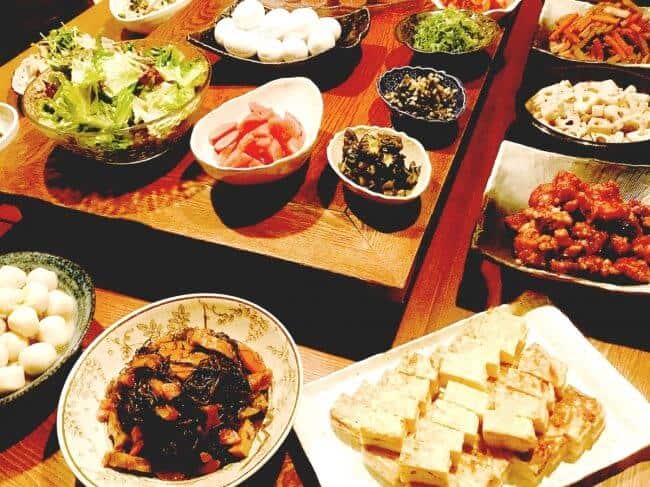
One rule governs obanzai ingredients. At least half must come from Kyoto. This keeps the cuisine anchored in local tradition.
Kyo-yasai vegetables form the backbone of every obanzai meal. Kyoto Prefecture officially recognizes over 36 traditional vegetable varieties. Each cultivar suits the gentle, dashi-forward Kyoto cooking style beautifully.
White miso and light soy sauce provide the primary seasoning. Dashi forms the base of most dishes. Together, these create the soft, layered flavor central to obanzai cooking.
Freshwater fish, tofu, yuba, and fermented foods round out the typical pantry. These ingredients reflect Kyoto’s inland geography and centuries of culinary ingenuity.
Is Obanzai Healthy?
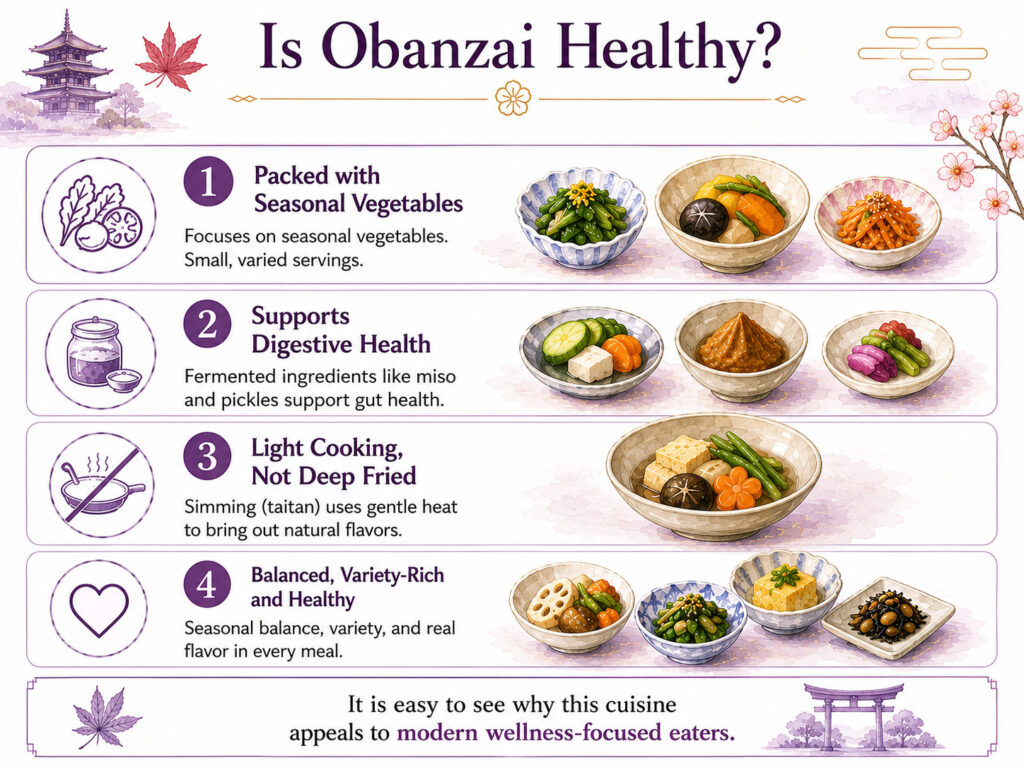
Yes. Obanzai earns high marks from nutrition-conscious eaters around the world. Here is why.
The cuisine focuses heavily on seasonal vegetables. Servings are small and varied across many dishes. Fermented ingredients like miso and pickles actively support digestive health.
Deep frying rarely appears in an obanzai meal. Simmering, called taitan in the Kyoto dialect, dominates the cooking style instead. Taitan uses slow, gentle heat to preserve natural flavors without added fat.
For anyone exploring healthy Japanese side dishes, obanzai provides an excellent model. Variety, seasonal balance, and real flavor come together in every meal. It is easy to see why this cuisine appeals to modern wellness-focused eaters.
Where to Eat Obanzai in Kyoto
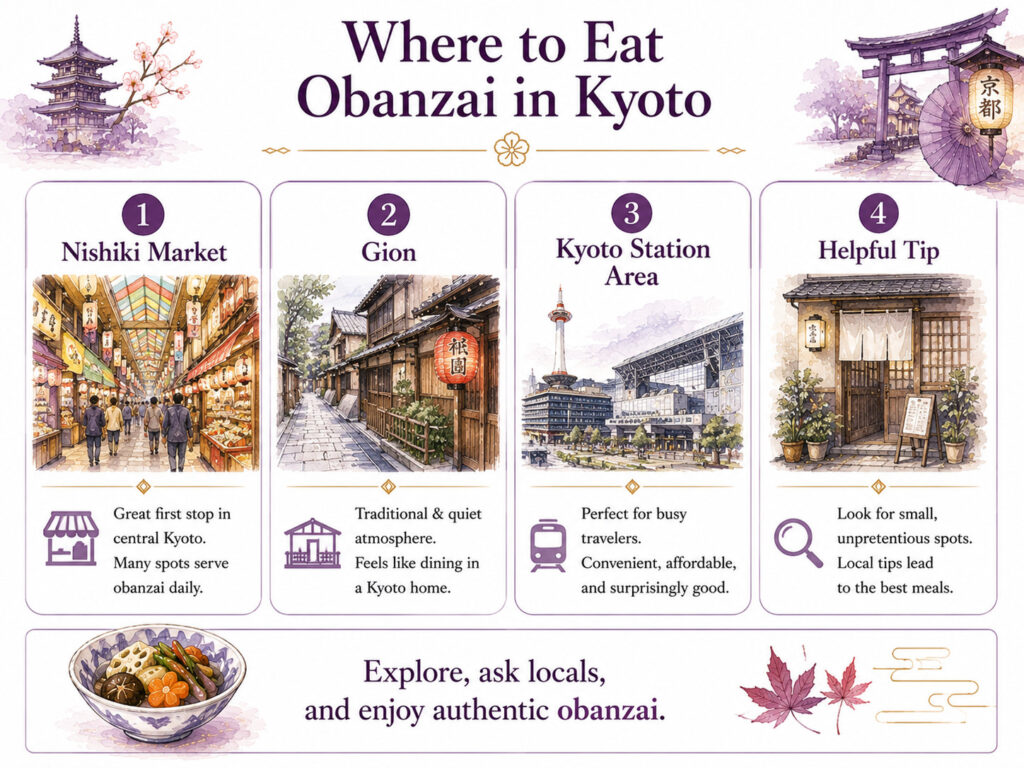
Ready to try obanzai? Kyoto has excellent options across different neighborhoods. Here are the best areas to explore.
Nishiki Market makes an ideal first stop. This famous covered market runs through the heart of central Kyoto. Many vendors and small restaurants along the arcade serve obanzai-style dishes daily.
Gion offers a quieter, more traditional atmosphere. Several intimate obanzai restaurants occupy its historic wooden lanes. Dining here feels genuinely close to eating in a real Kyoto home.
The Kyoto Station area suits travelers who have limited time. Convenient and well-priced options fill the surrounding streets. Quality here can genuinely surprise first-time visitors.
Wherever you choose, look for small, unpretentious restaurants. The best obanzai rarely announces itself with flashy signs. Local recommendations tend to point you in the right direction.
Kyoto Obanzai FAQ
What is Kyoto Obanzai?
It is a traditional home-style cooking style from Japan. Cooks make these daily side dishes with seasonal vegetables, tofu, and simple seasonings. Food lovers know this culinary culture for its healthy balance and zero-waste philosophy.
Where does Kyoto Obanzai come from?
These comforting dishes originate from Kyoto City. Local families have passed down these everyday recipes from generation to generation for centuries.
What does Kyoto Obanzai taste like?
It delivers a mild, soothing, and umami-rich flavor. The textures range from soft simmered roots to crisp pickled greens. Diners often compare it to Japanese-style vegetable tapas or warm homestyle side dishes.
Where can I eat Kyoto Obanzai in Japan?
You will find the most authentic experiences right in Kyoto City. Famous areas include the historic Pontocho and Gion districts. Many cozy, family-run eateries line their counters with these fresh dishes daily.
How much does Kyoto Obanzai cost?
A satisfying meal typically costs between 1,000 and 3,000 yen. Prices vary depending on the restaurant and the number of small bowls you select from the counter.
Is Kyoto Obanzai vegetarian or vegan friendly?
Traditional recipes usually contain fish broth (dashi). Vegans and vegetarians can easily enjoy these vegetable dishes by asking the chef to use kelp (kombu) broth instead of fish stock.
What are the main ingredients in Kyoto Obanzai?
The main ingredients include local seasonal vegetables (Kyo-yasai), tofu, dried foods, and light soy sauce. The pure dashi stock gives the simmered dishes their distinctive gentle umami depth.
Can I make Kyoto Obanzai at home?
Yes, you can easily cook these dishes at home. Japanese grocery stores stock the key ingredients — fresh vegetables, soy sauce, and dashi powder. Home cooks simmer or toss these healthy sides effortlessly in just a few minutes.
What is the difference between Kyoto Obanzai and Kaiseki Ryori?
The main difference involves the formality and the target audience. This specific food culture features humble, everyday family meals, while Kaiseki Ryori relies on luxurious, highly formal banquet courses for special occasions.
Is Kyoto Obanzai popular outside Japan?
It enjoys growing popularity outside Japan among health-conscious diners. You will occasionally find these vegetable tapas at authentic Japanese restaurants in North America and Europe. This humble food tradition successfully attracts global wellness enthusiasts everywhere.
References
Kyoto Prefecture Official Website – https://www.pref.kyoto.jp/ (2023) – 36 officially recognized Kyo-yasai traditional vegetable varieties listed
World Health Organization, Global Health Observatory – https://www.who.int/data/gho (2022) – Japan average life expectancy: 84.3 years (highest globally); traditional vegetable-forward diet cited as a contributing factor



Comments