





みかん Mikan is Japan’s most familiar citrus fruit and one of the defining flavors of the Japanese winter. Small, seedless, and peelable entirely by hand, it requires none of the effort of a regular orange. The season runs from October through March, and during those months mikan appears everywhere: in supermarkets, at kotatsu tables, and in the hands of people on the street. If you want to understand Japanese food culture in winter, this is a good place to start.
What is Mikan?
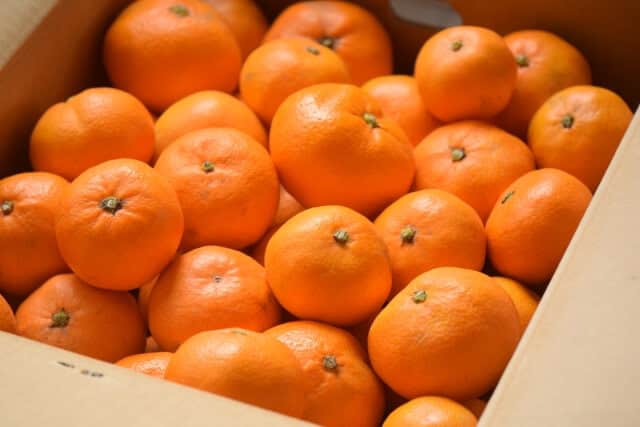
Mikan (みかん) refers to the group of small mandarin oranges grown and eaten in Japan. The dominant variety is 温州みかん Unshu mandarin (Citrus unshiu), which alone accounts for roughly 70 percent of all citrus sales in Japan. The fruit has been cultivated in the country for over 400 years, primarily in warm southern coastal regions.
The key characteristics are easy to state: small size, thin skin, virtually no seeds, easy-to-separate segments, and a flavor that shifts from lightly acidic in early season to richly sweet by midwinter. These qualities are not accidental. They are the result of centuries of cultivation optimizing specifically for ease of eating and flavor in a cool-season fruit.
How is Mikan Different from a Regular Orange?
This comes up often, and the differences are meaningful enough to explain why mikan occupies a different role in everyday life.
A regular orange requires a knife to open. The thick rind clings tightly to the fruit. Mikan peels entirely by hand in seconds, with the thin outer skin coming away cleanly. The inner membrane is also much thinner, which means you can eat each segment whole without peeling away a tough white layer. There are essentially no seeds.
In terms of flavor, standard oranges tend to be more acidic with a stronger citrus punch. Mikan is milder, sweeter, and more rounded. The juice content is high but the texture yields immediately rather than being firm like an orange segment. For these reasons, mikan is the snacking citrus of the Japanese winter: no knife, no mess, no seeds, no effort. You open it and eat.
Mikan and Kotatsu: Japan’s Most Iconic Winter Scene
In Japan, the image of a family gathered around a kotatsu eating mikan is one of the clearest symbols of winter. A kotatsu is a low table with a heating element underneath, covered by a thick blanket that traps warmth around your legs. You sit with your lower body under the blanket while the room air stays cool. A bowl of mikan within arm’s reach is the standard addition.
It’s so woven into the culture that shows up in dramas, anime, and everyday talk people mention it the way others speak of sitting by a fireplace. Thats not merely about heat; it’s a specific, unhurried, homely comfort many Japanese connect with winter’s best moments.
Mikan fits this context perfectly. You do not prepare it. You do not need a plate. You can peel it and eat it while watching television without ever looking down. The faint scent of fresh mikan peel drifting through a heated room is part of the sensory experience of a Japanese winter home. That effortlessness is inseparable from why the fruit is so deeply associated with the season.
What Does Mikan Taste Like?
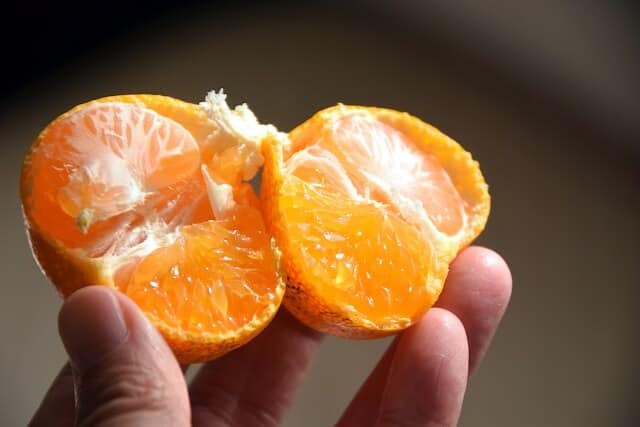
The flavor depends significantly on the time of year. Early-season mikan harvested in October and November tends to have more brightness and a slight acidity alongside the sweetness. As winter deepens, the sugar content rises and acidity softens. December and January mikan from good growing regions can be surprisingly sweet, with a clean citrus finish and almost no sourness.
The texture is juicy but not watery. Each segment is filled with liquid that releases cleanly on the first bite. The thin inner membrane means the juice hits your palate immediately. There is also a light floral quality to the scent of fresh mikan peel that distinguishes it from other mandarins. It is one of those fruits where the smell is nearly as appealing as the flavor itself.
When is Mikan Season?
The main mikan season runs from October through March, with peak availability from November to January. This unusually long season is part of what makes mikan so practical: the supply is consistent over several months rather than concentrated in a few weeks.
Early-harvest varieties (wase) arrive from October with a lighter, more refreshing flavor. Mid-season fruit through November and December offers the best balance of sweetness and acidity. Late-season varieties (okute) from January through March develop deeper, richer flavors as the fruit matures longer on the tree. Some premium late-season varieties from Shizuoka are considered among the sweetest citrus available in Japan.
Why is Mikan So Popular in Japan?
Several factors combine to explain the sustained popularity of Japanese mandarin orange across centuries.
Ease comes first. No widely available winter fruit requires less effort to eat. Price comes second: a bag of mikan typically costs 300 to 600 yen for multiple fruits, accessible at any household budget. The long season is third: October through March covers more than a third of the year, making mikan a reliable daily snack through the entire cold half of the year.
Cultural familiarity plays a role too. Multiple generations of Japanese families have grown up with mikan as the default winter fruit. It carries associations of warmth, home, and relaxed evenings that no imported tropical fruit can replicate. That combination of practical and emotional factors is why Unshu mikan remains the most purchased citrus in Japan despite competition from imported varieties.
Types of Mikan and Japanese Citrus
Beyond standard Unshu mikan, Japan grows a wide range of mandarin and citrus varieties, each with distinct characteristics and seasons.
Maana Mikan (Ehime)
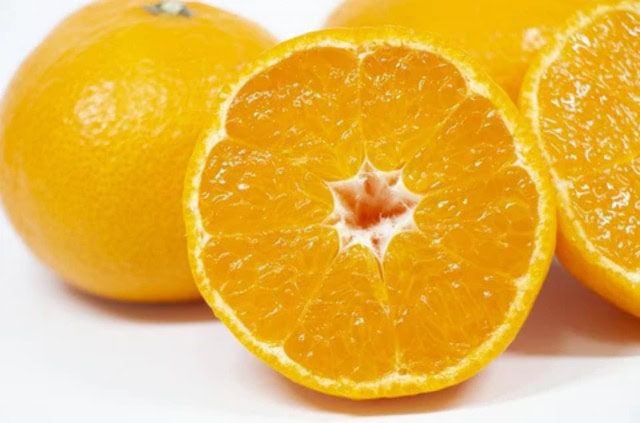
Maana mikan grows on steep terraced hillsides in Ehime’s Maana District along Japan’s western coastline. About 180 farming households produce 7,000 to 8,000 tonnes annually. The steep terrain requires mostly manual labor, which limits yield and keeps quality high. The combination of warm climate, strong sunshine, mineral-rich soil, and sea proximity produces a thin-peeled, consistently sweet fruit that has won multiple awards in national citrus competitions.
Kiyomi
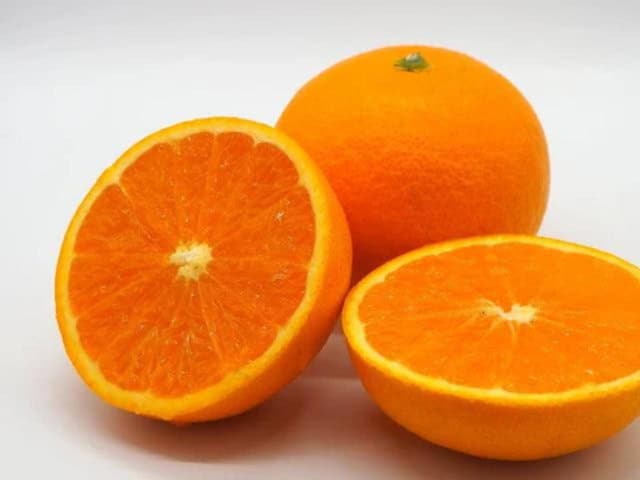
Kiyomi is a hybrid of Unshu mikan and a sweet orange, developed in 1949. Harvested between January and April, it blends Unshu sweetness with the citrusy aroma and mild acidity of orange. Measuring around 7 to 8 centimeters with virtually no seeds, it requires slightly more effort to peel than standard mikan. The name comes from the Kiyomigata coast in Shizuoka Prefecture. It is a good choice for those who want something more fragrant than Unshu mikan but still sweet.
Amanatsu
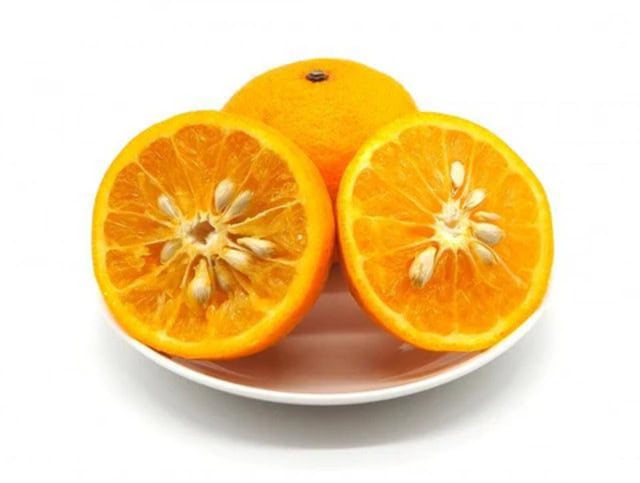
Amanatsu, also called natsumikan, is considerably larger than standard mikan at around 9.5 to 10 centimeters, closer in size to a grapefruit. The thick peel typically needs a knife to open. The flavor is bittersweet and noticeably different from the mild sweetness of Unshu mikan. It is popular in Kyushu and appears in desserts, jellies, and preserved products. It is a different experience from the winter mikan most people associate with the category.
Shiranui (Dekopon)
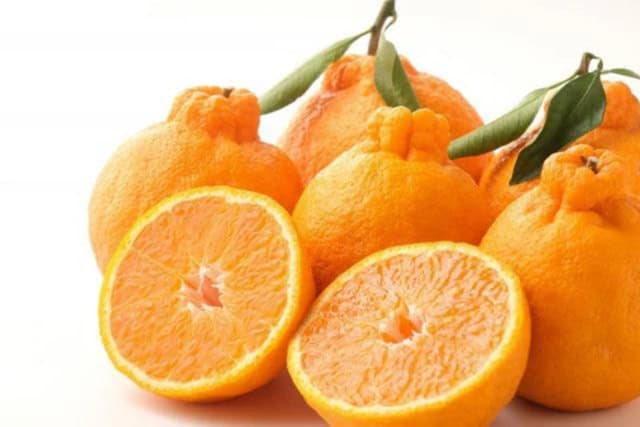
Shiranui, widely known by the brand name Dekopon, is a hybrid of Kiyomi and Ponkan. The distinctive bump at the top makes it immediately recognizable. Harvested between December and May, it reaches peak sweetness in spring. The flavor is exceptionally sweet and rich with very little acidity. It sells at a premium in Japan and has developed a following overseas, sometimes sold as “Sumo Citrus.” If you want to try the highest-end Japanese mandarin experience, Dekopon is the one most people recommend.
Japan’s Top Mikan Growing Regions
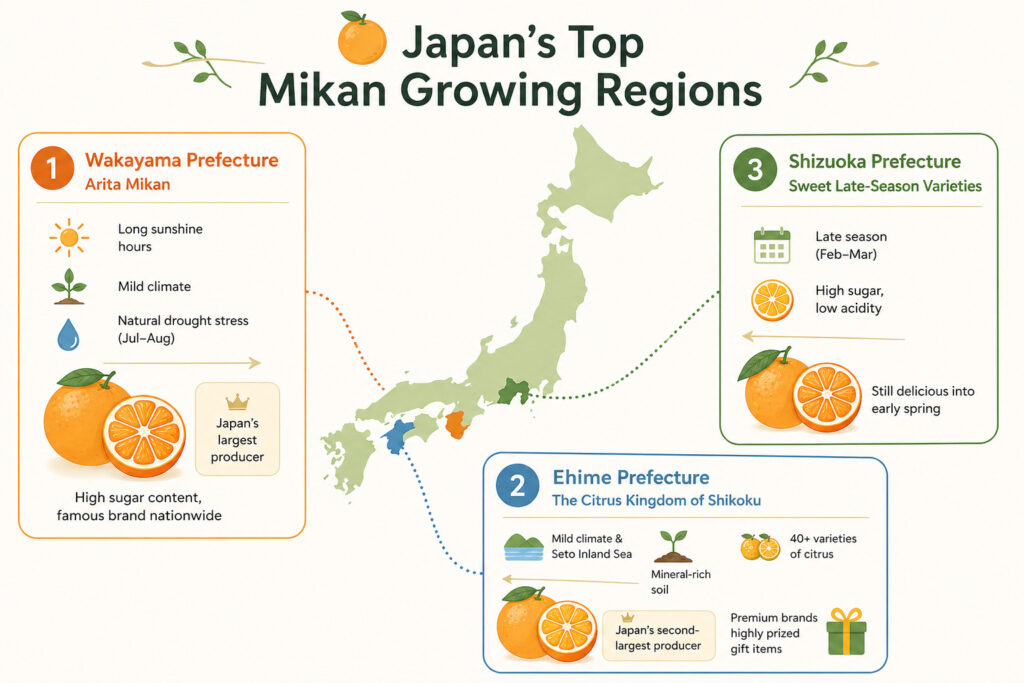
1. Wakayama Prefecture — National Leader and Arita Mikan
Wakayama is Japan’s largest mikan producing prefecture. Within Wakayama, 有田みかん Arita mikan from the Arita region is the most famous variety. The mild climate, long sunshine hours, and a natural drought stress period in July and August concentrate the sugars in the fruit. Arita mikan has high sugar content and is one of the most recognized brand names in Japanese citrus. It is available at supermarkets nationwide and as a premium gift item.
2. Ehime Prefecture — The Citrus Kingdom of Shikoku
Ehime, on Shikoku Island, is Japan’s second-largest mikan producer and sometimes called the “Citrus Kingdom.” The prefecture grows over 40 varieties of citrus, benefiting from the mild climate and mineral-rich soil around the Seto Inland Sea. Premium branded varieties like Beni Madonna and Kanpei attract national attention and command high prices in the gift market. Ehime is also home to the Maana mikan described above.
3. Shizuoka Prefecture — Sweet Late-Season Varieties
Shizuoka is Japan’s third-largest mikan producer and is particularly known for late-season varieties including Aoshima Unshu and Jutaro Unshu. Both are characterized by high sugar content and low acidity, and they maintain quality well into early spring. For anyone who prefers a sweeter, less acidic citrus, Shizuoka late-season mikan is worth seeking out in February and March.
A Brief History of Mikan in Japan
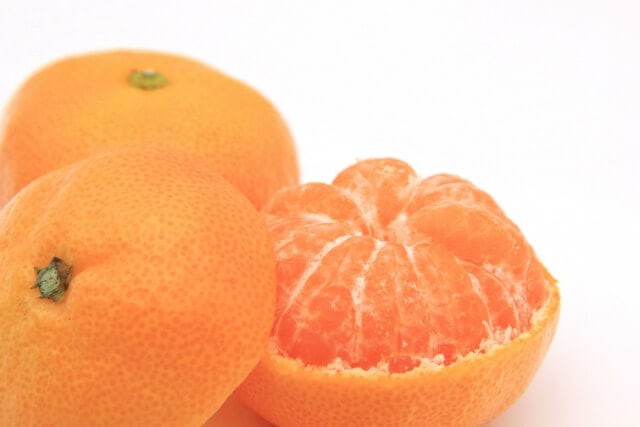
The story of mikan in Japan follows three connected stages.
The fruit’s origins trace to China. The name “Unshu” comes from Wenzhou in China’s Zhejiang Province, historically known for citrus cultivation. Scientists believe the Unshu mandarin began as an accidental seedling on Nagashima Island in Kagoshima Prefecture, likely from Chinese citrus stock. During the Edo period, Kishu mandarins (which had seeds) were more widely eaten than the seedless Unshu variety.
The shift happened during the Meiji era. The convenience of seedless, easy-peel Unshu mikan made it increasingly popular as Japan modernized and people sought practical, accessible food options. Farmers began expanding cultivation in warm coastal regions. Western Honshu, Shikoku, and parts of Kyushu developed into the major growing zones they remain today.
The 1960s brought further expansion into Kyushu, with Kumamoto and Nagasaki developing strong cultivation practices. Modern breeding techniques improved fruit quality, disease resistance, and shelf life. By the late twentieth century, Unshu mikan had become the dominant winter fruit in Japan by a wide margin, a position it still holds today.
How to Enjoy Mikan: Beyond Just Eating It Fresh
Most mikan are eaten fresh, peeled by hand and eaten segment by segment. That is the primary use and the best way to appreciate the fruit at its peak. But mikan appears in several other forms in Japan.
Mikan juice is widely sold in cartons and bottles, particularly during peak season. The flavor is notably different from regular orange juice: less acidic, softer, and more fragrant. Canned mikan in light syrup is a standard pantry item used in desserts, parfaits, and mixed fruit preparations. Mikan-flavored ice cream and soft serve appear at roadside stands and farms in major producing regions. Mikan peel is also used dried in some traditional teas and hot pot broths for fragrance. The fruit’s versatility is modest but worth knowing about if you are cooking with it at home.
Final Thoughts
日本の柑橘 Japanese citrus has many remarkable members, but 温州みかん Unshu mandarin occupies a category of its own in terms of cultural significance. It is not Japan’s most expensive or most prestigious fruit. It is something more useful than that: the fruit that most Japanese people associate with warmth, family, and the quiet pleasure of a winter evening at home. That connection has persisted across generations and shows no sign of weakening.
If you want to explore other Japanese citrus fruits, yuzu is the fragrant winter citrus used in cooking and bathing, with a very different character from mikan. And for a broader look at Japanese fruit culture beyond citrus, the fruit collection on Food in Japan covers the full range of seasonal options throughout the year.
Exploring Japanese seasonal fruits? Browse the full fruit collection on Food in Japan.
Mikan FAQ
What is mikan?
Mikan (みかん) is Japan’s most popular citrus fruit, a small seedless mandarin orange that peels easily by hand. The dominant variety is Unshu mandarin (Citrus unshiu), which accounts for roughly 70 percent of all citrus sales in Japan. It is the defining fruit of the Japanese winter, available from October through March and closely associated with the kotatsu table culture of eating fruit indoors during the cold months.
How is mikan different from a regular orange?
The main differences are size, skin, seeds, and flavor. Mikan is smaller, with a thin skin that peels entirely by hand in seconds. Regular oranges have thick rinds that require a knife. Mikan contains virtually no seeds while most oranges have several. In terms of flavor, mikan is milder and sweeter with less acidity than a regular orange. The eating experience requires no tools or preparation at all.
When is mikan season in Japan?
The main season runs from October through March, with peak season from November to January. Early-season wase varieties are available from October with a lighter, slightly more acidic flavor. Mid-season fruit in November and December offers the best balance of sweetness and brightness. Late-season okute varieties from January to March are the sweetest, with lower acidity and richer flavor.
Why do Japanese people eat mikan in winter?
The combination of seasonal availability, ease of eating, and cultural association makes mikan the natural winter snack. October to March is when mikan is at its best. The fruit requires no preparation, no utensils, and no cleanup. It fits perfectly into the kotatsu culture of sitting warmly at home. Multiple generations of Japanese families have grown up with mikan as their winter staple, and that familiarity has made it inseparable from the season.
What does mikan taste like?
Mikan is sweet, juicy, and mildly citrusy with very little acidity compared to oranges. Early-season mikan has a brighter, slightly tart quality. Late-season mikan is noticeably sweeter and rounder in flavor. The texture is soft and the juice releases immediately on the first bite. The fresh peel has a light floral fragrance that is part of the appeal.
What is Unshu mikan?
Unshu mikan (温州みかん) is the scientific and formal name for the dominant Japanese mandarin variety. The name comes from Wenzhou in China’s Zhejiang Province, the fruit’s ancestral origin. Unshu mikan is what most Japanese people mean when they simply say “mikan.” It is seedless, easy to peel, and accounts for about 70 percent of all citrus sold in Japan.
Where are the best mikan grown in Japan?
The three leading producing prefectures are Wakayama, Ehime, and Shizuoka. Wakayama is the largest producer, particularly famous for Arita mikan. Ehime grows over 40 citrus varieties and is known for premium brands like Beni Madonna. Shizuoka specializes in sweet late-season varieties that maintain quality well into spring. All three benefit from mild coastal climates and nutrient-rich soil.
How much do mikan cost in Japan?
A standard bag of mikan at a Japanese supermarket typically costs between 300 and 600 yen for multiple fruits. Premium branded varieties like Arita mikan or Dekopon (Shiranui) sell at higher prices, particularly as gift items. Mikan is considered an affordable everyday fruit, which is part of why it is so widely consumed across all income levels.
Is mikan the same as Satsuma mandarin?
Yes, essentially. Unshu mikan is sold in Western countries under the name “Satsuma mandarin” or “Satsuma orange,” a name that derives from the Satsuma domain in Kagoshima Prefecture where the fruit was historically grown. The fruit is the same variety. The naming convention differs by market but refers to the same Citrus unshiu species.
References
- Food in Japan — Yuzu
- Food in Japan — Japanese fruit collection
- Ministry of Agriculture, Forestry and Fisheries (MAFF) Japan — Citrus production data



Comments