





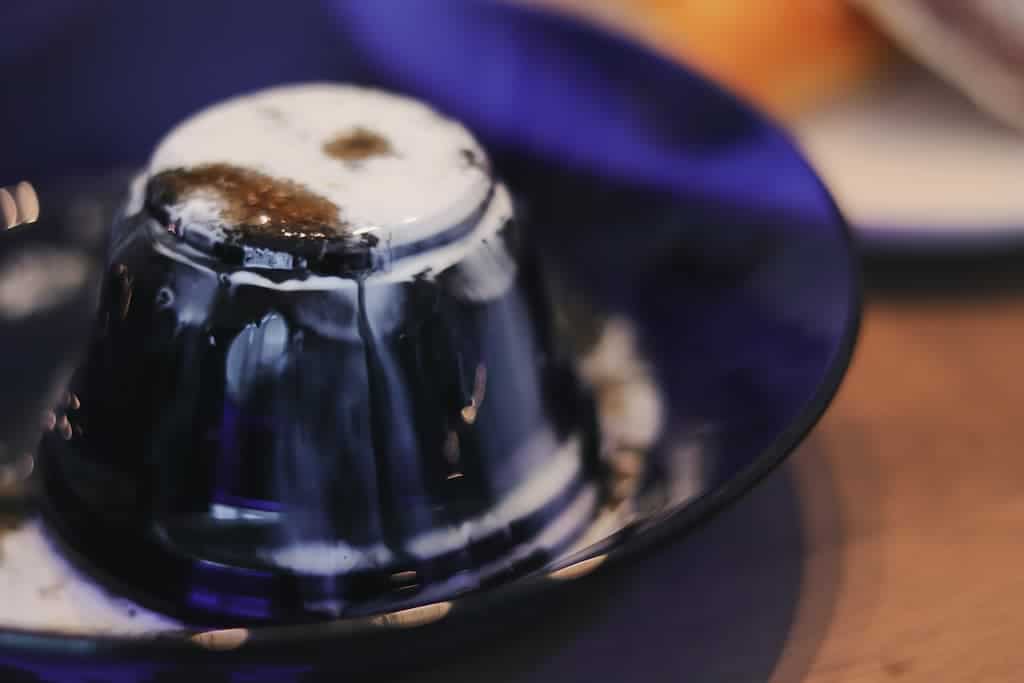
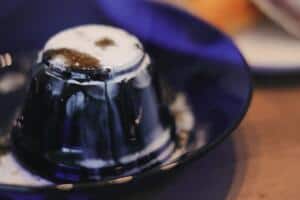
Coffee jelly (コーヒーゼリー) is a chilled Japanese dessert made from sweetened coffee and gelatin. It has a firm, jiggly texture and a bittersweet flavor. Topped with fresh cream or milk, it feels cool, smooth, and deeply refreshing. This classic café dessert appears in kissaten coffee shops, family restaurants, and convenience stores all across Japan. The idea of eating coffee might sound strange at first. Most people who try it become instant fans.
What is Coffee Jelly?
Coffee jelly is essentially coffee you eat rather than drink. Strong brewed coffee mixes with sugar and a gelling agent, then chills in a refrigerator until firm. The result is silky, jiggly cubes of coffee-flavored jelly. Dark roasted beans work best. Their bold bitterness offsets the sweetness of the sugar and prevents the flavor from tasting flat when cold. Agar or gelatin gives the jelly its signature bounce. A pour of cream or milk over the top creates a contrast that many people find impossible to resist. It is both grown-up and playful at the same time.
Why is Coffee Jelly So Popular in Japan?
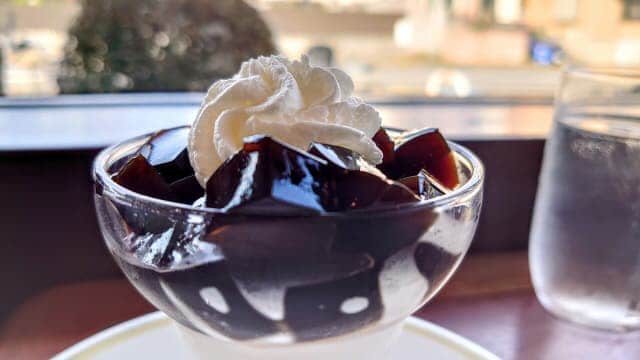
Japan has a deep and long-standing coffee culture. Kissaten, the retro Japanese coffee shops of the Showa era, shaped how people consumed coffee for generations. These cafés prized calm, precision, and restrained flavors. Coffee jelly fit naturally into that world: sophisticated, low in sugar, and deeply aromatic. It matched Japan’s preference for desserts that are not overwhelmingly sweet.
Beyond kissaten, coffee jelly found a home in Japanese convenience stores. Any 7-Eleven, Lawson, or FamilyMart stocks ready-made cups during summer. Few Japanese Japanese sweets are this widely available. That accessibility is a major reason it became a national classic. Some people buy a cup every single day in July and August.
History of Coffee Jelly in Japan
The story of Japanese coffee jelly goes back further than most expect. On April 3rd, 1914, the Yomiuri Shimbun newspaper published a coffee jelly recipe during the Taisho period. Home cooks made it as a simple seasonal treat for warm months. The commercial story, however, began in 1963 at Mikado Coffee in Karuizawa. The café added coffee jelly to its summer menu and marketed it as “eating coffee.” It was a hit immediately.
By 1970, supermarkets started selling ready-made versions. Coffee jelly became part of everyday Japanese life from that point. Some historians note that earlier European recipes from the 19th century included similar jellied coffee dishes. Japan, though, transformed the concept into a genuine everyday café dessert. That transformation made the Japanese version something entirely its own.
What Does Coffee Jelly Taste Like?
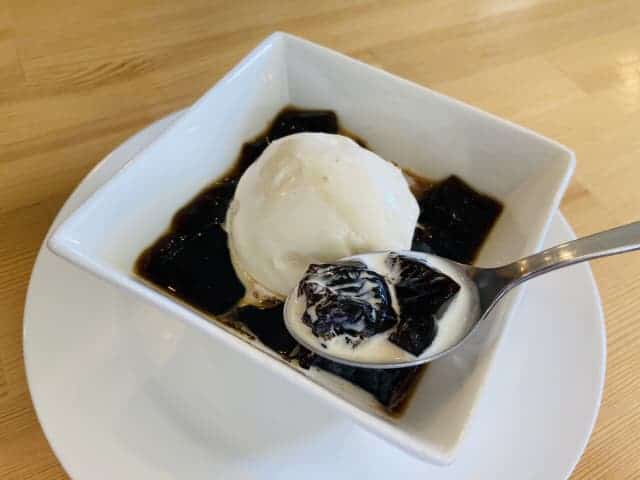
The flavor lands somewhere between a chilled espresso and a creamy café dessert. Each bite is cool, smooth, and slightly firm. Dark roasted coffee gives the jelly a bittersweet, roasted depth. Sugar rounds the edge without making it cloying. When cream or milk pours over the top, the contrast arrives instantly: cold, bitter jelly meeting soft, sweet dairy.
Some people describe it as the most satisfying version of an iced coffee they have ever had. Others find the firm texture surprising on first bite. Both reactions make sense. Coffee jelly is genuinely unlike anything else in the dessert world. It has a grown-up flavor profile with a fun, jiggly character.
Why Coffee Jelly Feels So Refreshing
Coffee jelly sits in a sweet spot between coffee and dessert. Its sweetness level is noticeably lower than most Western desserts. The chilled, silky texture feels especially cooling during Japan’s hot and humid summers. It does not sit heavily after a meal. The caffeine provides a gentle lift without the warmth of a hot drink. This combination of light sweetness, cool texture, and roasted aroma explains why Japanese people reach for it on sweltering days.
Gelatin vs Agar: Which Should You Use?
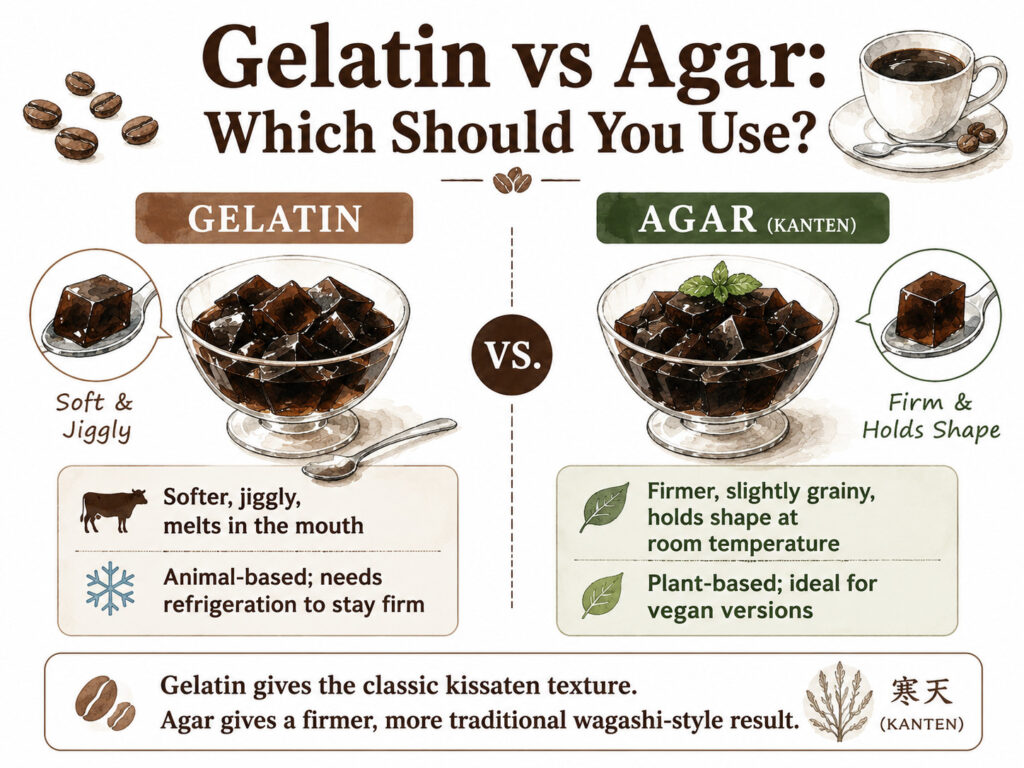
Both gelatin and agar set coffee into jelly, but they create quite different results. The choice depends on your texture preference and dietary needs.
| Setting Agent | Texture | Notes |
|---|---|---|
| Gelatin | Softer, jiggly, melts in the mouth | Animal-based; needs refrigeration to stay firm |
| Agar (Kanten) | Firmer, slightly grainy, holds shape at room temperature | Plant-based; ideal for vegan versions |
Gelatin gives the classic kissaten texture most people imagine. Agar produces a firmer, more traditional wagashi-style result. Many home cooks in Japan use agar for its plant-based properties and easy room-temperature stability. Try both and see which version suits you better.
How to Make Coffee Jelly at Home
Coffee Jelly Ingredients (Serves 2)
| Ingredient | Amount |
|---|---|
| Instant coffee (dark roast) | 2 tbsp |
| Sugar or syrup | 3 tbsp |
| Gelatin (or agar powder) | 10g |
| Hot water | 400ml |
| Topping options | |
| Milk, fresh cream, or coffee creamer | To taste |
How to Make Coffee Jelly
Sprinkle gelatin gradually into 2 tablespoons of cold water. Add it little by little to avoid clumping. Let it absorb fully for about 5 minutes before the next step.
Bring 400ml of water to a boil, then turn off the heat. Add instant coffee, sugar, and softened gelatin. Stir slowly and gently to avoid creating bubbles, as a clear jelly looks far more elegant.
Let the mixture cool slightly at room temperature, then pour into cups or a shallow container. Refrigerate for at least 3 hours until fully firm. The jelly will become glossy, dark, and perfectly bouncy.
Pour fresh cream, milk, or coffee creamer over the jelly just before eating. Serve cold. The cream softens the bitterness and creates the classic coffee jelly experience.
Creative Ways to Serve Coffee Jelly
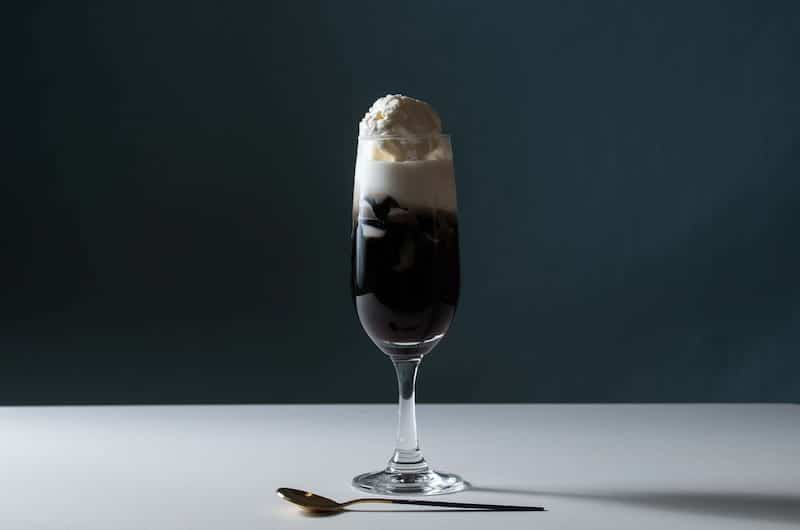
With Coffee Creamer
If the bitterness feels too strong, pour coffee creamer or condensed milk over the top. The sweetness mellow out the edge instantly. This is the most common everyday serving style in Japan.
With Whipped Cream or Ice Cream
Add a generous dollop of whipped cream or a scoop of vanilla ice cream on top. The cold creaminess against the firm jelly is a classic contrast. Fresh fruit like strawberries or banana slices also work beautifully as extra toppings.
With Cereal for Breakfast
This one might surprise you. Add cubed coffee jelly to a bowl of cereal and milk. The jelly softens slightly and adds a cool, caffeinated element. It works as both a dessert and a creative morning option.
Tiramisu-Style with Mascarpone
For a richer version, spoon mascarpone cheese mixed with granulated sugar over the jelly. Whip the mixture until smooth before adding it. The result feels like a Japanese-Italian fusion dessert that is genuinely impressive.
Japanese Parfait Style
Layer coffee jelly cubes with boiled azuki beans, shiratama dumplings, and vanilla ice cream in a tall glass. This Japanese-style parfait brings together Western and traditional elements in one elegant cup. Most of the extra ingredients are available at any Japanese convenience store or supermarket.
Coffee Jelly in Modern Japan
Coffee jelly has moved well beyond the kissaten. Convenience store chains sell millions of cups each summer season. Packaged versions come in different coffee strengths and cream ratios. Some brands offer agar-set versions aimed at health-conscious buyers.
The dessert also made a splash in modern café culture. Starbucks Japan released a Coffee Jelly Frappuccino that generated significant buzz when it launched. Specialty cafés now serve coffee jelly in parfait form, float form, and even as a drinkable layered dessert. Pop culture added another layer of interest. The anime series “The Disastrous Life of Saiki K.” features coffee jelly as a running obsession of the main character. Many international viewers tried the dessert after watching the show. That is how a retro Japanese café sweet quietly became a global curiosity.
Where to Try Coffee Jelly in Tokyo
Cafe Gel Lab (カフェ ジェル ラボ)
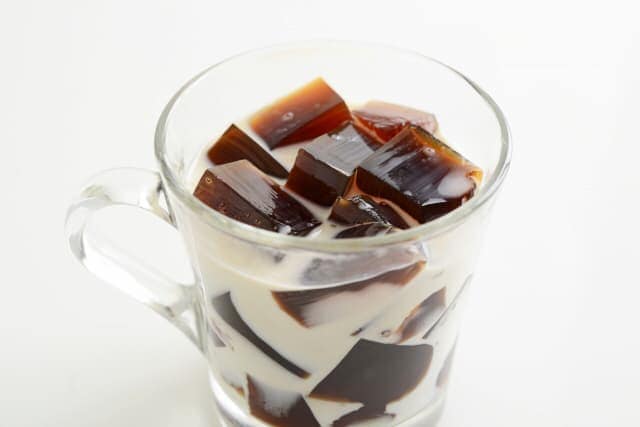
A dedicated coffee jelly café in Itabashi, Tokyo. The menu divides into standard, special, premium, and decaffeinated categories. One standout here is a drinkable coffee jelly creation that blurs the line between jelly and beverage. Worth visiting if you want to see how far this dessert can go.
Cafe Bach
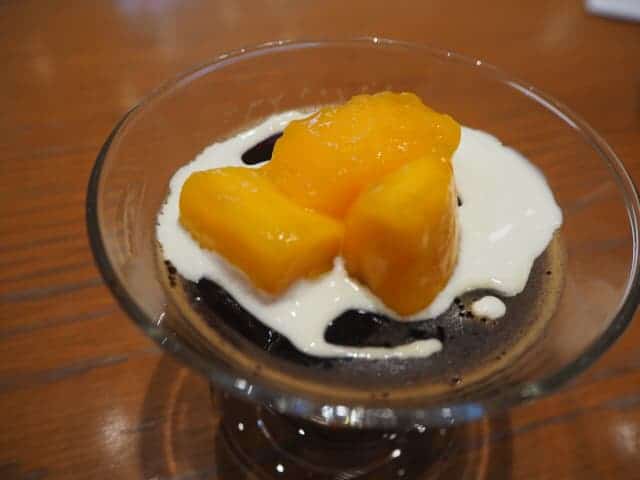
One of Tokyo’s most respected coffee shops, located in Taito Ward. The summer menu runs from July to September and features “Coffee Jelly and Blancmange.” Two layers sit in the glass: dark coffee jelly on one side, milky blancmange on the other. The balance between bitterness and cream is precise. Coffee lovers consider this a must-visit.
Café Facon
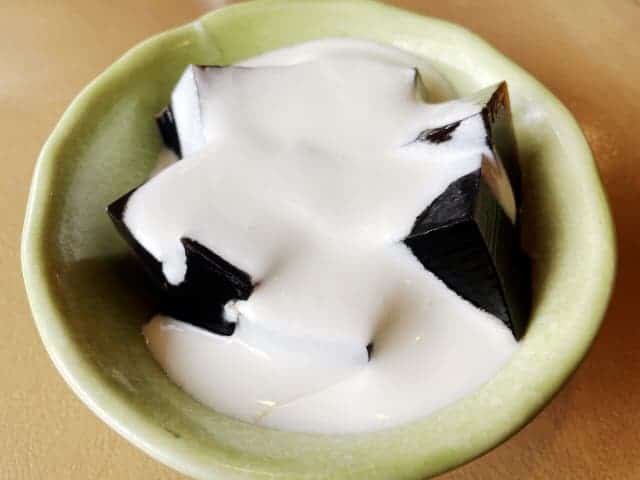
A calm, stylish café tucked in a back alley of Nakameguro. The signature dish is “Magic Coffee Jelly,” a layered cup of matcha, vanilla ice cream, red bean paste, and freshly poured coffee that sets into jelly at the table. It is theatrical, delicious, and very photogenic. The relaxed atmosphere makes it a good spot to linger over dessert.
Tajimaya Coffee Shop
A Showa-era institution in Shinjuku with over 50 years of history. The retro interior alone is worth the visit. Their homemade coffee jelly uses carefully roasted house beans and has been on the menu since the shop opened. The “Coffee Zenzai” is a standout: coffee jelly combined with brown sugar syrup, kinako soybean flour, red bean paste, and cream. The mix of Japanese and Western flavor is genuinely surprising and memorable.
Takeaway
Coffee jelly has been part of Japanese food culture for over a century. The bitter-sweet balance, the cool silky texture, and the sheer simplicity of the recipe explain its lasting appeal. At home it takes under 15 minutes of active work. At a kissaten café, it arrives as a quietly elegant dessert. Convenience store, it costs less than a cup of coffee and hits just as well. The idea of eating coffee still sounds odd to many people. One bite tends to change that opinion completely.
Looking for other chilled Japanese desserts to explore? Browse our full collection of Japanese sweets for more inspiration.
Coffee Jelly FAQ
What is coffee jelly?
Coffee jelly is a chilled Japanese dessert made from sweetened brewed coffee and a gelling agent like gelatin or agar. It sets into firm, jiggly cubes with a bittersweet, roasted flavor. It is typically served with cream, milk, or ice cream on top. You can find it at kissaten cafés, family restaurants, and convenience stores across Japan.
Is coffee jelly Japanese?
Yes, it is considered a Japanese dessert. While similar jellied coffee recipes appeared in older British and American cookbooks, Japan turned it into a mainstream everyday café dessert during the 20th century. A recipe appeared in the Yomiuri Shimbun as early as 1914. Mikado Coffee in Karuizawa popularized it commercially in 1963.
What does coffee jelly taste like?
The flavor is bittersweet and roasted, similar to a chilled espresso. The texture is silky, firm, and cool. When cream or milk pours over the top, the contrast between bitter jelly and sweet dairy creates a satisfying balance. The sweetness level is lower than most Western desserts, which many people find appealing.
Why is coffee jelly popular in Japan?
Japan has a strong kissaten (traditional coffee shop) culture that values restrained, aromatic flavors. Coffee jelly matched that preference perfectly. Its low sweetness, cool texture, and bittersweet taste suit Japan’s humid summers. The dessert also spread through convenience stores, making it one of the most accessible summer treats in the country.
Does coffee jelly contain caffeine?
Yes, it does. Coffee jelly uses real brewed coffee, so it contains caffeine just like a regular cup. The exact amount depends on how strong the coffee is and how large the serving is. If caffeine is a concern, you can use decaffeinated coffee instead and the jelly will still set and taste great.
Is coffee jelly eaten cold?
Yes, always. Coffee jelly is a chilled dessert that needs refrigeration to set and to taste its best. Eating it straight from the fridge is the standard way in Japan. Gelatin-based versions can soften or melt at room temperature, so keep them cold until the moment of serving.
Can I make coffee jelly at home?
Yes, and it is surprisingly simple. Brew strong coffee, dissolve sugar and gelatin into it, then chill for 3 hours. The active preparation time is under 15 minutes. Use dark roasted beans for the best flavor. Top with cream or milk before serving for the classic Japanese café experience.
What is the difference between gelatin and agar in coffee jelly?
Gelatin creates a softer, mouth-melting texture and needs refrigeration to stay firm. Agar creates a firmer, slightly grainy jelly that holds its shape at room temperature. Gelatin is animal-based, while agar is plant-based and vegan-friendly. Both work well for coffee jelly; the choice comes down to texture preference and dietary needs.
Where can I buy coffee jelly in Japan?
Almost anywhere during summer. Convenience stores like 7-Eleven, Lawson, and FamilyMart sell ready-made cups for around 100 to 200 yen. Kissaten cafés and family restaurants serve freshly made versions with cream. Tokyo specialty cafés like Cafe Bach and Café Facon offer elevated, multi-layered versions worth seeking out.
References
- Yomiuri Shimbun Archive – Coffee Jelly Recipe Publication, April 3rd, 1914 (cited in multiple Japanese food history sources): yomiuri.co.jp
- Mikado Coffee Karuizawa – Official History (2024): mikado-coffee.com
- Bon Appétit – “Make Coffee Jelly, the Jiggly Japanese Dessert You Need to Try” (2021): bonappetit.com
- Japan Guide – Kissaten and Japanese Coffee Culture Overview (2024): japan-guide.com
- Food in Japan – Japanese Desserts Guide: foodinjapan.org/tag/dessert/

Comments