Sapporo is Japan’s most underrated food city. As Hokkaido’s capital, it sits at the center of Japan’s most productive agricultural island, drawing on exceptional dairy, world-class seafood from icy northern waters, and a farming culture unlike anywhere else in the country. The result is food that is hearty, ingredient-driven, and deeply satisfying: the birthplace of miso ramen, the home of soup curry, and the city where fresh sea urchin costs a fraction of what you’d pay in Tokyo. This guide covers 20 essential dishes with prices, the best areas, and insider tips.
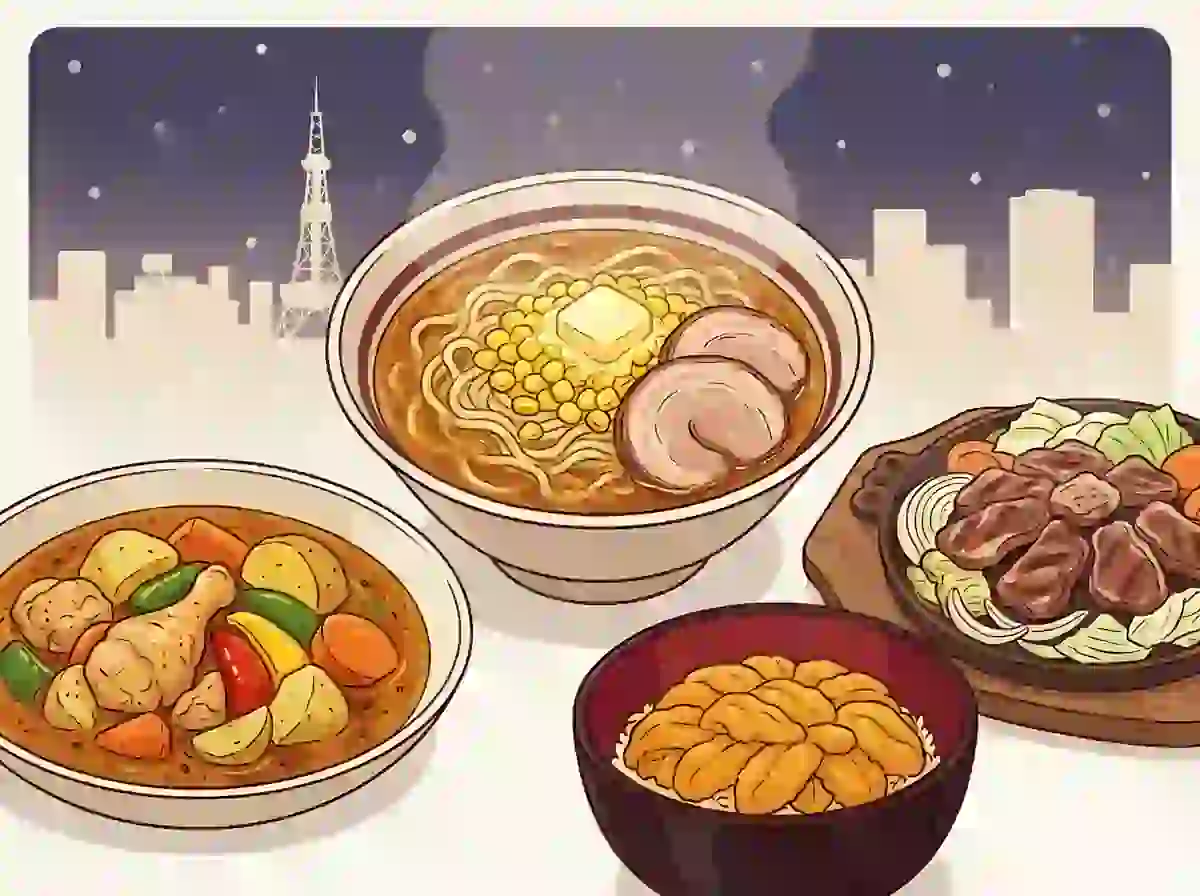
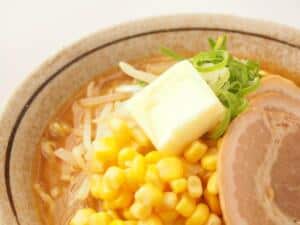
Sapporo ramen is one of Japan’s three great ramen styles and the dish the city is most famous for. The base is a rich miso broth, intensely savory and slightly sweet, served with thick wavy noodles. Toppings include corn, butter, bean sprouts, and chashu pork. The butter melts slowly into the hot broth, adding a richness that makes each bowl deeply satisfying. Most shops offer all three styles — miso, soy sauce, and salt — but miso is the undisputed specialty.
The Susukino area has the highest concentration of ramen shops, several open past midnight. The famous Ganso Sapporo Ramen Yokocho (Ramen Alley) near Susukino has been operating since 1951 and remains an essential stop.
Order tip: Ask for miso with corn and butter topping if not already included. Most locals eat it in winter to warm up after walking through the snow.
Kushiro ramen offers a completely different experience to Sapporo ramen. The broth is a light, clear soy sauce base with a delicate bonito and kombu dashi — clean and elegant. The noodles are extremely thin and curly, cooking in seconds. It stands in sharp contrast to Sapporo’s hearty miso bowl and shows the remarkable range of Hokkaido ramen styles.
Order tip: Try a half portion alongside a Sapporo miso bowl to experience both styles in one sitting. The contrast is striking.
Muroran curry ramen is Hokkaido’s most surprising ramen style: a tonkotsu or soy base spiked with curry spices, producing a fragrant, warming bowl unlike anything in the rest of Japan. It originated in Muroran, a port city one hour south of Sapporo, but is now found at specialty shops throughout the city. The curry aroma hits before the bowl reaches your table.
Order tip: A must for anyone who loves both ramen and soup curry. The combination of rich pork broth and curry spice creates a depth that neither achieves alone.
🍛
Soup CurrySapporo invented soup curry in the 1970s and still does it better than anywhere else
Soup curry is Sapporo’s most original food invention: a thin, deeply spiced broth loaded with large, slow-roasted vegetables and a choice of protein, eaten by dipping rice separately rather than mixing it in. The vegetables — half a roasted pepper, a full carrot, a whole potato — stay intact rather than dissolving. The broth is herbal and complex, built on dozens of spices. Every restaurant has a unique spice blend they keep secret.
You choose your spice level (from 1 to 40 or more at some shops) and your protein. The Nakajima Koen and Odori areas have the highest density of respected soup curry shops.
Order tip: Choose chicken leg at medium spice for the classic Sapporo experience. Pair with a cold Sapporo beer. The rice is served separately — dip it into the broth with each spoonful.
5
Zangi (ザンギ)ザンギ · Hokkaido Fried Chicken
¥¥ · ¥600–¥1,000~$4–$7
Zangi is Hokkaido’s name for its own style of fried chicken, marinated in soy sauce, garlic, ginger, and sake before battering and deep frying. The result is juicier and more intensely seasoned than standard karaage. The name comes from the Chinese word “zha ji” brought to Hokkaido in the 1960s. It is a staple at izakaya, convenience stores, and local diners throughout Sapporo.
Order tip: Look for it on izakaya menus across Susukino. Excellent alongside soup curry as a side dish — the crispy exterior and marinated meat pair well with the spiced broth.
🐑
Grills and MeatHokkaido’s farming heritage produces outstanding lamb, beef, and game
6
Jingisukan (ジンギスカン)ジンギスカン · Grilled Lamb BBQ
¥¥¥ · ¥2,000–¥4,000~$13–$27
Jingisukan is Hokkaido’s most beloved BBQ style: thin slices of lamb and mutton grilled on a domed iron skillet over charcoal, with vegetables cooked in the dripping fat around the edges. Hokkaido raises most of Japan’s sheep, making the lamb fresher and less gamey than anywhere else in Japan. The classic pairing is grilled lamb with cold draft beer.
The Sapporo Beer Garden in Higashi Ward is the most famous venue, seating 2,200 people. Lamb buffet sets run about ¥3,500 per person. Smaller, excellent jingisukan restaurants are found throughout Susukino.
Order tip: Try raw lamb (namazuke) if available — it has a cleaner flavor than the marinated version. Take the Toho Line to Higashi-Kuyakusho-mae for the Beer Garden.
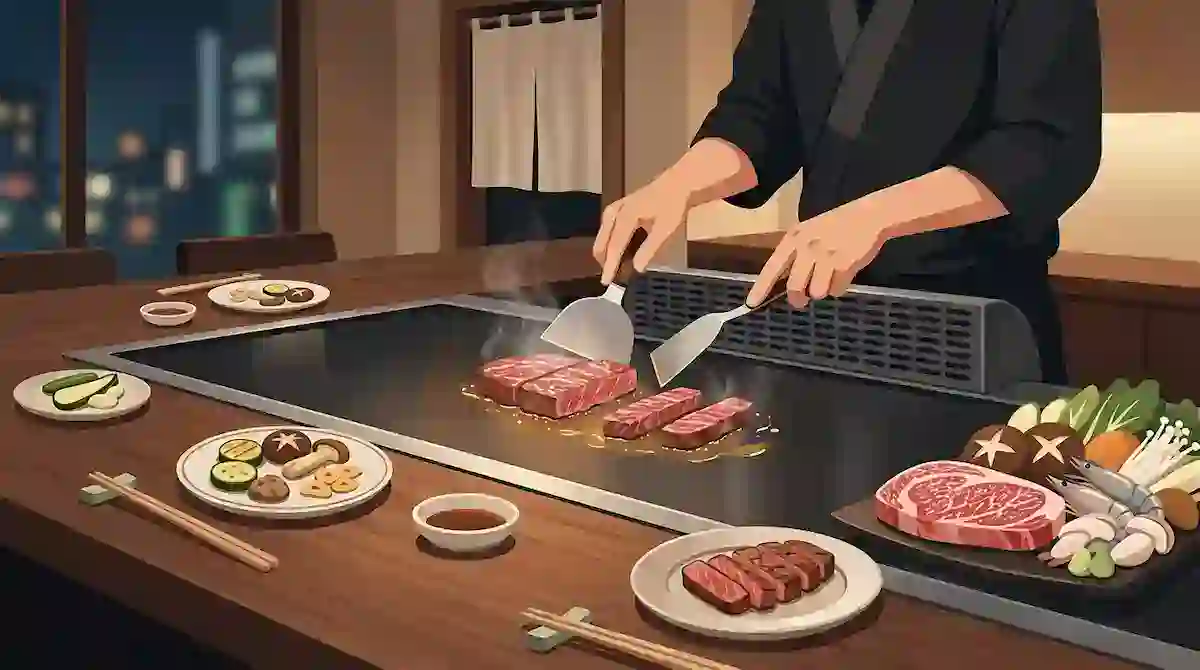
Ezo deer cuisine is one of Hokkaido’s most distinctive culinary experiences. Ezo deer are native to Hokkaido and hunted sustainably throughout the island. The meat is exceptionally lean, high in protein, and deeply flavored. It appears as carpaccio, steak, burgers, and hot pot. It is a Hokkaido food experience unavailable anywhere else in Japan.
Order tip: Ask for ezo shika steak for the most direct introduction. Season with provided salt before adding sauce — the pure flavor is remarkable on its own.
8
Lamb Shabu-Shabu (ラムしゃぶ)ラムしゃぶ · Lamb Hot Pot
¥¥¥–¥¥¥¥ · ¥3,000–¥6,000~$20–$40
Lamb shabu-shabu is a Sapporo specialty where paper-thin lamb slices are swished briefly in a light kombu broth and dipped in ponzu or sesame sauce. It delivers all the clean lamb flavor of jingisukan with a more delicate, refined presentation. Hokkaido’s cold climate produces lamb with a firmer fat that melts beautifully in hot broth.
Order tip: An excellent choice for those who find jingisukan too smoky. Finish the meal by adding noodles or rice into the enriched broth — most Hokkaido restaurants offer this as standard.
🦀
SeafoodHokkaido’s waters produce some of the finest seafood in the world
Uni don is the dish most visitors come to Sapporo specifically to eat. A bowl of warm Japanese rice topped with a thick layer of fresh Hokkaido sea urchin — bright orange, creamy, and sweet with a clean ocean finish. Hokkaido produces two types: murasaki uni (purple sea urchin, milder) and bafun uni (short-spined, more intensely flavored). The quality difference between Hokkaido uni and what is served in Tokyo is immediately obvious.
Order tip: Choose bafun uni if budget allows. Peak season runs June to August. Nijo Market opens from 7am — arrive early for the freshest selection.
Ruibe is a traditional Ainu food: raw salmon or trout frozen solid and then sliced thin, served at the table where it slowly melts on the tongue. The freezing eliminates parasites and transforms the texture into something between sashimi and ice cream — silky, cold, and pure. It originated as a winter preservation method by the indigenous Ainu people of Hokkaido.
Order tip: Order it at the start of the meal while still frozen. Pick up a slice and let it melt partially before eating — the experience changes completely as the temperature shifts.
Shishamo is a small fish found exclusively along the Pacific coast of Hokkaido, eaten whole after grilling. The female shishamo, packed with roe, is most prized. The skin is crispy, the meat tender, and the roe adds a salty, popping richness. True Hokkaido shishamo is available only in autumn. What most restaurants outside Hokkaido serve is capelin from Norway — much cheaper and far less flavorful.
Order tip: Ask specifically for honshishamo (true shishamo) at izakaya. Eat the whole fish — bones and all. Squeeze a wedge of lemon over the top before eating.
Matsumae zuke is a Hokkaido pickle made from dried squid, herring roe (kazunoko), and kombu seaweed marinated in soy sauce, sake, and mirin. The kombu softens into tender, sticky strands while the squid adds chew and the roe adds pop. It is intensely umami and pairs perfectly with hot white rice.
Order tip: Available at Nijo Market as both a side dish and souvenir. It travels well refrigerated. Pair with Yumepirika rice for the full Hokkaido combination.
🥛
Dairy and ProduceHokkaido produces over half of Japan’s dairy and some of its finest vegetables
Hokkaido soft cream is the best soft serve ice cream in Japan, full stop. The high butterfat content of Hokkaido milk creates a richness that makes regular soft serve taste thin by comparison. Every dairy farm, road station, and tourist spot sells their own version. In Sapporo, the Sapporo Factory shopping complex, Nijo Market, and the Odori Park area all have excellent options.
Order tip: Try the milk flavor first to appreciate the pure dairy quality before exploring matcha or melon variations. Eat immediately before it melts — even in winter, this is a Sapporo tradition.
Hokkaido corn is available July through September and is unlike any corn sold in Tokyo. Long summer days and cold nights cause the kernels to accumulate more sugar than corn grown in warmer climates. Varieties like Pixy and Snow Lady are milky white and taste almost like dessert.
Order tip: The grilled soy butter version (yakitomorokoshi) is available from July at Nijo Market stalls. Buy it, eat it immediately, and understand why Hokkaido locals talk about it all year.
Yumepirika is Hokkaido’s most celebrated rice variety, developed over ten years to be the sweetest and most glutinous rice in Japan. It consistently ranks first or second in Japan’s national rice quality surveys. Sticky, glossy, and sweet, it pairs perfectly with Hokkaido butter and fresh salmon roe.
Order tip: Try it as a simple rice set at any traditional Sapporo restaurant. A bowl of plain Yumepirika with a small piece of Hokkaido butter is a revelation that no amount of description can prepare you for.
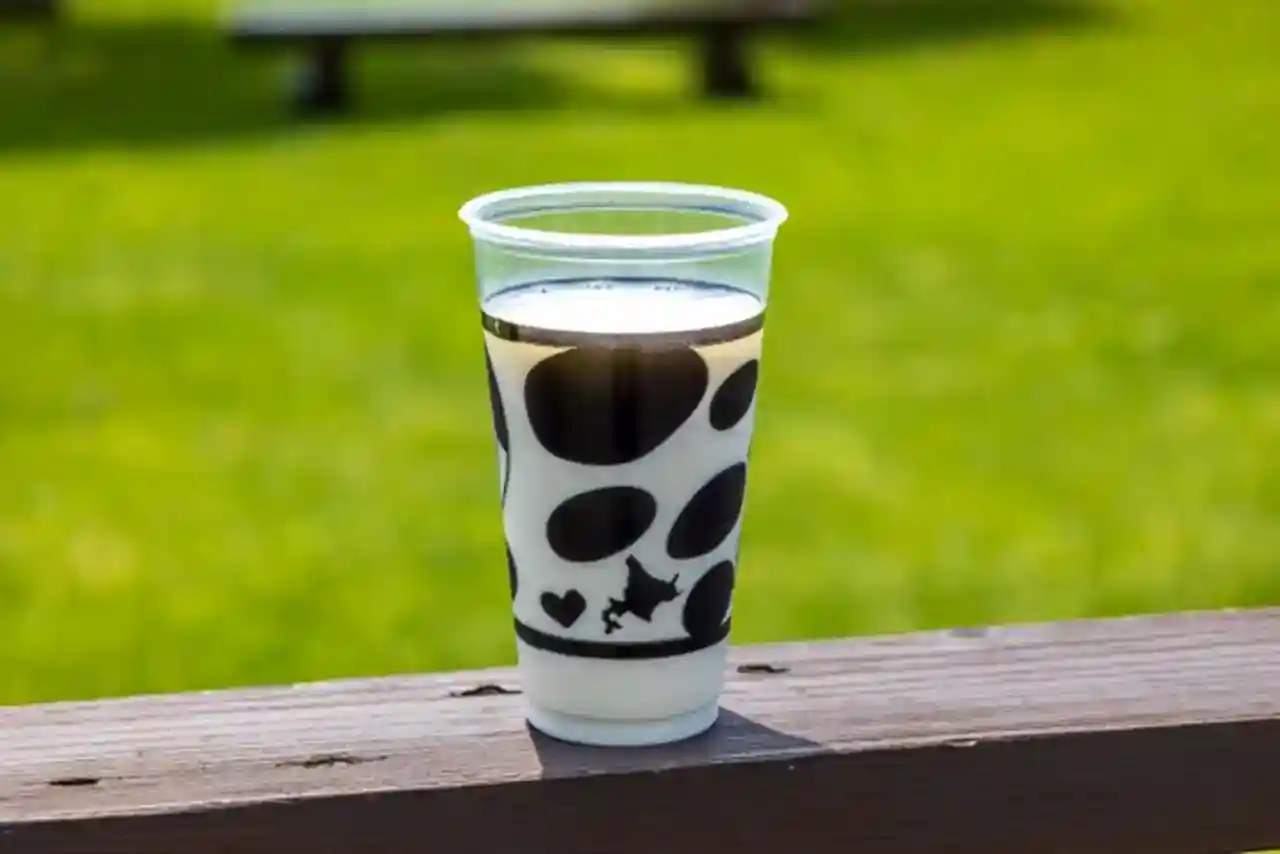
Hokkaido milk is the foundation of the island’s entire food identity. Hokkaido produces over half of Japan’s total milk supply, and the cold climate, clean water, and vast pastureland give it a richness and sweetness that milk from other prefectures simply cannot match. Drunk straight from a carton, it is noticeably creamier, with a clean, slightly sweet finish. The same milk powers Hokkaido’s butter, cheese, soft cream, and confectionery — including Shiroi Koibito and the soft serve you will find on every street corner.
Beyond drinking milk, the Tokachi region in eastern Hokkaido is Japan’s cheese-making center, producing camembert, gouda, and fresh cheeses from small farms. Tokachi wine pairs beautifully with local cheeses for a distinctly Hokkaido tasting experience.
Where to try: Buy a small carton of Hokkaido milk from any convenience store on arrival — the quality difference from home is immediately obvious. The department store food halls (depachika) in Odori and Sapporo Station carry farm-specific cheeses and butters unavailable anywhere else in Japan.
🍡
Sweets and SnacksHokkaido’s dairy and produce power some of Japan’s best confectionery
Shiroi Koibito is Hokkaido’s most famous souvenir and one of Japan’s most recognized regional sweets. A thin, crispy langue de chat cookie sandwiches a layer of white chocolate made from Hokkaido milk. It is light, buttery, and not overly sweet. Created by Ishiya Confectionery in 1976, it is sold at nearly every Sapporo shop and at the dedicated Shiroi Koibito Park factory in Nishi Ward.
Order tip: Buy it fresh at the factory for the best texture. The dark chocolate version (Shiroi Koibito Dark) appeals to those who find the original too sweet. The factory includes a tour, museum, and cafe.
Imo mochi is a Hokkaido snack made from mashed potato mixed with starch, formed into small chewy cakes that are pan-fried and glazed with sweet soy sauce. The outside is golden and slightly crispy. The inside is soft and starchy, almost like a firm mochi. A traditional farmhouse snack that now appears at street stalls and markets throughout Sapporo.
Order tip: Best eaten fresh from the pan while still hot. The butter soy sauce version is the most popular — the fat from the butter elevates the sweet glaze significantly. Available year-round at Nijo Market.
Jaga pokkuru is a Calbee snack exclusive to Hokkaido and one of the most sought-after souvenirs in Japan. Thin, crispy sticks of Hokkaido potato seasoned simply with salt and konbu seaweed. The genuine potato flavor is unlike any mass-market chip. It was once so popular that it sold out daily at New Chitose Airport.
Buy tip: Buy several bags — they do not survive the journey home intact. The mentaiko flavor limited edition appears and disappears without warning. Buy it immediately if you see it.
Chitose ame is a traditional Japanese candy given to children during the Shichi-Go-San festival in November. The long, thin candy sticks represent long life and good health. Available at traditional confectionery shops and festival stalls throughout Sapporo year-round. Flavors range from plain sugar to matcha, strawberry, and yuzu.
Buy tip: A distinctive and lightweight souvenir with genuine cultural meaning. The packaging — long red and white striped bags featuring cranes and turtles — is as iconic as the candy itself. Find them at Nijo Market and traditional wagashi shops near Odori Park.
📍 Where to Eat by Area
Sapporo’s food is spread across several distinct neighborhoods, all connected by a clean and efficient subway system.
🍜 Susukino
Ramen Alley (est. 1951) — miso ramen
Jingisukan restaurants (late night)
Izakaya with zangi and local sake
Most open past midnight
🏪 Nijo Market
Uni don from 7am
Fresh seafood bowls
Matsumae zuke and imo mochi
Hokkaido corn (summer)
🌳 Nakajima Koen Area
Respected soup curry shops
Lamb shabu-shabu restaurants
Quiet neighborhood izakaya
🏙️ Odori / Underground Mall
Depachika Hokkaido cheese & dairy
Soup curry restaurants
Soft cream and confectionery shops
🍺 Sapporo Beer Garden
Definitive jingisukan (~¥3,500 buffet)
Unlimited draft Sapporo beer
Toho Line → Higashi-Kuyakusho-mae
🏭 Shiroi Koibito Park
Factory tour and museum
Fresh-made Shiroi Koibito
Cafe with Hokkaido dairy desserts
Budget Breakdown: A Day of Eating in Sapporo
Meal
Dish
Cost (¥)
Cost (USD)
Breakfast
Uni don at Nijo Market
¥2,000–¥3,500
~$13–$23
Lunch
Soup curry with chicken leg
¥1,200–¥1,800
~$8–$12
Snack
Soft cream + Jaga Pokkuru
¥600–¥900
~$4–$6
Dinner (casual)
Jingisukan + draft beer
¥3,000–¥4,500
~$20–$30
Dinner (ramen)
Sapporo ramen + zangi
¥2,000–¥3,000
~$13–$20
Souvenirs
Shiroi Koibito + Jaga Pokkuru
¥1,500–¥3,000
~$10–$20
💡 Practical Tips
Best season for foodSummer (June–Aug) for corn, uni, and markets. Winter (Dec–Feb) for ramen, jingisukan, and the Sapporo Snow Festival.
Getting aroundSapporo’s subway covers all major food areas. A one-day pass costs ¥830. Most food neighborhoods are within walking distance of each other.
Nijo Market hoursMost stalls open from 7am. The freshest seafood sells out by 10am. Arrive early for the best uni selection.
LanguageSapporo is highly international due to ski tourism. Many ramen shops and tourist areas have English menus or picture menus.
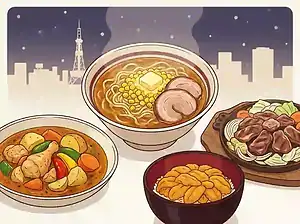
Sapporo ramen is the city’s most iconic dish — a rich miso broth with thick wavy noodles, corn, butter, and chashu pork. Soup curry is Sapporo’s most original invention and equally essential to any visit.
Where should I eat ramen in Sapporo?
Ganso Sapporo Ramen Yokocho (Ramen Alley) in Susukino is the most atmospheric spot, with over a dozen shops in a narrow laneway open since 1951. The Susukino area more broadly has the highest density of respected ramen shops, most open past midnight.
Is Sapporo good for seafood?
Yes. Hokkaido’s cold northern waters produce outstanding sea urchin, crab, salmon, and shishamo. Nijo Market is the best place for fresh seafood bowls from 7am. Quality and prices are both significantly better than Tokyo.
What is soup curry?
Soup curry is a Sapporo invention: a thin, spiced broth served with large roasted vegetables and a protein. The rice is served separately and dipped into the broth. You choose the spice level. It was created in Sapporo in the 1970s and is completely different from regular Japanese curry.
When is the best time to visit Sapporo for food?
Summer (June to August) is best for fresh corn, sea urchin, and outdoor markets. Winter (December to February) brings excellent hot ramen, jingisukan, and the famous Sapporo Snow Festival in early February.
What is jingisukan?
Jingisukan is Hokkaido’s grilled lamb BBQ, cooked on a domed iron skillet. Hokkaido raises most of Japan’s sheep, making the lamb fresher and less gamey than anywhere else. The Sapporo Beer Garden is the most famous venue, seating 2,200 people.
Is Hokkaido food vegetarian-friendly?
Hokkaido cuisine is largely meat and seafood-based. Soup curry is the most vegetarian-adaptable dish, with tofu or vegetable-only options at most restaurants. Dairy products, corn, and potato snacks are also vegetarian.
What are the best Sapporo food souvenirs?
Jaga pokkuru (Hokkaido potato sticks), Shiroi Koibito (white chocolate cookies), and matsumae zuke (seaweed and squid pickle, refrigerated) are the most popular. All are available at Sapporo Station and New Chitose Airport. If you can drink it before heading home, Hokkaido milk fresh from a convenience store is one of the great simple pleasures of visiting the island.








Comments