




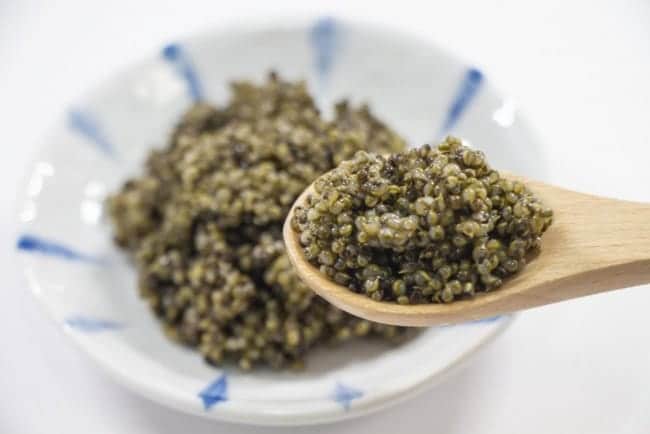
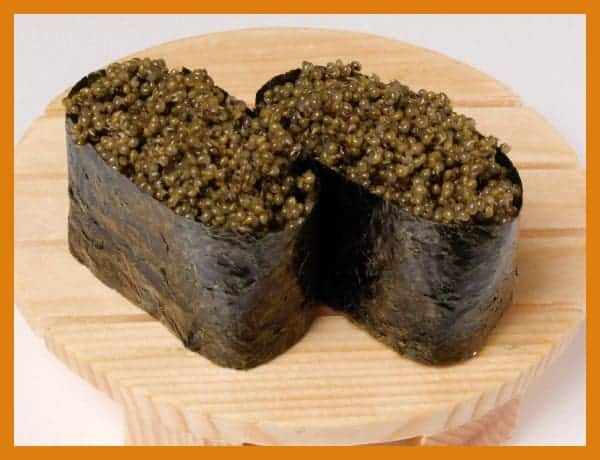
看起來就像魚子醬!Tonburi「とんぶり」是日本當地人稱為「陸地魚子醬」的食材。它吃起來也一樣嗎?為什麼他們叫它田間魚子醬?那麼,它是蔬菜還是水果?通常會把它加到哪裡呢?
什麼是 Tonburi?
我很確定很多人會覺得很奇怪。隨著我們繼續聊下去,可能會冒出許多疑問。所以,Tonburi 到底是什麼?
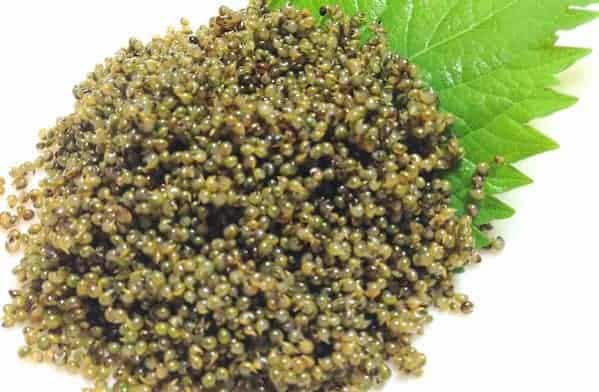
Tonburi 是「kochia scoparia」果實中的種子。這種植物也以「bassia scoparia」這個名稱而聞名。種子會經過清洗與乾燥的處理流程。而當地人之所以稱它為田間魚子醬,是因為它與真正的魚子醬有許多相似之處。
秋田縣是 Tonburi 的最大產地。事實上,現在它也成了當地相當搶手的產品之一。
第一眼:小巧的綠色寶石
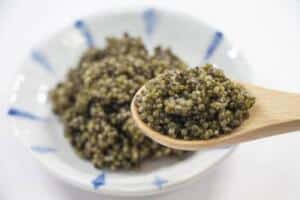
那小碟端上來時,裡頭看起來像是閃亮的深綠色魚子醬。每一顆約 1 到 2 毫米的小種子,都帶著一種出乎意料的光澤感 。老實說我有點猶豫,心想它們會不會有魚腥味。但香氣卻意外地清新、帶著蔬菜般的氣息,幾乎就像雨後聞到的花園味道 。
令人驚喜的口感
第一口真的出乎意料。那些小小的種子在齒間彈開,帶著令人滿足的脆彈口感,還會輕輕搔弄舌尖 。有人形容那觸感有點像麻糬小丸子 。我一邊咀嚼一邊著迷:怎麼這麼小的東西,竟能帶來如此難忘的感受。
味道:清淡柔和
它的風味非常細緻——想像洋薊心遇上花椰菜,底下還隱約帶著一點堅果香 。吃起來幾乎像是微小的「味道海綿」,會吸收與它搭配的各種滋味。有些人覺得它幾乎沒什麼味道,而這點老實說反而很適合拿來當作風味畫布 。拌上醬油和薑之後,它又會完全變成另一種風貌 。
陸地魚子醬的特徵
如你現在所知,陸地魚子醬是 Tonburi 的另一個名稱。這是因為兩者在外觀與口感上有相似之處。
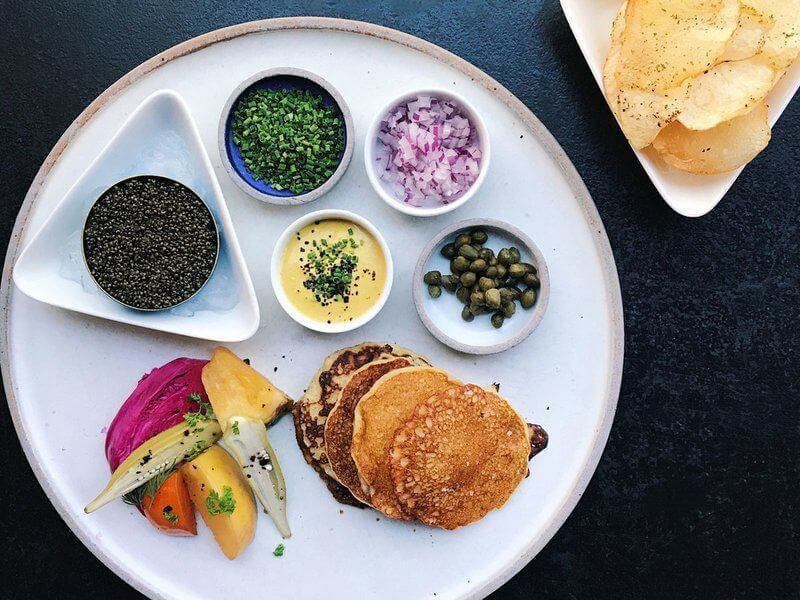
外觀
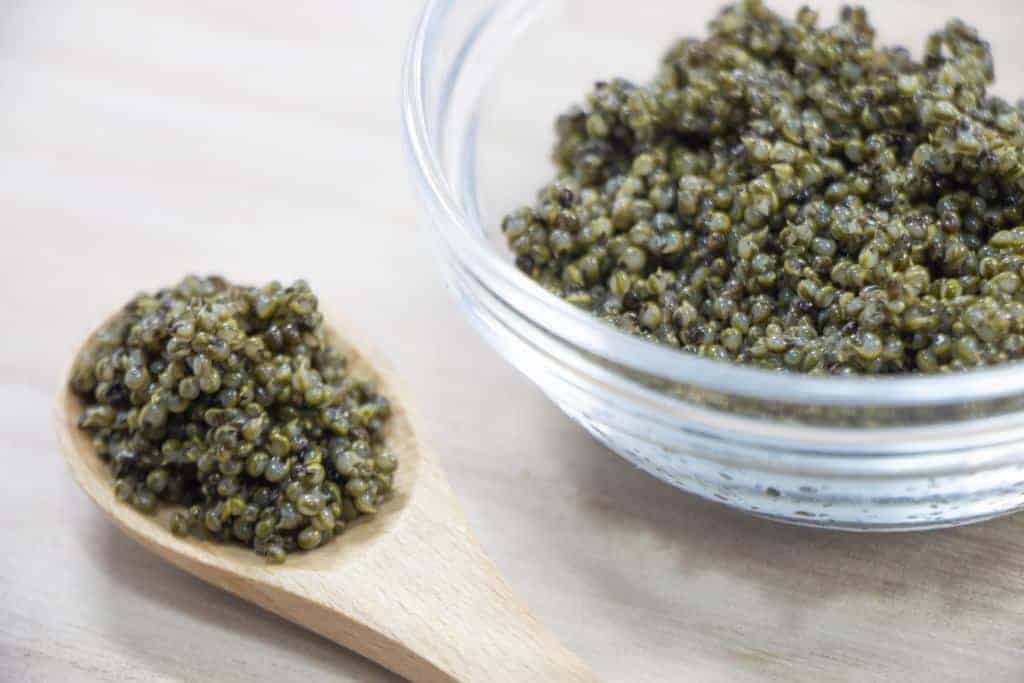
約 2mm 的綠色珍珠狀種子很像魚卵。也有一些處理方法能讓它看起來更有光澤;越亮,就越像真正的魚子醬。
口感與味道
Tonburi 具有爽脆的口感。事實上,有人把它的味道比作花椰菜。也有人說它沒什麼味道。雖然種子本身可能味道不強,但它仍是許多人喜愛的食材之一。
Tonburi 健康嗎?
Aside from dietary fiber, Tonburi also contains vitamins and minerals that promote healthy metabolism. It also has nutrients that are favorable to the skin. On the other hand, vegans can eat Tonburi since it comes from a plant.
除了膳食纖維之外,Tonburi 也含有能促進健康代謝的維生素與礦物質,並含有對皮膚有益的營養素。另一方面,由於它來自植物,素食者也可以食用 Tonburi。
陸地魚子醬的熱量也很低。以 80 克 Tonburi 來說,熱量只有約 72 大卡。因此,對於注重健康的人而言,它是很棒的食材選擇。很多女性會把它當作飲食中的常用食材。
對於糖尿病患者來說,田間魚子醬也對你有幫助。它含有「momordicine」,可幫助降低血糖水平。它的作用類似胰島素,幫助細胞利用葡萄糖並將其輸送到肌肉。
這種健康食物另一個優點是含有「saponin」。它具有抗菌效果,也能防止脂肪氧化。含有 saponin 的食物包括茶與胡蘿蔔。
這些就是 Tonburi 在日本 1000 多年來被稱為「超級食物」的主要原因。
如何準備田野魚子醬?
處理 Tonburi 非常繁瑣。徹底清潔種子極其重要。此外,將種子完全乾燥同樣關鍵。以下是做出閃亮 Tonburi 的步驟。
Of course, harvesting ripe fruits of the summer cypress is the first step of the entire process. Take out the seeds of the ripe fruits.
After taking out the seeds ofkochia scoparia, boil it for about 30 minutes. Make sure to continue stirring while waiting for it to boil. This step can be strenuous due to continuous stirring but this will help the seeds not to stick together.
You will notice that the seeds become thicker as it simmer. For large amount, use a wooden paddle for easier stirring.
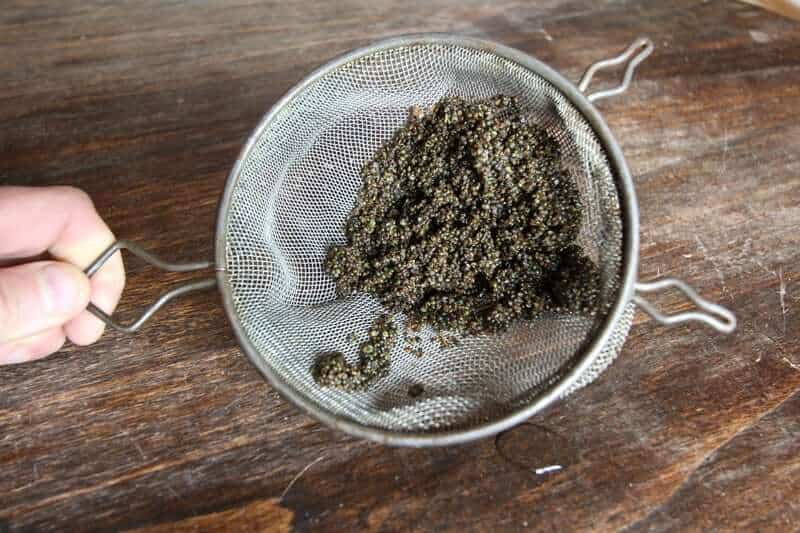
Next, use a sturdy colander to drain the water from the seeds. After this process, you will notice that the seeds look a bit like cooked rice. Although, it shouldn’t be sticking together at this point. Then, leave it to dry for at least 12 hours. Air drying is the best for this process.
The next step would be removing the skin without crushing the flesh of the seed. Previously, people would manually peel the seeds. However, due to fast innovation, there’s a machine that can do this process faster and more efficiently. This machine starts working back in 1975 and is now one of the top secrets of this industry.
Rinsing the peeled seeds is a very tedious process. It takes a few rounds of cleaning before it can move forward to the next step. Repeatedly rinsing the seeds using clear water ensures removal of foreign objects.
They use huge plastic colanders during this process and moves it rhythmically while checking for foreign objects.
Drying the seeds is the final part of the long and meticulous process. After being thoroughly cleaned, the seeds are left to dry for at least 8 hours. There are instances wherein it takes longer to dry to ensure that all excess waters will be drained. Finally, the seeds undergo a final checking to remove other objects that the machine may have missed.
コメント