Sendai is Tohoku’s gateway city, and its food scene reflects everything the region does best. Surrounded by mountains, rivers, and the Pacific coast, the city earns its title as 杜の都 (Mori no Miyako) — the City of Trees — and that natural richness shows up on every plate. The most famous dish is Gyutan, grilled beef tongue, but Sendai’s culinary identity runs far deeper: fresh Sanriku seafood, centuries-old miso tradition, highland whisky, and a culture of honest, seasonal cooking that rewards slow exploration. This guide covers 20 essential foods — with prices, the best neighborhoods, and tips for making the most of every meal.
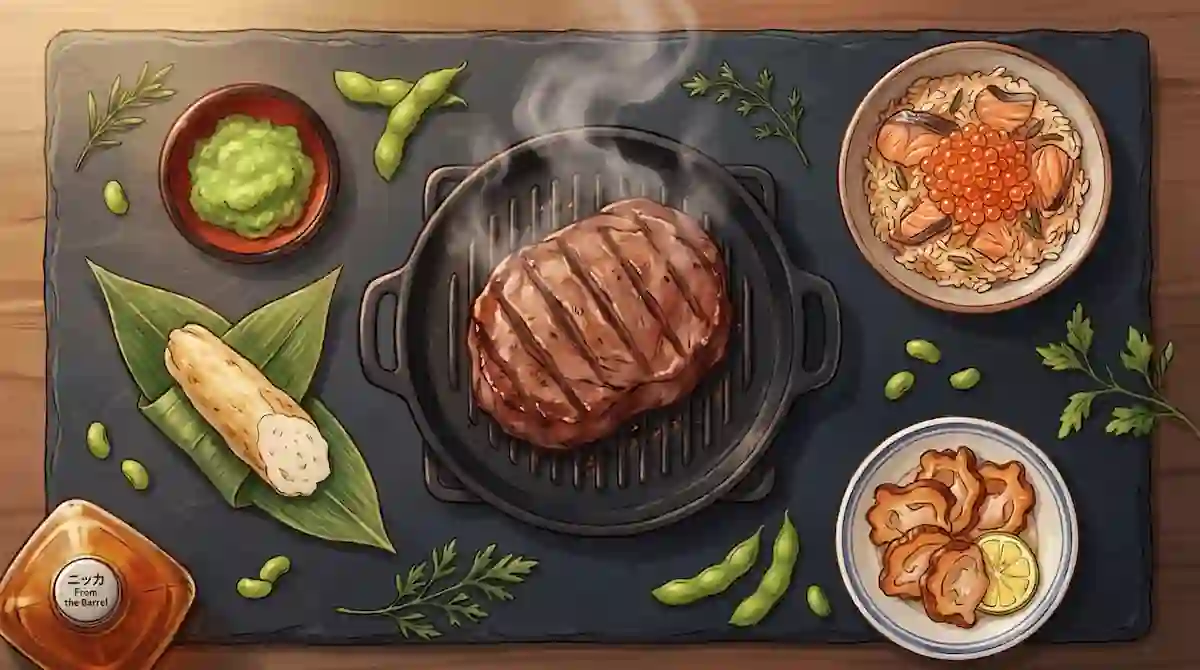
Gyutan is Sendai’s most celebrated dish: thick slices of beef tongue, salted and aged briefly, then grilled over high-heat charcoal until the outside caramelizes and the inside stays juicy. The texture is unlike any other beef cut — substantial, slightly springy, and deeply savory in a way that builds with each bite. Sendai chefs slice the tongue far thicker than anywhere else in Japan. That thickness is deliberate. It is the whole point.
The dish was invented in 1948 by chef Sano Keishiro at his restaurant Tasuke, who developed the recipe after the postwar period left a surplus of beef offal in the city. Today, Gyutan Street (牛タン通り) inside Sendai Station houses a concentration of the city’s best-known restaurants, including Rikyu, Kisuke, and Negishi. Each shop has its own salt-aging process and charcoal technique. The differences are real and worth exploring.
The standard set (teishoku) comes with barley rice, pickled vegetables, and oxtail soup — an essential combination. The oxtail soup uses the rest of the tongue in a rich, clear broth that has simmered for hours. Do not skip it.
Order “jo” (上) grade for thicker cuts from the base of the tongue, which are richer and more tender. Eat the gyutan immediately off the grill — letting it cool changes the texture completely. The barley rice is served refillable at most teishoku sets.
🌊
Seafood from the Sanriku Coast
Miyagi’s Pacific waters produce oysters, salmon, sea pineapple, and pacific saury at their absolute best
Harako meshi is the dish that defines Sendai’s autumn table. Local salmon is simmered in dashi, soy, and mirin, and that cooking liquid is then used to steam the rice. Slices of cooked salmon and a generous scatter of ikura (cured salmon roe) are placed on top. The warmth of the freshly cooked rice gently warms the cold roe, and the two meld into something extraordinarily good.
This dish is strictly seasonal: the local salmon run in Miyagi waters happens in October and November. Outside those months, the quality drops noticeably. If your visit coincides with autumn, this should be your first meal.
The best harako meshi is found in the fishing towns of Watari and Yamamoto, about 40 minutes south of Sendai by train. Several ryokan and local restaurants there serve it as a lunch set during salmon season. Book ahead.
¥¥ to ¥¥¥ · ¥150–¥350 per oyster; sets from ¥1,500
Coastal Classic
Matsushima Bay — one of Japan’s three most celebrated scenic views — is also one of the country’s finest oyster-farming grounds. The cold, nutrient-rich water from multiple river mouths produces oysters that are plump, deeply briny, and clean on the finish. Season runs from October through March.
The most memorable way to eat them is grilled over coals at one of the roadside stalls near the bay, served still steaming in the shell with a wedge of lemon. The shell comes off with a knife, the liquor stays inside, and the whole thing is eaten in one go while looking out at the pine-covered islands. It is difficult to improve on that experience.
Kaki fry (breaded, deep-fried oysters) is a related must-try — Matsushima oysters fried in coarse panko with homemade tartar sauce are widely served at Sendai izakaya during season. Order both raw and fried to compare.
Hoya is one of those ingredients that divides people sharply. Miyagi produces the vast majority of Japan’s harvest, and eating it fresh in Sendai is as good as it gets anywhere. The flavor is intensely oceanic — salty, slightly bitter, mineral-forward, with a finish that lingers. Raw, sliced thin, sometimes with a little ponzu or soy sauce.
Even many Japanese people find hoya challenging on first encounter. But serious eaters who come to Sendai and avoid it are missing one of the region’s most distinctive flavors. Go in without expectations. Order a small portion alongside something more familiar.
The freshest hoya is available at Sendai’s Uminomori Aqua Park area fish markets and at izakaya in Kokubuncho district. Ask for “sashimi style” — the raw preparation shows the flavor most clearly.
Pacific saury arrives in Tohoku waters from late August through October, and the Miyagi fishing ports of Kesennuma and Shiogama receive some of the first and freshest catch of the season. Grilled whole over high heat, the skin crackles and the fatty flesh — rich with omega oils — falls cleanly from the bone.
The preparation is almost deliberately minimal: salt, a squeeze of sudachi or kabosu citrus, grated daikon on the side, and a bowl of barley rice. The restraint is the point. A fish this fresh needs nothing else. In September, restaurants in Sendai list sanma as a daily special almost without exception.
Visit Shiogama fish market (40 minutes from Sendai Station by Senseki Line) on a weekend morning for the freshest sanma directly from landing boats. The market’s second floor restaurants serve it grilled for lunch from around ¥1,000.
Shirako — cod milt, or sperm sacs — appears on Sendai menus from December through early March, when Miyagi’s offshore cod season peaks. The texture is extraordinarily soft, close to silken tofu but with a creamier quality. The flavor is mild and oceanic, with a gentle richness that makes it easy to understand why it is considered a winter delicacy.
It is served raw as sashimi, lightly fried as tempura, or simmered in hot pots. The tempura version is the gentlest introduction: the batter adds some structure and slightly masks the texture for those approaching it cautiously. Raw is how purists eat it.
Shirako from Miyagi’s cold Pacific waters has a cleaner, less assertive flavor than that from the Sea of Japan side. Order it raw with ponzu for the best impression. Available at most seafood-focused izakaya in Kokubuncho from December.
🌾
Rice, Mochi & Comfort
Miyagi grows some of Japan’s finest rice — and turns it into some of the country’s best mochi and rice bowls
Zunda mochi is the taste most associated with Sendai: pounded glutinous rice dressed in a smooth, gently sweet paste made from fresh edamame (green soybeans). The color is a soft, almost luminous green. The flavor is mild and faintly grassy, less sweet than most wagashi, with a subtle savory note from the soybean base.
It exists in many forms — traditional mochi, soft-serve ice cream, parfaits, cake, and even lattes. The most authentic version is the mochi, eaten cold or at room temperature. Zunda Shaken near Sendai Station is famous for its zunda soft serve and shake, while traditional wagashi shops in the city sell the mochi version year-round.
The zunda soft cream at Sendai Station’s Zunda Shaken costs around ¥450 and is one of the most accessible introductions to the flavor. For the traditional mochi version, head to Kansendo or Honke Matsukiya in central Sendai.
Hitomebore — the name means “love at first sight” — is Miyagi’s most celebrated rice variety, developed in 1981 as a cross of Koshihikari. Each grain is slightly glossy and plump, with a clean, subtly sweet flavor and a texture that clings together just enough without becoming heavy.
It is the rice served in nearly every quality restaurant in Sendai, usually without fanfare. Pay attention to it alongside your gyutan or seafood. It is doing meaningful work that a lesser rice would not. High-end ryokan in the region often feature hitomebore prominently on their menus as an ingredient worth noting.
Take home a 2kg bag of hitomebore from Sendai Station’s souvenir shops or any supermarket in the city. It is one of the most practical and genuinely excellent edible gifts from Miyagi.
Aburafu don is a Miyagi original built around aburafu, a cylinder of wheat gluten that has been deep-fried until golden and chewy. Sliced and simmered with onion, dashi broth, soy, and mirin, then finished with a beaten egg poured over the top, it arrives over white rice in the style of oyakodon.
The aburafu absorbs the broth like a sponge, becoming savory and soft in the center while retaining a slight chew from the crust. It is hearty without being heavy. Vegetarians who struggle to find satisfying options in Japan will find this genuinely good. Originally from Wakuya Town in northern Miyagi, it is now widely available across Sendai.
Several lunch restaurants near Sendai Station’s west exit serve aburafu don as a set with miso soup and pickles. The dish is on most menus in the ¥900–¥1,200 range — excellent value for the quality.
10
Fukkura-san
ふっくらさん · Miyagi Heirloom Rice
¥¥ · ¥200–¥400 per serving; ¥900–¥1,800 for a 2kg bag
Artisan Rice
Fukkura-san is a lesser-known Miyagi rice variety, grown by small-scale agricultural cooperatives using low-pesticide methods. It is softer and slightly stickier than hitomebore, with a more pronounced sweetness and a distinctly comforting texture. The name means “fluffy and plump” — accurate in both physical and emotional senses.
Food shops affiliated with agricultural cooperatives in the city center carry it alongside hitomebore. Comparing the two at the same meal, if you can arrange it, reveals something interesting about the range of flavor even within one prefecture’s rice culture. Miyagi takes rice seriously in a way that rewards attention.
Cooperative food shops such as A-COOP and JAM in Sendai carry fukkura-san in small gift bags. A 2kg bag makes an excellent, practical souvenir for anyone who cooks at home.
🍱
Local Classics
Dishes that define everyday life in Sendai — from street-food kamaboko to generations-old miso tradition
Sasa kamaboko is one of Sendai’s most recognizable foods: a fish cake hand-pressed into the shape of a bamboo leaf, then grilled until lightly browned on the outside and soft within. The texture is firm and slightly springy — satisfying in a way that is hard to describe until you eat one fresh from the grill.
Made from white fish such as pollock or flounder, the flavor is clean, mildly savory, and genuinely good without sauce or seasoning. At branded shops near Sendai Station — Kaneiri and Shinko are the most established names — you can watch the fish cakes being made and grilled to order.
Eat one warm, directly from the grill, before considering whether to buy a gift box. The difference between fresh and packaged is significant. Cheese-filled and spicy versions are available, but the plain original is the best introduction.
¥ · ¥200–¥500 for a bowl of soup; ¥600–¥1,800 for a block
400-Year Tradition
Sendai miso is one of Japan’s great regional misos: a deeply savory, slowly fermented red miso with a history stretching back over four hundred years. The story holds that Tokugawa Ieyasu had it produced to provision his armies during the Sengoku period. Whether or not that detail is entirely accurate, the miso itself is exceptional — earthy, complex, and significantly richer in umami than lighter varieties.
It appears in soups, marinades, stews, and condiments across the region. A bowl of properly made miso soup using Sendai miso is not a side dish to be ignored. It has genuine depth and a slightly rough texture from the longer fermentation. Several local breweries sell small blocks at Sendai Station and through specialty food shops.
Buy a 300g block of Sendai miso as a souvenir from the basement food floor of Fujisaki Department Store or from S-PAL Sendai in the station. It keeps for months and transforms home cooking immediately.
Okuzukake is a traditional Miyagi dish that most visitors never encounter — which is precisely why it is worth seeking out. Root vegetables, aburafu, tofu, and thin wheat starch noodles are simmered together in a light dashi broth, then thickened with kudzu starch into a silky, softly cohesive stew.
It looks unassuming. The flavor is gentle, honest, and warm in a way that feels genuinely nourishing rather than spectacular. Historically served at Buddhist memorial gatherings and seasonal celebrations, eating okuzukake offers a glimpse into Tohoku’s food traditions that the more famous dishes do not quite provide.
Some traditional Japanese restaurants near Zuihoden Mausoleum and in the older parts of central Sendai still serve okuzukake as part of a teishoku set. Ask specifically — it may not appear on translated menus.
Bakke miso is a spring condiment made from the first shoots of the butterbur plant (fuki no to), sautéed with Sendai miso, sesame seeds, and mirin. The result carries the characteristic slight bitterness of early spring wild vegetables, tempered by the sweetness and depth of the miso base.
It is eaten spread on rice, served alongside grilled fish, used as a dipping sauce for vegetables, or stirred into noodles. Seeing it on a restaurant menu is a reliable signal that the kitchen is cooking seasonally and paying attention to Tohoku’s foraging traditions. Available mainly from February through April.
Jars of bakke miso are sold at Sendai’s specialty food shops and some department store basement food floors during spring. It makes an excellent edible gift — unusual, genuinely local, and delicious on plain rice.
Sendai zouni is the local version of Japan’s New Year’s mochi soup, and it differs dramatically from Tokyo or Kyoto versions. The broth base is Sendai miso — red and deeply savory. A whole piece of salmon is included in the bowl alongside soft mochi, vegetables, and narutomaki. The combination of red miso broth, rich salmon, and yielding mochi is unlike zouni found anywhere else in Japan.
It is primarily a New Year dish, made at home from January 1st through the first week of the year. Some traditional restaurants in Sendai serve it year-round for visitors. If you are in Sendai in early January, this is the dish to find.
Several ryokan and traditional Japanese restaurants around Zuihoden and in central Sendai serve sendai zouni year-round. Call ahead to confirm availability — it is not always listed prominently on English menus.
🥃
Miyagi Whisky & Sake
Mountain water and highland air produce some of Japan’s most refined single malts — right here in Miyagi
The Nikka Connection: Masataka Taketsuru — the founder of Japanese whisky — chose the mountains of Miyagi for his second distillery specifically for the quality of the water and the cool highland climate. Both Miyagikyo and Nikka from the Barrel have roots here. Exploring them alongside Sendai’s food is a complete and deeply satisfying regional experience.
¥¥¥ · ¥1,200–¥2,500 per glass; ¥5,000–¥12,000 per bottle
World Class
Miyagikyo whisky is distilled at the Nikka Miyagikyo distillery in the mountains west of Sendai, where the Hirose and Nikkawa rivers meet. The single malt is known for its soft, elegant, fruit-forward character — lighter and more floral than many Scottish counterparts, with a clean sweetness that makes it approachable even for those new to whisky.
The distillery offers free tours with tasting. The drive from Sendai through the Nikkawa valley takes about 40 minutes and passes through scenery that explains immediately why Taketsuru chose this location.
Book the distillery tour online in advance — they often fill up, particularly on weekends. The tasting flight at the end includes Miyagikyo single malt, Nikka Coffey grain, and a blended expression. Driving back is not advisable; use the direct bus from Sendai Station or a taxi.
¥¥¥ · ¥900–¥1,500 per glass; ¥2,800–¥3,500 per 500ml bottle
Iconic Bottle
Nikka from the Barrel is one of Japan’s most internationally recognized whiskies — a boldly flavored blended expression bottled at high strength, with minimal filtration and no water reduction. The result is dense, rich, and considerably more complex than the 51.4% ABV number might suggest on first approach.
The square bottle is immediately recognizable. The whisky inside rewards slow drinking: wood-aged richness, dried fruit, and a long finish that develops over time. Pairing it with gyutan or sasa kamaboko in a Sendai whisky bar is a combination that makes complete sense geographically and in terms of flavor.
Nikka from the Barrel is widely available at liquor shops, convenience stores, and department store food floors across Sendai. The 500ml bottle is convenient to travel with and makes an excellent souvenir for whisky-interested friends.
¥¥ · ¥600–¥1,400 per glass; ¥1,500–¥4,000 per bottle
Regional Craft
Miyagi’s sake brewing tradition is fed by cold mountain water, hitomebore rice, and a brewing culture that has developed over centuries in the Tohoku highlands. The prefecture’s sake tends toward clean, dry, and subtly fruity profiles — styles that pair exceptionally well with fresh seafood. Breweries such as Ichinokura, Urakasumi, and Sendai Shuzo produce regionally celebrated labels with distinct characters.
Most izakaya in Sendai carry a selection of local sake by the glass or glass carafe. Drinking Miyagi sake alongside fresh oysters or harako meshi is the most natural combination and completes the picture of what this region’s food culture actually tastes like together.
The izakaya district of Kokubuncho (国分町) in central Sendai has the highest concentration of sake-focused bars. Many offer tasting sets of three local varieties for ¥1,200–¥1,800 — an efficient way to find your preference before ordering a full glass.
🍡
Sendai Sweets
Zunda in every form, and the restrained wagashi tradition of Tohoku’s largest city
19
Zunda Soft Cream
ずんだソフトクリーム · Edamame Soft Serve
¥ to ¥¥ · ¥380 to ¥650 (~$2.50 to $4.50)
Sendai Station Classic
Zunda soft cream is the most accessible introduction to Sendai’s defining flavor. A swirl of pale green soft-serve, made from sweetened edamame paste blended into a cream base, it has a gentle, mildly sweet flavor with a faint savory note that keeps it from being cloying.
Zunda Shaken, located inside Sendai Station, is the most visited zunda shop in the city. The soft cream and the zunda shake (a cold blended drink) are both excellent quick stops before boarding a train. The shop also sells traditional zunda mochi in small trays for eating on the platform.
The zunda shake is a surprisingly good combination — creamy, cold, and more refreshing than the soft cream on a warm day. Both are available year-round, not just in summer.
20
Sendai Wagashi
仙台の和菓子 · Traditional Confections
¥¥ · ¥150 to ¥600 per piece; gift boxes ¥1,200–¥3,500
Traditional Craft
Sendai’s wagashi tradition is less flamboyant than Kyoto’s, which is part of its appeal. Anko mochi, steamed rice cakes with sweet red bean paste, and seasonal namagashi made from Miyagi rice flour carry a northern restraint — less sweet, more textural, built for pairing with the bitterness of matcha rather than for standalone indulgence.
Several long-standing confectionery shops in Sendai are worth visiting. Kansendo near Sendai Castle ruins has been producing traditional wagashi for generations. Honke Matsukiya on Jozenji Street offers a quieter setting with tatami seating and seasonal confections made with local ingredients. Both serve matcha alongside their sweets.
Jozenji Street (定禅寺通り) in central Sendai has a concentration of traditional and modern confectionery shops within easy walking distance of each other. A self-directed wagashi walk along this tree-lined boulevard is one of the most pleasant ways to spend an afternoon in the city.
📍 Where to Eat by Area
🚉 Sendai Station
🐄 Gyutan Street (east exit, B1)
🐟 Sasa kamaboko shops
🌿 Zunda Shaken (soft cream)
🎁 All Miyagi souvenir foods
🌃 Kokubuncho (国分町)
🦪 Hoya izakaya counters
🥃 Sake and whisky bars
🐄 Gyutan dinner restaurants
🍱 Late-night Sendai miso sets
🏯 Zuihoden / Ichibancho
🍡 Traditional wagashi shops
🍱 Okuzukake & local teishoku
☕ Jozenji Street cafés
🍜 Sendai zouni restaurants
🌊 Matsushima (Day Trip)
🦪 Grilled roadside oysters
🦞 Fresh seafood lunch sets
🚂 40 min by Senseki Line
🍡 Pine island souvenir sweets
🐟 Shiogama Fish Market
🌊 Sanma (autumn season)
🍱 Harako meshi lunch sets
🦪 Fresh oysters and sashimi
🚂 40 min by Senseki Line
🏔 Nikkawa Valley (Day Trip)
🥃 Nikka Miyagikyo Distillery
🍶 Miyagikyo tasting tour
🚌 40 min by bus from Sendai
🌿 Forest highland scenery
Budget Breakdown: A Day of Eating in Sendai
Meal
Dish
Cost (¥)
Cost (USD)
Breakfast / Snack
Zunda soft cream + sasa kamaboko (Sendai Station)
¥550–¥900
~$4–$6
Lunch
Aburafu don or harako meshi set
¥1,000–¥1,800
~$7–$12
Afternoon
Grilled oysters at Matsushima (3 pieces)
¥600–¥900
~$4–$6
Dinner (casual)
Gyutan teishoku at Gyutan Street
¥2,200–¥3,800
~$15–$25
Evening drinks
Miyagi sake or Nikka glass at Kokubuncho izakaya
¥800–¥1,500
~$5–$10
Dinner (special)
Premium gyutan + oxtail soup full course
¥5,000–¥8,000
~$33–$53
Day total (casual)
~¥5,150–¥8,900
~$34–$59
💡 Practical Tips for Eating in Sendai
🕐 Hours and Getting Around
Gyutan Street inside Sendai Station opens from 11am and most restaurants close by 9–10pm. The Kokubuncho izakaya district is liveliest from 6pm onwards and runs until midnight or later. Sendai City Subway has two lines covering all major food areas; a one-day pass costs ¥840. Matsushima and Shiogama are accessible by the Senseki Line from Sendai (IC card accepted). Sendai is a Shinkansen hub: 1h 40min from Tokyo, 2h from Shin-Hakodate-Hokuto.
📅 Seasonal Planning
Autumn (October–November) is peak season: harako meshi, Matsushima oysters, and sanma are all at their best simultaneously. Spring (February–April) brings bakke miso and fresh mountain vegetables. The Sendai Tanabata Festival in early August draws large crowds — book gyutan restaurants well in advance. Winter (December–March) is shirako season at seafood izakaya.
💳 Cash and Payment
Many traditional gyutan restaurants, small izakaya, and wagashi shops are cash-only. Bring at least ¥5,000–¥10,000 in cash for a full day of eating. Sendai Station’s Gyutan Street shops and department store basement food floors (Fujisaki, S-PAL) accept cards universally. 7-Eleven and Lawson ATMs throughout the city accept foreign cards.
🌿 Dietary Considerations
Aburafu don is the most accessible vegetarian-friendly option in Sendai restaurants. Zunda mochi and most wagashi are suitable for vegetarians. Okuzukake is traditionally made without meat but often uses fish-based dashi — confirm when ordering. Sendai miso soup may include clam or fish stock at many restaurants. Apps like HappyCow list dedicated vegetarian and vegan options in central Sendai.
🎁 Best Sendai Souvenir Foods
Vacuum-sealed sasa kamaboko (keeps 4–5 days), jarred bakke miso (keeps months), Sendai miso blocks, a bag of hitomebore rice, and a bottle of Nikka from the Barrel are the most thoughtful and genuinely local options. All available at S-PAL Sendai (station basement) or Fujisaki Department Store B1 food floor.
Sendai food represents a unique culinary culture from the Tohoku region. Chefs make it with thick beef tongue, fresh seafood, and sweet edamame. Food lovers know it for its charcoal-grilled flavors and rich, comforting hot pots.
Where does Sendai food come from?
Sendai food originates from Miyagi Prefecture’s capital city. Locals have developed these hearty specialties since the ancient Date Masamune period and the post-war era.
What does Sendai food taste like?
Sendai food delivers a savory, smoky, and naturally sweet flavor. The textures range from chewy, grilled beef tongue to smooth, mashed green soybeans. Diners often compare it to the ultimate countryside comfort food.
Where can I eat Sendai food in Japan?
You will find the best Sendai food right in Sendai City. Famous areas include the lively streets around Sendai Station and the Kokubuncho entertainment district. Many specialized beef tongue restaurant chains also serve these famous dishes nationwide.
How much does Sendai food cost?
Sendai meals typically cost between 1,500 and 3,500 yen per serving. Prices vary heavily depending on the restaurant and the specific beef tongue thickness you order.
Is Sendai food vegetarian or vegan friendly?
Traditional Sendai cuisine heavily features beef, salmon, and fish broth. However, vegans and vegetarians can easily enjoy sweet Zunda mochi or plant-based side dishes by searching online before their trip.
What are the main ingredients in Sendai food?
The main ingredients in Sendai food include beef tongue, fresh oysters, salmon, and young green soybeans. The thick-sliced beef tongue gives the local cuisine its distinctive chewy and smoky character.
Can I cook Sendai food at home?
Yes, you can easily cook Sendai food at home. Japanese grocery stores stock the key ingredients — frozen beef tongue, edamame, and rice cakes. Home cooks master Zunda paste and grilled beef quickly with just a little practice.
What is the difference between Sendai food and Tokyo food?
The main difference involves the core ingredients and preparation methods. Sendai cuisine features thick charcoal-grilled beef and unique edamame sweets, while Tokyo food relies on delicate sushi and dark soy sauce broths.
Is Sendai food popular outside Japan?
Sendai food enjoys growing popularity outside Japan. Diners enthusiastically eat Japanese beef tongue at specialized barbecue restaurants across North America and Asia. This unique culinary tradition successfully attracts meat lovers all over the world.








Comments