






Tokyo Food Trends: What the City Is Eating Right Now
From solo dining culture and craft coffee to regional Japanese cuisine and high-low dining, a guide to the trends shaping Tokyo’s extraordinary food scene
Tokyo has more Michelin-starred restaurants than any other city on earth, yet some of its most exciting food is served from basement counters for under ¥1,000. The city’s food culture evolves faster than almost anywhere else in the world, absorbing, refining, and transforming everything it encounters. This guide explores the trends, movements, and new directions that define how Tokyo eats today, alongside the neighborhoods where each trend is most visible. For the essential classic dishes, see our What to Eat in Tokyo guide.
📋 Contents
Solo Dining Culture: Eating Alone Is a Tokyo Art Form
Tokyo has made solitary eating not just acceptable but elevated
Ichiran and the Solo Ramen Counter
Tokyo has refined solo dining into its own distinct pleasure. The individual booth ramen counter, pioneered by Ichiran and adopted by dozens of independent shops, offers complete privacy: a wooden partition separates each diner, orders are submitted on paper forms, and bowls arrive through a small curtained window. The experience is meditative rather than lonely. This format has spread beyond ramen to tonkatsu, gyukatsu, udon, and curry restaurants across the city. It reflects a broader Tokyo comfort with solitary enjoyment that is uniquely liberating for solo travelers.
Ohitorisama Culture
The Japanese term “ohitorisama” (one person, honorific) has evolved from a somewhat melancholy descriptor into a positive lifestyle identity. Tokyo restaurants increasingly design explicitly for solo diners: counter seating along open kitchens at yakitori and sushi restaurants, bento-for-one sets at department stores, and dedicated solo-dining floors at some chains. The phenomenon accelerated during the pandemic years and has settled into permanent normalization. Solo dining in Tokyo now carries none of the self-consciousness it might elsewhere. You are simply another person enjoying excellent food.
Regional Japanese Cuisine in Tokyo
Japan’s prefectural food cultures now converge in the capital
The Regional Ramen Map
Tokyo has become a museum of Japan’s regional ramen cultures. Dedicated shops representing every major regional style operate side by side: Hokkaido miso ramen in Ikebukuro, Hakata tonkotsu in Shinjuku, Kyoto chicken ramen in Shibuya, Sapporo corn butter ramen in Akihabara. The Shin-Yokohama Ramen Museum (30 minutes from Tokyo) recreates eight regional styles under one roof. For visitors, this means you can sample Japan’s entire ramen geography without leaving the Yamanote Line loop.
Aomori, Okinawa, and Beyond: Prefectural Cuisine Restaurants
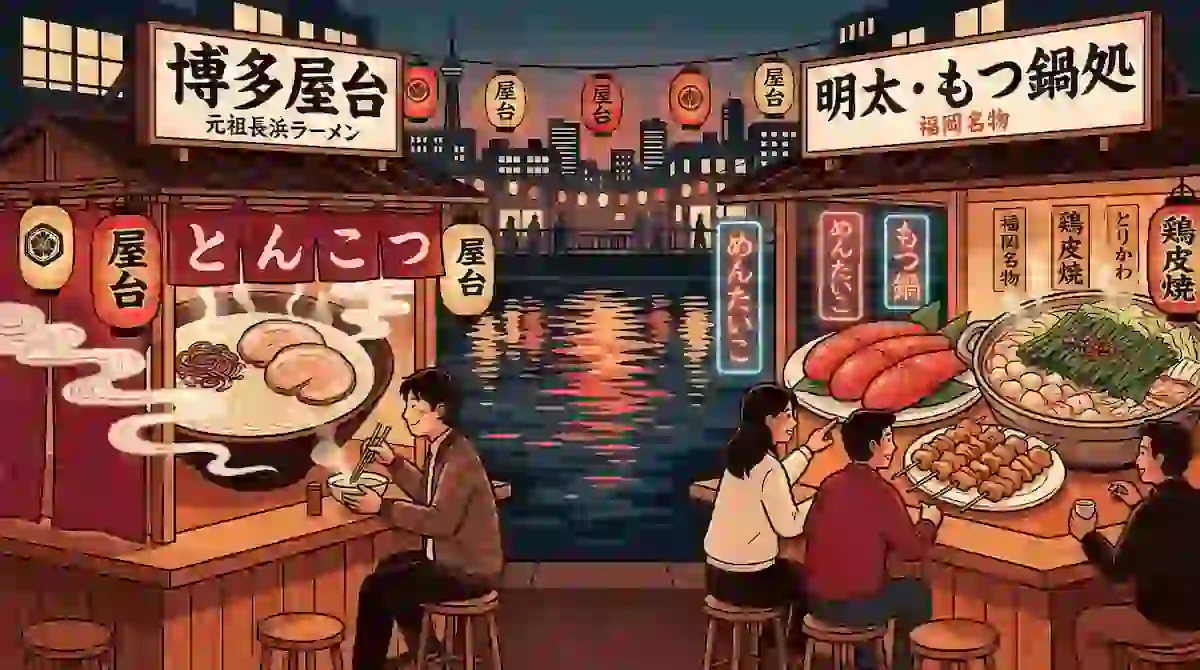
Tokyo’s izakaya culture has given rise to an entire category of prefectural cuisine restaurants (kenmin ryori izakaya) that specialize in the food of a specific Japanese prefecture. Okinawa izakaya serving awamori, rafute, and champuru cluster in Shin-Okubo and Naha-machi areas. Kyushu restaurants bring motsunabe and mentaiko to central Tokyo. Hokkaido dairy-focused restaurants use premium local butter, cheese, and seafood. This trend is driven by both nostalgia among migrants from each prefecture and curiosity from Tokyo-born diners seeking Japan’s full culinary breadth.
Sushi Beyond Edomae: Regional Sushi Styles in Tokyo
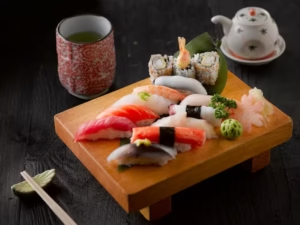
While Edomae sushi remains Tokyo’s dominant style, regional sushi formats have found dedicated audiences. Osaka’s pressed sushi (oshi-zushi) bars have opened in Ginza and Shinjuku. Kyoto’s saba sushi appears on depachika counters. Temari sushi (hand-formed ball-shaped) workshops and specialty restaurants attract visitors seeking a visual and interactive experience beyond the traditional counter. The diversity of sushi culture, long visible only by traveling Japan’s regions, is increasingly accessible in Tokyo alone.
Standing and Counter Culture
Tokyo’s fastest, most democratic dining format
Tachinomi: Standing Bars Are Everywhere
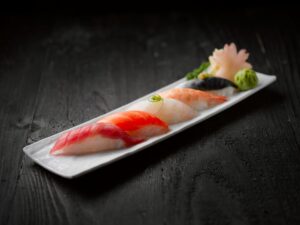
Standing drinking and dining (tachinomi, literally “standing drink”) has always existed in Tokyo, but the format has recently been elevated and expanded. Where once tachinomi was purely a budget phenomenon of standing at plastic counters under train tracks, it now encompasses standing natural wine bars in Nakameguro, standing sushi bars in Tsukiji serving premium Edomae nigiri for ¥300 to ¥600 per piece, standing tonkatsu restaurants with excellent breaded pork, and even standing kaiseki-inspired small plates in Ginza. The format’s appeal: no reservation, no time limit, no awkward waiting for tables, and often lower prices than seated equivalents.
The Counter Omakase Boom
At the opposite end of the price scale, Tokyo’s counter omakase format (where the chef determines what you eat, course by course) has expanded far beyond sushi. Counter omakase restaurants now exist for teppanyaki, tempura, yakitori, Japanese cuisine (washoku), and even ramen at a handful of avant-garde shops. The appeal is the direct conversation between chef and diner, the lack of menu decision fatigue, and the guarantee of what is fresh and best that day. Many require reservation months in advance but deliver dining experiences that justify every moment of planning.
Craft Coffee and Specialty Tea
Tokyo’s beverage culture has reached world-class level
Tokyo’s Third-Wave Coffee Scene
Tokyo has emerged as one of the world’s great coffee cities. The third-wave coffee movement arrived later here than in Melbourne or Portland but has developed with characteristic Japanese precision and attention to detail. Roasters like Onibus Coffee, Bear Pond Espresso, Fuglen (Oslo-origin), and Blue Bottle (which opened its first Asian location in Tokyo) have created a culture of excellent single-origin pour-over, precise espresso, and café spaces that function as design destinations as much as coffee stops. The neighborhoods of Shimokitazawa, Nakameguro, Daikanyama, and Yanaka have the highest concentration of independent specialty coffee shops.
Matcha Beyond Sweets: The Tea Cafe Evolution
Matcha has always been central to Japanese culture, but Tokyo’s matcha cafe scene has evolved dramatically. Beyond the standard matcha latte and parfait, specialist tea cafes now offer ceremonial-grade matcha cocktails, hojicha-based espresso-style drinks, gyokuro cold brew, and multi-stage tea tastings modeled on wine sommeliers experiences. The neighborhood of Yanaka, with its preserved traditional atmosphere, has become Tokyo’s center for serious Japanese tea culture, hosting both century-old tea merchants and innovative new cafes serving traditional teas in contemporary formats.
Tokyo’s Bread Scene
Japan bakes some of the world’s best bread, and Tokyo is the epicenter
Shokupan and the Milk Bread Obsession
Japanese milk bread (shokupan) has become a global export and a Tokyo obsession. What sets Tokyo’s premium shokupan apart is the extraordinary softness of the crumb, achieved through a tangzhong (water roux) technique that pre-gelatinizes some of the flour’s starch. Centre the Bakery in Aoyama, specializing exclusively in shokupan, opened a toast set menu that created queues around the block and sparked a nationwide trend. The bread itself, with its pillowy crumb and paper-thin crust, is genuinely unlike any Western equivalent and is one of Tokyo’s most accessible and memorable food experiences.
Sourdough and Natural Yeast Bakeries
Alongside the shokupan phenomenon, a quieter revolution has been unfolding in Tokyo’s natural yeast and sourdough bakery scene. Bakers trained in France, Germany, and Denmark returned to Japan and combined European bread techniques with Japanese ingredient sourcing: premium Japanese wheat, local honey, cultured butters from Hokkaido, and seasonal additions like yuzu zest and black sesame. The neighborhoods of Jiyugaoka, Sangenjaya, Shimokitazawa, and Harajuku have the highest concentrations of these artisan bakeries, many of which sell out completely by early afternoon.
Plant-Based and Vegan Tokyo
A city that once seemed impossible for vegetarians is becoming more accessible
Shojin Ryori Goes Modern
Japan’s Buddhist vegetarian cuisine, shojin ryori, has an ancient tradition of remarkable plant-based cooking, yet it remained largely inaccessible in Tokyo outside temple settings. A new generation of chefs is reinterpreting shojin ryori’s philosophy (deep respect for each ingredient, zero waste, seasonal alignment) through modern techniques and non-temple settings. Tokyo now has a growing number of restaurants where the shojin approach is applied to contemporary menus, making it accessible to visitors without the formal temple ceremony. The results are some of the most sophisticated plant-based meals available anywhere in the world.
Vegan Ramen, Sushi, and Izakaya Options
Tokyo’s vegan dining options have improved significantly, driven partly by the 2021 Tokyo Olympics preparations and partly by growing international visitor expectations. Dedicated vegan ramen shops (using kombu and shiitake dashi bases) have opened in Shinjuku and Shimokitazawa. Several sushi restaurants now offer plant-based omakase using vegetable-based “fish” preparations alongside traditional vegetable nigiri. Major chains like Mos Burger, Lotteria, and Sukiya have added plant-based options. The HappyCow app and Google Maps both have reliable vegan Tokyo filters, and the English-language vegan restaurant database has grown substantially.
High-Low Dining: Tokyo’s Most Exciting Paradox
The city where ¥500 ramen and ¥50,000 kaiseki exist two blocks apart
Convenience Store Food: Japan’s Secret Weapon
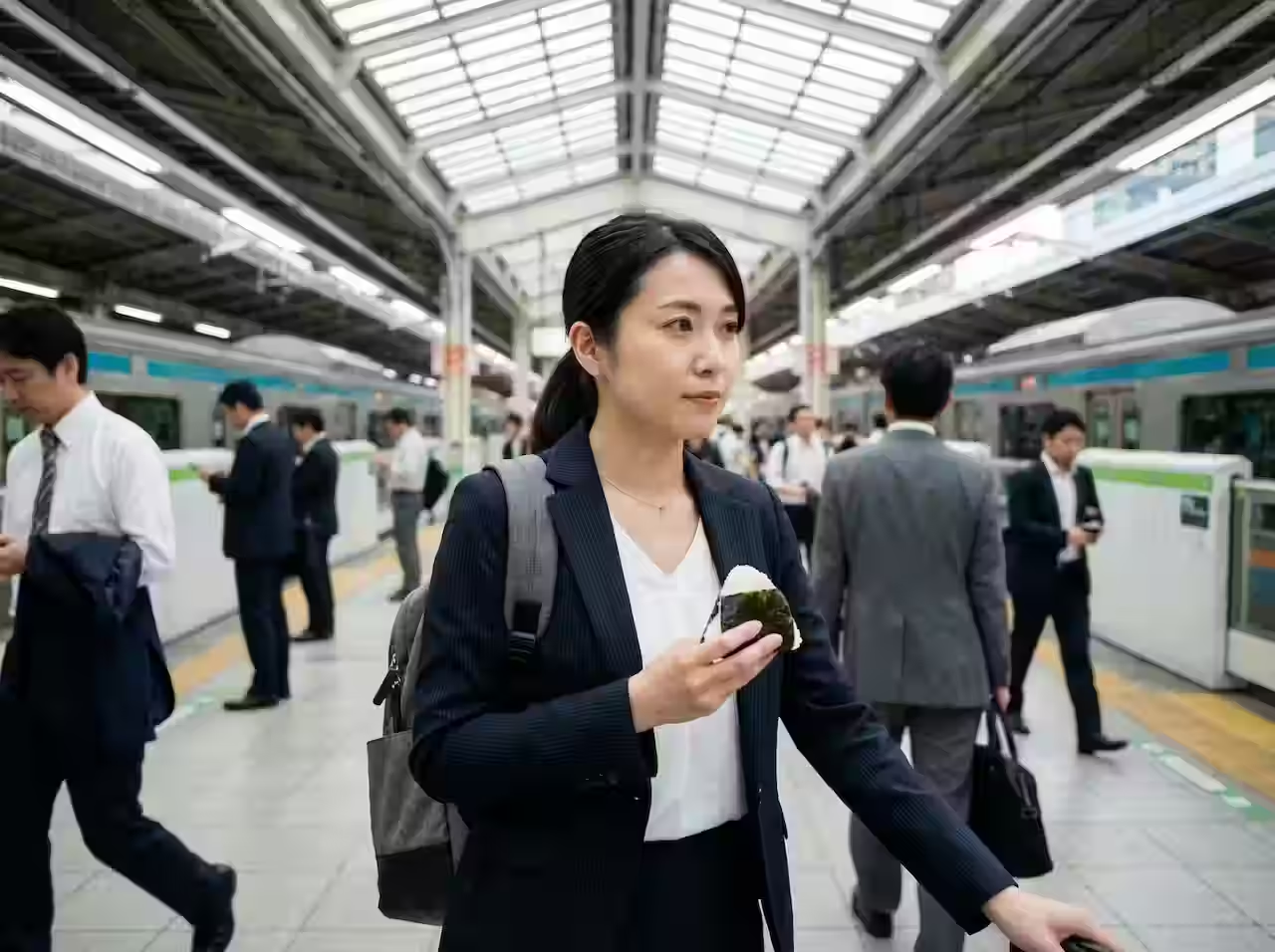
Japan’s convenience store food (konbini food) is a genuine culinary phenomenon that no first-time visitor should overlook. 7-Eleven, FamilyMart, and Lawson operate food development teams that treat product quality as seriously as any restaurant. The result: onigiri with premium fillings from ¥120, egg salad sandwiches with Kewpie mayo and shokupan bread, hot steamed buns (nikuman) in winter, genuinely excellent brewed coffee from ¥110, seasonal limited editions that often sell out within hours, and sweets designed by professional pastry chefs. Many Tokyo food writers point to the convenience store as evidence that Japan’s food culture permeates every level of society.
Michelin Stars and Ramen: The Democratization of Excellence
When the Michelin Guide began awarding Bib Gourmand ratings to Tokyo ramen shops, it confirmed what locals already knew: excellence of craft exists at every price level. The city now has multiple ramen shops with Michelin recognition, gyukatsu restaurants charging less than ¥1,500 for extraordinary breaded wagyu, and depachika counters where trained chefs sell their best work as take-home bento for ¥800 to ¥1,500. The high-low dynamic is not a feature of Tokyo’s food culture; it is the essence of it. Understanding this means knowing that the queue outside a tiny Shinjuku basement ramen shop may be more worthwhile than a table at a hotel restaurant costing ten times as much.
Depachika: Tokyo’s Underground Food Worlds
Department store basement food halls as culinary destinations
What Makes Tokyo Depachika Unique
The basement food halls of Tokyo’s major department stores (depachika, from “depaato” and “chika” meaning underground) are among the most extraordinary food environments in the world. Isetan Shinjuku, Takashimaya Tokyo, Mitsukoshi Ginza, and Matsuya Ginza each operate food halls spanning thousands of square meters, housing 100 to 200 vendors selling everything from century-old wagashi confections to contemporary patisserie, premium Japanese pickles, seasonal bento, international chocolates, and fresh seafood. The curation is meticulous, the presentation museum-quality, and the seasonal variation constant. A depachika visit in December reveals Christmas cakes and year-end gift sets; in spring, cherry blossom wagashi and new season seafood; in summer, kakigoori and chilled desserts.
Tokyo Food Neighborhoods to Explore
Where each trend is most concentrated and visible
☕ Shimokitazawa
Craft coffee, natural wine bars, sourdough bakeries, and vinyl record shops. Tokyo’s most bohemian neighborhood for independent food culture. Best explored on foot on a weekend morning.
🌸 Nakameguro
Canal-side coffee, standing natural wine bars, premium ramen, and stylish izakaya. Cherry blossom season transforms the canal walk into one of Tokyo’s most memorable dining settings.
🍣 Tsukiji Outer Market
Standing sushi, fresh seafood, tamagoyaki, and morning market culture. The inner wholesale market moved to Toyosu in 2018, but the outer market remains Tokyo’s most vibrant food street.
🏮 Koenji and Kagurazaka
Traditional izakaya, French-Japanese bistros, tea ceremony cafes, and some of Tokyo’s finest small restaurants. Both neighborhoods preserve the atmosphere of old Tokyo while hosting excellent contemporary food.
🎌 Yanaka
Traditional Tokyo atmosphere, specialist tea shops, artisan coffee, rice crackers, and preserved shotengai (shopping streets) with food vendors unchanged for decades. The city’s best preserved pre-war neighborhood.
🌆 Shinjuku Kabukicho and Golden Gai
Themed restaurants, izakaya alleyways, ramen specialists open 24 hours, and tiny Golden Gai bars seating 6 to 8 people each. The most intense concentration of Tokyo’s night food culture.
Practical Tips for Exploring Tokyo’s Food Scene
How to get the most from eating in the world’s greatest food city
Use Tabelog and Google Maps Together
Tabelog (Japan’s leading restaurant review site, similar to Yelp) has an English interface and is the most reliable source of ratings and hours. A Tabelog score above 3.5 is considered very good; above 3.8 is exceptional. Google Maps works well for finding places near your current location. For premium reservations, Tableall and Omakase specialize in English-language bookings at top restaurants. The Instagram accounts of food journalists based in Tokyo (@tokyofoodfile, @japanesetimes_food) are consistently reliable for new openings and trends.
Lunch Is the Best Value in Tokyo
Many of Tokyo’s finest restaurants offer lunch courses at 30 to 60% of dinner prices. A ¥3,000 to ¥5,000 teppanyaki or French-Japanese lunch delivers the same chef, the same kitchen, and frequently the same menu as a ¥15,000 dinner. This is widely known among Tokyo residents and should be the primary strategy for dining well on any budget. The same principle applies to sushi, kaiseki, and omakase restaurants, where lunch omakase menus start from around ¥5,000 at restaurants whose dinner versions cost ¥20,000 to ¥50,000.
Seasonal Eating Is Not Optional in Tokyo
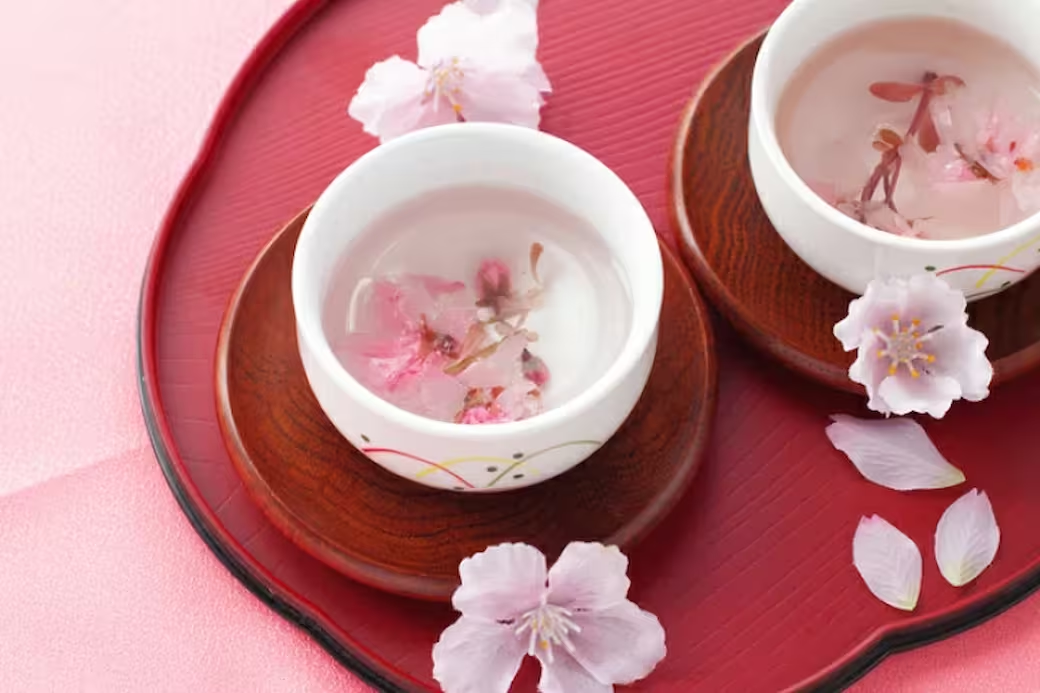
Tokyo’s food calendar is extraordinarily specific: sakura (cherry blossom) season in late March to early April brings sakura mochi, sakura buns, and sakura-flavored everything; early summer marks the arrival of ayu sweetfish and the first strawberries of the season; autumn delivers matsutake mushrooms, Pacific saury (sanma), and new season sake; winter is the time for fugu, nabe hot pots, and root vegetables. Depachika update their entire inventory to reflect the season. Eating seasonally in Tokyo is not a trend but the fundamental structure of Japanese food culture.


Comments