





Nestled in the heart of Japan’s Akita Prefecture lies a culinary masterpiece that represents the absolute pinnacle of Japanese rice culture: Kiritanpo. Far beyond a simple regional dish, Kiritanpo is a profound culinary narrative that weaves together the sweetness of premium Akita Komachi rice, the rich umami of Hinai-jidori chicken, and the communal festivities of the northern harvest. This article explores the deep historical roots of Kiritanpo, the unique preparation techniques that define it, and the best restaurants in Akita and Tokyo where you can experience this authentic local identity.
Introduction to Kiritanpo: The Art of “Hangoroshi”
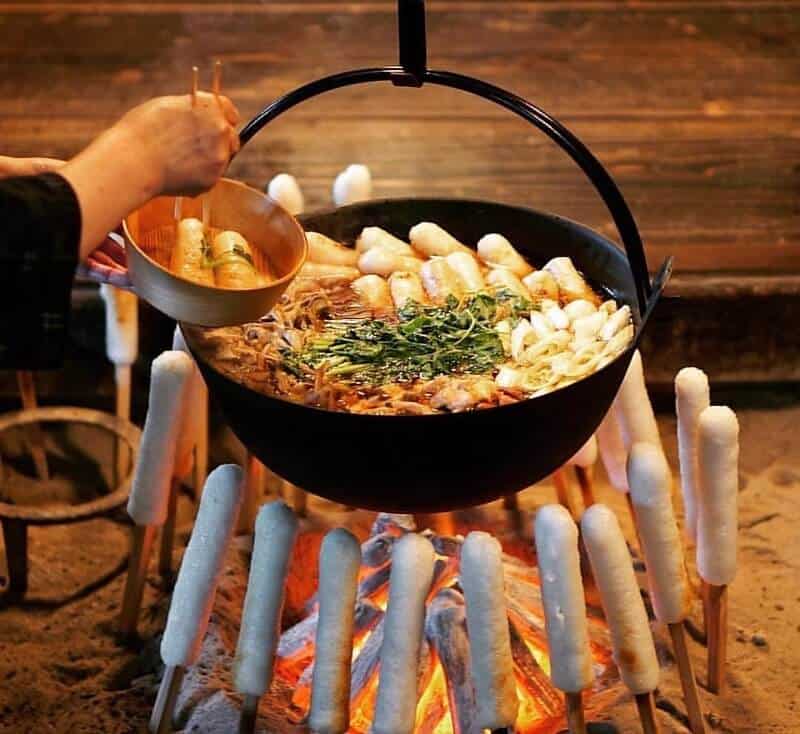
Kiritanpo is Akita’s signature dish, consisting of freshly cooked rice that is partially mashed, molded around a cedar skewer, and toasted over an open charcoal fire. The secret to its remarkable texture lies in a highly specific mashing technique locally known as “Hangoroshi” (which playfully translates to “half-killed”). Unlike traditional mochi, which pounds the rice into a completely smooth paste, the “Hangoroshi” method leaves a portion of the rice grains intact. The preserved grains allow the rice to absorb the savory broth without dissolving, providing a highly satisfying, chewy bite.
Because the main ingredient is rice, Kiritanpo evokes a deep sense of subconscious comfort for Japanese people. The aroma of toasted rice, filled with a slight sweetness and ample moisture, connects diners to Japan’s ancient agricultural roots.
Etymology: What Does Kiritanpo Mean?
The unusual name comes from two distinct words. First, “Tanpo” refers to the protective cloth cover placed over the tip of a spear, which the cylindrical shape of the molded rice perfectly resembles. From there, locals take this grilled rice spear and cut it into smaller pieces to be served in a hot pot, adding “cut” (Kiri) to the name. Altogether, “Kiritanpo” simply means “cut spear-covers of rice.”
Origin: From Matagi Hunters to Nabekko Gatherings
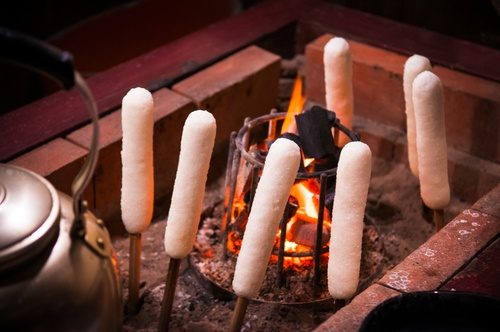
The roots of Kiritanpo trace back to the Hokuroku area in Odate City, Akita. Historically, it was the ultimate survival food for the “Matagi” (traditional mountain hunters) and local woodcutters. To prevent leftover rice from spoiling in their mountain lodges, they mashed it, wrapped it thinly around wooden sticks, and toasted it over the hearth. As a result, the rice became highly portable and easy to preserve.
Over the centuries, however, this rugged mountain food gradually transitioned into a cherished domestic tradition. After the grueling farming work of the autumn harvest, locals would gather to celebrate by cooking the newly harvested rice, rolling it on skewers, and simmering it in rich chicken broth. Today, this communal feast is known as “Nabekko” (hot pot gatherings). Ultimately, Kiritanpo has evolved from a hunter’s necessity into the defining celebratory dish of Akita’s regional identity.
The Core Elements of Authentic Kiritanpo
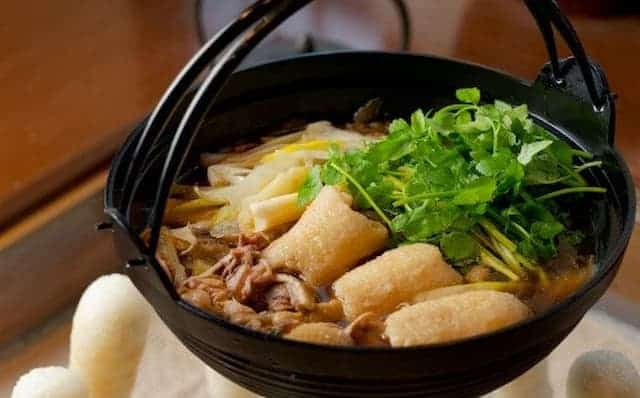
True Kiritanpo relies on a trinity of premium local ingredients. First is the rice: “Akita Komachi,” a celebrated regional variety known for its exceptional sweetness and stickiness, which holds the skewer perfectly. Second is the broth, extracted exclusively from “Hinai-jidori,” recognized as one of Japan’s top three premium chicken breeds. The cooking tool itself plays a key role: molding the rice around “Akita Sugi” (Akita cedar) skewers infuses the dish with a delicate, refined woody aroma during the toasting process.
| Component | Key Feature | Why It Matters |
|---|---|---|
| Rice Variety | Akita Komachi’s sweetness and stickiness | Creates the perfect texture that does not fall apart in boiling broth. |
| Chicken Base | Hinai-jidori’s deep umami and rich fat | Ranks as one of Japan’s top three premium chickens, providing the ultimate soup base. |
| Cooking Tool | Aroma of Akita Sugi (Cedar skewers) | Infuses the rice with a delicate woody fragrance during the grilling process. |
| Historical Origin | Matagi (mountain hunters) survival food | Connects modern diners to the ancient wisdom of northern Japanese winters. |
| Eating Styles | Miso-yaki (grilled) vs. Kiritanpo Nabe (hot pot) | Offers versatile ways to enjoy the dish, from a quick savory snack to a communal feast. |
Kiritanpo Recipe Overview
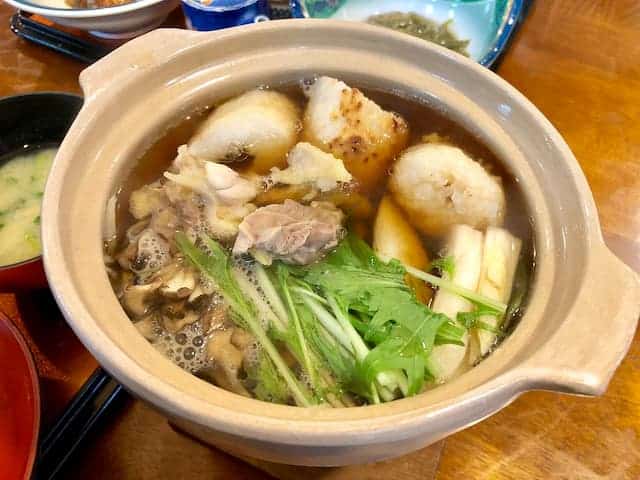
To make Kiritanpo at home, you need freshly cooked new harvest rice, a bowl of salted water to moisten your hands, and 30-centimeter long cedar sticks. Sweet miso paste is optional if you prefer the grilled variation over the hot pot.
How to Make Kiritanpo
While recipes vary slightly from home to home across Akita, the traditional method follows these distinct steps.
Cook the Akita Komachi rice slightly firmer than usual. Transfer it to a mortar and use a pestle to mash it using the “Hangoroshi” method, leaving some grains beautifully intact for texture.
Moisten your hands with lightly salted water. Take a handful of the mashed rice and mold it firmly around the Akita cedar stick. Ensure a uniform thickness of about 0.5 to 1 centimeter so it cooks evenly and grips the stick tightly.
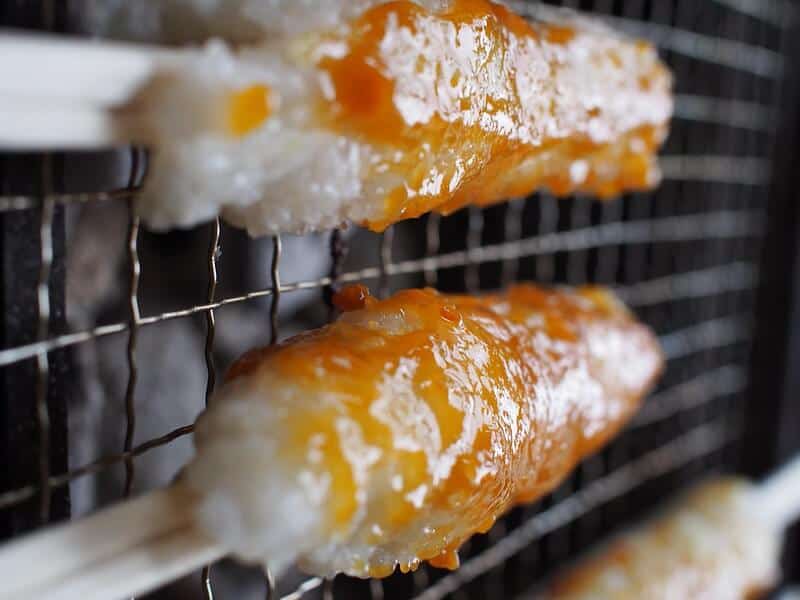
Toast the rice skewers slowly over an open charcoal hearth until the outside becomes crispy and slightly golden. At this stage, they are ready to be sliced for a hot pot or brushed with miso.
What Are the Health Benefits of Hinai Chicken?
The soul of a Kiritanpo Nabe is the Hinai-jidori chicken. In particular, Hinai-jidori contains exceptionally high amounts of inosinic acid, a primary compound responsible for deep umami flavor, setting it apart from standard broilers. Furthermore, recent research reveals it is rich in arachidonic acid, which enhances the savory richness of the fat. Its thicker muscle fibers, meanwhile, provide a satisfyingly chewy texture. Together, this golden, flavorful fat coats the Kiritanpo, turning a simple rice dumpling into a luxurious delicacy.
What Are the Main Types of Kiritanpo?
Tanpo Mochi (The Base)
Tanpo Mochi refers to the toasted rice on the skewer before it is cut. Many visitors point to this whole stick and call it Kiritanpo, but it remains a “Tanpo” until the knife touches it.
Miso-yaki Tanpo (Grilled with Miso)
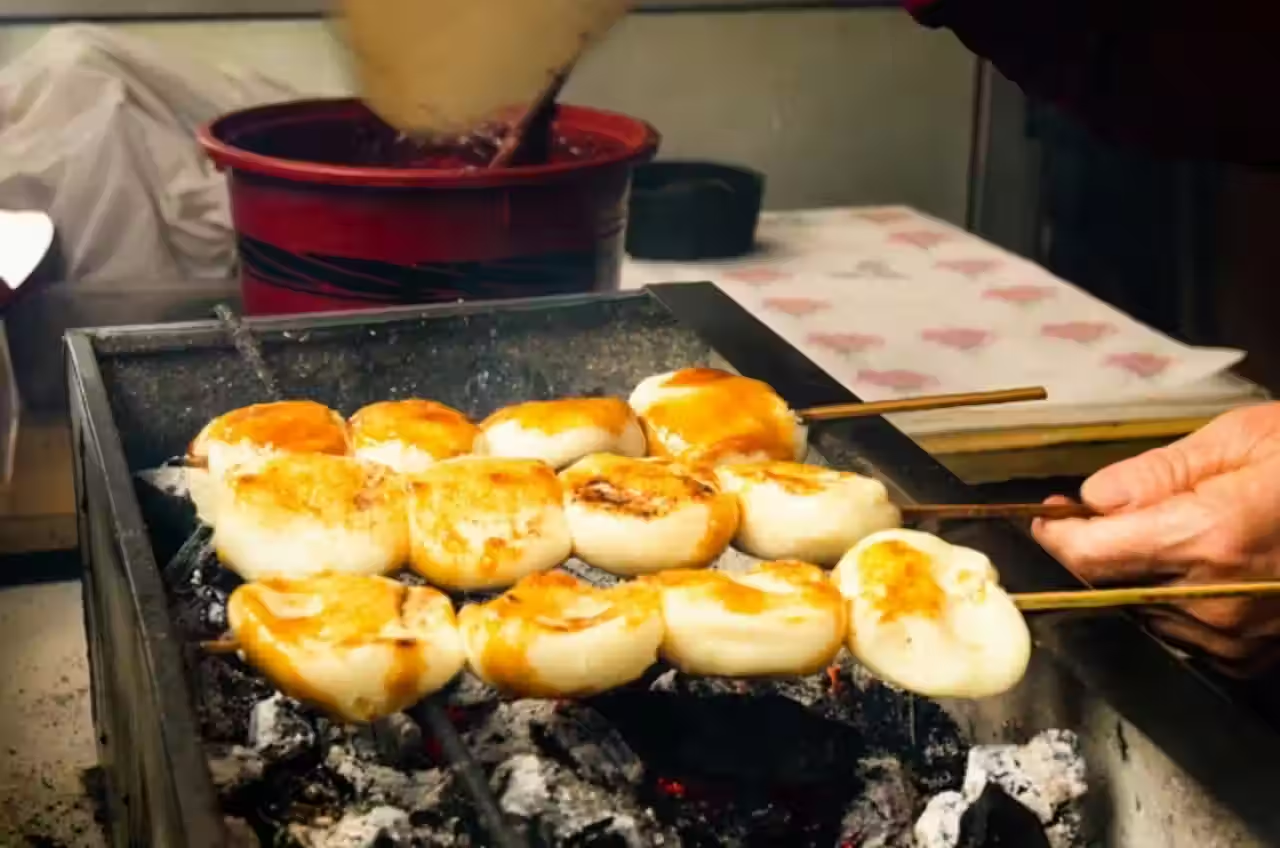
This is the ultimate winter street food. Locals brush the whole toasted Tanpo with a rich, sweet miso glaze and grill it again until the miso caramelizes. It is eaten right off the stick.
Kiritanpo Nabe (The Hot Pot)
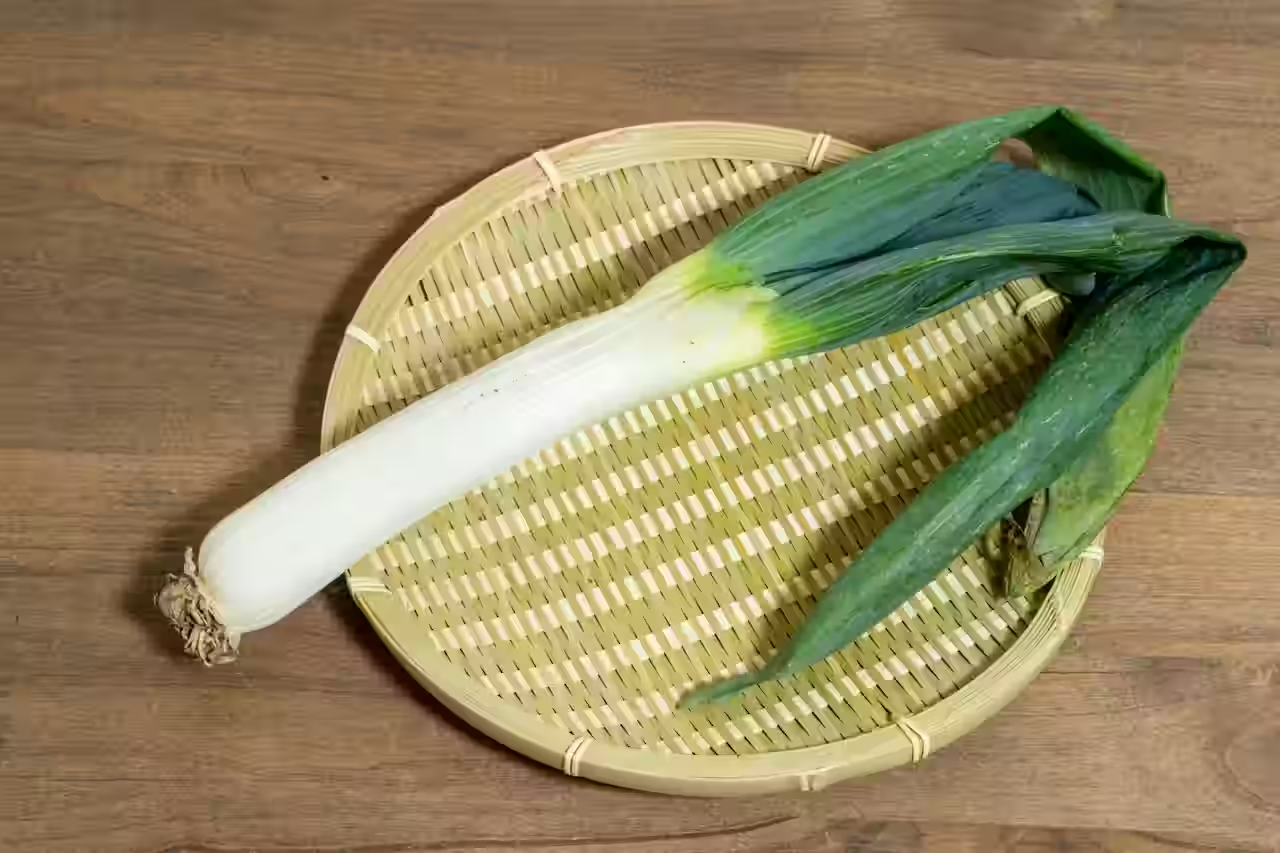
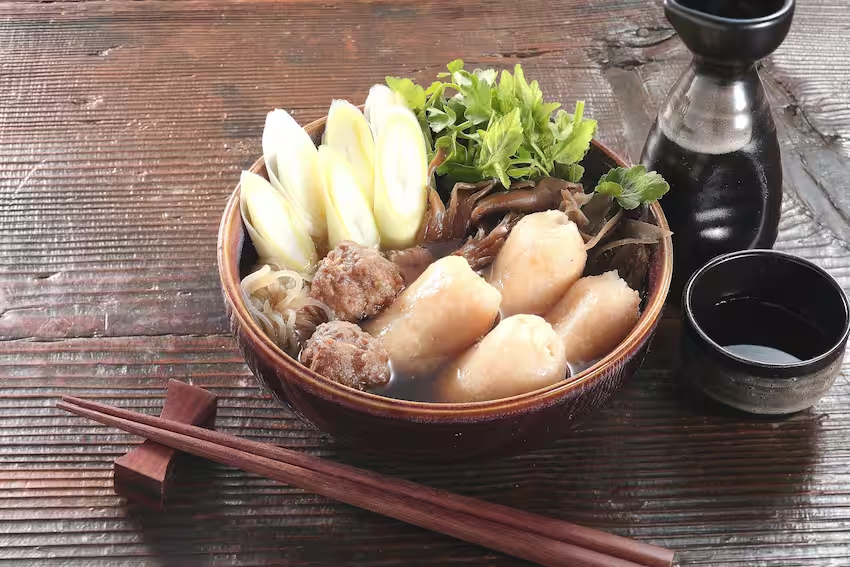
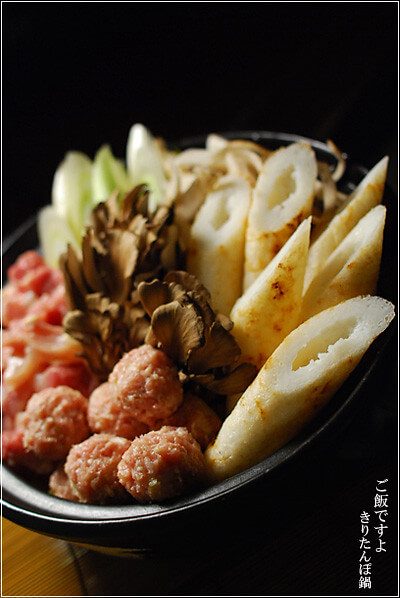
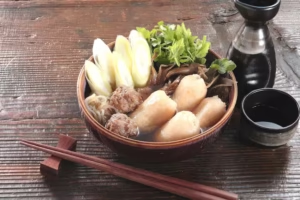
The most famous preparation. The toasted rice is sliced and simmered in a soy sauce-based broth extracted from Hinai-jidori chicken, accompanied by burdock root, Japanese parsley (seri), leeks, and mushrooms.
Recommended Kiritanpo Restaurants
To truly appreciate the depth of Akita’s rice culture, you must taste Kiritanpo prepared by professionals. Autumn is the absolute best time to visit, as the new rice harvest perfectly coincides with the cooling weather. Here are the top locations to experience authentic Kiritanpo.
Akita Kiritanpoya (秋田きりたんぽ屋)
Considered one of the absolute best establishments in Akita City, this restaurant offers a fully immersive cultural experience. Located outside the west exit of JR Akita Station, the interior recreates a traditional Japanese countryside hut complete with flickering firefly lights and a central charcoal hearth where the Kiritanpo is toasted right before your eyes. Their signature hot pot is served in rich chicken broth alongside premium Maitake mushrooms.
Akita Hinai Jidoriya
Conveniently located on the 3rd floor of the Akita train station, this restaurant is perfect for travelers waiting for the Shinkansen. As the name suggests, their absolute specialty is the premium Hinai-jidori chicken. Their Kiritanpo soaks up an incredibly savory broth accompanied by soft, tender slices of this prized local poultry.
Namahage Ginzaten (Tokyo)
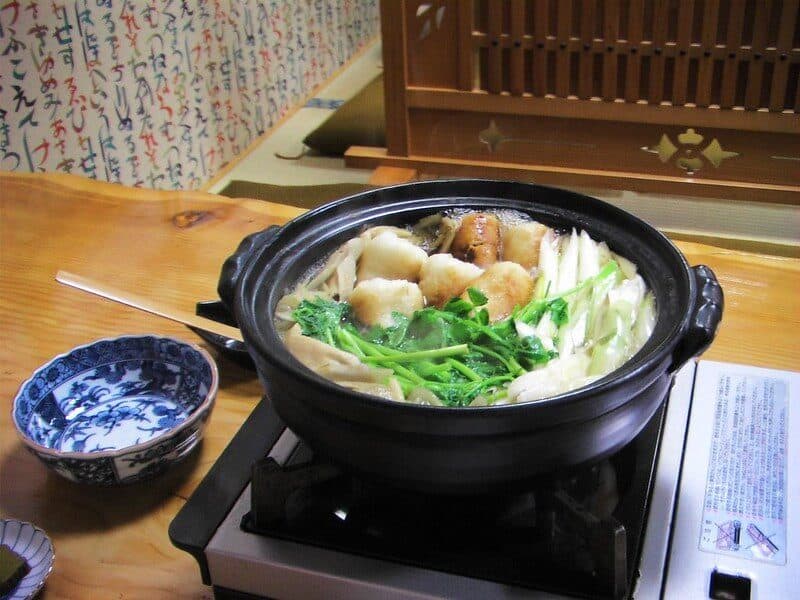
If you are in Tokyo and wish to experience authentic Akita culture, this Ginza restaurant is spectacular. The interior is modeled after an Akita farmhouse. Beyond serving excellent Kiritanpo, the restaurant features a live folklore performance where a “Namahage” (a traditional red mountain demon from Akita lore) visits the tables, ensuring an unforgettable, immersive dining experience.
Tazawa Kogen Hotel
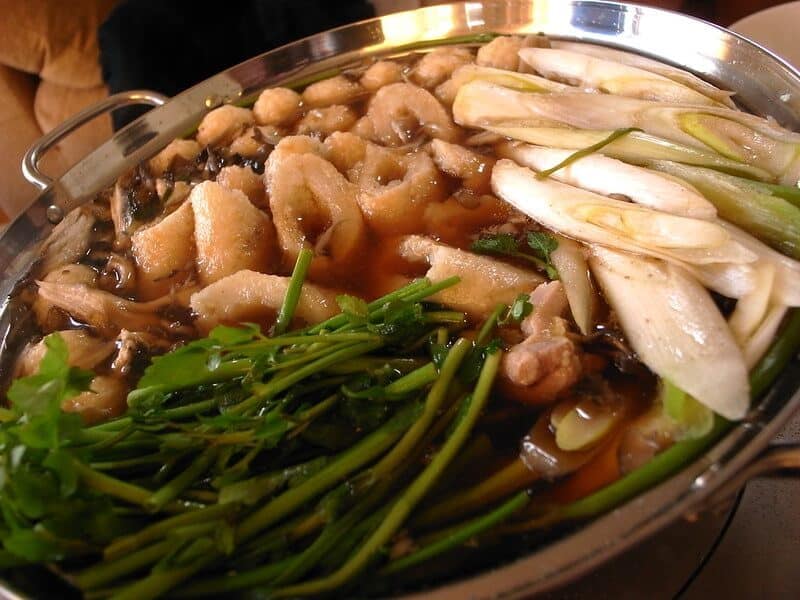
For a complete regional retreat, this hotel offers stunning views of Mount Komagatake alongside spectacular local dining. Their Kiritanpo is toasted at a traditional hearth and served as part of a luxurious dinner course, earning high praise from both locals and international travelers for its authentic aroma and setting.
Conclusion
Akita Prefecture is universally recognized across Japan as a powerhouse of premium rice production. The very name “Akita” translates to “autumn rice fields.” Kiritanpo represents the ultimate celebration of this agricultural heritage. By utilizing the “Hangoroshi” mashing technique, premium Akita Komachi rice, and rich Hinai-jidori broth, Kiritanpo transforms simple ingredients into a dish that has supported the physical and emotional lives of the northern people for generations. Whether enjoyed at a lively “Nabekko” gathering or a high-end restaurant in Tokyo, it remains the ultimate taste of Japanese winter.
Kiritanpo (Akita Rice Sticks) FAQ
What is the “Hangoroshi” technique?
It translates to “half-killed.” It is the traditional method of partially mashing the rice, ensuring some whole grains remain to provide a satisfying, chewy texture that absorbs soup without dissolving.
What type of rice is used for Kiritanpo?
Authentic makers use non-glutinous premium regional rice, predominantly the famous Akita Komachi variety, celebrated for its natural sweetness and moisture.
What is “Hinai-jidori”?
It is one of Japan’s top three premium chicken breeds, raised in Akita. It provides a deep umami flavor and rich golden fat that makes the hot pot broth spectacular.
Why do they use cedar sticks?
Molding the rice around Akita cedar (Akita Sugi) imparts a subtle, pleasant woody aroma to the rice during the charcoal grilling process.
What does the name Kiritanpo mean?
“Tanpo” refers to a cloth spear cover, which the rice cylinder resembles. “Kiri” means “cut,” referring to slicing the grilled rice before placing it in the hot pot.
How do I eat it?
You can enjoy it grilled whole with sweet miso glaze (Miso-yaki Tanpo) or sliced and stewed in a savory chicken hot pot (Kiritanpo Nabe).
Do I eat the wooden stick?
No. The rice is carefully removed from the cedar stick and sliced before being served in the hot pot.
Who originally invented it?
The “Matagi” (traditional mountain hunters) and woodcutters created it centuries ago as a highly portable, easily preserved meal to carry into the snowy mountains.
When is the best season to eat it?
Locals eat it predominantly in autumn and winter to celebrate the harvest of the new rice (Shinmai) and to stay warm during the heavy snow season.
Can I buy it as a souvenir?
Yes. Souvenir shops at Akita Station and the airport sell vacuum-sealed Kiritanpo sets complete with Hinai-jidori broth that you can easily prepare at home.
Comments