




manju– tag –
-
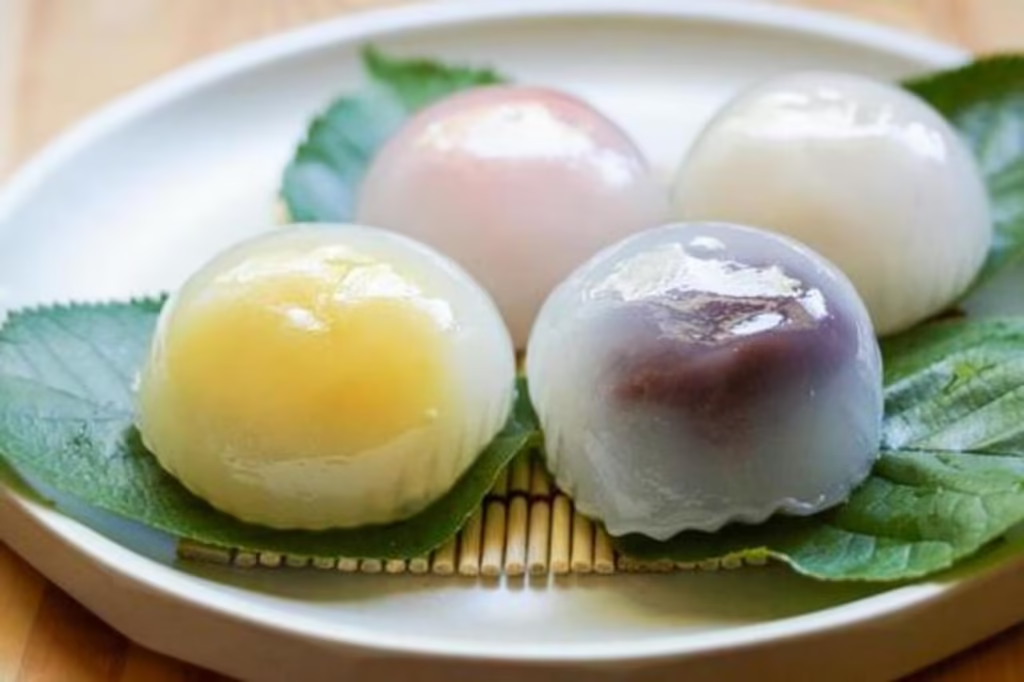

Mizu manjyu (水饅頭)
When the Japanese summer heat begins, traditional sweets known as wagashi offer a much-needed cooling treat. The most famous of these simple desserts is Mizu Manjyu, or the "water dumpling." This confection, known for its clear, glass-li... -
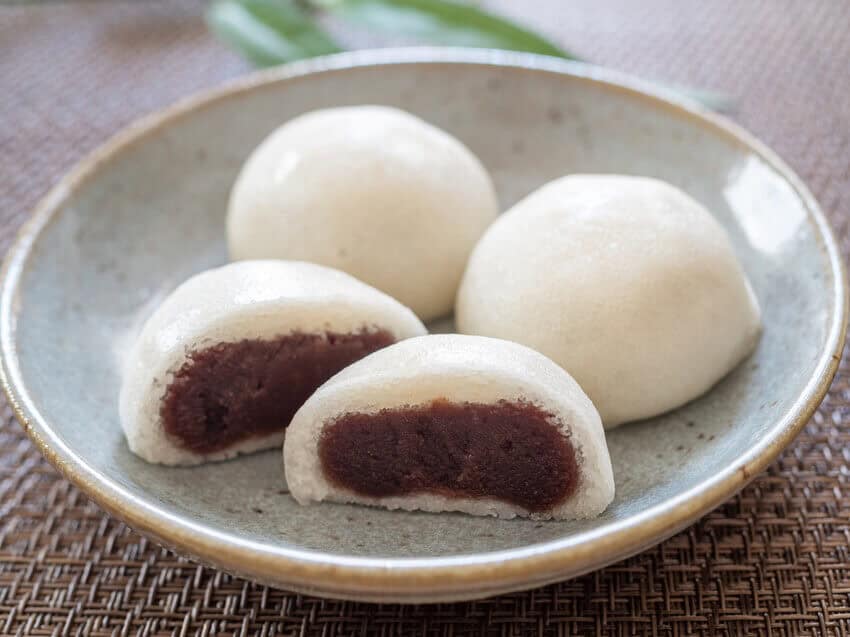

Saka manjyu (酒まんじゅう)
Sake manjyu is a Japanese steamed bun made from wheat flour dough fermented with rice koji (natural sake yeast) and filled with sweet red bean paste. The koji fermentation makes the dough soft and fluffy, giving the bun a gentle sake-lik... -
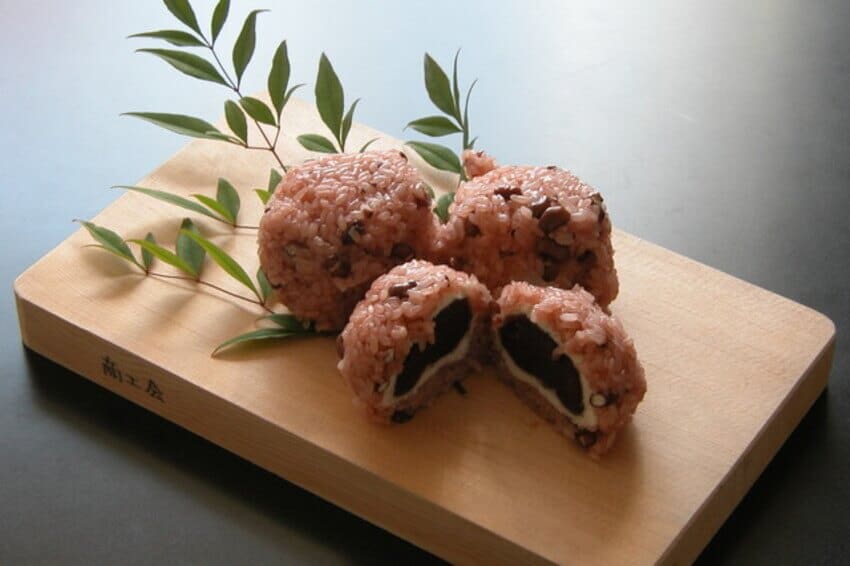

Iga Manjyu ( いがまんじゅう)
Iga Manjyu is a unique sweet treat from Japan, mainly found in Saitama Prefecture. It stands out because it combines a soft steamed bun with sticky rice mixed with red beans. This article will explain what Iga Manjyu is, where it comes f... -
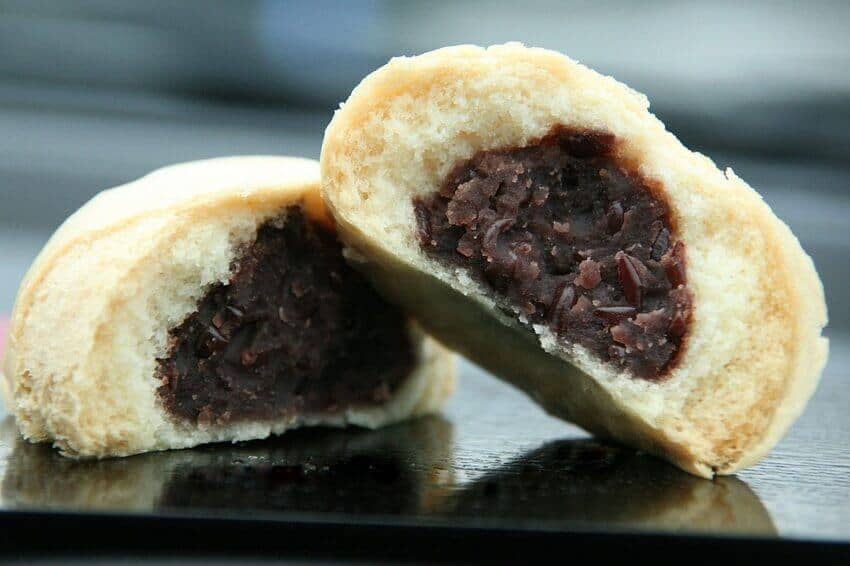
Tansan Manjyu (炭酸まんじゅう)
Tansan Manjyu (炭酸まんじゅう) is a special and tasty Japanese steamed bun. This dish has double name that shows both its special way of making it and its strong connection to old Japanese country life. The "Tansan" part tells us about a... -
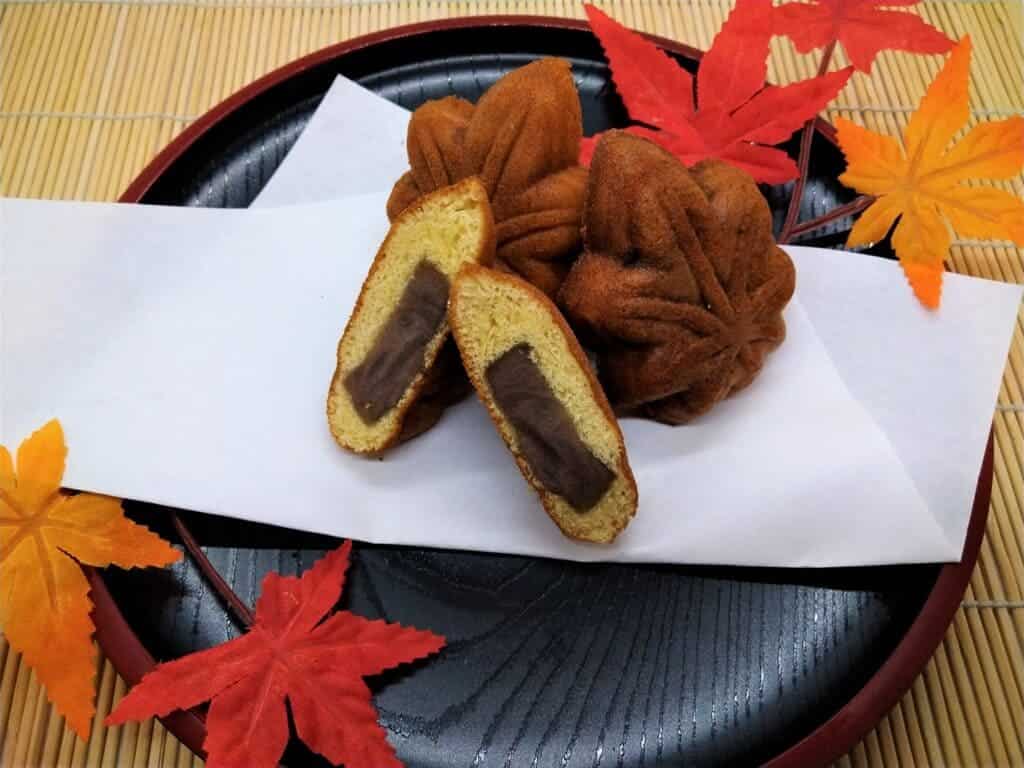

Momiji manju (もみじ饅頭)
Momiji Manju, a delightful maple leaf-shaped sweet, is one of Hiroshima's most iconic treats. Known for its soft dough and sweet fillings, this charming confection is a must-try for anyone visiting Japan. With its rich history, regional ... -
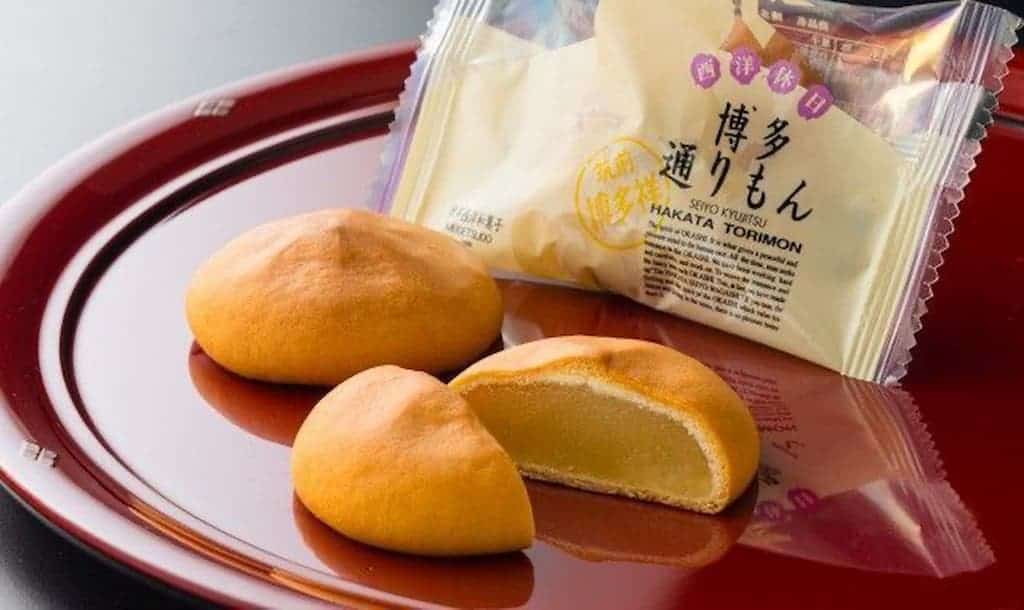

Hakata Torimon ( 博多通りもん)
Hakata Torimon (博多通りもん) is Fukuoka's most beloved souvenir sweet, a soft European-style butter cookie filled with smooth white bean paste. It has won Japan's national confectionery award for over 20 consecutive years and is one of ... -
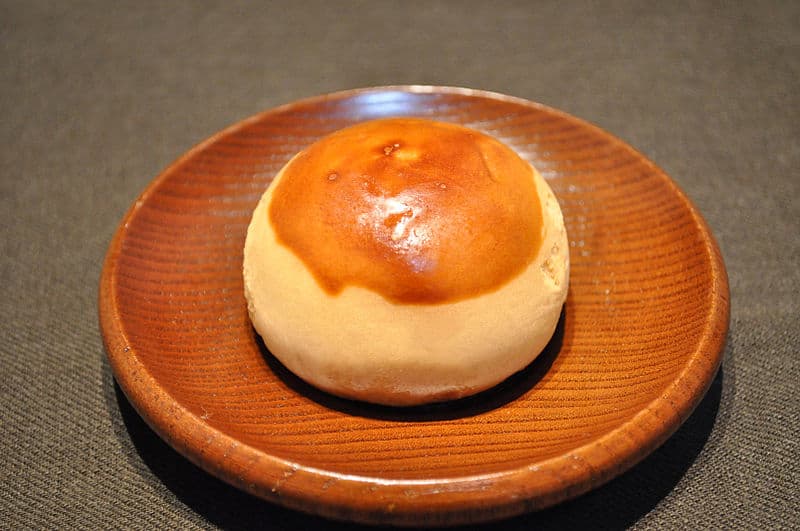

Kuri Manju (栗饅頭)
Kurimanju (栗まんじゅう), also written as kuri manju or kuri-manju, is a traditional Japanese wagashi (sweet) made with a soft, baked dough filled with sweet bean paste and chestnut. It is one of Japan's most popular souvenir sweets, esp... -
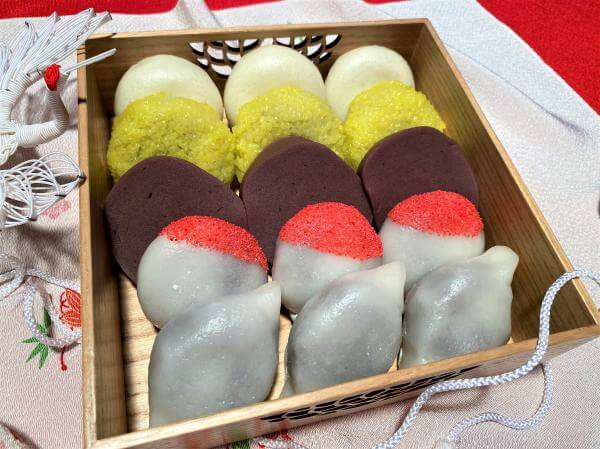

Goshiki namagashi (五色生菓子)
Ishikawa Prefecture is a place where the culture of eating rice cakes has been rooted since ancient times. For example, various mochi dishes such as "Aburi mochi", "Hippari mochi", "Tobitsuki mochi", and "Tochi mochi'' are eaten thr...
1