





What Is Okukuji Shamo?
There is a chicken in Japan that chefs talk about in the same breath as Wagyu beef. It comes from the mountains of northern Ibaraki Prefecture, and once you taste it, ordinary chicken feels like a pale imitation. That chicken is Okukuji Shamo.
Okukuji Shamo is a premium Japanese heritage chicken, or jidori, raised in the Oku-Kuji region centered around Daigo Town in Ibaraki. The name itself tells part of the story. “Oku-Kuji” refers to the deep, rugged mountain terrain along the Kuji River. “Shamo” traces back to the Japanese pronunciation of Siam, the historical name for Thailand, the homeland of the original game fowl brought to Japan during the Edo period. So in a way, you are eating centuries of history with every bite.
It is not just a local product. Okukuji Shamo was the first jidori in Japan to receive GI (Geographic Indication) certification, awarded in December 2018 by Japan’s Ministry of Agriculture, Forestry and Fisheries. That places it alongside products like Champagne and Parma ham in terms of protected regional identity. If you are curious about the full range of what Ibaraki Prefecture has to offer in terms of food culture, Okukuji Shamo sits firmly at the top of the list.
A Breed Born From Patience and Precision
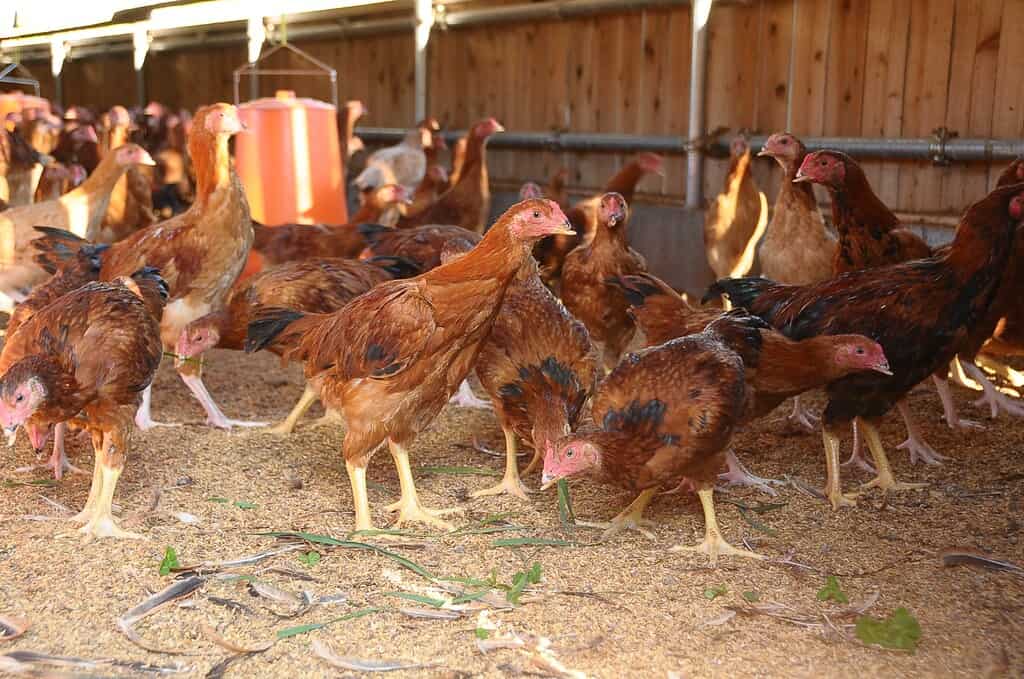
You might wonder, if Shamo is originally a fighting bird, how did it end up on the dinner table? That is actually a fair question, and the answer reveals a lot about how Okukuji Shamo came to be.
Traditional Shamo chickens are aggressive by nature. Raising them in groups is notoriously difficult. However, the meat of Shamo birds is exceptionally flavorful, which made them worth the effort to work with. Researchers at the Ibaraki Prefectural Poultry Research Center spent years selectively breeding a Shamo line with reduced aggression and better reproductive capacity. The male from that refined Shamo line was then crossed with females of mixed Nagoya and Rhode Island Red breeds. The result of that long process was Okukuji Shamo as we know it today.
The crossbreeding pattern was established in the late 1970s, and full commercial production began in 1985. Since then, the production system has remained remarkably consistent, with local farmers in Daigo Town and the surrounding areas maintaining strict standards handed down over decades.
Why Okukuji Shamo Is So Different From Regular Chicken
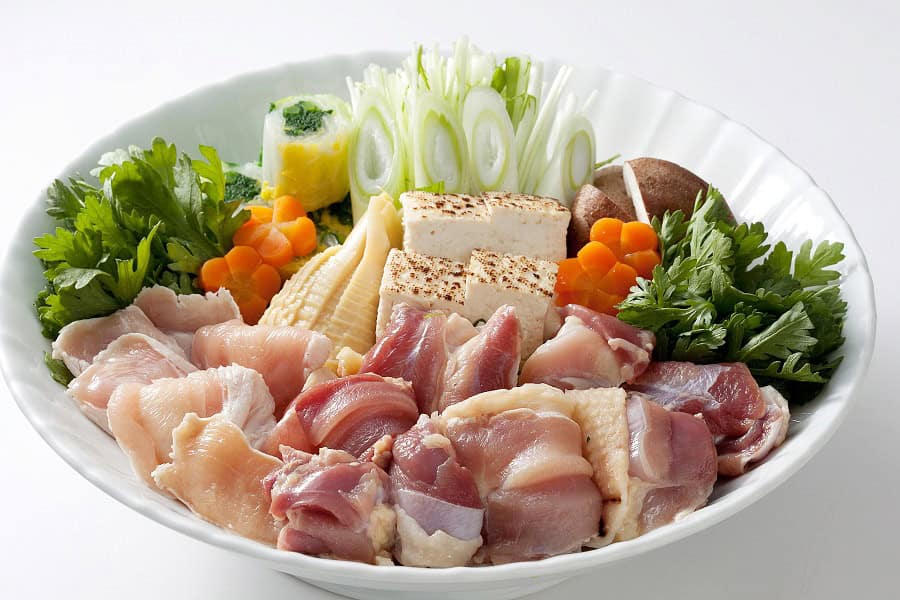
Here is where the real story begins. Most supermarket chickens, the kind we buy without thinking twice, are broilers. They reach market weight in roughly 50 days. Fast, efficient, and honestly, pretty bland.
Okukuji Shamo males are raised for at least 125 days. Females take even longer, often reaching 155 days before they are ready. That is roughly three times the lifespan of a conventional broiler. All that time translates directly into the meat.
The chickens are raised in a near-free-range environment. They live in coops built from local cedar timber. Farmers feed them a carefully researched blend. It includes compound feed, grains, and fresh greens. The Oku-Kuji region has a mountainous climate. Sharp temperature differences between seasons add character to the birds.
What does that actually mean when you eat it? The texture is firm and springy. That takes some getting used to. You may have only eaten soft supermarket chicken. The fat content is notably low. There is a deep, concentrated umami flavor. It builds slowly rather than hitting all at once. And surprisingly, there is almost no gamey smell. Gamey smell can sometimes be an issue with game-type birds.
This quality has not gone unrecognized. Okukuji Shamo has previously taken first place at the National Special Poultry Taste Competition in Japan, and it is widely considered one of the country’s top three jidori chickens, alongside celebrated breeds such as Hinai-jidori from Akita Prefecture and Nagoya Cochin. Elite restaurants and traditional kaiseki establishments across Japan have put it on their menus, often with pride.
How to Eat Okukuji Shamo: The Best Cooking Methods
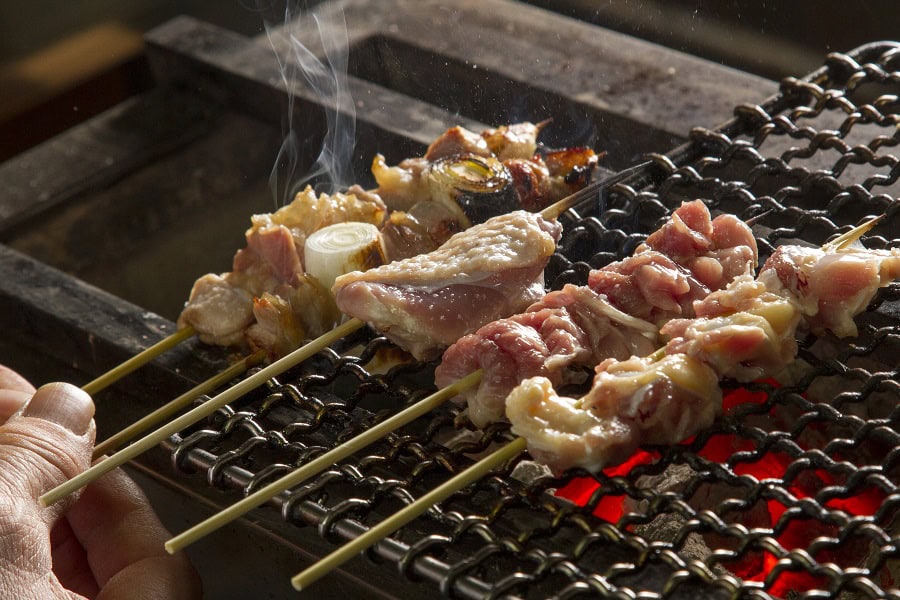
If you ever get your hands on Okukuji Shamo, the question of how to cook it deserves some thought.
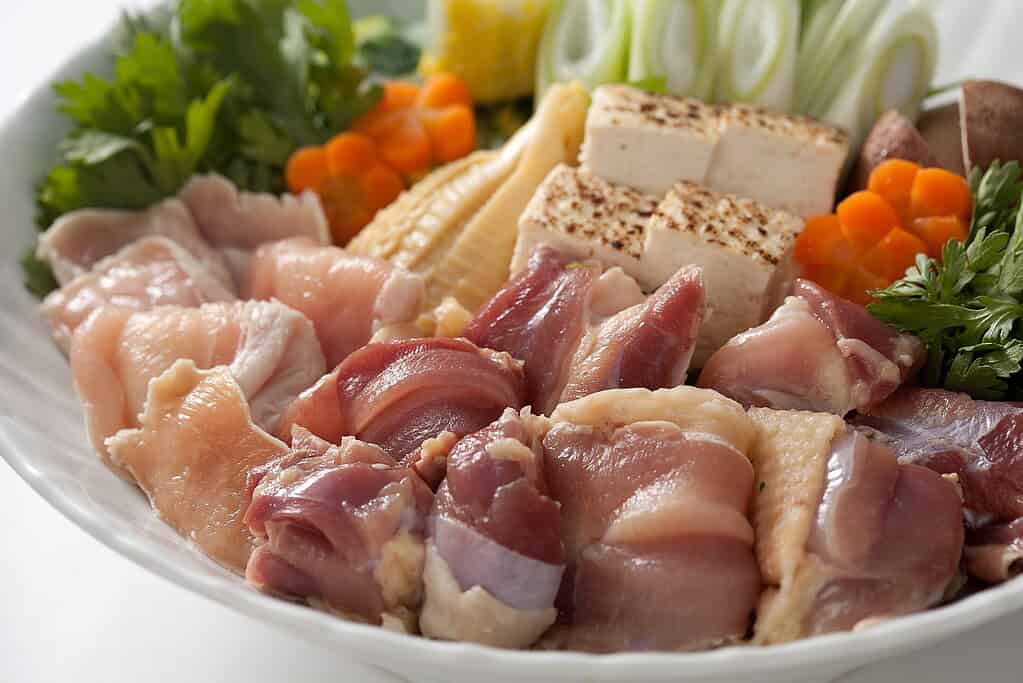
The most beloved preparation in Daigo is shamo nabe. It is a Japanese chicken hot pot. The chicken simmers in salt based or soy sauce based broth. Some restaurants serve it bone in. Others slice the meat thin. Either way, the stock is extraordinary. It forms during cooking. It is rich without being heavy. The flavor has a clarity that lingers. It stays long after the meal finishes.
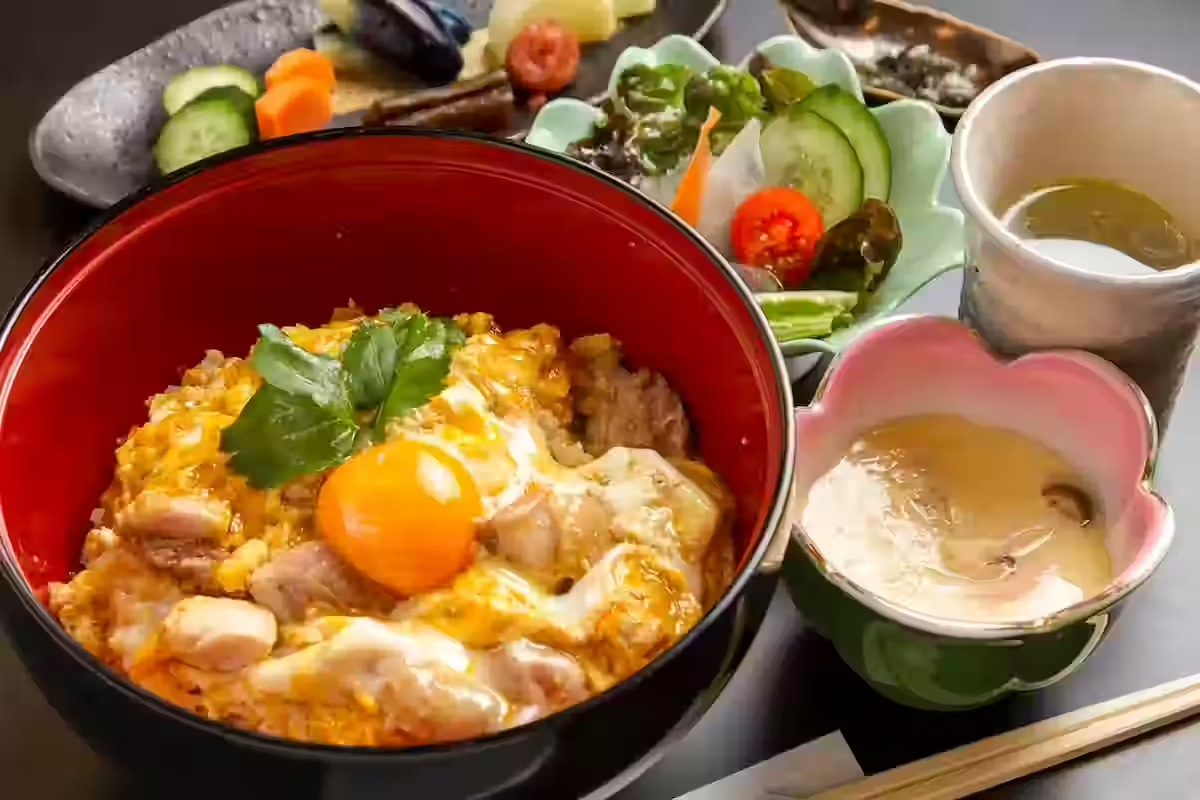
Yakitori is another excellent option. The firm texture holds up beautifully over charcoal. Rare cuts like seseri are prized. Seseri means neck meat. Sori is also prized. It is the muscle at the base of the thigh. Enthusiasts particularly value these cuts.Karaage, the beloved Japanese fried chicken preparation, works wonderfully too, and using Okukuji Shamo elevates the dish to an entirely different level, though some might argue it partially masks the natural depth of the meat. Oyakodon, the classic chicken-and-egg rice bowl, also takes on a completely different meaning when made with this premium bird and its rich-flavored eggs.
Where to Experience Okukuji Shamo in Japan

The heart of Okukuji Shamo country is Daigo Town, a quiet mountain town about two and a half hours from Tokyo. Restaurants there specialize in the chicken almost exclusively, and some are run by owners who have spent their careers working directly with the Okukuji Shamo Producer’s Association. The connection between the producer and the kitchen is unusually short and unusually meaningful.
Visiting Daigo is an experience in itself. The town sits in a valley surrounded by forested mountains, and the pace of life feels a world away from the city. Eating shamo nabe there, with the sound of a river nearby and a sake brewed somewhere in the same prefecture in your glass, is the kind of meal that stays with you. For travelers planning to explore beyond Daigo, the broader Kanto region food guide is a useful resource for discovering more regional specialties in this part of Japan.
Okukuji Shamo also appears on menus in Tokyo and other major cities, particularly at restaurants that specialize in regional Japanese ingredients. It is worth asking about when you see jidori on a menu, because not all heritage chickens are equal.
The Bigger Picture: Okukuji Shamo and Japanese Food Culture
Okukuji Shamo is more than a delicious chicken. It represents a broader philosophy that has deep roots in Japanese food culture: that ingredients raised slowly, carefully, and in harmony with a specific landscape will always surpass what efficiency alone can produce.
Japan has over 100 varieties of regional jidori chickens, but only a handful have the combination of historical depth, production integrity, and culinary recognition that Okukuji Shamo holds. The GI certification it earned in 2018 was a formal acknowledgment of what locals have known for decades. For anyone genuinely curious about Japanese regional food culture and premium local ingredients, Okukuji Shamo is one of the most rewarding places to start.
References
- Daigo Town Official Website, Okukuji Shamo: https://www.town.daigo.ibaraki.jp/page/page000037.html
- Japan Ministry of Agriculture, Forestry and Fisheries, GI Registration No. 71: https://www.maff.go.jp/j/shokusan/gi_act/register/0071/index.html
Comments