


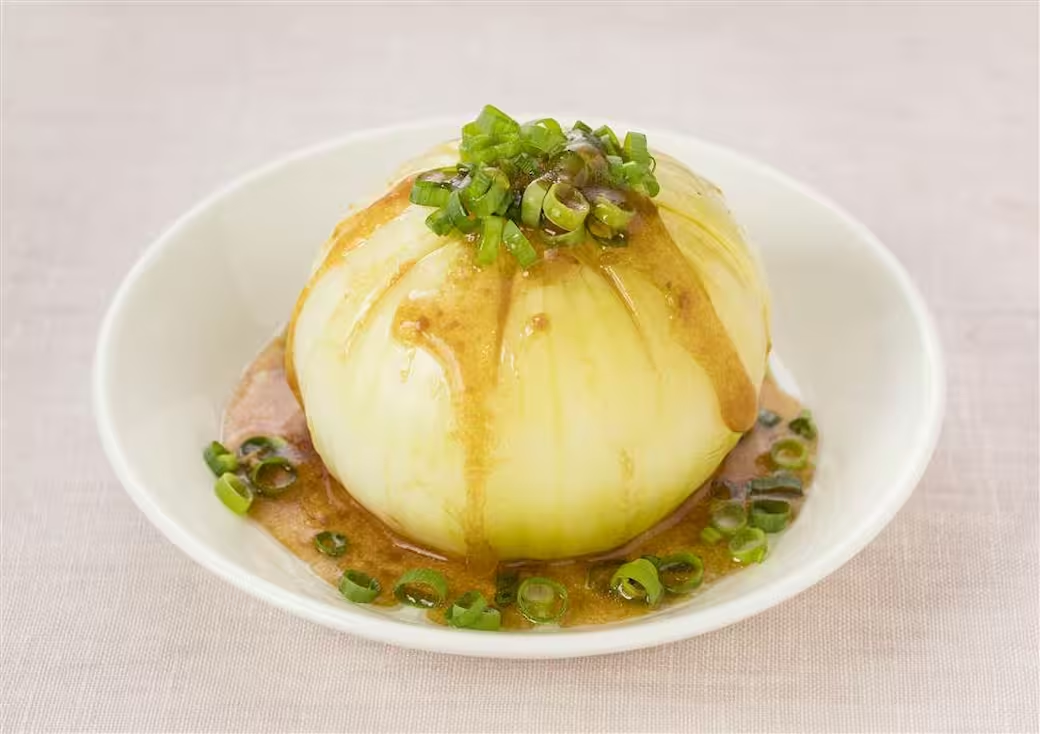


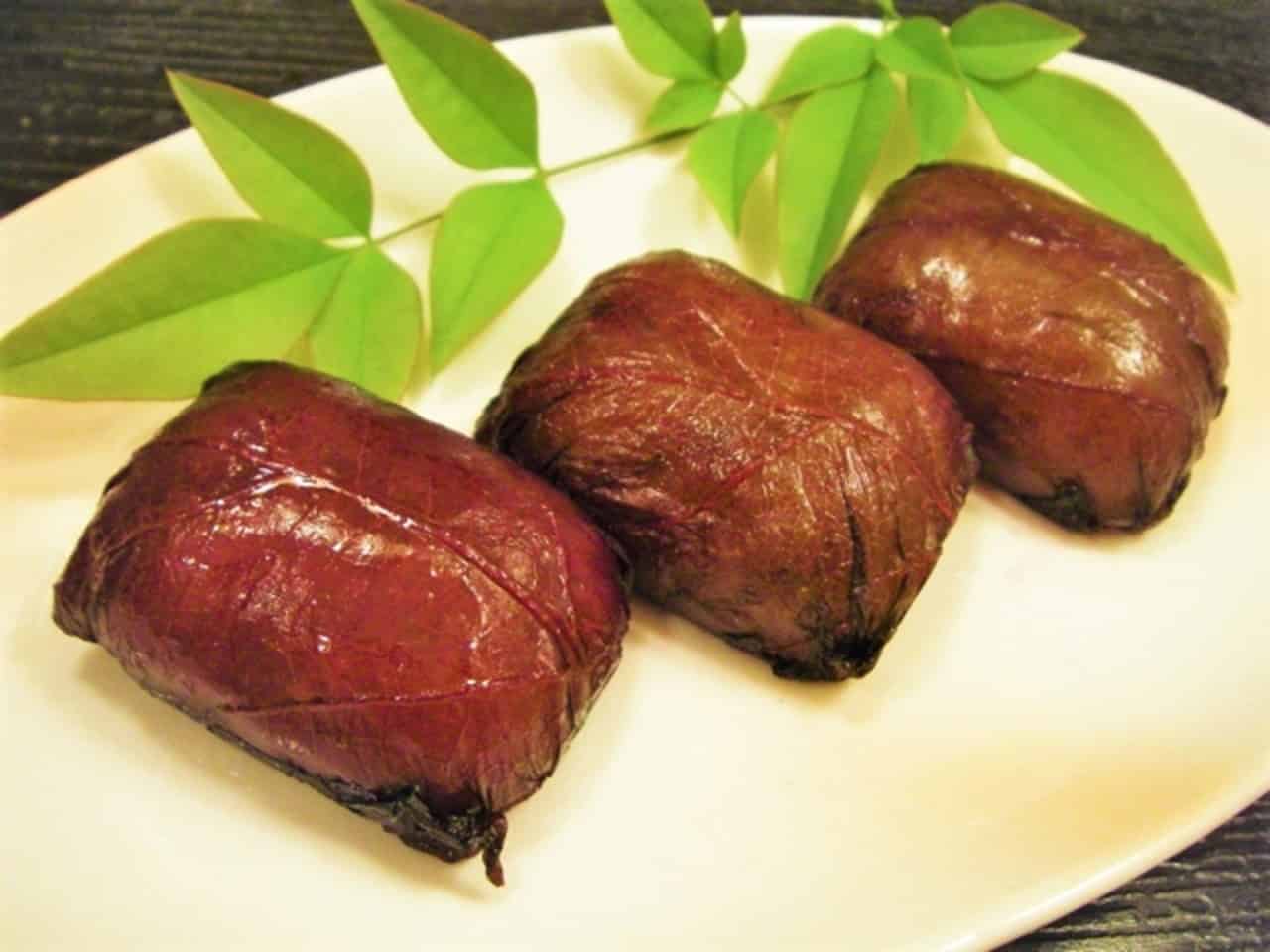



When spring arrives in Japan, the vegetable markets fill with something special called Shin Tamanegi, or new onions. These are not like the brown, dry onions you see all year. They are harvested early and sent to stores immediately without being dried. This makes them incredibly juicy, crisp, and much sweeter than the onions you might use for a winter stew.
What Makes Shin Tamanegi Different?
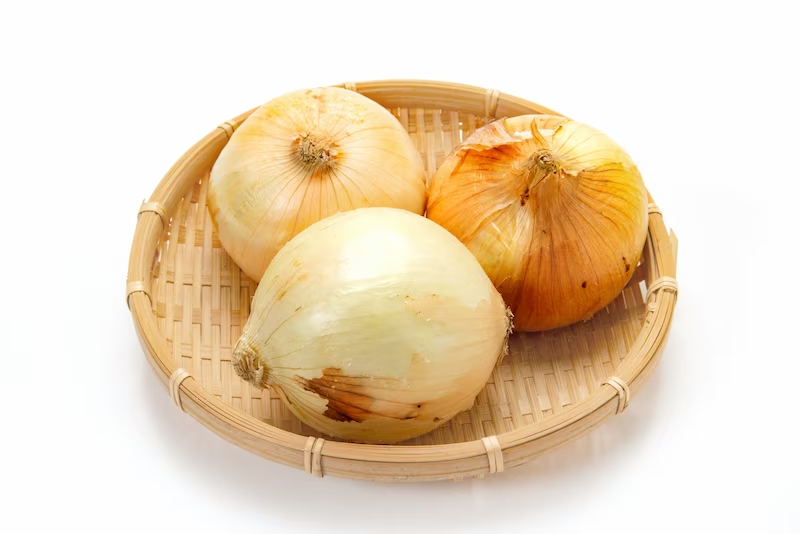
Most onions are dried for a month to give them a tough, brown skin so they last a long time. Shin Tamanegi skip this step. They have paper-thin, white skins and are full of natural water. Because they are so fresh, they don’t have the sharp “sting” or spicy bite of a normal onion. Instead, they have a crunchy texture that is almost like a fruit. This makes them very popular with children and people who usually find onions too strong to eat raw.
Because they contain so much moisture, they do not stay fresh on a shelf for long. You should always keep them in the fridge and try to eat them within a week. Their soft texture makes them perfect for eating raw in salads or lightly sliced on top of cold dishes. They add a refreshing crunch to any spring meal.
Where Are Shin Tamanegi Grown?
Shin Tamanegi from Shizuoka Prefecture are the earliest to appear on the market each year, with shipping starting in early January. After that, production moves through Kumamoto, Aichi, and other regions, continuing until around late June. In general, the season begins with produce from Kyushu in early February, and the growing regions gradually shift northward from there.
The main producing regions and their seasons are:
Notable Brands
- Shizuoka (Hamamatsu / Shinojima area) — Japan’s earliest harvest, from January
- Kumamoto & Saga (Kyushu) — February through April
- Aichi — March through May
- Hyogo (Awaji Island) — March through May, one of the most famous regions
- Hokkaido — A later-season option, typically summer
Awaji Island in Hyogo Prefecture is home to one of the most widely recognized branded onions in Japan. Onion cultivation there dates back to 1888, and “Awaji-shima Tamanegi” has become a nationally famous brand known for its sweetness.
Some notable brands and labels to look out for:
- 淡路島たまねぎ (Awaji-shima Tamanegi) — Awaji Island’s warm climate and mineral-rich soil have supported onion farming for generations. The island’s early-harvest varieties are particularly high in moisture and low in bitterness, making them ideal for eating raw.
- ひょうご安心ブランド特別栽培 (Hyogo Anshin Brand / Special Cultivation) — A certification label issued by Hyogo Prefecture. Farms grow their Awaji Island Shin Tamanegi with reduced pesticides and chemical fertilizers to earn this certification.
- 蜜玉 (Mitsudama) — A premium Awaji Island brand noted for its exceptional sweetness, named after the Japanese word for honey (mitsu).
- 塩たまちゃん (Shio Tama-chan) — A well-known brand from Kumamoto, where the onions are grown near the sea and prized for their mild, delicately sweet flavor.
- 浜松篠原産 プレミアムフレッシュ (Hamamatsu Shinojima Premium Fresh) — A label from Shizuoka’s Shinojima area, recognized for being among the very first Shin Tamanegi of each new year.
Health benefits of Shin Tamanegi
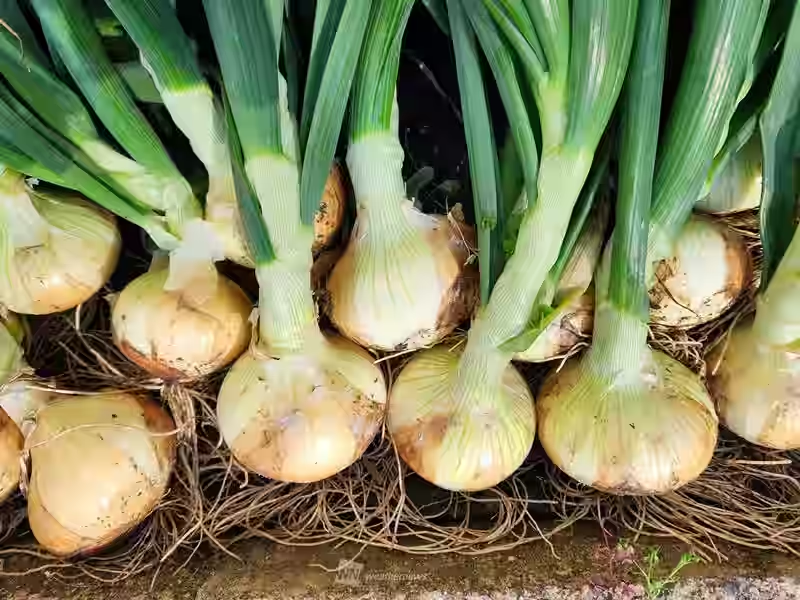
These onions are great for your body, especially when eaten raw. They contain a natural compound called allicin. This helps thin the blood, which is good for your heart and healthy blood pressure. It also helps your body absorb vitamins better, helping you feel less tired and more energetic. They also have antioxidants in their skin that help protect your cells from damage. Eating them fresh is the best way to get all these great nutrients.
A Quick History
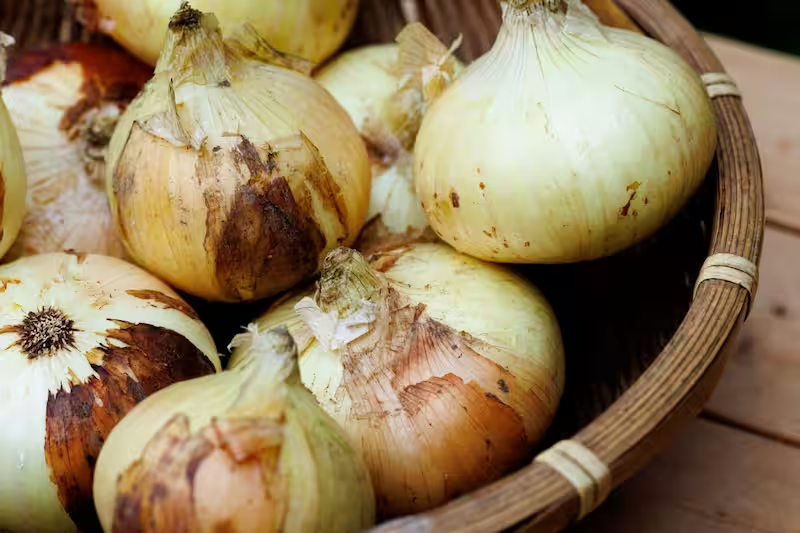
Believe it or not, round onions are fairly new to Japan. They were brought over from America in the late 1800s. A professor named William Brooks brought seeds to Hokkaido to see if they would grow in the cold north. They were a huge success! While Hokkaido grew onions for the winter, warmer places like Awaji Island began growing these early spring versions that we love today. This created a long season where people can enjoy different types of onions all year.
Where to Eat Shin Tamanegi?
Zekkei Restaurant Uzu no Oka (うずの丘 大鳴門橋記念館)
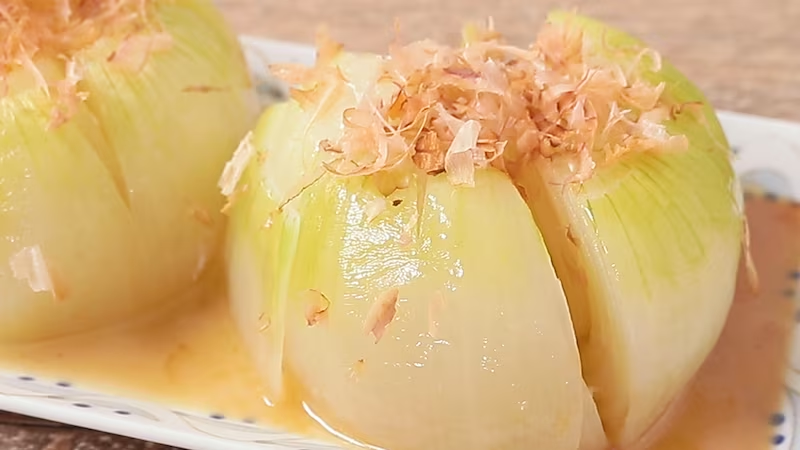
If you want to see how much Japan loves onions, you have to visit Awaji Island. The most famous spot there is Zekkei Restaurant Uzu no Oka. It sits on a hill with a beautiful view of the ocean and the famous bridge. They are well known for their “Awaji Beef and Onion” dish, which serves a whole, sweet onion alongside high-quality local beef. The place even has a giant onion statue outside for photos and an onion-themed gift shop!
Conclusion
Shin Tamanegi are a wonderful sign that winter is over. Their light, sweet flavor is a favorite for families across the country.
If you enjoy the fresh and mild taste of these spring onions, you should also try other seasonal favorites like Tsukemono, daifuku, or Nanohana blossoms.
Shin-tamanegi FAQ
What is Shin-tamanegi?
Shin-tamanegi is a seasonal spring vegetable from Japan. Home cooks prepare it with simple soy sauce and bonito flakes. Food lovers know it for its incredibly sweet and mild flavor.
Where does Shin-tamanegi come from?
Shin-tamanegi originates from southern farming regions like Shizuoka, Saga, and Awaji Island. Farmers have harvested this special spring crop since the early 20th century.
What does Shin-tamanegi taste like?
Shin-tamanegi has a fresh, sweet, and very mild flavor. The texture feels delightfully crisp yet remarkably soft. Diners often compare it to standard sweet onions but with much more moisture.
Where can I eat Shin-tamanegi in Japan?
You will find the best Shin-tamanegi all over Japan during the spring season. Famous agricultural areas include Awaji Island in Hyogo Prefecture. Many izakaya pubs and casual restaurants also serve these fresh onions in seasonal salads.
How much does Shin-tamanegi cost?
Shin-tamanegi typically costs between 100 and 300 yen per bag at the supermarket. Prices vary slightly depending on the farming region and the exact harvest time.
Is Shin-tamanegi vegetarian or vegan friendly?
Traditional Shin-tamanegi contains absolutely no animal products. Vegans and vegetarians can safely enjoy this 100% plant-based vegetable anywhere.
What are the main ingredients in Shin-tamanegi dishes?
The main ingredients in a simple Shin-tamanegi salad include fresh new onions, soy sauce, and bonito flakes. The sweet new onion gives the dish its distinctive refreshing crunch.
Can I cook Shin-tamanegi at home?
Yes, you can easily prepare Shin-tamanegi at home. Japanese grocery stores stock these seasonal vegetables every spring. Home cooks master simple raw salads or quick oven-roasted dishes effortlessly.
What is the difference between Shin-tamanegi and regular onions?
The main difference involves the harvest timing and the drying process. Shin-tamanegi features fresh, undried skins and high moisture, while regular onions rely on a long drying period to develop their brown, papery skins and sharp flavor.
Is Shin-tamanegi popular outside Japan?
Shin-tamanegi remains primarily a Japanese seasonal specialty. You will rarely find this specific early-harvest onion at grocery stores in North America or Europe. This unique agricultural tradition successfully celebrates the arrival of spring exclusively within Japan.
Comments