







Some things you just have to taste to believe. Hokkaido milk is one of them. It is thick, naturally sweet, and somehow more satisfying than what you expect from a glass of milk. If you have been to Japan and grabbed a small carton from a convenience store, you probably know the feeling already. If you haven’t, keep reading. This is worth your time.
Japan has many regional foods worth celebrating. But few have earned the kind of reputation that 北海道ミルク (Hokkaido milk) has. Both inside and outside the country, people seek it out specifically. There is a reason for that.
What Is Hokkaido Milk?

Hokkaido milk refers to fresh dairy produced in Hokkaido, Japan’s northernmost main island. The region covers roughly 22% of Japan’s total land area. Yet it accounts for around 60% of the country’s dairy farmland. That imbalance tells you something important about why this place matters so much.
The milk itself is typically pasteurized at lower temperatures. This preserves natural flavor better than high-heat methods. It also keeps the texture richer. Not all milk is processed the same way, and that gap matters more than most people realize.
Japan’s dairy labeling laws are strict. Milk marked as 北海道産 (Hokkaido-produced) must genuinely come from Hokkaido farms. That traceability is part of what builds trust with buyers. In Japanese food culture, origin transparency is not optional. It is expected.
For more on how Japanese dairy products compare across regions, it is worth exploring what else the country’s food culture has to offer.
Why Hokkaido Milk Is So Famous

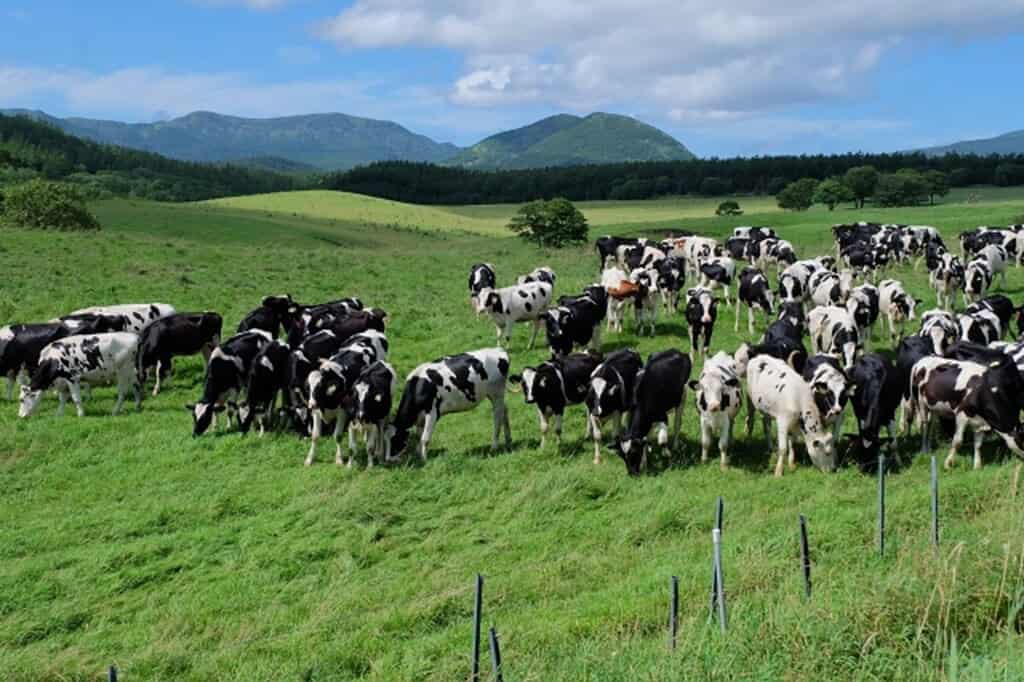
Ask anyone in Japan where the best milk comes from. The answer comes quickly: Hokkaido. Every time. But the reasons behind that reputation deserve a closer look.
Climate plays a bigger role than most people assume. Hokkaido summers are mild and significantly cooler than the rest of Japan. Cows are sensitive to heat stress. When temperatures stay comfortable, milk yield and quality both improve. Other parts of Japan struggle with humid summers that affect dairy output. Hokkaido generally does not.
The land itself is another factor. Wide, open pastures allow cows to move freely and graze naturally. That lifestyle shows up in the milk. Farmers here have space. They use it well.
There is also something to be said for regional identity. Hokkaido dairy has a long cultural history, and local producers take visible pride in their product. That pride is not just marketing. It translates into real attention to quality at every step.
What Makes Hokkaido Milk Taste So Rich and Creamy
This is often the first question people ask. The honest answer is that it comes down to several things working together.
Fat content is part of it. Premium Hokkaido milk often has a butterfat percentage of 4% or higher. Standard milk elsewhere in Japan typically sits around 3.5%. That difference is noticeable on the palate, even if it sounds like a small number on paper.
Feed quality plays an equally important role. Many Hokkaido cows eat locally grown grass and corn silage. What a cow eats shapes what the milk tastes like. That is not folklore. It is basic dairy science, and Hokkaido farmers take it seriously.
Freshness is the third piece. Milk consumed close to where it is produced simply tastes better. Transport time and cold chain management both affect flavor. When you drink Hokkaido milk in Sapporo or at a farm shop in Betsukai, you are getting something very close to its original state. That is hard to replicate once the milk travels long distances.
Many people notice a faint natural sweetness in Hokkaido milk. That is not added sugar. It comes from the lactose and high cream content interacting naturally. Subtle, but once you notice it, you start looking for it in every glass.
If you are curious about other rich dairy-based foods from the region, Hokkaido has plenty more to offer beyond the milk itself.
The History Behind Hokkaido’s Dairy Industry
Hokkaido’s dairy story has roots in the Meiji era, beginning around the 1870s. Before that period, Japan had almost no dairy tradition. Milk was not part of the Japanese diet. The country ran on rice, fish, soy, and vegetables.
The Meiji government chose to modernize Japan rapidly. Part of that effort meant importing agricultural knowledge from the West. Hokkaido was selected as a development zone. It had open land, a manageable climate, and distance from overcrowded urban centers. It felt like a blank page.
American and European agricultural advisors arrived and introduced Holstein cattle to the island. These large black-and-white cows adapted well to Hokkaido’s cooler conditions. They became the foundation of the entire regional dairy industry.
By the early 20th century, dairy cooperatives had started forming across Hokkaido. Small farm families joined together to share equipment, distribution networks, and market access. It was a practical response to the challenges of operating independently. It worked.
After World War II, Japan’s diet changed sharply. Western food habits spread through the country. Milk, butter, and cheese became everyday items for many Japanese households. Hokkaido’s infrastructure was already in place to supply that growing demand. The industry scaled up quickly.
Today, Hokkaido produces roughly half of all butter and cheese made in Japan. It is the country’s leading dairy region by a significant margin. That position was not handed to anyone. It was built, carefully, over 150 years.
Hokkaido Milk Brands Worth Trying
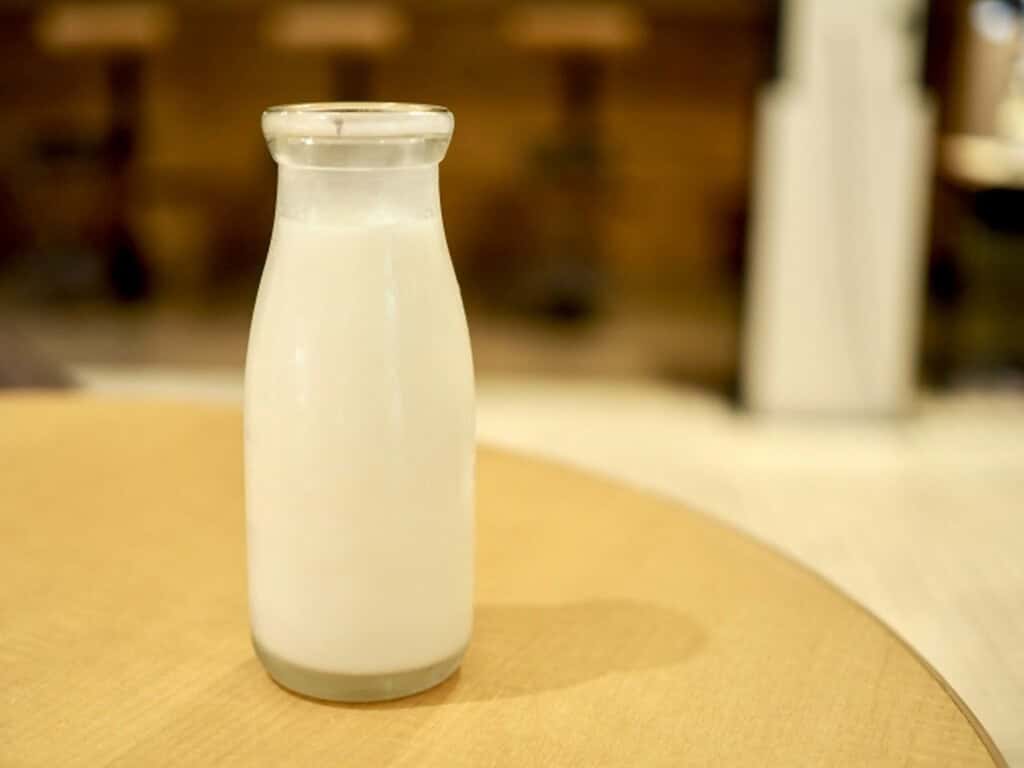
Several brands have earned strong reputations among people who care about premium Japanese milk from Hokkaido.
Yotsuba Milk Products is probably the most recognized name. Their milk is widely available across Japan and comes exclusively from Hokkaido farms. Consistent, fresh, and easy to find.
Nakazawa Foods produces a line called “Special Milk,” sourced from a single herd and sold within a narrow freshness window. It costs more than average. Most people who try it do not regret spending the extra.
Milk from Betsukai, a small town in eastern Hokkaido, is also worth seeking out. The area is known for producing some of the highest-quality raw milk in the region. Local producers there work at a scale that allows close attention to each animal.
For many visitors, the first encounter with great Hokkaido dairy happens in a convenience store. A cold carton of milk from a 7-Eleven fridge in Sapporo is, genuinely, one of the small joys of traveling in Hokkaido. That sounds like an exaggeration. It really is not.
Where to Buy Hokkaido Milk in Japan
If you are traveling in Hokkaido, finding fresh local milk is straightforward. Convenience stores, supermarkets, and roadside farm shops all carry it. Look for the Hokkaido prefecture mark on the packaging. It is your clearest sign of regional origin.
Outside Hokkaido, major supermarkets in Tokyo and Osaka carry branded Hokkaido milk. Expect to pay slightly more than you would for a local brand. The price gap is usually modest.
Specialty food markets and department store basement food halls (depachika) in larger cities often stock Hokkaido butter, cream, and cheese alongside the milk. Exploring those together gives a much fuller picture of what the region’s dairy world really offers.
If you want to go deeper, browsing regional Japanese food by area is a good place to start.
A Final Thought
Hokkaido milk is not just dairy. It is the result of geography, history, and people who decided to do one thing exceptionally well. The cold air, the open land, the generations of farming families who built the industry from almost nothing: all of that ends up, somehow, in the glass.
Maybe that sounds like too much to place on a carton of milk. But taste it once, and you will start to understand why it has the reputation it does.
References
- Hokkaido Government, Agriculture, Forestry and Fisheries Department. Overview of Hokkaido’s Dairy Industry. https://www.pref.hokkaido.lg.jp/ns/nss/
- Japan Dairy Association. Japanese Dairy Farming Statistics. https://www.j-milk.jp/
- Ministry of Agriculture, Forestry and Fisheries (MAFF), Japan. Milk and Dairy Products Labeling Standards. https://www.maff.go.jp/


Comments