




If you’re planning a trip to Japan, the Kansai region is probably already on your list. Kyoto, Osaka, Nara are names that almost everyone recognizes. But here’s the thing: most travelers spend so much time planning what to see that they barely scratch the surface of what to eat.
Kansai food is not a single thing. It’s a region-wide obsession, layered across seven prefectures, each with its own ingredients, techniques, and dishes that locals defend with quiet ferocity. Kansai Japanese cuisine has shaped what the world thinks of when it imagines Japanese food, and yet much of it still feels like a local secret once you’re actually here. So, where do you even begin?
Let me walk you through the dishes that genuinely made me stop and think, “I have to come back just for this.“
The Kansai Food Philosophy That Makes Kansai Cuisine Unlike Anywhere Else
There’s a concept in Osaka called kuidaore, and it translates, roughly, as “eat until you’re financially ruined.” The phrase sounds extreme. But spend a few days in Kansai and it starts to feel like a reasonable life goal.
Kansai cuisine operates on a different set of values than the food culture in Tokyo. Where Tokyo trends toward precision and restraint, kansai food tends to be louder, warmer, and more sociable. Dishes are meant to be shared, debated, and eaten standing at a stall or crammed onto a narrow counter seat. The question isn’t whether you’ll eat too much. It’s which dish tips you over the edge first.
This spirit runs through everything, from the cheapest street snack to the most formal kaiseki dinner in Kyoto. Understanding it changes the way you eat here.
Osaka’s Street Food: Takoyaki, the Crispy Balls That Pulled Me Off the Street
Osaka has a lot to answer for in the world of kansai food. It gave the planet one of the most addictive street snacks in existence: takoyaki.
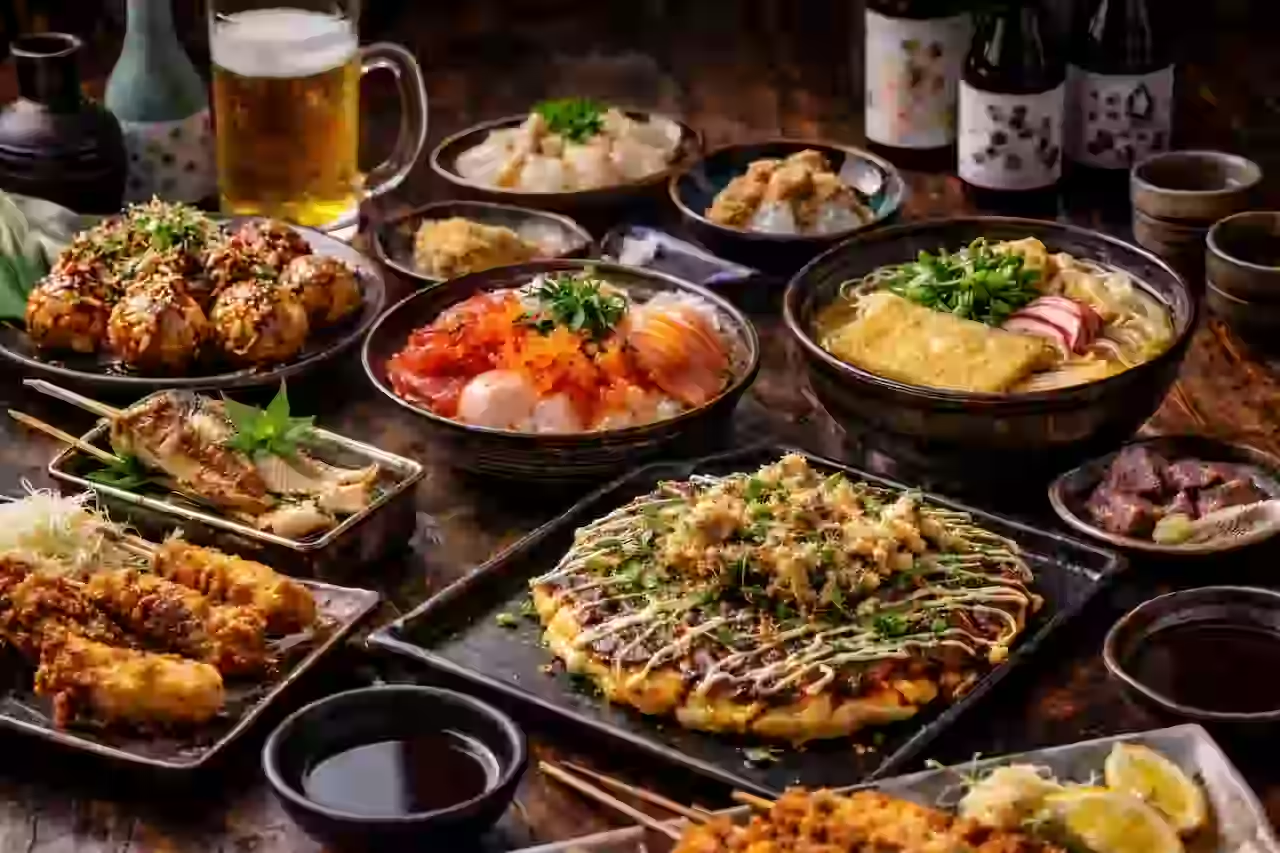
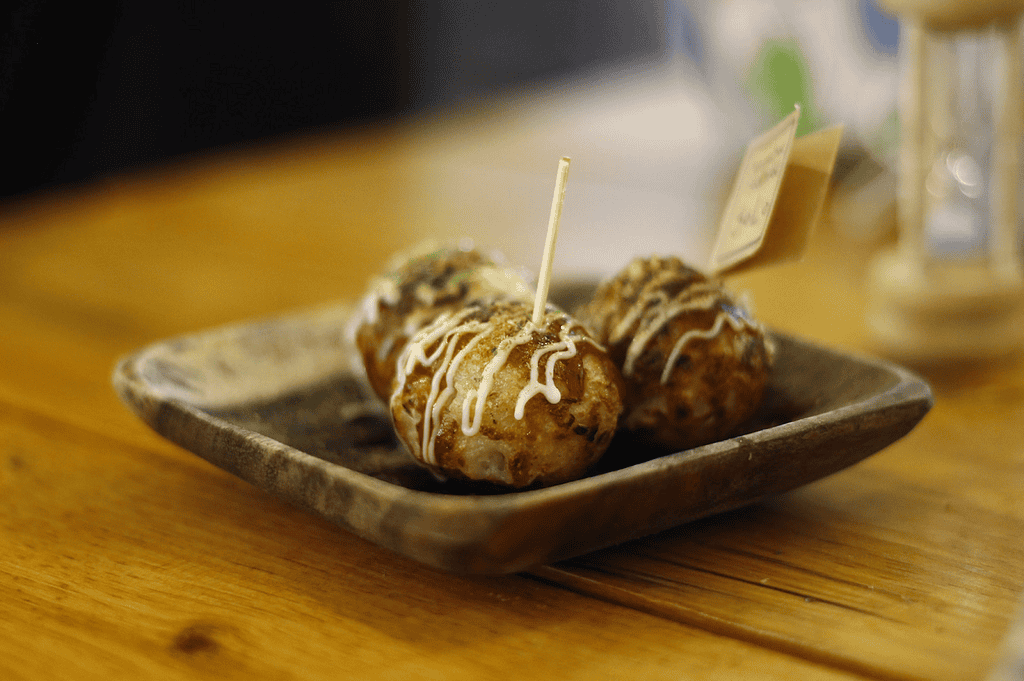
You’ve probably seen them. Perfectly round, golden balls cooked in a cast-iron mold, each one hiding a piece of tender octopus inside. The outside is properly crispy, with a slight char that gives way to a center that is, somehow, still almost molten. The first bite always surprises people. You bite in expecting something firm, and instead the inside gives way like warm custard, releasing a gust of steam and a deep, savory dashi aroma that fills the back of your throat. The octopus itself is springy and mild, almost sweet, giving just enough resistance before it yields. It’s the kind of sensation that makes you immediately reach for the next one.
The smell before you even taste them is the real trap. Sauce hitting the hot iron produces a dark, slightly sweet, smoky wave that pulls you in from half a block away. You might not have planned to stop. You will stop.
Toppings layer another dimension onto each ball: the pungent-sweet Worcestershire-style sauce, a cool stripe of mayonnaise, bonito flakes that ripple and curl in the rising heat, and the sharp freshness of chopped green onion cutting through the richness. The origin traces back to the Shinsekai district of Osaka in the 1930s. The city has changed enormously since then. The takoyaki, mercifully, has not.
Kansai Okonomiyaki: The Dish That Gets People Arguing at the Table
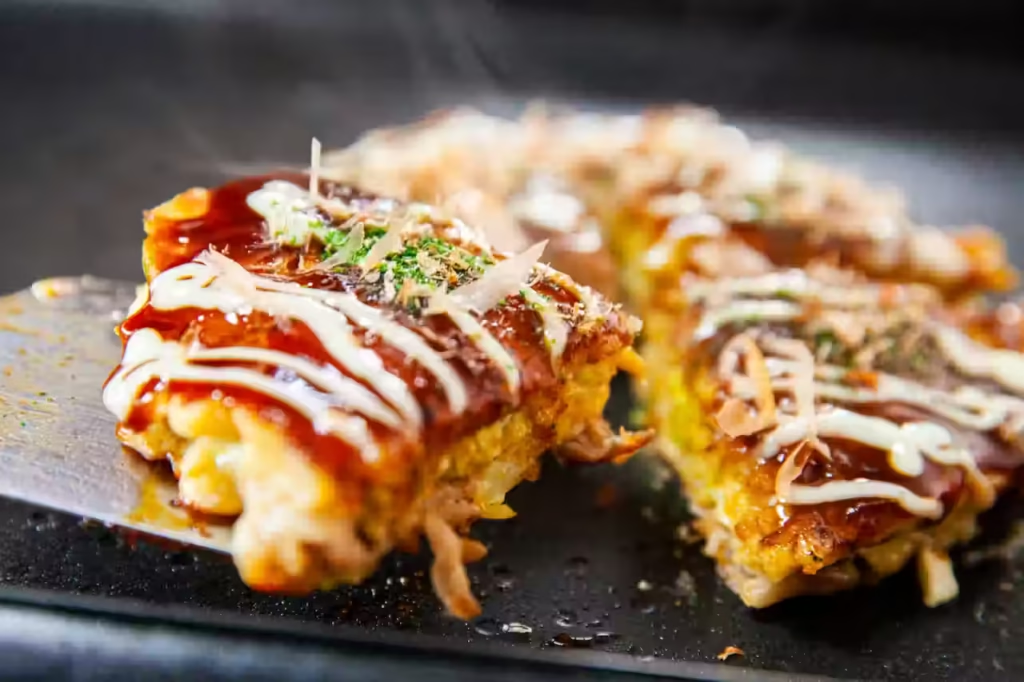
People feel strongly about kansai okonomiyaki. Very strongly. If you’ve already tried the Hiroshima layered version, the Kansai style might look almost simple by comparison. Everything, the cabbage, the egg, the protein, goes into the batter together before grilling.
Don’t let that fool you. The result is a thick, golden savory pancake with a moist, springy interior. It smells of searing cabbage and sweet sauce all at once. Pressing the spatula down releases a hiss of steam. A warm, caramel-touched aroma reaches you before the plate even arrives. The nagaimo mountain yam grated into the batter does something remarkable. It makes the whole thing unexpectedly airy and light for something this substantial. When you cut through it, the shredded cabbage has turned almost translucently sweet. The batter around it has set into something almost custard-tender at the center. The sauce on top caramelizes slightly at the edges. That faint bitterness keeps the sweetness honest.

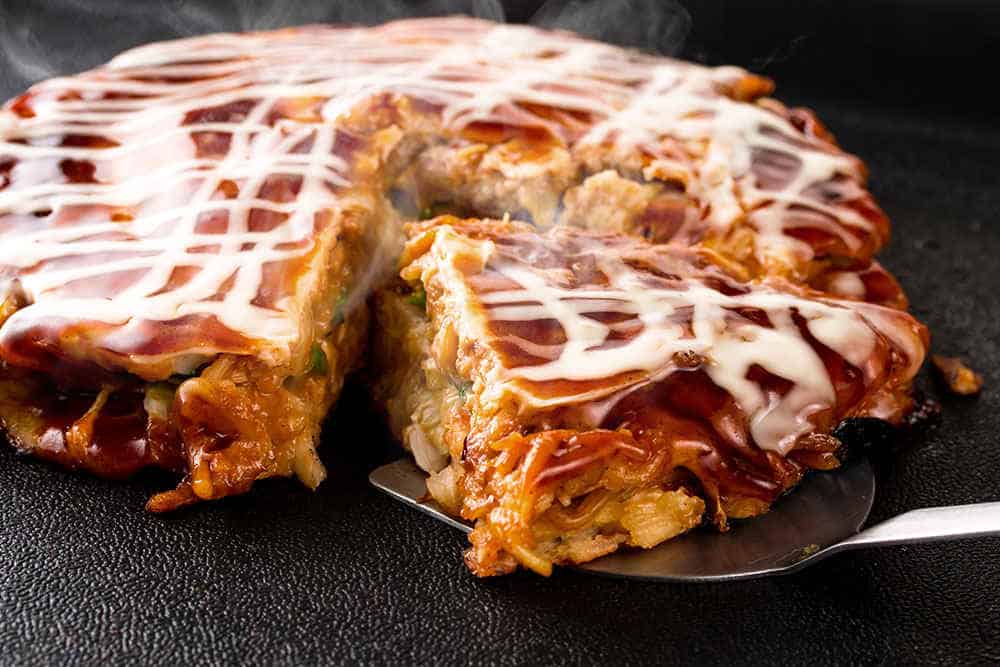
Modanyaki takes things further still. Yakisoba noodles get folded into the batter before the final flip, and the difference is immediate: the noodles add a smoky, oil-kissed chew that runs through every bite, slightly charred at the bottom where they make contact with the iron, fragrant with a faint wok-like heat. It’s the kind of food that makes you quiet for a few minutes.
One Rule, No Exceptions: Kushikatsu and the Communal Sauce
Here’s a dish with a rule so sacred that shops post it on signs at the entrance: no double dipping.
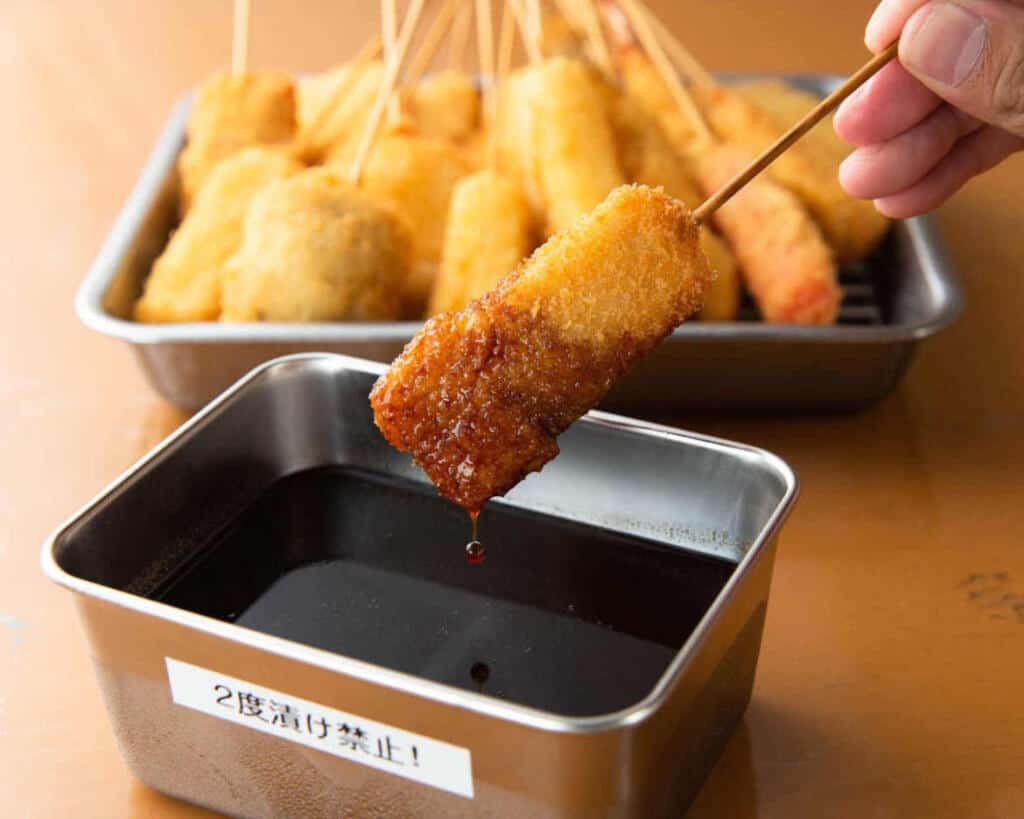
Kushikatsu, skewered and breaded deep-fried meat and vegetables, is essential to any real kansai food experience. The concept is straightforward. You choose a skewer, you dip it once in the shared communal sauce, and you eat. Dipping a second time is not permitted. The rule started for hygiene reasons, but the culture around it has grown almost theatrical.
The breading should be very thin and audibly crispy. It shatters lightly on the first bite with a clean crack. A faint curl of steam releases, along with the savory warmth beneath. There’s almost no grease in a well-made version. Beef carries a clean, mineral-savory taste that deepens with the sauce. Shrimp is lightly sweet and snaps at the bite. Lotus root is satisfyingly starchy with a gentle earthiness. Its crunchy cross-section holds its shape through the heat. Quail egg is silky inside, the yolk still running slightly. A cheese skewer will thread slightly when pulled, warm and mild. The coating gives a short crunch before the softness underneath. The communal sauce builds complexity as the day goes on. Every skewer that passes through it deepens the flavor. It develops a savory-sweet darkness that no fresh sauce can replicate.
Entire alleyways in Dotonbori are dedicated to kushikatsu shops, some with queues out the door from late afternoon. The wait tends to be worth it.
The Invisible Thread: How Dashi Gives Kansai Cuisine Its Soul
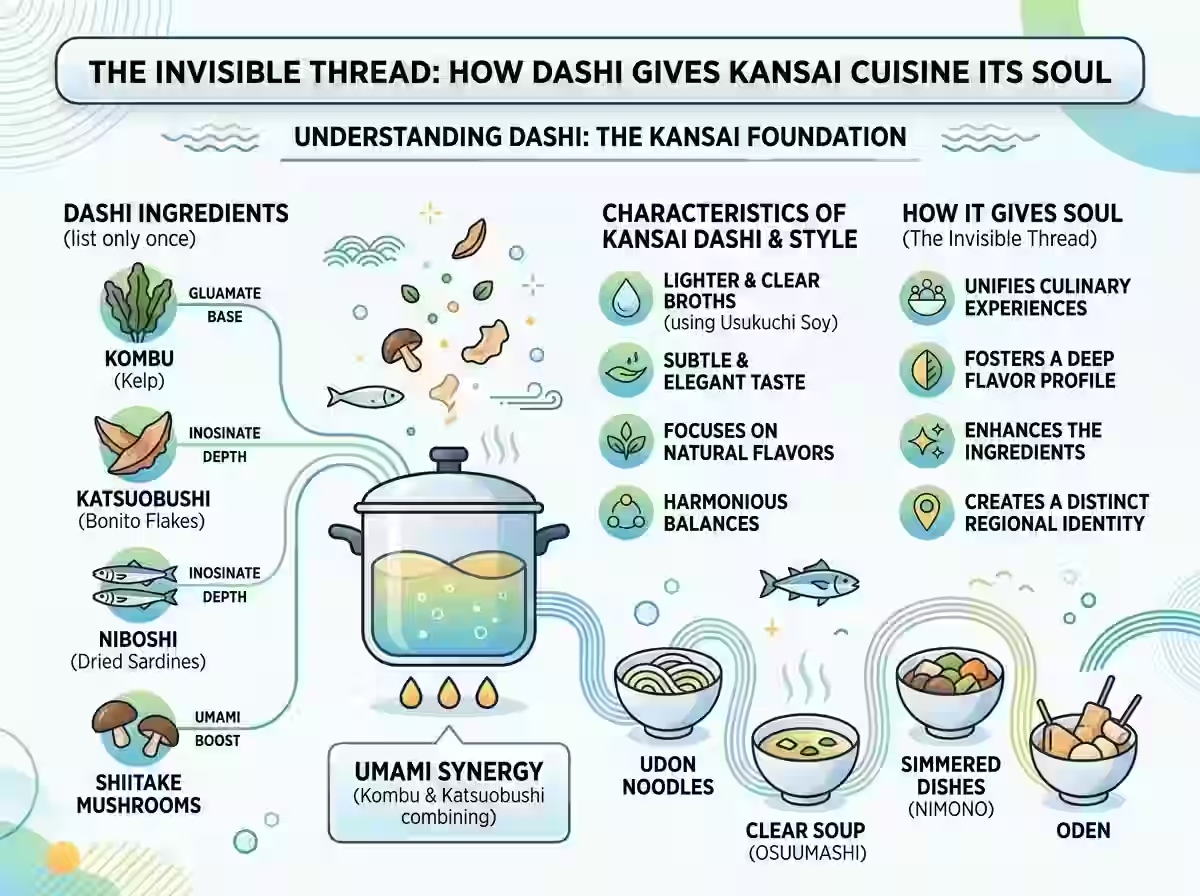
Before diving deeper into Kyoto and Hyogo, it’s worth pausing on the thing that connects nearly every dish in kansai food: dashi.
In much of the world, stock is a background note. In Kansai, dashi is the architecture. The most common version draws from kombu seaweed and katsuobushi — dried, smoked bonito flakes. The result is a broth so clean and pale it looks almost like water. Yet it carries a depth that is hard to name on first encounter. It’s savory without being salty. It smells faintly oceanic, then warm, then almost sweet at the very end. Kansai cooks call the quality they’re chasing usu-aji — a light but penetrating flavor. It lets the main ingredient speak rather than drowning it. You taste it in yudofu, in sukiyaki, in the dipping broth for akashiyaki. You taste it in the soup course of a kaiseki meal. Once you know what you’re tasting, you start to notice it everywhere. A quiet presence, tying the whole cuisine together.
Kyoto: Where Kansai Japanese Cuisine Becomes Something Else Entirely
Stepping from Osaka into Kyoto, the mood shifts. Kyoto doesn’t compete with Osaka’s energy. It simply operates at a different pace.
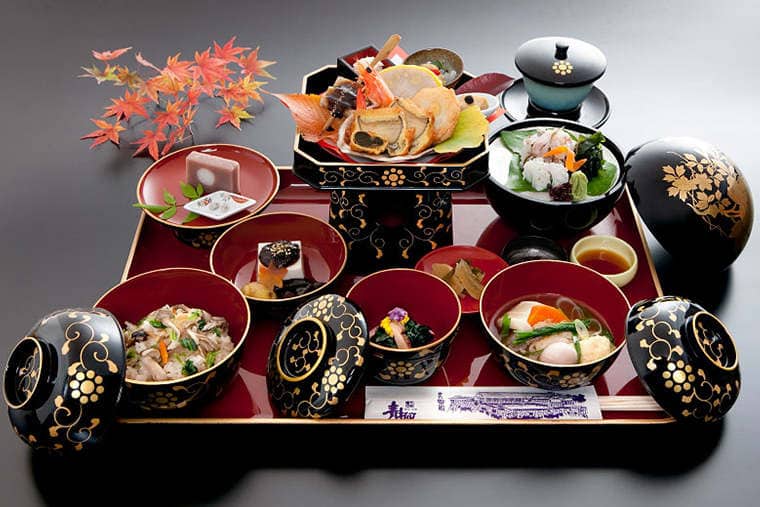
Kaiseki sits at the center of Kyoto’s food identity. It’s a multi-course meal that moves through the seasons in a carefully ordered sequence: a small appetizer that carries the season’s first flavor, often something faintly bitter or bright to open the palate; a clear soup, translucently golden, with a single ingredient floating inside that smells of cedar or citrus or earth depending on the month; sashimi cut so cleanly that the surface catches the light; grilled fish or meat with a slight char and a skin that crackles; then rice, pickles, and a light dessert that closes the meal without weight.
Each course is small enough that you’d never feel full from it alone. But the sequence accumulates, and by the end you feel deeply, quietly satisfied in a way that’s different from other meals. Flavors are clean and subtly layered, nothing competing for attention, each course making the next one more interesting.
On Eating Almost Nothing
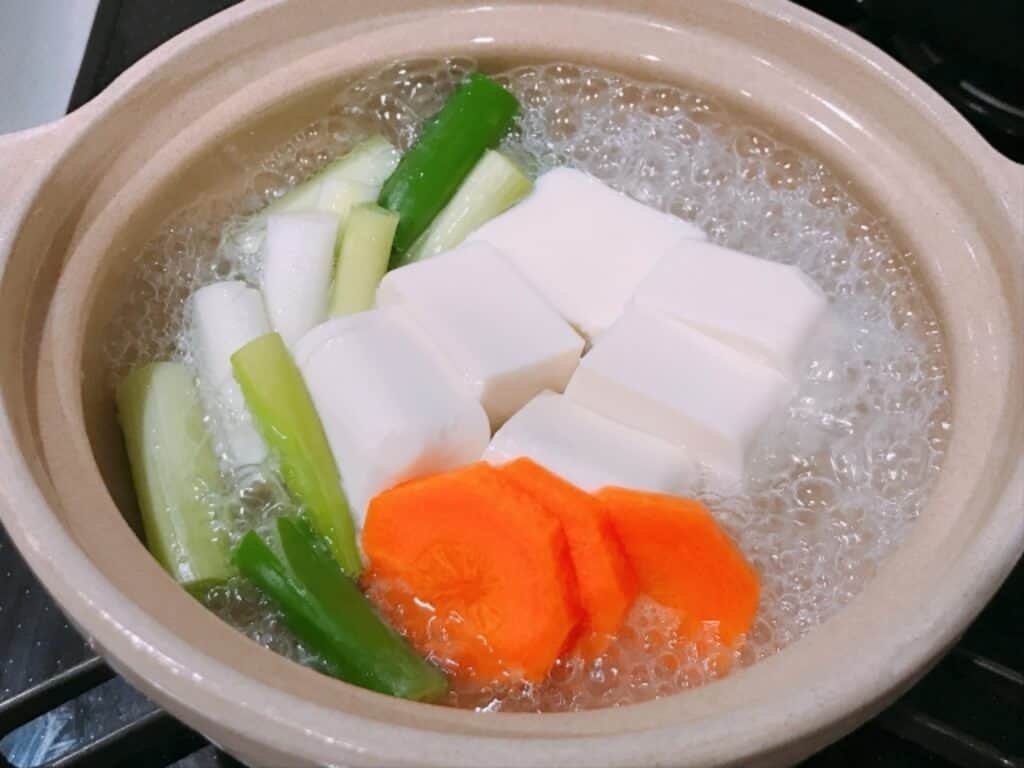
Yudofu is the opposite of kaiseki in almost every way. It’s tofu. Gently simmered in kombu dashi, served with small condiments and ponzu on the side. The simplicity can sound like a joke at first. But Kyoto tofu is made with the city’s unusually soft water, and the result is a silkiness that practically dissolves on contact, delicate enough that you can taste the soy itself rather than just the density of it. The warmth of the dashi carries a mild, low ocean note from the kombu. Ponzu adds brightness, the yuzu citrus and rice vinegar cutting through the tofu’s softness with a clean acidity. Eaten in a temple-adjacent restaurant with a garden visible outside, it becomes the kind of meal you remember specifically, not for drama, but for its absence of it.
Familiar Without a Reason
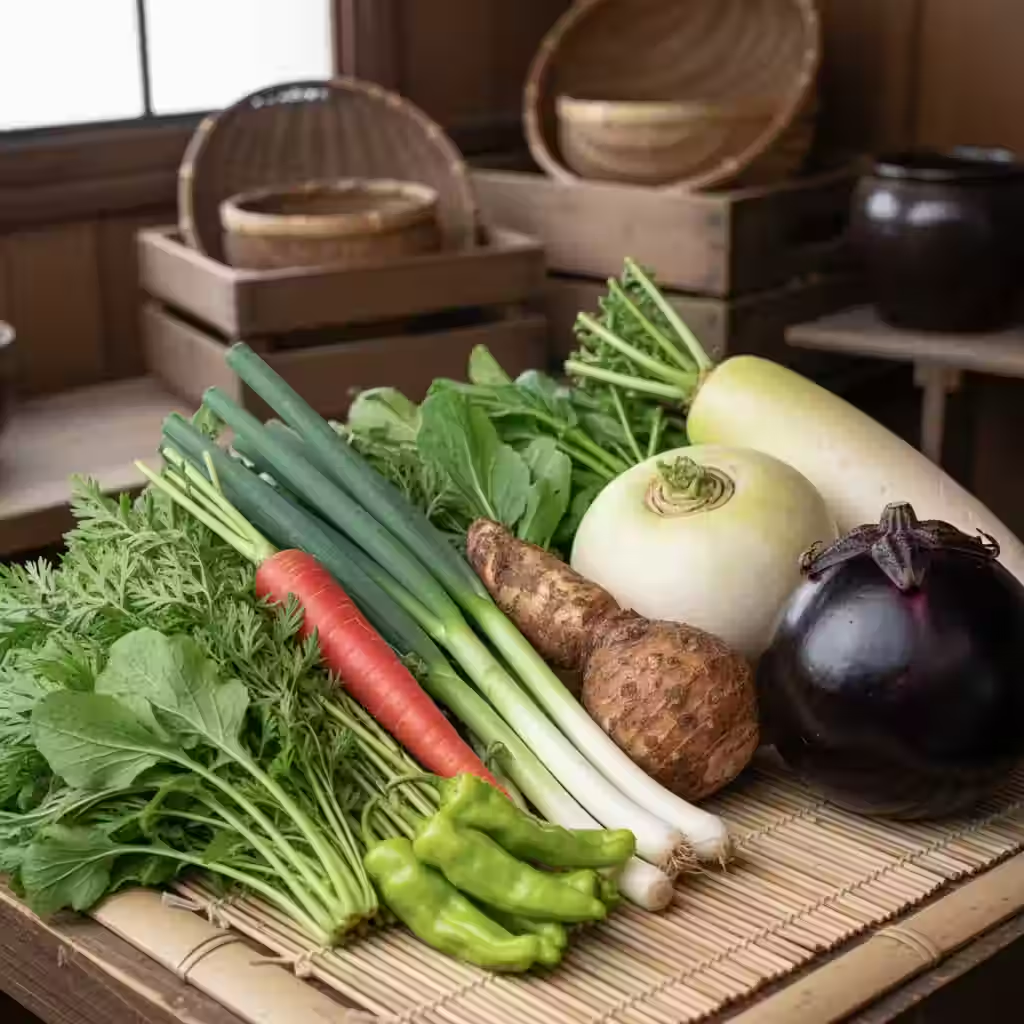
Kyo-yasai are the traditional vegetables of Kyoto, cultivated here for centuries in soil and water that produces flavors you’ll notice if you pay attention. Kujo negi, a deep-green leek-like onion, has a mellow allium sweetness when raw that intensifies and softens further when cooked, developing a slight caramelized edge. It turns up most naturally in niku tofu: a quietly warming pot of sliced beef and tofu simmered together in soy, mirin, and sake, the beef rich and just firm, the tofu giving slightly under chopsticks and absorbing the cooking liquid’s sweetness. The fragrance is almost identical to sukiyaki but gentler, with less caramel and more soy smoke. It’s the kind of dish that feels familiar even if you’ve never had it.
Hyogo: The Prefecture That Invented Two Rival Octopus Dishes
Hyogo sits between Osaka and the sea, and it carries a slight air of rivalry with its neighbor.
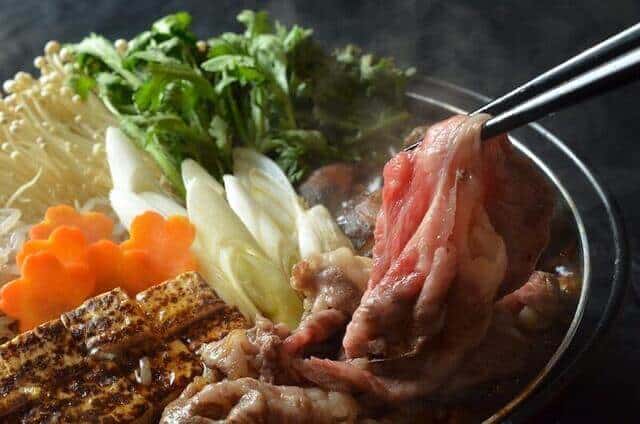
Sukiyaki as Kansai people know it came from Kobe, in Hyogo. The Kansai approach differs from Tokyo’s version: the beef is seared directly in the dry pan first, filling the room with a rich, fatty fragrance and a faint caramel-sweet smoke before the sugar and soy are added. The searing creates a layer of browning on the beef that no amount of simmering in broth can replicate. As the pot cooks down, the sauce thickens and darkens, developing a depth that’s simultaneously sweet and savory, with the fat from the beef folding into the liquid and making it slightly glossy. You dip everything in raw beaten egg before eating. The egg cools the bite, coats the beef and vegetables in a thin, just-set richness, and pulls the salt and sweetness together into something that’s hard to set down the chopsticks on.
Once the Comparison Wears Off
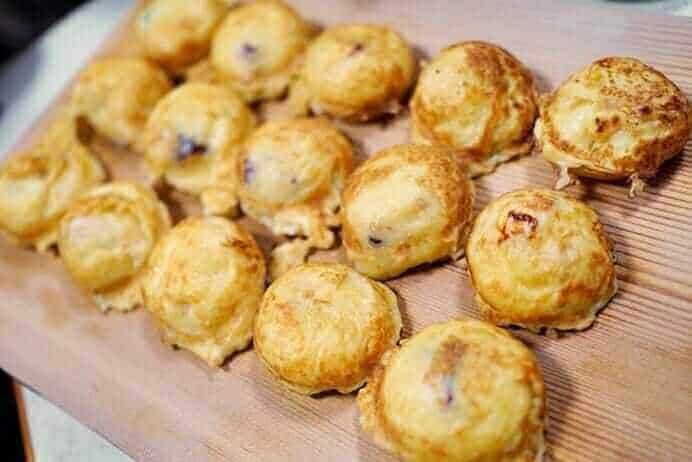
Akashiyaki is where Hyogo gets quietly competitive. This dish from the port city of Akashi is technically the ancestor of takoyaki, but the resemblance is only visual. The batter is egg-heavy, almost egg-dominant, and when cooked it sets into something pale and soft with a surface that barely holds its shape, more like a just-set chawanmushi than a fried ball. The bite gives without resistance. The octopus inside is noticeably more tender than in its Osaka descendant, the texture sitting somewhere between silky and firm. Instead of sauce, you dip each ball into warm dashi broth finished with a sliver of yuzu, and the fragrance of citrus rising from the hot broth is the thing that stays with you. The flavor is subtler, more considered, and some people find they actually prefer it once the novelty of the comparison wears off.
Kansai Japanese Sushi That Grew from Necessity: Nara’s Kakinoha-Zushi
Nara is often treated as a short detour. Deer photos, a few temples, back on the train. But kansai Japanese sushi has a version here that deserves serious attention.
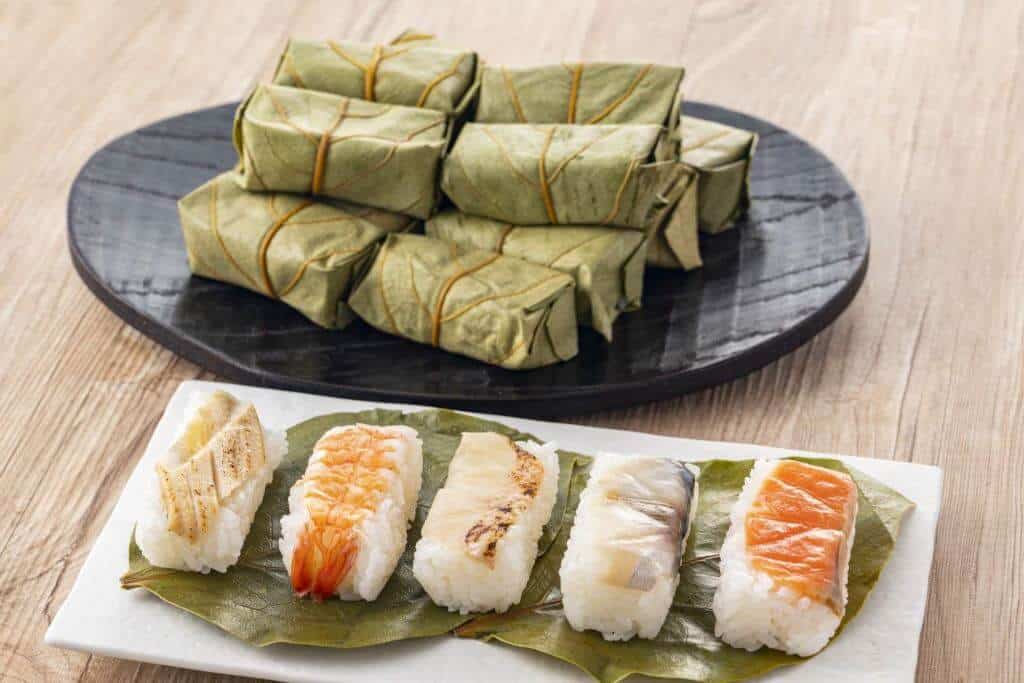
Kakinoha-zushi is pressed sushi wrapped in persimmon leaves. Each piece is compact and tight, holding mackerel or salmon on a small block of vinegared rice. When you open the leaf, the smell arrives first: a faint, cool green-earthiness, slightly astringent, carrying the quiet tannin of the persimmon leaf before the vinegar note beneath it rises up. The fish has been cured long enough that the flesh is firm, clean, and gently salty rather than raw-tasting, with a depth of flavor that fresh sashimi doesn’t have. The rice is pressed so tightly it holds together completely, each grain distinct but inseparable from the next, the vinegar seasoning absorbed evenly throughout. A faint bitterness from the leaf has passed into the outermost layer of rice, giving the whole piece a gentle complexity that you wouldn’t find in ordinary sushi.
This dish exists because Nara is landlocked. Fish traveled for days to reach the basin, and vinegar curing combined with persimmon leaf wrapping preserved it through the journey. The leaf has natural antibacterial properties, a practice that dates at least to the Edo period. What started as a practical solution became the dish that defines the prefecture. It’s sold at train stations, souvenir shops, and small markets throughout the region.
A Sweet Detour: Wagashi and the Other Language of Kyoto
In Kyoto, the meal doesn’t always end at dinner. There’s a quieter track running parallel to kaiseki and yudofu, one that most visitors glimpse only as a shop window.
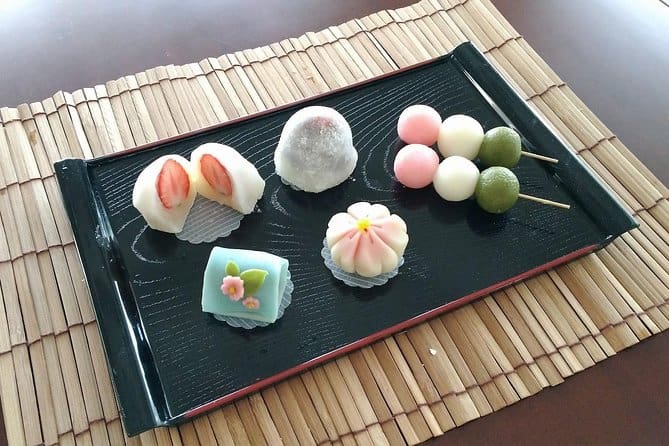
Wagashi are Japanese confections, and Kyoto makes some of the most refined versions in the country. Nerikiri is perhaps the most visually arresting: a small sculptural sweet made from white bean paste and mochi, shaped and colored by hand into something that looks more like a painting than a dessert. The surface is matte, cool, and slightly yielding to the touch. When you bite through it, the outer layer gives way to a soft, dense paste that is very lightly sweet, the sweetness held carefully in check so it doesn’t overwhelm. It’s designed to be eaten with matcha, whose bitterness pulls the sweetness of the nerikiri into relief.
Yatsuhashi, the flat baked cinnamon wafer that you’ll see everywhere in Kyoto’s tourist districts, is the opposite of precious: crisp, fragrant with cinnamon, and faintly sweet in a way that makes it easy to eat five before you realize it. The raw (nama) version wraps a small piece of sweet bean paste in soft, pliable mochi dough, the surface dusted with rice flour, the cinnamon gentler and the texture yielding rather than crisp. Both are worth trying. They’re different enough that comparing them is almost unfair.
Eating wagashi in a tea house near a garden, even briefly, changes the pace of a Kyoto day in a way that more famous sights sometimes don’t.
From Counter Seats to Market Alleyways: How to Find the Best Kansai Food on Any Budget

One of the best things about kansai food is that access isn’t gated by price. You can eat extraordinarily well here at almost any budget level, as long as you know where to look.
Kuromon Ichiba in Osaka runs along a covered arcade of vendors selling fresh seafood, pickles, prepared foods, and skewers that you can eat walking. Arriving around lunchtime means you can graze through several stalls without committing to a full meal anywhere. Nishiki Market in Kyoto operates on a similar principle: a narrow covered alley lined with vendors selling silken tofu, layered pickled vegetables, small dashi-cooked snacks, and ingredients that tell you exactly where you are. Kobe’s Motomachi and Sannomiya areas have compact streets with affordable lunch options, from fresh sashimi sets to curry rice from places that have been serving the same menu for forty years, that most tourists skip entirely.
Counter seats are worth seeking out. At a teppanyaki counter, a yakitori bar, or a kansai okonomiyaki shop where you watch the cook work the iron directly in front of you, something happens that doesn’t happen at a table. You end up eating more slowly. It always feels more connected to where you are. Kansai people are famously direct and warm with strangers, and a counter seat puts you inside that warmth rather than observing it from a distance.
The Kansai Food Map Goes Further Than You Think
What makes kansai food remarkable isn’t any single dish. It’s the range. The region covers seven prefectures, and each one holds something distinct.
Wakayama has kinzanji miso, a fermented miso thick with finely chopped eggplant, ginger, shiso, and other summer vegetables, eaten as a condiment by the spoonful rather than dissolved into soup. The texture is dense and slightly jammy, and the flavor opens in layers: first sweet, then the quiet acid of fermentation, then a deep earthy umami that lingers.
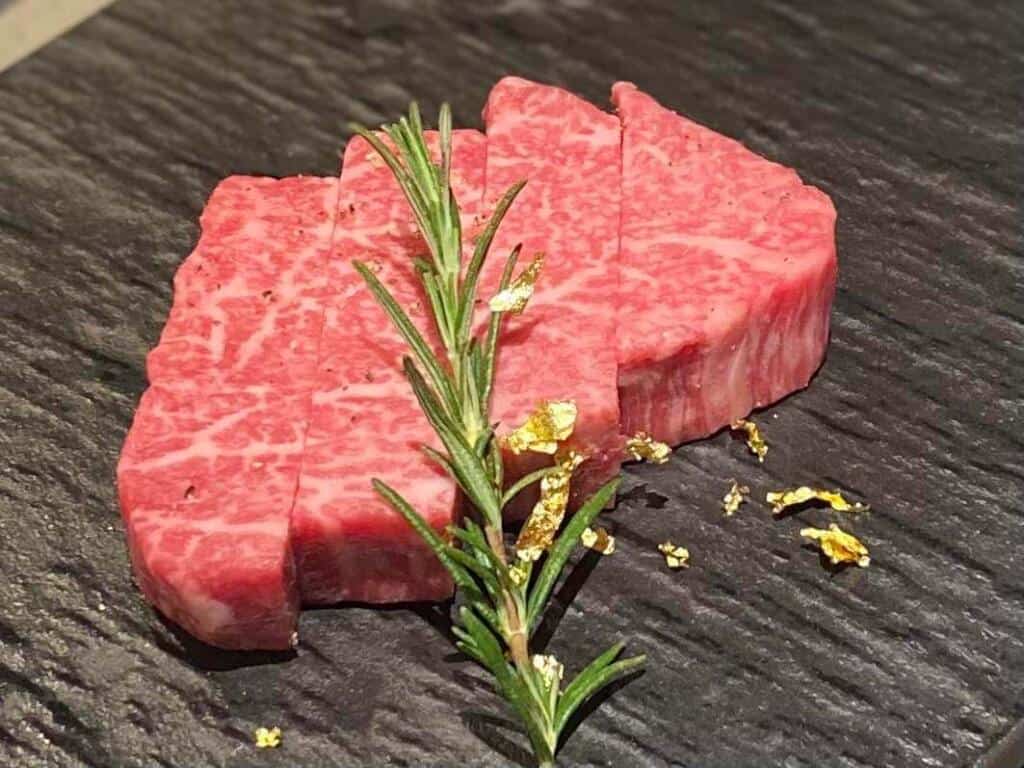
Mie holds some of Japan’s finest seafood, including Matsuzaka beef, marbled so heavily with fat that it smells faintly buttery before it even touches heat, and spiny lobster from Ise Bay, the flesh firm, sweet, and noticeably more complex than ordinary lobster. Shiga has funazushi, one of the oldest surviving forms of fermented sushi in the country, aged for months to a year or longer in salted rice. The fish emerges with a pungent, almost cheese-like funk, sour and dense, and the experience of tasting it is genuinely unlike anything else. Some people find it fascinating. Others find it too much. Either reaction is valid.
There’s always more than this guide covers. That’s the nature of kansai cuisine. Start with whatever sounds most compelling, order something unfamiliar, and let the place take it from there.
References
Kansai Kanko Honbu (https://kansai.or.jp/)
Comments