





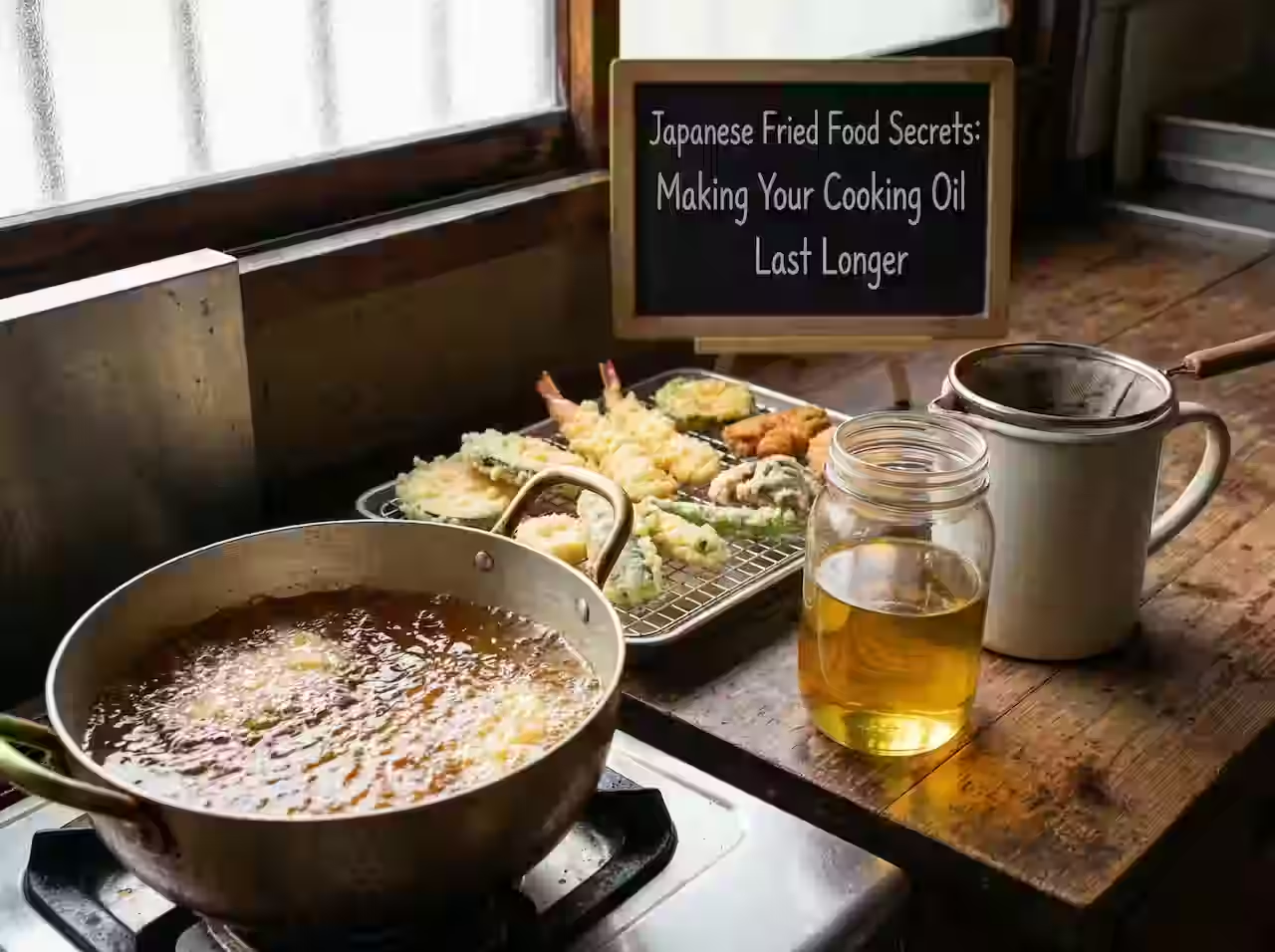
Japanese fried food relies heavily on frying oil. This oil can be costly and prone to rapid deterioration if not managed properly. However, Japanese chefs have developed time-tested techniques to extend oil life. These methods maintain the quality and flavor of their fried dishes. Combining these traditional methods with modern innovations makes a real difference. Solutions like those from Save Frying Oil help home cooks and professionals alike. They reduce oil waste, save money, and let you enjoy authentic flavors longer. It’s about working smarter, not harder, really.
Why Oil Quality Matters in Japanese Fried Food
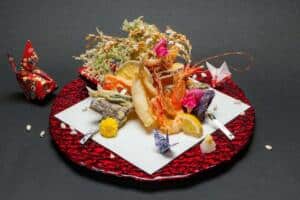
Japanese fried foods emphasize a light, crispy texture and clean flavor. For example, tempura batter is thin and delicate. It requires fresh, well-maintained oil to achieve its signature golden crispness. Without good oil, it becomes greasy or bitter quickly. The batter typically contains ice-cold water and minimal gluten development. This creates those characteristic crispy, lacy edges you see. They shatter pleasantly with each bite, almost like glass. That texture is what makes tempura so special, honestly.
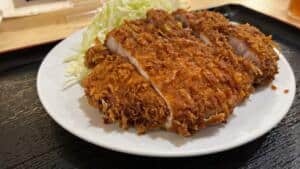
Tonkatsu and Panko’s Unique Texture
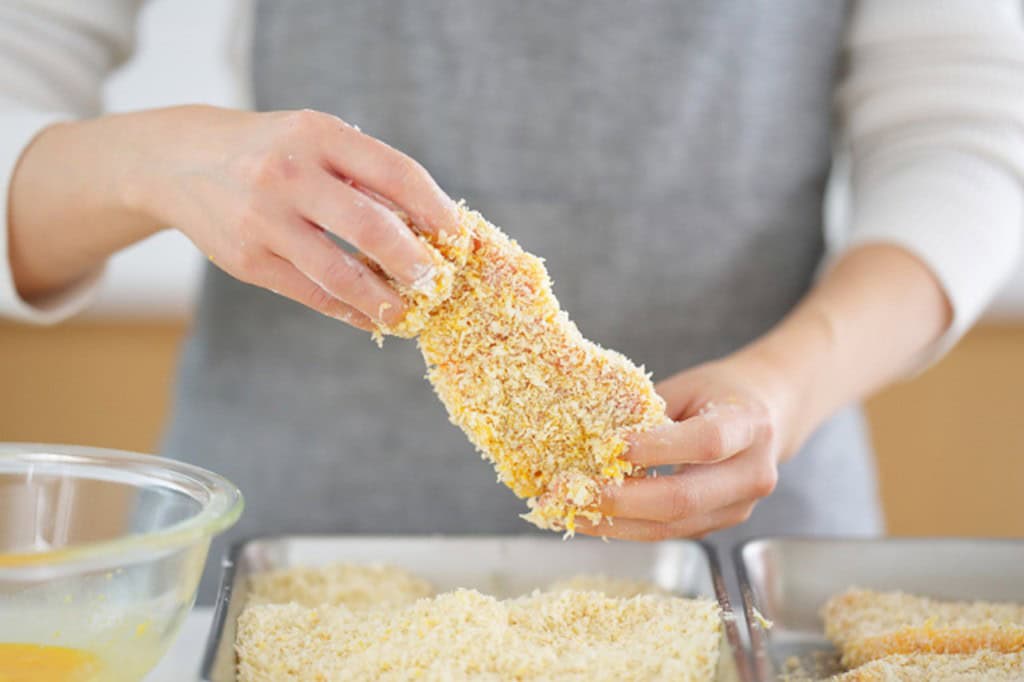
Tonkatsu uses thick panko breadcrumbs that absorb oil differently, creating a uniquely crunchy outer layer that stays crisp even as the pork inside remains tender and juicy. The panko’s airy structure traps less oil than regular breadcrumbs, resulting in a lighter mouthfeel.
Double Frying and Regional Specialties
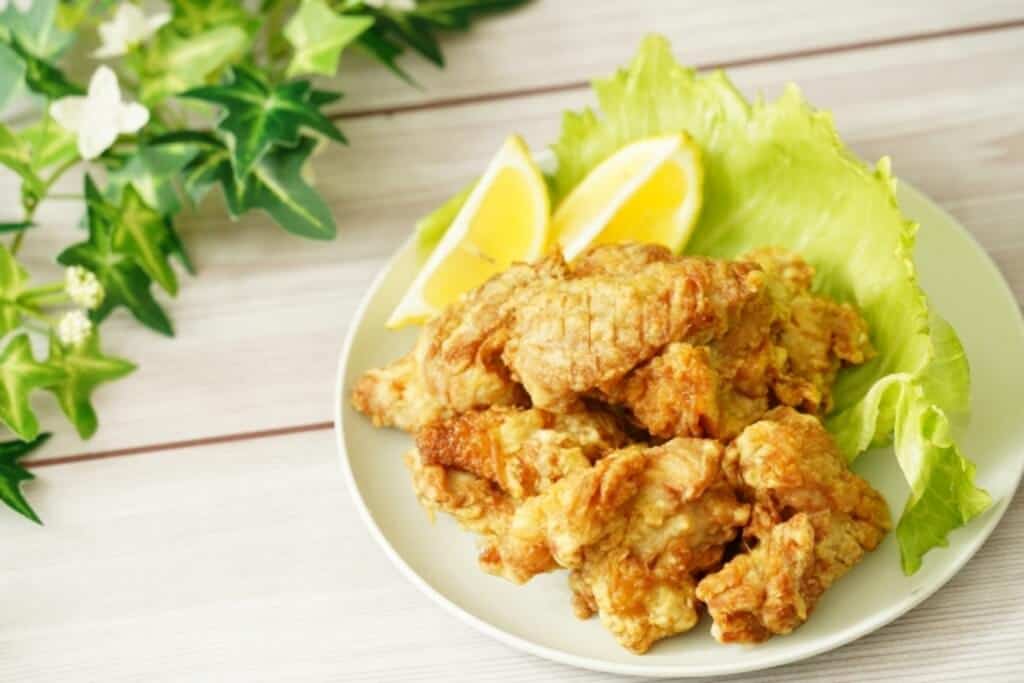
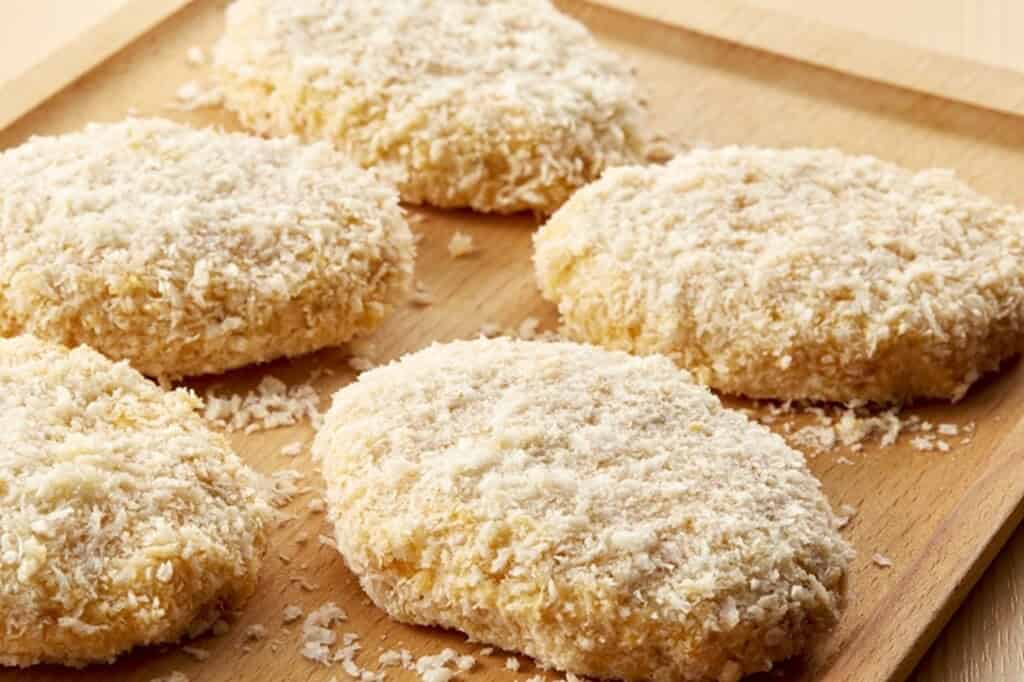
Karaage often involves double frying to lock in juiciness and crispness. The first fry cooks the chicken through while the second, hotter fry creates an intensely crunchy exterior with a golden-brown color. Kushikatsu, popular in Osaka, features skewered ingredients coated in fine breadcrumbs and fried quickly at high heat, with diners dipping each piece only once into communal sauce. Korokke (croquettes) blend creamy mashed potatoes or other fillings with a crispy panko shell, requiring precise oil temperature to prevent the filling from bursting through.
The Impact on Quality

The quality and condition of frying oil directly affect the texture, taste, and healthfulness of these dishes. Fresh oil maintains the delicate flavors of ingredients without adding unwanted bitterness or off-flavors. Degraded oil can turn foods dark too quickly. It creates an unpleasant greasy coating on everything. Worse, it produces harmful compounds that affect both taste and nutrition. Professional kitchens monitor oil temperature carefully to avoid this. They filter or replace oil regularly too. This preserves that characteristic lightness Japanese fried foods are known for. When oil breaks down from repeated heating, it absorbs into food more readily. This makes dishes heavy and unappetizing. It leaves an unpleasant oily film in your mouth that lingers. Clean, properly maintained oil does the opposite. It allows the natural sweetness of ingredients like shrimp in tempura to shine through. The savory richness of pork in tonkatsu comes through clearly too. Fresh oil lets the food speak for itself, basically.
Traditional Japanese Techniques to Preserve Frying Oil
- Careful Temperature Control
Maintaining oil temperature between 170°C and 180°C prevents excessive oil breakdown and food over-absorption. Japanese cooks often use thermometers or experience-based cues to keep oil steady, avoiding overheating that accelerates oil degradation. - Removing Batter Debris Promptly
After frying tempura or other battered foods, leftover batter bits sink and burn at the bottom of the pot, causing off-flavors and faster oil spoilage. Japanese chefs carefully skim both floating and sunken debris to keep oil clean. - Sequential Frying Order
Frying lighter-flavored ingredients first and more robust or water-rich items later helps maintain oil quality. For example, oysters with high water content are fried last to minimize oil deterioration. - Oil Filtration and Storage
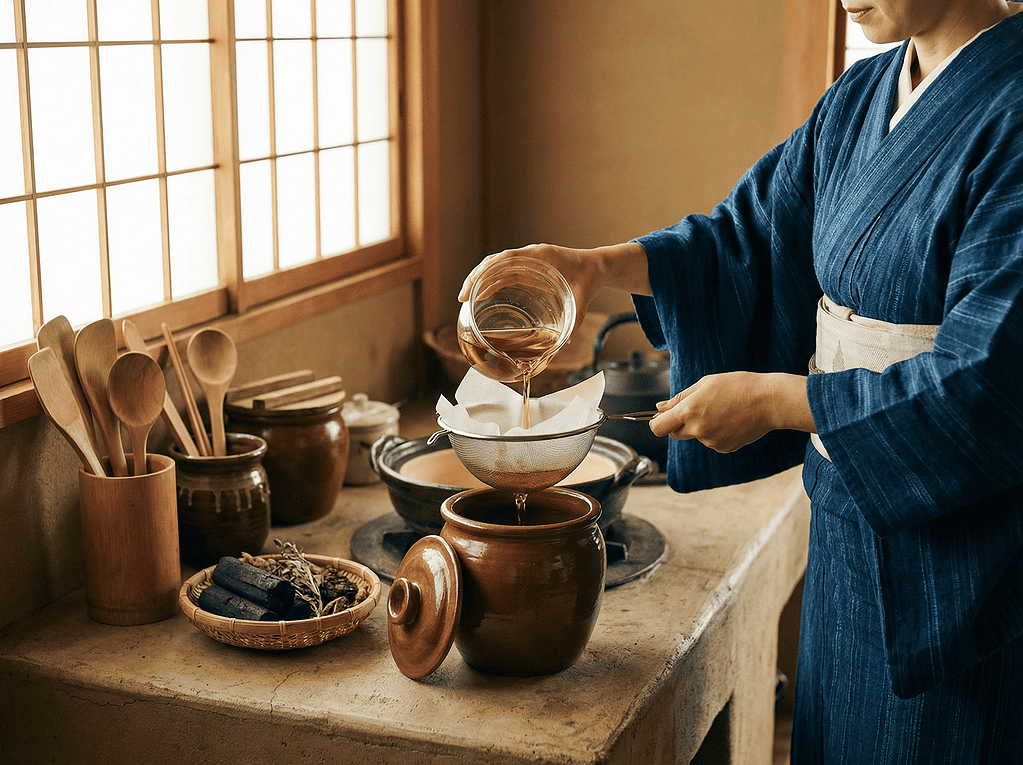
Filtering oil through fine mesh or cloth removes crumbs and particles. Storing oil in a cool, dark place slows oxidation. Some traditional methods include using natural absorbents like rice bran or plum extracts to refresh oil.
Modern Innovations: Save Frying Oil Technology
Save Frying Oil offers patented ceramic tiles that use UV light to charge oil molecules negatively, reducing oil absorption by food and slowing oil breakdown without chemicals or electricity. This technology has been proven to:
- Cut frying oil costs by up to 50%
- Reduce cooking time by 10-20%
- Lower oil temperature by about 10°F, saving energy
- Extend oil usability from 3-4 days to 10-12 days in commercial kitchens
By integrating such technology, Japanese kitchens and home cooks can maintain oil quality longer while producing lighter, crispier fried foods.
Scientific Insights on Extending Frying Oil Life
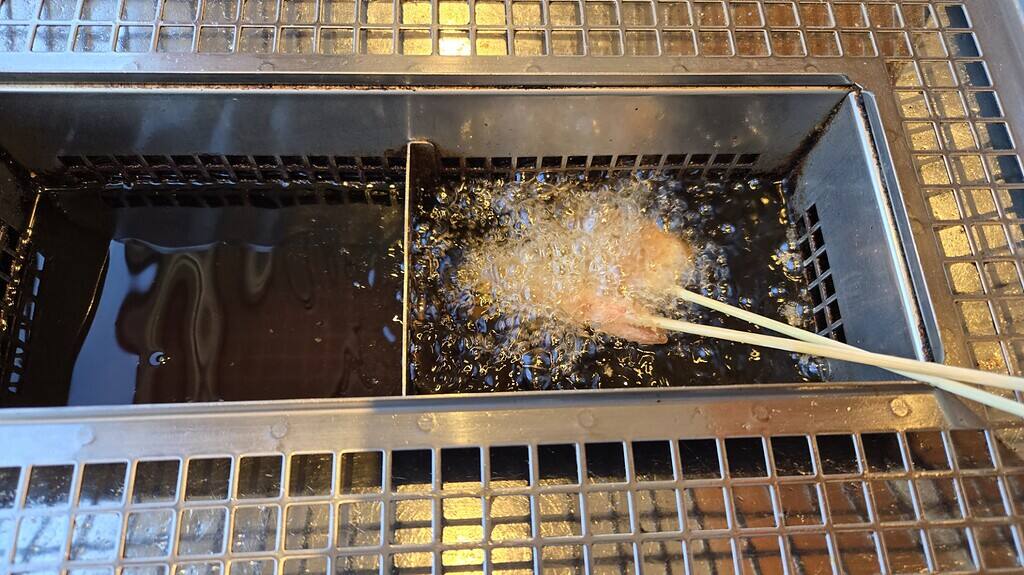
Research from Japanese institutions shows that fryer cleanliness significantly impacts oil longevity. Residual polymerized oil and carbonized debris accelerate oil deterioration. Using alkaline detergents to thoroughly clean fryers removes these residues better than neutral detergents, thereby extending oil life and improving fried food quality.
Practical Tips for Home Cooks and Professionals
- Filter oil after each use with a fine mesh strainer or coffee filter to remove crumbs and batter bits.
- Avoid overheating oil; keep it within the ideal temperature range for your dish.
- Top up used oil with fresh oil to dilute degradation products and maintain frying quality.
- Clean fryers or pots thoroughly at the end of the day using appropriate detergents to remove polymerized residues.
- Use high smoke point oils formulated for frying to resist breakdown and maintain crispness.
- Consider modern aids like Save Frying Oil to reduce oil absorption and extend oil life without changing cooking methods.
Conclusion
Japanese fried food mastery lies not only in recipes but also in meticulous oil management. By combining traditional practices, you can significantly extend your frying oil’s life. These include debris removal, temperature control, and frying order. Modern solutions like Save Frying Oil’s technology help too. Scientific cleaning methods make a real difference as well. This leads to better tasting, healthier fried foods overall. You’ll see cost savings and environmental benefits too. Embracing these secrets allows anyone to enjoy authentic Japanese fried dishes. You get less waste and more flavor in every bite. It’s a win all around, really.
Comments