





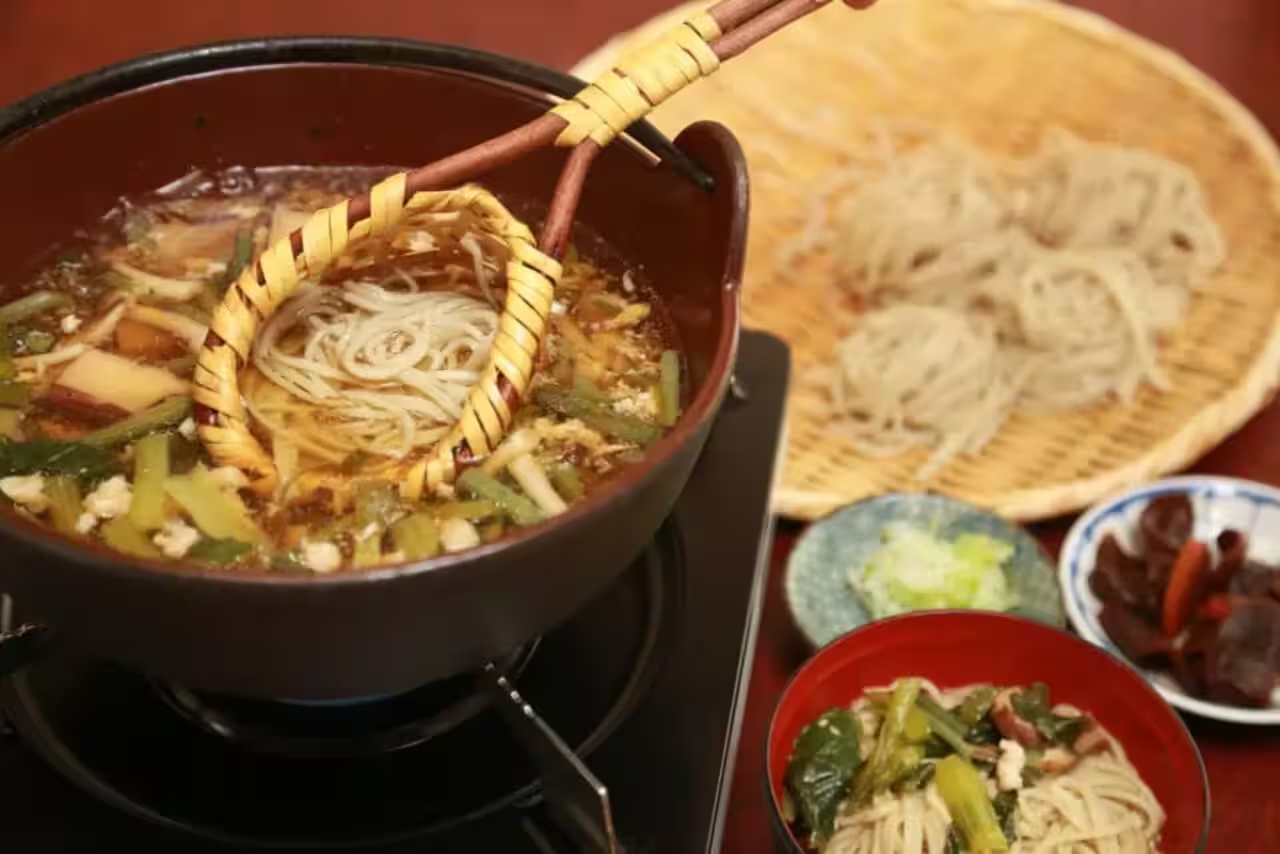
For people who love Japanese food, have you heard of Toji soba? This special dish is often enjoyed during a specific time of the year and has a rich history behind it. This article will explain what Toji soba is, its interesting background, and introduce a place where you can try it.
What is Toji Soba?
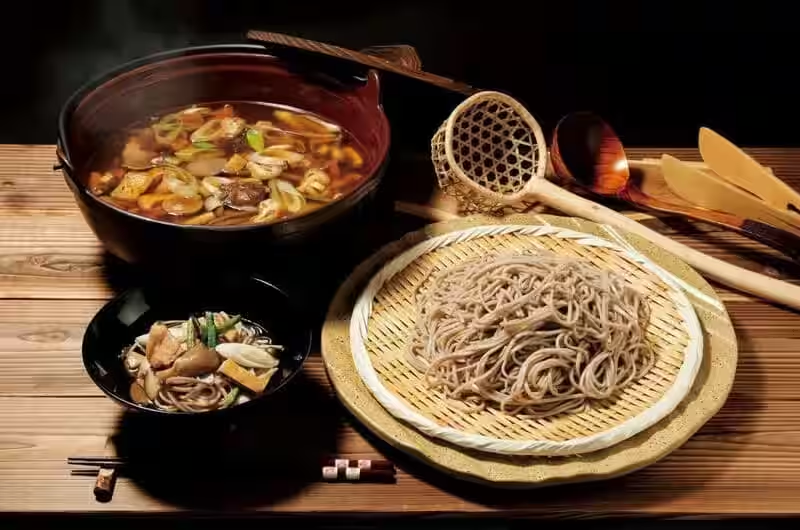
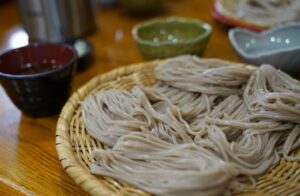
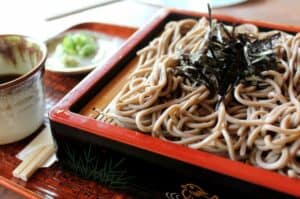
Toji soba (冬至そば), which can be written in two different ways, is a dish with two main traditions. The first, written as 冬至そば, is the simple custom of eating soba noodles on the winter solstice, a day known as tōji (冬至). In Japan, the winter solstice is a time to wish for good fortune and health. Soba noodles bring good luck because their long, thin shape represents a long life, and they are easy to break, symbolizing the breaking away of bad luck from the past year. This tradition is popular in many regions, including Okayama and Fukushima.
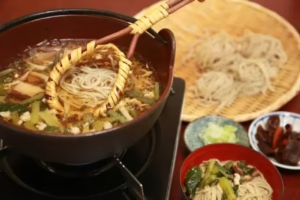
The second meaning of Toji soba, written as tōji soba (とうじそば or 投汁そば), is a specific type of hot pot dish that is a regional specialty. It comes from the Norikura and Nagawa areas of Nagano Prefecture. In this dish, soba noodles are briefly dipped into a warm, flavorful broth, which is simmered in a hot pot with various ingredients like chicken, mushrooms, and seasonal vegetables. The name tōji in this case means “to dip” or “to throw in,” referring to the way locals cook the noodles.
How the Salt of the Sea Meets the Sweetness of the Earth
Toji soba tastes a lot different than a typical Western squash soup. A Western soup usually uses heavy cream or butter to make it rich, but this dish uses a clear stock made from dried fish. The natural sugars from the kabocha pumpkin slowly seep into the salty broth, making a really nice savory sweetness. It does not feel thick or heavy like a puree. Instead, the deep taste of the dashi makes the pumpkin feel more grounded. It is a very simple and warming meal that feels very natural.
Choosing Between Light Simmered Toppings and a Thick Winter Stew
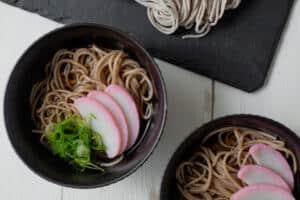
You can usually find two ways to prepare this dish for the solstice. One way uses pieces of simmered pumpkin placed on top of the noodles. This keeps the soup clear and the calories low. The other style involves cooking the pumpkin until it starts to break down into the broth itself. This makes the whole meal much thicker and richer. While the first version is light and clean, the second one feels like a heavy and filling treat. It gives you more energy to help you deal with the cold weather.
How Rough Buckwheat Noodles Turn Silky with Melting Squash
The way this dish feels in your mouth is all about the mix of buckwheat and squash. You first notice the slightly rough and grainy feel of the soba noodles. This is followed by the soft and smooth feel of the pumpkin as it melts on your tongue. As the pumpkin breaks down in the hot soup, it makes a thick and silky coating that sticks to the noodles. It makes the whole experience feel very smooth. It turns a basic bowl of soup into something that feels much more heavy and filling to eat.
The History of Toji Soba
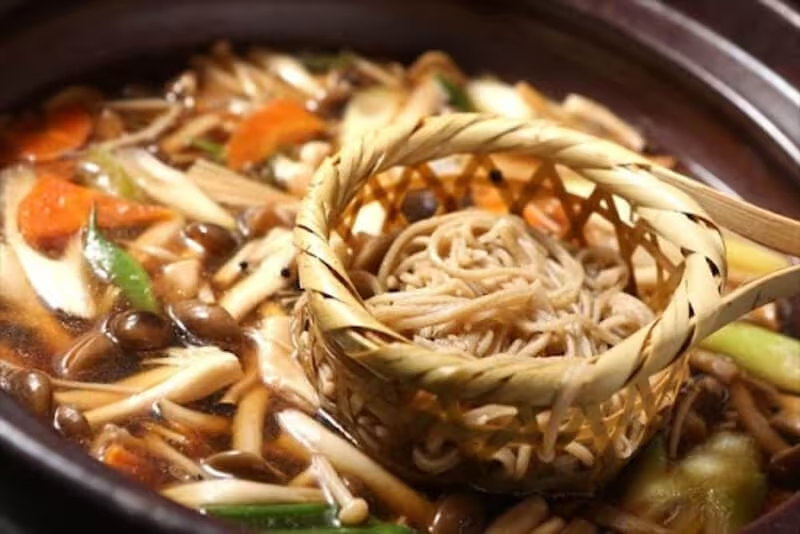
The history of Toji soba is a blend of cultural beliefs and regional traditions. The custom of eating soba on the winter solstice dates back to the Edo period (1603-1868). At that time, it was common to eat soba at the end of the year to cut off any hardships, as the word for “end” (終) sounds similar to the word for “soba” (蕎). This practice later became tied to the winter solstice, a turning point from shorter days to longer ones, symbolizing a fresh start.
On the other hand, the hot pot style of tōji soba from Nagano Prefecture is a long-standing tradition of that specific region. Since soba is a main product of the area, people created this unique hot pot dish to enjoy the noodles in a warm and comforting way, especially during the cold winters in the mountainous region. It has become a dish deeply connected to the local culture.
A Restaurant to Try Toji Soba
Sobanosato Nagawa (そばの里奈川)
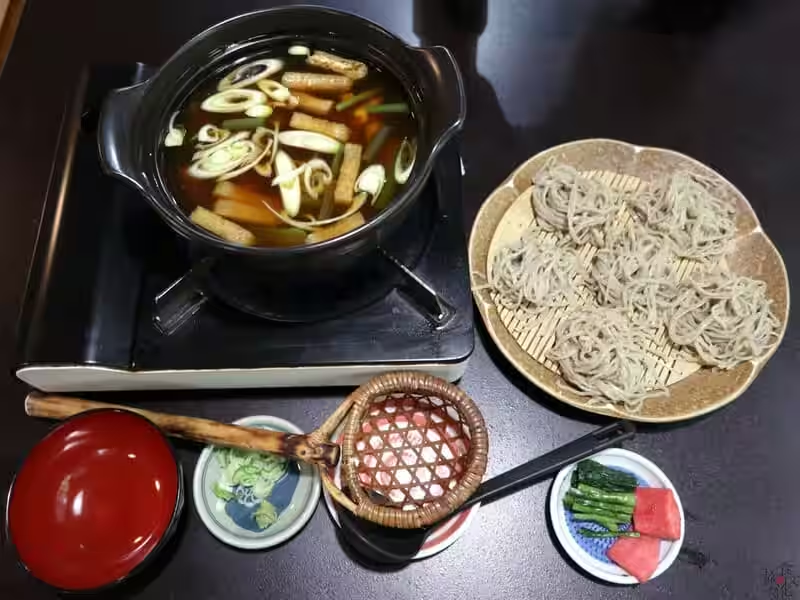
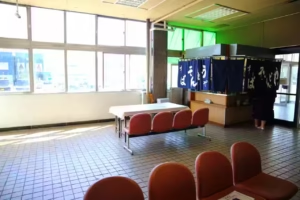
If you want to experience the special hot pot style of Toji soba, you can visit Sobanosato Nagawa. This restaurant is well-known for serving this authentic regional dish in the very area where it originated.
Conclusion
Toji soba is more than just a dish; it represents a blend of national tradition and a specific region’s unique culture. Whether you are eating it for good luck on the winter solstice or enjoying a warm bowl of the hot pot variety in Nagano, it is a meal that connects you to Japanese heritage. It’s a simple yet meaningful dish that provides comfort and a taste of history.
If you enjoy the comforting flavors of Toji soba, you might also like to try similar dishes like nabe (hot pot), sukiyaki, or oden, which offer a similar warmth and communal dining experience.
Toji Soba (Winter Solstice Soba) FAQ
What is Toji Soba?
People eat these buckwheat noodles specifically on the Winter Solstice (Toji) to wish for good health.
When do people eat it?
Locals eat it around December 21st or 22nd, the day with the shortest daylight hours of the year.
Is it the same as New Year’s Eve Soba?
No. People eat Toji Soba about ten days before the famous “Toshikoshi Soba” (New Year’s Eve noodles).
What toppings do they use?
Many regions top the noodles with simmered Kabocha (Japanese pumpkin) and green onions.
Why do they eat pumpkin?
Pumpkin provides Vitamin A to prevent colds, and its Japanese name “Nankin” brings luck (the “n” sound).
Why do they eat Soba on this day?
Old beliefs state that Soba “sweeps” the intestines clean to flush out toxins before the New Year.
Where is this custom famous?
Locals in Nagano, Shizuoka, and Fukushima prefectures practice this custom most devoutly.
Is it hot or cold?
Diners typically eat it as a hot noodle soup to warm the body during midwinter.
What does “Toji” mean?
“Toji” refers to the Winter Solstice, marking the turning point when days start getting longer again.
Do they add Yuzu?
Yes. Chefs often add Yuzu zest to the broth because Yuzu baths are another Toji tradition.
What is “Un-mori”?
People eat foods containing the “n” sound (like Udon, Renkon, Nankin) to attract “Un” (luck).
Does it cut bad luck?
Yes. Since soba breaks easily, people eat it to “cut off” misfortunes accumulated during the year.
Can I find it in restaurants?
Yes. Many soba shops offer “Toji Soba” specials featuring pumpkin during this specific week.
What does the shape symbolize?
The long, thin noodles symbolize a wish for a long, healthy life (longevity).
Is it vegan?
Not always. While the noodles and pumpkin are plants, the soup stock usually contains fish (bonito).
Comments