




Osaka lives by a single philosophy: kuidaore, meaning “eat until you drop.” No city in Japan takes food more seriously. From sizzling street stalls in Dotonbori to century-old udon shops in Namba, every corner of Osaka offers something worth stopping for. This guide covers 20 essential dishes: what they are, where to find them, and exactly how much to budget.
📋 Jump to a Category
How to Use This Guide
Prices use a simple ¥ scale. Here’s what each means:
- ¥ — under ¥500 (~$3) · Snacks, street food
- ¥¥ — ¥500 to ¥1,500 (~$3 to $10) · Casual meals
- ¥¥¥ — ¥1,500 to ¥4,000 (~$10 to $27) · Sit-down restaurants
- ¥¥¥¥ — ¥4,000 and above (~$27+) · Special occasions
Exchange rate: ¥150 ≈ $1 USD (approximate)
Osaka Street Food
The reason Osaka earned its reputation as Japan’s food capital
1Takoyaki
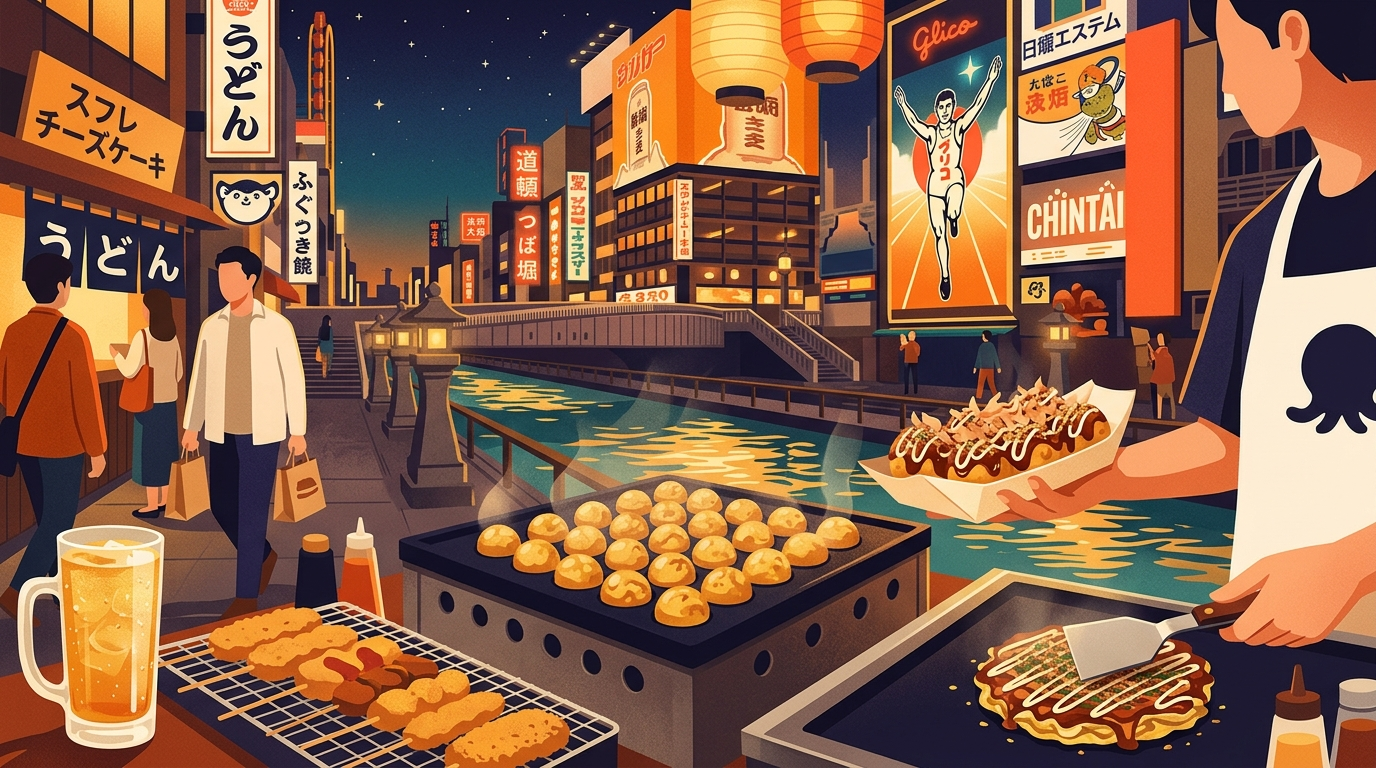
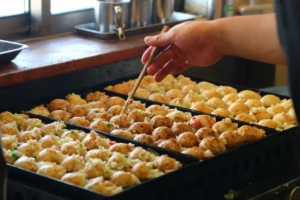
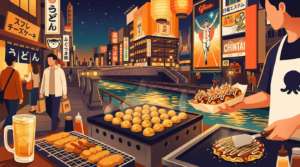
たこ焼き · Octopus BallsOsaka’s most iconic export: golf-ball-sized spheres of crispy batter filled with a tender piece of octopus, pickled ginger, and tenkasu (tempura scraps). They are cooked in a special iron mold and topped with a sweet-savory sauce, Japanese mayo, bonito flakes, and green onion. Eating them hot off the griddle, when the outside snaps and the inside is still molten, is a rite of passage. Takoyaki was invented in Osaka in 1935 and has since become one of Japan’s most recognized street foods.
2Osaka-Style Okonomiyaki
お好み焼き · Savory PancakeUnlike Hiroshima’s layered version, Kansai-style okonomiyaki mixes everything together before cooking: shredded cabbage, eggs, flour batter, pork belly, and seafood. The result is a thick, hearty savory pancake lacquered with dark okonomiyaki sauce and Kewpie mayo. Many restaurants let you grill your own at the table on a built-in iron griddle. You may also encounter Modanyaki, a popular variation that adds yakisoba noodles inside the pancake.
3Kushikatsu
串カツ · Deep-Fried SkewersMeat, seafood, or vegetables skewered on bamboo sticks, coated in a light panko breading, and deep-fried to golden perfection. Originally a working-class food from Osaka’s Shinsekai neighborhood, kushikatsu is now beloved city-wide. The golden rule: no double-dipping in the shared sauce pot.
4Doteyaki
どて焼き · Miso-Braised Beef TendonBeef tendon and konjac slow-braised in a rich sweet miso and sake broth until meltingly tender. Doteyaki is a quintessential Osaka izakaya staple: rich, gelatinous, and deeply comforting. It is traditionally sold at kushikatsu shops alongside skewers, and is one of those dishes that is impossible to stop eating. The name literally means “cooked bank,” referring to the cast-iron pot lined with miso paste used in traditional preparation.
5Ikayaki
いか焼き · Grilled Squid PancakeOsaka’s version of ikayaki is different from the whole-squid grilled style found elsewhere in Japan. Here it is a thin, pressed savory pancake with squid mixed into the batter, cooked flat on an iron press and folded in half. Simple, chewy, and deeply satisfying. It is a prime example of konamon, Osaka’s beloved flour-based food culture.
6Taiyaki
鯛焼き · Fish-Shaped CakesFish-shaped waffle cakes filled with sweet red bean paste (anko), custard cream, or seasonal flavors. The crispy batter gives way to a warm, sweet filling, making them a perfect handheld snack while walking through Dotonbori or Kuromon Market. While not exclusive to Osaka, freshly-made taiyaki from a street stall are a joy that should not be missed.
Noodles and Rice
Osaka’s udon, ramen, and rice dishes, lighter, sweeter, and more refined than Tokyo’s versions
7Kitsune Udon
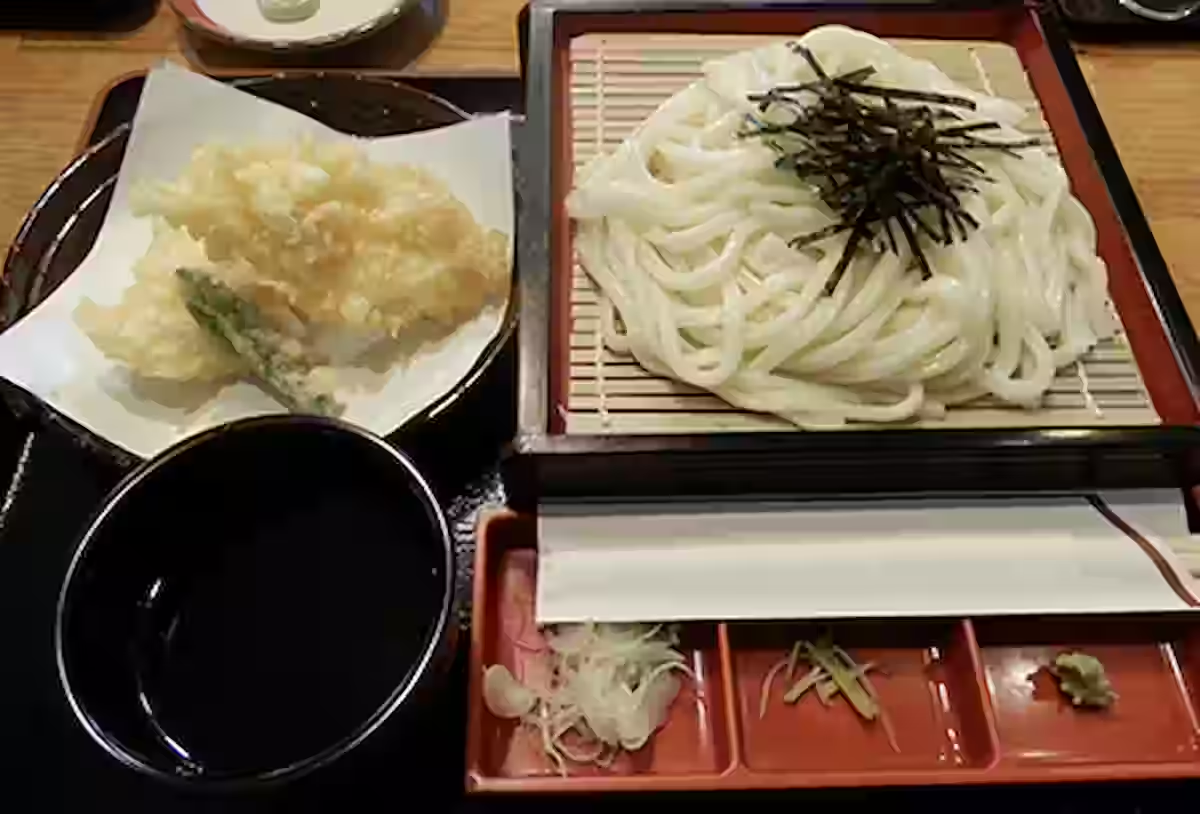
きつねうどん · Fox UdonOsaka claims to have invented kitsune udon: thick, soft wheat noodles in a delicate kombu and bonito dashi broth, topped with a large piece of sweet-simmered aburaage (fried tofu skin). The Osaka dashi is lighter in color and more refined than Tokyo’s, allowing the subtle sweetness of the tofu to shine. This is true Osaka soul food, and a must-try even if you have eaten kitsune udon before.
8Osaka Curry Rice with Raw Egg
カレーライスJapanese curry rice is comfort food nationwide, but Osaka’s Jiyuken, operating since 1910, invented the city’s signature style: curry served with rice and a raw egg cracked into the center, then mixed together at the table. The mild, aromatic curry absorbs the egg into a rich, silky sauce unlike anything else.
9Omurice
オムライス · Omelette RiceOmurice, ketchup-seasoned fried rice wrapped in a thin, silky omelette and drizzled with sauce, was popularized in Osaka in the early 1900s. North Star (Hokkyokusei), founded in 1922 in Shinsaibashi, is often cited as the originator. Their version uses a voluminous fluffy omelette that splits open dramatically at the table, revealing the seasoned rice inside.
10Kayakumeshi
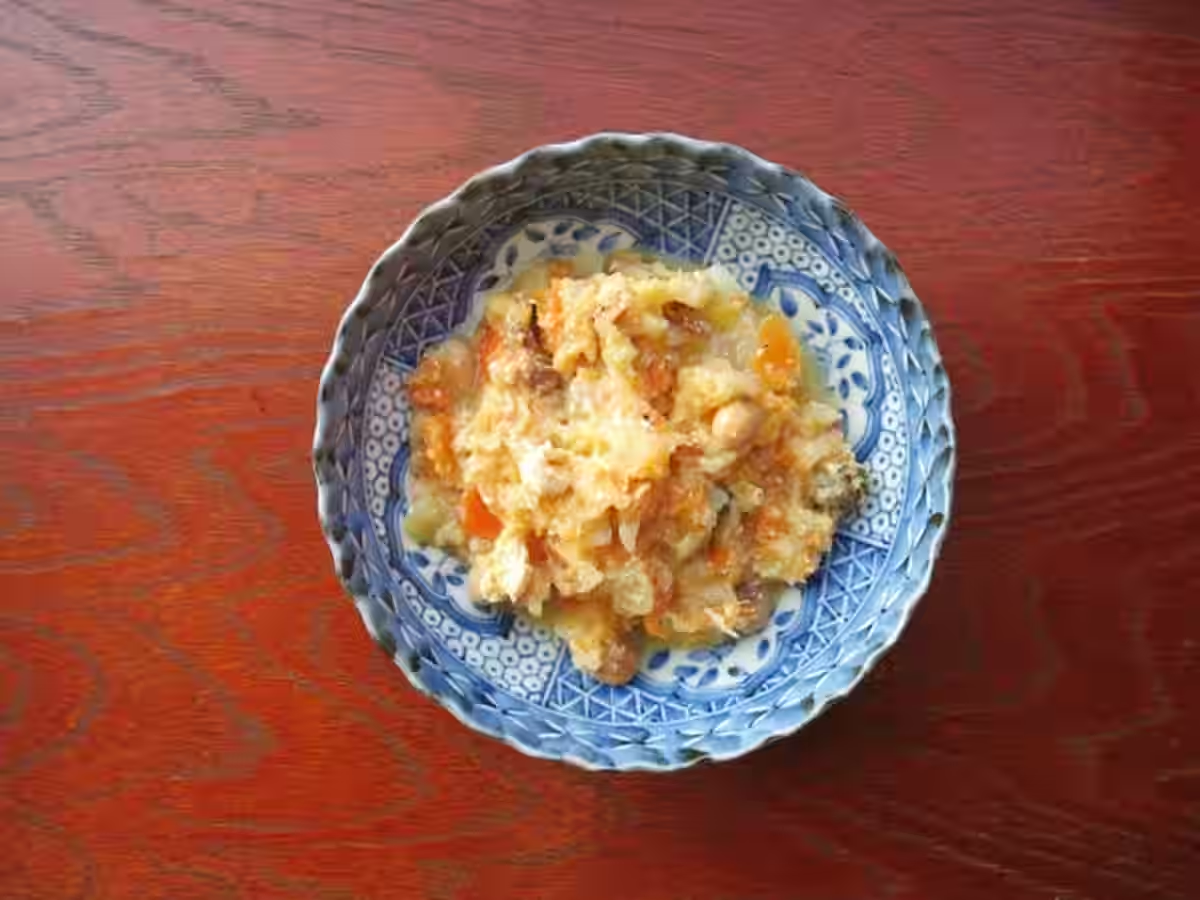
かやく飯 · Osaka Mixed RiceKayakumeshi is one of Japan’s five great rice dishes and a representative food of Osaka prefecture. Rice is cooked together with burdock, carrot, fried tofu, and other vegetables, infused with a savory dashi broth. The name “kayaku” in Osaka dialect refers to meat, fish, and vegetables added to rice. Rooted in the merchant culture of Osaka, kayakumeshi embodies the city’s spirit of practical, flavorful cooking.
Sit-Down Classics
Osaka specialties best enjoyed at a proper table
11Osaka Sushi (Oshi-Zushi)
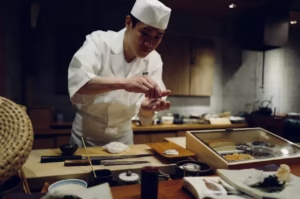
大阪寿司 · Pressed SushiOsaka sushi is completely different from the Edo-style nigiri sushi that most visitors expect. The most famous type is oshi-zushi: sweetly-seasoned vinegar rice pressed firmly in a wooden mold called oshibako, layered with cooked or marinated toppings like mackerel, eel, or tamagoyaki, then sliced into neat rectangles. This style of sushi predates Tokyo-style sushi by centuries and reflects Osaka’s ancient tradition as a merchant city.
12Fugu
ふぐ · BlowfishJapan’s most notorious delicacy, and Osaka is the country’s biggest fugu-consuming city, eating around 60% of Japan’s total supply. Fugu has a clean, subtle flavor and a unique firm-yet-delicate texture. It is served as paper-thin sashimi (tessa), in hot pot (tecchiri), or deep-fried as karaage. The preparation requires licensed chefs due to the fish’s toxic organs, which makes dining on it a special experience of trust as much as taste.
13Shabu-Shabu
しゃぶしゃぶWafer-thin slices of premium beef or pork swished briefly through a simmering kombu dashi. The name imitates the swishing sound. Dipped in ponzu citrus sauce or sesame sauce, shabu-shabu highlights the quality of the meat. Osaka has excellent shabu-shabu restaurants in Namba and Umeda where all-you-can-eat options make this premium experience accessible at any budget.
14Harihari Nabe
はりはり鍋 · Mizuna Hot PotHarihari nabe is a traditional Osaka hot pot dish made with tender meat and mounds of fresh mizuna greens in a light bonito dashi broth. It originated in Osaka in 1967 and was originally made with whale meat, a key part of old Osaka food culture. Today most restaurants use pork or duck as a substitute. The name comes from the crunching sound made when eating the crisp mizuna stems.
15Kasu Jiru
粕汁 · Sake Lees SoupKasu jiru is a rich, warming winter soup made by dissolving sake-kasu (sake lees, the nutritious paste left after sake production) into a savory broth, then simmering it with salmon, daikon radish, konjac, and vegetables. The sake lees give the soup a complex, slightly sweet fermented depth unlike standard miso soup. It is a deeply comforting dish that reflects Osaka’s long tradition of sake brewing in the Kansai region.
Sweets and Drinks
Osaka’s dessert culture and signature drinks
16Rikuro’s Soufflé Cheesecake
スフレチーズケーキOsaka is the birthplace of Japan’s famous jiggly soufflé cheesecake, a cloud-light, delicately sweet cake that wobbles dramatically when touched. Uncle Rikuro’s (Rikuro Ojisan), with its main store in Namba, has been baking them fresh since 1984. The whole 18cm cake is priced at just ¥735, making it one of the best-value sweet souvenirs in Japan. Each cake is stamped with the shop’s cartoon founder face.
17Matcha Sweets
抹茶スイーツOsaka’s cafes and dessert shops serve some of Japan’s finest matcha creations: layered parfaits with ceremonial-grade matcha ice cream, dense matcha tiramisu, soft-serve cones with intensely bitter matcha powder, and matcha roll cakes. Kuromon Ichiba Market and the Shinsaibashi shopping area both have excellent matcha dessert options at accessible prices.
18Akashiyaki
明石焼き · Egg Dumplings in DashiAkashiyaki is the predecessor of takoyaki: softer, eggier dumplings made with a much higher proportion of egg in the batter, filled with octopus, and served on a wooden board with a bowl of warm dashi broth for dipping. The contrast between the delicate, custard-soft dumpling and the savory umami broth is unlike anything else in Osaka street food. Originally from Akashi city near Kobe, it is now found at specialist shops throughout Osaka.
19Osaka Sweets and Mochi
和菓子 · Japanese ConfectioneryOsaka has a deep tradition of wagashi (Japanese confectionery). Mochi, the chewy pounded-rice cake, is found here in dozens of forms: sakura mochi filled with bean paste, daifuku mochi stuffed with strawberry and cream, and kinako mochi dusted with roasted soybean flour. Department store basement food halls (depachika) in Osaka are among the best places in Japan to discover seasonal wagashi from century-old confectionery houses.
20Highball at an Osaka Izakaya
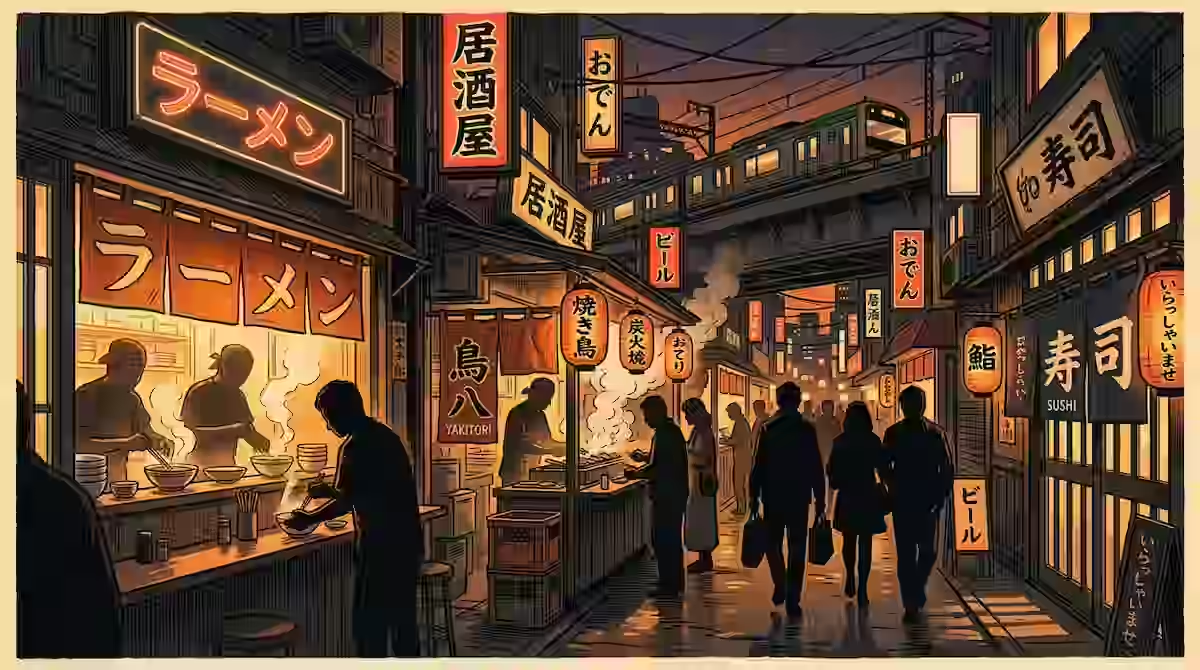
ハイボールWhile not a food, no Osaka food trip is complete without sitting at an izakaya counter with an ice-cold whisky highball and a plate of kushikatsu. Osaka’s standing bars (tachinomi) and izakaya are among the most atmospheric in Japan: loud, smoky, friendly, and incredibly good value. The drink is light and refreshing, the perfect foil for rich fried food. For more on the full range of Japanese drinks culture, see our guide to alcohol in Japan.
Where to Eat by Area
Osaka’s food is spread across distinct neighborhoods, each with its own character
🌊 Dotonbori
- Takoyaki (Kukuru, Aizuya)
- Kitsune udon (Imai)
- Soufflé cheesecake (Rikuro’s)
- Fugu restaurants
- Matcha soft serve
🏮 Shinsekai
- Kushikatsu (Daruma, est. 1929)
- Doteyaki (izakaya bars)
- Standing bar culture
- Retro Showa atmosphere
🏪 Namba / Shinsaibashi
- Okonomiyaki (Yukari)
- Omurice (North Star)
- Curry rice (Jiyuken)
- Osaka sushi and wagashi
- Matcha desserts (Tsujiri)
🏙️ Umeda / Kitashinchi
- Ikayaki (Hankyu Sanbangai)
- Department food halls
- Kappo dining
- High-end teppanyaki
🐟 Kuromon Ichiba Market
- Fresh seafood skewers
- Premium konbu and dashi
- Wagyu beef bites
- Open morning to mid-afternoon
🌸 Tennoji / Abeno
- Halal ramen options
- Affordable set meals
- Local izakaya
- Less touristy atmosphere
Budget Breakdown: A Day of Eating in Osaka
| Meal | Dish | Cost (¥) | Cost (USD) |
|---|---|---|---|
| Breakfast | Kitsune udon | ¥700 to ¥900 | ~$5 to $6 |
| Mid-morning snack | Takoyaki (8 pieces) | ¥500 to ¥700 | ~$3 to $5 |
| Lunch | Okonomiyaki | ¥900 to ¥1,500 | ~$6 to $10 |
| Afternoon snack | Matcha parfait or Rikuro cheesecake | ¥700 to ¥1,000 | ~$5 to $7 |
| Dinner (casual) | Kushikatsu (10 skewers) and highball | ¥1,500 to ¥2,500 | ~$10 to $17 |
| Dinner (splurge) | Fugu course dinner | ¥10,000 to ¥20,000 | ~$67 to $133 |
| Day total (casual) | ~¥4,300 to ¥6,600 | ~$29 to $44 |
Practical Tips for Eating in Osaka
What to know before your first meal
🕐 Opening Hours
Kuromon Ichiba Market operates morning to early afternoon (roughly 8am to 6pm, with many stalls closing by 3pm). Dotonbori restaurants and stalls stay open late, many until midnight or later. Izakaya typically run from 5pm to midnight.
💳 Cash vs. Card
Street stalls and smaller restaurants are cash-only. Convenience store ATMs at 7-Eleven and FamilyMart reliably accept international cards. Bring ¥5,000 to ¥10,000 in cash for a day of street food.
🌿 Dietary Restrictions
Halal options are available around Tennoji and Nipponbashi. Vegetarian ramen and udon exist but require searching, as dashi (fish and kelp stock) is in almost everything. Apps like HappyCow and Gurunavi English help find suitable restaurants.
🚇 Getting Around
An ICOCA card (rechargeable transit card) covers the subway, JR lines, and some buses. The Osaka Metro day pass (¥800) pays off if you are visiting multiple neighborhoods. Dotonbori and Namba are easily walkable from each other.
🗓️ Best Times to Visit
Osaka food is good year-round. October to March is peak fugu season and also when hot dishes like harihari nabe and kasu jiru are at their best. Spring (March to May) brings sakura and outdoor food stalls. Summer festivals (July and August) offer special matsuri food around the city’s shrines.
Comments