





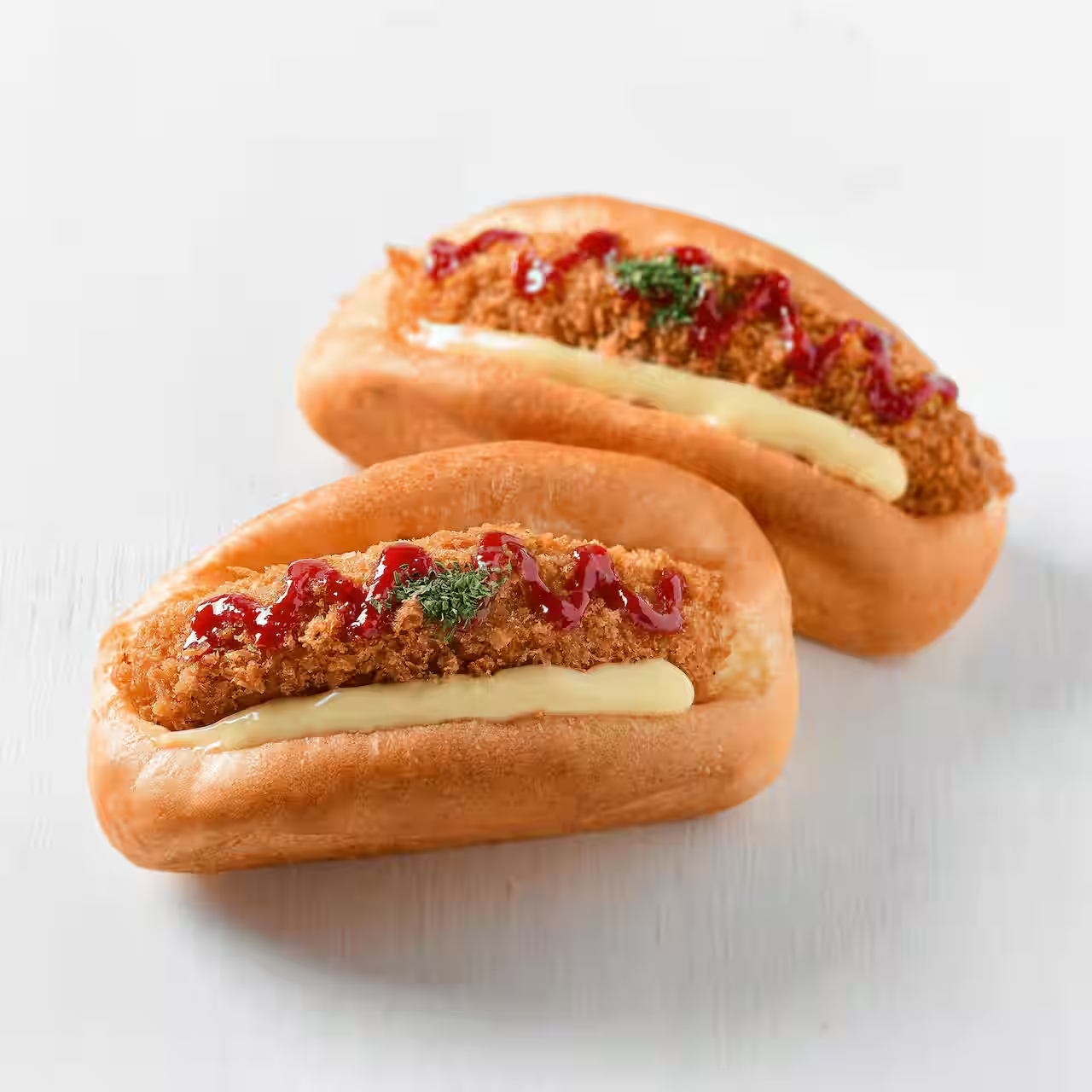
The world of Japanese convenience food offers many surprises, but few are as deeply comforting or rooted in history as Crockett bread (Croquette bread). This savory sandwich, which pairs soft bread with a crispy, fried filling, is a beloved food across Japan. This article reviews what makes this dish so popular, tracks its surprising European roots, and highlights the historic spot in Tokyo where this iconic snack was first created.
What is Crockett bread?

Crockett bread is a perfect example of Sōzai Pan, the Japanese category of savory breads. It typically consists of a deep-fried patty, known as korokke, placed inside a soft, elongated roll called koppepan.
The Japanese korokke itself is a flavorful comfort food. Unlike its creamy European ancestor, the Japanese version is made mainly from mashed potatoes, often mixed with ground beef and vegetables, and then coated in crunchy panko breadcrumbs before being fried. They drizzled this satisfyingly rich patty with a sweet and tangy sauce, such as tonkatsu sauce, before sandwiched inside the bread. This combination creates a perfect balance of crispy texture and soft, fluffy bread, making it an ideal choice for a quick lunch or a hearty snack.
Sweet Sauce Meets Savory Comfort
The taste is comforting in a way that feels almost nostalgic. The korokke brings this savory potato richness mixed with the mild flavor of ground beef and vegetables. The tonkatsu sauce adds sweetness with a tangy edge that cuts through the fried coating beautifully. I remember biting into one and being surprised by how well balanced everything was. The sauce isn’t overwhelming, just enough to add that sweet-savory dimension without masking the potato filling. There’s a gentle peppery note too, probably from the seasoning in the korokke itself.
Textures That Keep You Interested
The panko crust stays remarkably crispy even inside the bread, creating this wonderful crunch against the creamy mashed potato filling. Each bite gives you multiple sensations at once. The koppepan is pillowy soft, almost melting around the crispy korokke. You might wonder if the bread gets soggy from the sauce, but it doesn’t. The sauce soaks in just enough to add flavor without making things mushy. There’s something about the temperature too. When fresh, the korokke is still warm in the center, while the bread is soft and room temperature. This contrast makes it more interesting to eat.
A Quick Look at History

The history of this simple food is a story of national change. The original concept for the croquette—a fried patty of food—came to Japan during the Meiji Restoration, when Western food was actively adopted.
The original French croquette used a base of creamy white sauce, which was too expensive for many people in early 20th-century Japan. The Japanese quickly adapted the recipe by replacing the expensive dairy base with readily available, inexpensive mashed potatoes. Hence, this change, driven by the need for affordability and mass production, was key. The potato-based korokke became hugely popular and grew to be one of the “Three Great Western Dishes” of that time.
The true importance of korokke was proven after the devastating Great Kantō Earthquake in 1923. Because korokke was so cheap and filling, it solidified its position as an essential and affordable side dish for everyday people. The Korokke Pan sandwich followed quickly, invented in 1927, offering a portable, complete meal that cemented the dish’s role as a nostalgic national favorite.
Trying the Original Restaurant in Ginza
Chōshiya (チョウシ屋)
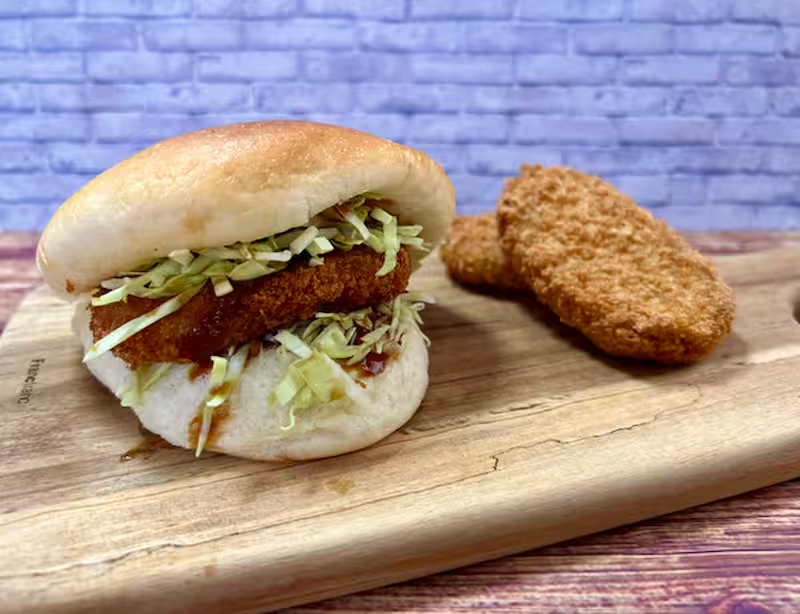
The birthplace of this food fusion is the historic shop Chōshiya (チョウシ屋), located behind the Kabuki-za theatre in Ginza, Tokyo. Founded in 1927, Chōshiya proudly calls itself the “Original Korokke” shop.
The store carries a wonderful Showa era (mid-20th century) atmosphere, offering customers a taste of pure, traditional flavor. Chōshiya still serves the Crockett bread, allowing a choice between the traditional koppepan or sliced bread. Customers often describe the flavor as simple and nostalgic, a straightforward combination of rich sauce and honest potato croquette.
Conclusion: A Taste of Japanese Nostalgia
The Crockett bread is far more than a simple carbohydrate-on-carbohydrate creation; it is a delicious marker of Japanese cultural adaptation, transforming a European luxury into an essential food item born of necessity and deep popularity. Its enduring appeal lies in its reliable, nostalgic flavor and satisfying mix of crispy crust and soft filling.
If the simple, comforting nature of Korokke Pan appeals to you, consider trying other popular Japanese savory breads, such as Curry Bread, Yakisoba Bread, and many more.


Comments