




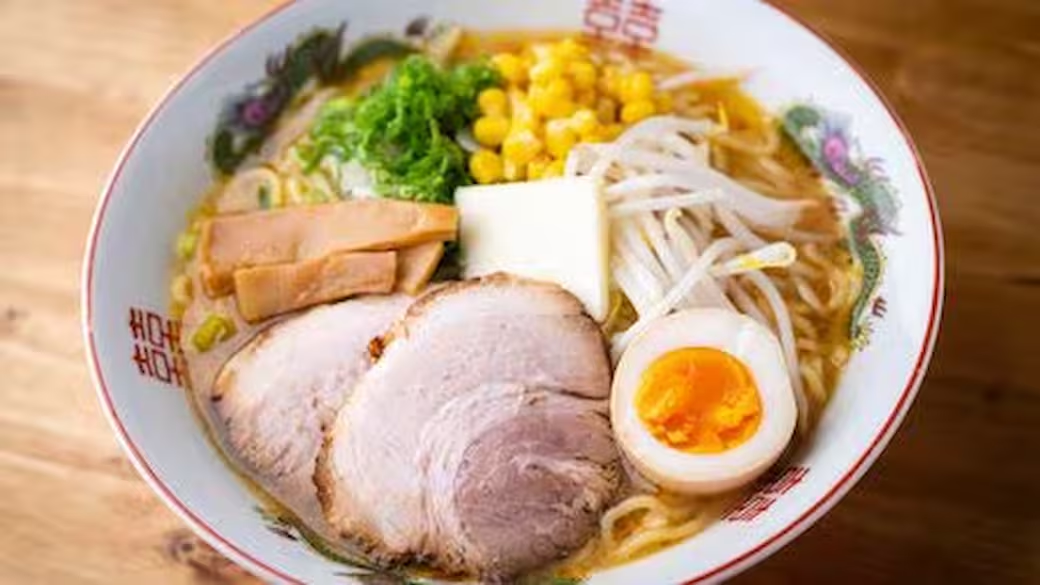
Welcome to the wonderful world of Japanese noodles! If you love a warm, comforting bowl of soup, you have likely heard of ramen. But did you know that before the word “ramen” became famous, this dish was widely known as Shina Soba? Today, we will explore the history, health benefits, and where you can try this classic meal.
What is Shina Soba?
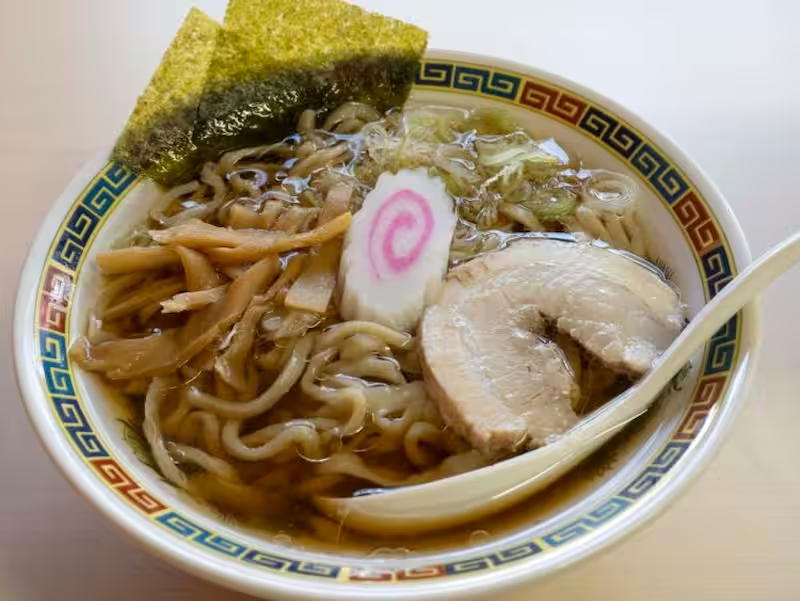
Shina Soba is the traditional name for what we now call ramen. It is a simple but delicious dish made of wheat noodles served in a savory broth. The broth is usually a clear soup made from chicken or seafood and seasoned with soy sauce or salt. The secret to Shina Soba is an ingredient called kansui (alkaline water). This special water gives the noodles their yellow color and chewy texture. Unlike some modern ramen that can be very heavy and oily, Shina Soba is known for its light, clean, and refreshing taste.
Lighter Than You’d Expect
Taking the first sip of the broth, I was struck by how clean it tasted. No heaviness, no oily film. Whether made from chicken or seafood, the soup is clear and almost delicate, seasoned with soy sauce or salt in a way that feels restrained and thoughtful. It lets the noodles speak.
A Taste That Stays With You
The overall experience is understated, maybe even modest. Yet that simplicity is precisely what makes it memorable. Each bowl feels considered rather than complicated, and somehow that’s more satisfying than expected.
A Journey Through Time
When Chinese Noodles First Crossed the Sea
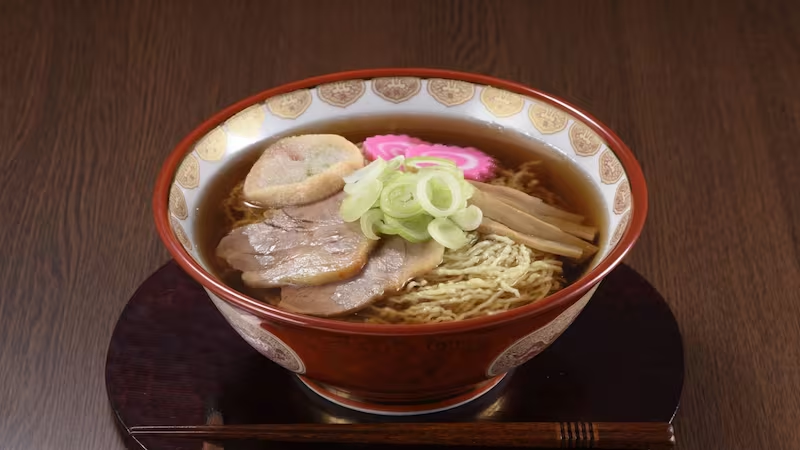
The story begins quietly in the late 1800s, as Chinese culinary culture seeped into Japan through its busy port cities. By 1884, a restaurant in Hakodate had listed the dish as “Nankin Soba.” Few diners that day could have imagined what that humble bowl would one day become.
Tokyo 1910: The Boom Nobody Saw Coming
Rairaiken changed the trajectory entirely. This small Tokyo shop sparked a city-wide craze, and street vendors called yatai carried the dish to working-class neighborhoods across Japan. The name “Shina Soba” spread along with it, becoming shorthand for something affordable and deeply satisfying.
A Name Shaped by War and Politics
After World War II, “Shina” carried uncomfortable political associations, and the dish was quietly renamed “Chuka Soba.” Then Nissin’s instant noodles arrived in 1958, and “Ramen” became the word the world remembered.
What the Old Name Signals Today
Spotting “Shina Soba” on a shop sign still means something. It suggests a deliberate return to lighter broths and traditional technique, a quiet pride in where this noodle actually began.
The Difference is the “Era”
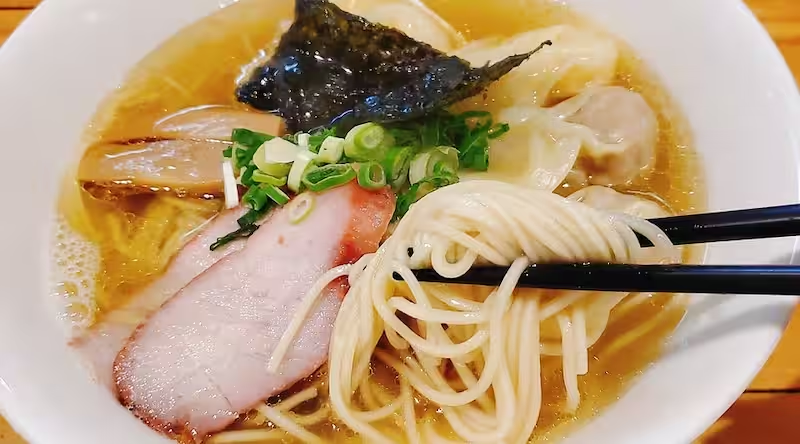
Many people wonder about the difference between Shina Soba, Chuka Soba, and Ramen. According to food historians, the main difference is simply the era in which the name was popular.
- Early Meiji Era: The dish was first called Nankin Soba. This name came from “Nankin” (Nanjing), a term used to refer to China at that time.
- Middle Meiji Era: As Japan modernized, the name shifted to Shina Soba. “Shina” was the common way to say China back then.
- Post-War Era: After World War II, the term “Shina” became less popular for political reasons. The dish then became widely known as Chuka Soba, which also means “Chinese noodles”.
- 1958 to Present: The word Ramen became the standard name after the world’s first instant noodles were released in 1958.
Even today, some regions still use older names. For example, in Wakayama, most people still call it “Chuka Soba” because that was the popular term when ramen shops first boomed there.
Why It Is Good for You
Shina Soba is not just tasty; it also contains many healthy ingredients!
- Bamboo Shoots (Menma): These are fermented, which provides “good” bacteria (probiotics) to help your digestion. They are also a great source of fiber and potassium, which supports heart health.
- Green Onions (Negi): These veggies are rich in Vitamin C and Vitamin A. They help boost your immune system and protect your heart.
- The Broth: Traditional broth made by simmering bones is full of collagen. This is excellent for keeping your skin and joints healthy.
A Real Taste of History: Shina Sobaya
Shina Sobaya Honten (支那そばや 本店)
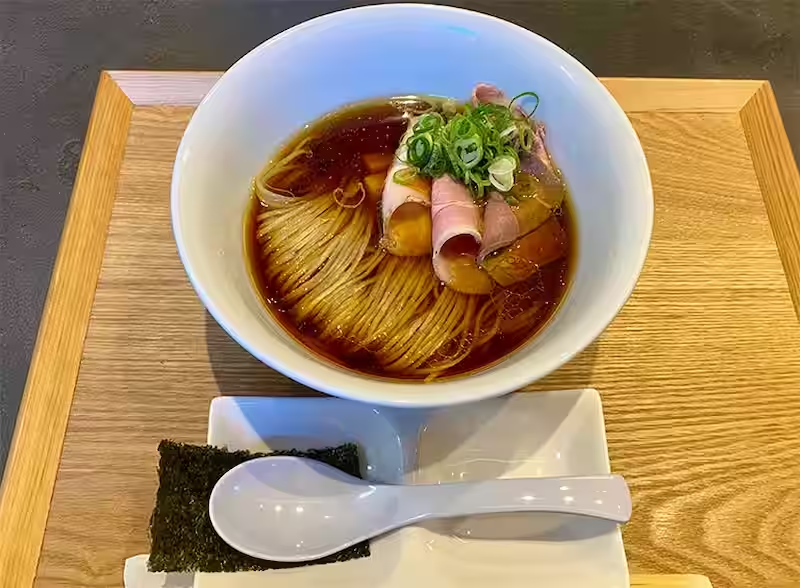
If you want to experience authentic Shina Soba, you must visit the most famous shop in Japan. It was founded by the legendary chef Minoru Sano, who was known as the “Ramen God” because of his dedication to quality.
Summary
Shina Soba is a dish that carries the history of Japan in every bowl. From its start as a foreign specialty to becoming a national favorite, it remains a beloved meal because of its simple, honest flavors. The combination of chewy noodles, fermented bamboo shoots, and nutrient-rich broth makes it a perfect choice for anyone looking for a healthy and satisfying meal.
If you enjoyed learning about Shina Soba, I also recommend trying Sanuki Udon, Soba, and Chanpon.
Shina Soba (Classic Ramen) FAQ
What is Shina Soba?
It is an old-fashioned style of Japanese ramen. It represents the “original” simple ramen from the early 20th century.
Is it different from Ramen?
Technically, no. It is simply an older name for ramen. Shops use this term today to emphasize a nostalgic, retro style.
What does it taste like?
It features a light, clear, and savory soy sauce (shoyu) broth. It tastes much cleaner than modern, heavy ramen.
Why call it “Soba” if it is Ramen?
Early Japanese people used “soba” as a general word for all noodles. It uses wheat flour, not buckwheat.
What kind of noodles does it use?
Chefs use thin, curly yellow wheat noodles that have a springy, chewy texture.
What are the common toppings?
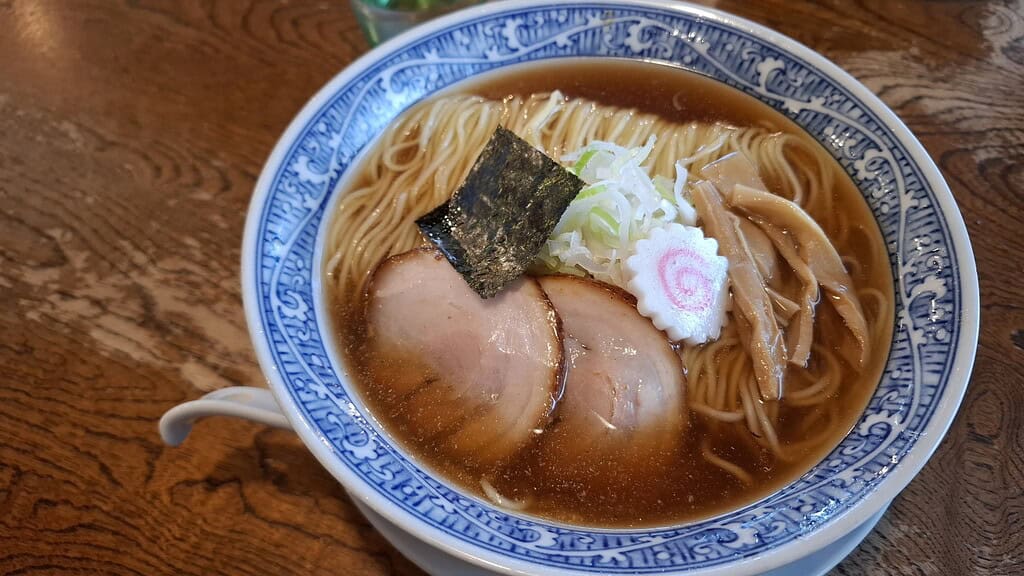
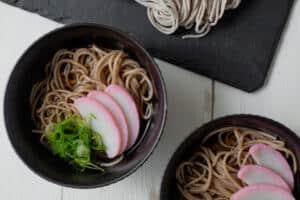
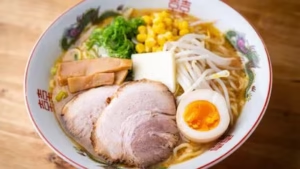
The bowl usually contains sliced pork (chashu), bamboo shoots (menma), green onions, and a pink swirl fish cake (naruto).
What does “Shina” mean?
It is an archaic name for China. While some consider the term sensitive, many shops use it purely for historical nostalgia.
Is it the same as Chuka Soba?
Yes. Both names refer to “Chinese-style noodles.” Most people consider the terms interchangeable.
How do they make the soup?
Cooks simmer chicken bones, vegetables, and often dried fish (dashi) to create a transparent amber broth.
Is it heavy or greasy?
No. It contains very little fat compared to creamy Tonkotsu (pork bone) ramen, making it easy to finish the whole bowl.
Where can I find it?
Look for old-school ramen stalls or specialty shops that focus on “clear soup” (Assari) ramen.
Does it have a strong smell?
No. It has a mild, appetizing aroma of soy sauce and toasted wheat.
Can I drink the soup?
Yes. Most diners drink the clear broth because it is light and full of umami flavor.
Why is there a pink swirl cake?
That is “Naruto.” It is a cured fish cake that adds a pop of color and a soft texture to the dish.
Is it spicy?
Generally, no. You can add white or black pepper at the table to give it a little traditional kick.

Comments