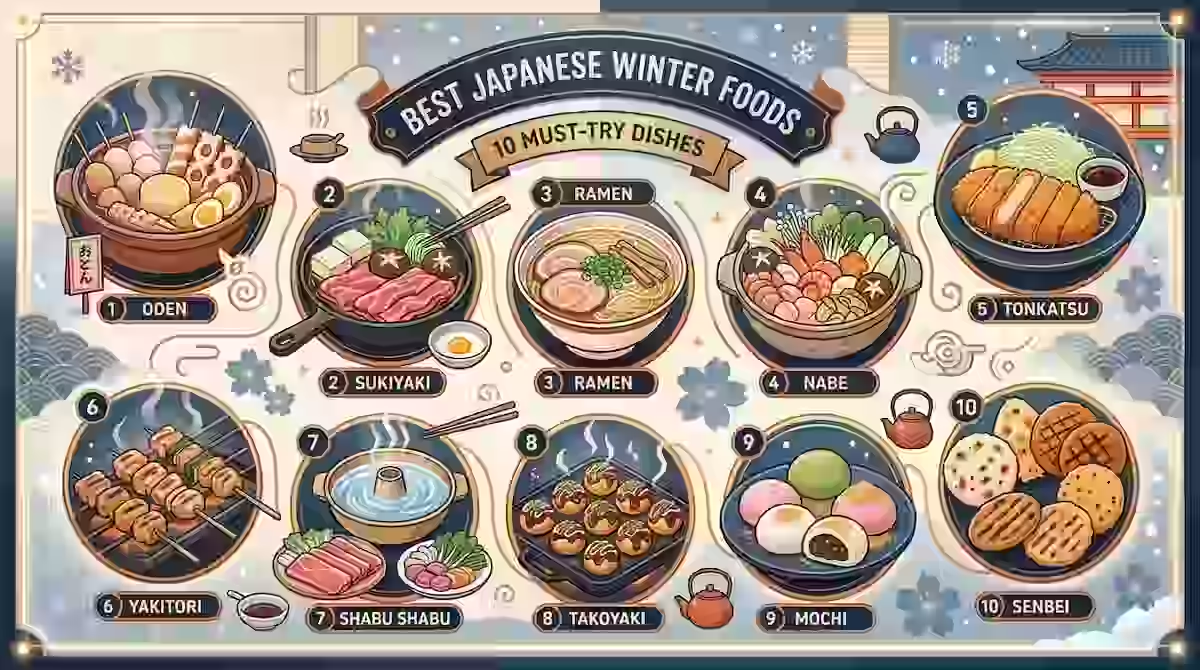
Japanese winter food is built around one idea: warmth. When temperatures drop across Japan, the country’s food culture shifts toward slow-cooked broths, steaming hot pots, and sweet seasonal treats that have been enjoyed for centuries. Winter in Japan runs from December through February, and each month brings its own signature flavors — from the rich soy broth of sukiyaki to the caramelized sweetness of yaki-imo sold from street vendors. This guide covers the essential Japanese winter foods you should know about, whether you’re planning a trip to Japan or simply want to cook something seasonal at home.
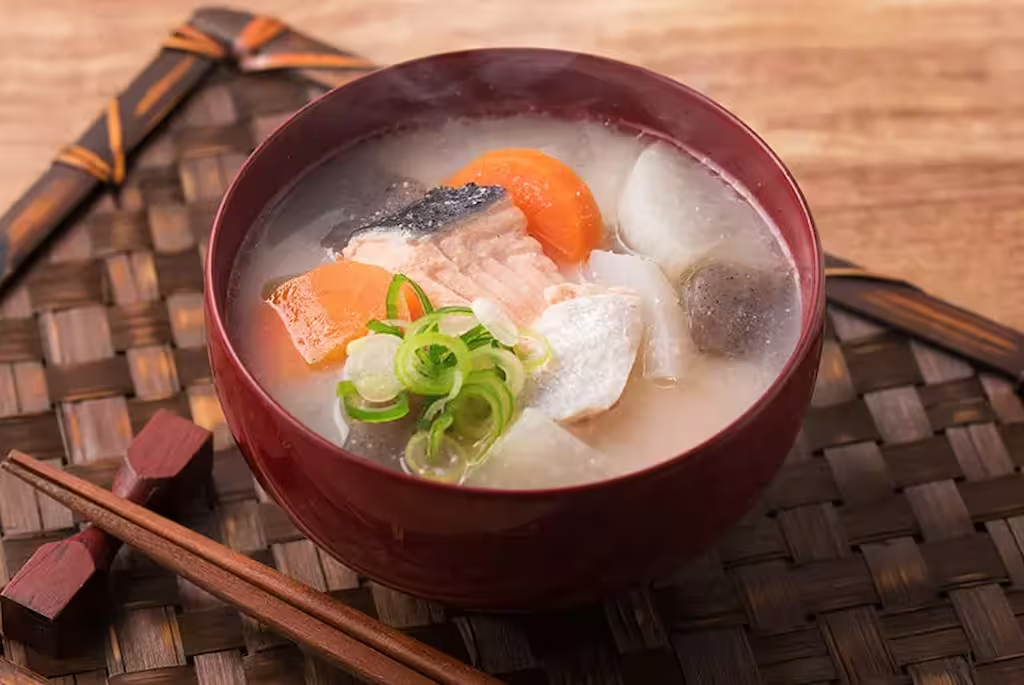
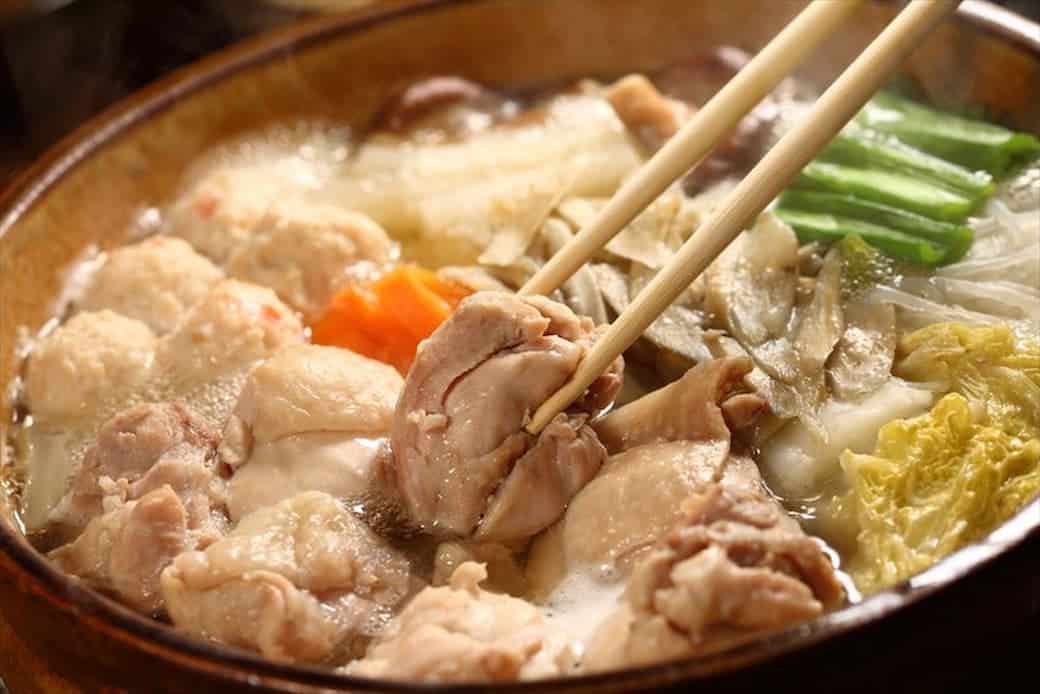
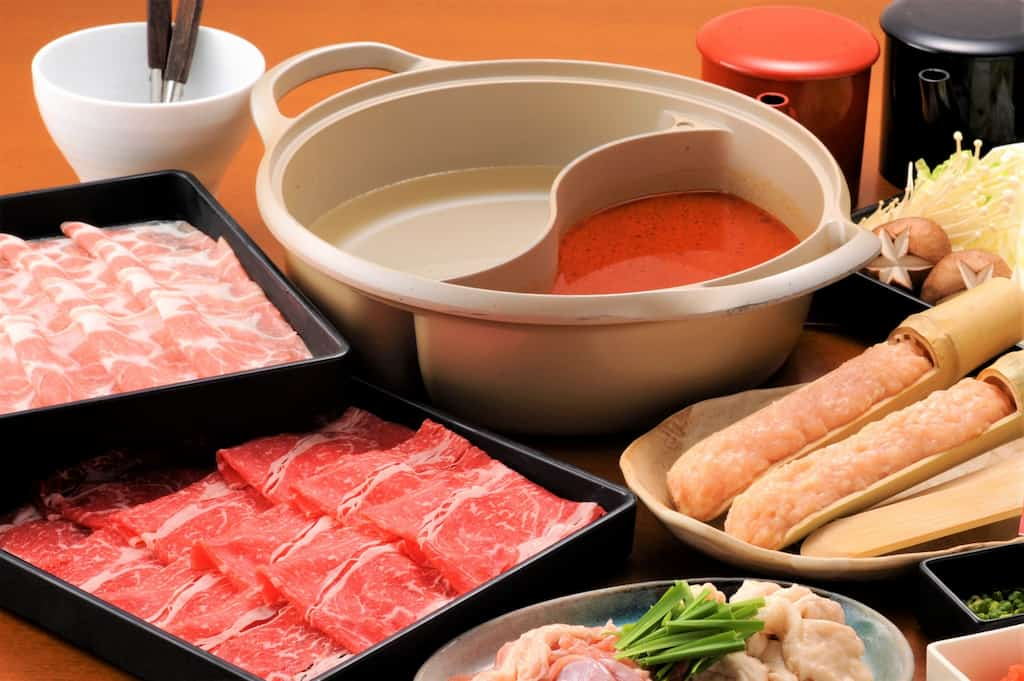
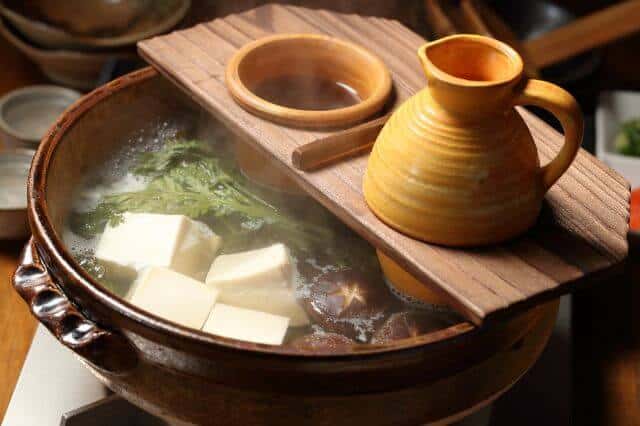
Nabe is the centerpiece of Japanese winter eating. The word simply means “pot,” but the dish it describes — vegetables, meat or seafood, and tofu simmered together in a shared earthenware pot — is one of the most communal and comforting meals in Japanese food culture. There are dozens of regional styles: chanko nabe from Tokyo (traditionally eaten by sumo wrestlers), yudofu from Kyoto (simple tofu simmered in kombu broth), and kiritanpo nabe from Akita (with pounded rice cakes and chicken). The broth varies from soy-based to miso to milky tonyu (soy milk), and leftovers are typically finished as zosui — a rice porridge cooked in the remaining soup.
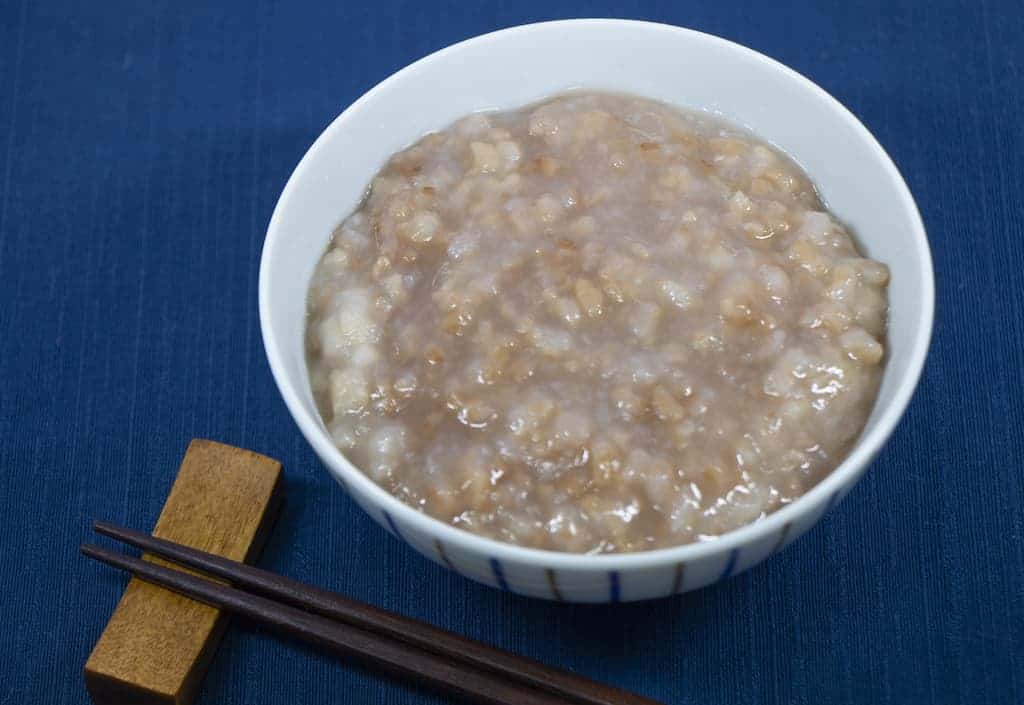
Okayu and zosui are hearty Japanese porridges made with rice and water or broth. Locals prepared Okayu by increasing the water ratio when cooking rice until it reaches a thick, soup-like consistency. You can garnish it with condiments like chopped scallions, soy sauce, or pickled umeboshi plum. Zosui is similar but made after eating a hot pot (nabe) by adding cooked rice and beaten egg to the remaining broth, creating a porridge infused with the rich flavors of the original dish.
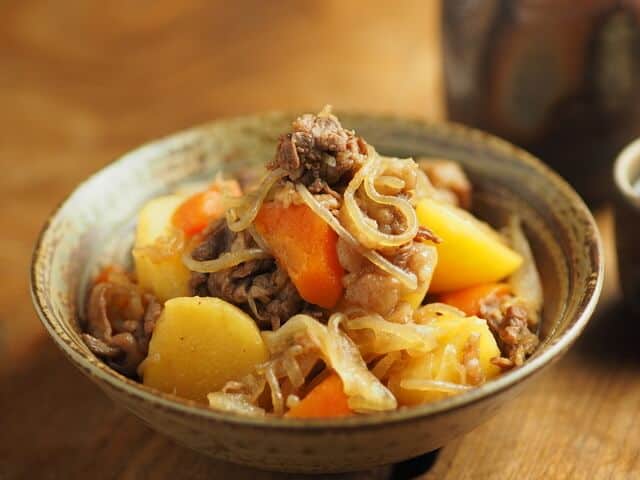
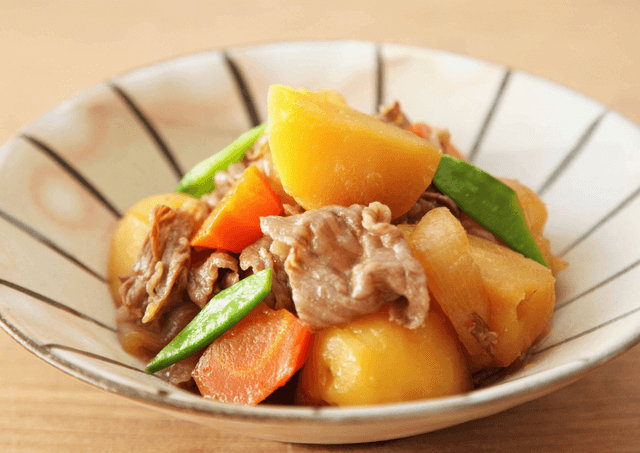
Nikujaga is one of Japan’s definitive comfort foods. Literally meaning “meat and potatoes,” this simmered dish combines thinly sliced beef or pork with potatoes, onions, and shirataki noodles in a sweet soy and mirin broth. It is deeply associated with home cooking and is sometimes described as the Japanese equivalent of a family stew. In western Japan, beef is the standard; in eastern Japan, pork is more common. The dish warms quickly and is frequently made in large batches to eat over several days.
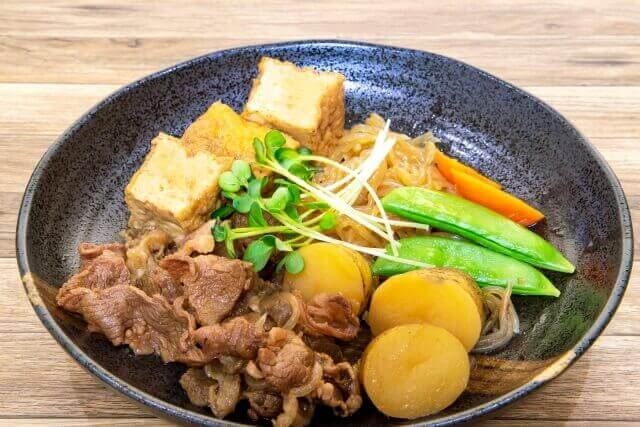
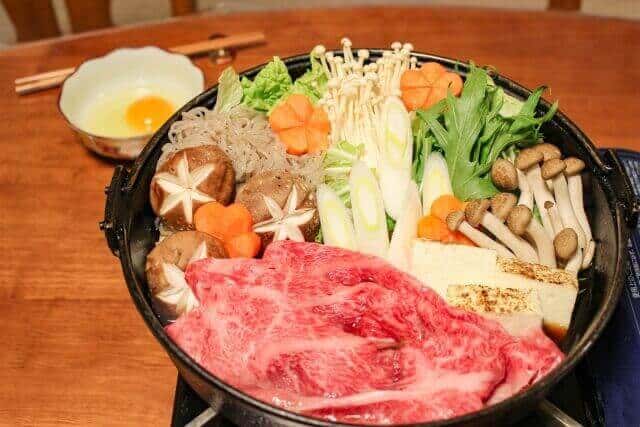
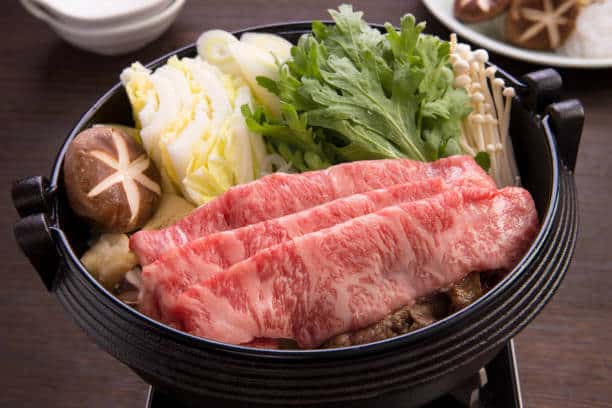
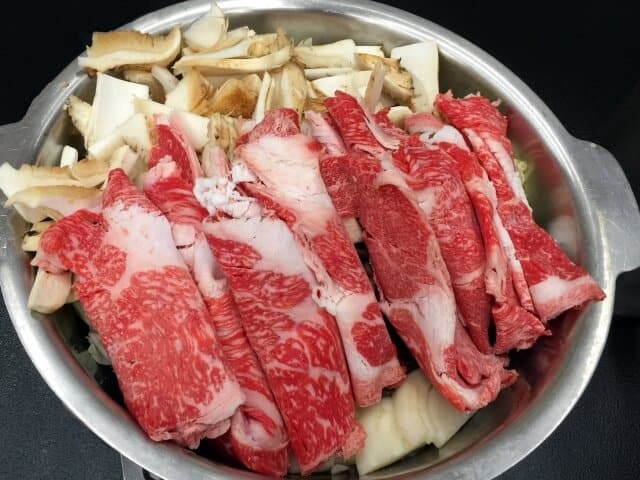
Sukiyaki is one of Japan’s most celebrated winter dishes. Thinly sliced beef is cooked in a cast iron pan with a sweet soy sauce broth called warishita, alongside leeks, shirataki noodles, grilled tofu, and chrysanthemum greens. Each ingredient is dipped in raw beaten egg before eating — a combination that softens the rich flavors. In the Kansai region, the beef is first seared in the pan before the sauce is added; in Kanto, everything simmers together from the start. Sukiyaki is often eaten on special occasions and family gatherings during the winter months.
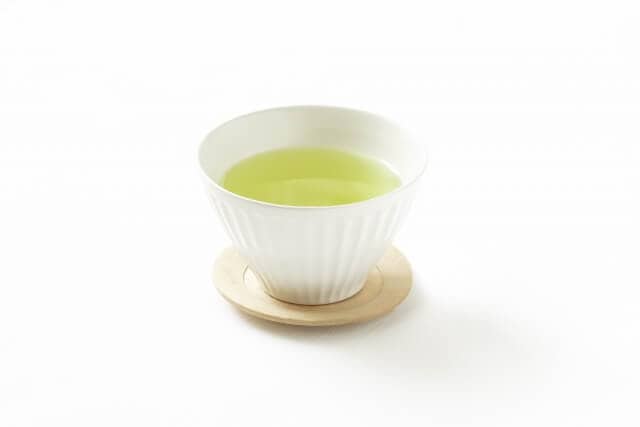
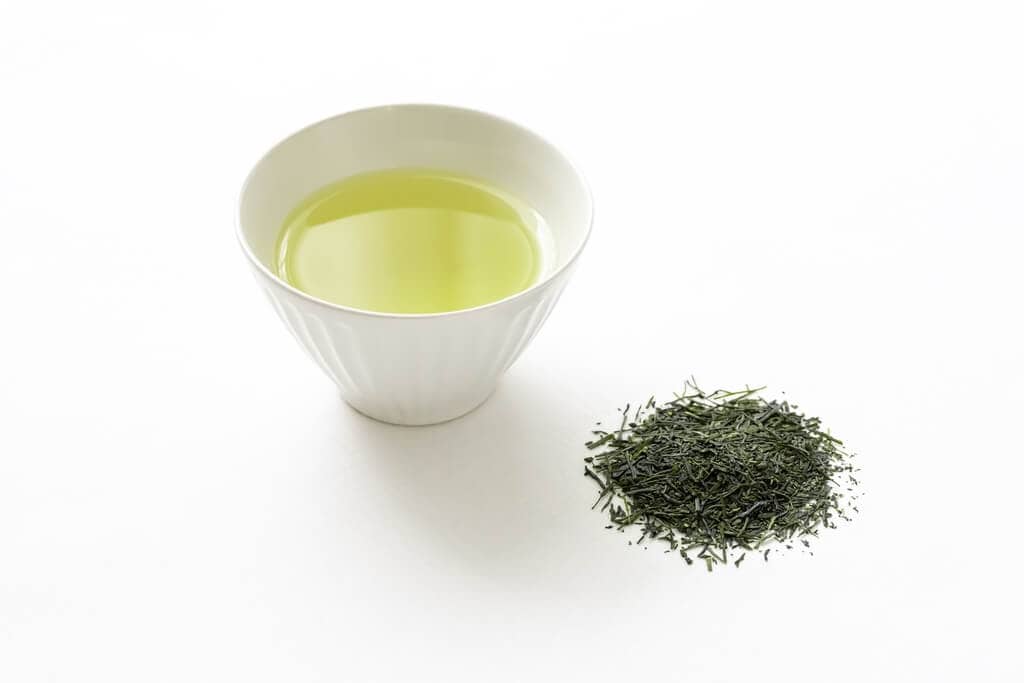
Japanese green tea is not only celebrated for its delightful taste and vibrant color but also for its numerous health benefits, especially during the colder months. If you’re feeling the first signs of a cold, the catechin in green tea, which gives it its distinctive sharp flavor, has powerful antibacterial and antiviral properties that can help. And so, if the chilly weather is causing you stress, the soothing sweetness and umami flavor from the amino acid L-Theanine in green tea can help ease tension and promote relaxation.
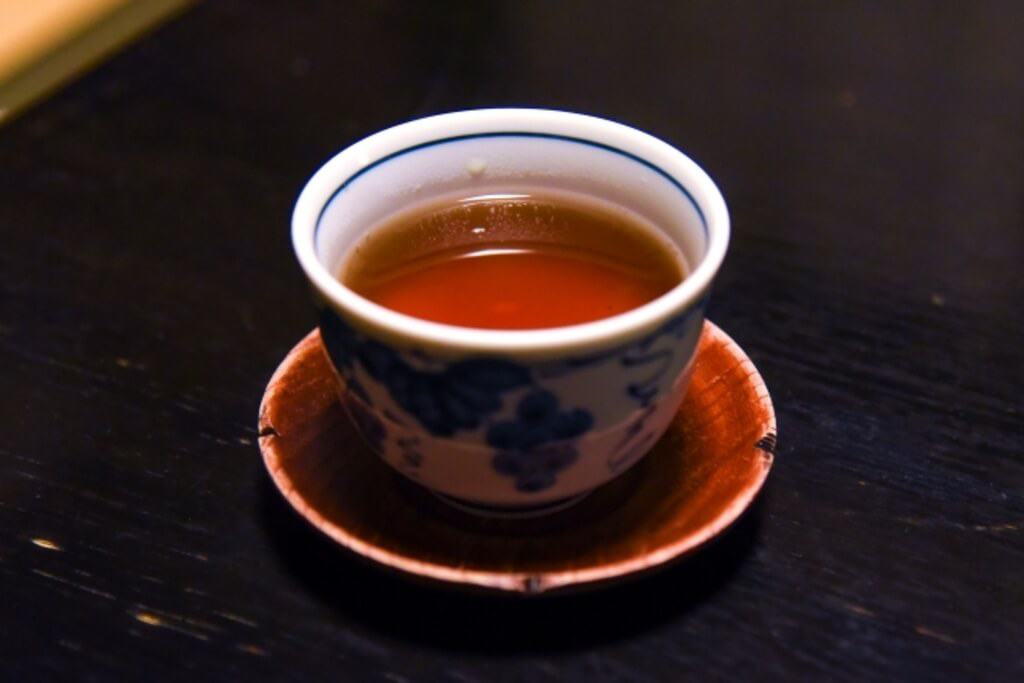
Hojicha is a roasted Japanese green tea with a warm, toasty aroma and low caffeine content. Unlike regular green tea, which is steamed to preserve its vegetal flavor, hojicha is roasted over charcoal at high temperatures, giving it notes of caramel and nuts. It is a natural winter drink — the roasting process produces warmth in both scent and flavor. It is commonly served alongside Japanese sweets and is gentle enough to drink in the evening.
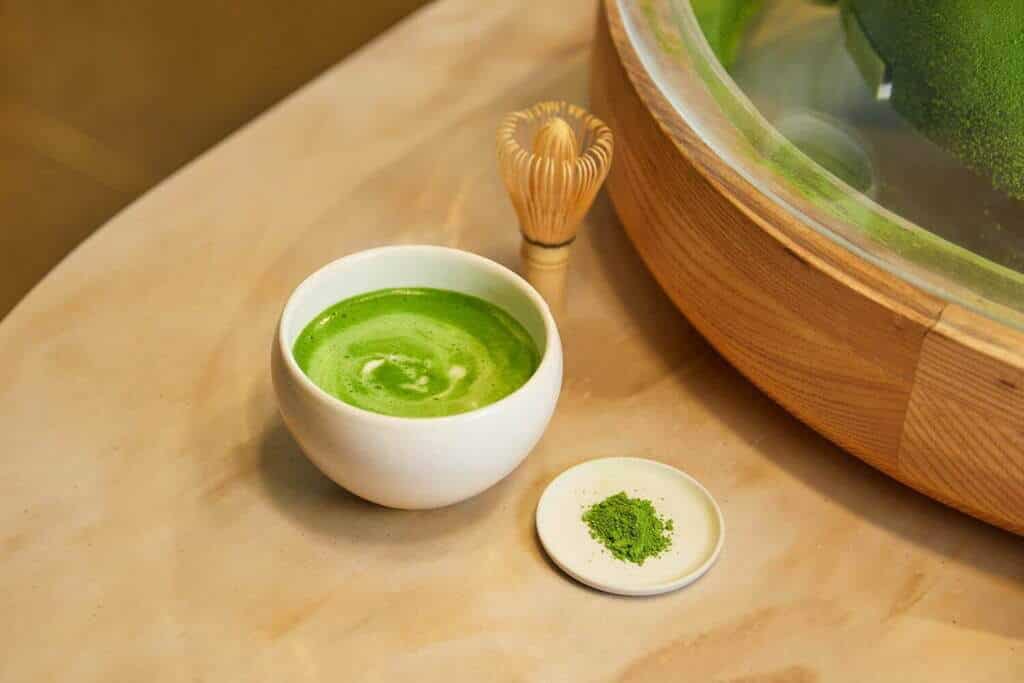
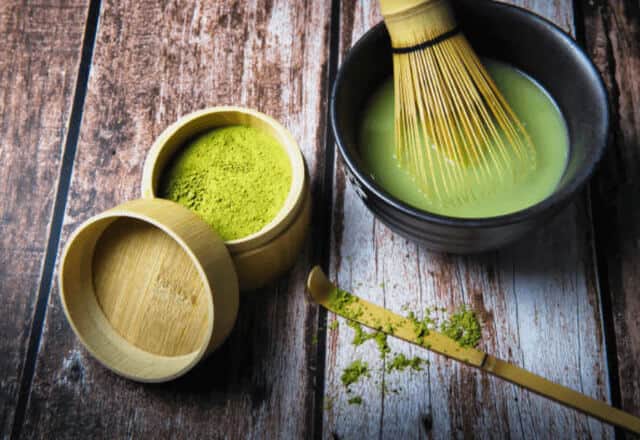
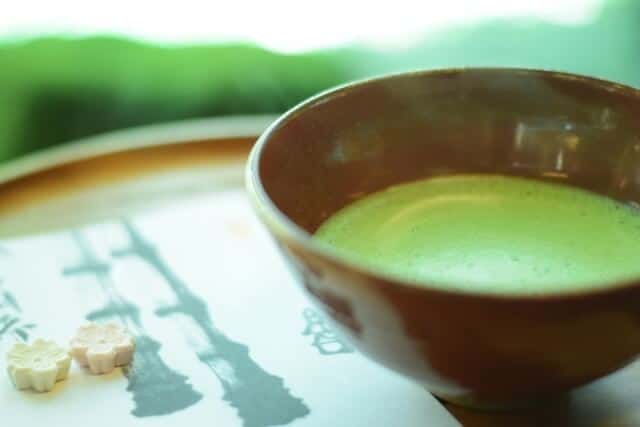
Winter is considered one of the best times to drink high-quality matcha in Japan. Tea leaves harvested in spring are aged through summer and autumn, developing deeper umami by the time they are stone-ground into matcha powder in late autumn and winter. Ceremonial grade matcha — the highest quality — is prepared with a bamboo whisk and consumed without milk or sweetener. For visitors to Japan, experiencing matcha at a traditional tea house in Kyoto during winter is one of the most distinctive seasonal food experiences available.
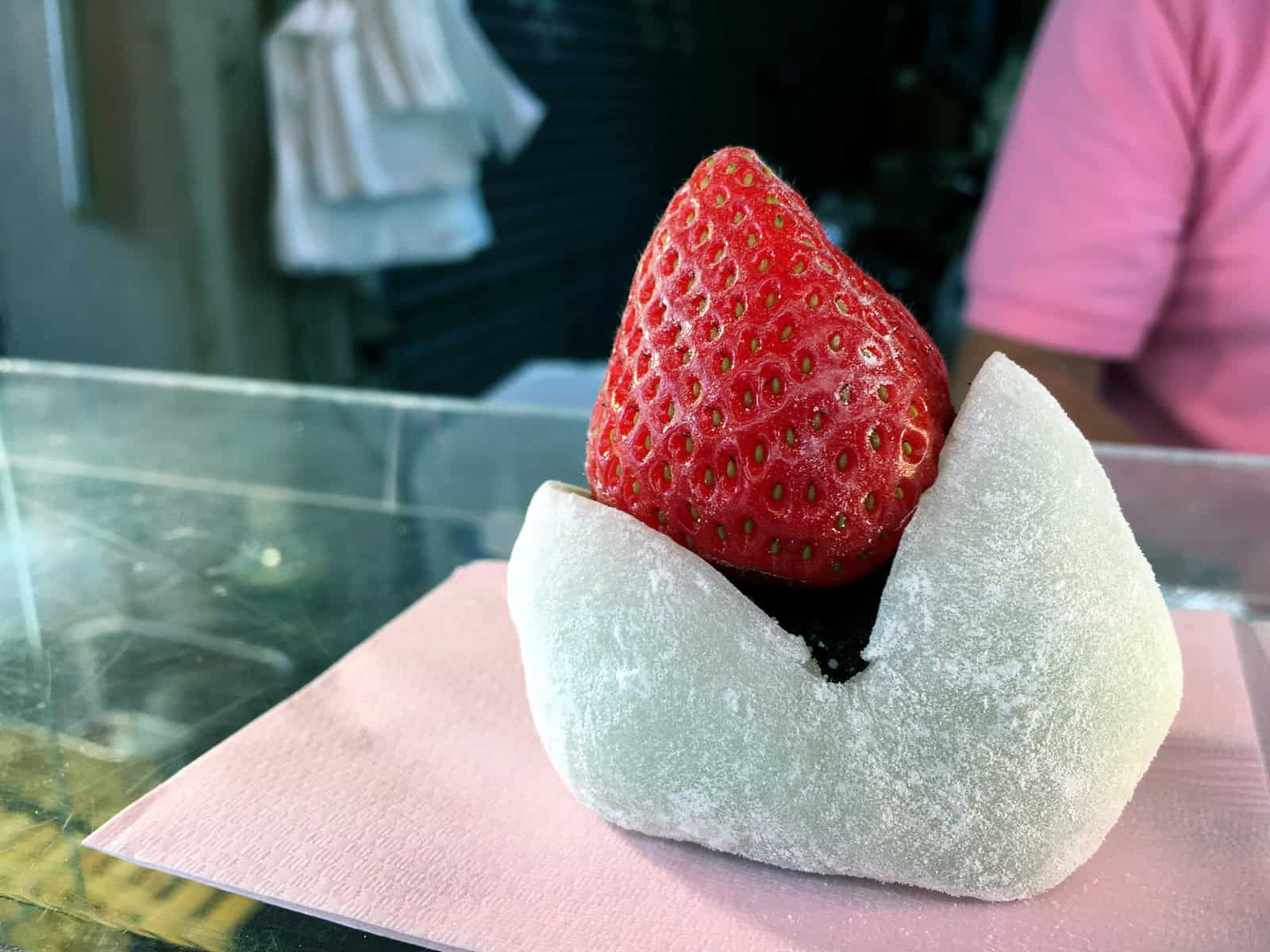
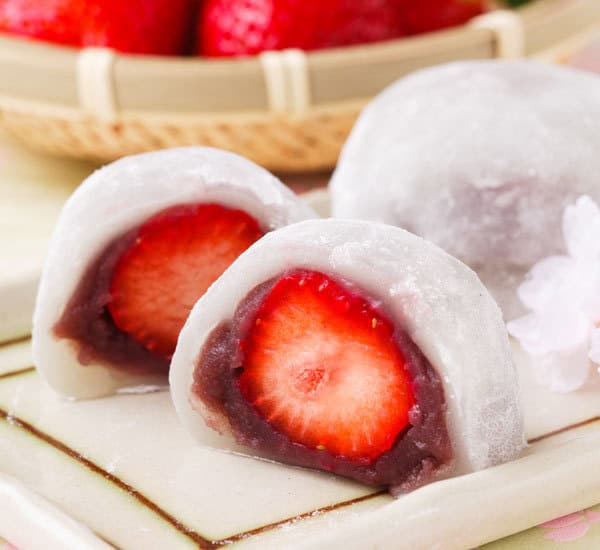
Ichigo daifuku begins appearing in Japanese confectionery shops in January and February, when domestic strawberry season peaks. A whole fresh strawberry is wrapped in sweetened red bean paste (anko) and then enclosed in a soft mochi skin. The combination of tart strawberry, earthy sweet bean, and chewy rice cake is one of the most celebrated seasonal sweets in Japan. Look for it at wagashi shops and department store food halls from midwinter through early spring.
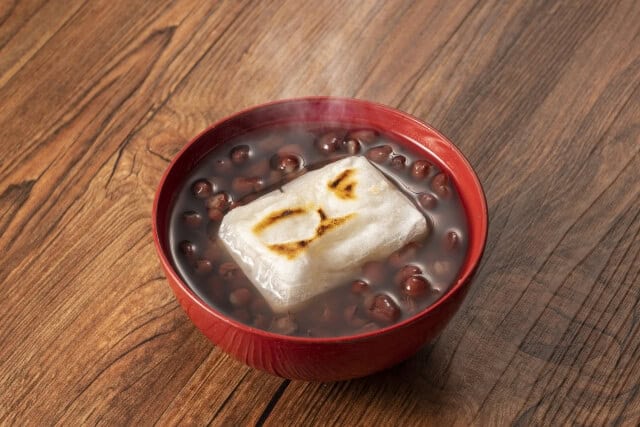
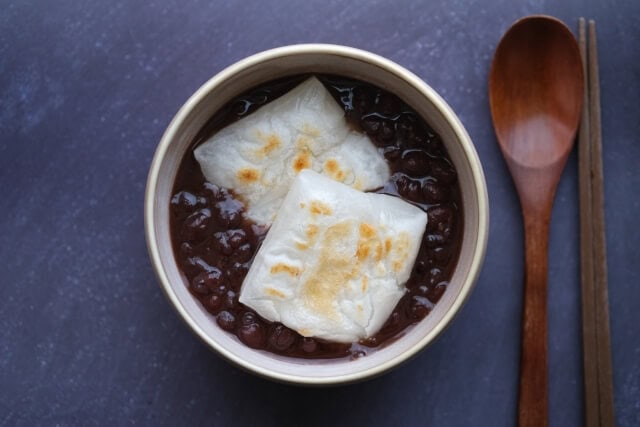
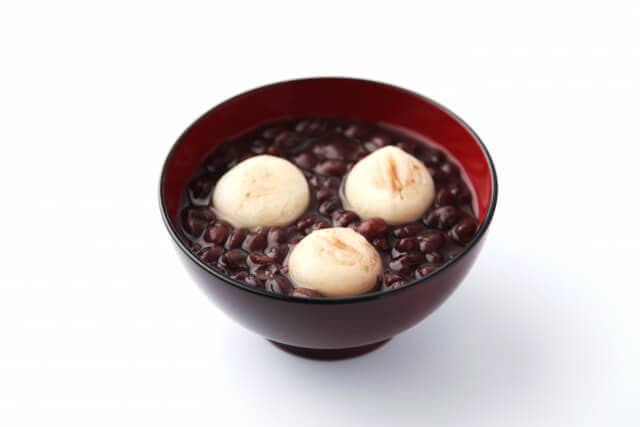
Zenzai and Oshiruko are comforting sweet bean soups made from red adzuki beans, commonly enjoyed in Japan during the winter to stay warm. Oshiruko is a smooth soup made from koshi-an, served warm with toasted mochi squares. Zenzai, on the other hand, uses tsubu-an, which includes whole or partially crushed beans, giving it a chunkier texture. Locals usually serve Zenzai warm or cold, often topped with chestnuts and mochi balls (shiratama dango).
Yaki-imo is one of the most iconic street foods of the Japanese winter. Vendors drive slowly through residential neighborhoods, playing a distinctive recorded melody to announce their presence, while Japanese sweet potatoes (satsumaimo) roast slowly over stones in the back of the truck. The result is a potato with a caramelized, intensely sweet interior and slightly crispy skin. Yaki-imo is sold in supermarkets and convenience stores throughout winter, but the stone-roasted version from a street vendor is considered far superior in flavor.
Where to Find Yakiimo
Street Vendors: In Japan, Yakiimo is often sold by street vendors from small trucks equipped with stone ovens. The vendors announce their presence with a distinctive call, making it easy to find them.
Supermarkets and Convenience Stores: During the winter months, you can also find pre-baked Yakiimo in supermarkets and convenience stores.
Homemade: Many people make Yakiimo at home using their ovens or specialized cooking equipment.
Winter Seasonal Ingredients to Know
Japanese winter cooking is grounded in seasonal produce. Key ingredients to look for from December through February include: kabu (Japanese turnip), used in pickles and simmered dishes; daikon radish, slow-cooked in oden or simmered in broth; negi (Japanese leek), essential to nabe and sukiyaki; yuzu citrus, used as a garnish and in hot baths (yuzu-yu) during the winter solstice; and buri (yellowtail), a fatty winter fish considered at its peak flavor in cold months.
Where to Eat Japanese Winter Food
Most of the dishes in this guide are best experienced at specialist restaurants. For nabe and sukiyaki, look for izakayas and dedicated hot pot restaurants (nabe-ya). Yaki-imo is a street food best found from vendors in residential neighborhoods or sold warm at the entrance of supermarkets. Zenzai and ichigo daifuku are available at traditional wagashi shops, many of which also serve matcha. For the full winter food experience, visit Japan between December and February — the season when all of these dishes are simultaneously available.
Conclusion
Winter in Japan brings a variety of comforting foods. These dishes are both nourishing and warming. Hearty nabe and sweet ichigo daifuku are popular choices. They satisfy hunger and represent winter’s essence. Each dish offers its own unique benefits. By enjoying these foods, you can embrace the season fully. They provide cozy and flavorful experiences. These meals make winter in Japan truly special. Savoring them allows you to appreciate the unique charm of the season.
This blog offers a delightful guide to winter comfort foods! From hearty stews to roasted vegetables, the emphasis on seasonal produce like root vegetables and leafy greens not only warms the soul but also boosts immunity during the colder months. Incorporating these nutrient-rich foods into our diets can make winter both cozy and healthy. For students balancing academic challenges, our ensures you stay nourished academically while enjoying your favorite winter meals.
















Comments
List of comments (1)
This blog offers a delightful guide to winter comfort foods! From hearty stews to roasted vegetables, the emphasis on seasonal produce like root vegetables and leafy greens not only warms the soul but also boosts immunity during the colder months. Incorporating these nutrient-rich foods into our diets can make winter both cozy and healthy. For students balancing academic challenges, our ensures you stay nourished academically while enjoying your favorite winter meals.