






This article is about Edo Ama Miso (江戸甘みそ), a sweet soybean paste with a long history in Tokyo’s cooking. Unlike the saltier misos common in Japan today, this unique paste was a special, often fancy, item made for the people living in the capital during the Edo period. We will explain what makes this miso different, where it came from, and a historic spot where you can still enjoy its flavors.
What is Edo Ama Miso?
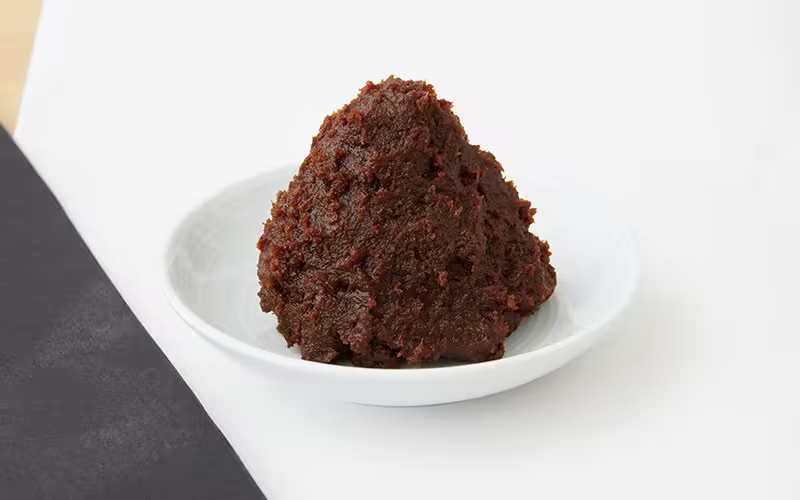
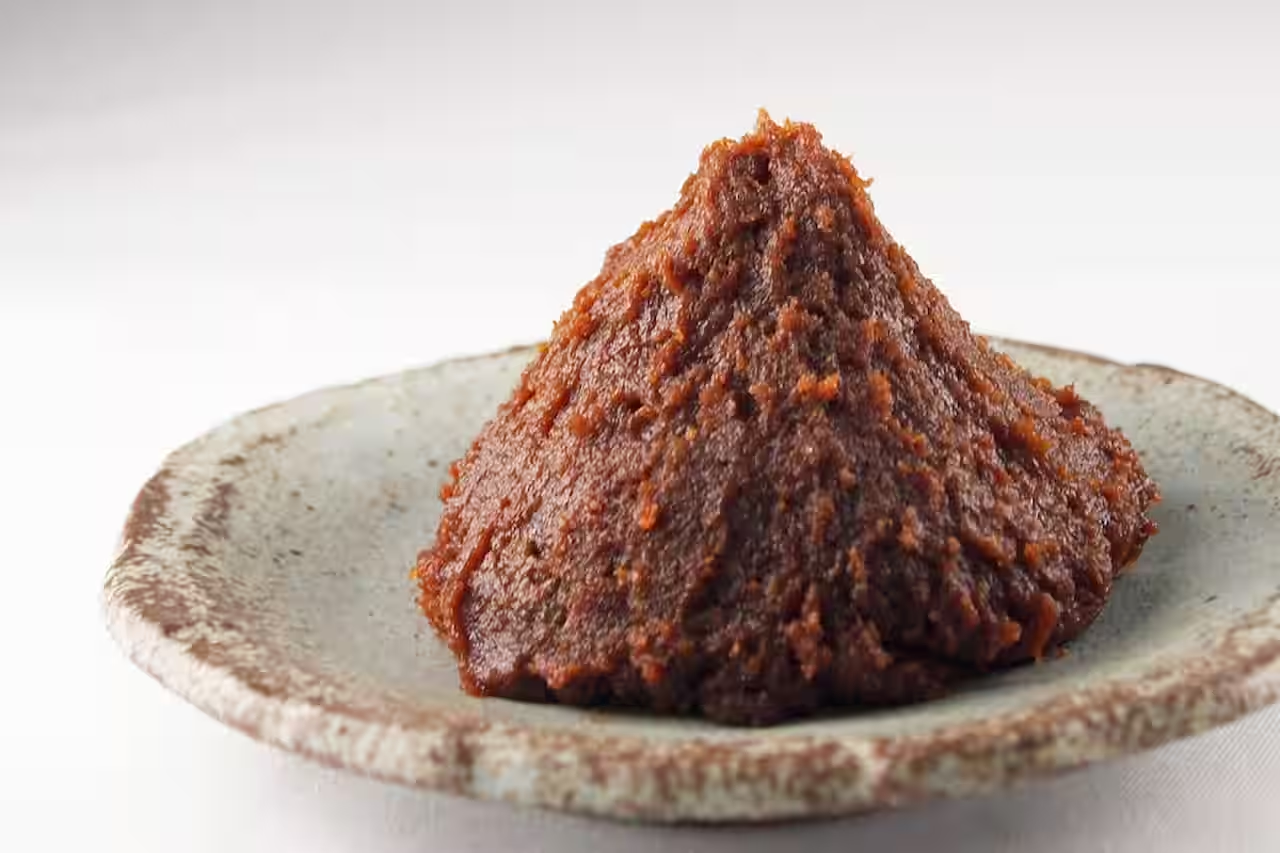
Edo Ama Miso is a type of rice miso and locals eat it in the Tokyo area since the 1600s. Its main feature is a strong sweetness combined with much less salt than regular kinds, like Shinshu Miso.
This sweet flavor created by using a lot of rice kōji (the starter for fermentation)—sometimes three times the amount found in other common misos. Historically, using so much rice made it a more expensive, high-quality product for the capital city.
In appearance, this miso has a shiny reddish-brown or dark brown color. Good quality Edo Ama Miso is quite soft and thick, offering a pleasant smell that mixes the light sweetness of the rice kōji with a deeper taste from the soybeans.
When Sweetness Takes the Lead
The taste is remarkably sweet for miso, almost startlingly so if you’re used to saltier varieties. The rice kōji brings this gentle, almost honey-like sweetness that dominates the flavor profile. There’s still that characteristic umami depth from the fermented soybeans, but it plays a supporting role. I remember tasting it for the first time and wondering if sugar had been added, though it hadn’t. The sweetness is entirely natural, created by the generous kōji breaking down rice starches. The saltiness is there too, but it’s subtle, keeping the sweetness from becoming cloying.
Smooth Luxury on Your Palate
The texture is soft and creamy, almost paste-like. It spreads easily and dissolves smoothly into hot liquids without leaving grainy bits behind. When you scoop it with a spoon, it holds its shape momentarily before yielding. Good quality Edo Ama Miso has a certain richness to the mouthfeel, coating your palate gently. You might expect miso to feel rough or chunky, but this is refined and velvety, which makes sense given its historical status as a premium product.
Fermented Grain Meets Earthy Depth
The aroma is complex and inviting. There’s that distinctive fermented sweetness from the rice kōji, almost sake-like in character, mixed with the deeper, earthier scent of fermented soybeans. It’s warm and slightly yeasty, the kind of smell that tells you fermentation has worked its magic. The fragrance isn’t sharp or pungent like some aged misos can be. Instead, it’s mellow and rounded, with that sweet rice note softening everything.
A Quick History of the Capital’s Miso
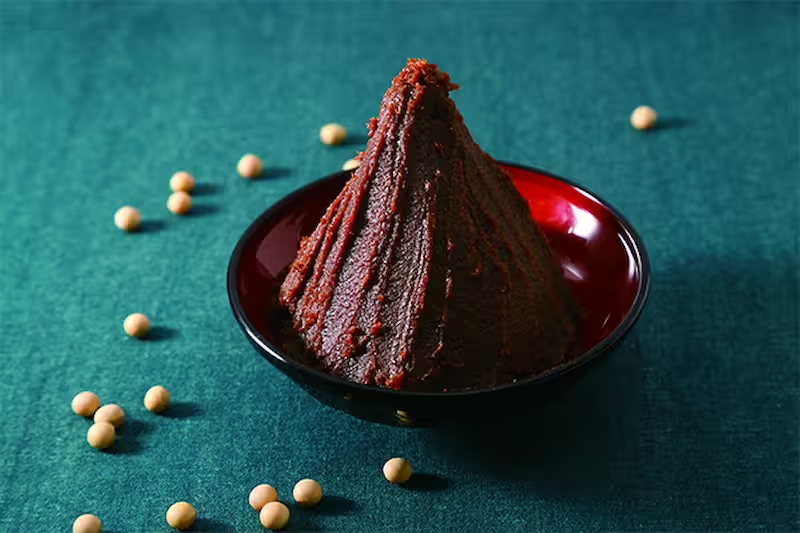
The story of Edo Ama Miso begins after Tokugawa Ieyasu started his government in Edo in 1590. As the new capital grew, different kinds of miso came in, and locals started to prefer the fine, sweet flavors of high-class goods brought from the Kansai area.
Local makers created Edo Ama Miso as their answer. It successfully blended the nice sweetness from the high rice kōji with a strong flavor from the soybeans. Because they used so much rice, locals always see this as a luxury item. Also, its low salt content meant it didn’t stay fresh for long—sometimes only about 10 days in the summer. This short shelf life meant they made it locally, which helped it become a special item of the capital.
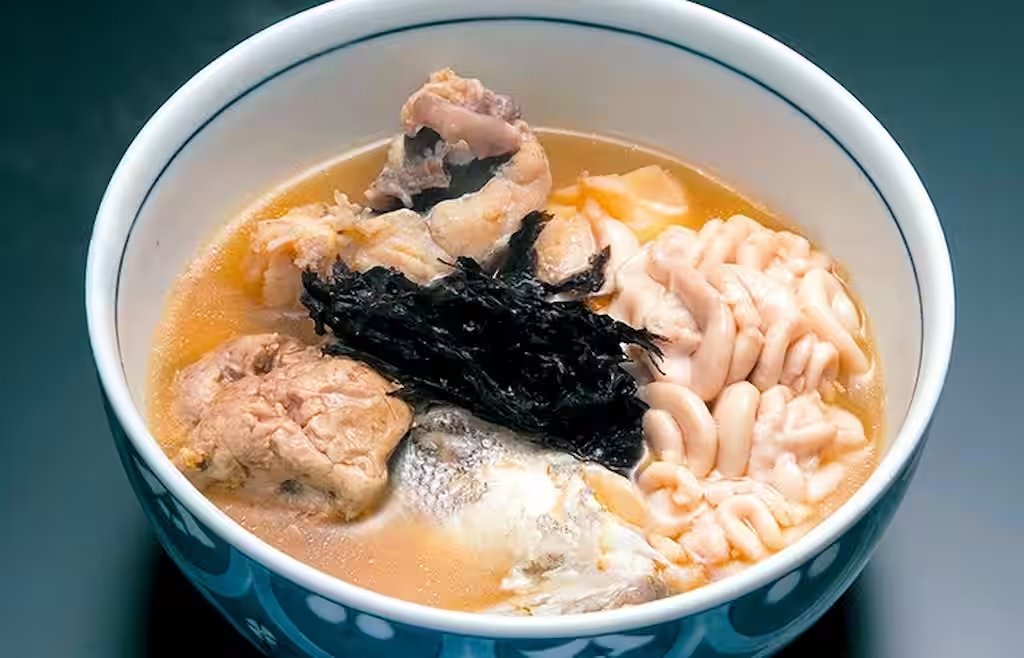
This fresh, local production suited the city’s mood and became very popular, making up over 60% of the city’s miso needs at its peak. It was a key ingredient in classic local dishes like misodengaku and dojō soup (loach soup).
Unfortunately, production stopped during World War II due to limits on using rice. Although it started again in 1951, the amounts never reached the historic levels. In 2003, the product was officially named a local specialty of Tokyo.
A Historic Restaurant Still Serving Edo’s Flavors
Komagata Dozeu Honten (駒形どぜう 本店)
Komagata Dozeu Honten (駒形どぜう 本店) offers a trip back in time to this kind of cooking. Founded in 1801, this place is a famous spot, working out of its original wooden building that still looks like an Edo merchant house. Customers can enjoy traditional dojō hot pot and other classic commoner dishes, tasting the flavors and welcoming service protected for over two centuries.
Conclusion: Taste and Tradition
Edo Ama Miso is an important food that defines the special flavor history of Tokyo. Its unique taste—rich sweetness with a deep, savory side—shows the refined tastes and specialized production of the capital during the Shogunate era. Keeping its traditional making methods alive ensures that this special taste of old Edo is still an important part of Japanese cooking today.
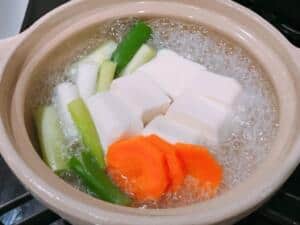
If you are interested in tasting this unique sweet miso, look for dishes where its versatile flavor can be the star, such as miso dengaku tofu, simmered mackerel, various miso soups, and sweet dumplings.

Comments