




Chugoku occupies the westernmost tip of Honshu. It spans five prefectures: Hiroshima, Okayama, Yamaguchi, Tottori, and Shimane. The region sits between two seas. The Seto Inland Sea lies to the south. The Sea of Japan stretches to the north. This dual coastal position shapes one of Japan’s most diverse food cultures.
Quick Facts About Chugoku Food
- Region: Chugoku (Western Honshu)
- Prefectures: Hiroshima, Okayama, Yamaguchi, Tottori, Shimane
- Main Cities: Hiroshima, Okayama, Yamaguchi, Tottori, Matsue
- Famous Foods: Hiroshima Okonomiyaki, Fugu, Anago Meshi, Matsuba Crab
- Signature Flavor: Fresh seafood-forward, with bold regional contrasts
- Food Culture Keyword: San’in and San’yo, the two coastal cultures that define the region
- Famous Ingredients: Oysters, fugu, conger eel, Matsuba crab, Okayama fruits
What Makes Chugoku Cuisine Unique?
Two Coastlines, Two Food Worlds
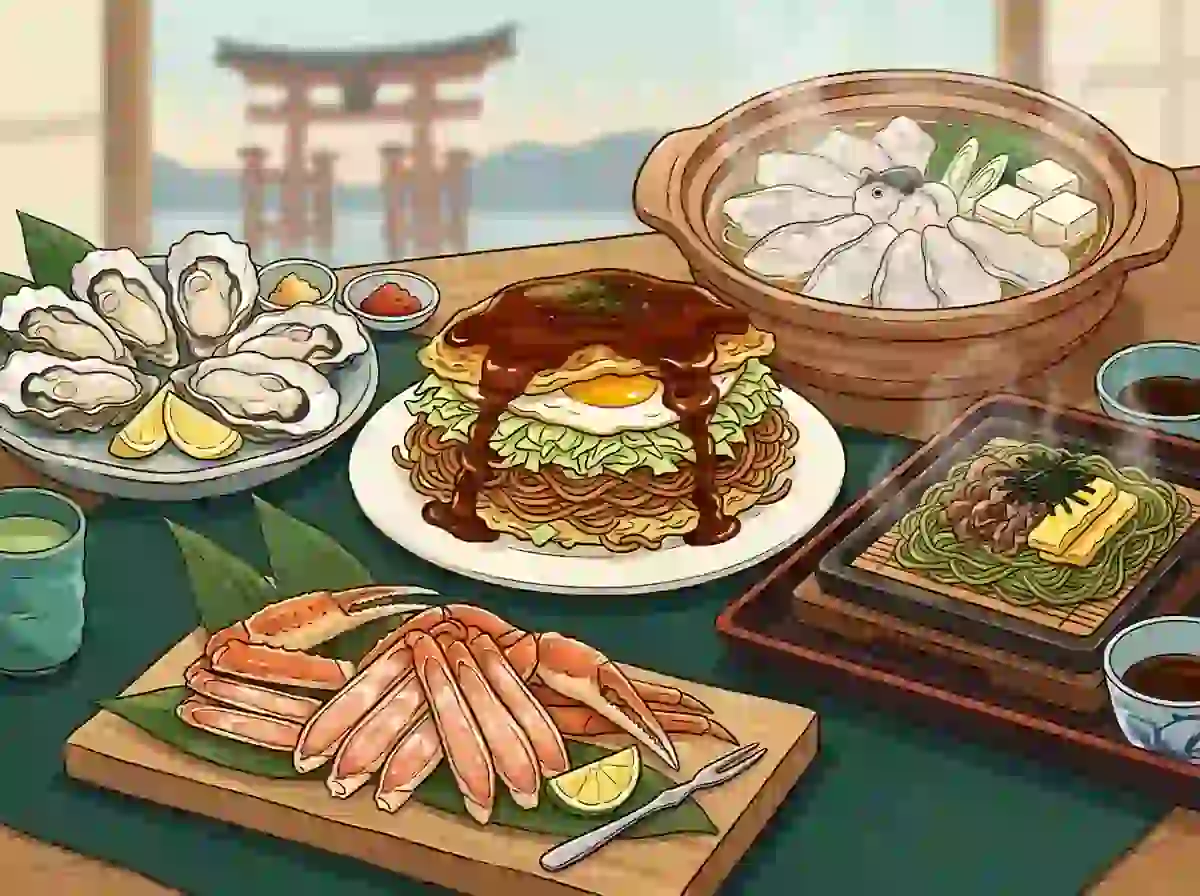
Chugoku faces two completely different seas. The Seto Inland Sea to the south is calm and nutrient-rich. It produces outstanding oysters, sea bream, and conger eel. The Sea of Japan to the north is cold and deep. It delivers premium snow crab, yellowtail, and blackthroat seaperch.
San’yo vs San’in
The San’yo side reflects the influence of nearby Kansai. Its food is refined, seafood-driven, and connected to Hiroshima and Okayama city culture. The San’in side is wilder and more rustic. Tottori and Shimane maintain a fiercer food identity rooted in crab and fermented ingredients.
Hiroshima’s Outsized Influence
Hiroshima drives much of Chugoku’s national food reputation. Its layered okonomiyaki style sparked one of Japan’s most enduring food debates. Its oyster industry supplies restaurants across the country. And its anago conger eel culture gave Japan one of its most iconic bento dishes.
Famous Chugoku Foods You Must Try
Chugoku food ranges from Hiroshima’s iconic layered pancake to Yamaguchi’s prized pufferfish. Here are the essential dishes every visitor should discover.
Hiroshima Style Okonomiyaki
Hiroshima style okonomiyaki defines the city’s food identity. Unlike Osaka’s mixed style, Hiroshima chefs build the dish in distinct layers. They start with a thin crepe base. Next comes shredded cabbage, pork, and bean sprouts. Then a full serving of yakisoba noodles follows. A fried egg crowns the finished stack.
The result is taller and more substantial than any other okonomiyaki style. Hiroshima residents eat it with fierce local pride. The Okonomi-mura building houses dozens of restaurants on multiple floors. Visiting it is one of Japan’s great communal food experiences.
Fugu
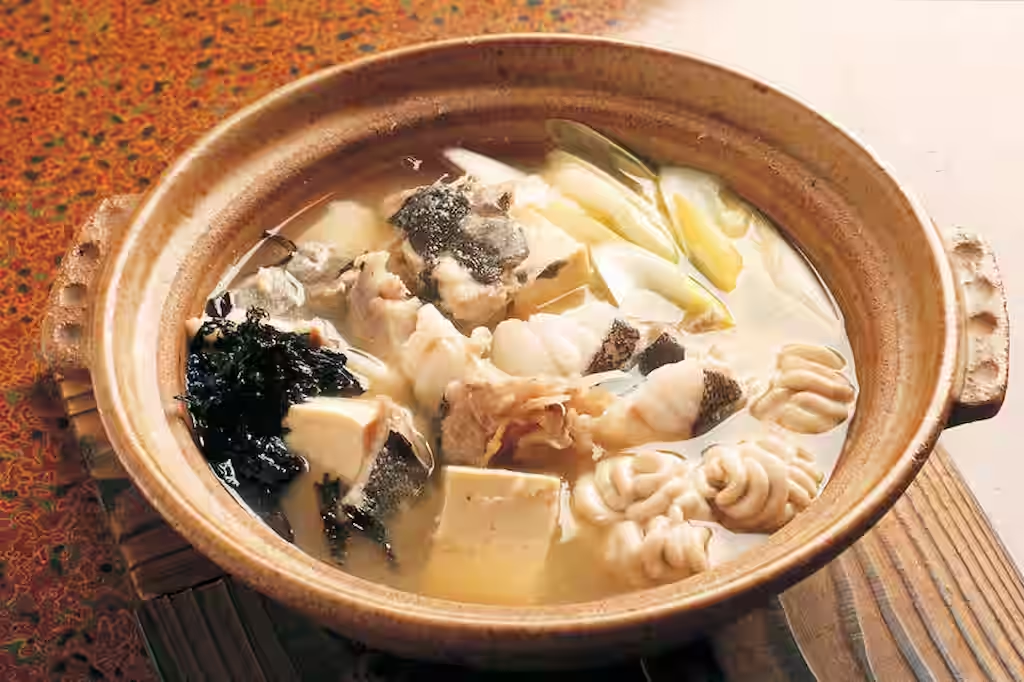
Fugu is Japan’s most carefully regulated seafood. Yamaguchi Prefecture, particularly Shimonoseki, serves as the country’s fugu capital. Licensed chefs prepare the pufferfish with precise skill. They serve it as paper-thin sashimi called tessa, in hot pots called tecchiri, and as deep-fried kara-age.
Fugu delivers a delicate, clean flavor and a distinctive firm texture. The slight tingle on the lips is part of the experience. Shimonoseki handles the largest volume of fugu in Japan. The city takes enormous pride in its preparation traditions.
Anago Meshi
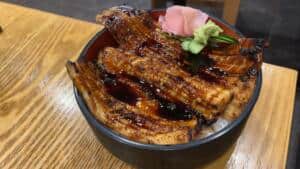
Anago meshi is a Hiroshima specialty beloved across Japan. Chefs grill conger eel over charcoal and glaze it with sweet-savory tare sauce. They serve it over seasoned rice in a wooden box. The dish originated in Miyajima, the island famous for its floating torii gate. Miyajima anago meshi bento boxes became one of Japan’s most celebrated train station foods in the Meiji era.
Matsuba Crab
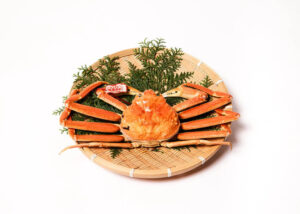
Matsuba crab is Tottori’s most prized winter delicacy. This snow crab from the Sea of Japan earns its premium status through exceptional sweetness and delicate texture. The fishing season runs from November to March. Restaurants serve it boiled, as sashimi, grilled, and in hot pots throughout winter.
Onomichi Ramen
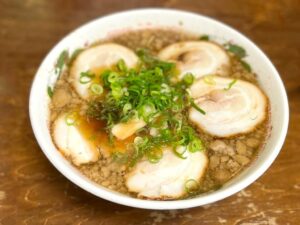
Onomichi ramen comes from the historic port town of Onomichi. The broth combines soy sauce with a rich infusion of small dried fish from the Seto Inland Sea. Flat, slightly wavy noodles sit beneath a signature topping of minced pork back fat. The fat melts into the broth as you eat, enriching each mouthful.
Okayama Barazushi
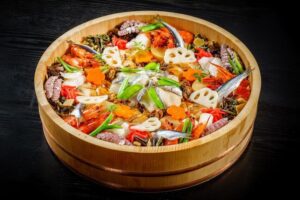
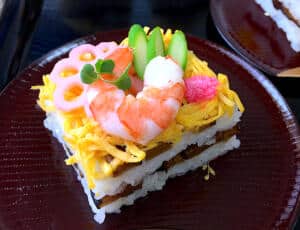
Okayama barazushi is one of Japan’s most visually striking regional sushi styles. Chefs scatter colorful toppings over a wide, flat bed of vinegared rice. Seto Inland Sea seafood, seasonal vegetables, and egg combine in a dish built for celebration. It reflects Okayama’s historical abundance of both sea and land produce.
Iwakuni Sushi
Iwakuni sushi comes from the castle town of Iwakuni in Yamaguchi. Cooks press layers of vinegared rice, fish, and vegetables into a large wooden mold. They cut the block into thick pieces for serving. The dish has strong visual impact and deep roots in local festival culture.
Kibi Dango
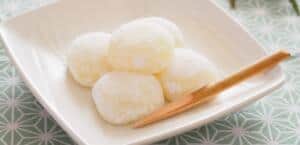
Kibi dango is Okayama’s most famous sweet. These small, soft mochi-like balls come from millet and rice flour. Their name connects to the Momotaro folktale, which originates in Okayama. Every visitor to the city leaves with a box tucked under their arm.
Must-Try Chugoku Dishes

Famous Ingredients from Chugoku
Hiroshima Oysters
Hiroshima Bay produces more oysters than any other area in Japan. The calm, nutrient-rich Seto Inland Sea creates ideal growing conditions. Hiroshima oysters are plump, creamy, and intensely flavored. They appear grilled, fried, in hot pots, and eaten raw at markets.
Fugu (Pufferfish)
Yamaguchi Prefecture handles the largest volume of fugu in Japan. Shimonoseki’s Karato Market processes fugu from across the country. Licensed chefs prepare it with strict precision. The fish delivers a clean, delicate flavor and a firm, silky texture.
Conger Eel (Anago)
The Seto Inland Sea produces exceptional conger eel. Hiroshima chefs grill it over charcoal and glaze it with sweet tare sauce. Unlike freshwater eel, conger eel has a lighter, more delicate flavor. It stars in the famous Miyajima anago meshi and in sushi restaurants across the region.
Matsuba Crab
Tottori and Shimane prefectures catch some of Japan’s finest snow crab. Matsuba crab earns a premium price for its sweet, tender meat. The winter fishing season makes it one of Japan’s most anticipated cold-weather ingredients.
Okayama Fruits
Okayama Prefecture earned the title of Japan’s fruit kingdom. The mild, sunny climate and fertile soil produce exceptional white peaches and Pione grapes. These fruits set the standard for premium domestic fruit production in Japan.
Tofu Chikuwa
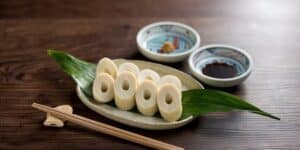
Tofu chikuwa is a uniquely Tottori ingredient. Makers blend tofu with white fish to create a tubular steamed cake. It has a lighter, softer texture than standard chikuwa. Locals eat it grilled, simmered, or sliced cold as a snack.
The History of Food Culture in Chugoku
Hiroshima’s Food Legacy
Hiroshima’s food culture rebuilt itself with remarkable energy after World War II. Okonomiyaki stalls appeared across the city as affordable, filling food for residents. The layered Hiroshima style evolved from these humble origins. It grew into a source of deep civic pride. Today Hiroshima okonomiyaki stands as one of Japan’s most recognized regional dishes internationally.
Okayama’s Castle Town Abundance
Okayama developed as a wealthy castle town during the Edo period. The mild Seto Inland Sea climate supported exceptional agriculture and fishing. This abundance drove the development of elaborate celebration dishes like barazushi. Okayama barazushi originally displayed the region’s agricultural and maritime wealth at festivals.
Yamaguchi’s Port Culture
Yamaguchi Prefecture developed a sophisticated food culture through its position on the Kanmon Strait. Ships connecting Japan’s western ports passed through constantly. This gave Shimonoseki early access to fugu in abundance. Fugu culture grew into a formal culinary tradition with strict licensing and preparation standards.
San’in’s Isolation and Craft
The San’in region developed in relative isolation from major trade routes. This drove Tottori and Shimane communities to develop intensely local food traditions. Crab fishing culture, fermented foods, and creative uses of simple ingredients like tofu reflect this history. It is a food culture rooted in resourcefulness and independence.
Food Cities of Chugoku
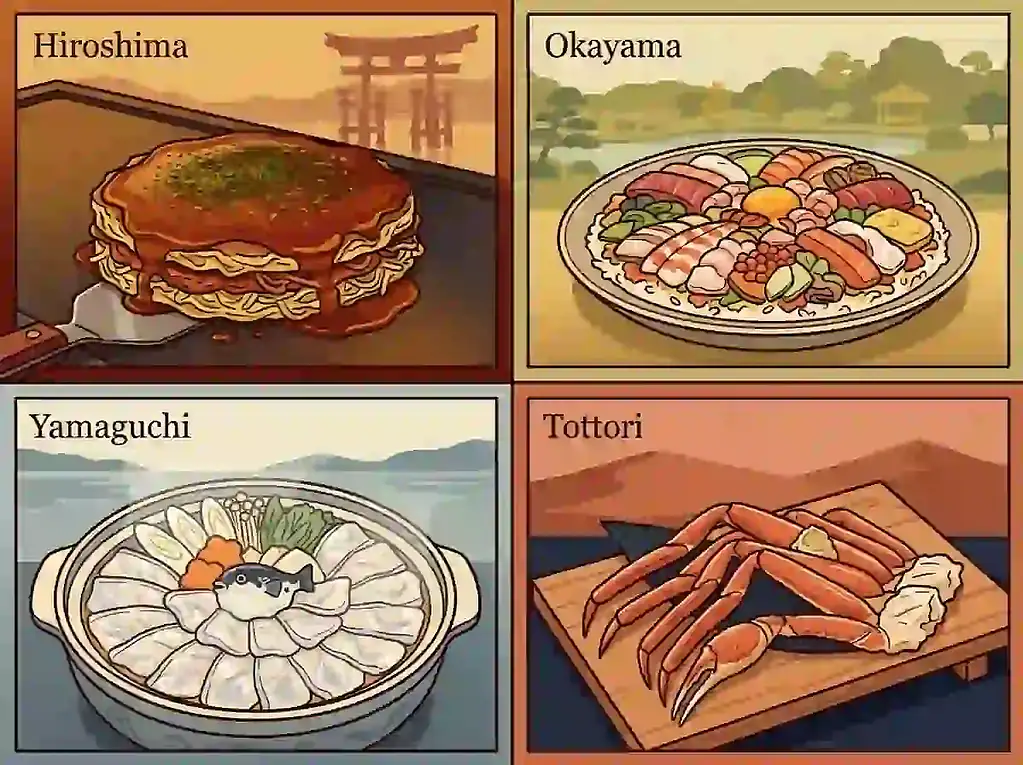
Hiroshima — Okonomiyaki and Oysters
Hiroshima is the food capital of Chugoku. The Okonomi-mura building houses dozens of okonomiyaki restaurants on multiple floors. Hiroshima Bay produces some of Japan’s finest oysters. The nearby island of Miyajima is the birthplace of anago meshi. The scenic port of Onomichi adds rich ramen culture to the city’s food story.
Okayama — Sunshine, Fruit, and Sushi
Okayama combines Japan’s finest fruit culture with a rich Seto Inland Sea seafood tradition. The historic Kurashiki district provides a beautiful setting for tasting local specialties. Okayama barazushi, ebi meshi prawn rice, and kibi dango all reflect a region that takes genuine pride in its food culture.
Shimonoseki and Yamaguchi — The Fugu Capital
Shimonoseki handles more fugu than anywhere else in Japan. The Karato Market near the port is one of Japan’s most vibrant seafood markets. Visitors can buy fugu sashimi directly at market stalls. Iwakuni sushi represents Yamaguchi’s quieter castle town food traditions inland.
Tottori — Crab and Unique Local Foods
Tottori sits along the Sea of Japan coast. Its food culture centers on winter crab. Matsuba crab season from November to March draws visitors from across Japan. Tofu chikuwa is the city’s most distinctive everyday food. Tottori’s famous sand dunes provide an extraordinary backdrop for a food culture wholly its own.
Matsue — Shimane’s Refined Food Culture
Matsue in Shimane sits beside Lake Shinji. The lake is one of Japan’s most productive natural fishing grounds. It provides shijimi clams, sea bass, and eel of outstanding quality. Matsue has a long tradition of tea ceremony culture. This shaped the city’s refined wagashi sweet-making tradition. It is one of Japan’s most undervisited and most rewarding food cities.
Chugoku Food Map
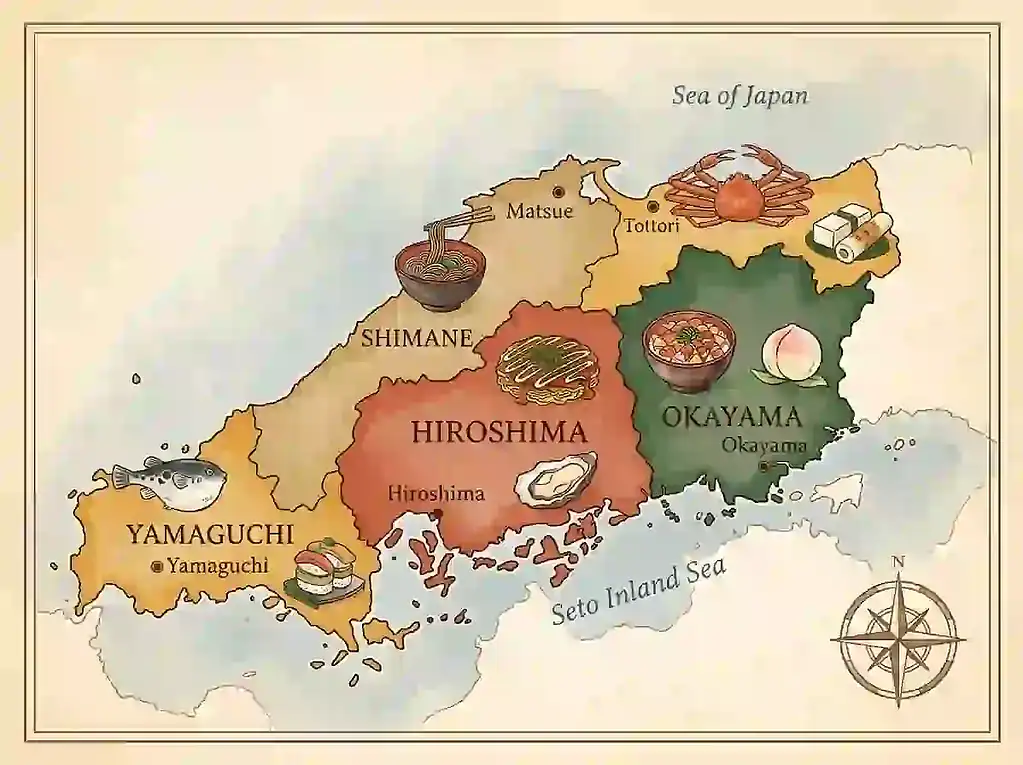
Hiroshima anchors the Seto Inland Sea coast. It leads with okonomiyaki, oysters, and conger eel culture. Moving east, Okayama delivers barazushi, exceptional fruit, and Seto Inland Sea seafood. At the western tip, Shimonoseki and Yamaguchi lead Japan’s fugu culture. On the northern San’in coast, Tottori produces Matsuba crab and tofu chikuwa. Shimane completes the circuit with Lake Shinji seafood and a refined wagashi tradition rooted in centuries of tea culture.
Why Chugoku Is a Paradise for Food Lovers
A Journey Across Two Coasts
Chugoku offers remarkable variety within a compact region. A visitor can start in Hiroshima eating layered okonomiyaki and fresh oysters. They can cross to Miyajima for anago meshi beside the floating torii gate. A short journey east brings them to Okayama for barazushi and premium white peaches.
From Fugu to Crab
Continuing west, Shimonoseki delivers fugu sashimi at the Karato Market. Heading north along the coast, Tottori offers Matsuba crab in winter and tofu chikuwa year-round. Few regions in Japan offer this much genuine variety within a single food journey.
Explore More Chugoku Foods
- Hiroshima Style Okonomiyaki — Hiroshima’s iconic layered savory pancake with yakisoba noodles.
- Fugu — Yamaguchi’s famous and carefully prepared pufferfish.
- Anago Meshi — Miyajima’s celebrated conger eel rice box.
- Matsuba Crab — Tottori’s prized winter snow crab from the Sea of Japan.
- Onomichi Ramen — Rich soy and back fat ramen from the port of Onomichi.
- Okayama Barazushi — Okayama’s colorful scattered sushi for celebration.
- Kibi Dango — Okayama’s beloved millet and rice flour sweet.
- Iwakuni Sushi — Yamaguchi’s castle town pressed sushi tradition.
- Momiji Manju — Hiroshima’s maple leaf-shaped sweet from Miyajima.
- Tofu Chikuwa — Tottori’s unique tofu and fish cake specialty.
Explore More Japanese Regional Foods
Japan’s regional cuisines vary widely depending on climate, history, and local ingredients. If you enjoyed learning about Chugoku food, explore dishes from other regions of Japan.
- Hokkaido Food Guide – Discover seafood, ramen, and dairy specialties from Japan’s northern island.
- Tohoku Food Guide – Discover hearty winter dishes and regional specialties from northern Honshu.
- Kanto Food Guide – Explore Tokyo’s vibrant food culture and famous regional dishes.
- Chubu Food Guide – Discover Nagoya meshi, Kanazawa food, and the diverse cuisine of central Japan.
- Kansai Food Guide – Taste iconic dishes like takoyaki, kaiseki, and Osaka street food.
- Kyushu Food Guide – Enjoy rich ramen, fresh seafood, and southern Japanese specialties.
- Shikoku Food Guide – Discover Sanuki udon, katsuo no tataki, and island cuisine from Shikoku.
References
Hiroshima Prefecture Tourism (https://visithiroshima.net/en/)
Okayama Prefecture Tourism (https://www.okayama-japan.jp/en/)
Yamaguchi Prefecture Tourism (https://yamaguchi-tourism.jp/en/)
Tottori Prefecture Tourism (https://www.tottori-tour.jp/en/)
Shimane Prefecture Tourism (https://www.kankou-shimane.com/en/)
Chugoku Food Guide FAQ
What food is Chugoku famous for?
The region is famous for layered Hiroshima okonomiyaki, plump oysters, Okayama’s premium fruits, Yamaguchi fugu (pufferfish), and Matsuba crab.
Which prefectures are part of the Chugoku region?
The region consists of Hiroshima, Okayama, Yamaguchi, Tottori, and Shimane prefectures.
What makes Chugoku cuisine unique?
The area offers a dual food culture: mild, citrus-and-oyster-rich cuisine along the Seto Inland Sea, and hearty, cold-water seafood cuisine along the Sea of Japan.
What is the best season to visit Chugoku for food?
Winter is unparalleled for Hiroshima oysters, Tottori crab, and Yamaguchi fugu. However, summer is best for Okayama’s world-class peaches and grapes.
What is Hiroshima-style okonomiyaki and how is it different from Osaka style?
Instead of mixing ingredients into a batter like in Osaka, Hiroshima chefs carefully cook the ingredients in distinct layers (crepe, cabbage, meat, noodles, and egg).
Why does Hiroshima okonomiyaki use yakisoba noodles?
During the post-WWII food shortage, locals added cheap yakisoba or udon noodles to their thin vegetable crepes to create a more filling, substantial meal.
What is anago meshi and where should I eat it?
It is tender, soy-glazed grilled conger eel served over savory rice. Miyajimaguchi, the gateway to Miyajima Island in Hiroshima, is the ultimate place to eat it.
What is Onomichi ramen?
It is a deep soy sauce ramen featuring flat wheat noodles, rich fish stock from the Seto Inland Sea, and distinctively savory chunks of floating pork back fat.
What is Momiji manju from Hiroshima?
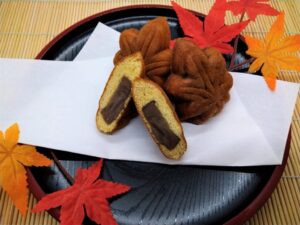
It is a famous maple leaf-shaped sponge cake traditionally filled with sweet red bean paste, though modern shops now offer matcha, custard, and chocolate fillings.
What is Kure kaiji curry?
It is a hearty curry originally served to the Japan Maritime Self-Defense Force in Kure. Today, local restaurants faithfully recreate the secret recipes of specific naval ships.
What food is Okayama famous for?
Okayama is celebrated for its juicy white peaches, Muscat grapes, Kibi dango sweets, Mamakari fish, and luxurious Barazushi.
What is Okayama barazushi?
It is a lavish, colorful scattered sushi. During the Edo period, locals cleverly hid the luxurious seafood and egg under the rice to bypass frugal samurai laws.
What is mamakari and how is it eaten?
It is a small, pickled Japanese shad. The name implies it is so delicious that you will need to “borrow rice” (mama-kari) from your neighbors to keep eating it.
What is kibi dango from Okayama?
It is a soft, sweet millet dumpling made famous by the local folklore hero Momotaro (Peach Boy), who used them to recruit his loyal animal companions.
What fruits is Okayama famous for?
Known as the “Sunshine Prefecture,” it produces exceptionally sweet, premium Hakuto (White Peaches), Shine Muscat grapes, and large Pione grapes.
What is fugu (pufferfish) and where is it famous in Chugoku?
It is a highly prized delicacy known for its firm, translucent sashimi. Shimonoseki City in Yamaguchi Prefecture serves as the historic fugu capital of Japan.
Is fugu dangerous to eat?
While wild fugu contains lethal toxins, eating it in restaurants is incredibly safe. Only highly trained, legally licensed chefs are permitted to prepare it.
What is Matsuba crab from Tottori?
It is the premium, brand-name male snow crab caught in the Sea of Japan during winter, prized for its sweet, densely packed meat and rich crab paste.
What is tofu chikuwa from Tottori?
It is a healthy, steamed cylindrical fish cake blended with local tofu. Locals invented it centuries ago when fresh fish was scarce and expensive.
What is Iwakuni sushi from Yamaguchi?
It is a massive, multi-layered pressed sushi cake. Historically, chefs prepared this vibrant, square-cut dish as a preserved combat ration for samurai.
What oysters is Hiroshima famous for?
Hiroshima produces over 60% of Japan’s oysters. The calm, nutrient-dense Seto Inland Sea allows them to grow large, plump, and incredibly rich in umami.
What seafood is famous along the Seto Inland Sea in Chugoku?
The gentle waters yield sweet Hiroshima oysters, delicate Miyajima anago (conger eel), chewy Mihara octopus, and premium sea bream.
What traditional sweets are famous in Chugoku?
Must-tries include Hiroshima’s Momiji Manju, Okayama’s Kibi Dango, and Tottori’s Inaba no Shiro Usagi (sweet baked cakes shaped like mythical rabbits).
What sake is famous in Hiroshima?
Saijo in Hiroshima is one of Japan’s top sake-brewing districts. Brewers use uniquely soft water to create elegant, slightly sweet, and highly aromatic sake.
What is the difference between Hiroshima and Osaka okonomiyaki?
Osaka style is a thick, fluffy pancake made by mixing ingredients. Hiroshima style uses a mountain of steamed cabbage pressed flat over noodles, creating a much lighter texture.
What food is Shimane Prefecture famous for?
Shimane is celebrated for its dark, aromatic Izumo Soba, premium Shijimi (freshwater clams) from Lake Shinji, and elegant Matsue traditional wagashi (sweets).
What is Izumo soba from Shimane?
It is a dark, highly flavorful buckwheat noodle. Diners traditionally eat it in three stacked red lacquer bowls (Wariko style), pouring the broth directly over each layer.