


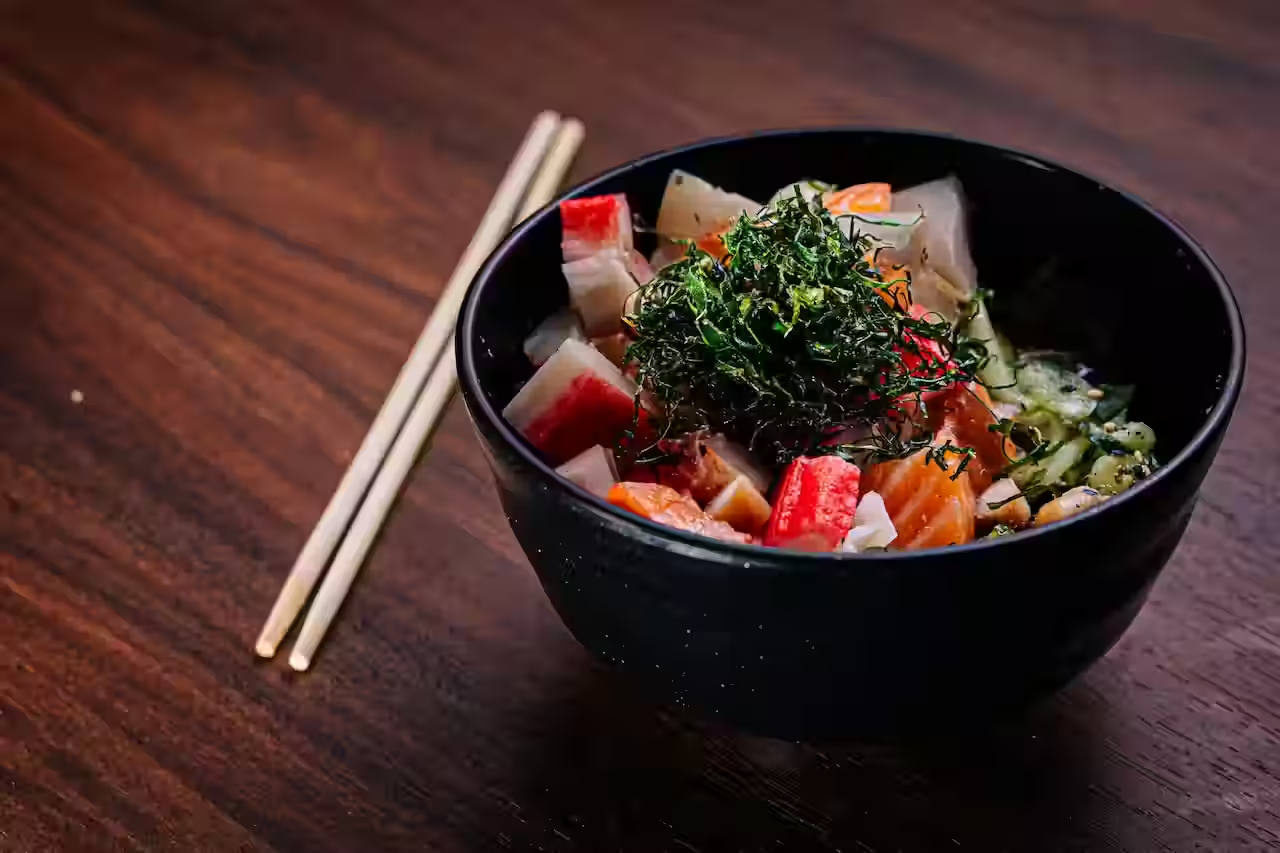


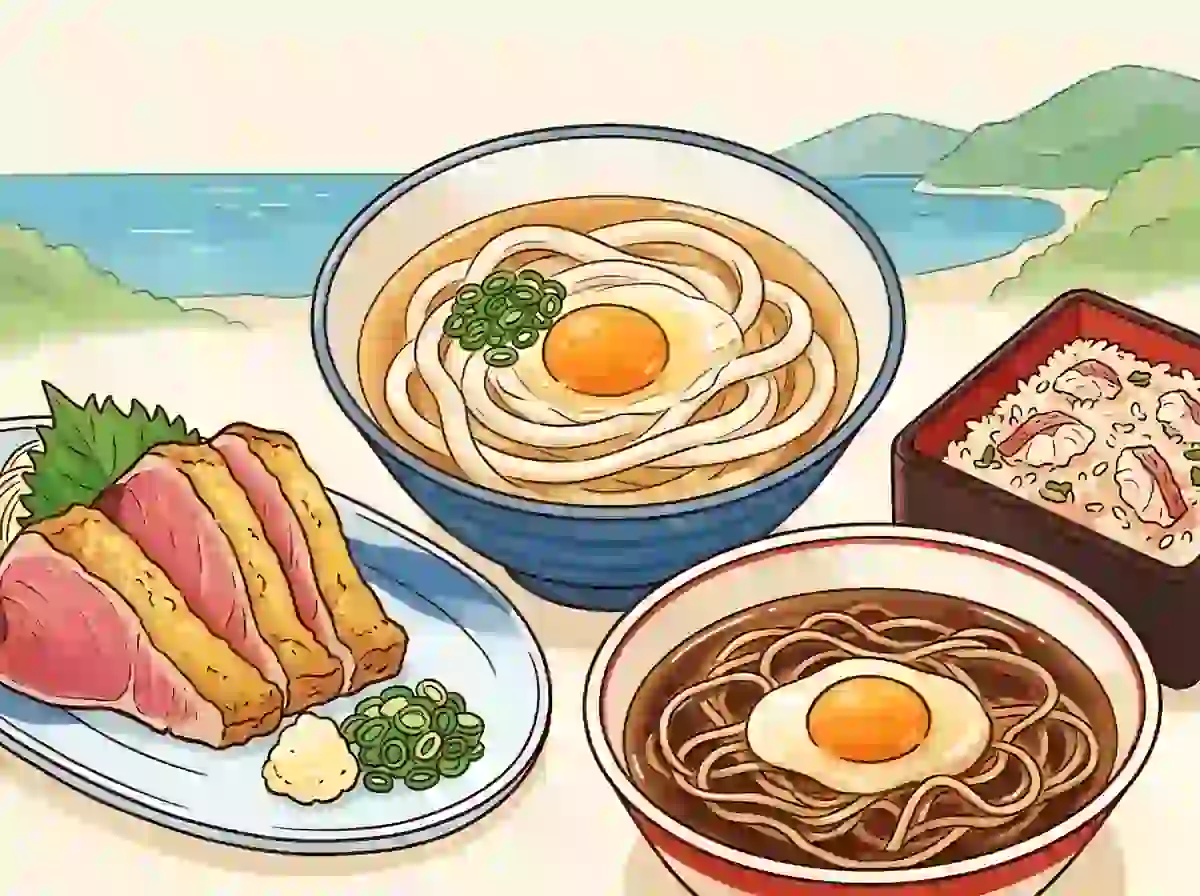
Shikoku is the smallest of Japan’s four main islands. Yet it punches far above its weight when it comes to food. The island spans four prefectures: Kagawa, Kochi, Ehime, and Tokushima. It sits at the crossroads of the Seto Inland Sea and the Pacific Ocean. This position gives it access to two completely different marine environments. The result is an extraordinary range of fresh seafood, produce, and culinary traditions.
Shikoku food culture thrives on bold contrasts. Kagawa Prefecture built an entire regional identity around a single dish. Sanuki udon, thick and chewy with rich dashi broth, draws food lovers to the island every year. Kochi, facing the wild Pacific, celebrates the bonito with deep reverence. Ehime pairs its abundant sea bream with some of Japan’s finest mandarin oranges. Tokushima brings its own intensely savory ramen style and ancient noodle traditions to the table.
What makes Shikoku food particularly compelling is its authenticity. The island sits slightly off the main tourist routes connecting Tokyo, Osaka, and Kyoto. Its food culture developed with less outside influence and more local pride. Eating in Shikoku feels like a genuine encounter with how people here actually live and eat.
This complete guide introduces the most famous Shikoku foods. It covers the cities and prefectures where they were born. And it explains why this island ranks among Japan’s most rewarding destinations for food lovers.
Quick Facts About Shikoku Food
- Region: Shikoku
- Prefectures: Kagawa, Kochi, Ehime, Tokushima
- Main Cities: Takamatsu, Kochi, Matsuyama, Tokushima
- Famous Foods: Sanuki Udon, Katsuo no Tataki, Taimeshi, Tokushima Ramen
- Signature Flavor: Dashi-forward and seafood-centered, with bold regional variations
- Food Culture Keyword: Udon-ken, meaning Kagawa’s proud identity as Japan’s udon prefecture
- Famous Ingredients: Bonito, sea bream, citrus, fresh sardines, sudachi lime
What Makes Shikoku Cuisine Unique?
Shikoku food culture draws its character from geography. The island faces two fundamentally different bodies of water. The Seto Inland Sea to the north is calm, warm, and sheltered. It produces delicate seafood including sea bream, sea urchin, and small fish with refined flavor. The Pacific Ocean to the south is powerful, cold, and current-driven. It produces the fat, muscular bonito that defines Kochi cuisine.
This geographical contrast creates two entirely different culinary personalities. Northern Shikoku food tends toward refinement and subtlety. It builds on the clean flavors of Seto Inland Sea seafood. It also draws on the delicate dashi traditions inherited from proximity to Kansai. Southern Shikoku food is bolder, wilder, and more intensely flavored. It reflects the rugged Pacific coastline and the robust produce of the island’s mountainous interior.
Kagawa’s udon culture stands apart from anything else in Japan. The prefecture has more udon restaurants per capita than anywhere in the country. Locals eat udon at breakfast, lunch, and dinner. Noodle makers produce noodles fresh each morning using local wheat and high-quality water. The result is a texture and flavor that udon from other regions cannot replicate. This devotion to a single dish made Kagawa synonymous with udon across Japan.
Shikoku food also benefits from exceptional agricultural produce. Kochi Prefecture leads Japan in yuzu citrus and ginger production. Both ingredients appear throughout the local cuisine. Ehime grows some of the country’s finest mandarin oranges and produces excellent local sake. Tokushima’s fertile Yoshino River valley grows sweet onions and high-quality vegetables that anchor its agricultural food culture.
Famous Shikoku Foods You Must Try
Exploring the Shikoku food guide begins with these essential dishes. Each one tells a story about the prefecture and the people who created it.
Sanuki Udon
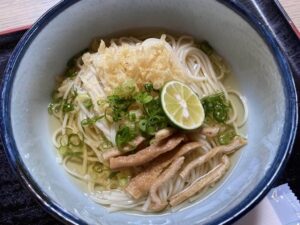
Sanuki udon is the defining dish of Kagawa Prefecture. It is arguably the most famous regional udon in Japan. The noodles are thick, square-edged, and firm with a distinctive chewy bite. Local wheat varieties and exceptional water quality create this unique texture. The broth is a light, clear dashi of dried sardines and kombu. Soy sauce seasoning reflects Kagawa’s position between Kansai and the rest of Shikoku.
What makes Sanuki udon culture truly unique goes beyond the noodles. Many Kagawa udon shops operate on a self-service system. Customers pick up their bowl, add toppings from a counter, and pay by item count. The prices are remarkably low. A bowl of excellent udon can cost just a few hundred yen. This democratic, unpretentious approach to great food captures the essence of Kagawa food culture.
Katsuo no Tataki
Katsuo no tataki is the soul food of Kochi Prefecture. Cooks sear thick slices of fresh bonito over straw flames. The exterior becomes lightly charred and smoky. The interior stays raw and tender. Chefs then slice the fish and serve it with garlic, ginger, green onion, and sharp ponzu dressing. The straw-fire method, known as wara-yaki, gives a unique smoky aroma that no other technique can replicate.
Bonito has been central to Kochi food culture for centuries. The warm Kuroshio Current sweeps along the Kochi coastline. It drives large schools of bonito close to shore throughout the year. Kochi people take enormous pride in their bonito. The quality of fish at local restaurants and markets is simply outstanding.
Taimeshi
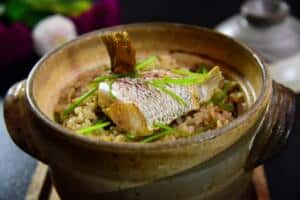
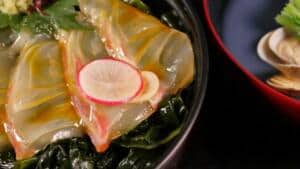
Taimeshi means sea bream rice in Japanese. It is Ehime Prefecture’s most celebrated dish. Interestingly, it comes in two entirely different forms. In the Imabari and Matsuyama style, cooks place a whole sea bream directly into seasoned rice. The fish infuses every grain with its sweet, delicate flavor. The Uwajima taimeshi style takes a completely different approach. Diners dip thin slices of raw sea bream sashimi into a rich sauce of dashi, soy sauce, sesame, and raw egg. They then place the fish on top of rice and eat it like a donburi. Both versions showcase the extraordinary quality of Seto Inland Sea sea bream.
Tokushima Ramen
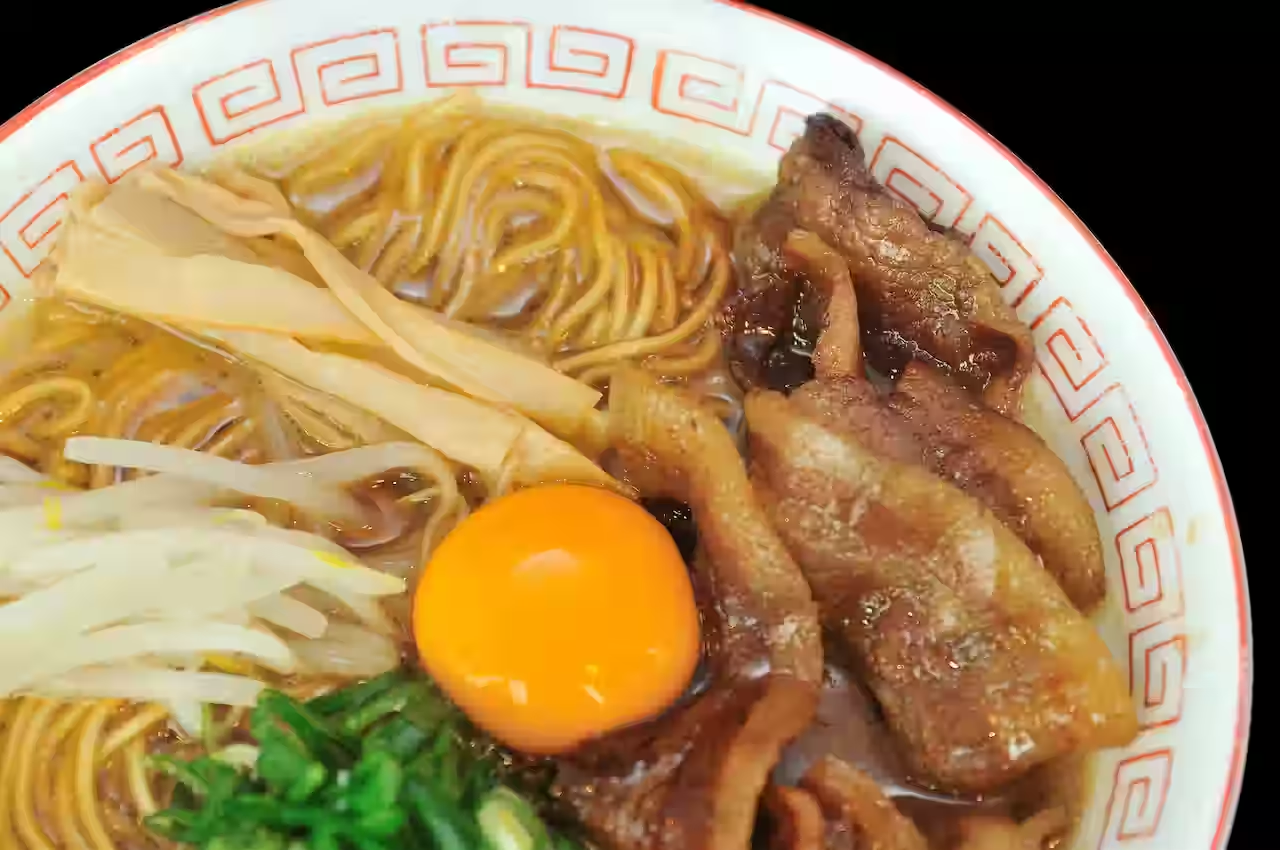
Tokushima ramen is one of the most unusual and intensely flavored ramen styles in Japan. The broth combines pork bone stock with dark soy sauce seasoning. It typically incorporates braised pork belly cooking liquid. This gives the soup a rich, slightly sweet, deeply savory character. The signature topping is a raw egg. Diners add it directly to the hot broth and stir it in themselves. The result is lighter than tonkotsu yet deeper in flavor than most shoyu ramen. Tokushima ramen gained national attention after appearing at the Shin-Yokohama Ramen Museum in the 1990s.
Kokera Sushi
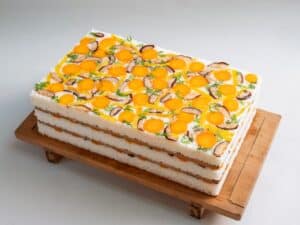
Kokera sushi is one of Kochi’s most distinctive traditional foods. Cooks layer vinegared rice and toppings including fish, vegetables, and tofu skin into a wooden mold. They then cut the pressed block into thick rectangular pieces. Unlike delicate pressed sushi styles from Osaka, kokera sushi is robust, colorful, and generous. Communities traditionally prepare it for festivals and celebratory occasions. Its rustic beauty reflects the warm, communal food culture of Kochi.
Handa Somen
Handa somen from Tokushima is one of Japan’s most distinctive noodle specialties. Unlike the delicate, thread-thin somen from other regions, Handa noodles are noticeably thicker and chewier. They deliver a satisfying bite that sets them apart immediately. Noodle makers in the Handa area of Awa have produced them for generations. They use traditional hand-stretching techniques that most regions abandoned long ago. Locals serve them cold with dipping sauce in summer and hot in broth during winter.
Nabe Yaki Udon
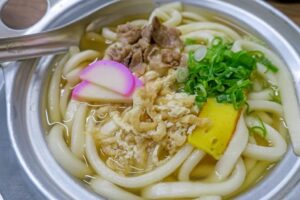
Nabe yaki udon is a beloved winter specialty from Matsuyama, Ehime Prefecture. Cooks simmer thick udon noodles with fish cake, chicken, egg, and vegetables. Everything cooks together in a rich dashi broth inside a small individual clay pot. The pot retains heat throughout the meal. The soup stays piping hot until the very last mouthful. Street vendors serving nabe yaki udon from small carts in Matsuyama’s covered arcades have become one of the city’s most endearing food traditions.
Must-Try Shikoku Dishes
Famous Ingredients from Shikoku
The ingredients that define Shikoku cuisine reflect the island’s remarkable geographic diversity.
Bonito (Katsuo) defines Kochi Prefecture’s food identity. The powerful Kuroshio Current carries large, fat bonito close to the Kochi coastline throughout the year. As a result, Kochi bonito grows larger and richer than bonito from most other parts of Japan. Specifically, cooks developed the straw-fire grilling method to enhance the flavor of this exceptional fish.
Sea Bream (Tai) from the Seto Inland Sea ranks among Japan’s most prized seafood ingredients, and Ehime Prefecture produces some of the finest examples. The warm, sheltered waters of the inland sea create ideal conditions for both sea bream farming and wild catches. The fish delivers a delicate, sweet, clean flavor, making it perfect for both raw preparations like Uwajima taimeshi and cooked dishes like Imabari taimeshi.
Sudachi is a small, intensely aromatic citrus fruit, and Tokushima Prefecture grows the majority of Japan’s supply. Its sharp, fragrant juice appears throughout Shikoku cuisine. Cooks use it as a condiment, a dressing component, and a seasoning for seafood. Above all, sudachi is particularly essential alongside noodles, grilled fish, and hot pot dishes.
Wheat and Dashi Ingredients specific to Kagawa underpin the entire Sanuki udon tradition. The Sanuki plain produces high-quality wheat with the right protein content for udon noodle making. Alongside this, local groundwater of exceptional quality and dried sardines and konbu for dashi complete the picture. Together, these local ingredients create a combination that udon producers elsewhere in Japan cannot replicate.
Iyokan and Citrus from Ehime Prefecture represent some of Japan’s finest domestic citrus production. Specifically, Iyokan oranges, mikan, and a wide range of premium citrus varieties grow on the sunny hillsides of Ehime facing the Seto Inland Sea. These fruits appear throughout local food culture, from fresh juice to desserts and as accompaniments to seafood dishes.
Imo Kenpi is Kochi’s most beloved snack. Cooks fry strips of sweet potato and coat them in sugar syrup. Notably, the sweet potato growing culture of the Kochi countryside produces root vegetables with exceptional sweetness and flavor. This translates directly into the quality of this simple but addictive treat.
The History of Food Culture in Shikoku
Shikoku’s food history connects deeply to its most famous cultural tradition. The 88-temple pilgrimage circuit circles the entire island. For over a thousand years, pilgrims known as o-henro-san have walked the roughly 1,200-kilometer route. Local communities sustained them through the tradition of o-settai, the giving of food and supplies to passing pilgrims free of charge. This culture of generosity and communal eating runs deep throughout Shikoku food culture. It gives the island’s cuisine a warmth and openness distinct from more commercially oriented food regions.
Kagawa’s udon culture developed within this pilgrimage tradition. Udon was practical, inexpensive, nourishing, and fast to prepare. It proved ideal for both pilgrims and the farming communities that sustained them. Over generations, the standard of Kagawa udon rose steadily. Local wheat cultivation improved and noodle makers refined their skills and passed them down. By the modern era, Kagawa udon became a point of genuine regional pride. The prefecture now actively promotes itself as Japan’s udon capital to domestic and international visitors.
Kochi’s bonito culture grew from the island’s fishing traditions. The Kuroshio Current off Kochi has always delivered an abundance of bonito. Local cooks developed the straw-fire searing technique to deal with the fish quickly and dramatically at the dockside. Over time this practical technique became a culinary art form. Katsuo no tataki became the dish that defines Kochi food identity both locally and nationally.
Ehime’s sea bream culture reflects the prefecture’s history as a prosperous castle town region. Japanese culture has considered sea bream the most auspicious fish for centuries. People associate it with celebrations, good fortune, and high-quality dining. Ehime’s position on the Seto Inland Sea gave local cooks direct access to exceptional sea bream. The two regional styles of taimeshi developed as distinct local expressions of this prized ingredient.
Food Cities of Shikoku
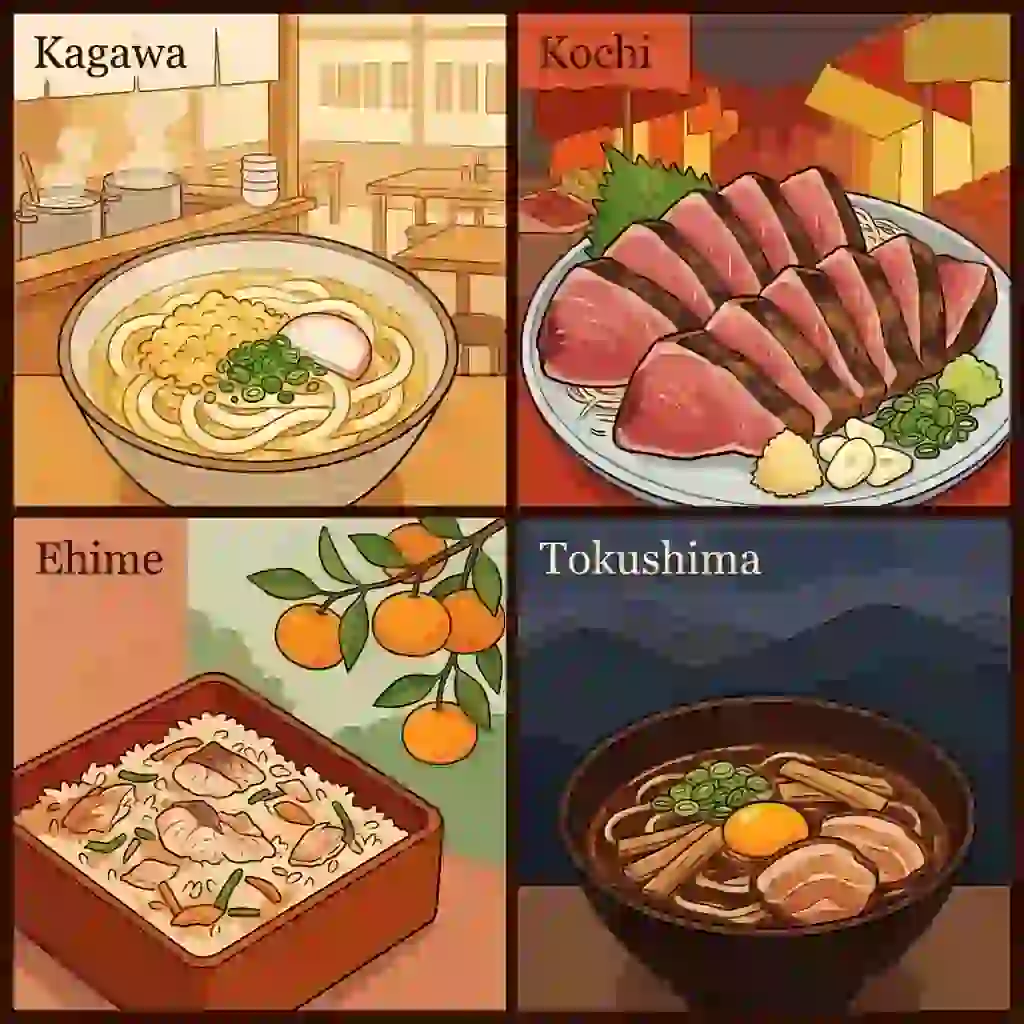
Shikoku’s four prefectures each maintain a fiercely distinct food identity. Exploring all four offers one of the most varied and rewarding regional food journeys in Japan.
Takamatsu — The Udon Capital of Japan
Takamatsu, the capital of Kagawa Prefecture, serves as the gateway to Japan’s most famous udon culture. The city and surrounding countryside hold hundreds of udon shops. They range from tiny family-run establishments to large self-service restaurants. The classic Kagawa udon experience starts with arriving early in the morning. Visitors watch the noodles being made fresh that day, choose toppings from a simple counter, and eat standing up for under 300 yen. This no-frills, high-quality approach is quintessentially Kagawa. Beyond udon, Takamatsu’s Nishiki-cho fish market offers excellent access to Seto Inland Sea seafood and local ingredients.
Kochi — Bold Flavors from the Pacific Coast
Kochi City is one of Japan’s great underrated food cities. The Hirome Market, a sprawling indoor food hall near the city center, brings together dozens of stalls. They serve katsuo no tataki, grilled seafood, Kochi-style sashimi, and local sake. The atmosphere runs from morning until late at night with genuine communal energy. The Sunday Kochi Ichi market along the main boulevard is one of Japan’s longest and most vibrant street markets. Local farmers, fishermen, and food producers sell directly to the public. Kochi food culture is generous, convivial, and deeply proud. The city’s residents have a well-earned reputation for enjoying good food and good sake with equal enthusiasm.
Matsuyama — Sea Bream, Onsen, and Nabe Yaki Udon
Matsuyama, Ehime’s largest city, combines a beautiful castle, famous hot springs, and a food culture built around Seto Inland Sea seafood. Taimeshi sea bream rice appears on menus throughout the city in both traditional cooked style and the raw Uwajima variation. Nabe yaki udon from street cart vendors is a beloved local winter tradition. The Dogo Onsen district clusters excellent local restaurants and food shops. Together they offer a comprehensive introduction to Ehime food culture.
Tokushima — Ancient Noodles and Rich Ramen
Tokushima sits on the northeastern corner of Shikoku. Its location places it closer to the Kansai region in both geography and culinary temperament. The city is best known nationally for Tokushima ramen. This rich soy-pork broth style with a raw egg topping has developed a devoted following far beyond the island. But Tokushima’s deeper food story belongs to Handa somen. Noodle makers in the Handa district have produced these thick, hand-stretched noodles for centuries using traditional techniques. The city also sits at the center of Awa dance festival culture. The celebratory food traditions associated with this famous summer festival contribute significantly to Tokushima’s vibrant food scene.
Shikoku Food Map
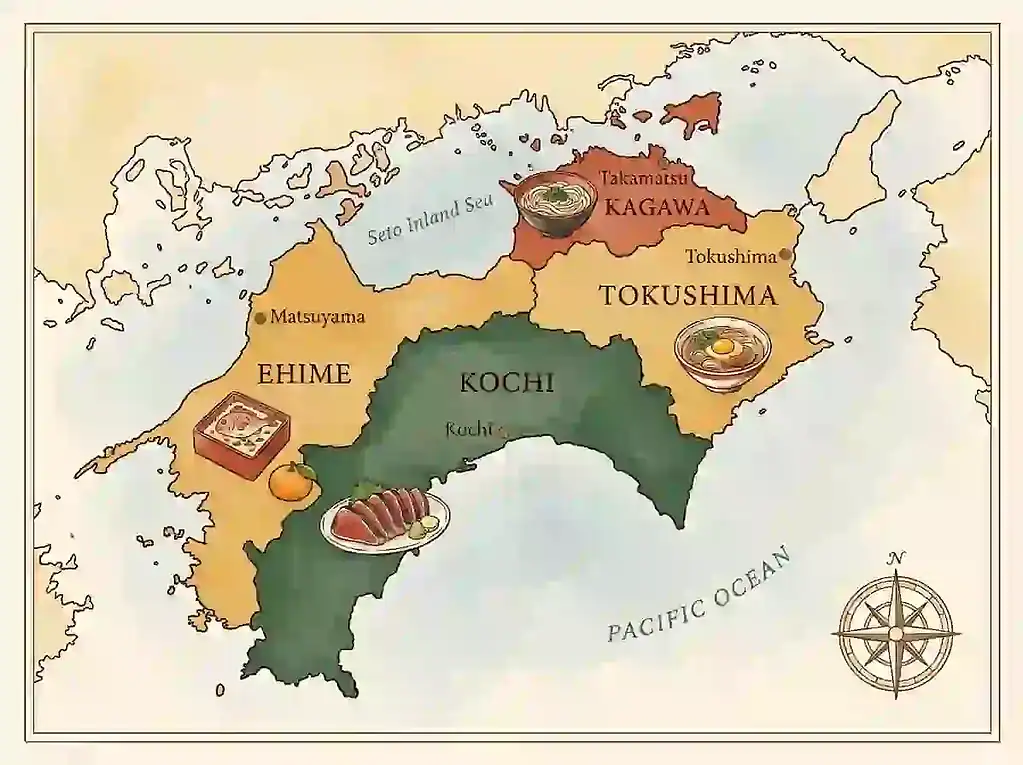
Shikoku’s culinary landscape follows the island’s four prefectures with remarkable clarity. Kagawa in the northeast anchors the region as Japan’s undisputed udon capital. Takamatsu serves as headquarters for a noodle culture that spread across the entire country. Moving clockwise, Tokushima on the eastern coast brings intensely flavored ramen and ancient somen traditions. On the southern Pacific-facing coast, Kochi stands alone as a seafood powerhouse built around the bonito. A rich agricultural interior producing yuzu, ginger, and exceptional vegetables supports this tradition. Ehime on the western coast completes the circuit with its sea bream culture, citrus orchards, and two distinct regional styles of taimeshi.
Why Shikoku Is a Paradise for Food Lovers
Shikoku rewards food travelers in a way that few other regions in Japan can match. The island is compact enough to cover in a single extended journey. Yet every prefecture offers an entirely different culinary world. A visitor can start in Takamatsu eating extraordinary udon for a few hundred yen. They can cross to Kochi and watch a bonito being seared over straw flames at the Hirome Market. A short journey brings them to Matsuyama for taimeshi at a riverside restaurant. Tokushima waits at the end of the circuit with rich ramen and handmade Handa somen.
What makes this journey special is the quality and integrity of the food. Shikoku producers and cooks work with exceptional local ingredients. They maintain traditions developed over centuries with genuine care. Kagawa udon is not famous because of marketing. It is famous because it genuinely tastes better than udon made anywhere else. The same applies to Kochi bonito, Ehime sea bream, and Tokushima somen.
For food lovers seeking authentic regional Japanese cuisine away from major tourist crowds, Shikoku delivers an experience difficult to match anywhere else in the country.
Explore More Shikoku Foods
- Sanuki Udon — Kagawa’s world-famous thick, chewy udon noodles.
- Katsuo no Tataki — Kochi’s straw-fire seared bonito.
- Taimeshi — Ehime’s sea bream rice in two styles.
- Uwajima Taimeshi — Raw sea bream on rice with egg sauce.
- Tokushima Ramen — Rich soy-pork ramen with raw egg.
- Kokera Sushi — Kochi’s traditional festive pressed sushi.
- Handa Somen — Tokushima’s thick hand-stretched somen noodles.
- Nabe Yaki Udon — Matsuyama’s hot pot udon in a clay pot.
Explore More Japanese Regional Foods
Japan’s regional cuisines vary widely depending on climate, history, and local ingredients. If you enjoyed learning about Shikoku food, explore dishes from other regions of Japan.
- Hokkaido Food Guide – Discover seafood, ramen, and dairy specialties from Japan’s northern island.
- Tohoku Food Guide – Discover hearty winter dishes and regional specialties from northern Honshu.
- Kanto Food Guide – Explore Tokyo’s vibrant food culture and famous regional dishes.
- Chubu Food Guide – Discover Nagoya meshi, Kanazawa food, and the diverse cuisine of central Japan.
- Kansai Food Guide – Taste iconic dishes like takoyaki, kaiseki, and Osaka street food.
- Kyushu Food Guide – Enjoy rich ramen, fresh seafood, and southern Japanese specialties.
- Chugoku Food Guide – Explore Hiroshima okonomiyaki, fugu, and the diverse cuisine of western Honshu.
References
Kagawa Prefecture Tourism (https://www.my-kagawa.jp/en/)
Kochi Prefecture Tourism (https://visitkochijapan.com/en/)
Ehime Prefecture Tourism (https://www.en-ehime.com/)
Tokushima Prefecture Tourism (https://www.awanavi.jp/en/)
Shikoku Tourism Promotion Organization (https://www.shikoku-tourism.com/en/)
Shikoku Food Guide FAQ
What food is Shikoku famous for?
The region offers chewy Sanuki udon, rich Tokushima ramen, fresh citrus fruits, seared bonito, and exquisite sea bream dishes.
Which prefectures are part of the Shikoku region?
The region consists of Kagawa, Tokushima, Kochi, and Ehime prefectures.
What makes Shikoku cuisine unique compared to other regions of Japan?
Cooks highlight abundant fresh seafood from the surrounding oceans, utilize local citrus for sharp acidity, and craft deeply ingrained regional noodle dishes.
What is the best season to visit Shikoku for food?
Autumn offers the best fatty bonito and sweet potatoes, while winter provides premium yellowtail, hearty hot pots, and vibrant citrus fruits.
What is Sanuki udon and why is it so famous?
It is Kagawa’s signature thick wheat noodle. Diners nationwide love it for its distinctively firm, springy texture (koshi) and incredibly cheap price.
What makes Sanuki udon different from other Japanese udon?
Artisans knead the high-hydration dough intensely—often stepping on it with their feet—creating a wonderfully dense and chewy bite unmatched by softer udon styles.
How many udon restaurants are there in Kagawa Prefecture?
Kagawa boasts over 600 udon shops. It has the highest concentration of udon restaurants per capita in all of Japan, earning it the nickname “Udon Prefecture.”
What is the best way to eat Sanuki udon?
Locals highly recommend eating it “bukkake” (cold noodles splashed with dense soy broth) or “kamatama” (hot noodles mixed immediately with a raw egg and soy sauce).
What is katsuo no tataki and how is it prepared?
It is lightly seared bonito sashimi. Chefs quickly roast the fish over an intense flame, slice it thickly, and serve it with garlic, ginger, and ponzu or salt.
What is katsuo (bonito) and why is Kochi famous for it?
Bonito is a migratory fish with rich, red meat. Kochi faces the Pacific Ocean directly in the path of the Kuroshio Current, catching massive, flavorful schools of them.
What is the straw-grilling method used for katsuo in Kochi?
Chefs toss dried rice straw onto a fire to create instant, roaring heat. This sears the fish’s skin in seconds and imparts a profoundly smoky, rustic aroma.
What other seafood dishes is Kochi famous for?
The prefecture delights visitors with dorome (raw baby sardines), savory moray eel (utsubo) sashimi, and delicate kinmedai (splendid alfonsino).
What is taimeshi and how does Ehime style differ from Uwajima style?
Central Ehime cooks steam a whole sea bream with rice in a clay pot. Conversely, Uwajima chefs serve raw sea bream sashimi over hot rice with an egg and savory sauce.
What is Uwajima taimeshi?
It is a luxurious, fisherman-style bowl from southern Ehime. You place fresh sea bream sashimi on hot rice and pour a mixture of raw egg yolk, soy sauce, and sesame over it.
What is nabe yaki udon from Matsuyama?
It is Matsuyama’s comforting soul food. Cooks simmer soft udon noodles, beef, and fish cakes in a uniquely sweet broth, serving it sizzling hot in an aluminum pot.
What citrus fruits is Ehime famous for?
The prefecture is Japan’s citrus kingdom, famous for incredibly sweet Mikan (mandarin oranges), tart Iyokan, and premium modern varieties like Setoka and Beni Madonna.
What is Tokushima ramen and what makes it unique?
Chefs serve straight noodles in a rich, dark, sweet-and-savory soy and pork bone broth. They distinctively top it with sweet simmered pork belly and a raw egg.
What is Handa somen from Tokushima?
It is a historic, hand-stretched noodle. Artisans make it noticeably thicker than standard Japanese somen, giving it a satisfyingly chewy texture and hearty bite.
What is the food culture of Awa region in Tokushima?
The culture heavily incorporates zesty Sudachi citrus, sweet Naruto Kintoki sweet potatoes, and premium seafood caught in the turbulent Naruto whirlpools.
What seafood is Shikoku famous for?
Diners enjoy Kagawa’s olive-fed yellowtail, Tokushima’s firm Naruto sea bream, Kochi’s fatty bonito, and Ehime’s premium farmed red sea bream.
What traditional sweets are famous in Shikoku?
You should try Ehime’s Botchan Dango (tri-colored sweet skewers), Kagawa’s elegant Wasanbon artisan sugar, and Tokushima’s sweet potato pastries.
What is Oiri from Kagawa?
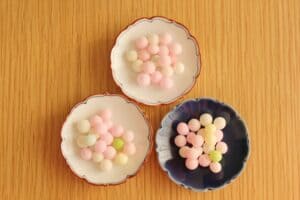
They are delicate, brightly colored, hollow rice cracker balls that instantly melt in your mouth. Locals traditionally use them as wedding gifts and to decorate soft-serve ice cream.
What is the Shikoku pilgrimage food culture?
The 88-temple Buddhist pilgrimage created a local tradition of “osettai” (hospitality), where residents kindly offer walking pilgrims simple, nourishing foods, tea, and citrus.
What sake or spirits is Shikoku known for?
Kochi brewers craft incredibly dry, crisp sake (tanrei karakuchi) explicitly designed to cleanse the palate after eating rich, garlic-heavy seared bonito.
What is Guruni from Kochi?
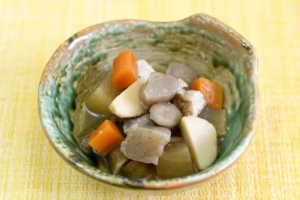
It is a traditional Kochi vegetable stew. Cooks dice root vegetables like daikon, taro, carrots, and burdock, then simmer them together in a comforting soy sauce and dashi broth.