




Have you ever heard of sumitsukare? If this is your first time, don’t worry. Most people haven’t heard of it either. The name is hard to spell, the dish looks pretty plain, and nobody agrees on where the name came from. But for people who grew up in Gunma Prefecture’s Tomo region, this dish brings back strong memories of winter.
Gunma has other well-known local foods. Yakimanjuu (grilled steamed buns) and okkirikomi (thick udon noodle stew) tend to get all the attention. Sumitsukare gets left out. Even younger locals often say they’ve heard of it but never eaten it. That’s a real shame.
This article tells you everything worth knowing about sumitsukare. We’ll cover what it is, where it came from, what it tastes like, and where you can try it. Think of it as a slow trip through Japanese food culture. No rush at all.
What Is Sumitsukare?
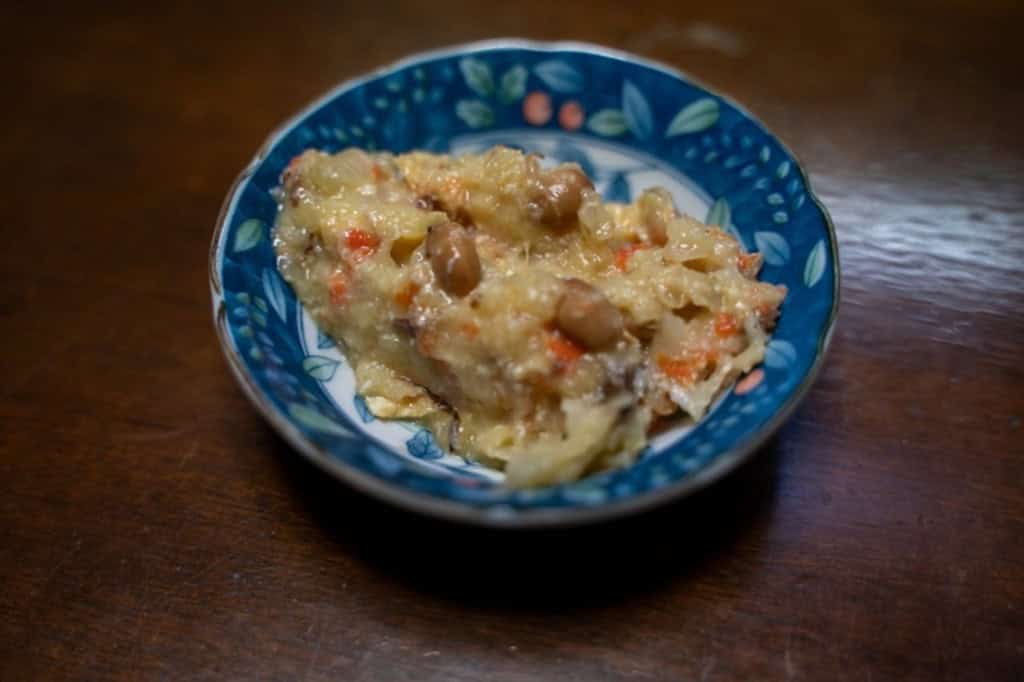
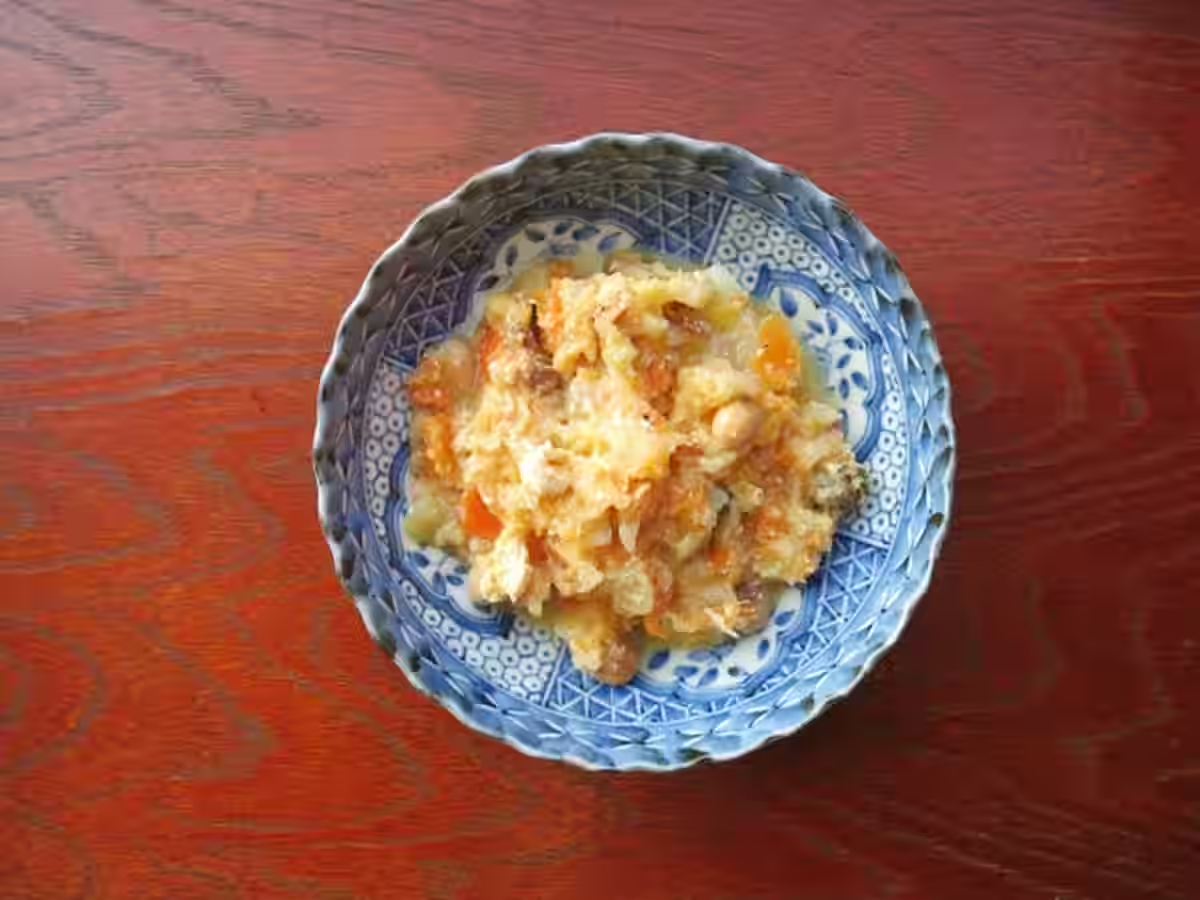
Sumitsukare is a traditional dish from Japan’s Northern Kanto region. Cooks simmer together salmon head, soybeans, daikon radish, carrots, deep-fried tofu (aburaage), and sake lees (fermented rice paste). It has no single official name. People in different areas call it “shimotsukare,” “sumitsukari,” or “shimitsukare.” In Gunma, “sumitsukare” is the most common term. It runs especially deep in the Tomo area, including cities like Tatebayashi and Itakura.
What makes this dish unique is that almost every ingredient starts as a leftover. Cooks use the salted salmon head left over from New Year’s meals. They grab the soybeans that didn’t get thrown during the Setsubun ceremony in February. They pull out daikon and carrots that sat in storage a little too long. The whole dish grew out of a simple desire not to waste food. We’d call that zero-waste cooking today. But people in Northern Kanto figured it out centuries ago.
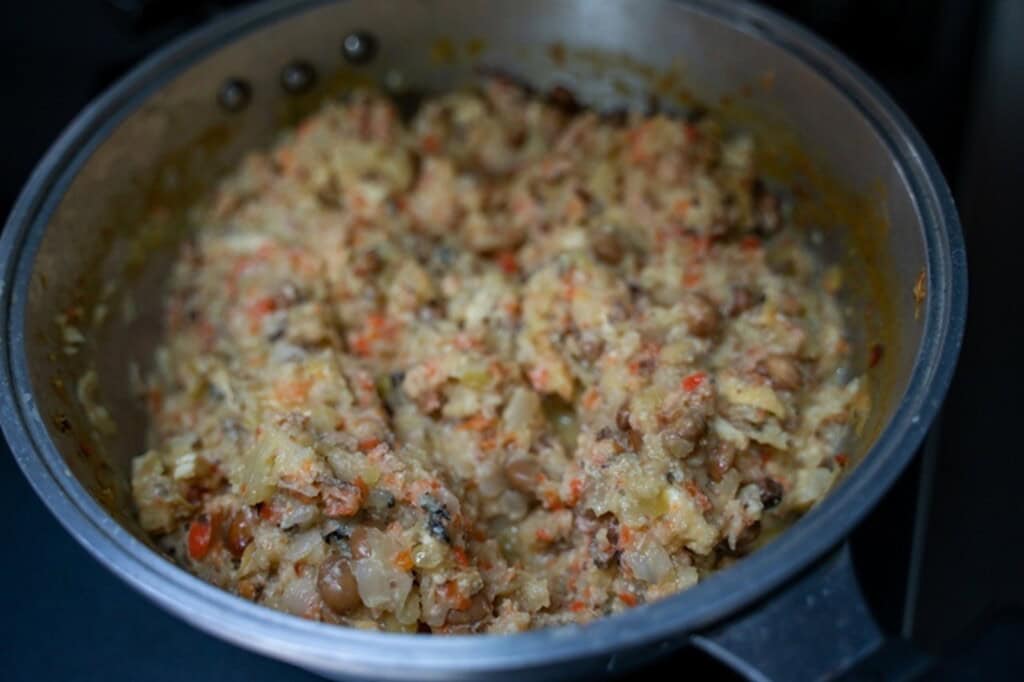
The main ingredients are salted salmon (head or pieces), leftover Setsubun soybeans, daikon and carrots grated coarsely on an oni-oroshi grater, aburaage (deep-fried tofu), sake lees, and basic seasonings like soy sauce, sake, and mirin. Cooks add no water at all. The dish cooks entirely in the liquid the vegetables release. The sake lees pull the flavors together and give the dish its earthy, slightly tangy aroma.
Why People Are Talking About Sumitsukare
Japan’s Ministry of Agriculture, Forestry and Fisheries officially added sumitsukare to their “Our Local Cuisine” project. This project documents regional dishes from all over Japan and works to keep them alive for future generations.
A few things explain why sumitsukare keeps catching people’s attention.
The nutrition is genuinely strong. Salmon delivers protein and DHA. Soybeans add plant-based protein and fiber. Daikon and carrots bring vitamins and minerals. Sake lees, as a fermented food, contribute lactic acid bacteria and compounds that support skin health. The dish fits right into modern healthy eating, even though nobody designed it that way.
The sustainability story also resonates. People everywhere talk about reducing food waste right now. Cooks in Northern Kanto have practiced this idea since the Edo period. That track record deserves real respect.
Tochigi Prefecture, right next door, sells a nearly identical dish called shimotsukare in grocery stores all year long. People across Japan recognize it. Gunma’s sumitsukare now rides that same wave. More people want to try it, and local producers are paying attention.
What Sumitsukare Looks, Smells, and Tastes Like
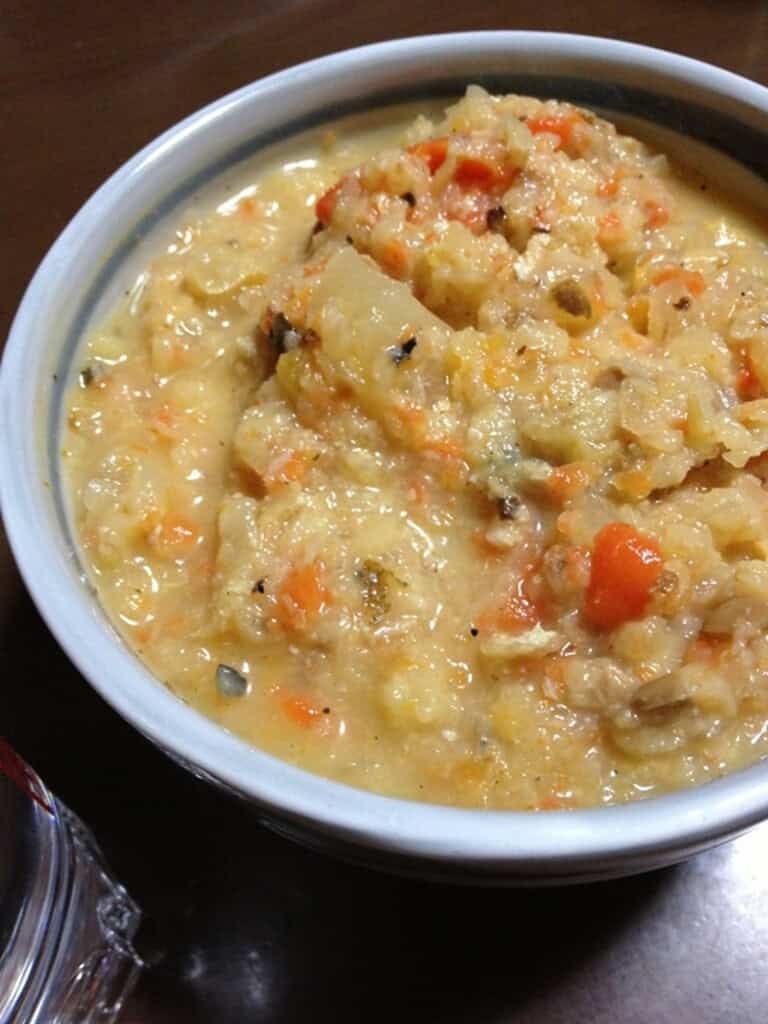
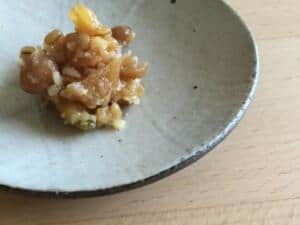
Let’s be straight. Sumitsukare does not look appetizing. Coarsely grated daikon and carrot sit in a pale, cloudy liquid. Flakes of salmon and soft soybeans float throughout. Nobody would call this dish photogenic. If looks decided everything, sumitsukare would lose every time.
But take one bite. Everything changes.
The daikon releases a gentle, silky moisture that softens the whole dish. The salmon brings deep umami that builds slowly with each bite. The sake lees add a mellow tang and a warm, fermented aroma. The aburaage rounds everything out with richness. The salt comes entirely from the salmon, so the flavor never feels forced or heavy. “Comforting” is probably the most accurate word.
That said, sake lees carry a bold personality. Some people love that funky, fermented edge. Others find it overpowering. Many people who avoided it as kids discover they love it as adults. It’s the kind of dish that grows on you.
No two families make it exactly the same, and that’s part of the charm. Some households use more sake lees. Others grill the salmon longer before adding it to the pot. Some grate the daikon coarser. Every home version tastes a little different, and every version feels personal. That variety keeps sumitsukare feeling alive.
The History of Sumitsukare
A Ceremonial Dish from the Edo Period
Sumitsukare traces its roots back to the Edo period (1603 to 1868). Families originally made it for Hatsu-uma, the first Day of the Horse in February. On this day, communities gathered at local Inari shrines to honor Inari, the deity of agriculture. Cooks plated sumitsukare alongside sekihan (red bean rice) and set both before the shrine. Some families arranged the dishes on trays placed atop bundles of straw called “wara-bocchi” as part of the ritual.
Hatsu-uma gave people a chance to pray for a good harvest and good health. Families filled large pots with sumitsukare. They ate it together, then shared it with neighbors and visitors. An old saying held that eating sumitsukare from seven different households would protect you from paralysis. The more you shared, the healthier you would be. Whether anyone took that literally or not, the tradition encouraged generosity and community connection.
How the Dish Spread Across Northern Kanto
Sumitsukare goes well beyond Gunma. You find versions of it throughout Northern Kanto, including Tochigi, Ibaraki, and Saitama. The names vary slightly from place to place. The recipes shift in small ways. But the core idea stays constant: a winter dish that uses up leftovers, prepared with gratitude and shared freely. That straightforward spirit carried the dish through several centuries.
The origin of the name remains uncertain. The most widely accepted theory connects it to a dish called “sumutsukari” that appears in Heian and Kamakura period texts. That early version consisted simply of roasted soybeans dressed with vinegar. Over the centuries, cooks expanded the recipe, added new ingredients, and shaped it into the hearty stew it is today.
Sumitsukare in Modern Times
Families once filled large pots with sumitsukare every year around Hatsu-uma without thinking twice. Today, fewer households keep up the tradition. As family sizes shrank and diets diversified, this dish quietly left many kitchens.
But it did not disappear. Local farm stands and some regional supermarkets now sell it as a ready-made side dish. Gunma Agri-Net, a prefectural website focused on local food and farming, publishes updated recipes that modernize the dish. One popular variation swaps sake lees for white wine and adds more colorful ingredients. The result looks brighter and appeals to younger eaters.
Groups like the NPO Gunma Food Culture Research Association actively work to spread awareness. Their effort to hand this knowledge to the next generation continues with real commitment.
Places to Try or Find Sumitsukare
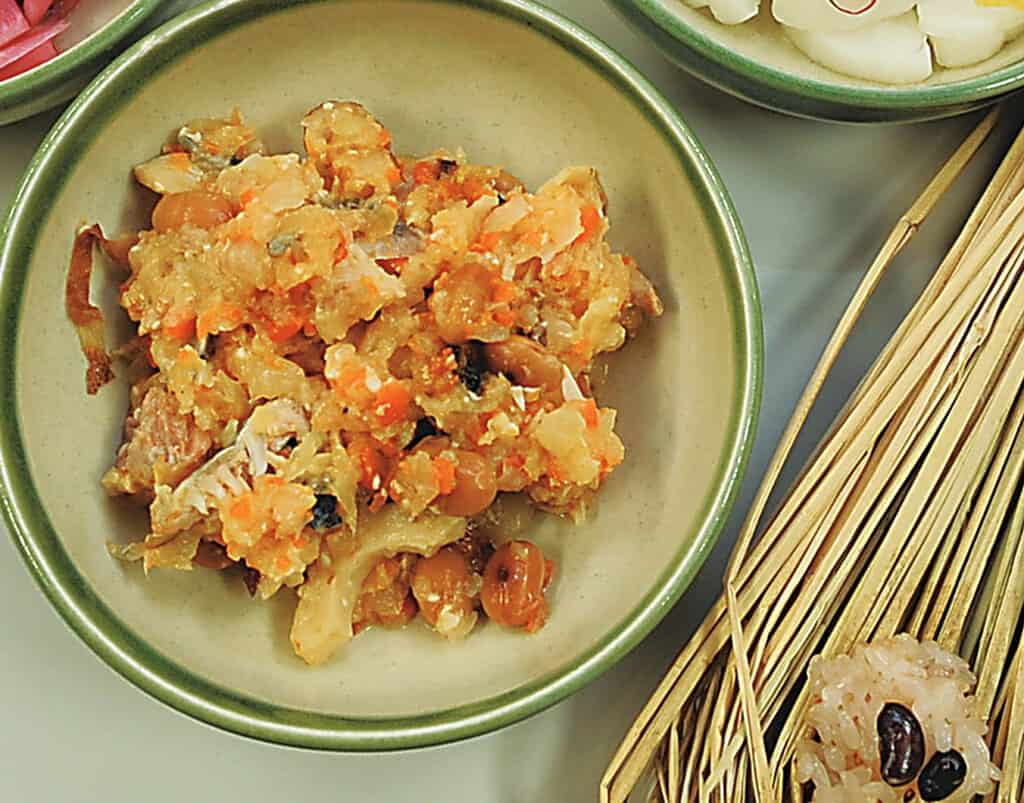
Sumitsukare is primarily a home-cooked dish. Most restaurants do not keep it on the regular menu. Your best opportunity comes during the Hatsu-uma season, around February, at local farm stands and community events in the Tomo area. Availability shifts with the season and supply, so calling ahead before you make a dedicated trip is a smart move.
JA Ora Tatebayashi Farm Stand: Ponpoko
Ponpoko sits in Tatebayashi and stocks its shelves daily with fresh produce from local farmers who harvest that same morning. On-site nutrition educators and vegetable sommeliers welcome questions about seasonal ingredients. Around Hatsu-uma, locally made sumitsukare sometimes shows up in the prepared foods section. If you want to start exploring Gunma’s food culture, this is a great first stop.
JA Ora Tatebayashi Farm Stand: Denen Marche
Denen Marche operates in Ora Town and carries a wide selection of locally grown vegetables and artisan food products. It grew out of its predecessor, the Fureai Shokusaikan, and expanded significantly after its relaunch. Locals love it. Around Hatsu-uma, the shop tends to stock traditional prepared foods and regional specialties. Produce from Itakura and Ora towns fills the shelves, making this a reliable stop for tasting what this part of Gunma actually grows.
Obiki Inari Shrine: Hatsu-uma Festival (Seasonal)
Obiki Inari Shrine in Tatebayashi ranks among the most important Inari shrines in the region. Each year in early February, the shrine hosts its Hatsu-uma Festival. Since cooks originally created sumitsukare as an offering for exactly this occasion, attending the festival gives you the most authentic possible context for the dish. Local residents sometimes bring homemade sumitsukare to share during the festivities. If you plan to visit between January and February, check the local events calendar first. Walking through the shrine grounds during the festival, you don’t just learn about this food tradition. You feel it.
Closing Thoughts
Sumitsukare loses points on looks. But behind that plain exterior, centuries of practical wisdom sit quietly. Don’t waste what you have. Give thanks for it. Share it with the people around you. One bowl holds all of that.
If you travel through Gunma’s Tomo region, keep sumitsukare in your back pocket. No tourist brochure will mention it. But local people cherish it and keep making it. First-timers should do one thing: let go of expectations and take a single bite. Something just might shift.
Japan’s regional food traditions still hide plenty of undiscovered gems. Sumitsukare, I think, is one of the best.
References
Ministry of Agriculture, Forestry and Fisheries, “Our Local Cuisine,” Sumitsukare (Gunma Prefecture): https://www.maff.go.jp/j/keikaku/syokubunka/k_ryouri/search_menu/menu/32_13_gunma.html
Wikipedia (Japanese), Shimotsukare: https://ja.wikipedia.org/wiki/しもつかれ
Comments